BibliOdyssey
Books~~Illustrations~~Science~~History~~
Visual Materia Obscura~~Eclectic Bookart.
The Architecture of Fantasy II
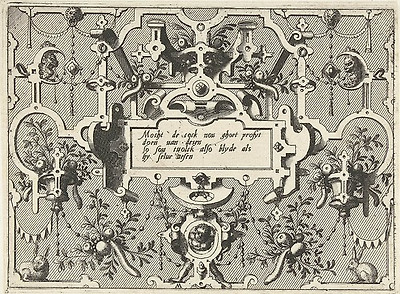
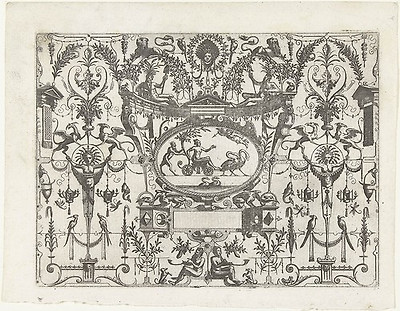
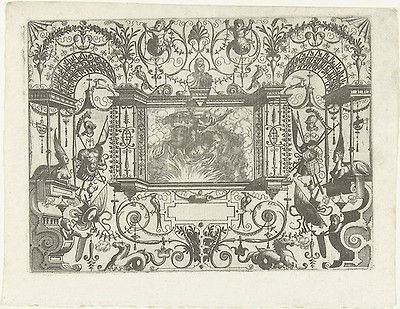
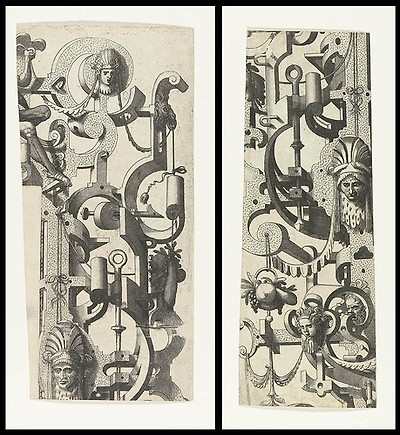
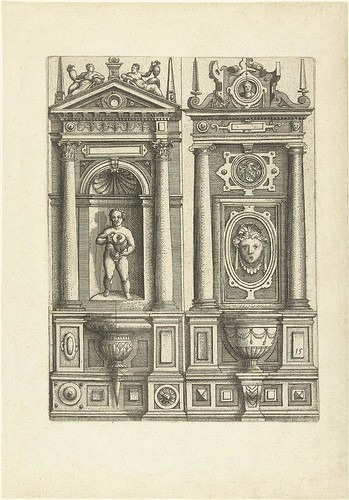
Known in the lowland countries as the 'King of Architects', Hans Vredeman de Vries [aka Johan Frisio] (~1527-~1606) apprenticed in his native Friesland as a painter before travelling widely in the Holy Roman Empire, partly as a result of religious persecution. He was most active in Antwerp, Li?ge, Wolfenb?ttel, Hamburg, Danzig, Prague and The Hague.
De Vries' interest in architecture developed from studying and copying the works of Serlio and Vitruvius, augmented by a commission he received to complete another artist's unfinished painting on perspective. These themes of classical architecture and perspective dominated De Vries' design work, which belongs more in the realm of theoretical rather than practical architecture. He was responsible for the construction of a few modest buildings, a number of triumphal arches for ceremonial entries of royal dignitaries and he worked as a fortification surveyor-architect at one stage; but it was his innovative design sketches that proved to be most influential.

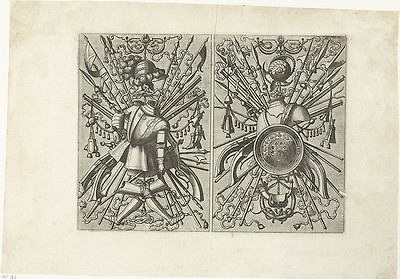
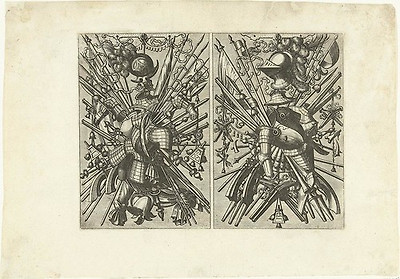
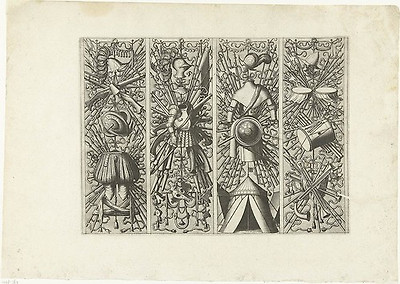
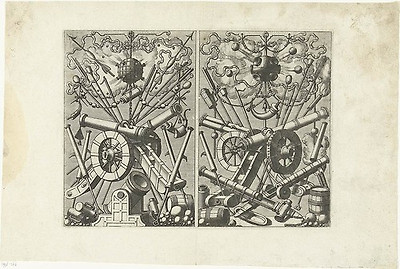
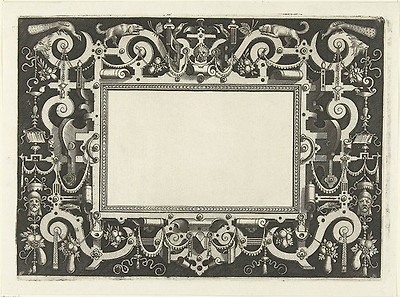
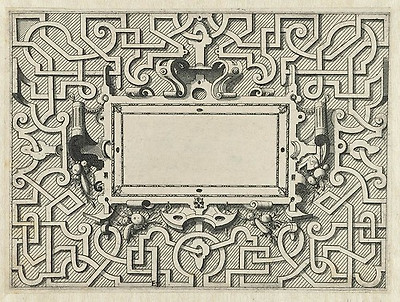
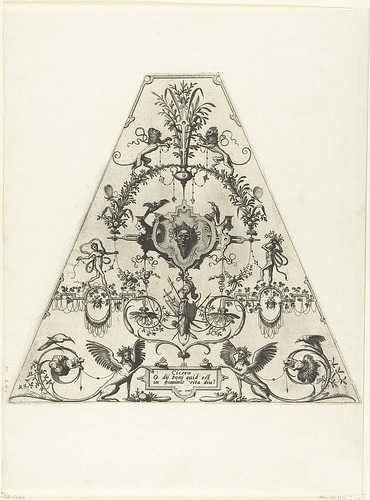
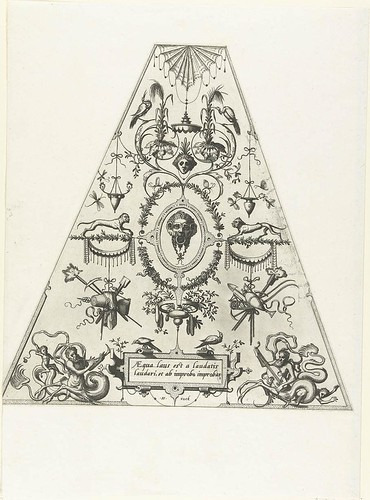
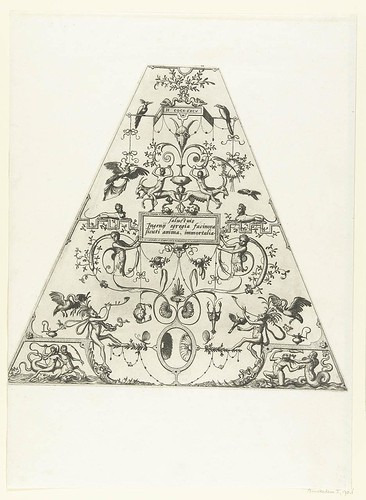
Although de Vries is thought not to have visited Italy, his purely ornamental designs - borrowed from classical antiquity - for vases, furniture, scrolls, grotesques and trophies, constituted an inventory of Renaissance decoration and served as an important conduit for the Italian styles to be disseminated throughout northern Europe. The motifs were cast in the fantasy Mannerist style, as was the custom of the day, and, combined with de Vrie's rich inventiveness - anticipating themes of Baroque decoration - the ornamental designs are particularly notable for straddling, or at least linking, all three major artistic traditions: Renaissance, Mannerist and Baroque styles.

The Architecture of Fantasy II
Known in the lowland countries as the 'King of Architects', Hans Vredeman de Vries [aka Johan Frisio] (~1527-~1606) apprenticed in his native Friesland as a painter before travelling widely in the Holy Roman Empire, partly as a result of religious persecution. He was most active in Antwerp, Li?ge, Wolfenb?ttel, Hamburg, Danzig, Prague and The Hague.
De Vries' interest in architecture developed from studying and copying the works of Serlio and Vitruvius, augmented by a commission he received to complete another artist's unfinished painting on perspective. These themes of classical architecture and perspective dominated De Vries' design work, which belongs more in the realm of theoretical rather than practical architecture. He was responsible for the construction of a few modest buildings, a number of triumphal arches for ceremonial entries of royal dignitaries and he worked as a fortification surveyor-architect at one stage; but it was his innovative design sketches that proved to be most influential.


다음검색
스크랩 원문 :
..