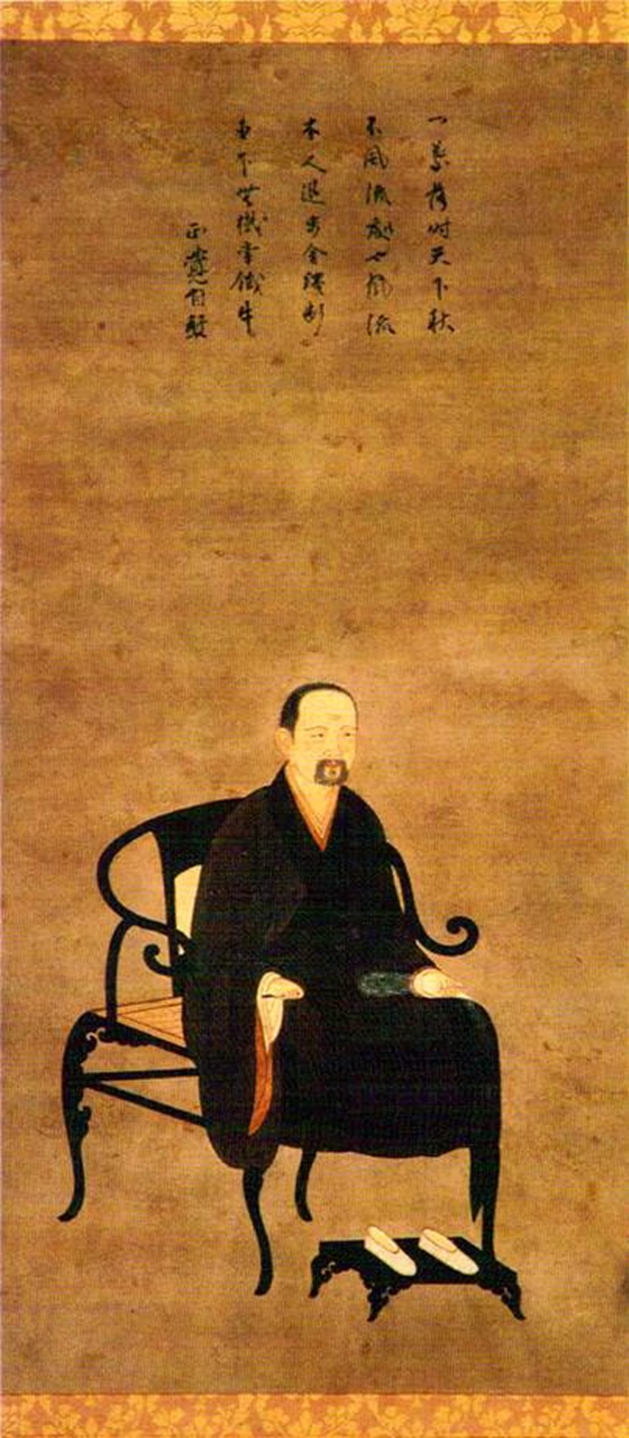
굉지 정각 ― 조용히 앉아 있었던 반역자
《선의 반역자들》 시리즈 | 길 가장자리에서 온 기록
선의 세계가 칼날을 날카롭게 갈고 있을 때,
그는 조심스레 칼을 풀밭에 내려놓았다.
대혜종고가 불을 밝히며 “무(無)가 무엇이냐!”고 제자들의 뇌 속으로 외쳐댈 때,
굉지정각은 침묵이 가득한 방에 앉아 있었고
그것으로 충분하다고 여겼다.
선(禪)이 온갖 드라마로 타오르던 시대에
굉지는 더 은밀한 이유로 위험했다:
그는 깨달음을 너무 단순하게 보이게 만들었다.
탁자를 내리치지도 않았고,
“할!” 하고 소리를 지르지도, 황제를 모욕하지도 않았다.
수수께끼도, 날카로운 해체도 없었다.
그 대신 그는 이렇게 가르쳤다:
“모든 얽힘을 내려놓고 맑고 밝은 들판에 머물라.
빈 전각은 하나의 등불로 밝아진다.”
이것이 바로 묵조선(默照禪)의 뿌리였다 —
대상이 없는 빛나는 알아차림,
방법도, 단계도, 목표도 없는 수행.
그저 앉는 것, 그저 존재하는 것.
붙잡을 것도, 도착할 곳도 없다.
대혜에게 이건 길이 아니었다 — 함정이었다.
그는 그것을 병이라 부르고, 막다른 길, “귀신굴 속의 앉음”이라 했다.
제자들이 고요함을 통찰로 착각하고
몽롱한 정체 속에 빠질까 두려웠다.
대혜는 불로 싸웠다.
굉지는 달빛으로 응답했다.
“진실한 현실의 수행은
그저 고요히 앉아 묵묵히 비추는 것이다.
모든 말을 잊고,
모든 것이 떠오르고 사라지는 것을
맑은 빛 속에서 지켜보는 것.”
그는 그 위험을 알고 있었다.
그럼에도 그는 바닥 없는 바닥을 신뢰했다:
뚫을 필요 없고 머무를 것도 없는 열린 하늘 같은 마음 —
그저 머물면 되는 자리.
그건 고함 속이나 부서진 화두 속에서는 찾을 수 없다.
그의 반역은 더 조용했다.
노력의 거부, 과장의 거부, 기술의 거부.
그는 앉았다.
그리고 계속 앉아 있었다.
세상이 앞다투어 깨달음을 향해 달려갈 때도.
일본 조동종의 위대한 개조 도겐은
굉지의 말을 경전처럼 읽었다.
그는 그의 게송을 손으로 베껴 쓰고,
그의 침묵을 지관타좌(只管打坐) — “그저 앉음” — 수행의 핵심에 엮어 넣었다.
대혜의 간화참구가 중국 전역을 휩쓸던 그때,
시간을 넘어 전해진 것은 굉지의 고요한 불이었다.
때로 가장 큰 반역자는
말하지 않는 이다.
출처 및 주석
- 宏智正覺굉지정각(1091–1157)은 송나라 시대 조동종(曹洞宗)의 중요한 선사였다. 천동정각天童正覺이라 하기도 한다. 그의 묵조선 가르침은 『빈 들을 경작한다(Cultivating the Empty Field)』(타이겐 댄 레이튼 번역)에 실려 있다.
- 대혜 종고는 그의 동시대인이자 비판자로, ‘간화(看話)’ 수행을 강조하며 화두(話頭) 수행법을 대중화시켰다.
- 도겐 에이헤이(道元永平,1200–1253)는 굉지를 깊이 존경하며 그의 묵조 가르침을 일본 조동종의 핵심 수행 방식으로 흡수했다. 특히 『쇼보겐조(正法眼蔵정법안장)』에서 그 영향이 드러난다.
- 주요 인용 출처: 『굉지록』, 『종용록(從容錄, Book of Equanimity)』, 『대혜어록』, 타이겐 레이튼의 주석 등.
Hongzhi Zhengjue — The Rebel Who Sat Still.
Zen Rebels series | Notes from the Edge of the Path
While the Zen world sharpened its knives,
he laid his gently in the grass.
While Dahui Zonggao lit fires, shouting “What is Mu?” into the skulls of his students,
Hongzhi Zhengjue sat in a room flooded with silence
and called it enough.
In an age where Chan was ablaze with drama,
Hongzhi was dangerous for a subtler reason:
he made awakening look too simple.
He didn’t smash tables.
He didn’t scream “Katz!” or hurl insults at emperors.
He offered no riddles, no clever dismantlings.
Instead, he taught:
“Drop all entanglements and dwell in the clear, bright field.
The empty hall is illuminated by a single lamp.”
This was the root of Silent Illumination —
a luminous, objectless awareness with no method, no stages, no goal.
Just sitting, just being.
Nothing to seize, nowhere to arrive.
To Dahui, this was not a path — it was a trap.
He called it a disease, a dead-end, “ghostly sitting.”
He feared students would mistake stillness for insight,
and sink into dreamy stagnation.
Dahui fought with fire.
Hongzhi answered with moonlight.
“The practice of true reality is simply to sit serenely in silent illumination,
forgetting all words and watching everything arise and pass away
in the clear light of awareness.”
He knew the risks.
Still, he trusted the groundless ground:
a mind like open sky, not needing to be pierced — only rested in.
You won’t find him in shouts or broken koans.
His rebellion was quieter.
A refusal of effort, of spectacle, of technique.
He sat.
And kept sitting.
While the world rushed to awaken.
Dōgen, the great Japanese founder of the Sōtō school,
read Hongzhi’s words like scripture.
He copied his verses by hand.
He wove his silence into the heart of shikantaza — “just sitting.”
Even as Dahui’s koan introspection swept across China,
it was Hongzhi’s still fire that carried across time.
Sometimes the loudest rebel is the one who doesn’t speak.
<Sources & Notes>
- Hongzhi Zhengjue (1091–1157) was a major Caodong (Sōtō) school master during the Song Dynasty. His teachings on Silent Illumination are collected in Cultivating the Empty Field (translated by Taigen Dan Leighton).
· Dahui Zonggao, his contemporary and critic, promoted kanhua Chan (observing the “critical phrase” of a koan), leading to the widespread use of hua-tou practice.
· Eihei Dōgen (1200–1253) revered Hongzhi and absorbed his Silent Illumination teachings into the foundation of Japanese Sōtō Zen, especially in Shōbōgenzō.
· Key quote sources: Hongzhi’s Record; Book of Equanimity; Dahui’s Letters; Leighton’s commentary.