나토 파트너십의 강화 같은 전략적 요인 외에 26형 호위함은 FDI, 컨스털레이션급, F127 등 경쟁 함정보다 대공전 능력은 떨어지지만 러시아 북해함대의 잠수함을 상대할 때 필요한 대잠전 능력이 더 뛰어나고, 고위험 시나리오에선 어차피 노르웨이 해군은 미국이나 영국의 지역방공함과 함께 작전할 거라고 분석합니다.
연구 살펴보기 간행물 논평 논평 노르웨이의 타입 26 프리깃함 구매 커맨더 에드워드 블랙, 닥터 시다르트 카우셜 2025년 9월 15일 읽는 데 11분 공유
스코틀랜드 글래스고 클라이드강의 BAE 시스템스 스코츠타운 조선소에서 건조 중인 타입 26 프리깃함 HMS 카디프의 항공 사진, 영국, 2025년 2월 16일.
영국에 경제적 활력을 제공하는 것 이상의 의미로, 노르웨이의 타입 26 프리깃함 도입은 전략적 파트너십과 나토 기획에 대한 신뢰의 표명이다.
2025년 8월 31일, 영국의 타입 26/글로벌 컴뱃 쉽이 노르웨이의 차세대 대잠전(ASW) 플랫폼으로 선정되었다는 발표가 있었다. 보도에 따르면 이번 거래는 영국 방산업에 100억 파운드의 가치를 창출한다. 현재 계획에 따르면 총 13척의 프리깃함이 BAE 시스템스에 의해 건조되며, 그중 5척이 노르웨이 왕립 해군에 배치되어 수천 개의 일자리를 창출하고 영국 내 수백 개 관련 기업에 혜택을 줄 것이다.
발표에 수반된 성명들이 이번 결정이 단순한 함정 선택을 넘어선다는 점을 강조한 것은 주목할 만하다. 이는 ‘장기적 전략적 관계’를 반영하며, ‘적어도 한 동맹국’과의 표준화된 플랫폼의 중요성을 말해준다.
기술적 차원에서 핵심 고려사항은 대공전(AAW)과 대잠전(ASW), 그리고 타격 능력 간의 균형이었을 것이다. 주요 위협 고려는 러시아 잠수함 전력의 증대이지만, 정교한 공중 위협이 존재하는 A2AD(접근거부/지역거부) 환경에서 생존하고, 더 넓은 나토 임무를 지원할 수 있는 능력 또한 요구사항으로 보았을 수 있다. 추가적으로, 무인·자율 능력과 함께 또는 그 주변에서 운용될 가능성이 큰 함정의 잠재적 다재다능성도 고려 요소다. 마지막으로 보다 실무적으로, 승조 및 지속유지 요건은 선택에 영향을 미쳤을 가능성이 크다.
작전적 차원에서는 일차적 역할, 해당 함정이 기여할 것으로 예상되는 편대/임무단 구성, 그리고 함정이 부차적 역할과 자주적 임무를 수행할 정도 간의 균형이 있다. 마지막으로, 나토 맥락에서의 전략 및 동맹 차원의 문제와 양자·지역 관계에 관한 고려가 따른다.
요약하면, 공동 조달 사업은 필연적으로 기술적 고려를 넘어선 요소들의 균형을 요구한다. 노르웨이의 결정은 나토의 위협 기반 기획 접근에 자국 조달을 명시적으로 정렬하고, 그에 수반되는 상충관계를 수용한 사례로 볼 수 있다. 이러한 정렬과 그 내재적 우선순위는 노르웨이와 영국이 얻는 구체적 이익만큼이나 중요하다.
비판과 기술 비교 선택의 근거와 데이터 상당수는 공개되지 않을 가능성이 크다. 영국과 영국 산업에는 축하할 일이나, 이 결정이 비판에서 자유로운 것은 아니다. 일부 논평가들은 이번 선택에 대해 우려를 표했다. 특히 제기된 우려는, 대공 방어 측면에서 타입 26이 경쟁 후보들—특히 프랑스의 FDI(방위·개입) 프리깃함과 독일의 F127—에 비해 상대적으로 약하다는 점이다. 미국의 컨스텔레이션급 프리깃함도 후보 중 하나였다.
계획가들은 동맹국이 대공전과 같은 다른 능력을 제공할 것이라는 이해 하에 특정 기능에 최적화하기보다, 능력 기반 기획이 주는 유연성을 추구하는 경우가 많다.
컨스텔레이션급은 32기의 Mk 41 수직발사기(VLS) 셀(탄종 구성은 추후 확정)과 이지스 레이더 체계를 갖춰 탄도미사일 방어 능력을 제공할 것으로 기대된다. 다만 이 함급은 유도미사일 프리깃함(FFG)으로 분류되며, 대잠전에 핵심인 초저소음 운항 능력이 부족하다. 더구나 제조 지연이 상당하며(미사일 능력 증강을 위한) 사양 변경 가능성까지 거론되면서, 주로 ASW 플랫폼으로서의 생산능력과 적절성에 의문이 제기된다.
FDI는 CAPTAS ASW 체계, MM40 대함미사일, MU90 어뢰를 갖춘 다목적 프리깃함임을 자임한다. 이 함정은 씨 파이어(Sea Fire) AESA 레이더와 최대 32기의 VLS 셀을 장착한다. 이론적으로는 아스터 30을 탑재할 경우 100km를 넘는 대공전을 수행할 수 있으며, 평판 AESA 레이더는 타입 26의 아티산(Artisan) 레이더보다 상당히 우수한 탐지거리와 범위를 제공할 가능성이 크다.
F127 역시 대공 프리깃함으로, 타입 26이 갖지 못한 탄도미사일 방어 지원 능력을 보유하며, 64기의 Mk 41 VLS와 미 해군의 AN/SPY-6 레이더를 장착한다. 그러나 이 함정은 정숙화나 센서 조합 측면에서 ASW에 최적화되어 있지 않다(예를 들어 선체고정식 소나가 없다). 게다가 배수량 1만 톤급으로, 약 220명의 승조원을 필요로 할 가능성이 높다. 이는 지난 수십 년간 영국 해군이 경험했듯 소형 해군에 상당한 부담이다. 발트해처럼 칼리닌그라드 등에서 촘촘한 미사일 위협이 존재하고 러시아가 키로급 잠수함 1척을 운용하는 환경에서는 합리적인 역량이다. 그러나 북방 함대의 공격원잠(SSN)이 주된 위협인 노르웨이 주변 환경에서의 효용은 더 의문이다.
이에 비해 타입 26의 48기 시셉터(Sea Ceptor, CAMM)는 점방어를 넘어서는 대공 능력이 매우 제한적이다. 장거리 대공 레이더가 없기 때문에, 24기의 Mk 41 VLS를 탑재하고도 토마호크 탑재 등 더 넓은 타격 능력 기여에 최적화하는 편이 나을 수 있다.
왜 ASW를 우선화하는가? 타입 26의 대공 방어가 경쟁자들보다 열세라는 비판은 일정 부분 타당하다. 다만 몇 가지 요소를 고려해야 한다. 첫째, ASW 최적화는 노르웨이가 직면한 공중·미사일 위협을 상당 부분 상쇄한다. 노르웨이 해군이 운용할 환경에서는 미사일 위협과 잠수함 위협이 상당히 겹친다. 북방에서 러시아의 순항미사일 발사능력 대부분은 핵잠수함에 탑재되어 있다. 둘째, 가장 어려운 시나리오(나토 조약 제5조 상황)에서는 노르웨이가 미 해군, 영국 해군, 네덜란드 해군(RNLN) 등 장비된 대공 구축함을 운용하는 동맹과 함께 작전할 것이다. 추가 대공 능력이 제공하는 부가 가치는, 부족한 ASW 프리깃함의 효용에 비해 제한적이다. 셋째, 해상에서 러시아의 미사일 위협 규모와 복잡성이 커지는 현실에서, 소수의 대공 자산으로는 제한적인 자주 대공 능력만 더해질 뿐이다. 예컨대 오스카 II급 순항미사일 원잠(SSGN) 1척은 72기의 순항미사일을 탑재할 수 있으며, 이는 동맹 편대에 편성되지 않는 한 FDI나 F127의 우수한 대공 체계라도 관통할 가능성이 높다. 다시 말해, 추가적인 해상 대공 능력은 다소 허상에 가까운 자주 대공 역량을 의미할 뿐이며, 동맹의 AAW에 대한 기여도 역시 제한적이다.
반면 ASW는 연합이 긴급한 능력 공백에 직면한 영역이다. 러시아 북방 함대는 규모가 커질 뿐 아니라 점점 더 조용한 잠수함을 배치하고 있다. ASW 플랫폼으로서 타입 26의 자격—CODLOG 추진체계에서부터 2087 예인 어레이, 어뢰 방어에 이르기까지—은 의문의 여지가 없다. 약 157명의 승조원으로, 전력 대비 인력 효율이 우수하다. 영국과 노르웨이가 동일 플랫폼을 공유한다는 점은, 가용 장비를 넘어서는 도전과제 완화에도 유용하다. 나토의 ASW는 플랫폼 가용성뿐 아니라 연합 차원의 비교적 연방화된 ASW 상황도(특히 이 영역에서의 엄격한 국가적 한계조항)로 인해 저해된다. 또한 러시아 북방 함대 억제에 크게 기여할 유럽 내 대부분의 해군은 인력 부족을 겪고 있으며, 소나 관제·운용 같은 전문 인력도 부족하다. 데이터를 정기적으로 공유하고 함께 ASW를 수행하는 국가들이 동일 선종을 운용하면 특히 가치가 크다. 더 나아가 이러한 공통성과 협력 임무 배분은 양국 모두의 잠재적 인력 부족을 완화하는 방식으로 전문 인력을 풀링할 수 있게 할 수도 있다.
나토에 대한 헌신과 위협 기반 기획 이번 선택은 나토와 위협 기반 기획 모두에 대한 신뢰의 표명으로 볼 수 있다. 고강도 충돌에서는, 각 전력이 임무단 또는 타 함정과 동반하지 않고 효과적으로 운용하기 어렵다는 묵시적 전제가 있다. 미국을 제외하면 어떤 나토 국가도 단독 운용을 기대해서는 안 된다. 이는 표면적으로는 이해되지만, 계획가들은(노르웨이 상황의 예처럼) 동맹이 대공전 같은 다른 능력을 제공할 것이라는 이해 하에, 특정 기능에 최적화하기보다 능력 기반 기획이 주는 유연성을 추구하는 경우가 종종 있다. 나토의 방위 작전은 ‘단일 전략급 방위를 확립하기 위해 통합되고 상호 보완적’이어야 하며, 통합은 곧 전문화를 뜻한다. 무엇보다 ASW에 초점을 맞춘 노르웨이의 역량은 가장 큰 억지 효과를 가질 기여다. 현실적으로 이는 전투 다재다능성의 손실을 수반한다.
나토의 유럽-대서양 억지·방위(DDA) 프레임워크는 각국 전력을 세 개의 지역 계획으로 유도한다. 영국 해군과 노르웨이 왕립 해군은 북서부 지역 계획의 일환으로 운용될 가능성이 높으며, 러시아 잠수함 봉쇄가 핵심 과제 중 하나가 될 것이다. 동일 지역 계획에서 서로 나란히 운용하는 두 나라가 동일 플랫폼을 운용하는 것은 매우 합리적이며, 더 넓은 스펙트럼의 나토 동맹 전체에서는 완벽히 달성되기 어려운 미니래터럴(소다자) 표준화를 가능하게 한다.
AAW 능력에 관한 의구심 외에도, 일부에서는 노르웨이가 영국보다 EU 및 그 회원국과의 관계를 우선해야 한다는 비판도 있었다.
이번 선택은 영국—노르웨이 양자 관계를 우선하라는 SDR의 지침을 정당화하지만, 그 영향은 이를 넘어선다. 국가 조달을 나토의 DDA 모델과 정렬하는 국가적 결정으로서, 이번 선택은 더 광범위한 동맹 내 국가 조달의 모범을 제시한다고 볼 수 있다.
대서양 보루를 향하여 타입 26의 사용이 영국과 노르웨이를 넘어 확장될지는 제한적일 수 있지만, 이 함정의 특징 중 하나는 ‘유연한 임무 공간’이다. 이는 플랫폼에 특별한 수준의 다재다능성을 부여하며, 모듈성이 점점 능력 개발의 특징이 되어가는 상황에서 함정을 일종의 미래 대비 상태로 만든다. 특히 영국 해군의 ‘대서양 보루(Atlantic Bastion)’ 구상과 나토의 대잠전 접근이 발전함에 따라, 임무의 상당 부분이 무인·자율 체계에 의해 지원될 것이라는 점을 고려하면 더욱 그렇다.
타입 31 구매와 관련한 영국—덴마크 간 논의(이 함정 역시 임무 베이를 갖춤)가 성과를 낸다면, 동일하거나 유사한 임무 베이를 갖춘 함정을 운용하는 사용자군이 형성되어, 무인 체계 개발·배치에서 규모의 경제를 창출할 기회가 생긴다. 스웨덴의 룰레오급 프리깃함에 대한 협력 논의가 지속되고, 만약 이 함정이 임무 베이를 갖춘다면, 이 사용자군은 더 확장될 것이다.
임무 베이에서 운용될 수 있는 능력을 생산하는 기업들 상당수는 중소기업(SME)이며, 이들은 흔히 ‘죽음의 계곡’—실증은 되었으나 상용 규모로 확장되기에는 수요가 부족한 시기—에서 좌초한다. 무인 체계에 대한 각국의 요구는 종종 다르겠지만, 프리깃함의 임무 베이에서 특정 능력을 운용할 수 있는 국가 풀(pool)이 커질수록, 해당 능력이 죽음의 계곡을 건너 상용화될 시장 기회를 제공한다. 또한 한 국가에서 인증된 무인 체계를 이 잠재적 사용자군의 어느 나라나 수용할 수 있다면, 시장 진입 속도도 다른 방식으로 높아질 수 있다. 이는 많은 무인 체계가 더 값비싼 유인 자산을 보완하는 나토 ASW 장벽 구상을 상업적으로 뒷받침하는 기반이 될 수 있다.
전략적 비판과 고려사항 AAW 능력에 대한 의구심 외에도, 일부에서는 노르웨이가 영국보다 EU 및 회원국과의 관계를 우선해야 한다는 비판이 있었다. 논평가들은 영국이 EU 산업 기반의 많은 혜택에서 벗어나 있으며, 그 산업 기반은 현재 지정학적 환경에서 상당한 부스트를 받고 있다고 지적한다.
영국은 타입 31 구매 및 룰레오급 관련 작업과 관련해 스웨덴·덴마크와 대화 중이므로, EU와 영국의 정렬을 제로섬으로 볼 근거는 약해진다.
노르웨이는 EU 회원국은 아니지만, 정치적으로는 영국보다 EU와 더 밀접하게 정렬되어 있다. 노르웨이는 EU 방위 파트너십에 서명하여 유럽방위기금 접근권을 갖고, EU 공동조달법의 일원으로 포함되는 등 전략적 이점을 보유한다. 이를 감안할 때, 덴마크·스웨덴과의 더 긴밀한 정렬과 EU 방위 파트너십이 제공하는 기회 최적화가 더 나은 전략적 결정 아니냐는 의문이 제기되어 왔다.
그러나, 영국은 타입 31 구매 및 룰레오급 관련 작업에 관해 스웨덴·덴마크와 대화 중임을 주목할 필요가 있으며, 이는 EU와 영국의 정렬을 제로섬으로 보아야 한다는 주장을 다소 약화시킨다. 또한 타입 26 거래는 노르웨이에 제공될 지원·정비·체계 개발 기회로 인해 환영받았다. 더 나아가, 해양 분야의 협력이 대지·공중 영역에서 EU와의 더 긴밀한 협력을 배제하는 것은 아니다. 이들 영역에서는 해양과는 다른 위협 계산법이 존재한다.
마지막으로 브렉시트의 정치적 고려와는 별개로, 방위 측면에서 영국은 합동원정군(JEF)에서의 역할부터 우크라이나 문제에서 유럽의 통일된 입장을 형성하는 데 기여하는 데 이르기까지, 유럽에서 선도적 역할을 계속 수행하고 있다.
결론 노르웨이의 결정에는 영국 내에서 축하할 점이 많으며, 부분적으로는 영국—노르웨이 양자 관계를 우선하라는 SDR의 지침을 정당화한다. 그러나 이 결정의 더 넓은 파급효과가 더 큰 의미를 갖는다. 국가 역량을 DDA 프레임워크와 정렬할 수 있는 잠재력은 아마도 단기적으로 가장 중요한 결과일 것이다. 중기적으로는, 동일한 임무 베이를 갖춘 프리깃함을 운용하는 국가 ‘가족’이 형성되어, 연합이 필요로 한다고 보는 ASW 수행 방식의 변혁을 가능하게 할 만큼 충분히 큰 시장을 제공할 수 있다.
© RUSI, 2025.
본 논평에 담긴 견해는 필자들의 것이며, RUSI 또는 기타 어떤 기관의 견해를 대표하지 않습니다.
이용 약관은 웹사이트 이용 약관을 참조하십시오.
논평 기고 아이디어가 있으신가요? 간단한 제안을 commentaries@rusi.org 로 보내주시면 연구 관심사에 부합할 경우 회신드리겠습니다. 기고자 가이드라인 전문을 확인하세요.
Norway's Purchase of Type 26 Frigates | Royal United Services Institute

Norway's Purchase of Type 26 Frigates
Commander Edward Black and Dr Sidharth Kaushal
15 September 202511 Minute Read
Share

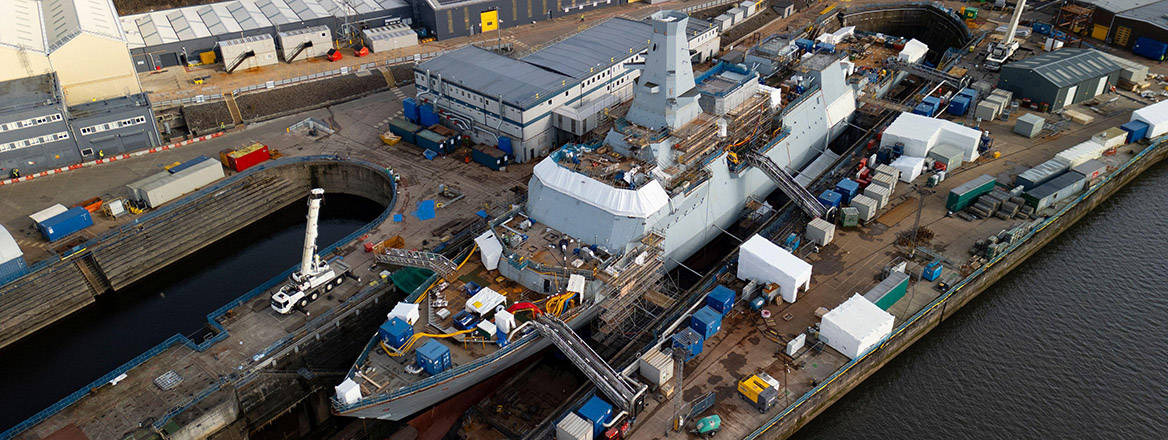
Beyond the economic boost for the UK, the sale of Type 26 Frigates to Norway is a vote of confidence for the strategic partnership and NATO planning.
31 August 2025 saw the announcement that the UK’s Type 26/Global Combat Ship had been selected by Norway for their future Anti-Submarine Warfare platform; a deal reportedly worth £10 billion to UK’s defence industry. Under current plans, this will translate to a total of 13 Frigates being built by BAE systems, with 5 earmarked for the Royal Norwegian Navy, creating thousands of jobs and benefitting hundreds of related companies in the UK.
It is notable that statements accompanying the announcement underscore that this decision reflects much more than a selection of a ship. It spoke to a ‘long-term strategic relationship’ and to the importance of standardised platforms with ‘at least one ally’.
On a technical level a key consideration would have been the balance of the AAW (Anti-Air Warfare) and ASW (Anti-Submarine Warfare) and strike capabilities. While the primary threat consideration is the growing Russian submarine threats, the ability to survive in an A2AD (anti-access/area denial) environment with a sophisticated air threat, and to support wider NATO functions might also be seen as requirements. An additional consideration is the potential versatility of a ship likely to operate with and around uncrewed and autonomous capabilities. Finally, more prosaically, the crewing and sustainment requirements were likely a factor in determining the choice.
On an operational level there is a balance between the primary role, the expected groupings/task groups to which the vessel will contribute, and the degree to which the ship will perform subsidiary roles and sovereign tasking. Lastly, there are strategic and alliance level questions to be considered in a NATO context as well as bilateral and regional relations.
In summary, collaborative procurement projects necessarily balance considerations beyond the technical. The Norwegian decision, arguably represents an example of a nation opting to align its procurement explicitly with NATO’s threat based planning approach and accepting the trade-offs this entails. This alignment and the prioritization inherent to it is arguably as important as the specific benefits the decision provides to both Norway and the UK.
The Critics and the Technical Comparison
Much of the reasoning and data behind the choice will likely remain unpublicised. However, whilst a cause for celebration from the UK and British industry, the decision has not been without its critics. A number of commentators have expressed reservations over the choice. One particular concern cited, is the relative weakness of the Type 26 compared to the other contenders in terms of air defence, particularly the French FDI (Defence and Intervention) Frigate and German F127. The US Constellation Class Frigate was also a contender.
Planners often pursue the flexibility associated with capability-based planning rather than optimising for specific functions on the understanding that Allies will provide other capabilities such as anti-air warfare
The Constellation is expected to boast 32 Mk 41 Vertical Launch System cells (the configuration of missiles would be confirmed in slower time), and its Aegis radar system give it an anti-ballistic missile capability. However, it is designated an FFG, a Guided Missile Frigate, and lacks an ultra-quiet running capability (a key feature in an ASW). Furthermore, it has faced significant delays in manufacturing with talk of possibly changing the specifications further (increasing its missile capability) raising questions about production capacity and suitability as a primarily ASW platform.
The FDI bills itself as a multi-purpose frigate, complete with the CAPTAS ASW system, MM40 anti-ship missiles and MU 90 torpedoes. The vessel is equipped with a Sea Fire AESA radar and up to 32 VLS cells. It is, in theory, capable of air defence beyond 100km if carrying the Aster 30 and the flat panel AESA radar likely provides range and coverage that is considerably in excess of the Type 26 Artisan radar.
The F127, is also an Air Defence Frigate, with a capacity to support ballistic missile defence that the Type 26 lacks, with 64 Mk 41 VLS bays and the US AN/SPY-6 radar. However, it is not optimised for ASW either in terms of its quieting or its sensor suite (the vessel lacks a hull mounted sonar, for example). Furthermore at 10,000 tonnes would likely require a crew of around 220 personnel which is a significant consideration for a smaller navy, as the RN has also experienced over the last few decades. This is a reasonable capability for the Baltic Sea with a dense missile threat from vectors like Kaliningrad and where Russia fields a single Kilo class submarine. However, its utility in the Norwegian environs where the SSNs of the Northern Fleet represent the primary threat is more questionable.
By contrast to the other contenders, the Type 26’s 48 Sea Ceptor (CAMM) offer very limited air defence beyond point defence. Without a longer-range air defence radar, even though it carries 24 Mk 41 VLS cells, these may well be better optimised to carrying tomahawk, and contributing to a wider strike capability.
Why Prioritise for ASW?
Although the critique that the Type 26’s air defences are less capable than its competitors has merit, several factors bear considering. First, optimisation for ASW also largely mitigates the air and missile threat facing Norway. In the environment where the Norwegian Navy will operate, the missile threat and the submarine threat overlap considerably. The majority of the Russian launch capacity for cruise missiles in the north is held on its nuclear submarines. Secondly, in the most testing scenarios (article 5 conflict) Norway will be operating alongside allies including the US Navy, Royal Navy and RNLN all of which field air defence destroyers. The added value of additional air defence capacity is marginal relative to the utility of capable ASW frigates, of which there is a paucity. Thirdly, given the scale of the Russian missile threat at sea and it’s growing complexity, a small fleet of air defence assets adds very limited sovereign air defence capability. A single Oscar II SSGN, for example, carries a loadout of 72 cruise missiles which would likely penetrate even the better air defence systems of the FDI and F127 unless operating in an allied formation. In other words, additional maritime air defence would have represented a rather illusory sovereign air defence capacity and only a marginal addition to allied AAW.

Subscribe to the RUSI Newsletter
Get a weekly round-up of the latest commentary and research straight into your inbox.

Subscribe to the Military Sciences Newsletter
Stay up to date with the latest publications and events from the Military Sciences Research Group
By contrast ASW represents an area where the Alliance faces pressing capability gaps in the face of a Russian Northern Fleet that is both growing larger and which fields increasingly quiet submarines. As an ASW platform the Type 26’s ASW credentials, from a CODLOG propulsion to its 2087 towed array and torpedo defences, are not in question. With a crew of around 157 it demonstrates good return on capability to manpower ratios. The possession of a shared platform by the UK and Norway can usefully mitigate challenges beyond available hardware. NATO ASW is hampered not only by platform availability but by the comparatively federated ASW picture at the Alliance level (national caveats being especially stringent in this area). In addition, virtually every European navy likely to contribute significantly to containing Russia’s Northern Fleet suffers personnel shortfalls and this includes specialists such as sonar controllers and operators. The fielding of a shared vessel type by nations that regularly share data and conduct ASW together, is particularly valuable. Additionally, this commonality and cooperative tasking may allow for pooling of specialist personnel in a way that mitigates potential shortfalls for both navies.
Commitment to NATO and Threat Based Planning
Arguably the choice is a vote of confidence both for NATO and for threat-based planning. There is an implicit acceptance that, in high intensity conflict, units will not be able to operate effectively other than in a task group or in company with other vessels. No NATO nation, except perhaps the US, should be expecting to operate in isolation. While this is superficially understood, planners often pursue the flexibility associated with capability-based planning rather than optimising for specific functions on the understanding that Allies will provide other capabilities such as anti-air warfare (in the context of Norway’s situation for example). NATO defence operations are to be ‘integrated and mutually reinforcing to establish a single strategic-scale defence’ and integration implies specialization. A Norwegian capability that focuses first and foremost on ASW is the contribution that will likely have the greatest deterrent effect. The reality is that this likely comes with a loss of warfighting versatility.
The NATO Deterrence and Defence of the Euro-Atlantic Area (DDA) framework channels national forces into three regional plans. Both the Royal Navy and Royal Norwegian Navy will likely find themselves operating as part of regional plan northwest where containing Russian submarines will be one of several core imperatives. The employment of a shared platform by two nations operating alongside each other within the same regional plan is highly reasonable and will allow for mini-lateral standardisation that may not perfectly be achieved across a wider spectrum of NATO allies.
In addition to doubts around AAW capability, there was also some criticism that Norway should be prioritising a relationship with the EU and its members, rather than the UK
This choice by Norway is a vindication of the SDR’s directive to prioritise the UK – Norway bilateral relationship but it has implications beyond this. As a national decision to align procurement with NATO’s DDA model, the choice arguably represents a model for national procurement within the Alliance more broadly.
Towards an Atlantic Bastion
While the expansion of Type 26 usage beyond the UK and Norway may be limited, one of the features of the vessel is ‘flexible mission spaces’. This brings a particular level of versatility to the platform, arguably somewhat future proofing the ship as modularity is increasingly a feature of capability development. This is particularly noteworthy when it is considered that, as part of the Royal Navy’s Atlantic Bastion concept and NATO’s emerging approach to ASW, much of the mission will be supported by uncrewed and autonomous systems.
If ongoing discussions between the UK and Denmark for the purchase of the Type 31 – which is also equipped with a mission bay – bear fruit, there is an opportunity for a family of users who operate vessels with the same or similar mission bays to generate economies of scale in the development and deployment of uncrewed systems. Ongoing discussions regarding collaboration on the Swedish Lulea class frigate would, if this vessel is mission bay equipped, expand this family of users further.
Many of the companies which produce capabilities which might be employed in a mission bay are SMEs which often succumb in the ‘valley of death’ a period when there is insufficient demand for a capability which has been proven on an experimental basis to be scaled in a way that makes it commercially viable. While the requirements of individual nations for uncrewed systems will likely often differ, a larger pool of nations which might operate any given capability from a frigate’s mission bay represents a market which can provide greater opportunities to cross the valley of death. The speed at which capabilities could reach markets could also be increased in other ways, for example if uncrewed systems certified by one country could be accepted by any member of this potential family of users. This can provide the commercial foundations for the vision of a NATO ASW barrier in which many uncrewed systems complement more expensive crewed assets.
Strategic Criticisms and Considerations
In addition to doubts around AAW capability, there was also some criticism that Norway should be prioritising a relationship with the EU and its members, rather than the UK. The commentators highlight that the UK is isolated from many of benefits of EU industrial base, which itself is gaining a significant boost in the current geopolitical climate.
The UK is in dialogue with both Sweden and Denmark for the purchase of the Type 31 and work on the Lulea Class, somewhat weakening the argument that alignment with the EU and UK should be viewed in zero-sum terms
Although not an EU member, Norway is politically more closely aligned with the EU than is the UK. Norway has signed a EU defence partnership, giving it access to the European Defence Fund and include being part of the EU Common Procurement Act amongst other strategic advantages. In light of this some have questioned whether a closer alignment with Denmark and Sweden and optimising opportunities from the EU Defence Partnership may not have been a better strategic decision.
However, it should be noted that the UK is in dialogue with both Sweden and Denmark for the purchase of the Type 31 and work on the Lulea Class, somewhat weakening the argument that alignment with the EU and UK should be viewed in zero-sum terms. Additionally, the Type 26 deal has still been celebrated for support, maintenance and system development opportunities that it is expected to bring to Norway. Furthermore, cooperation in the maritime does not negate the potential for closer cooperation with the EU in the land and air domain, where there is a different threat calculus from the maritime.
Finally, political considerations of BREXIT aside, on defence, from its role in the Joint Expeditionary Force to helping coalesce a unified European front on Ukraine, the UK continues to play a leading role in Europe.
Conclusion
There is much to celebrate about the Norwegian decision within the UK and in part it vindicates the SDR’s directive to prioritise the UK–Norway bilateral relationship –However, the wider ramifications of the decision are of greater significance. The potential for aligning national capabilities with the DDA framework is arguably it’s most important near term consequence. In the medium term, a family of nations which operate frigates with the same mission bay-equipped Frigates can also provide a market large enough to enable the transformation in how the Alliance prosecutes ASW which many view as necessary.
© RUSI, 2025.
The views expressed in this Commentary are the authors', and do not represent those of RUSI or any other institution.
For terms of use, see Website Terms and Conditions of Use.
Have an idea for a Commentary you'd like to write for us? Send a short pitch to commentaries@rusi.org and we'll get back to you if it fits into our research interests. View full guidelines for contributors.
댓글
댓글 리스트-
작성자백선호 작성시간 25.09.18 AAW가 약하다는 의견이 있나보네요.
-
답댓글 작성자위종민 작성자 본인 여부 작성자 작성시간 25.09.18 대공미사일로 CAMM을 쓰는데 이게 시울프와 아스터-15를 대체하는 물건이네요. 사거리 100km 짜리 ER도 있는데.. ( https://en.wikipedia.org/wiki/CAMM_(missile_family) )
회전식 레이다인 997 Artisan 레이다도 23형 호위함과 항모에 달린 걸 보면 본격적인 지역방공용 레이다는 아닌 것 같습니다. ( https://en.wikipedia.org/wiki/Type_997_Artisan_radar )
레이다는 23형과 같은 걸 쓰고, 시울프-아스터15 대체하는 미사일을 쓰니 대공전 능력은 23형 호위함에서 약간 발전된 수준 아닐까 싶습니다. -
작성자강준구 작성시간 25.09.18 동맹과 함께 작전하여, 대공 방어가 제공될 수 있다는 점이 참 부럽네요.
일본 해자대는 규모가 크니 대공함, 대잠 특화함 모두 보유하고, 또 항모까지 보유하고 있으나, 우리는 대잠 위협에 특화된 추진체계와 센서, 설계가 반영된 함이 없네요... -
답댓글 작성자위종민 작성자 본인 여부 작성자 작성시간 25.09.19 애초 북한의 대잠 위협을 크게 고려하지 않았고, 그러다가 2010년에 일격을 맞았지만 그래도 다목적 수상함을 뽑고 있네요.