FFG(X)는 프랑스와 이탈리아에서 이미 운용중인 FREMM 설계안을 채택해 위험을 줄이려 했지만 대폭적인 설계변경으로 FREMM과의 공통성이 15%로 줄고, 759톤 중량초과 상태였으며 초도함의 가격은 15억달러까지 올랐었네요.
FF(X)는 커터 기반이라 군함 기반이라 생존성이 모자라고, 전문 잠수함사냥꾼 수상함에 비해 자체소음저감 대책이 모자란다고 합니다.
콘스텔레이션에서 커터로 – 능력보다 인도를 택한 미 해군의 도박
미 해군은 수년간의 설계 불안정 끝에 콘스텔레이션급 호위함 프로그램을 종료하고, 대신 미 해안경비대의 레전드급 커터를 기반으로 한 더 단순한 함정 조달을 선택하길 원한다고 밝혔다. 여기서는 미국 해군 조달의 위기와, 호위함에서 커터로 전환하는 선택이 갖는 함의를 살펴본다.
취소의 연속
콘스텔레이션급의 진로 변경은 고립된 사건이 아니라, 미 해군이 개량된 버크급 구축함을 제외하고는 실질적인 수상 전투함을 인도하는 데 어려움을 겪어온 20년간의 조달 난맥상의 최신 장이다. 비용 폭증과 기술적 과도 확장으로 인해 32척 계획 중 3척만 건조된 줌왈트급 구축함 프로그램의 축소, 그리고 신뢰할 수 있는 모듈형 능력을 제공하지 못한 연안전투함(LCS)의 잘 알려진 실패 이후, 콘스텔레이션은 이를 바로잡기 위한 조치로 의도됐다. 이후 콘스텔레이션급으로 명명된 FFG(X) 프로그램은 6가지 호위함 옵션 중에서 선택하는 방식이었다. 2020년 4월 FREMM 설계가 선정된 이유는 프랑스와 이탈리아 해군에서 이미 운용 중인 모선 설계를 활용함으로써 ‘저위험’일 것으로 기대됐기 때문이다.
이론은 타당했다. 검증된 유럽 선체를 가져와 전투체계를 미국화하고, 과부하 상태의 알레이 버크급 구축함의 부담을 덜기 위해 소형 수상 전투함 함대를 신속히 배치하는 것이었다. 그러나 미 해군의 획득 관료체계는 기준 설계를 대폭 수정하려는 유혹을 뿌리치지 못했다. 기존 군함 설계에 중대한 변경을 가하는 것이 복잡한 과정이며, 필연적으로 지연과 비용 상승을 초래한다는 사실은 해군 건축가가 아니어도 알 수 있다.
콘스텔레이션은 이에 따라 비용과 복잡성을 동반한 고급형 호위함 설계로 비대해졌다. 미 해군 생존성 요구, 더 무거운 무장과 센서를 수용하기 위해 선체를 연장한 결과, 최종 설계는 원래 FREMM과 약 15%의 공통성만을 유지하게 됐다. 2024년 중반 기준으로 이 함정은 최소 759톤의 중량 초과 상태였고, 일정은 약 36개월 지연됐으며, 선도함의 가격은 약 15억 달러에 달했다. 이후 함정들은 평균 약 13억 달러가 될 것으로 예상된다. 지난 20년간 미 해군의 해군 건축 역량 상실과 한때 막강했던 조선 산업 기반의 공동화는 심각하며, 이를 되돌리기는 쉽지 않다.
2025년 11월 25일, 해군장관 존 펠런은 계약 중이던 마지막 4척을 취소한다고 발표했다. 첫 두 척인 USS 콘스텔레이션과 콩그레스는 완성될 예정이지만, 이는 명칭만 기존일 뿐 사실상 새로운 설계가 된 함정에서 미 해군이 손실을 제한하려는 신호였다. 현재 건조 중인 두 척을 마무리하기로 한 결정은 막대한 계약 해지 비용과 조선사 핀칸티에리 마리네트 마린 및 그 공급망을 유지할 필요성에 의해 좌우됐다.
2020년 원래 FFG(X) 경쟁에 제안됐던, NSC 기반 F4923 강화 초계 호위함 개념에 대한 HII의 모형. ESSM 미사일용 12셀 Mk 56 수직발사기, 76mm 함포, 근접방공용 RAM을 갖추고 있으며, 센서로는 회전식 AESA 레이더, STIR 2.4 사격통제 레이더 2기, 킹클립 선체고정 소나, 소형 CAPTAS-4 예인 소나가 포함됐다.
커터에서 FF(X)로
함대 규모 감소를 멈추고 트럼프 행정부의 ‘골든 플릿’ 해군 확장 계획을 충족하기 위해, 국방부는 레전드급 국가안보커터(NSC)를 기반으로 한 새로운 소형 수상 전투함(SSC), 잠정적으로 FF(X)로 지정된 함정을 헌팅턴 잉걸스 인더스트리즈(HII)에 맡기는 방향으로 선회했다. 이 결정의 논리는 주로 산업적이다. 미 해안경비대에는 2024년에 10척 중 마지막 선박이 인도됐다. 11번째 선박은 2025년 6월 건조 초기 단계에서 취소됐다. 생산 라인은 비교적 ‘따뜻한’ 상태이며, 설계는 표면상 ‘안정적’이다. 다소 낙관적이라는 평가가 많지만, 해군은 HII가 2028년까지 첫 선체를 진수할 수 있을 것으로 기대하고 있는데, 이는 정체된 콘스텔레이션으로는 불가능했을 일정이다. 이후 다른 미 조선소들도 FF(X) 프로그램에 참여할 수 있다.
커터들은 미시시피주 패스카굴라에서 HII가 건조했으며, 선도함의 용골 거치는 2005년에 이뤄졌다. 예산 변동과 초기 건조 단계의 교훈을 흡수하는 과정에서 인도는 거의 20년에 걸쳐 진행됐다. 이 프로그램은 1990년대 말과 2000년대 초의 통합 딥워터 시스템 현대화 사업에서 비롯됐으며, 이는 해안경비대의 노후 함대를 대대적으로 갱신하려는 시도였다. 이 계획의 고급 수상 전력 요소로 구상된 NSC는 해밀턴급 대형 커터를 대체하고, 장거리 글로벌 작전, 미 해군과의 긴밀한 통합, 그리고 경쟁 환경에서의 신뢰할 만한 성능을 제공하는 플랫폼이 되도록 설계됐다.
NSC, 즉 레전드급은 해군 기준과 법집행·치안 임무를 수행하는 조직의 고유한 요구 사이에서 의도적인 균형을 반영한다. 만재 배수량 4,000톤이 넘는 이 함정들은 전통적인 초계함보다는 소형 호위함에 가까운 크기로, 강재 선체, 경사 선수, 그리고 높은 파도와 장거리 항해에 최적화된 뚜렷한 플레어를 갖추고 있다. 프로그램 초기에는 비용 증가와 원래 시스템 통합업체 체계의 문제로 의회의 주목을 받았고, 해안경비대가 통제권을 더 많이 회수하는 방향으로 구조조정이 이뤄졌다. 이러한 험난한 출발에도 불구하고 NSC는 점차 딥워터의 가장 성공적이고 전략적으로 중요한 요소가 되었으며, 해안경비대의 활동 범위, 지속력, 상호운용성을 크게 확장했다. 2008년 첫 함정이 취역할 무렵에는, 해양안보, 마약 단속, 방위 임무를 지원하기 위해 미 본토에서 멀리 떨어진 곳에서도 작전할 수 있는 대형·고성능 커터의 필요성이 확고해졌다.
치안용 함정을 고강도 전투에 맞게 개조하는 것은, 이것이 저위험 해법이라는 주장에 의문을 제기하는 기술적 모순을 동반한다. 레전드급의 배수량은 약 4,000톤으로, 현대 호위함 기준에서는 작고 콘스텔레이션의 예상 배수량 6,600톤보다 훨씬 적다. 이러한 용적 감소는 전력 생산, 탄약 저장량, 미래 업그레이드에 제약을 가하며, 이는 현대 수상전에서 핵심적인 지표다. 최근 공개된 FF(X) 초기 형상도는 선수 상부구조에 뚜렷한 ‘선반’ 구조를 보여주지만, 고급 전투를 위해 거의 모든 세계의 호위함에 표준으로 장착되는 선수부 수직발사체계(VLS)는 명확히 보이지 않는다.
콘스텔레이션은 “32셀 VLS만 갖췄다”는 비판을 받았고, 일부는 이를 2030년대 위협 환경에 부족하다고 평가했다. 최근 브리핑에 나타난 FF(X)는 VLS가 전혀 없으며, 아마도 선미 갑판에 컨테이너형 Mk 70 VLS를 볼트로 고정해 사용하는 방식에 의존할 가능성이 있다. 향후 블록에서는 소형 VLS 사일로가 추가될 수 있는데, 이는 2020년 HII가 FFG(X) 프로그램에 제안했던 설계와 더 유사하다.
생존성 대 가용성
NSC는 상선보다 훨씬 높은 생존성을 갖도록 설계됐으며, 강인한 내항성, 손상 통제, 해안경비대 임무에 적합한 중간 위협 수준의 생존성에 중점을 둔 강재 구조를 특징으로 한다. 레전드급 커터는 CBRN 시타델을 갖추고, 미 해군 손상 안정성 기준과 1단계 생존성 기준을 충족하며, 설계의 상당 부분이 미국선급협회 해군함 규칙과 부합해 저·중위협 환경에서의 복원력을 제공한다. 주요 57mm 함포 주변 등 핵심 구역에는 방탄 보호가 적용돼 있고, 자동화된 손상 통제 시스템이 침수와 화재에 대한 신속한 대응을 지원한다.
미 해군 수상 전투함은 매우 높은 생존성 기준을 갖고 있으며(연안전투함이라는 불명예스러운 예외를 제외하면), 광범위한 구획화, 체계 중복, 충격 강화, 그리고 고위협 전투 환경에서 취약성을 줄이기 위한 다양한 수동·능동 대책을 포함한다. NSC의 선체와 체계는 커터로서는 훌륭한 강인함을 제공하지만, 기존 생존성 패키지는 완전한 해군 전투함 기준에는 미치지 못하며, 고위협 작전에서 최전선 전투원으로 취급되기 전 상당한 보강이 필요하다. FF(X)의 조기 취역을 위해, 미 해군은 승조원을 더 큰 위험에 노출시키고 FF(X)를 더 소모적인 플랫폼으로 받아들일 가능성을 감수해야 할 수도 있다.
대잠전을 다시 위대하게
수십 년간 거의 도전받지 않은 해군 우위로 인해, 미국의 논평은 공격력에 과도하게 집중하는 경향이 있다. 본질적으로 방어적인 대잠전 임무는 종종 간과되며 중요성이 낮게 여겨진다(기뢰전은 미 해군에서 더더욱 소외돼 있다). 공식적으로 FF(X)의 “주 임무는 수상전”이 될 것이라고 하는데, 이는 호위함이라는 명칭, 명백한 화력 한계, 그리고 전체 수상함대에서의 대잠 자산 부족을 고려하면 의아하다.
FF(X)에 대한 많은 논의는 중국 해군과의 VLS 수량 비교에 치우쳐 있으며, 잠수함으로부터 나머지 함대를 보호하는 데 있어 이 플랫폼의 효용성에 대한 냉정한 분석은 부족하다. 중국의 수중 전력은 전반적으로 서방보다 뒤처져 있지만, 빠르게 따라잡고 있으며 일정 부분에서는 질적 열세를 양으로 상쇄할 것이다. 잠수함은 여전히 항공모함과 모든 수상함에 가장 치명적인 위협이며, 대잠전에 대한 과소투자의 위험은 유럽 해군들이 미 해군보다 더 심각하게 받아들이는 문제다.
콘스텔레이션은 다임무 함정으로 의도됐으며, 항모전단과 고가치 자산을 엄호해, 한때 51척에 달했던 올리버 해저드 페리급 퇴역으로 생긴 공백을 메우려 했다. 레전드급 기반 설계의 한계 중 하나는 전용 잠수함 사냥꾼 수준의 음향 저감이 부족하다는 점이다(대폭 개조되지 않는 한). FF(X)는 예인 소나와 선체 고정 소나를 갖출 가능성이 크지만, 자체 방사 소음은 조용한 현대적 적을 상대로 한 효과를 제한한다(이는 버크급 구축함의 대잠전 효용을 제한하는 주요 요인이기도 하다).
함외 체계는 정교한 음향 특성이 부족한 군함의 한계를 점점 보완할 수 있을 것이다. 센서를 함정에서 떨어진 위치에 배치할 수 있는 무인수중체계(UUV)나 회전익 무인항공체계(RWUAS)를 운용하면, 단일 호위함도 기존 플랫폼을 훨씬 넘어서는 범위를 확보할 수 있다. 만능 해결책은 아니지만, 해상 자율성의 발전은 대잠전의 계산을 바꾸고 있다. NSC의 주요 장점 중 하나는 대형 비행갑판, 다수의 유·무인 항공기를 위한 격납 공간, 그리고 컨테이너형 임무 모듈을 위한 선미 갑판이다.
타입 31 호위함과 마찬가지로, 화력 부족을 주로 문제 삼는 FF(X) 비판자들도 많을 것이다. 두 프로그램 모두 환경에 대한 실용적 대응이며, 완벽은 선의 적이다.
캐치-22
첫 두 척의 콘스텔레이션을 계속 건조하는 것은 귀중한 예산과 산업 역량이 여전히 이 프로그램에 묶여 있음을 의미한다. 문제가 극복 가능하다면, 두 척의 ‘고아’ 함정을 인도한 뒤 중단하기보다는 생산을 계속하는 것이 타당할 수도 있다. 미국 국방 조달의 포크배럴 정치가 이러한 상식을 가로막을 수 있지만, 콘스텔레이션의 결함이 심각하고 시정 비용이 너무 높다면, 지금 당장 프로젝트를 완전히 취소하고 FF(X)에 전력을 집중하는 편이 더 나을 것이다.
존재 자체는 억지력의 한 요소를 제공할 수 있으며, 특히 전 세계에서 매일 벌어지는 ‘회색지대’ 경쟁에서 그렇다. 커터 기반 호위함의 대규모 함대는 해양안보, 항행의 자유 작전, 국기 과시 등에 유용하다. 해군 활동의 대다수는 폭력적 교전이 아니라, 지속성, 존재, 순찰과 관련돼 있다. 이는 최근 북대서양에서 국가안보커터 USCG 먼로가 17일간 유조선을 추적한 뒤 특수부대를 투입해 선박을 장악한 사례에서도 입증됐다.
그러나 실제 무력 분쟁에서는 FF(X)의 의문스러운 생존성이 미 지휘관들로 하여금 이 자산들을 후방에 묶어두게 만들 수 있으며, 전투 부담을 전적으로 알레이 버크급 구축함에 지우게 될 수 있다. 함대를 ‘사수’(DDG)와 ‘정찰’(FF(X))로 이분화하는 이러한 구상은, 속도와 모듈성이 순수한 화력과 강인한 구조를 대체할 수 있다고 가정했던 LCS의 실패한 논리와 유사하다.
FFG(X) 콘스텔레이션에서 커터 기반 FF(X)로의 격하는, 미 해군이 함체 수를 늘리기 위해 선체를 구매하지만, 서태평양에서는 오히려 부담이 될 수 있는 함정들만 확보하는 역설을 보여준다. “인도가 중요하다”는 주장, 즉 더 강력한 함정을 늦게 기다리기보다 덜 유능하더라도 더 많은 함정을 빨리 확보하는 것이 낫다는 논리는 충분히 타당하다. 그러나 미 해군의 주요 경쟁자인 PLAN은 유능한 054B형 호위함과 052D형 구축함을 엄청난 속도로 취역시키고 있다. 경무장한 FF(X)는 총합 전투력을 크게 높이지는 못하겠지만, 함정이 전혀 없는 것보다는 낫다.
함교 전방의 밀폐된 연장은 소형 Mk 41 VLS 사일로나 레이저 지향 에너지 무기 장착 공간이 될 수 있다. NSC와 콘스텔레이션에서 사용된 57mm 함포는 유지됐다.
FF(X)는 줌왈트와 콘스텔레이션을 죽인 금도금된 완벽주의에서 벗어나려는 전환이지만, 현대 해전의 가혹한 환경에서 싸워 이길 이빨이 부족한 함정이라는 점에서 시계추가 지나치게 반대편으로 흔들릴 위험이 있다. 그러나 FF(X)를 공격 전투력의 핵심이 아니라, 적시에 상당한 수의 대잠 플랫폼을 해상에 배치하기 위한 수단으로 본다면, FFG(X)를 포기한 결정은 더 합리적으로 보인다. 다만 집필 시점 기준으로, 미 의회는 콘스텔레이션에서 FF(X)로 전환하려는 해군의 계획을 아직 승인, 거부, 혹은 수정하지 않았다.
곧 이어질 관련 기사에서는 미 해군을 위한 트럼프의 ‘전함’ 건조 계획을 살펴볼 것이다.
From Constellation to Cutter – the US Navy’s gamble on delivery over capability - Navy Lookout

From Constellation to Cutter – the US Navy’s gamble on delivery over capability
The US Navy says it wants to terminate the Constellation-class frigate programme after years of design instability, opting instead for the procurement of a simpler ship based on the US Coast Guard’s Legend-class cutter. Here, we consider the crisis in American naval procurement and the implications of the switch from frigate to cutter.
Cancellation class
The change of course for the Constellation-class is not an isolated incident but the latest chapter in a two-decade saga of procurement difficulties that has seen the US Navy struggle to deliver a viable surface combatant other than updated Burke-class destroyers. Following the truncation of the Zumwalt-class destroyer program, which produced only 3 ships out of a planned 32 due to spiralling costs and technology overreach, and the well-documented failures of the Littoral Combat Ship (LCS) to deliver reliable modular capability, the Constellation was intended to be the corrective measure. The FFG(X) programme, subsequently named the Constellation-class, was a choice between six frigate options. The FREMM design was selected in April 2020 as it was supposed to be ‘low risk’ through the use of a parent design that was already in service with the French and Italian navies.
The theory was sound: take a proven European hull, Americanise the combat systems, and rapidly field a fleet of small surface combatants to relieve the strain on the overburdened Arleigh Burke-class destroyers. However, the US Navy’s acquisition bureaucracy proved unable to resist the temptation to drastically modify the baseline design. You don’t need to be a naval architect to know that making significant changes to an existing warship design is a complex process that would inevitably drive delays and cost rises.
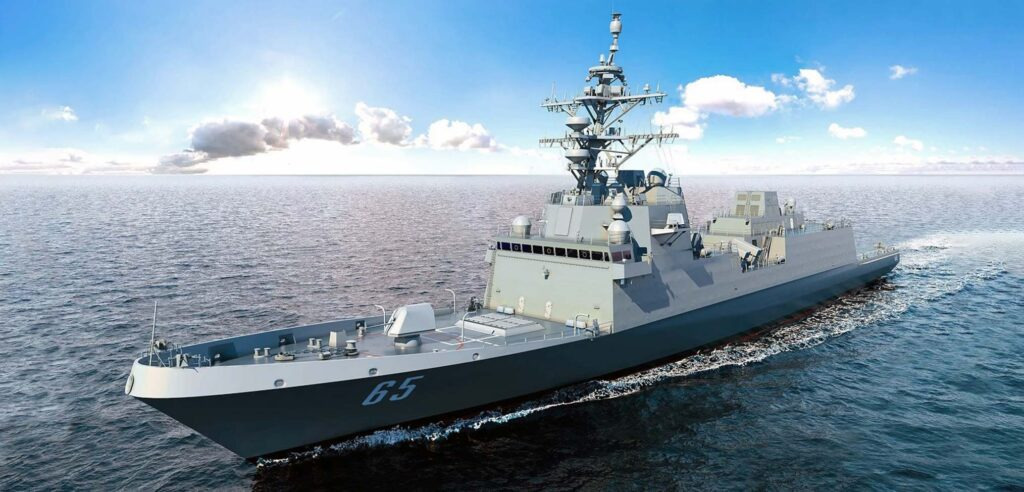
The Constellation has grown into a high-end frigate design with attendant cost and complications.
The final design shared only about 15% commonality with the original FREMM after lengthening the hull to accommodate US survivability requirements, heavier weapons and sensors. By mid-2024, the vessel had become at least 759 tonnes overweight, approximately 36 months behind schedule and the lead ship priced at around $1.5Bn. (Subsequent ships are expected to average about $1.3Bn each.) The loss of US naval architecture skills and hollowing out of the once mighty naval industrial base during the last two decades is alarming and not easy to reverse.
On 25th November 2025, Secretary of the Navy, John Phelan announced that the last four ships on contract would be cancelled. The first 2 ships, USS Constellation and Congress, will be completed, but this signalled the USN effectively cutting its losses on a ship that had become a new design in all but name. The decision to finish the two ships currently under construction is driven by the substantial termination costs involved and the need to keep shipbuilder Fincantieri Marinette Marine and its supply chain in business.
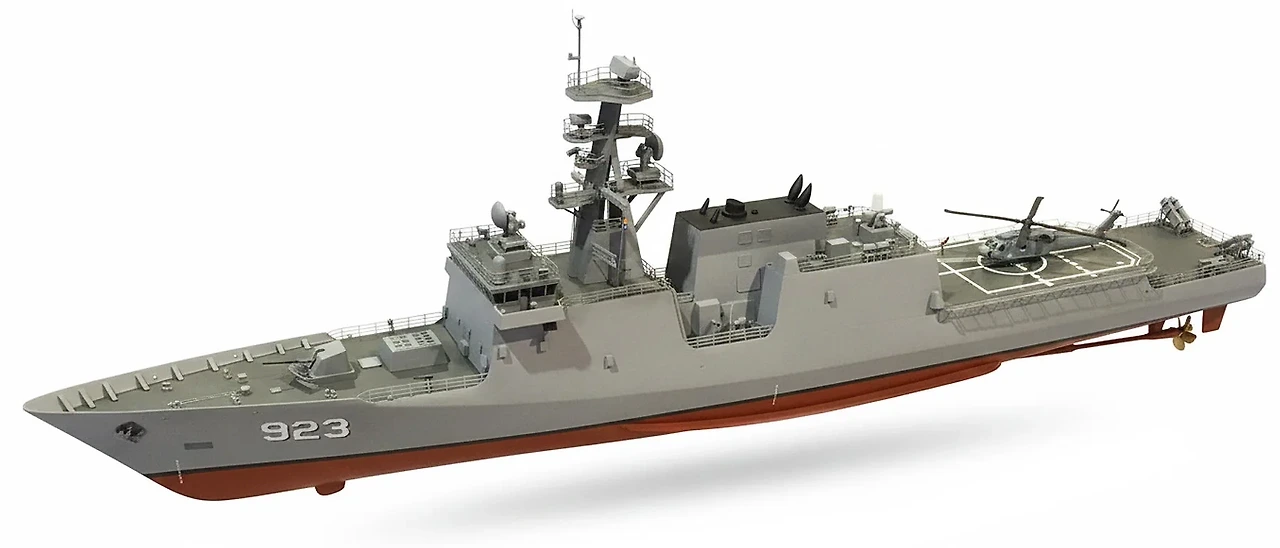
HII model showing their NSC-based F4923 Enhanced Patrol Frigate concept first shown in 2017. Note the 12-cell Mk 56 VLS launcher for ESSM missiles, a 76mm gun and Rolling Airframe Missile (RAM) for close-in air defence. Sensors included a rotating AESA radar, 2 x STIR 2.4 Fire-control radars, Kingklip hull-mounted sonar and compact CAPTAS-4 towed array sonar. This was one of the options for the original FFG(X) competition in 2020.Cutter to FF(X)
In a bid to arrest the decline in fleet numbers and meet the Trump administration’s ‘Golden Fleet’ naval expansion plan, the Pentagon has pivoted to Huntington Ingalls Industries (HII) to produce a new Small Surface Combatant (SSC), provisionally designated FF(X), based on the Legend-class National Security Cutter (NSC). The logic driving this decision is primarily industrial; the last of 10 vessels was delivered to the US Coast Guard in 2024. (An 11th was cancelled at an early stage of construction in June 2025.) The production line is relatively ‘warm’ and the design is ostensibly ‘stable’. Although most agree it’s optimistic, the Navy expects HII to have the first hull in the water by 2028, a timeline that would have been impossible with the stalled Constellation. Further US shipyards may subsequently contribute to the FF(X) programme.
The Cutters were built by HII at Pascagoula, Mississippi, with keel laying for the lead ship in 2005, and deliveries paced over nearly two decades as funding profiles fluctuated and lessons were absorbed from early construction challenges. The programme emerged from the troubled Integrated Deepwater System modernisation effort of the late 1990s and early 2000s, which sought to recapitalise much of the Coast Guard’s ageing fleet in one sweeping initiative. Conceived as the high-end surface component of that plan, the NSC was intended to replace the venerable Hamilton-class high endurance cutters and provide a platform capable of sustained global operations, closer integration with the US Navy and credible performance in contested environments.
- NSC
- Propulsion
- Ramp
- Armament
- Spey
- Mk 70
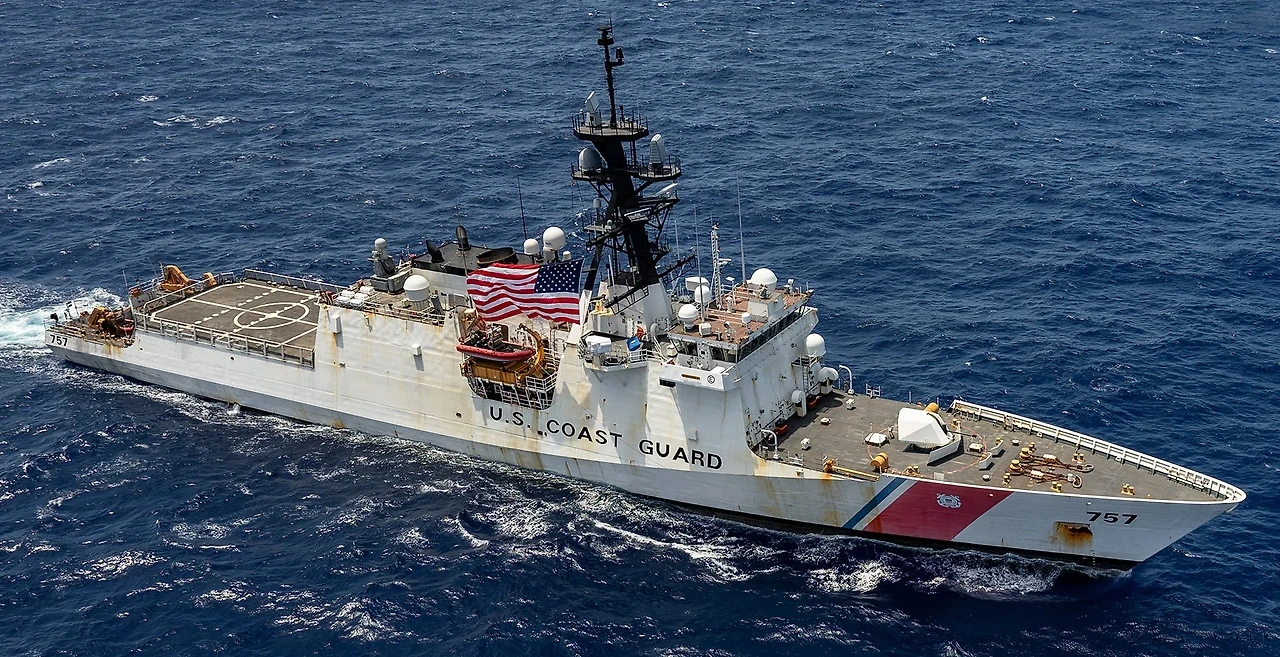
The NSC, also known as the Legend-class, reflects a deliberate balance between naval standards and the unique requirements of a law enforcement and constabulary service. At over 4,000 tonnes full load, the ships are closer in size to a small frigate than a traditional patrol vessel, with a steel hull, raked bow and pronounced flare optimised for high sea states and long transits. USCG Midgett RIMPAC 2024 (Photo: US Navy).
Early phases of the programme were marked by cost growth and well-documented difficulties with the original system integrator arrangements, prompting congressional scrutiny and a restructuring that brought greater control back to the Coast Guard. Despite this rocky start, the NSC gradually became the most successful and strategically significant element of Deepwater, delivering a class of ships that substantially expanded the service’s reach, endurance and interoperability. By the time the first ship entered service in 2008, the rationale for a large, capable cutter able to operate far from US shores in support of maritime security, counter-narcotics and defence tasks had become firmly established.
Adapting a constabulary vessel for high-intensity warfare presents technical contradictions that challenge the assertion that this will be a low-risk solution. The Legend-class displaces approximately 4,000 tonnes, small by modern frigate standards and significantly less than the 6,600-tonnes projected displacement of the Constellation. This reduction in volume imposes limits on power generation, magazine depth and future upgrades, two critical metrics for modern surface warfare. Early renderings of the FF(X) show a vessel with a distinct ‘shelf’ on the forward superstructure, but, crucially, no clearly visible VLS in the bow, a standard feature of almost every frigate in the world, intended for high-end combat.
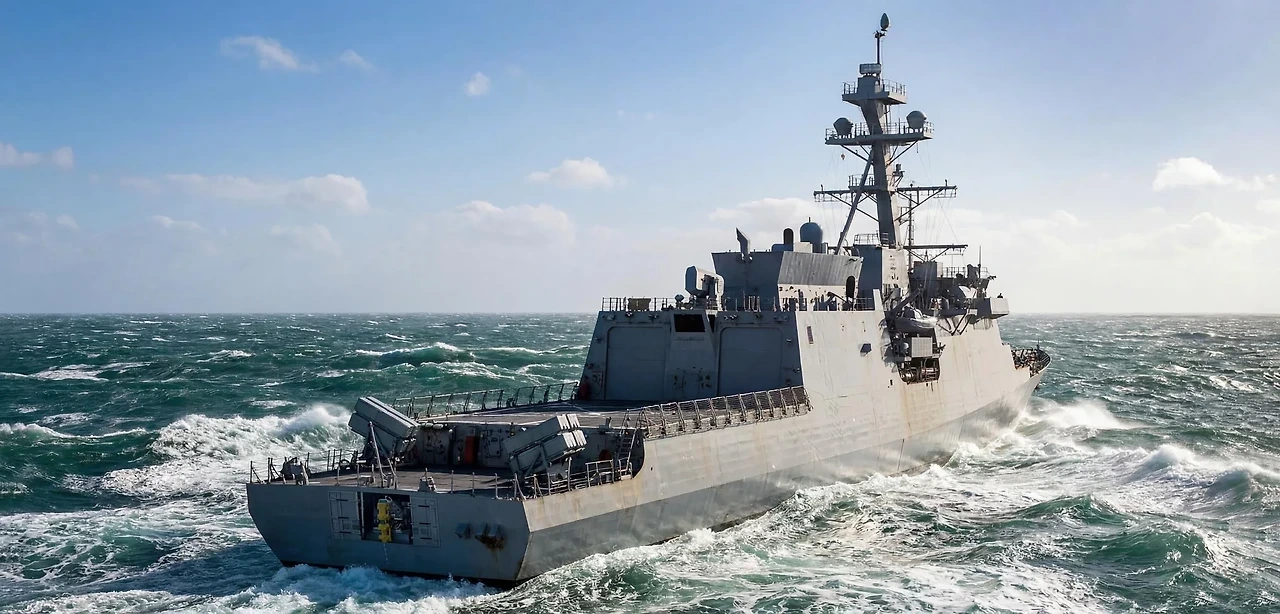
FF(X) mock-up derived from USN images released in 2025. The quarterdeck and launch ramp have been fully redesigned to accommodate missile launchers or containerised mission packages with the towed array sonar below. (Image: Navy Lookout).
The Constellation was criticised for having “only 32 VLS cells”, deemed by some as insufficient for the threat environment of the 2030s. The FF(X), as it appears in the recent briefings, has no VLS cells and perhaps will rely on containerised Mk 70 VLS bolted on the quarterdeck. A small VLS silo may be added in future Flights of the class, more in line with the design HII offered for the FFG(X) programme back in 2020.
Survivability v availability
The NSC is built to be significantly more survivable than merchant vessels, featuring steel construction with a focus on robust seakeeping, damage control and medium-threat survivability appropriate to Coast Guard missions. Legend-class cutters have a CBRN citadel, meet USN damage stability criteria and level-1 survivability standards, and much of the design aligns with American Bureau of Shipping naval vessel rules, giving them resilience in low to moderate threat environments. Ballistic protection is fitted around key areas such as the main 57 mm gun, and automated damage control systems support rapid response to flooding and fire.
USN surface combatants have a very high survivability baseline (with the dishonourable exception of the Littoral Combat Ships), including extensive structural compartmentalisation, system redundancy, shock hardening and a suite of passive and active measures to reduce vulnerability in high-threat combat environments. While the NSC’s hull and systems offer commendable robustness for a cutter, its existing survivability package stops short of full naval warship standards and would require significant enhancement before being treated as a frontline combatant in high-threat operations. To expedite FFX entry into service, the USN may have to be willing to place crews at higher risk and accept that FF(X) is a more disposable platform.
Make ASW Great Again
Due to decades of mostly unchallenged naval dominance, American commentators tend to focus heavily on offensive power. The essentially defensive ASW mission is often rather overlooked and seen as of less importance. (Mine warfare is even more neglected by the USN). Officially, FF(X) “primary mission will be surface warfare”, which is curious given its frigate designation, obvious firepower limitations and the lack of ASW assets in the wider surface fleet.
Much of the comment around FF(X) is about comparing VLS numbers with the PLAN rather than a sober analysis of the platform’s utility in protecting the rest of the fleet from submarines. While Chinese underwater capabilities are generally behind Western nations, they are catching up and will offset the lack of quality with quantity to some extent. The submarine is still the most lethal threat to the CVN and every other surface vessel; the danger of underinvestment in ASW is something European navies seem to take more seriously than the USN.
The Constellation was intended to be a multi-mission vessel, but able to screen carrier strike groups and high-value units, filling a gap left by the retirement of the Oliver Hazard Perry-class, which once numbered 51 vessels. (Serving in the frontline USN from 1977-2015.) One of the limitations of the Legend-class parent is the lack of acoustic silencing to the standards of a dedicated submarine hunter (unless it is significantly modified). While FF(X) will likely have a towed and hull-mounted sonar, self-radiated noise limits its effectiveness against quiet modern adversaries (also the major issue that limits the Burke-class destroyers’ ASW utility).
Offboard systems may increasingly be able to mitigate for warships lacking a refined acoustic signature. By deploying UUVs or RWUAS that can position sensors away from the ship, a single frigate can potentially extend its reach far beyond legacy platforms. While not a panacea, the developments in maritime autonomy are changing the ASW calculus. One of the major advantages of the NSC is the large flight deck, hangar space for multiple crewed or uncrewed aircraft and a quarterdeck for containerised mission modules.
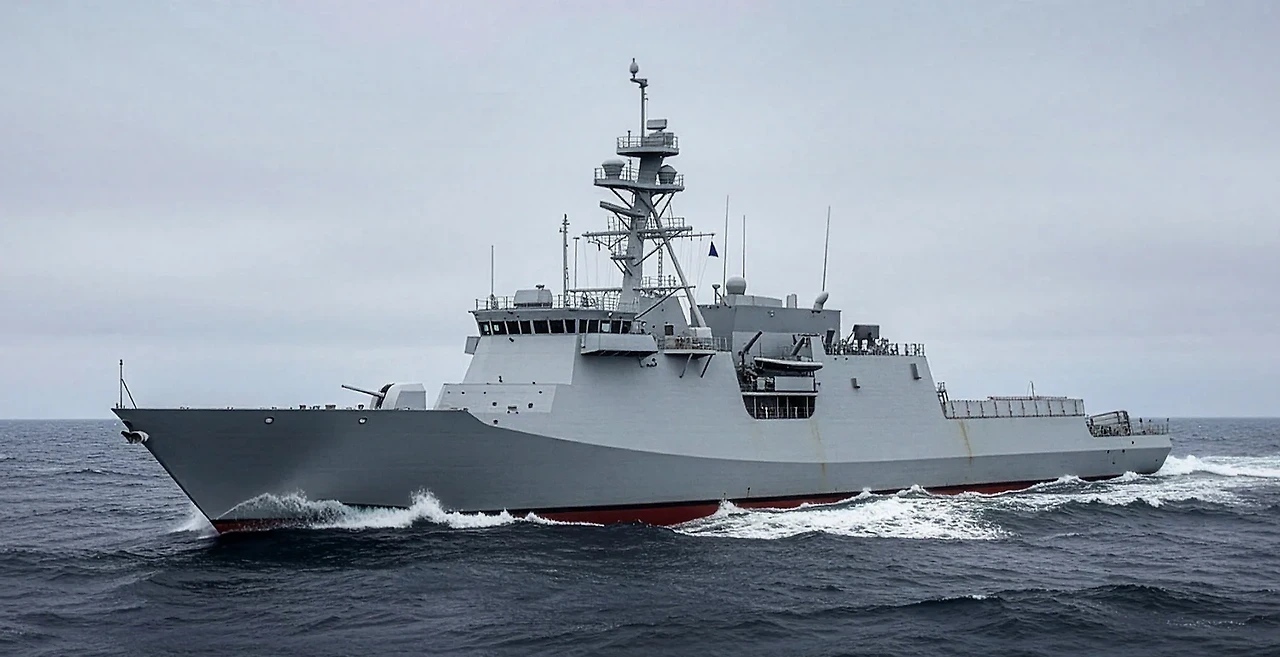
Like the Type 31 frigate, there will be plenty of FF(X) haters primarily concerned about the lack of firepower. Both programmes are a pragmatic response to circumstances – perfect is the enemy of good (Image: Navy Lookout mock-up).Catch 22
Continuing to build the first two Constellations means that precious funding and industrial capacity will still be tied up with the programme. If the problems can be overcome, then it might make sense to continue production rather than stop after the delivery of two orphaned vessels. The pork-barrel politics of US defence procurement may preclude such common sense, but if Constellation’s flaws are so serious and the recification costs so high, it would be better to entirely cancel the project right now and double down on FF(X).
Presence can deliver a measure of deterrence, especially in the ‘grey zone’ competition that is happening on a daily basis across the globe. A large fleet of cutter-based frigates is useful for maritime security, freedom of navigation operations and showing the flag. The vast majority of naval activity is not violent kinetic engagements, but involves persistence, presence and patrol (See also the Royal Navy’s forward-deployed OPVs). This was demonstrated recently by the national security cutter, USCG Munro, that shadowed a tanker for 17 days in the North Atlantic before launching special forces to seize the ship.
However, in a kinetic conflict, the questionable survivability of the FF(X) could force US commanders to hold these assets back, placing the burden of fighting solely on the Arleigh Burke destroyers. This bifurcation of the fleet into ‘shooters’ (DDGs) and ‘scouts’ (FF(X)) is similar to the failed logic of the LCS, which assumed that speed and modularity could replace raw firepower and tough construction.
The downgrade from FFG(X) Constellation to cutter-based FF(X) demonstrates a paradox where the US Navy is purchasing hulls to add mass, but only with vessels that may be liabilities in the Western Pacific. There is a very sound argument that “delivery matters”, more numerous but less capable ships arriving sooner is better than waiting for more capable ships arriving too late. Unfortunately for the USN, its main rival, the PLAN, is commissioning capable Type 054B frigates and Type 052D destroyers at a prodigious rate. The lightly armed FF(X) will not add much to aggregate combat power, although is better than having no ships at all.
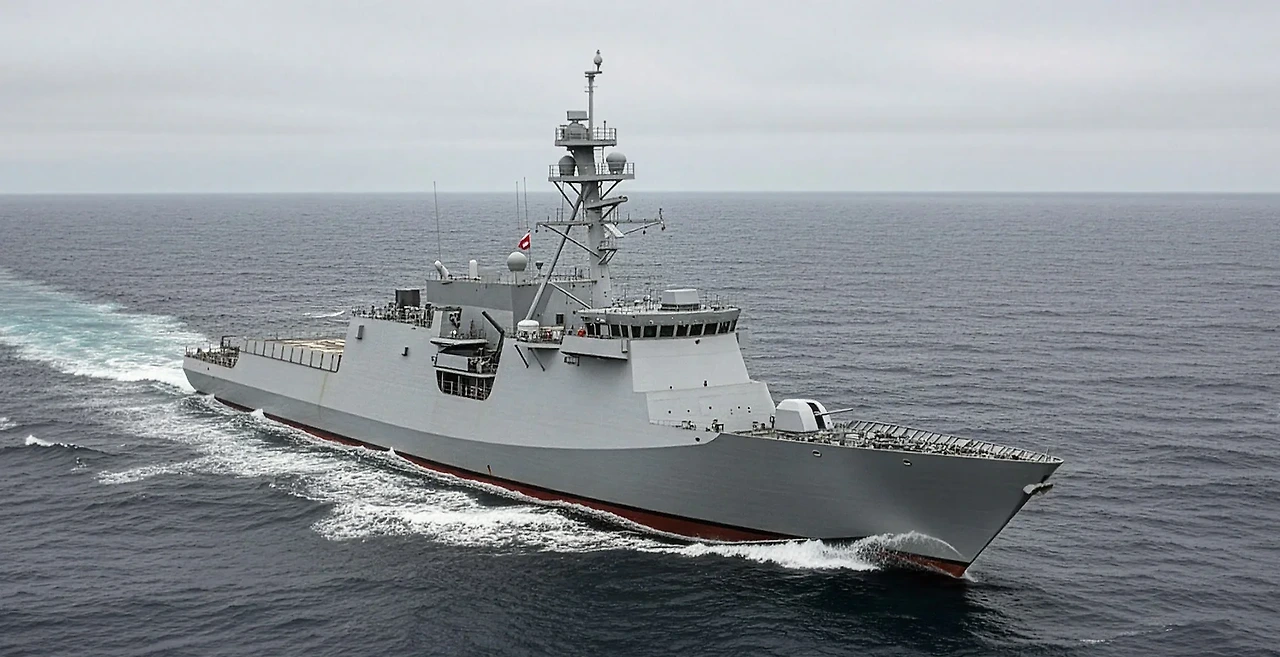
The enclosed extension forward of the bridge could house a small Mk 41 VLS silo or mounts for a laser-directed energy weapon. The 57mm gun from the NSC and Constellation has been retained (Image: Navy Lookout mock-up).
FFX is a pivot away from the gold-plated perfectionism that killed the Zumwalt and Constellation, but it risks swinging the pendulum too far in the other direction, a ship that lacks the teeth to fight and win in the unforgiving environment of modern naval warfare. However, if FF(X) is primarily seen as a means to get a decent number of ASW platforms to sea in good time and not a major part of the offensive combat power equation, then the decision to abandon FFG(X) makes more sense. It should be noted that, at the time of writing, the US Congress has yet to approve, reject, or modify the Navy’s plan to pivot away from Constellation to FF(X).
In a related article coming soon, we will consider Trump’s plans to build ‘battleships’ for the USN.