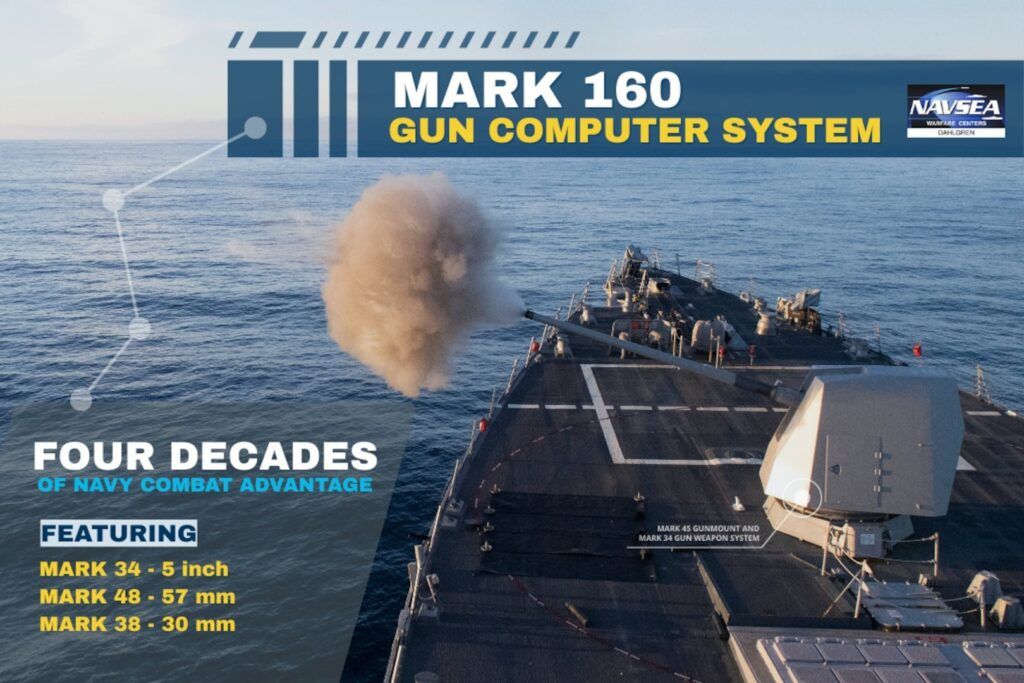
미 정부가 직접 소유하고 유지관리하는 MK.160 함포관제시스템 소개 기사가 실렸네요. 40년 동안 쓰이며, 5인치, 57mm, 30mm 화포의 사격통제시스템으로 쓰인다고 합니다.
마크 160의 지속적인 힘: 해군 전투 우위 40년
2026년 1월 8일 게시 | Seapower Staff
도리나 워터몰런 작성, NSWCDD 기업 커뮤니케이션, 2026년 1월 8일
버지니아주 달그렌 — 마크 160 함포 컴퓨터 시스템은 신속한 적응과 지속적인 혁신을 위해 설계됐다. 정부가 소유하고 유지하며 해군 수상전센터 달그렌 사업부에서 구축된 이 시스템은 40년에 걸친 제품군으로, 미 해군 함대에 정밀성을 제공한다.
“마크 160은 우리 해군의 주력 함포 무기 체계인 마크 34(5인치), 마크 48(57mm), 마크 38(30mm)의 사격 통제 시스템입니다.”라고 프로그램 부관리자인 레이철 밴 뷰런은 말했다.
이 사격 통제 시스템은 이지스급 구축함과 기타 전투함에 사용되는 마크 34 함포 무기 체계의 핵심 구성 요소로, 센서 데이터와 선택된 탄약을 바탕으로 탄도 해법과 발사 명령을 계산하는 역할을 한다. 선내 센서와 연동해 표적 정보를 수신하고, 정확한 사격을 위해 필요한 포신 회전과 고각 명령을 생성한다.
시작부터 정부 소유
많은 주요 전투 체계가 민간 계약업체에 의해 개발되는 것과 달리, 마크 160의 소프트웨어는 전적으로 정부가 소유하고 있다.
“우리는 설계, 업그레이드, 유지·보수를 통제합니다.”라고 밴 뷰런은 말했다. “독점 코드나 외부 일정에 대한 의존이 없습니다.”
함대에 새로운 능력이 필요하거나 새로운 위협이 등장하면, NSWCDD는 정보에 기반한 결정을 내려 신속하고 효율적으로 개선 사항을 제공할 수 있다.
이러한 소유 구조는 기술 통합도 간소화한다. 함포와 광학 센서의 하드웨어는 다양한 업체에서 공급되지만, NSWCDD의 마크 160 팀은 복잡한 해법을 계산하는 사격 통제 시스템을 내부에서 개발한다.
마크 160은 함포 무기 체계의 선내 두뇌 역할을 하며, 센서 데이터를 정밀한 함포 사격으로 변환한다.
“레이더, 광학 추적 등 이용 가능한 모든 센서 입력을 받아 사격 통제 해법을 생성해, 위협이 접근하면 우리 함포가 정확히 교전하도록 합니다.”라고 밴 뷰런은 말했다.
각 교전마다 마크 160은 이지스와 같은 전투 체계로부터 표적 추적 정보를 수신한 뒤, 함정의 움직임, 환경 조건, 각 함포와 탄약 유형의 탄도 특성—현대식 유도탄을 포함해—과 같은 변수들을 보정한다.
이 시스템은 새로운 센서와 효과기를 지속적으로 통합하며 진화하고 있고, 홍해와 같은 적대적 지역에서 빠르게 변하는 역학에 적응하도록 함정을 돕는다. 이 지역에서 함포 무기 체계는 위협에 대해 효과적으로 운용돼 왔다.
“초고속 발사체 통합과 관련한 최근 작업은 팀의 역량을 잘 보여줍니다. 요구사항에서 함정 통합까지 6개월도 채 걸리지 않았는데, 이는 정부가 코드를 소유하고 우선순위를 관리하기 때문에 가능한 일입니다.”
신속하고 함대 중심적인 진화
팀은 애자일 소프트웨어 개발을 채택해 마크 160의 경쟁력을 유지하고 있다.
워터폴과 애자일은 서로 다른 두 가지 소프트웨어 개발 방법론이다. 워터폴은 기획, 설계, 시험과 같은 각 단계를 순차적으로 완료한 뒤 다음 단계로 넘어가는 구조화된 방식이다. 반면 애자일은 반복적이고 유연해, 지속적인 시험과 정기적인 고객 피드백, 변화하는 요구에 대한 손쉬운 조정을 허용한다.
“약 4년 전에 워터폴 방식에서 애자일로 전환했습니다.”라고 밴 뷰런은 말했다. “이제는 새로운 능력을 위해 5년을 기다리는 대신, 점진적 배포를 하고 있습니다. 분기마다 업데이트를 배포하고, 우리 실험실의 실제 하드웨어로 시험한 뒤 성공적이면 신속히 함대에 전달합니다.”
이 반복적 접근은 함대의 피드백을 바탕으로 마크 160 팀이 빠르게 혁신하도록 한다.
“무언가 잘 작동하지 않으면 조정합니다.”라고 밴 뷰런은 말했다. “우리는 제품과 일하는 방식 모두를 지속적으로 개선하고 있습니다.”
최근의 발전 가운데 하나는 전투의 혼란 속에서 운용자의 업무를 더 쉽게 만드는 데 초점을 맞추고 있다. 이전에는 각 탄착이 디스플레이에 개별적으로 표시돼, 운용자가 과도한 데이터에 압도될 수 있었다.
함정의 레이더는 매우 민감하기 때문에, 표적 근처에서 5인치 탄이 폭발하거나 충돌하면 레이더 혼잡이 발생한다. 스플래시 회피 처리는 이러한 혼잡이 표적 추적에 미치는 영향을 최소화해, 5인치 함포 사격의 정확도를 높이도록 설계됐다.
전 세계의 함대와 파트너 지원
마크 160은 미 해군 함정에만 국한되지 않는다.
“우리는 유도미사일 구축함과 순양함, 심지어 해안경비대 플랫폼에도 탑재돼 있으며, 상당한 규모의 대외군사판매가 이뤄지고 있습니다.”라고 부프로그램 관리자는 말했다.
호주, 한국, 일본과 같은 동맹국들이 함포 무기 체계에 마크 160을 활용하고 있으며, 해마다 더 많은 국가들이 관심을 표명하고 있다.
유도 발사체와 같은 새로운 무기 체계 및 탄약과의 지속적인 통합을 통해, 마크 160은 현대 해전에서 필요한 전투 우위를 제공한다.
“우리의 유연성—운동에너지 무기든, 심지어 AI 기반 광학 추적이든—새로운 능력이 함대에 도달하는 통로가 된다는 점이 해군을 최전선에 서게 합니다.”라고 밴 뷰런은 말했다. “정부가 진화 과정을 소유하고 통제한다는 사실은 우리의 전략적 우위를 유지하는 데 근본적입니다.”
적응성의 유산, 함대 중심의 개선, 그리고 세계적 확장을 바탕으로 마크 160은 앞으로도 수십 년간 해군 함포 사격 해법의 중추로 자리할 준비가 돼 있다. 이는 미국과 그 파트너들이 필요할 때, 필요한 곳에서 준비되고, 적응 가능하며, 치명적인 상태를 유지하도록 보장한다.
The Enduring Power of Mark 160: Four Decades of Navy Combat Advantage - Seapower

The Enduring Power of Mark 160: Four Decades of Navy Combat Advantage
Posted on January 8, 2026 by Seapower Staff
By Dorina Watermolen, NSWCDD Corporate Communications, Jan. 8, 2026
DAHLGREN, Va. – The Mark 160 gun computer system is built for quick adaptation and ongoing innovation. Owned and sustained by the government and built at Naval Surface Warfare Center Dahlgren Division, it is a 40-year product line that provides America’s fleet with precision.
“Mark 160 is the fire control system for our Navy’s main gun weapon systems: The Mark 34 (5-inch), Mark 48 (57mm) and Mark 38 (30mm),” said Rachel Van Buren, the program’s deputy manager.
The fire control system is a key component of the Mark 34 gun weapon system used on Aegis-class destroyers and other warships, responsible for calculating ballistic solutions and firing commands based on sensor data and selected ammunition. It interfaces with shipboard sensors, receives target information and generates the precise gun train and elevation orders needed to accurately fire the gun.
Government owned from the start
Unlike many major combat systems developed by contractors, the Mark 160’s software is wholly government owned.
“We control the design, upgrades and sustainment,” said Van Buren. “There’s no dependency on proprietary code or outside timelines.”
When the fleet requires a capability or new threats emerge, NSWCDD can make informed decisions and deliver improvements quickly and efficiently.
This ownership also streamlines technical integration. While the hardware for guns and optical sensors comes from various vendors, the NSWCDD Mark 160 team develops the fire control system in-house, calculating complex solutions.
Mark 160 acts as the shipboard brain for gun weapon systems, translating sensor data into precise gunfire.
“It takes all the available sensor input – radar, optical tracking and more – and generates a fire control solution so that, when a threat comes in, our guns engage accurately,” said Van Buren.
For each engagement, Mark 160 receives target tracks from combat systems like Aegis, then calibrates for variables such as ship movement, environmental conditions and the ballistic specifics of each type of gun and ammunition, including modern guided projectiles.
The system constantly evolves, incorporating new sensors and effectors, helping ships adapt to the fast-changing dynamics in hostile regions like the Red Sea, where the gun weapon systems have been effective against threats.
“Our recent work with hypervelocity projectile integration really shows the team’s capability. It took less than six months to move from requirements to ship integration – something that’s possible because the government owns the code and oversees priorities.”
Fast, fleet-focused evolution
The team embraces Agile software development, keeping the Mark 160 relevant.
Waterfall and Agile are two distinct software development methodologies. Waterfall follows a structured, step-by-step process in which each phase – such as planning, design and testing – is completed before moving to the next. Agile, on the other hand, is iterative and flexible. It allows for continuous testing, regular customer feedback and easy adjustments to evolving needs.
“We switched from the Waterfall system to Agile about four years ago,” said Van Buren. “Now, instead of waiting five years for new capabilities, we are doing incremental releases. We push out updates every quarter, test them with real hardware in our labs and, if they are successful, deliver them rapidly to the fleet.”
This iterative approach empowers the Mark 160 team to innovate quickly based on fleet feedback.
“If something’s not working, we adjust,” said Van Buren. “We’re constantly improving both our product and the way we work.”
One of the latest advances focuses on making the operator’s job easier amid the chaos of combat. Previously, each gun impact was shown individually on displays, which could overwhelm the operator with data.
Because shipboard radars are highly sensitive, the detonation or impact of a 5-inch projectile near a target generates radar clutter. Splash-avoidance processing is designed to minimize clutter’s effect on the target’s tracking, resulting in more accurate 5-inch gunfire.
Supporting the fleet and partners worldwide
The Mark 160 isn’t limited to U.S. Navy ships.
“We’re on guided-missile destroyers and cruisers and even Coast Guard platforms, with a substantial number of foreign military sales,” said the deputy program manager.
Allies like Australia, South Korea and Japan leverage the Mark 160 for their gun weapon systems and more countries are expressing interest each year.
Through ongoing integration with new weapon systems and munitions, such as guided projectiles, Mark 160 provides the combat edge necessary for modern naval warfare.
“It’s our flexibility – being the avenue for new capabilities to reach the fleet, whether it’s kinetic or even AI-powered optical tracking – that keeps the Navy at the forefront,” said Van Buren. “The fact that we, as the government, own and control the evolution is fundamental to maintaining our strategic advantage.”
With its legacy of adaptability, fleet-focused improvement and global reach, the Mark 160 is poised to anchor naval gunfire solutions for decades more – ensuring that the U.S. and its partners remain ready, adaptable and lethal where and when it matters most.