미 해병대가 무인차량에서 지상발사 토마호크를 발사하는 LRF 시스템이 미래 전장의 가혹환 환경에서 효과적으로 운영하기 어렵다고 결론내리고 도입을 중지했네요. 차량에 토마호크가 1발만 탑재 가능하다는 점, 그리고 야전 재장전 문제가 문제시됐을 가능성이 있다고 합니다.
이러면 미해병대의 지상발사 미사일은 사거리 126마일의 NSM, 향후 도입될 사거리 310~620마일의 PrSM만 남네요.
미 해병대의 원격 조종 4x4 발사 차량에서 토마호크 순항미사일을 운용하려던 계획이 종료됐다.
미 해병대가 원격 조종 4x4 발사 차량에서 토마호크 순항미사일을 발사하는 ‘장거리 화력(Long Range Fires, LRF)’ 시스템 도입 계획이 공식적으로 중단됐다. 해병대는 미래 작전의 핵심 환경이 될 ‘가혹한 환경(austere environment)’에서 LRF 시스템 전체를 효과적으로 운용할 수 없다는 결론을 내렸다. 이는 미 육군에도 영향을 미칠 수 있는데, 육군 역시 LRF를 타이폰(Typhon) 시스템의 보조, 더 소형·배치가 쉬운 발사체로 검토하고 있었기 때문이다. 타이폰은 대형 트랙터 트레일러 기반 발사체로 토마호크와 SM-6 다목적 미사일을 운용할 수 있다.
LRF 사업 취소 결정은 지난주부터 공개된 해군 2026 회계연도 예산요구서의 해병대 항목에 언급되어 있다. 해병대는 2020년 처음으로 지상발사형 토마호크 순항미사일 전력화 계획을 밝혔다. 그 이전까지 미군 내에 지상발사형 토마호크는 1991년 미 공군이 핵탄두형 BGM-109G Gryphon을 폐기(당시 중거리 핵전력 조약 준수)한 이후로 전력화된 적이 없었다. 해병대는 2023년 캘리포니아 캠프 펜들턴에서 11해병연대 A포대, 즉 첫 LRF 운용부대를 창설했다.
“해병대는 LRF 시스템이 가혹하고 원정, 연안 환경에서 운용될 수 없다는 결론을 내렸고, 사업을 종료하기로 했다.”고 2026 회계연도 예산요구서는 명시했다.
이 결론이 어떻게 도출됐는지에 대한 자세한 설명은 없었다. LRF 발사차량은 4x4 합동경량전술차량(JLTV) 기반의 무인 차량인 ‘ROGUE-Fires’ 파생형을 사용했다. 해병대는 같은 ROGUE-Fires 기반의 발사차량에서 소형 NSM 대함미사일을 발사하는 ‘해군·해병대 원정함정차단시스템(NMESIS)’은 계속 운용할 예정이다.
LRF 차량은 한 번에 토마호크 미사일 1발만 운용할 수 있었고, 재장전이 필요했다. 이는 원정 환경에서 실질적인 제약 요인이 되었을 가능성이 있다. 해병대는 NMESIS 차량의 야전 재장전 문제도 공식적으로 언급한 바 있다. NMESIS는 한 번에 NSM 미사일 2발 운용이 가능하다.
해병대 지상무기체계 담당 브래들리 샘스 대령은 올해 5월 전시회에서 “해군은 (NSM을) 제조사에서 바로 부두로 옮겨 배에 싣고 작전에 투입한다. 우리는 무기체계를 지점 A에서 B로 이동하는 새로운 방식을 고민해야 한다.”고 말했다.
해병대 예산문서에 따르면, NMESIS 포대에는 전용 재보급차량과 트레일러가 필수적으로 편성되어 있다. 이외에도 사업 종료 결정에 영향을 준 요인들이 더 있을 수 있다.
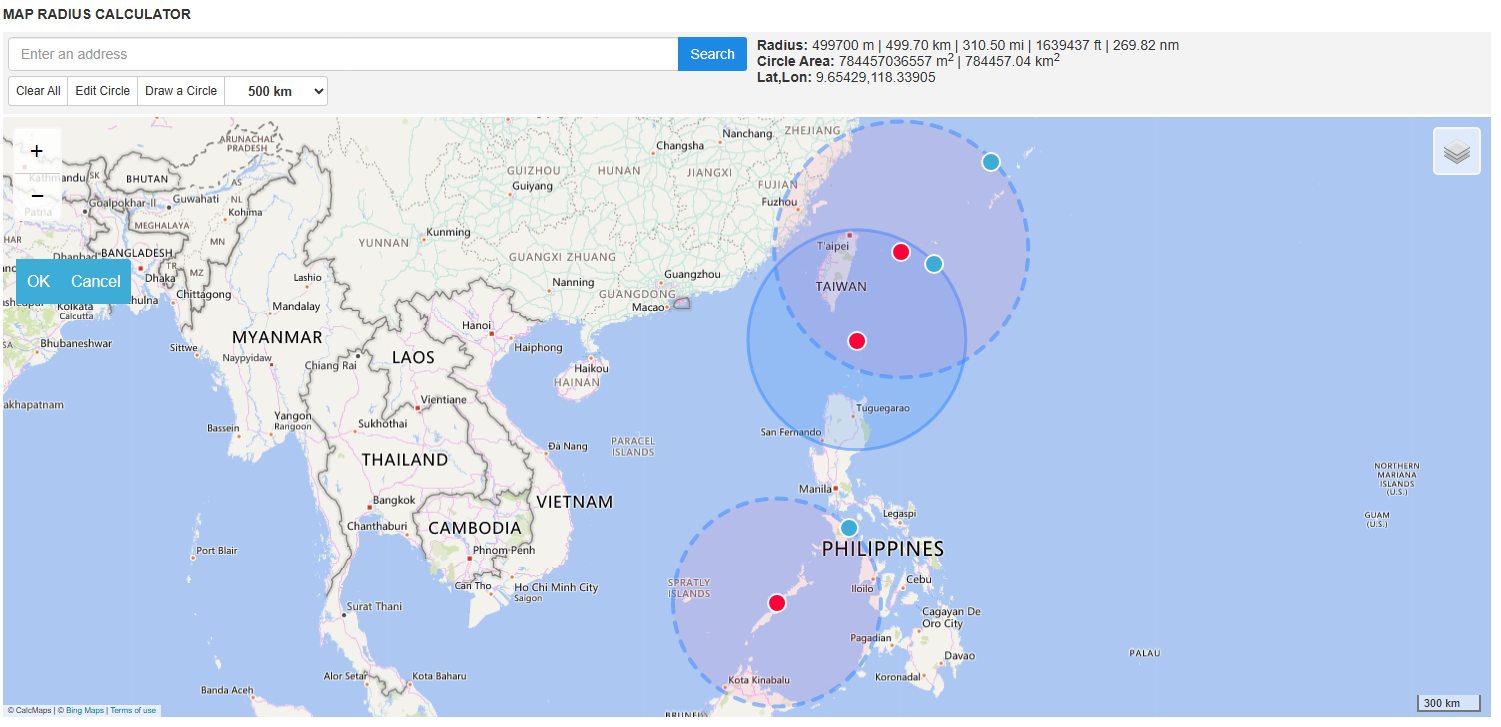
해병대는 NMESIS를 통해 지상 기반의 스탠드오프(원거리) 대함 미사일 능력과 제한적 대지타격 능력을 유지할 계획이다. 올해 초 필리핀에서 실시된 훈련에서 해병대는 해당 시스템을 전략적 요충지인 루손 해협의 섬으로 신속 전개해 운용하는 데 성공했다. 루손 해협은 가장 좁은 지점이 약 220마일이며, 맞은편에 대만이 위치한다.
섬 전진기지에 NMESIS를 전개해 적 해군의 이동을 억제하는 것이 해병대가 해당 시스템을 도입하는 목적이다.
한편, LRF가 제공하려던 추가적인, 훨씬 긴 사거리의 타격 능력은 사라지게 됐다. NSM의 기본형 최대 사거리는 약 126마일로, 토마호크의 약 1,000마일에 비해 훨씬 짧다.
현재 해병대는 토마호크와 비슷한 사거리의 다른 지상발사 무기체계 도입은 고려하지 않고 있다. 대신 HIMARS 발사차량을 통해 육군의 프리시전 스트라이크 미사일(PrSM)과 그 대함 버전을 운용할 예정이지만, 현 PrSM의 최대 사거리는 약 310마일이다. 향후 사거리가 620마일 이상인 장거리형도 개발 예정이다.
육군 측에도 영향이 있을 수 있다. 록히드마틴의 에드워드 도벡 발사체계 프로그램 이사는 “육군과 타군에서도 이 단일 셀 JLTV(기반 발사체)에 관심이 있다. 대형 트럭 기반 4셀 컨테이너의 보조 수단으로 고려되고 있다.”고 밝혔다. 육군도 현재 타이폰 시스템의 경량화와 기동성 향상을 고민하고 있다.
육군의 타이폰 시스템은 필리핀에 반(半)상시 배치되어 있고, ‘중거리전력(MRC)’ 또는 ‘전략중거리화력(SMRF)’ 등으로 불린다. 현행 타이폰은 트랙터 트레일러 4기와 이동식 지휘소 트레일러 등으로 구성된다.
육군 3차 다영역임무부대장 마이클 로즈 대령은 “MRC를 배치해 운용하면서 더욱 기동적이고 소형화된 다음 세대를 어떻게 구현할지, 운용과 유지에 관한 많은 교훈을 얻고 있다. 이런 교훈들이 연구개발과 획득에 반영되고 있다.”고 말했다.
해병대의 LRF 사업 중단 결정은 타이폰과 같은 대형 시스템을 전진기지에서 운용할 수 있을지에 대한 추가 의문을 야기할 수 있다. 다만, 육군의 타이폰 운용 개념은 해병대 LRF처럼 극단적으로 분산된 거점 전개를 상정하지는 않는다.
지난달 육군은 토마호크, 패트리엇 PAC-3 MSE 미사일 발사가 가능한 10×10 M1075 PLS 트럭 기반 무인 발사체에 대한 관심을 표명했다.
현재 육군의 2026 회계연도 예산에는 타이폰 시스템을 위한 소수(토마호크 7기, SM-6 6기) 미사일만이 주문되어 있다. 또한 앞으로 타이폰에는 대함 최적화형 ‘마린 스트라이크 토마호크(MST)’만 구매할 계획이 명시됐다. MST는 지상공격 능력도 갖추고 있다.
향후 육군에서 추가 구매가 이뤄질지는 불명확하다.
어찌 되었든, 해병대는 더 이상 지상발사형 토마호크 순항미사일을 운용하지 않을 예정이다.
Marines Axe Adoption Of Ground-Launched Tomahawk Cruise Missile

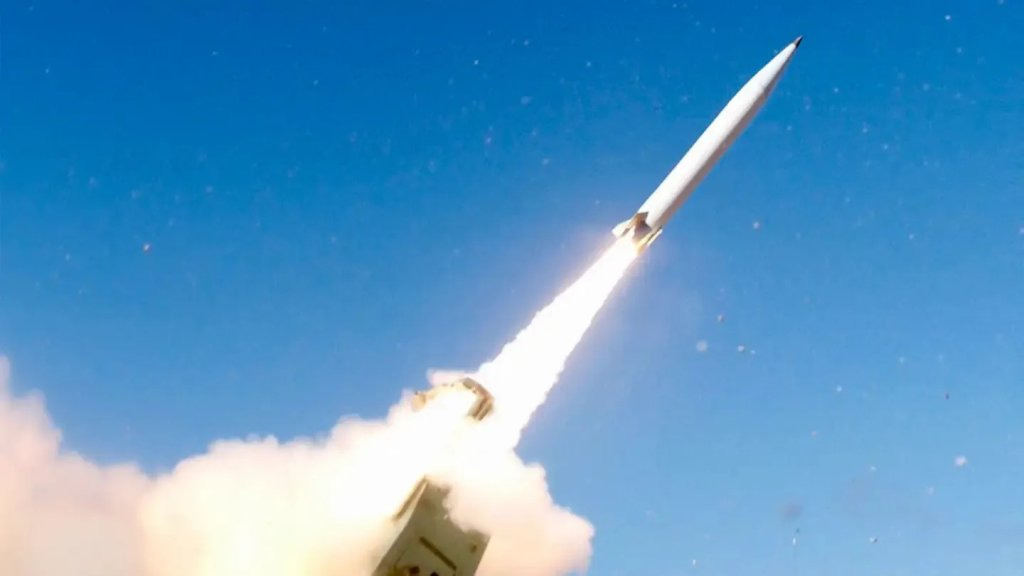
A HIMARS launcher fires a PrSM short-range ballistic missile during a test. Lockheed Martin
As noted, there may be additional ramifications on the Army side from the Marine Corps’ decision to axe the LRF program.
“There’s some interest from the Army and other services about that single-cell JLTV[-based launcher], as well, because it is a nice complement to the larger four-cell container that’s on a heavy truck,” Edward Dobeck, program director of Launching Systems at Lockheed Martin, told TWZ in April. “There have been some discussions about how to maybe make it [Typhon] lighter.”
Lockheed Martin is the prime contractor for the LRF launcher and the Army’s Typhon system. Typhon, which the Army has also deployed to the Philippines on a semi-permanent basis, is sometimes referred to as the Mid-Range Capability (MRC) and as the Strategic Mid-Range Fires (SMRF) system.
“From an MRC standpoint, you can see what that is going on in the Philippines,” Dobeck added in April. “MRC provides a very strategic asset for [use from] the Philippines to be able to provide that capability in the region.”
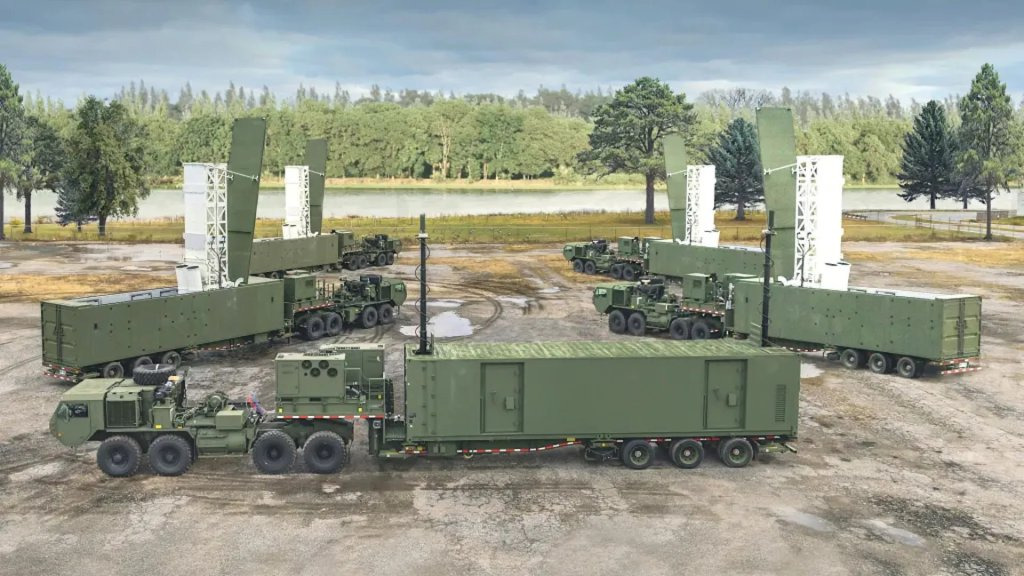
The main components of a current U.S. Army Typhon battery, four tractor-trailer launchers and a trailer-based mobile command post. US Army
Still, it is the Army’s experiences with Typhon in the Philippines that have been driving the service to look at alternatives.
“So, the Mid-Range Capability, we fielded it, we have put it into the theater, but we’re learning lessons on how we can improve the next evolutions of that,” Army Col. Michael Rose, commander of the service’s 3rd Multi-Domain Task Force (MDTF) headquartered at Fort Shafter in Hawaii, said at the Association of the U.S. Army’s (AUSA) main annual conference last year. “How do we make it more mobile? How do we make it smaller? How do we make it more agile? How do we employ it most effectively and how do we sustain it? A lot of those lessons are feeding back into our RDT&E [research, development, test, and evaluation] and acquisitions professionals to improve and enhance that new operational capability.”
The Marine Corps’ conclusion that the LRF system is not suitable for its expeditionary concepts of operations may now prompt additional questions about the ability to deploy and operate the larger Typhon system at forward locations. At the same time, the Army’s concept for employing Typhon does not involve distributing the launchers to very remote locales as the Marines intended to do with LRF.
In a contracting notice put out last month, the Army did express additional interest in a potential new uncrewed launcher vehicle capable of firing Tomahawks, as well as Patriot Advanced Capability-3 Missile Segment Enhancement (PAC-3 MSE) surface-to-air missiles, based on the 10×10 M1075 Palletized Loading System (PLS) truck.
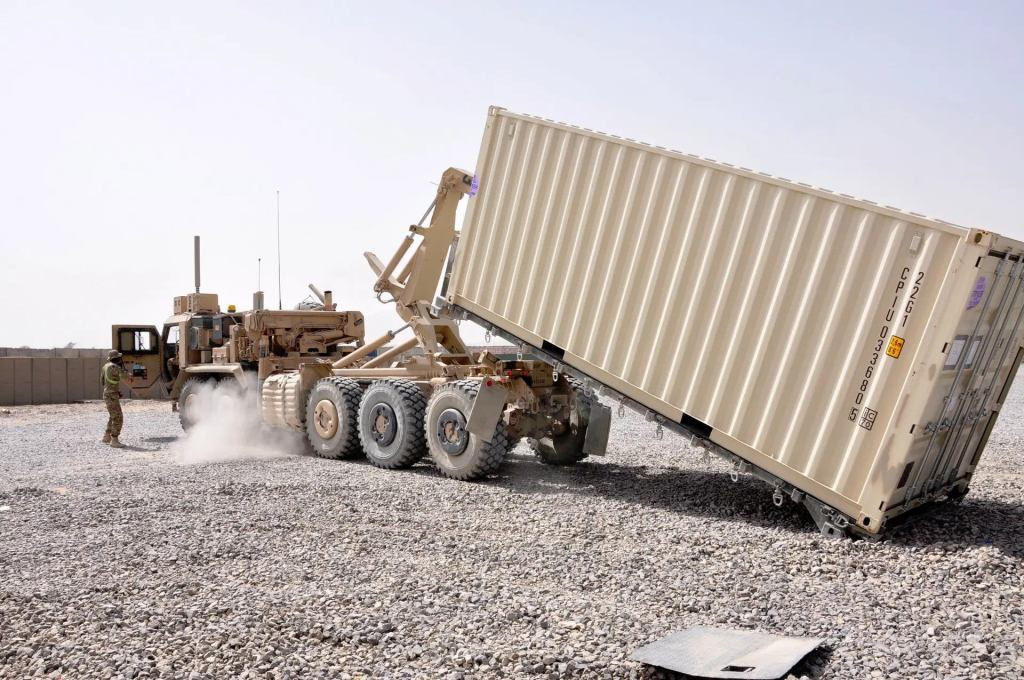
A U.S. Army M1075 Palletized Loading System (PLS) truck seen in its standard configuration unloading a shipping container. US Army
In the meantime, the Army’s Fiscal Year 2026 budget shows the service is still pressing ahead with Typhon in its current form, but is only planning to order a very small number of missiles for those systems – just seven Tomahawks and six SM-6s – in the upcoming fiscal cycle. Interestingly, the budget documents also say the Army is shifting to purchase only anti-ship optimized Marine Strike Tomahawk (MST) variants for Typhon going forward. MST, which retains a land-attack capability, is one of three versions of the latest Block V Tomahawk, the others being the baseline type and one with an advanced warhead design. Whether the service expects to purchase additional Tomahawks and/or SM-6s through other funding streams is not immediately clear.
Whatever might happen going forward on the Army side, the Marine Corps’ future is no longer set to include ground-launched Tomahawk cruise missiles.
Contact the author: joe@twz.com
댓글
댓글 리스트-
작성자백선호 작성시간 25.07.08 핵탄두였으면 한발 쏘고 땡일텐데, 그게 아니면 골치아프겠네요.
-
답댓글 작성자위종민 작성자 본인 여부 작성자 작성시간 25.07.09 https://www.navalnews.com/naval-news/2025/06/u-s-marine-corps-abandons-tomahawk-missiles-doubles-down-on-extended-range-nmesis-in-fy2026-budget/
생존성 외에도, 말씀대로 지상목표를 때리기엔 수량이 제한적이고 ( 발사기 56대 = 최대 56발..) 시레인 절단을 위해 해상목표를 때리자니 지상발사 버전보다 사거리가 짧아지고 비행속도도 느린 물건이라 그냥 PrSM 쓰자고 결심한 것 같기도 합니다.