ICBM 관련 부대와 인력이 미공군의 기타 분야와 인적 물적으로 독립돼 인력관리에 문제가 있고, 향후 센티넬 프로그램이 잡아먹을 막대할 예산이 공군 항공기 현대화에 장애가 될 수 있으니 ICBM 이외 장거리 지상발사 타격수단을 관리하는 육군에 넘기자는 주장입니다.
다음은 제공한 기사 원문을 기준으로, 지침에 따라 전문 직역·중립 톤·순서 유지·누락 없음으로 번역한 내용이야.
ICBM을 공군에서 육군으로 이전할 때는 지금이다 미국기업연구소(American Enterprise Institute)의 Todd Harrison은 이 오피니언 칼럼에서 왜 지금이 ICBM 체계를 공군에서 육군으로 이전할 적기인지 설명한다.
Todd Harrison, 2025년 11월 20일 오후 1시 23분
공유하기
2025년 3월 5일 몬태나주 말름스트롬 공군기지에서, 341 미사일 정비대대 미사일 관리팀 케이지맨 훈련생인 빈센트 리마 1등병이 훈련용 미사일 사일로 안으로 몸을 내리고 있다. 인증된 MMT 기술자가 되기 위해서는 교실과 미사일 훈련 사일로에서 6개월간 계속되는 훈련이 필요하다. (미 공군 사진: 메리 바워스 상병)
새 공군참모총장 케네스 윌스바흐 대장은 첫 메시지에서 아주 명확히 말했다. “우리의 본질은, 우리는 항공기를 조종하고 정비한다. 그것이 우리가 누구이며 우리가 하는 일의 핵심이다.” 그는 옳다 — 그럼에도 불구하고 수십 년 동안 미국 핵 삼중축의 지상 배치 축은 그 임무와 본질적으로 맞지 않는 군종 내에 놓여 있었다.
대륙간탄도미사일(ICBM)은 우주 시대 초기, 미사일과 로켓 기술이 깊이 얽혀 있던 시기에 공군으로 들어갔다. ICBM을 옹호했던 버나드 슈라이버 장군 같은 설계자들은 이미 오래전에 세상을 떠났다. 남은 것은 노후화로 미끄러져 들어가고 있으며, 예산을 81% 초과한 문제 많은 현대화 프로그램 때문에 미국의 핵 억지력 신뢰성을 약화시킬 위험이 있는 ICBM 전력뿐이다.
ICBM 체계가 기로에 서 있는 지금, 의회와 행정부는 이 중요한 임무를 오늘날 논리적으로 더 적합한 육군으로 이전해야 한다.
지금은 과감한 변화를 위한 적기다. 센티널 프로그램은 이미 재구조화되고 있으며, 향후 몇 년 동안 새로운 미사일, 사일로, 지원 시설이 모습을 갖추기 시작할 것이다. 지금 우리가 해야 할 질문은, 이 기회를 사용해 오래 끓어오른 구조적 불일치를 해결할 것인가, 아니면 지난 30년간 실패한 경로를 계속 밟아가는 낡은 구조에 새로운 시스템과 더 많은 자금을 쏟아부을 것인가이다.
공군이 더 이상 ICBM 임무에 적합하지 않고, 육군이 적합한 이유는 세 가지 근본적인 이유가 있다.
첫째, 윌스바흐의 메시지가 시사하듯, 사일로 기반 미사일은 공군의 정체성이나 임무의 핵심이 아니며 앞으로도 그럴 일은 없다. 항공기 전력이 사상 가장 오래되고 가장 작은 규모가 된 지금, 국가는 미사일 전력을 관리하기보다 미 공군이 미국의 항공 전력을 복원·확대하는 데 집중하기를 필요로 한다.
둘째, 미사일 요원(missileer) 진출 분야는 공군의 다른 임무와 자연스러운 시너지가 없으며 점점 고립되고 단절되고 있다. 미사일 운용자와 정비사는 공군의 다른 구성과 분리된 상태로 훈련하고 근무하며, 그 경험은 항공 임무나 공군 내 대부분의 고위 리더십 역할로 잘 이어지지 않는다. 냉전 종식 이후 계속 축소돼 온 ICBM 전력과 결합되어, 미사일 요원 분야는 만성적인 사기 저하, 제한된 진급 기회, 지속 불가능한 규모라는 문제를 안고 있으며, 이는 지난 30년 동안 반복적으로 기록된 바 있다.
제공
스폰서 게시물, 지상전 내비게이션 허브의 남성 내비게이션 전쟁은 위치·항법·시각(PNT)을 보장하기 위한 전투에 관한 것이다 미 육군의 MAPS Gen II는 고난도 전장 환경에서 전투 차량을 위한 권위 있고 신뢰할 수 있는 진실의 근원을 제공하는 보장된 PNT 공식 프로그램이다.
제공: 브레이킹 디펜스
셋째, 미사일 기지가 광범위하게 분산되어 있기 때문에, 공군은 승무원을 사일로 간 이동시키기 위해 별도로 사용하지 않는 다목적 헬리콥터 전력을 유지하고 있다 — 그리고 헬기 조종사, 정비사, 보안 부대, ICBM 임무에만 특화된 훈련 파이프라인까지 포함된다. 전력 구조가 축소되고 재정적 압박이 있는 상황에서, ICBM을 보호하기 위해서만 별도의 항공기와 관련 진출 분야를 유지하는 것은 낭비적으로 보인다.
반면, 육군은 이미 국가의 다른 모든 지상 기반 미사일을 운용하고 있으며, 군의 유일한 다른 사일로 기반 미사일 — 알래스카 포트 그릴리와 캘리포니아 밴덴버그 우주군기지의 지상기반 요격체 — 도 운용하고 있다. 장거리 화력은 육군 내에서 성장하고 높은 가치를 갖는 임무이며, 육군에서 ICBM 업무를 맡게 되는 인원은 육군 내 다른 직무와 더 잘 정렬되는 기술을 쌓게 될 것이다. 또한, 육군은 이미 ICBM 보안 임무에 더 효과적이고 효율적으로 투입할 수 있는 다목적 헬기와 전력 구조를 보유하고 있다. ICBM 임무는 육군에 자연스럽게 맞는 임무다.
물론 이 아이디어는 공군 내부에서 즉각적인 반발을 부를 것이다. 결국 누구도 이 중요한 임무에 얽힌 명예, 역사, 예산을 잃고 싶어 하지는 않을 것이다. 하지만 우리는 공군 지지자들로부터 이 전력이 지금까지 가장 오래되고 취약한 공군이며, 미래의 분쟁에서 미국인의 생명을 위협할 수 있다는 이야기를 반복적으로 듣는다. 만약 그렇다면, 이 군종은 ‘핵심’이라고 윌스바흐가 표현한 공군의 본령에 집중할 수 있도록 부수적인 임무 세트에서 벗어나야 한다.
핵 억지 임무는 어느 군종에서든 부차적인 책임이 되어서는 안 되며, 공군은 전투기, 폭격기, 공중급유기, 그리고 ICBM을 동시에 현대화할 여력이 없다.
ICBM 임무를 육군에 재배치하는 일은 각 군부에 핵 삼중축의 한 축에 대한 책임을 부여하고, 공군의 지속 불가능한 현대화 부담을 덜어주며, 육군이 강조하고 있는 장거리 화력 임무를 강화하게 될 것이다. 무엇보다도, 이러한 이전은 핵 안전성과 보장을 최우선으로 삼아 수행될 수 있으며, 그 점은 결코 타협될 수 없다.
지금이야말로 ICBM 전체 체계 — 인력, 프로그램, 시설, 예산 — 을 공군에서 육군으로 깨끗하게 이전할 최적의 시기다.
Todd Harrison은 미국기업연구소(AEI)의 선임 연구원으로, 국방 전략, 국방 예산, 우주 정책을 연구하고 있다.
주제: 공군 육군 ICBM 오피니언·논평 Todd Harrison
The time to move ICBMs from the Air Force to the Army is now - Breaking Defense

The time to move ICBMs from the Air Force to the Army is now
Todd Harrison of the American Enterprise Institute explains in this op-ed why now is the right time to move the ICBM enterprise from the Air Force to the Army.
By Todd Harrison on November 20, 2025 1:23 pm
Share
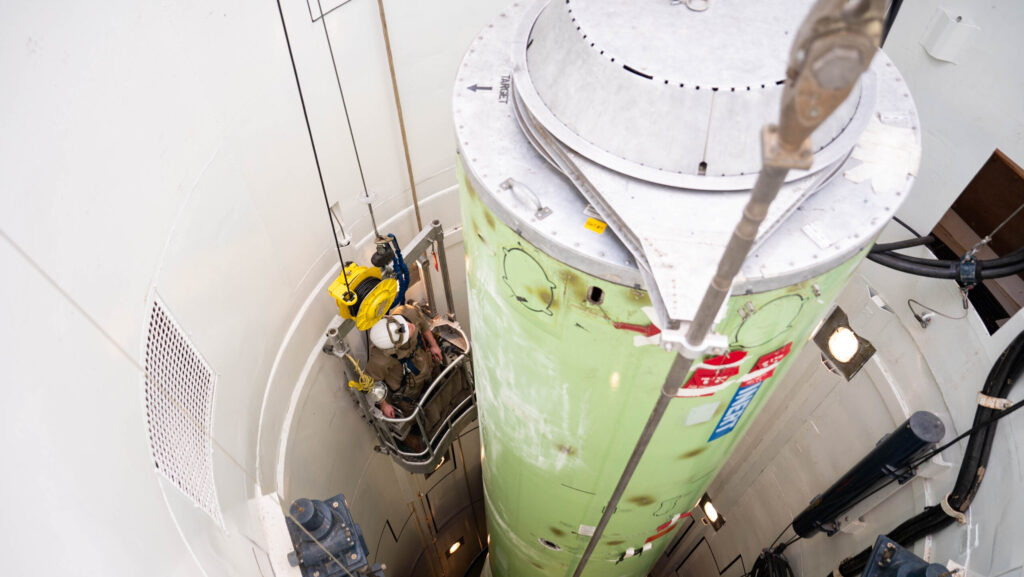
Airman 1st Class Vincent Rymar, 341st Missile Maintenance Squadron missile management team cage man trainee, lowers himself into a trainer missile silo March 5, 2025, at Malmstrom Air Force Base, Mont. Becoming a certified MMT technician takes six months of continuous training both in the classroom and in the missile training silo. (U.S. Air Force photo by Senior Airman Mary Bowers)
In his first message to airmen, new Air Force Chief of Staff Gen. Kenneth Wilsbach said it plainly: “At our core, we fly and fix aircraft. It is the heart of who we are and what we do.” He’s right — and yet, for decades, the land-based leg of America’s nuclear triad has sat within a military service fundamentally mismatched to the mission.
Intercontinental ballistic missiles (ICBMs) ended up in the Air Force in the early days of the space age when missile and rocket technology were deeply intertwined. The architects who championed ICBMs — figures like Gen. Bernard Schriever — have long since passed. What remains is an ICBM force sliding into disrepair and a troubled modernization program that is 81 percent over budget and risks undermining the credibility of America’s nuclear deterrent.
With the ICBM enterprise at a crossroads, Congress and the administration should move this critical mission to the Army, where it logically belongs today.
The moment is right for decisive change: The Sentinel program is already being restructured, and new missiles, silos, and support facilities will begin to take shape in the coming years. The question is whether we use this opportunity to fix a long simmering structural mismatch, or whether we pour new systems and even more funding into an outdated structure that continues down the failed path of the past 30 years.
There are three fundamental reasons why the Air Force is no longer a fit for the ICBM mission, and why the Army is.
First, as Wilsbach’s message indicates, silo-based missiles are simply not core to the Air Force identity or mission, and they never will be. With a fleet of aircraft that is the oldest and smallest it has ever been, the nation needs an Air Force that is laser-focused on restoring and expanding US airpower — not managing a missile force.
Second, the missileer career field has no natural synergy with the rest of the Air Force and is increasingly orphaned and disconnected. Missile operators and maintainers train and work separately from the rest of the service, and gain experience that does not translate well to airborne missions or most senior leadership roles in the Air Force. Combined with an ICBM force that has been shrinking since the end of the Cold War, the missileer career field has chronic morale problems, limited promotion opportunities, and an unsustainable size — issues documented repeatedly over the past 30 years.
presented by

Navigation warfare is about the battle to assure positioning, navigation, and timing
The U.S. Army’s MAPS Gen II program of record for assured PNT provides an authoritative and reliable source of truth for combat vehicles in a highly contested battlespace.
Third, because its missile fields are widely dispersed, the Air Force currently sustains a fleet of utility helicopters it does not otherwise need to fly crews between silos — along with helicopter pilots, maintainers, security forces, and training pipelines unique to the ICBM mission. At a time of shrinking force structure and financial pressures, maintaining a separate fleet of aircraft and supporting career fields just to protect the ICBMs seems wasteful.
In contrast, the Army already operates all of the nation’s other land-based missiles, including the military’s only other silo-based missiles — the ground-based interceptors at Fort Greely, Alaska, and Vandenberg Space Force Base, California. Long-range fires is a growing and highly valued Army mission, and Army personnel in ICBM jobs would build skills better aligned with other jobs in the Army. Moreover, the Army already has the utility helicopters and force structure needed to take on the ICBM security mission more effectively and efficiently than the Air Force. The ICBM mission is a natural fit for the Army.
Certainly, this idea will find kneejerk opposition inside the Air Force. After all, no one wants to lose the prestige, history nor budget associated with this vital mission. But we hear again and again from Air Force advocates how this is the oldest, most brittle air service the US has ever had, and how that could cost American lives in a future conflict. If that’s the case, then the service needs to be free of extraneous mission sets and able to focus on what Wilsbach termed the “core” of the US Air Force.
The nuclear deterrence mission is too important to be a secondary responsibility within any service, and the Air Force simply does not have the bandwidth to modernize its fighters, bombers, tankers, and ICBMs simultaneously.
Reassigning the ICBM mission to the Army would give each military department responsibility for one leg of the nuclear triad, relieve the Air Force of an unsustainable modernization burden, and reinforce the Army’s growing emphasis on long-range fires. Importantly, the transfer can and would be conducted with the upmost attention to nuclear safety and assurance — something that can never be compromised.
Now is the best time for a clean transfer of the entire ICBM enterprise — people, programs, facilities, and funding — from the Air Force to the Army.
Todd Harrison is a senior fellow at the American Enterprise Institute, where he focuses on defense strategy, defense budgeting, and space policy.
Topics:
댓글
댓글 리스트-
작성자Minowski(김유철) 작성시간 25.11.21 육군에 보낸다고 그 쪽이 젖과 꿀이 흐르지는 않을것같고... 육군이 점점 지상전투보다는 미사일군으로서 기능할 것이라고 보는 예측일까요? 같은 탄도미사일을 다루긴해도 전술과 전략은 염연하게 다른 물건인데...... 저 논리라면 우주군이 가진 위성관리를 확장해서 ICBM도 관리시키는 것도 방법일 것 같은데...
-
답댓글 작성자위종민 작성자 본인 여부 작성자 작성시간 25.11.24 보직관리 문제가 핵심일 것 같은데, ICBM을 우주군에 넘겨도 ICBM 관련 인력이 군 내 핵심인력으로 성장할 수 있을 지가 관건일 것 같습니다.