아세안 공군들은 통틀어 532대의 고정익 전투기를 운용중이고, 현재 주문 물량은 140여대라고 하네요.
숫적으로는 미얀마 공군이 116대로 가장 많지만 얼마나 가동할 수 있는지는 의문이고, 뒤이어 태국이 109대, 싱가포르가 100대로 뒤를 잇고 있습니다. 인도네시아는 90대에 불과하지만 확정 주문물량이 90대이고 베트남은 66대, 말레이시아는 40대, 필리핀은 11대네요.
어느 나라가 어떤 비행기를 사느냐가 아니라, 도입한 전투기를 실제로 굴릴 수 있게 승무원과 정비능력을 갖추고 있는지가 더 중요하다고 지적합니다.
남중국해 긴장이 국방비 지출을 견인하면서 동남아 국가들이 신형 전투기를 추구한다
Greg Waldron 작성
2026년 1월 8일
기사 저장 이 기능을 사용하려면 계정에 로그인해 주세요
지정학의 귀환으로 각국 정부가 안보를 더 심각하게 받아들이면서, 동남아시아 국가들은 전투기 전력을 서서히 재구축하고 있다.
2020년대 이전에는, 싱가포르라는 두드러진 예외를 제외하면 동남아 국가들은 전투기 도입에 다소 느슨한 태도를 보였다.
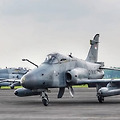
필리핀 공군 FA-50 KAI
출처: 필리핀 공군
필리핀 공군은 FA-50PH를 12대 추가 도입할 예정이지만, 주요 전투기 경쟁 사업은 여전히 결론이 나지 않았다.
인도네시아와 말레이시아는 노후 기종이 섞인 혼합 전력을 유지한 채, 새 항공기를 얻기 위한 의지가 약한 노력에 만족해 왔다. 필리핀은 극단적으로 고속 제트 전력을 아예 사라지게 두기까지 했다. 2005~2015년 동안 마닐라는 노스럽 F-5를 퇴역시킨 뒤 전투기를 한 대도 보유하지 않았다.
그러나 냉전 종식 이후 지속됐던 비교적 온건한 지정학 환경은 이제 사라졌다. 중국의 남중국해 군사화와, 이것이 역내 및 주요 강대국들 사이에 만들어낸 긴장은 전투 항공기 지역 시장을 크게 부양했다.
호주전략정책연구소(ASPI)에서 국방 전략 및 능력 부문 선임 분석가인 말콤 데이비스는 “동남아시아는 분명 5세대 전투기로의 이동을 하고 있지만, 그 양상은 꽤 들쭉날쭉하다”고 말한다.
“최소한 4세대 플러스 플랫폼들도 모습을 보이고 있으며, 5세대에 가까운 능력을 갖추고 있다. 하지만 동남아시아에서 흔히 그렇듯, 도입할 플랫폼 수는 예산과 그런 항공기를 운용하고 유지할 수 있는 능력에 의해 제한된다. 또한 여러 기종을 소수씩 보유하는 경향이 계속되고 있어, 일부 국가들은 일관성이 떨어지는 전력 구조로 이어지고 있다.”
항공 분석 업체 시리움(Cirium)은 동남아국가연합(ASEAN) 공군들이 약 532대의 고정익 전투 항공기를 보유하고 있으며, 거의 140대에 대한 주문이 있다고 제시한다.
이들 항공기는 대부분 제트기지만, 전투 능력을 갖춘 소수의 터보프롭도 포함된다. 이 지역 전투 항공기 전력의 임무 범주에는 다목적 전투, 지상공격, 방공, 근접항공지원이 포함된다.
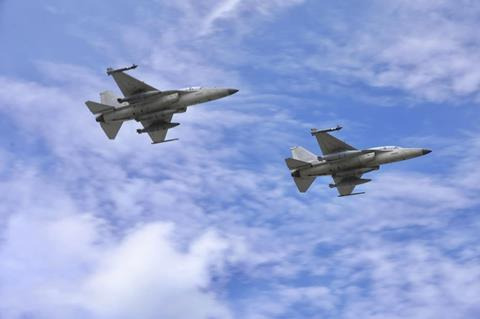
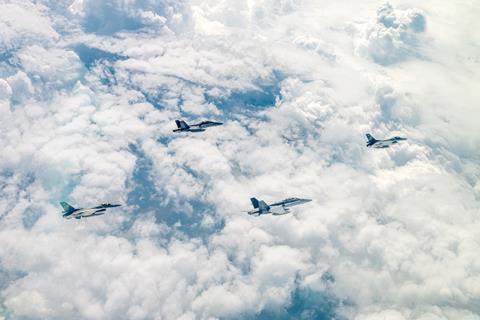
인도네시아 F-16, 말레이시아 F-18
출처: 말레이시아 왕립 공군
인도네시아의 F-16과 말레이시아의 F/A-18D: 두 나라 모두 신형 제트기가 필요하다.
서류상으로 미얀마는 동남아에서 가장 큰 전투 항공기 운용국으로, 제트 및 터보프롭을 합쳐 116대를 보유하고 있다. 그러나 이 전력의 상당 부분이 실제로 얼마나 가동 가능한지는 의문으로 남아 있다.
태국 왕립 공군(RTAF)이 전투 능력을 가진 고정익 항공기 109대로 그 뒤를 잇는다.
역설적으로, 이 지역에서 전투 항공기를 가장 많이 운용하는 국가들 가운데 하나는 가장 작은 나라 싱가포르다. 시리움은 도시국가인 싱가포르가 동남아 운용 중 고정익 전투 항공기 전력의 거의 5분의 1을 차지하며, 100대를 보유하고 있다고 본다.
지리적으로 가장 큰 나라 인도네시아는 전투 능력을 가진 운용 중 항공기가 90대에 불과하다. 또한 인도네시아는 전투기 주문 물량의 대부분을 차지하는데, 90대에 대한 확약이 있다.
베트남이 고정익 전투기 66대로 뒤를 잇고, 말레이시아와 필리핀이 각각 40대와 11대로 최하위권에 위치한다.
최근 몇 년간 인도네시아는 이 지역에서 가장 눈에 띄는 공군 현대화 사례였다. 노후 전력은 공통성이 거의 없는 5개 기종으로 분산돼 있다.
자카르타 전력의 중심은 평균 기령 38.5년인 록히드마틴 F-16 33대다. 이 가운데 10대는 F-16A/B이고 23대는 F-16C/D다. 이 전력은 일부 업데이트가 있었지만, 싱가포르, 한국, 대만 같은 대형 지역 F-16 운용국들이 수행한 포괄적인 F-16 개량 프로그램과는 비교할 수 없다.
인도네시아는 방공 임무로 수호이 Su-27 5대와 Su-30MK 11대도 운용한다. 또한 지상공격 임무로 오래된 BAE 시스템즈 Hawk 100/200 28대와, 더 신형인 엠브라에르 EMB-314/A-29 슈퍼 투카노 13대를 보유하고 있다.
대규모 분쟁에서는 이 정도 규모의 전력은 더 정교하고 현대적인 적을 상대로 버티기 어렵다. 자카르타는 이를 인식한 것으로 보이며, 전투기 전력을 현대화하기 위한 다양한 조치를 취해 왔는데 그 효과는 제각각이었다.
중요한 전환점은 2022년 2월 자카르타가 다소 항공 라팔 48대를 도입하겠다고 발표한 때였다. 인도네시아의 첫 라팔은 2025년 8월 프랑스에서 모습을 드러냈고, 조종사와 정비 요원들은 임박한 인도를 앞두고 훈련을 받고 있다.
완전히 전력화되면 인도네시아의 라팔은 공군의 핵심 전력이 되어, 첨단 공대공 및 정밀 타격 능력을 제공할 것이다. 라팔의 데이터링크와 센서 능력은 인도네시아의 기존 전투기 전력과 비교해 큰 향상을 제시한다.
현대적 전투기 전력을 갖추려는 인도네시아의 다른 시도들의 효과는 더 의문스럽다.
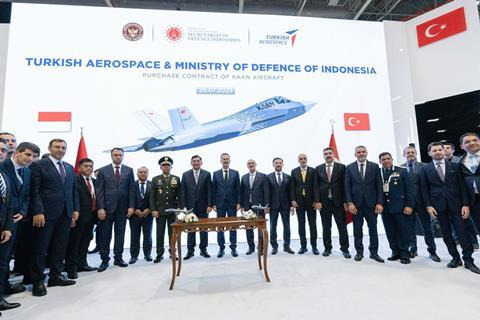
칸 구매 계약 서명
출처: 터키항공우주(Turkish Aerospace)
KF-21 프로그램의 파트너임에도, 자카르타는 칸을 주문했다.
인도네시아는 2010년부터 한국항공우주산업(KAI)의 KF-21 프로그램 회원국이었다. 계획은 특수 IFX 변형 48대를 도입하는 것이다. 한국 내 시험은 순조로웠지만, 인도네시아가 오랫동안 자금 분담을 줄이려 했기 때문에 양국 파트너십은 불안정했다.
게다가 2024년에는 데이터 절도 스캔들이 관계를 흔들었는데, 한국에 있는 인도네시아 기술자들이 USB 장치를 통해 프로그램 데이터를 훔쳤다는 의혹이 제기됐다.
관계는 2025년 6월에 결국 재설정됐고, 자카르타의 프로그램 비용 분담은 6,000억 원(4억1,700만 달러), 즉 개발비의 약 7%로 줄었다. 이 지출에도 불구하고 자카르타는 아직 KF-21에 대한 정식 주문을 발표하지 않아, 한국 프로그램에 투자해 무엇을 얻었는지에 대한 의문을 낳고 있다.
2025년 7월에는 또 하나의 인도네시아 ‘폭탄’이 있었는데, 자카르타가 터키항공우주의 칸 전투기 48대 계약을 체결해, 터키 밖에서 첫 구매자가 됐다. 칸은 큰 잠재력을 가질 수 있지만, 프로그램은 아직 초기 단계다. 반면 KF-21은 훨씬 성숙한 프로그램으로, 수년간의 시험을 거쳤고 2026년 말까지 한국군에 실전 배치될 예정이다.
자카르타는 보잉과 2023년에 최대 24대의 F-15EX에 관한 양해각서도 체결하는 등, 다른 전투기도 혼란스러울 정도로 다양하게 검토해 왔다. 인도네시아 당국자들은 청두 J-10C도 고려 중이라고 말했으며, 러시아 당국자들은 자카르타가 여전히 수호이 Su-35에 관심이 있다고 주장하는 것으로 전해진다. 이전에 러시아 기종을 구매하려던 계획은 미국 제재 위협 때문에 무산된 바 있다.
데이비스는 “효과적으로 지속 가능한 신뢰할 만한 공중전 능력을 개발하는 데 있어 일관된 접근이 거의 없고, 이런 계획 구매들 중 일부는 무너질 수도 있다는 점이 놀랍지 않다”고 말한다.
그는 “인도네시아는 다른 몇몇 동남아 국가들처럼, 미국 의존에서 벗어나 다양화를 분명히 추구하고 있다”고 덧붙인다.
필리핀은 다목적 전투기(MRF) 경쟁이 매우 더딘 진전에도 불구하고, 또 다른 유망 시장이다. 이 경쟁은 F-16 블록 70/72와 사브 그리펜 E/F가 오랫동안 다투고 있으며, 뒤늦게 참여한 KAI도 KF-21을 제안하고 있다.
데이비스는 “마닐라는 자국 영공을 방어하고 중국의 도전에 대응하기 위해 신뢰할 만한 공중전 능력을 원할 것이고, 그래서 더 진보된 능력에 대한 투자가 늘어날 것이라고 본다”고 말한다.
KF-21
출처: 한국항공우주산업
KAI는 마닐라에 KF-21을 제안했다.
그는 “필리핀이 의미 있는 수량으로 구매할 수 있고, 높은 대비태세를 갖추도록 지속 운용할 수 있다면 KF-21 같은 플랫폼은 매우 타당하다고 주장하고 싶다. 훈련도 매우 중요하며, 필리핀은 호주의 ‘피치 블랙’ 같은 다국적 훈련에 더 많이 참여할 필요가 있다”고 말한다.
마닐라는 최대 40대를 도입할 수 있다고 말해 왔지만, 자금 제약과 다른 우선순위 때문에 이 프로그램은 수년간 질질 끌려 왔다.
MRF 사업이 상시적인 불확실성 속에 있는 동안, 마닐라는 공군력을 강화하기 위한 다른 조치들도 취했다. 6월에는 2030년까지 인도될 KAI FA-50PH 경공격기 12대를 추가로 7억 달러에 주문했다.
필리핀의 신규 FA-50PH는 기존 FA-50 전력에는 없던 공중급유 능력을 포함할 예정이다. 또한 레이시온의 팬텀스트라이크 능동형 전자주사식 배열(AESA) 레이더를 탑재해 센서 능력을 강화할 것이다.
더 최근에는 KAI가 필리핀의 기존 FA-50PH 11대 전력에 대한 개량 계약(6,450만 달러)을 발표했다. 이 작업은 유도무장 능력, 항속거리, 그리고 합동 네트워크 내 운용 능력을 향상시킬 것이다.
마닐라는 특히 민다나오 지역에서 반란 문제도 동시에 겪고 있다는 점에서, 2020년에 슈퍼 투카노 경공격기 6대를 인도받았다. 필리핀 당국자들은 2024년 말 엠브라에르가 슈퍼 투카노 6대 주문을 발표하면서 언급한 “비공개 고객”이 자국이라고 말해 왔다.
마닐라의 MRF 최종 결정에 대한 전조가 될 수 있는 움직임으로, 이 지역의 또 다른 전통적인 미국 동맹국인 태국은 2025년에 F-16 블록 70/72 대신 그리펜 E/F를 선택했다. 방콕은 12대의 신형 전투기를 구매할 계획이며, 이는 태국 왕립 공군이 이미 운용 중인 그리펜 C/D 11대를 보완할 것이다. 태국 전력에는 또한 F-16A/B 47대, F-5TH 33대, 다소/도르니에 알파 제트 18대가 있다.
전체적으로 F-5TH 14대는 ‘슈퍼 타이그리스’(Super Tigris) 기준으로 개량됐으며, 이는 2030년대까지도 전력을 유지하는 데 도움이 될 것이다. 개량 기체는 엘빗 시스템즈의 신형 항전장비 패키지, 완전 유리화 조종석, 레오나르도 그리포-F 기계식 주사 레이더를 갖추고 있다. 결정적으로 F-5TH는 링크-T 데이터링크를 갖추고 있어, 태국 왕립 공군의 다른 자산들, 즉 그리펜과 사브 340 기반 에리예 공중조기경보통제기와의 긴밀한 협력을 가능하게 한다.
태국 왕립 공군은 2025년 7월과 12월 캄보디아와의 국경 충돌 기간에 F-16과 그리펜을 전투에 투입하기도 했다. 7월 출격은 그리펜의 첫 전투 투입으로 여겨지며, 정밀 공대지 타격을 포함했다. 12월 출격은 캄보디아의 군사 시설과 중화기를 겨냥하는 데 집중했다.
태국 도로 그리펜
출처: 태국 왕립 공군
훈련 중 도로에서 이륙하는 태국 왕립 공군 그리펜 D. 방콕은 2025년에 그리펜 E/F 12대를 확약했다.
태국 남쪽 이웃인 말레이시아는 전투기 전력 전반에서 노후화 문제에 직면해 있다. 말레이시아 공군력의 중심은 평균 기령 17.6년인 Su-30MKM 18대다. 1월에 말레이시아 왕립 공군(RMAF)은 러시아 기종을 최소 2030년대 중반까지 운용하게 될 수명 연장(SLEP) 프로그램을 완료했다.
SLEP/예방 복원 작업은 RMAF 기술자 75명과 정부 소유 회사인 Aerospace Technology Systems Corporation이 수행했는데, 이 회사의 주요 역할은 현지 수호이 전력을 지원하는 것이다. 보고에 따르면, 오랫동안 지속 운용 문제가 있었던 이 전력은 여전히 예비 부품을 확보하는 데 어려움을 겪고 있다.
또한 말레이시아 왕립 공군은 보잉 F/A-18D 7대와 호크 15대를 운용하고 있는데, 이 가운데 11대는 단좌 208형으로 타격 임무를 수행하고, 4대의 복좌 108형은 훈련기이면서 2차적으로 지상공격 임무를 맡는다. 두 전력 모두 노후화돼 있다. F-18의 평균 기령은 28.5년이고, 호크는 31.2년이다.
2023년 초 쿠알라룸푸르는 ‘전투기 리드-인 훈련기-경전투기’ 요구 조건에 따라 FA-50 18대를 주문하기로 결정하면서 현대화로 향하는 주목할 만한 발걸음을 내디뎠다. 2026년에 도착할 때까지, 한국산 제트기는 호크와 함께 2017년에 퇴역한 러시아제 MiG-29들을 대체할 것이다.
쿠알라룸푸르의 FA-50은 공중급유 수행 능력과 확대된 무장 운용 능력을 갖출 것이다. 장기 계획은 FA-50 18대를 추가로 도입하는 것이며, 이는 총 확약 물량을 36대로 늘릴 것이다.
말레이시아가 추진해 온 쿠웨이트 잉여 F/A-18C/D 33대 확보는 여전히 불확실한 상태다. 미국 정부는 제3자 이전을 승인했지만, 최근 RMAF 총사령관 무함마드 아리스 장군은 쿠웨이트가 최소 2027년까지는 기체를 내줄 수 없다고 말했는데, 이는 쿠웨이트가 새로 도입하는 F/A-18E/F 슈퍼 호넷 28대를 통합하는 데 시간이 필요하기 때문이다.
게다가 말레이시아는 인도 시점에 미국이 요구하는 장비 개조에 대해 추가 15개월의 지연도 겪게 된다. 이러한 어려움과 대당 약 400만 달러의 개량 비용이 추산되는 가운데, 말레이시아는 대안을 검토 중이며, 최우선 대안은 Su-30MKM과 호넷을 대체할 다목적 전투기(MRCA) 프로그램이다.
MRCA의 잠재 후보로는 라팔, KF-21, F-15EX가 포함된다. 2025년 랑카위 에어쇼에서 중국 AVIC는 청두 J-10CE와 선양 J-35A 스텔스 전투기도 홍보했다.
베트남은 Su-30 35대, Su-27 11대, 노후 Su-22 19대로 구성된 전투기 전력의 현대화에서 중대한 과제에 직면해 있다. 이 중 Su-22는 평균 36년 이상 운용됐다. 2025년 초 하노이가 F-16V 24대의 잠재 고객으로 거론됐지만, 대외군사판매(FMS) 건은 아직 구체화되지 않았다.
Vietnamese_Su-22M4_with_Kh-25s
출처: 위키미디어 커먼즈/Hoangprs5
베트남의 노후 Su-22는 타격 임무에 투입된다.
또한 2025년 말의 것으로 주장되는 유출 러시아 문서에 근거한 보도들에 따르면, 베트남이 러시아와의 석유 물물교환 거래를 통해 Su-35 40대를 획득할 수 있다는 주장도 있다.
태국과 마찬가지로 미얀마 공군도 활동을 보였는데, 군사정권은 장기 반란을 벌이는 다양한 반군 집단을 타격하기 위해 공군력을 활용해 왔다. 이 전력의 많은 제트기들은 오래된 중국 및 러시아 기종이지만, 이들 중 상당수는 가동 불능으로 이해되고 있다.
네피도의 주요 전투기는 평균 기령 7.2년인 청두/파키스탄 항공복합체 JF-17 7대와 신형 Su-30SM 6대다. 그러나 언론 보도에 따르면 JF-17 전력 전체는 기체 구조 균열과 러시아제 RD-93 엔진 문제 같은 이슈로 인해 비행이 중단된 상태라고 한다.
미얀마의 허술한 공군과는 정반대로, 싱가포르 공군은 이 지역에서 가장 장비가 잘 갖춰져 있고 정비가 잘 된 전력을 자랑한다. 이 첨단 전력의 중심은 평균 기령 13.9년인 F-15SG 40대다. F-15SG는 최근 대규모 개량 프로그램을 완료해 고도화된 F-16V 기준으로 업그레이드된 F-16 60대의 지원을 받는다.
싱가포르는 또한 스텔스 항공기의 이 지역 첫 운용국이 될 예정이며, 록히드 F-35 20대를 주문했다. 이 가운데 12대는 단거리 이륙·수직 착륙형 F-35B이고, 8대는 통상 이륙·착륙형 F-35A다. 첫 4대의 F-35B는 2026년에 인도될 예정이지만, 훈련을 지원하기 위해 초기에는 아칸소주의 에빙 공군기지에 배치될 것이다. 추가 8대의 F-35B는 2028년에 도착할 것이며, F-35A는 2030년대 시간대에 인도될 예정이다.
수호이 Su-30MKM
출처: Greg Waldron/FlightGlobal
말레이시아의 Su-30MKM은 수년간 지속 운용성 문제를 겪어 왔다.
데이비스는 항공기를 구매하는 것만으로는 충분하지 않으며, 적절히 정비돼야 한다고 지적한다. 동남아시아에서는 이것이 언제나 보장되는 일이 아니기 때문이다.
“동남아시아 전투기 전력 발전을 고려할 때 중요하게 봐야 할 핵심 쟁점은 어느 나라가 어떤 플랫폼을 사느냐가 아니라, 국가들이 실제로 도입 물량을 작전 대비태세를 유지할 만큼 지속 운용할 수 있는지, 그리고 항공기 가용성을 보장하기 위해 승무원과 정비 인력이 준비돼 있는지를 확보할 수 있는지입니다.”
그는 또한 무인 협업 전투 항공기(CCA)의 등장으로 동남아 국가들이 전력 수를 늘릴 잠재력도 있다고 덧붙인다.
실제로 브루나이, 캄보디아, 동티모르처럼 기존에 고속 제트 능력이 없는 역내 국가들도, 장차 저비용 CCA나 무장 무인항공기를 비용 효율적인 능력 향상 수단으로 보게 될 수 있다.
다가오는 싱가포르 에어쇼는 기존 전투기 도입이 어디까지 진행됐는지에 대한 일부 단서를 제공할 것이다. 2024년의 이전 행사에서는 CCA의 존재감이 낮았지만, 그 이후 미국과 다른 국가들은 여러 차례의 첫 비행을 포함해 CCA 개발에서 주목할 만한 진전을 이뤘기 때문에, 올해 행사에서 안두릴 인더스트리즈, 보잉, 제너럴 아토믹스 항공시스템즈, 록히드, 노스럽그루먼 같은 기업들이 CCA 제안을 얼마나 적극적으로 홍보하는지 관찰하는 것은 흥미로울 것이다.
하지만 동남아 국가들이 CCA로 나아가기 전에, 그들은 유인 전투기에 대해 몇 가지 큰 결정을 내릴 가능성이 높다. 이는 올해 싱가포르 쇼에서 주요 전투기 제작사들이 대거 모습을 드러낼 것임을 뜻한다.
Southeast Asia fighter jet modernisation: China tensions spur combat aircraft orders | Flight Global

Southeast Asian nations pursue new fighters as South China Sea tensions drive defence spending
By Greg Waldron8 January 2026
- Save article
Please Sign in to your account to use this feature
The nations of Southeast Asia are slowly recapitalising their combat aircraft fleets as the return of geopolitics spurs governments to take security more seriously.
Before the 2020s, Southeast Asian countries – with the notable exception of Singapore – took a somewhat casual approach to fighter procurement.
Source: Philippine air force
The Philippine air force will add 12 additional FA-50PHs, but a major fighter competition remains unresolved
Indonesia and Malaysia were content with mixed fleets of ageing types while making half-hearted efforts to obtain new aircraft. The Philippines went to the extreme of letting its fast jet capability disappear altogether: from 2005-2015 Manila possessed no fighter aircraft, following the retirement of its Northrop F-5s.
But the benign geopolitical environment that prevailed after the end of the Cold War is now gone. China’s militarisation of the South China Sea, and the tensions this has generated among both regional and major powers, has given a strong boost to the regional market for combat aircraft.
“Southeast Asia is clearly making the move towards fifth-generation fighters, but in a fairly spotty fashion,” says Malcolm Davis, senior analyst, defence strategy and capability at the Australian Strategic Policy Institute.
“At the very least, four-plus-generation platforms are making an appearance as well, with fifth-generation-like capabilities. But as is usual with Southeast Asia, the numbers of platforms to be acquired are constrained by money and the ability to operate and sustain such aircraft. There are also continuing trends towards small numbers of multiple types, leading to incoherent force structures for some states.”
Cirium, an aviation analytics company, indicates that the air forces of ASEAN – the Association of Southeast Asian Nations – have an inventory of about 532 fixed-wing combat aircraft, with orders for nearly 140.
These aircraft are mostly jets but also include a handful of turboprops with a combat capability. Mission sets listed for the region’s combat fleet include multi-role combat, ground attack, air defence, and close air support.
Source: Royal Malaysian Air Force
Indonesian F-16s and Malaysian F/A-18Ds: both nations require new jets
On paper, Myanmar is Southeast Asia’s biggest operator of combat aircraft, with 116, both jet- and turboprop-powered. However, serviceability for a large part of this fleet is open to question.
The Royal Thai Air Force (RTAF) follows with 109 fixed-wing aircraft that possess a combat capability.
Paradoxically, one of the biggest operators of combat aircraft in the region is its smallest nation, Singapore. Cirium suggests that the city state accounts for nearly one-fifth of Southeast Asia’s in-service fixed-wing combat fleet, with 100 aircraft.
The region’s largest nation by geography, Indonesia, has just 90 in-service aircraft with a combat capability. It also accounts for most of the region’s orderbook for fighters, with 90 commitments.
Vietnam follows with 66 fixed-wing combat jets, while Malaysia and the Philippines come in at the tail end, with 40 and 11, respectively.
In recent years Indonesia has been the region’s most compelling air force modernisation story. Its ageing fleet is spread among five types that offer little commonality.
The mainstay of Jakarta’s fleet are 33 Lockheed Martin F-16s with an average age of 38.5 years. Of these, 10 are F-16A/Bs and 23 are F-16C/Ds. This fleet has seen some updates, but nothing like the comprehensive F-16 upgrade programmes undertaken by other big regional F-16 operators such as Singapore, South Korea and Taiwan.
Indonesia also operates five Sukhoi Su-27s and 11 Su-30MKs in the air defence role. In addition, it has 28 older BAE Systems Hawk 100/200s and 13 newer Embraer EMB-314/A-29 Super Tucanos for ground attack work.
In a major conflict, this modest fleet would struggle against more sophisticated and modern adversaries. Jakarta appears to have recognised this and has taken steps of various effectiveness to modernise its fighter force.
A key step occurred in February 2022, when Jakarta announced it would obtain 48 Dassault Aviation Rafales. Indonesia’s first Rafale broke cover in France in August 2025 and pilots and ground crew are undergoing training pending imminent delivery.
When fully deployed, Indonesia’s Rafales will form the backbone of its air force, offering advanced air-to-air and precision strike capabilities. The Rafale’s datalink and sensor capabilities present a major upgrade compared with Indonesia’s existing fighter fleet.
The effectiveness of other Indonesian initiatives to field a modern fighter fleet are more doubtful.
Source: Turkish Aerospace
Despite being a partner in the KF-21 programme, Jakarta ordered the Kaan
Indonesia has been a member of the Korea Aerospace Industries (KAI) KF-21 programme since 2010. Plans call for it to obtain 48 examples of a special IFX variant. Testing with the programme in South Korea has been smooth, but the partnership between the two countries has been rocky, as Indonesia long sought to reduce its funding commitment.
Moreover, a data theft scandal roiled the relationship in 2024, with allegations that Indonesian engineers in South Korea had stolen programme data on a USB device.
The relationship was eventually reset in June 2025, with Jakarta’s share of the programme cost reduced to KRW600 billion ($417 million), or about 7% of development costs. Despite this outlay, Jakarta has yet to announce a formal order for the KF-21, raising questions about what it has gained from its investment in the South Korean programme.
July 2025 also saw an Indonesian bombshell, with Jakarta signing a contract for 48 Turkish Aerospace Kaan fighters, becoming the first buyer outside of Turkey. While the Kaan could have great promise, the programme is still in its infancy. The KF-21, by contrast, is a vastly more mature programme: it has marched through years of testing and will enter South Korean service by the end of 2026.
Jakarta has also looked at a bewildering assortment of other jets, including a 2023 memorandum of understanding with Boeing for up to 24 F-15EXs. Indonesian officials have also said they are considering the Chengdu J-10C, while Russian officials reportedly claim that Jakarta is still interested in the Sukhoi Su-35 – an earlier plan to buy the Russian type was kyboshed by the threat of US sanctions.
“There’s little in the way of a coherent approach to developing a credible air combat capability that can be sustained effectively, and I’d not be surprised if some of these planned purchases fall apart,” says Davis.
“Indonesia, like some other Southeast Asian states, is clearly seeking to diversify away from dependency on the USA.”
The Philippines is another promising market for fighters, despite glacial progress with its Multi-Role Fighter (MRF) competition, which has been long contested by the F-16 Block 70/72 and the Saab Gripen E/F. KAI, a late comer to the competition, is also pitching the KF-21.
“I suspect that Manila will want a credible air combat capability to defend its airspace and respond to challenges from China, and so there will be greater investment in more advanced capability,” says Davis.
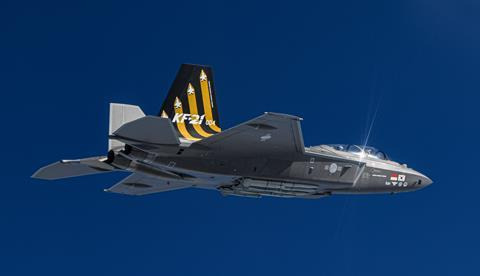
Source: Korea Aerospace Industries
KAI has pitched the KF-21 to Manila
“I’d argue that a platform like the KF-21 makes a great deal of sense, if they can buy it in significant numbers, and sustain them so they have high readiness. Training is also vital, and the Philippines needs to engage more in multinational exercises, such as Australia’s Pitch Black.”
Manila has said that up to 40 aircraft could be obtained, but the programme has dragged on for years, mainly owing to funding constraints and competing priorities.
With the MRF effort in perpetual limbo, Manila has taken other steps to boost its airpower. In June, it placed a $700 million order for an additional 12 KAI FA-50PH light combat aircraft that will arrive by 2030.
Manila’s new FA-50PHs will include an air-to-air refuelling capability, something lacking in its existing FA-50 fleet. The new jets will provide a sensor boost in the form of Raytheon’s PhantomStrike active electronically scanned array radar.
More recently, KAI announced a $64.5 million contract to update Manila’s existing fleet of 11 FA-50PHs. The work will improve guided-munitions capabilities, range, and the ability to operate in a joint network.
Given that Manila must also contend with insurrections, particularly in Mindanao, it took delivery of six Super Tucano light attack aircraft in 2020. Philippine officials have said that the country is the “undisclosed customer” mentioned in an Embraer order announcement for six Super Tucanos in late 2024.
In what could be a foreshadowing for Manila’s eventual MRF decision, another traditional USA ally in the region, Thailand, opted in 2025 for the Gripen E/F over the F-16 Block 70/72. Bangkok plans to buy 12 new jets that will supplement the 11 Gripen C/Ds already operated by the RTAF. Also in the Thai inventory are 47 F-16A/Bs, 33 F-5THs and 18 Dassault/Dornier Alpha Jets.
Overall, 14 of the F-5THs have been upgraded to the ‘Super Tigris’ standard, which will help them stay relevant into the 2030s. The updated jets have a new Elbit Systems avionics suite, an all-glass cockpit, and a Leonardo Grifo-F mechanically scanned radar. Crucially, the F-5THs feature the Link-T datalink, allowing close cooperation with other RTAF assets, namely the Gripen and Saab 340-based Erieye airborne early warning and control aircraft.
The RTAF also sent F-16s and Gripens into combat during border skirmishes with Cambodia in July and in December 2025. The July sorties are thought to have been the Gripen’s first combat deployment, and involved precision air-to-ground strikes. In December, the sorties focused on Cambodian military installations and heavy weapons.
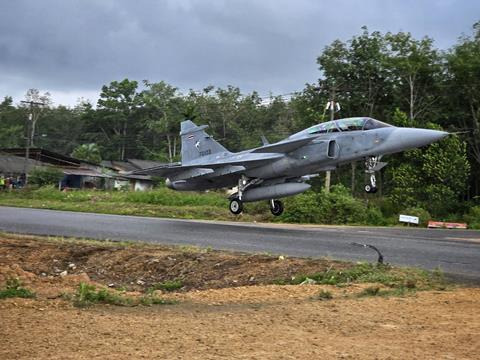
Source: Royal Thai Air Force
A Royal Thai Air Force Gripen D takes off from a road during an exercise. Bangkok committed to 12 Gripen E/Fs in 2025
Thailand’s southern neighbour, Malaysia, faces obsolescence challenges across its fighter fleet. The backbone of Malaysian airpower are 18 Su-30MKMs with an average age of 17.6 years. In January the Royal Malaysian Air Force (RMAF) completed a service life extension programme (SLEP) that will see the Russian type serve until at least the mid-2030s.
The SLEP/Preventive Restoration Works effort involved 75 technicians from the RMAF and Aerospace Technology Systems Corporation, a government-owned company whose main role is to support the local Sukhoi fleet. Reports indicate that the fleet, which has long suffered sustainment issues, continues to face challenges getting spare parts.
In addition, the Royal Malaysian Air Force operates seven Boeing F/A-18Ds and 15 Hawks, of which 11 are single-seat 208-model examples that serve in the strike role, and four two-seat 108s that are trainers with a secondary ground attack role. Both fleets are ageing: the average age of the F-18s is 28.5 years, and it is 31.2 years for the Hawks.
In early 2023 Kuala Lumpur took a notable step towards modernisation when it decided to order 18 FA-50s under the Fighter Lead In Trainer-Light Combat Aircraft requirement. Pending their arrival in 2026, the South Korean-built jet will replace the Hawks as well as RAC MiG-29s which were retired in 2017.
Kuala Lumpur’s FA-50s will have the ability to conduct air-to-air refuelling and have an expanded weapons capability. Long-term plans call for the acquisition of 18 additional FA-50s, which would bring its total commitment to 36 jets.
Malaysia’s pursuit of 33 surplus Kuwaiti F/A-18C/Ds remains in limbo. While the US government has approved the third-party transfer, RMAF chief General Muhamad Aris recently said that Kuwait cannot release the jets until at least 2027, as it needs time to integrate its 28 new F/A-18E/F Super Hornets.
Furthermore, Malaysia faces an additional 15-month delay for mandatory US-required equipment modifications upon delivery. Given these challenges and an estimated $4 million per-aircraft upgrade cost, Malaysia is weighing alternatives, foremost of which is its Multi-Role Combat Aircraft (MRCA) programme, which will replace its Su-30MKMs and Hornets.
Potential contenders for MRCA include the Rafale, KF-21, and the F-15EX. At the 2025 Langkawi air show, China’s AVIC also promoted the Chengdu J-10CE and Shenyang J-35A stealth fighters.
Vietnam faces critical challenges in modernising a combat fleet composed of 35 Su-30s, 11 Su-27s, and 19 ageing Su-22s, the latter of which average over 36 years in service. While Hanoi was touted as a potential customer for 24 F-16Vs in early 2025, a Foreign Military Sales case has yet to materialise.
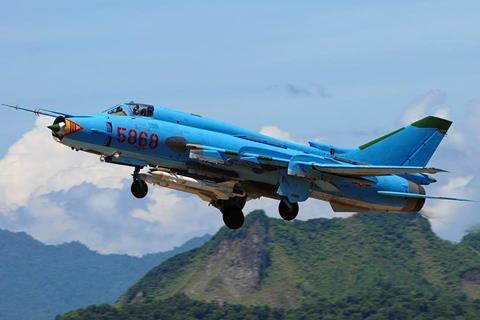
Source: Wikimedia Commons/Hoangprs5
Vietnam’s elderly Su-22s serve in the strike role
Moreover, there are reports – based on allegedly leaked Russian documents from late 2025 – that suggest Vietnam may obtain 40 Su-35s via an oil barter deal with Russia.
Like Thailand, Myanmar’s air force has seen action, with the junta leaning on airpower to hit various rebel groups that are fighting a running insurrection. Many of its jets are older Chinese and Russian types, but these are understood to be unserviceable.
Naypyidaw’s main combat jets are seven Chengdu/Pakistan Aeronautical Complex JF-17s with an average age of 7.2 years, and six new Su-30SMs. However, media reports suggest that the entire JF-17 fleet is grounded owing to issues such as structural cracks in airframes and problems with the fighters’ Russian-made RD-93 engines.
At the opposite end of the spectrum from Myanmar’s ramshackle air force is that of Singapore, which boasts the region’s best equipped and best maintained fleet. The mainstay of this advanced force are 40 F-15SGs with an average of 13.9 years. The F-15SGs are supported by 60 F-16s, which recently completed a major upgrade programme to the advanced F-16V standard.
Singapore is also set to become the region’s first operator of stealth aircraft, with orders for 20 Lockheed F-35s, of which 12 are for the short take-off and vertical landing F-35B variant, and eight are for the conventional take-off and landing F-35A. The first four F-35Bs are due for delivery in 2026, although they will be initially based at Ebbing air base in Arkansas to support training. Eight more F-35Bs will arrive in 2028, with the F-35As due in the 2030 timeframe.
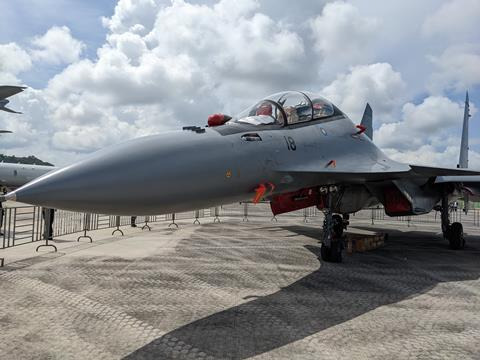
Source: Greg Waldron/FlightGlobal
Malaysia’s Su-30MKMs have had sustainability issues over the years
Davis observes that buying an aircraft is not enough, but it must be maintained properly – not always a given in Southeast Asia.
“The key issue of importance in considering Southeast Asia fighter development is not which country is buying what platform, but whether states can actually sustain their acquisitions for operational readiness, and whether they can ensure their air crew and maintenance personnel are ready to ensure the aircraft are available.”
He adds that the advent of unmanned collaborative combat aircraft (CCA) also offer the potential for Southeast Asian countries to beef up their force numbers.
Indeed, regional nations without an existing fast jet capability, such as Brunei, Cambodia and East Timor, could eventually see low-cost CCAs or armed uncrewed aerial vehicles as a cost-effective way to improve capabilities.
The upcoming Singapore air show will offer some indications about where existing fighter procurements stand. It will be interesting to observe how actively companies such as Anduril Industries, Boeing, General Atomics Aeronautical Systems, Lockheed, and Northrop promote their CCA offerings at the show. CCAs had a low profile at the last iteration of the show in 2024, but since then the USA and other nations have made notable advances in developing CCAs, including several first flights.
But before Southeast Asian nations embark on CCAs, they are likely to make some big bets on manned fighters. That means that the major fighter makers will out in force at this year’s Singapore show.