RUSI에 실린 글입니다.
미국과 유럽이 최소 3년간은 돌이킬 수 없을 정도로 다른 길을 가게 되는 것 같습니다.
러시아의 우크라이나 전쟁 4년째 – 10가지 교훈
Basil Gavalas와 Dr Greg Mills
2026년 1월 15일
읽는 데 19분
공유
우크라이나 국기 색으로 칠해진 벽 근처의 무장한 남성.
며칠 만에 끝날 것으로 예상됐던 분쟁에서, 러시아의 우크라이나 전면 침공 뒤 4년의 전투가 이어졌다. 첫 번째로 짚어야 할 점은, 전쟁은 아직 끝나지 않았다는 것이다.
2026년 1월 초까지, 러시아의 우크라이나 전쟁은 소련의 대조국전쟁보다 더 오래 지속됐을 것이다. 대조국전쟁은 1941년 6월 22일 일요일 바르바로사 작전 개시부터 1945년 5월 9일 토요일 나치의 항복까지 치러졌다.
이 비교는 단지 연대기적이기만 한 것이 아니라, 오히려 문명적이다. 앞선 전쟁은 희생, 고통, 그리고 인내를 통한 구원이라는 거의 신학적인 서사를 통해 역사적 운명의 소비에트 신화를 단련했다. 반대로 현재의 전쟁은 정당성과 전략적 일관성이 벗겨진 채 미래로 늘어지며, 필요 때문이 아니라 망상 때문에, 확신 때문이 아니라 권력이 자기 자신의 침략이 초래한 파국적 결과와 마주하기를 거부하기 때문에 연장된다. 역사가 우리에게 상기시키듯, 제국은 전장에서 패배해서 무너지는 경우가 드물다. 한때 그들의 권위를 떠받치던 이야기들이 자기 오판의 무게 아래 마침내 녹아내릴 때, 제국은 풀려나가며 해체된다.
오늘 우크라이나 전선의 음울함은 다른 곳의 크리스마스 환호와 극명하게 대비된다. 키이우 앞의 선택들은 서방 수도들이 사회서비스 지출에 관해 마주하는 선택들과 대조된다. 러시아의 전략은 극적인 돌파를 달성하는 것에서, 기동이 아니라 소모를 통해 우크라이나 방위군을 천천히 질식시키는 쪽으로 옮겨간 것으로 보인다. 드론이 어떤 전력 집중도 막는다면, 눈에 띄지 않지만 효과적이다. 이것은 그 안에 있는 사람들에게 상상할 수 없을 만큼 가혹하며, 얼어붙은 참호 수 마일에 걸쳐 드문드문 흩어져 있다. 슬림 원수는 현대전에서 우세하게 작용하는 요인이 고독이라고 말했다. 오늘은 그보다도 훨씬 더 그렇다.
그리고 정치인들의 우려와 언어와의 대비는 더할 나위 없이 뚜렷하다. 2025년 12월 19일, 미국 국무장관 마르코 루비오는 우크라이나는 ‘우리 전쟁이 아니다’라고 선언했다. 그는 또한 워싱턴이 우크라이나에 평화 합의를 ‘강요할’ 수는 없다고 덧붙였지만, 미국 정보기관들이 ‘푸틴은 우크라이나 전체를 장악하고, 과거 소비에트 제국에 속했던 유럽 일부를 되찾겠다는 목표를 버리지 않았다’고 경고했음에도, 미국 협상가들이 여전히 러시아가 무엇을 원하는지 파악하려 하고 있다고 시사했다. 거의 80년 동안, 서방 국정의 중심 가정은 유럽의 안정이 미국의 안보와 분리될 수 없다는 것, 대응되지 않은 침략은 체계적 무질서로 전이된다는 것, 해외의 자유 사회를 방어하는 일은 국내에서 정당성을 보존하는 일과 분리될 수 없다는 것이었다. 그와 다르게 말하는 것은 현실주의가 아니라, 1945년 이후 인내심 있게 구축된 전략적 유산의 포기다. 이 미국 행정부와 블라디미르 푸틴 아래의 러시아가 한 가지를 공유한다면, 그것은 유럽을 찢어발기려는 그들의 의지인 듯하다.
과거와의 메아리는 눈에 띄게도, 그리고 섬뜩할 정도로도, 뚜렷하다. 1938년 뮌헨 과정이 히틀러의 독일과의 불가피한 충돌을 단지 지연시켰을 뿐이라고 강조하며, 윈스턴 처칠은 ‘우리는 전쟁 없이 패배를 감수했다’고 말했다. ‘그 결과는 우리의 길 위에서 멀리까지 우리와 함께 갈 것이다. 이것은 청산의 시작일 뿐이다.’
미디어 시대에 의해 악화된 경향으로, 전쟁을 단기 사건처럼 생각하는 경향이 있다. 이는 전쟁이 무엇에 관한 것인지—영화나 전투가 아니라—에 대한 비역사적 이해에 기반한 성향이다
우크라이나 전쟁은 거의 모든 척도에서 푸틴에게 재앙적 실패였으며, 우크라이나에 대한 일부(전부는 아니지만) 서방 정부들의 보답되지 않은 관대함의 부족에도 불구하고 그랬다. 그러나 백악관은 그에게 빠져나갈 길을 제공하고 있다. 트럼프 대통령의 부동산 거래 같은 평화 계획은, 푸틴이 전개의 흐름에 거슬러 그에게 승리를 낚아채게 함으로써 그의 침략을 보상할 수 있다. 이 편의의 수렴 속에서, 푸틴과 트럼프는 규칙 기반 국제질서에 대한 공통의 무관심을 드러낸다. 전자는 침공을 통해 그것을 의도적으로 해체하고, 후자는 방치로 그것을 버리며, 그 보존이 전략적 의무로 남아 있다는 척조차 그만뒀다.
2022년 2월에 시작된 이 분쟁에서, 10가지 교훈이 두드러진다:
1. 의지의 시험으로서의 전쟁. 전쟁을 정치와 사람들의 제약, 맥락, 선택에 의해 형성되는 장기 과정으로 생각하는 데에는 지속적인 실패가 있다. 미디어 시대에 의해 악화된 경향으로, 전쟁을 단기 사건처럼 생각하는 경향이 있다. 이는 전쟁이 무엇에 관한 것인지—영화나 전투가 아니라—에 대한 비역사적 이해에 기반한 성향이다. 현실은, 우크라이나가 잔혹한 일관성으로 세계에 상기시켰듯, 그런 각본을 따르지 않는다. 예컨대, 시작 시점에는 이 분쟁의 결과가 많은 이들, 특히 모스크바와 서방 수도들에서, 기정사실로 여겨졌고, 경쟁이 아니라 항복, 즉 미들급에 대한 헤비급의 확실한 승리로 보였다. 대신, 그것은 암울하기는 하지만 서사적인 투쟁으로 판명됐다. 시작 당시 우크라이나인들이 쉽게 무너질 것이라는 믿음은, 전투력이 무엇으로 구성되는지, 각 측이 무엇을 위해 싸운다고 믿었는지에 대한 이해 부족을 또한 반영한다.
역사적으로, 자원의 동원, 기술적 기지, 정치적 상상력, 동맹의 창출은 결과에 상당한 영향을 미쳐 왔다. 이런 특징들은 예컨대, 인력, 공군력, 포병, 기갑의 상대적 결핍을 드론으로 대체하는 것, 그리고 드론의 통합 심화, 확산, 정교화, 정확도 증대에서 볼 수 있다. 마하트마 간디는 ‘힘은 신체적 능력에서 오지 않는다. 꺾을 수 없는 의지에서 온다’고 썼다. 전쟁은 따라서 자원의 정량적 합계나 전쟁 시작 시점의 전투서열이 아니라, 더 장기적인 정치의 정성적 지표, 조직적 정교함(즉 물류), 그리고 사람들의 의지, 리더십, 기술로 승패가 갈린다.
로마의 군단이 토이토부르크 숲에서 부서진 것에서부터 프랑스가 알제리에서 천천히 풀려나간 것까지, 스페인이 저지대 국가들에서 고갈된 것에서부터 미국이 베트남에서 환멸로 길게 내려간 것까지, 역사는 압도적 수단을 가졌지만 힘을 승리로 바꾸는 데 필요한 도덕적 기하를 결여한 제국들의 사례가 부족하지 않다. 대신 살아남는 것은 압력 아래에서 일관성을, 위협 아래에서 의미를 구축하는 공동체들이다. 간단히 말해, 우크라이나인들도 결과에 한 표를 행사했고, 지금도 그렇다.
RUSI 뉴스레터 구독
최신 논평과 연구를 매주 받아보세요.
가입하기
2. 우크라이나는 지고 있지 않고, 러시아는 이기고 있지 않다. 전쟁은 우크라이나의 임박한 종말을 유지하는 일반적으로 음울한 전망이 시사하는 것보다, 계속해서 우크라이나에 훨씬 더 잘 풀리고 있다. 이런 ‘임박 분석’의 상당 부분은 국제 논평의 게으른 공리에 기대고 있다. 즉, 크기가 운명을 결정하며, 큰 국가는 작은 국가를 상대로 전쟁에서 지지 않는다는 것이다. 그러나 역사는 더 차가운 교육을 제공한다. 사실, 역사학자 티모시 스나이더가 상기시키듯, 그들은 전쟁에서 항상 진다. 베트남이나 아프가니스탄에서의 미국을 생각하라. 또는 크림에서의 러시아, 일본과의 전쟁, 제1차 세계대전, 아프가니스탄, 또는 1차 체첸 전쟁을 생각하라.
어떤 이들은 소련이 상당한 서방의 물자 지원 없이는 제2차 세계대전에서 패배할 위험이 있었을 것이라고 주장한다. 이는 전반적으로 러시아를 강대국으로 보는 관념이 오명이며, 그것이 받을 자격이 없는 더 큰 지위—그리고 그에 상응하는 더 큰 존중—를 부여한다는 점을 부각한다. 전쟁은 또한 그 경제를 속 빈 상태로 만들었고, 전쟁 기계와 마찬가지로 중국의 지원에 점점 더 의존하고 있다. 강대국은 핵무기의 함수가 아니다(물론 그것이 도움이 될 수는 있지만, 아래에서), 또는 지리의 함수도 아니다. 조직과 전망의 함수다.
3. 서방 정치인들은 지금까지 우크라이나의 승리를 보장하기 위해 필요한 어려운 선택들을 화해시키지 못했다. 『리어 왕』에서, 늙은 군주의 비극은 잔혹함이나 악의로 시작하지 않는다. 그것은 치명적인 정치적 오판, 왕국을 보존할 한 가지 결정을 내리지 못하는 실패에서 시작한다. 그는 하나로 유지돼야 했던 것을 나누고, 정리됐어야 했던 것을 미루며, 지연을 신중함이라고 스스로 확신한다. 명확성이 도착할 때쯤이면, 그가 통치하던 구조는 이미 붕괴를 시작했다. 우크라이나에 대한 서방 정책은 불안할 정도로 비슷한 논리를 따라왔다. 이는 서방의 많은 정치인들에게 승리가 즉각적 목표가 아니었기 때문이다. 그들은 러시아가 패배할 수 없다고 생각했거나, 러시아가 패배하기를 원치 않았거나, 그 붕괴의 결과를 두려워했기 때문이다. 서방이 통제할 수 있는 한 가지 이슈—우크라이나에 승리를 위한 도구를 주는 것—에 집중하기보다, 집중은 놀랄 만큼 서방이 통제할 수 없는 측면, 즉 블라디미르 푸틴의 세계관과 그의 운명관에 맞춰져 왔다.
미국과 유럽이 우크라이나가 이기고 러시아를 장기간 재래식 군사 위협으로서 제거하는 것을 자신들의 이익으로 보지 않았다는 것은 놀랍다. 우크라이나가 싸우기를 기꺼이 했기 때문에, 서방의 막대한 군사적 노력도 필요하지 않았다. 승리—우크라이나 영토에서 러시아를 축출하는 것으로 정의되는—는 유럽이 한 세대 이상 안보 딜레마를 정리할 수 있게 했을 것이다. 그러나 서방은 러시아의 패배를 상상할 상상력이 부족했고, 그 결과 이를 실행할 정치도 부족했다. 이는 역사학자 필립스 오브라이언이 ‘골디락스 전략’이라고 묘사하는 것으로 나타났다. 즉, 우크라이나가 지지 않게 할 만큼의 도움은 주되, 이기게 할 만큼은 주지 않는 중간 선택이다.
우크라이나에 대한 대부분(전부는 아니지만) 서방 정부들의 지원은, GDP나 국방지출로 측정하든, 필요했던 것의 규모로 보든, 전달 속도로 보든, 이전된 기술과 그 사용에 부과된 단서로 보든, 우스울 정도로 작았다. 대신 키이우는 서방 기부자들이 원치 않던 물건들을 많이 받았고, 모스크바를 자극할까 두려워 사용에 단서가 붙었다. 그리고도, 냉전 종식 이후 서방 정부들은 러시아 내 사건을 형성하는 데 지속적으로 최소한의 영향만을 누려 왔고, 푸틴이 평화를 어떻게 협상하는지에 대해서도 거의 영향력이 없는 듯하다.
우크라이나는 유엔 총회에서 압도적 지지를 얻었지만, 공통의 반식민주의 실마리에도 불구하고 아프리카의 지지를 끌어들이는 데는 상대적으로 부진했다
4. 러시아는 서사의 전쟁에서 계속 우위를 점하고 있다. 사실로는, 러시아가 크림과 돈바스를 침공했고 우크라이나 전역의 민간 목표를 타격하고 있다. 그런데도 어떻게든, 러시아는 우크라이나를 나치가 운영하는 ‘비국가’로, NATO 확장주의와 러시아 소수민족의 예속이 초래한 전쟁으로, 그리고 이제는 돈바스에서 멈출 것이라는 담론을 퍼뜨리고 지속시키는 데 성공했다. 한 차원에서 이는, 언론에 대한 국가 통제와 유사한 자유를 가진 다른 곳의 권위주의자들의 지원에 의해 촉진되는 캠페인의 부패시키는 영향력을 반영한다.
대조적으로, 서방은 심지어 자기 자신조차, 국가들이 NATO에 가입하기를 원하는 것은 그 조직의 확장주의를 반영하는 것이 아니라, 수십 년의 잔혹한 소비에트 제국주의로부터 동유럽과 중유럽에 만연한 잠재적 적대감을 반영하는 것이라는 점을 효과적으로 설득하지 못했다. 또한 우크라이나에서 러시아의 확장주의를 멈추는 것은 유럽에서 모스크바를 멈추는 비용의 일부에 불과하다는 점도 설득하지 못했다. 동유럽 국가들은 러시아를 신뢰할 이유가 거의 없다. 러시아가 NATO 확장에 대한 우려를 가질 수 있듯, 다른 이들도 그 의도에 대해 동등한 우려를 가진다. 우크라이나는 유엔 총회에서 압도적 지지를 얻었지만, 공통의 반식민주의 실마리에도 불구하고 아프리카의 지지를 끌어들이는 데는 상대적으로 부진했다. 이는 부분적으로 러시아가 주로 소비에트 시대의 호의의 상속자이고, 키이우가 서방 동맹을 넘어서는 관여를 할 외교적 여력이 부족했기 때문이다.
적어도 트럼프 아래에서의 워싱턴은, 러시아의 침략에 맞서는 유럽의 파트너가 아니라, 협소한 이익에 따라 움직이는 중재자로서 자신을 재배치하고 있다
5. 서방을 묶는 유대는 상상만큼 불변이 아니다. 전쟁이 길어질수록, 서방은 점점 더 취약하고, 분열되고, 산만한 실체로 보인다. 한 차원에서는 유럽 내 방해자들과 상대적 국방 무임승차자들이 있으며, 그래서 헝가리의 빅토르 오르반과 슬로바키아의 로베르트 피코 같은 이들을 관리하는 문제와 국방 공약을 둘러싼 다툼이 있다. 그러나 이것은 제2기 트럼프 행정부의 영향에 비하면 미미하다. 이 행정부는 놀라울 정도로 NATO와 미국을 두 개의 별개 실체로 설정하는 28개 항목 평화 계획에 드러나듯, 사실상 미국과 유럽 사이에 큰 쐐기를 박았다.
우크라이나가 전쟁을 싸우지 말았어야 한다는 트럼프의 견해는 러시아의 전반적 서사에 맞장구치며 역사도 순진하게 다시 쓴다. 이 견해는 트럼프의 국가안보전략에 의해 확인되는데, 그 문서는 러시아를 적이나 위협으로 묘사하지 않고, 대신 미국 목표를 러시아와의 전략적 안정 추구로 묘사한다. 그 전략은 또한 유럽연합과 다른 초국가적 기구들이 자유를 훼손한다고, 그 소수 정부가 반민주적이라고, ‘덜 유럽적’이 되는 위협이 미국 국가안보에 대한 위협이라고 설명한다. 유럽은 이미 미국으로부터 더 독립적이어야 한다는 것을 알고 있지만, 이 전략은 그것이 생각보다 더 이르게 일어나야 함을 시사할 수 있다. 적어도 트럼프 아래에서의 워싱턴은, 러시아의 침략에 맞서는 유럽의 파트너가 아니라, 협소한 이익에 따라 움직이는 중재자로서 자신을 재배치하고 있다. 트럼프는 유럽의 많은 것과 근본적으로 의견이 다르고, 신뢰할 수 없는 동맹이 되었으며, 확고히 푸틴 편에 서 있다.
전 영국 국제개발장관 로리 스튜어트가 말했듯이, ‘유럽인들은 계속 스스로를 속이고 있다. 그들은 미국이 기본적으로 러시아에 맞서 유럽 편에 서 있고, 어떤 작은 이해가 있으며, 그들이 비행기를 타거나 초안을 다시 쓰기만 하면 트럼프가 갑자기 진실을 보게 될 것이라고 생각한다. 그가 갑자기 러시아가 유럽에 위협이 된다는 것을, 러시아가 우크라이나를 침공했다는 것을, 우크라이나가 스스로를 방어해야 한다는 것을 깨닫게 될 거라고.’
1945년 이후의 정착은 단순하지만 취약한 가정 위에 놓여 있었다. 타인의 안보는 자신의 안보를 줄이는 것이 아니라, 오히려 키울 수 있다는 가정이다. 그 가정이 녹아내릴 때, 동맹은 물질적 일관성을 잃기 전에 형이상학적 토대를 잃는다. 역사는 그런 순간들이 처음에는 거의 드라마틱하지 않다고 시사한다. 그것들은 조용히 도착하고, 신중함으로 위장되며, 자제의 언어를 걸치고, 유연성으로 옹호된다. 나중에야 체계는, 자신이 적응이라고 착각했던 것이 사실은 포기였음을 깨닫는다.
6. 우크라이나의 지속적 저항은 핵 비확산에 대한 부스트다. 그러나 그 반대도 또한 참이다. 재래식으로 무장한 국가가 핵무장한 적을 핵전쟁의 위협 없이 전장에서 패배시킬 수 있다면(예컨대 미국에 일어난 것처럼), 핵무기로 무장할 필요가 없을 것이다. 러시아가 승리한다면, 즉 우크라이나 영토의 큰 부분을 유지하는 것으로 정의되는 승리라면, 핵확산은 거대한 부스트를 받았을 것이다. 핵무기는 이미 막대한 이익을 제공하는데, 무엇을, 그리고 누구를 지지할지에 대한 선택을 국가들이 자유롭게 하게 해주기 때문이다. 이는 북한의 접근에서 분명하다. 핵 측면은 또한 서방이 핵전쟁에 관해 얼마나 엇나가 있는지를 보여준다. 대부분의 시나리오 가정에서, 전쟁은 이미 핵 충돌로 끝났어야 할 지점까지 진행됐을 것이다. 쿠르스크를 둘러싸고, 러시아의 흑해 함대 또는 그 그림자 지중해 함대의 파괴를 둘러싸고, 또는 러시아 영토 깊숙한 곳에 대한 미사일 및 드론 타격을 둘러싸고 말이다. 핵 억지는 작동해 왔지만, 서방을 억지했을 뿐 러시아를 억지하지는 못했다.
이 평화가 유지되고 우크라이나를 재건하며 유럽 안보를 재설정하는 실행 가능한 기반이 될 수 있는 유일한 상상 가능한 방법은, NATO 병력이 그 지역들에 러시아의 추가 침략에 대한 트립와이어로 주둔하는 것이다
7. 오만은 여전히 전략적 약점이다. 어떤 척도로 보아도 이 전쟁은 푸틴에게 전략적 재앙이었다—지금까지는. 러시아는 우크라이나인들을 과소평가한 만큼 자신들을 과대평가했는데, 우크라이나인들이 말로루시, 즉 ‘작은 러시아인’들이며 덜 유능한 사람들이라는 믿음에 눈이 멀어 있었던 듯하다. 이는 인종주의, 쇼비니즘, 제국주의에 기반한 관점이다. 부패와 비효율에 시달리는 더 열등한 상대라는 이 관점은, 짧고 날카로운 한 번의 충돌이면 충분할 것이라는 믿음을 강화했다. ‘하이브리드’ 전쟁이라 불리는 것이 사보타주, 첩보, 미디어 전쟁을 통해 우크라이나를 약화시키며 지반을 준비해 줄 것이라고 믿었던 것이다. 초기의 실패는 군사 지휘, 통제, 물류의 초반 혼란을 반영하는 동시에 그에 기반하고 있었다.
8. 우크라이나 경제도 붕괴하지 않았고, 러시아 경제도 (아직) 붕괴하지 않았다. 제재는 만능탄환이 아니지만, 러시아의 심장부로 전투를 가져오는 효과를 가져왔다. 제재는 전쟁의 비용을 가중시킨다. 이는, 파악 가능한 한, 블라디미르 푸틴에 대한 국내 반대에서 표현되는 것이 아니라, 예컨대 물가에 대한 불평 같은 하위 수준의 투덜거림으로 나타난다. 모든 현대 정권은 단기 정치적 정당성과 장기 경제적 기대 사이의 취약한 정렬 위에서 살아남는다. 제재는 그 정렬을 깨뜨린다.
러시아 사상자가 이제 백만 명을 넘으면서, 모스크바가 이 전쟁을 ‘특별 군사 작전’으로, 또는 러시아 소수민족의 해방으로 치부하기는 점점 더 어려워지고 있다. 인터넷 또한, 우크라이나의 드론과 미사일로부터 핵심 인프라를 보호하기 위한 수단이라고 알려진 다운타임에 подвер하고 있는데, 그러한 공격은 러시아 영토 안쪽의 목표를 향해 급격히 늘어났다. 이는 국내의 좌절을 오직 늘릴 수밖에 없지만, 아마도 정권 교체를 시사할 만큼은 아닐 것이다—그 일이 일어나기 전까지는.
9. 외교는 다른 수단에 의한 전쟁이다. 푸틴의 인내와, 그에 비해 변덕스럽고 분열된 서방의 결의는, 지금까지 군사적 실패였던 것—수백만 병력과 수조 루블을 몇 킬로미터의 진격을 위해 쏟아부은 것—을 러시아 지도자에게 전략적 승리로 바꾸는 데 도움이 될 수 있다. 트럼프의 원래 28개 항목 계획은, 거의 4년 전쟁에도 불구하고 아직 우크라이나가 통제하는 돈바스의 약 4분의 1을 넘기고, NATO 가입 야망을 포기하라는 것이었는데, 이는 러시아의 요구와 서사를 반영한다. 그러나 그다음은 무엇인가? 이 평화가 유지되고 우크라이나를 재건하며 유럽 안보를 재설정하는 실행 가능한 기반이 될 수 있는 유일한 상상 가능한 방법은, NATO 병력이 그 지역들에 러시아의 추가 침략에 대한 트립와이어로 주둔하는 것이다. 그것 없이는, 우크라이나인들이 자기 나라를 믿을 유인이 거의 없다.
지금까지 러시아는, 협상과 압박으로 인해 서방이나 우크라이나 측에서 변화와 양보가 있더라도, 예측 가능하고 경직되게 이러한 요구에 매달리고 있다. 이는 푸틴이 제국 러시아를 재창조하려는 꿈을 포기하고 싶지 않거나, 이미 치른 피와 재물의 투자 때문에 원하더라도 멈출 수 없음을 시사한다.
혹은, 트럼프가 백악관에 있는 상황에서 자신에게 모멘텀이 있다고 믿는 것인지도 모른다. 이것은 모스크바가, 트럼프의 평화 계획을 좌절시키려 하는 것은 유럽이라고 묘사하는 이유를 설명한다. 이는 유럽을 미국 이익과 분리된 것으로 보는 그의 관점 때문에 백악관에 잘 먹힌다. 우크라이나를 러시아 궤도로 되돌리려는 푸틴의 목표는, 외교적·정치적 영향력을 통해, 우크라이나와 다른 유럽 선거를 포함해, 계속될 가능성이 높다. 마지막으로, 유럽을 향한 푸틴의 외교적 자세는 유럽만을 겨냥한 것이 아니다. 그것은 워싱턴을 겨냥한다. 유럽을 평화의 장애물로 묘사함으로써, 모스크바는 서방의 일관성을 그 근원에서 균열내고, 미국의 중재를 미국의 이탈로 전환하려 한다. 최종 상태는 우크라이나의 중립이 아니라 서방의 체념이다. 러시아의 제국적 영향권으로의 재진입이 일탈이 아니라 새로운 정상으로 보이게 되는 지정학적 환경이다.
이것은 러시아와 우크라이나만의 분쟁이 결코 아니었고, 모스크바의 행동이 국제 체계를 이끌어온 원칙들에 어떤 영향을 미칠 것인가에 관한 것이었다
10. 국제 질서의 규칙이 다시 쓰이고 있다. 중국은 지금까지 우크라이나 전쟁의 순수익 수혜자였으며, 러시아에 이중용도 물품을 판매하고 값싼 에너지를 수입하는 동시에, 유럽 안보의 핵심에 자신을 끼워 넣었다. 이런 이유로 유럽인들—NATO 사무총장 마르크 뤼터를 포함해—은 중국이 대만을 침공한다면 그것은 ‘단일 전선’ 전쟁이 아니라, 러시아의 유럽 동맹국 침공이 수반되는 조율된 공격이 될 것이라고 확신한다. 이것이 트럼프의 선호와 달리 유로-대서양과 인도-태평양을 하나의 전구로 보아야 하는 이유다.
이런 이유들과 다른 이유들로, 이것은 러시아와 우크라이나만의 분쟁이 결코 아니었고, 모스크바의 행동이 국제 체계를 이끌어온 원칙들에 어떤 영향을 미칠 것인가에 관한 것이었다. 한편으로는 국경과 약자를 강자로부터 보호했던 주권 규범들이고, 다른 한편으로는 트럼프가 표방한, 강대국들이 지배하는 영향권의 21세기 버전으로 향하는 움직임이다. 그러나 19세기형과 마찬가지로, 이 이미지는 국가들의 위계와 이해관계의 우선순위가 неизбеж하게 마찰과 충돌로 이어지기 때문에 안정성을 촉진할 가능성이 낮다. 이런 이유로, 이(그리고 다른 어떤 전쟁) 를 끝내기 위한 성공적 협상은, 단지 부동산에 초점을 맞추는 것만이 아니라, 정의, 공정, 국제법, 안보 보장의 요소들을 필요로 할 것이다.
이 전쟁을 끝내기 위해 무엇이 필요한지는 분명하다. 우크라이나는 자신을 방어할 무기를 받아야 하며, 그렇게 함으로써 푸틴이든 그의 후계자든 더는 계속할 수 없을 정도로 비용을 끌어올려야 한다. 전 미국 대사 데니스 제트가 지적하듯, 그 밖의 무엇이든 독재자를 달래는 전략에 불과하다.
정의, 법, 신뢰할 수 있는 보장을 무시하는 어떤 평화도 분쟁을 끝내지 않는다. 그것은 분쟁을 다음 단계로 옮겨 놓을 뿐이라는 것을 우리는 잊지 않을 것이다. 문명은 전투에서 져서 쇠퇴하지 않는다. 어떤 결과들은 비용과 무관하게 허용돼서는 안 된다는 확신을 잃기 때문에 쇠퇴한다. 그 확신이 흔들릴 때, 질서는 엔트로피와의 협상이 된다.
현재의 지도자 세대는 규칙 기반 질서의 수혜자들이었다. 그러나 그것은 유지에 대한 최소한의 헌신 속에서 시들도록 내버려졌다
‘신께서 금하시기를, 우크라이나가 이 거래를 강요받는다면,’ 전 세계 체스 챔피언이자 러시아 야권 인물인 개리 카스파로프는 서방을 향해 말한다. ‘그렇다면 아주 분명합니다. 푸틴은 자신의 꿈을 실현할 것이고, 그리고 여러분, 다음은 여러분입니다.’ 우크라이나를 निर्ण decisively 무장시키지 않거나, 평화 협상에서 러시아에 유리하게 하는 실패의 결과는, 우리가 한때 알던 세계 질서에 대해 다른 곳에서 재앙적 결과를 낳을 21세기형 유화책이 될지도 모른다.
현재의 지도자 세대(그리고 그 이전 세대)는 규칙 기반 질서의 수혜자들이었다. 그러나 그것은 유지에 대한 최소한의 헌신 속에서 시들도록 내버려졌다. 그런 의미에서, 러시아(그리고 다른 독재정권들)는 우크라이나 전쟁이 그들이 기대했던 것보다 더 많은 것을 달성했다고 느낄지도 모른다. 이 질서의 보증인으로서 미국이 없다면, 세계는 아마도 국제관계를 보다 현실주의적이고 덜 자유주의적으로 보는 관점으로 되돌아갈 것이다. 이 새로운 세계에서 자유민주주의들이 어디로 갈지는 두고 봐야 한다.
그럼에도, 이것은 상황이 더 이상 자기 편이 아닌 듯 보일 때에도 굽히지 않고 남아 있는 규율을 상기시킨다. 오늘 분명한 것은, 이 세계의 결정적 자질은 영리함도 이점도 아니라, 용기와 회복력이라는 점이다.
마르그리트 유르스나르의 『하드리아누스 황제의 회상록』은 권력의 वास्तविक 조건을 명료하게 드러낸다. 권위, 평판, 야망은 빌려온 시간 위에 존재한다. 그것들은 살보다 먼저 무너진다. 시간은 결코 퇴위하지 않는 유일한 주권자다. 규율로 세워진 것만이 지속된다. 이는 자원과 재능의 잘못된 배분, 지식의 파편화, 자본의 비효율, 그리고 역량이 복리로 쌓이는 것을 막는 제도적 경직을 다루는 것을 요구한다. 어디에서나 같은 패턴이 자신을 주장했다. 세계는 지능이 부족하지 않다. 일관성이 부족하다. 야망이 부족하지 않다. 구조가 부족하다. 인내는 환경의 속성이 아니다. 그것은 구축의 산물이다.
우크라이나의 현재 상태는, 다른 이들에게 책임을 떠넘기려는 모든 시도에도 불구하고, 역사는 단지 이해하는 사람들에 의해 형성되지 않는다는 점을 상기시킨다. 역사는 결정하는 사람들에 의해 형성된다.
© RUSI, 2026.
이 논평에 표현된 견해는 저자들의 것이며, RUSI 또는 다른 어떤 기관의 견해를 대표하지 않는다.
이용 약관은 웹사이트 이용 약관을 참조하라.
우리에게 쓰고 싶은 논평 아이디어가 있나? [commentaries@rusi.org](mailto:commentaries@rusi.org)로 짧은 기획을 보내주면, 우리 연구 관심사에 맞는 경우 연락하겠다. 기고자를 위한 전체 가이드라인을 보라.
Four Years On – Ten Lessons from Russia’s War in Ukraine | Royal United Services Institute

Four Years On – Ten Lessons from Russia’s War in Ukraine
Basil Gavalas and Dr Greg Mills
15 January 202619 Minute Read
Share

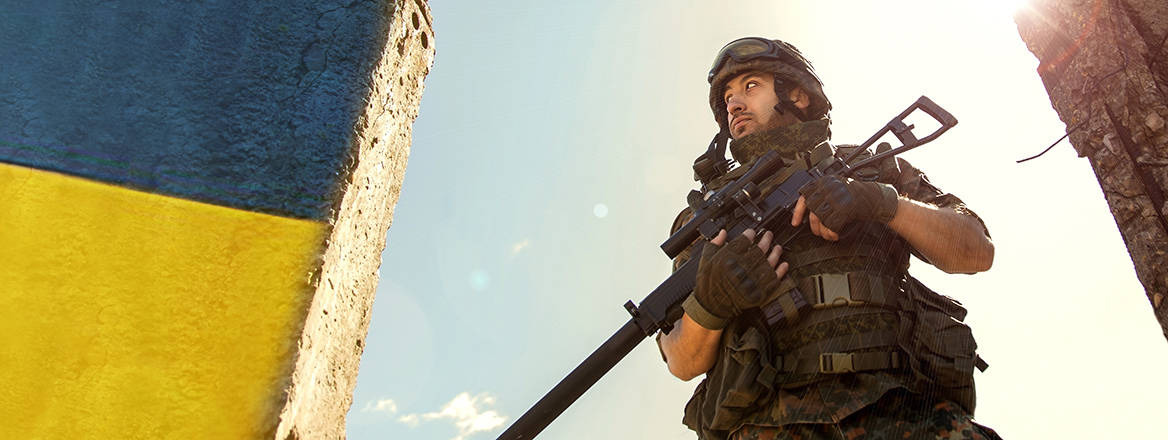
From a conflict expected to be over in days, four years of battle followed Russia's full-scale invasion of Ukraine. The first thing to note is that the war is not over yet.
By early January 2026, Russia’s war in Ukraine will have gone on longer than the Soviets’ Great Patriotic War, waged from the onset of Operation Barbarossa on Sunday 22 June 1941 until the Nazi capitulation on Saturday 9 May 1945.
The comparison is not merely chronological; it is rather civilisational. The earlier war forged the Soviet myth of historical destiny through sacrifice, suffering and an almost theological narrative of redemption through endurance. The present war, by contrast, stretches into the future stripped of legitimacy and strategic coherence, prolonged not by necessity but by delusion, not by conviction but by the refusal of power to confront the catastrophic consequences of its own aggression. Empires, history reminds us, rarely collapse because they are defeated on the battlefield. They unravel when the stories that once sustained their authority finally dissolve under the weight of their own misjudgement.
The bleakness of the frontline today in Ukraine stands in stark difference with the cheer of Christmas elsewhere. The choices before Kyiv contrast with those before Western capitals about spending on social services. Russian strategy appears to have moved from achieving dramatic breakthroughs to the slow asphyxiation of the Ukrainian Defence Forces through attrition rather than manoeuvre. Unspectacular but effective, particularly if drones prevent any concentration of force. This is unimaginably tough for those involved, sparsely dotted along miles of frozen trenches. Field Marshal Slim spoke of the predominating factor in modern warfare being loneliness. How much more so today.
And the contrast with the concerns and language of politicians could not be starker. On 19 December, 2025, US Secretary of State Marco Rubio declared that Ukraine was ‘not our war.’ He added that Washington cannot ‘force’ a peace deal on Ukraine, though he indicated that America’s negotiators are still trying to figure out what Russia wants despite US intelligence agencies warning that ‘Putin has not abandoned his aims of capturing all of Ukraine and reclaiming parts of Europe that belonged to the former Soviet empire.’ For nearly eight decades, the central assumption of Western statecraft had been that European stability was indivisible from American security, that aggression left unanswered metastasises into systemic disorder and that the defence of free societies abroad was inseparable from the preservation of legitimacy at home. To speak otherwise is not realism; it is the abdication of a strategic inheritance patiently constructed after 1945. If this US administration and Russia under Vladimir Putin share one thing, it seems to be their willingness to tear Europe apart.
The echoes with the past are both striking and eery. ‘We have sustained a defeat without a war,’ said Winston Churchill in emphasising that the Munich process of 1938 had merely delayed the inevitable conflict with Hitler’s Germany, ‘the consequences of which will travel far with us along our road. This is only the beginning of the reckoning.’
There is a tendency, exacerbated by the media age, to rather think about wars as short-run events, a trait founded in an ahistorical understanding of what war – rather than movies or battles – is about
The war in Ukraine has been a catastrophic failure for Putin in almost every measure, in spite of the lack of requited generosity by some (but not all) Western governments towards Ukraine. But the White House is offering him a way out. President Trump’s real-estate-deal-cum-peace-plan could reward his aggression in enabling him to snatch a victory for him against the run of play. In this convergence of convenience, both Putin and Trump reveal a shared indifference toward the rules-based international order, the former dismantling it deliberately through invasion, the latter abandoning it by neglect, having ceased even to pretend that its preservation remains a strategic obligation.
Ten lessons stand out from the conflict that started in February 2022:
1. War as a test of will. There is an ongoing failure to think about war as a long-term process shaped by the constraints, context and choices of politics and people. There is a tendency, exacerbated by the media age, to rather think about wars as short-run events, a trait founded in an ahistorical understanding of what war – rather than movies or battles – is about. Reality, as Ukraine has reminded the world with brutal consistency, obeys no such script. For instance, at the outset, the outcome of the conflict was seen by many, not least in Moscow and Western capitals, as a foregone conclusion, a capitulation not a contest, with a heavyweight the certain winner over the middleweight power. Instead. it has proven an epic if grim struggle. The belief at the outset that the Ukrainians would easily fold also reflects a lack of understanding about what constitutes fighting strength, including what the respective sides believed they were fighting for.
Historically, the mobilisation of resources, technical ingenuity, political imagination and the creation of alliances have enjoyed a significant bearing on the outcome. Such features can be seen, for example, in the substitution of drones for relative deficiencies in manpower, airpower, artillery and armour, and their increasing integration, proliferation, sophistication and accuracy. ‘Strength does not come from physical capacity. It comes from an indomitable will,’ wrote Mahatma Gandhi. Wars are thus won by not the quantitative tally of resources or the order of battle at the beginning of war, but by the longer-term qualitative metrics of politics, organisational sophistication (that is, logistics) and the will, leadership and skills of people.
From Rome’s legions broken in the Teutoburg Forest to France’s slow unravelling in Algeria, from Spain’s exhaustion in the Low Countries to America’s long descent into disillusion in Vietnam, history offers no shortage of empires that possessed overwhelming means yet lacked the moral geometry required to convert power into victory. What endures, instead, are communities that construct coherence under pressure and meaning under threat. Put simply, the Ukrainians also had a vote in the outcome, and still do.

Subscribe to the RUSI Newsletter
Get a weekly round-up of the latest commentary and research straight into your inbox.
2. Ukraine is not losing, and Russia is not winning. The war continues to go much better for Ukraine than the generally gloomy prognosis suggesting the imminence of Ukraine’s demise maintains. Much of this ‘imminent analysis’ rests on a lazy axiom of international commentary: that size determines destiny, and that large states do not lose wars against smaller ones. History, however, offers a colder education. In fact, as the historian Timothy Snyder reminds, they lose wars all the time: think America in Viet Nam or Afghanistan; or Russia in Crimea, the war with Japan, the First World War, Afghanistan, or the first war in Chechnya.
Some argue that the Soviet Union would have risked losing the Second World War without considerable Western materiel assistance. This highlights how the notion, overall, of Russia as a great power is a misnomer, and grants it more status – and correspondingly, greater respect – than it deserves. The war has moreover hollowed out its economy which, like its war machine, is increasingly dependent on Chinese support. Great powers are not a function of nuclear weapons (although that can help, as below), or even of geography, but organisation and outlook.
3. Western politicians have so far been unable to reconcile the difficult choices necessary to ensure a Ukrainian victory. In King Lear, the aging monarch’s tragedy does not begin with cruelty or malice, but with a catastrophic political misjudgement, a failure to make the one decision that would preserve the realm. He divides what should have been held together, postpones what should have been settled and convinces himself that delay is prudence. By the time clarity arrives, the structure he governed has already begun to collapse. Western policy toward Ukraine has followed a disturbingly similar logic. This is because victory has for many politicians in the West not been the immediate aim, since they never thought that Russia could be defeated, or they did not want Russia to be defeated, because they feared the consequences of its collapse. Rather than focus on the one issue that the West can control – giving Ukraine the tools for victory – the focus has strikingly been on the aspect that the West cannot control: Vladimir Putin’s view of the world and his destiny.
Surprising that the US and Europe have not seen it in their interests to have Ukraine win and remove Russia as a conventional military threat for a long time. It would not have required a massive amount of military effort from the West since Ukraine was willing to do the fighting. Victory – defined as the expulsion of Russia from Ukrainian soil – would have allowed Europe to settle its security dilemmas for a generation or more. But the West has lacked the imagination to think of a Russian defeat, and consequently the politics to carry this out. This has manifest into what the historian Phillips O’Brien describes as a ‘Goldilocks’ strategy’ – a middle option offering enough help to prevent Ukraine from losing, but not enough to enable it to win.
Assistance for Ukraine by most (but not all) Western governments has been laughably small, by a measure of GDP or defence expenditure, by the scale of what was required, the speed of delivery, or the technology transferred and caveats imposed on its use. Instead, Kyiv has been given a lot of the stuff that Western donors did not want, and with caveats on its use out of fear of provoking Moscow. And yet, since the end of the Cold War, Western governments have consistently enjoyed minimal impact on shaping events in Russia, just as they seemingly have little influence on how Putin negotiates peace.
Ukraine has won overwhelming support in the General Assembly of the United Nations but performed relatively poorly in attracting support from Africa in spite of the common anti-colonial thread
4. Russia continues to dominate the war of narratives. Factually, Russia invaded Crimea and the Donbas and is hitting civilian targets across Ukraine. Yet somehow it has been able to promote and perpetuate a discourse of Ukraine as a ‘non-country’ run by Nazis waging a war caused by NATO expansionism and the subjugation of Russian minorities, and now that it will stop at the Donbas. At one level, this reflects the corrupting influence of campaigns facilitated by state control of its media, and the support of authoritarians elsewhere with similar freedoms.
Contrastingly, the West has been unable to effectively convince even itself that the desire of countries to join NATO does not reflect the organisation’s expansionism but rather the latent enmities pervading in eastern and central Europe from decades of brutal Soviet imperialism, nor that stopping Russian expansionism in Ukraine involves a fraction of the cost of stopping Moscow in Europe. Eastern European countries have scant reason to trust Russia; while Russia may have concerns about NATO's expansion, others have equal concerns about its intentions. Ukraine has won overwhelming support in the General Assembly of the United Nations but performed relatively poorly in attracting support from Africa in spite of the common anti-colonial thread, in part because Russia is the inheritor mostly of Soviet-era goodwill and Kyiv has lacked diplomatic bandwidth to engage beyond Western allies.
Washington, at least under Trump, is repositioning itself not as Europe’s partner against Russian aggression, but as a mediator acting in its narrow interest
5. The ties that bind the West are not as immutable as imagined. The longer the war has dragged on, the West appears an increasingly fragile, fragmented and distracted entity. At one level there are the spoilers and relative defence free-riders in Europe, hence the squabbling about defence commitments and the management of the likes of Hungary’s Viktor Orban and Slovakia’s Robert Fico. But this pales by comparison to the impact of the second Trump administration, which effectively has driven a large wedge between the US and Europe as portrayed in this 28-point peace plan, which remarkably posits NATO and the US as two distinct entities.
Trump’s view that Ukraine should not have fought the war plays into to the overall Russian narrative as much it naively rewrites history. This view is confirmed by Trump’s National Security Strategy which does not describe Russia as an enemy or a threat, but instead describes the US goal as seeking strategic stability with Russia. The Strategy describes the European Union and other transnational bodies as undermining liberty, its minority government as being anti-democratic, and the threat of becoming ‘less European’ as a threat to US national security. Europe already knows that it needs to become more independent of the US, though this Strategy may signal that this is going to have to happen sooner rather than later. Washington, at least under Trump, is repositioning itself not as Europe’s partner against Russian aggression, but as a mediator acting in its narrow interest. Trump fundamentally disagrees with much of Europe, has become an unreliable ally and is firmly in the Putin camp.
As the former UK Secretary for International Development Rory Stewart has put it, ‘The Europeans keep deluding themselves. They think America’s basically on Europe’s side against Russia, and that there is some small understanding, and that if they just get on a plane or rewrite a draft, Trump will suddenly see the truth, he will suddenly realise that actually Russia poses a threat to Europe, that Russia invaded Ukraine, that Ukraine should defend itself.’
The post-1945 settlement rested on a simple yet fragile assumption: that the security of others could enlarge, rather than diminish, one’s own. When that assumption dissolves, alliances lose their metaphysical foundation before they lose their material coherence. History suggests that such moments are rarely dramatic at first. They arrive quietly, disguised as prudence, clothed in the language of restraint and defended as flexibility. Only later does the system discover that what it mistook for adaptation was in fact abdication.
- 6. Ukraine’s continued resistance is a boost for nuclear non-proliferation. But the reverse also holds true. If a conventionally armed country could defeat a nuclear-armed adversary on the battlefield without the threat of a nuclear war (as has happened to the US, for instance) then it would not be necessary to arm oneself with nuclear weapons. If Russia was to win, defined as keeping large swarths of Ukrainian territory, nuclear proliferation would have been given a huge boost: there are massive benefits already from nuclear weapons, not least that frees up countries to make choices about what and whom they support, as is evident by North Korea’s approach. The nuclear aspect also illustrates just how far off the mark the West is about nuclear war – in most scenario assumptions, where the war has progressed to would likely have ended in nuclear conflict, whether over Kursk, the destruction of Russia’s Black Sea or its shadow Mediterranean fleets, or missile and drone strikes deep in Russian territory. Nuclear deterrence has worked, but only to deter the West, not Russia.
The only conceivable way this peace could stick and be a viable basis to rebuild Ukraine and reset European security, is for NATO troops to be stationed in those zones as a tripwire for further Russian aggression
- 7. Hubris remains a strategic weakness. By any measure the war has been a strategic catastrophe for Putin – until now. The Russian overestimated themselves as much as they underestimated the Ukrainians, blinded seemingly by the belief that the Ukrainians were Malorusy, or ‘little Russians’, a less capable people, a view founded in racism, chauvinism and imperialism. This view of a lesser opponent beset with corruption and inefficiencies reinforced a belief that a short, sharp encounter would be all that it would take, the ground being prepared by so-called ‘hybrid’ warfare undermining Ukraine through sabotage, espionage and a media war. Its initial failures both reflected and were founded in an initial shambles of military command, control and logistics.
8. The Ukrainian economy has also not collapsed, and neither has the Russian one (yet). Sanctions are not a silver bullet but have had an effect in taking the fight to the Russian heartland. Sanctions compound the costs of the war. This is not expressed, as much as can be discerned, in opposition domestically to Vladimir Putin, but grumbling at lower levels, for instances over prices. Every modern regime survives on a fragile alignment between short-term political legitimacy and long-term economic expectation. Sanctions fracture that alignment.
With Russian casualties now over a million, it is increasingly hard for Moscow to dismiss the war as a ‘special military operation’, or even as a liberation of Russian minorities. The internet is also subjected to down times, supposedly as a means to protect key infrastructure from Ukrainian drones and missiles, which have ramped up against targets well inside Russian territory. This can only increase domestic frustrations, but probably not enough to suggest regime change – until it happens.
9. Diplomacy is war by other means. Putin’s stamina and the West’s comparatively flaky resolve and divisions could help to turn what has been so far a military failure – millions of troops and trillions of roubles for a few kilometres of advance – for the Russian leader into a strategic victory. Trump’s original 28-point plan expected Ukraine to hand over around a quarter of the Donbas which it still controls despite nearly four years of war and would give up on its ambition to join NATO, reflects Russia’s demands and its narratives. But then what? The only conceivable way this peace could stick and be a viable basis to rebuild Ukraine and reset European security, is for NATO troops to be stationed in those zones as a tripwire for further Russian aggression. Without that there is little inducement for Ukrainians to believe in their own country.
So far Russia is predictably and inflexibly sticking to these demands whatever the changes and concessions on the Western or Ukrainian sides result from negotiations and pressure, suggesting that Putin does not want to give up on his dream of recreating imperial Russia, or that he cannot stop even if he desires to, given the investment of blood and treasure already made.
Or perhaps he believes that, with Trump in the White House, he thinks he has the momentum behind him. This explains why Moscow makes out that its Europe that is trying to torpedo Trump’s peace plan, which plays well with this White House given his view of Europe as apart from US interests. Putin’s aim to force Ukraine back into Russian orbit will likely continue to through diplomatic and political influence, including through the Ukrainian and other European elections. Finally, Putin’s diplomatic posture toward Europe is not aimed at Europe alone. It is designed for Washington. By portraying Europe as the obstacle to peace, Moscow seeks to fracture Western coherence at its source and convert American mediation into American detachment. The end state is not Ukrainian neutrality but Western resignation: a geopolitical environment in which Russia’s re-entry into imperial influence appears not as an aberration, but as the new normal.
This was never a conflict about Russia and Ukraine alone, but about the impact that Moscow’s action would have on the principles that have guided the international system
10. The rules of international order are being rewritten. China has been a net beneficiary, so far, of the war in Ukraine, selling dual-use goods to Russia and importing cheap energy, while inserting itself at the heart of European security. For this reason, Europeans, including NATO Secretary-General Mark Rutte are utterly convinced that if China was to invade Taiwan, it would not be a ‘one-front’ war, but a co-ordinated attack involving a Russian invasion of a European ally. This is why it is necessary – contrary to Trump’s preference – to see the Euro-Atlantic and Indo-Pacific as one theatre.
For this and other reasons this was never a conflict about Russia and Ukraine alone, but about the impact that Moscow’s action would have on the principles that have guided the international system including the sovereign norms that protected borders and the weak against the strong, on the one hand, and the movement as articulated by Trump towards a 21st century version of spheres of influence dominated by great powers on the other. Like the 19th century variety, however, this image is unlikely to promote stability given the hierarchy of states and priority of interests that invariably lead to friction and conflict. For these reasons, successful negotiations to end this (and any other war) will require elements of justice, fairness, international law and security guarantees and not just a focus on real estate.
It is clear what is required to end this war. Ukraine needs to be given the weapons to defend itself and in so doing to raise the costs for Putin so much so that he, or his successor, cannot go on. Anything else, notes the former US ambassador Dennis Jett, is just a strategy to appease a dictator.
We shall not forget that any peace that ignores justice, law and credible guarantees does not conclude the conflict; it transposes it into the next phase. Civilisations do not decay because they lose battles. They decay because they lose the conviction that certain outcomes must not be permitted, regardless of cost. When that conviction falters, order becomes a negotiation with entropy.
The current leadership generation have been the beneficiaries of the rules-based order. But it has been allowed to wither, with minimal commitments to its maintenance
‘If, God forbid, Ukraine is forced to make this deal,’ says the former World Chess Champion and Russian opposition figure Garry Kasparov speaking to the West, ‘then it is very clear, Putin will realise his dream, and then guys, you are next’. The consequences of failing to arm Ukraine decisively or to favour Russia in peace negotiations may yet amount to the 21st century version of appeasement, with catastrophic outcomes elsewhere for global order as we once knew it.
The current leadership generation (and the one before) have been the beneficiaries of the rules-based order. But it has been allowed to wither, with minimal commitments to its maintenance. In that sense, Russia (and other autocracies) may well feel that the war in Ukraine has achieved rather more than they had hoped; without the US as guarantors of this order the world will likely return to a realist and less liberal view of international relations. Whither liberal democracies in this new world remains to be seen.
And yet, this reminds of the discipline of remaining unbending when circumstances appear no longer to be in one’s favour. It is clear today that the decisive traits of this world are neither brilliance nor advantage, but courage and resilience.
The Memoirs of Hadrian by Marguerite Yourcenar exposes with clarity the real conditions of power: Authority, reputation and ambition exist on borrowed time. They collapse before flesh. Time is the only sovereign that never abdicates. Only what is built with discipline endures. This requires addressing the misallocation of resources and talent, the fragmentation of knowledge, the inefficiencies of capital and the institutional rigidities that prevent competence from compounding. Everywhere the same pattern asserted itself. The world does not lack intelligence. It lacks coherence. It does not lack ambition. It lacks architecture. Endurance is not a property of circumstance; it is a product of construction.
Ukraine’s current condition reminds, for all of the attempts to abdicate responsibility to others, history is not shaped by those who simply understand. It is shaped by those who decide.
© RUSI, 2026.
The views expressed in this Commentary are the authors', and do not represent those of RUSI or any other institution.
For terms of use, see Website Terms and Conditions of Use.
Have an idea for a Commentary you'd like to write for us? Send a short pitch to commentaries@rusi.org and we'll get back to you if it fits into our research interests. View full guidelines for contributors.
댓글
댓글 리스트-
작성자백선호 작성시간 26.01.16 BBC에 요런 내용의 기사가 있었죠.
Russia is not mentioned as a hostile power, despite its invasion of Ukraine, a Western ally.
For in the culture wars, some in Trump's Maga base see in Vladimir Putin not a foe but a natural ally in the defence of white, Christian nationalist civilisation: a man who proudly defends his country, its traditions and identity - the very attributes, after all, that they value and admire in Donald Trump. -
답댓글 작성자위종민 작성자 본인 여부 작성자 작성시간 26.01.18 트럼프는 중국이나 러시아 등의 지도자들과 개인작 성향이 잘 맞는 건 분명한데, 2기에 들어선 그걸 외교정책에 직접 반영을 해 버리네요.
-
답댓글 작성자백선호 작성시간 26.01.19 위종민 서유럽에게 매우 적대적이네요. 유태인들이 영국에서 더 이상 안전하지 않다며 미국으로 망명할 수 있게 해주겠다고 합니다.
https://www.telegraph.co.uk/us/news/2026/01/18/trump-administration-asylum-british-jews/