1월 29일 오전 10시 20분 치앙마이에서 훈련비행중이던 AT-6TH 울버린 훈련기가 CSAR 훈련 도중 추락해 파일럿 2명이 순직했네요. 삼가 고인의 명복을 빕니다.
[행위자–행동–의도 정리]
| 행위자 | 한 행동 | 표면적 명분/설명 | 기사에 드러난 효과 또는 의미 |
| -------------- | ---------------------- | ------------------------------ | -------------------- |
| 태국 왕립공군(RTAF) | AT-6TH 울버린 추락 사실 확인 | 치앙마이에서의 전투 수색·구조(CSAR) 훈련 중 사고 | 인명 손실 및 전력 손실 발생 |
| 태국 왕립공군 대변인 | 사고 경위 공식 발표 | 훈련 비행 중 추락, 민간 피해 없음 | 사고의 기본 사실 및 영향 범위 확인 |
| 태국 왕립공군 사령관 | 사고 현장 봉쇄 및 조사위원회 설치 지시 | 사고 원인 규명 | 공식 사고 조사 착수 |
| 태국 왕립공군 | 유가족에 애도 및 전면 지원 약속 | 제도적 지원 제공 | 인명 손실에 대한 조직 차원의 대응 |
| 제411비행대/제41비행단 | CSAR 훈련 임무 수행 | 실전적 훈련 실시 | 훈련 중 전력 공백 발생 |
| 태국 국방 현대화 계획 | AT-6TH 울버린 도입·운용 | 유연·저비용 항공전력 확보 | 초기 운용 단계에서 사고 발생 |
| 조사 당국 | 기계·인적·환경 요인 조사 | 사고 원인 규명 | 훈련·운용 절차 점검 가능성 |
---
치앙마이에서 태국 왕립공군 AT-6TH 울버린 추락
영어 | 글로벌 | 국제
작성자: 관리자
2026년 1월 29일
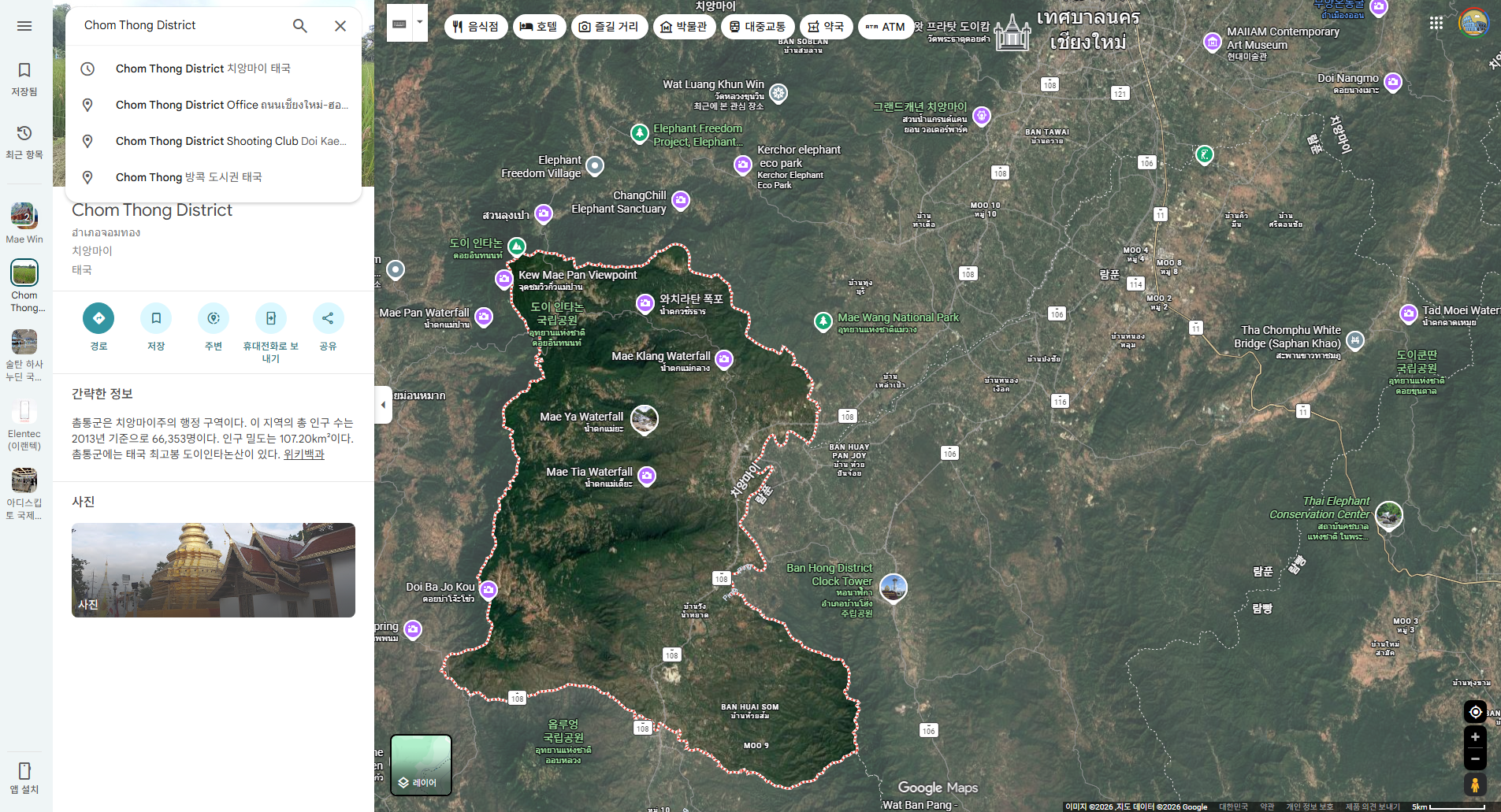
(DEFENCE SECURITY ASIA) — 태국 왕립공군(RTAF)은 제41비행단 제411비행대 소속 AT-6TH 울버린 경공격기가 2026년 1월 29일 오전 10시 20분, 치앙마이에서 전투 수색·구조(Combat Search and Rescue) 훈련 임무 수행 중 추락했다고 확인했다.
태국 왕립공군 대변인인 차크릿 탐마위차이 공군 중장은, 해당 항공기가 “치앙마이 주 촘통 군에서 실시된 전투 수색·구조 훈련 비행 중, 치앙마이 공항에서 남서쪽으로 약 60킬로미터 떨어진 지점에서 추락했다”고 밝혔다. 그는 이와 같은 신중하게 표현된 공식 설명을 통해, 평시의 일상적인 훈련 출격조차도 한 국가의 공군 전력 태세에 중대한 작전적·제도적·전략적 함의를 지닌 치명적인 사고로 급변할 수 있음을 시사했다.
이번 추락 사고로 교관 조종사인 삼마차 쿤마스 공군 중위와 코라윗 젠킷 공군 소위가 사망했다. 이들은 최근 도입된 AT-6TH 울버린을 운용 중이었으며, 태국 왕립공군 사령관 섹산 칸타 공군 원수는 사고 현장을 즉각 통제하고, 기계적 결함부터 인간-기계 인터페이스의 한계에 이르기까지 사고 원인을 규명하기 위한 공식 항공 사고 조사위원회를 설치하도록 지시함으로써 이 손실을 사실상 인정했다.
차크릿 탐마위차이 공군 중장은 “제41비행단 제411비행대 소속 항공기가 오전 10시 20분, 치앙마이 주 촘통 군에서 전투 수색·구조 훈련 비행 중 추락했다”고 재차 밝히며, “이번 사고는 인근 주민들에게 영향을 주거나 민간 재산 피해를 초래하지는 않았다”고 덧붙였다. 이는 충돌 지점이 외딴 지역이었음을 강조하는 동시에, 군사 훈련이 점점 더 열악하고 고위험 환경에서 이뤄지고 있다는 작전 현실을 보여준다.
두 조종사의 사망은 인간적 비극일 뿐 아니라, 소규모이면서 전문화된 경공격 전력 공동체에서 교관 조종사를 잃었다는 점에서 전력 생성, 출격 지속성, 그리고 비용 효율적인 터보프롭 공격 플랫폼을 중심으로 한 새로운 전투 교리의 운용 속도에 직접적인 영향을 미치는 측정 가능한 작전적 손실로 평가된다.
이번 사고는 태국의 국방 현대화 서사에도 즉각적인 함의를 갖는다. AT-6TH 울버린은 2025년 9월에 공식 취역한 지 얼마 되지 않은 기종으로, 이번 추락은 인도·태평양 지역에서 경쟁이 심화되는 전략 환경 속에서 방콕이 유연하고 합리적인 비용의 상호운용 가능한 공군 전력으로 전환하고자 하는 상징적 플랫폼의 초기 손실 사례 가운데 하나가 됐다.
공군 전력의 위험 관리 관점에서 보면, 이번 사고는 훈련 강도, 플랫폼 성숙도, 그리고 산악 지형과 밀림, 예측하기 어려운 기상 조건이 특징인 동남아시아 운용 환경에 서방제 항공기를 통합하는 문제에 대해 시급한 질문을 제기한다.
태국 왕립공군은 사망한 조종사들의 가족에게 “깊은 애도”를 표하고 “전폭적인 지원”을 제공하겠다고 밝혔으며, 이는 제도적 연대를 보여주는 동시에 전력 현대화와 대비 태세 주기 속에 내재된 인간적 비용을 환기시킨다.
지역 군대들이 남중국해와 취약한 국경 지대를 둘러싼 변화하는 위협에 대응하기 위해 조종사 훈련을 가속화하는 가운데, 이번 AT-6TH 추락 사고는 공군력의 신뢰성이 안전 문화, 기술적 회복력, 그리고 군용 항공의 가혹한 현실과 불가분의 관계에 있음을 상기시킨다.
### 추락 경위와 즉각적인 작전적 함의
AT-6TH 울버린은 치앙마이 국제공항에서 남서쪽으로 약 60킬로미터 떨어진 촘통 군 후아이 팡 마을 인근의 산림 지역에 추락했다. 이 위치는 민간인과 기반시설 피해를 피하게 했지만, 험준한 지형과 제한된 지상 접근성으로 인해 구조 및 수습 작업을 상당히 어렵게 만들었다.
해당 항공기는 전투 수색·구조 훈련 출격을 수행 중이었으며, 이러한 임무는 일반적으로 저고도 비행, 역동적인 기동, 모의 위협 환경을 포함해 공기역학적 스트레스와 조종사 업무 부담을 크게 증폭시키고, 작은 시스템 이상에도 심각한 결과를 초래할 수 있다.
초기 평가에 따르면 항공기는 인구 밀집 지역에서 떨어진 밀림 지형에 충돌했으며, 이는 2차 피해를 막았지만 현장 접근을 지연시켜 비행 데이터와 잔해 분포, 시간에 민감한 증거 확보에 더 많은 시간이 소요되게 했다.
제41비행단 제411비행대에 있어 훈련 중 작전 항공기 손실은 일시적이지만 분명한 출격 능력 감소를 의미하며, AT-6TH 울버린을 단 8대만 보유한 소규모 기단이라는 점에서 그 영향은 더욱 크다.
이번 사고는 조사 결과가 나올 때까지 유사한 훈련 프로파일을 공식적 또는 비공식적으로 중단하게 만들 수 있으며, 이는 훈련 일정과 대비 태세 지표 전반에 파급 효과를 미칠 수 있다.
더 넓은 작전 관점에서 볼 때, 이 사건은 전투 효과를 위해 필수적인 현실적 훈련과, 도전적인 환경에서 복잡한 임무를 반복 연습할 때 수반되는 위험 노출 간의 긴장을 보여준다.
항공기가 CSAR 훈련 임무를 수행 중이었다는 사실은 전략적으로도 의미가 크다. 이러한 임무는 현대 공군 작전의 핵심 요소로, 특히 분쟁 지역이나 적대적 환경에서 격추된 승무원을 구조하는 상황을 상정한다.
따라서 AT-6TH 기단이 장기간 운용 제한이나 접지를 겪게 될 경우, 회전익 자산과 지상군을 포함한 CSAR 통합 훈련과 숙련도 향상에 영향을 미칠 수 있다.
### AT-6TH 울버린: 플랫폼 능력과 전략적 배경
AT-6TH 울버린은 태국이 부여한 명칭으로, 텍스트론 에비에이션 디펜스 LLC가 제조한 비치크래프트 AT-6 울버린이다. 이 기체는 T-6 텍산 II 훈련기를 기반으로 하며, 약 85%의 부품 공용성을 통해 수명주기 비용을 줄이고 군수 지원을 단순화하도록 설계됐다.
전장 10.16미터, 전폭 10.4미터, 최대 이륙 중량 4,536킬로그램인 AT-6TH는 기본 훈련기와 고성능 다목적 전투기 사이의 틈새를 차지하며, 상대적으로 낮은 운용 비용으로 지속적 존재감과 정밀 타격 능력을 제공한다.
프랫앤드휘트니 캐나다 PT6A-68D 터보프롭 엔진(출력 1,600마력)을 장착한 이 항공기는 약 시속 585킬로미터의 속도, 최대 운용 고도 9,450미터, 약 3,195킬로미터에 달하는 항속거리를 갖춰 장시간 초계와 감시 임무에 적합하다.
최대 1,864킬로그램의 탑재 능력을 통해 FN HMP-400 12.7mm 기관포 포드, LAU-131/A 70mm 로켓 포드, GBU-12 페이브웨이 II 레이저 유도 폭탄, AGM-114 헬파이어 미사일 등 무장을 통합할 수 있다.
태국은 2021년 AT-6의 첫 해외 고객이 되었으며, 태국 왕립공군의 10년 구매 및 개발 계획의 일환으로 8대 도입에 약 1억 4,300만 달러 규모의 계약을 체결했다. 이는 2020년에 체결된 12대의 T-6TH 텍산 II 훈련기 도입(약 1억 6,200만 달러)과 맞물려, 공통 기체 계열을 중심으로 훈련과 경공격 역량을 표준화하려는 전략을 반영한다.
울버린은 치앙마이의 제41비행단에 배치돼 2025년 9월 공식 취역했으며, 태국 북부와 서부 지역에서 대반란, 국경 경계, 무장 정찰 임무의 핵심 자산으로 자리 잡도록 계획됐다.
도입 1년이 채 되지 않아 발생한 이번 사고는, 훈련형 플랫폼에서 전투 구성 변형으로 전환하는 초기 운용 단계의 위험과 학습 곡선에 대한 주목도를 높이고 있다.
### 인적 자산 손실과 훈련 체계 영향
교관 조종사였던 삼마차 쿤마스 중위는 태국 왕립공군의 조종사 훈련 및 기종 전환 파이프라인에서 핵심적인 역할을 맡고 있었으며, 이러한 교관의 손실은 현재의 작전 능력뿐 아니라 향후 AT-6TH로 전환할 조종사 양성 속도에도 영향을 미칠 수 있다.
코라윗 젠킷 소위는 차세대 태국 군용 조종사를 대표하는 인물로, 숙련 인력의 유지와 성장은 지역 경쟁이 심화되는 환경에서 공군력 유지를 위해 중요하다.
동료들은 두 조종사를 헌신적이고 자기희생적인 인물로 묘사했으며, 이는 제도적 대비 태세를 뒷받침하는 개인적 헌신을 보여주는 동시에, 숙련된 항공 인력의 대체 불가능성을 부각시킨다.
태국 왕립공군이 유가족에 전면적 지원을 약속한 것은 군의 전통을 반영하지만, 동시에 생존 조종사를 위한 심리 지원, 위험 관리 교육, 사고 이후 돌봄의 필요성을 다시 제기한다.
체계적 관점에서 이번 사고는 새로운 플랫폼을 얼마나 빠르게 복잡한 임무 프로파일에 투입할 것인지, 특히 교관-피교육자 또는 교관-작전 조합이 포함된 고난도 시나리오에서의 적정성을 재검토하게 만든다.
현대 공군은 인간-기계 통합, 조종석 업무 부담 관리, 훈련 속도가 기계적 신뢰성이나 기체 구조만큼이나 안전에 결정적이라는 점을 점점 더 인식하고 있다.
이러한 맥락에서 AT-6TH 사고는 태국 왕립공군의 훈련 교리, 시뮬레이터 활용, 단계적 임무 난이도 설정을 개선하는 계기가 될 수 있다.
### 항공 안전 기록과 제도적 교훈
태국의 군용 항공 역사에는 다양한 기종과 기후, 기술 환경 속에서 발생한 수많은 사고가 포함돼 있다. 1929년부터 1955년 사이에만 거의 1,000건의 군용 항공기 사고가 기록됐다.
최근 사례로는 2011년 시범 비행 중 F-16 추락, 2006년 7명이 사망한 리어젯 사고 등이 있으며, 이는 고성능 항공기와 복잡한 비행 프로파일이 여전히 내재적 위험을 수반함을 보여준다.
2024년에는 제동 계통 문제와 연관된 C-130 허큘리스 사고가 발생해, 높은 가동률로 운용되는 수송·지원 기단의 취약성을 드러냈다.
이러한 배경 속에서 AT-6TH 추락은 노후 기반시설, 다양한 정비 환경, 높은 훈련 요구 속에서 새로운 항공기가 어떻게 통합되는지를 다시 묻게 한다.
울버린의 터보프롭 설계는 저위협 환경에 최적화돼 있지만, CSAR 훈련은 기체 한계와 조종사의 상황 인식을 시험하는 공격적인 기동을 포함할 수 있다.
조사관들은 환경 요인, 체계 신뢰성, 절차 설계가 사고에 어떤 영향을 미쳤는지를 검토할 가능성이 크며, 이는 AT-6TH뿐 아니라 다른 훈련 및 경공격 플랫폼에도 시사점을 줄 수 있다.
제도적으로 이번 사고는 지속적인 안전 감사, 데이터 기반 위험 평가, 그리고 새로운 역량에 맞춰 진화하는 적응형 훈련 체계의 필요성을 재확인시킨다.
### 태국 공군력에 대한 전략적·지정학적 함의
이번 사고는 동남아시아 공군들이 남중국해와 국경 분쟁을 둘러싼 지정학적 경쟁 심화에 대응해 현대화를 가속하는 시점에 발생했다.
미국의 조약 동맹국인 태국은 상호운용성을 중시하며, AT-6TH와 같은 플랫폼은 미군의 훈련·교리·군수 체계와의 정렬을 목표로 한다.
경공격기는 국경 감시, 밀수 단속, 신속 대응과 같은 임무에서 고성능 전투기의 부담을 덜어주는 비용 효율적 대안으로 기능한다.
필리핀의 FA-50 운용 확대, 인도네시아의 경량 타격 플랫폼 병행 도입 등 역내 국가들도 유사한 접근을 취하고 있다.
AT-6TH의 초기 손실은, 조사에 따른 전 기단 점검이나 임시 운용 제한이 이뤄질 경우 제411비행대의 완전 운용 능력 달성을 지연시킬 수 있다.
예산 제약 속에서 항공기 교체나 수리는 이미 압박을 받는 국방 예산에 추가 부담을 준다.
전략적 차원에서 이번 사고는 공군력 현대화의 신뢰성이 조달 발표뿐 아니라, 안전하고 지속적인 운용 통합에 달려 있음을 보여준다.
태국 왕립공군이 투명성, 시정 조치, 교리 개선을 통해 어떻게 대응하느냐는 태국 군의 전문성과 회복력에 대한 역내 인식에 영향을 미칠 것이다.
치앙마이에서 발생한 AT-6TH 울버린 추락 사고는 공군력 현대화의 추구가 본질적인 위험을 수반하며, 안전과 훈련 규율, 인적 요소에 대한 끊임없는 주의가 필요함을 상기시킨다.
조사가 진행되는 동안, 태국 왕립공군은 삼마차 쿤마스 중위와 코라윗 젠킷 소위의 희생을 제도적 학습으로 전환하는 기회를 맞이하고 있다.
변동성이 커지는 인도·태평양 안보 환경에서, 현대적이고 비용 효율적이며 상호운용 가능한 공군 전력을 운용하는 능력은 항공 안전과 전력 보존에 대한 타협 없는 헌신과 함께 가야 한다.
동남아시아 전역의 국방 공동체는 기술적 결론뿐 아니라, 이번 사고의 교훈이 태국 공군력 진화의 다음 단계에 어떻게 반영되는지를 주의 깊게 지켜볼 것이다. — DEFENCE SECURITY ASIA
Royal Thai Air Force AT-6TH Wolverine Crash in Chiang Mai - Defence Security Asia

Royal Thai Air Force AT-6TH Wolverine Crash in Chiang MaiThe fatal AT-6TH Wolverine crash during a Combat Search and Rescue training mission highlights the operational, safety, and integration challenges facing Thailand’s rapidly modernising air force in an increasingly contested Indo-Pacific security environment.

By admin On Jan 29, 2026
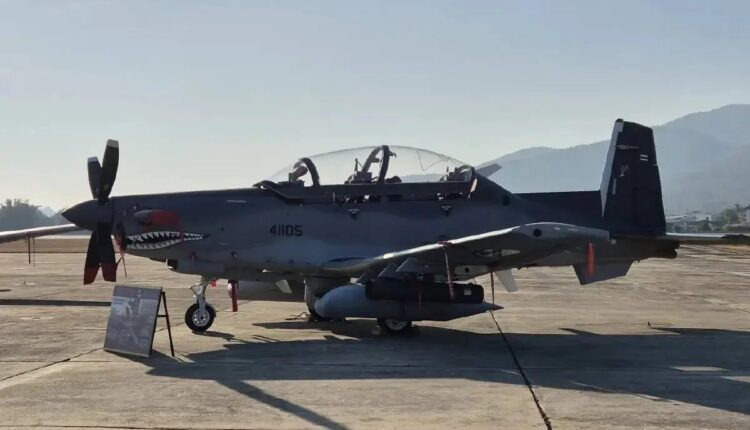
AT-6TH Wolverine
Share
(DEFENCE SECURITY ASIA) — The Royal Thai Air Force (RTAF) confirmed that an AT-6TH Wolverine light attack aircraft from Squadron 411, Wing 41, crashed at 10:20 a.m. on January 29, 2026, during a Combat Search and Rescue training mission in Chiang Mai.
Air Marshal Chakrit Thammavichai, the Royal Thai Air Force spokesperson, stated that the aircraft went down “during a combat search and rescue training flight in Chom Thong district, Chiang Mai province, about 60 kilometres southwest of Chiang Mai airport,” a carefully worded official account that underscores how even routine peacetime training sorties can abruptly escalate into fatal incidents with profound operational, institutional, and strategic implications for a nation’s airpower posture.
The crash claimed the lives of Flight Lieutenant Sammacha Khunmas, an instructor pilot, and Flight Officer Korawit Jenkit, both of whom were operating a recently inducted AT-6TH Wolverine, a loss that Air Chief Marshal Seksan Kantha, the RTAF commander, implicitly acknowledged when he ordered the immediate securing of the crash site and the establishment of a formal aircraft accident investigation board to determine causal factors ranging from mechanical failure to human-machine interface limitations.
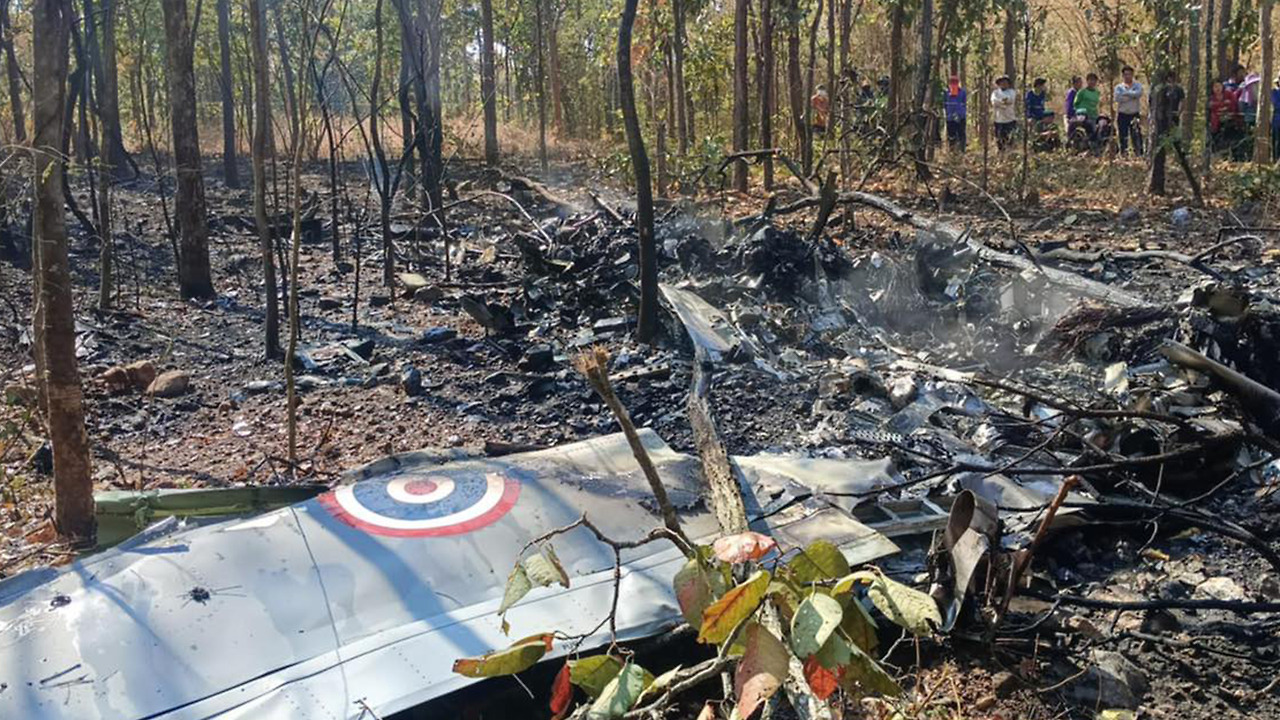
Crash site of AT-6TH Wolverine
“The aircraft from Squadron 411 of Wing 41 went down at 10:20 during a combat search and rescue training flight in Chom Thong district, Chiang Mai province,” Air Marshal Chakrit Thammavichai stated, adding that “the crash did not affect nearby residents or damage civilian property,” a remark that highlights the isolation of the impact site while simultaneously reinforcing the operational reality that military training increasingly occurs in austere, high-risk environments.
The deaths of the two pilots represent not only a human tragedy but also a measurable operational setback, as the loss of an instructor pilot within a small and specialised light-attack community directly affects force generation, sortie sustainability, and the pace at which Thailand can operationalise new combat doctrines centred on cost-effective turboprop strike platforms.
This incident has immediate implications for Thailand’s defence modernisation narrative, particularly as the AT-6TH Wolverine was formally commissioned only in September 2025, making the crash one of the earliest major losses of a platform intended to symbolise Bangkok’s shift toward flexible, affordable, and interoperable airpower solutions within the increasingly contested Indo-Pacific strategic environment.
From an airpower risk-management perspective, the crash also raises urgent questions about training intensity, platform maturity, and the integration of Western-supplied aircraft into Southeast Asian operating conditions characterised by mountainous terrain, dense jungle, and unpredictable weather patterns.
The Royal Thai Air Force expressed its “deepest condolences” to the families of the deceased pilots and stated it would provide “full assistance” to them, a commitment that reflects institutional solidarity while also drawing attention to the often-overlooked human cost embedded within force modernisation and readiness cycles.
As regional militaries accelerate pilot training to keep pace with evolving threats in the South China Sea and along porous land borders, the AT-6TH crash stands as a stark reminder that airpower credibility is inseparable from safety culture, technical resilience, and the unforgiving realities of military aviation.
Crash Circumstances and Immediate Operational Implications
The AT-6TH Wolverine went down in a forested area near Huai Fang village in Chom Thong district, approximately 60 kilometres southwest of Chiang Mai International Airport, a location that, while sparing civilians and infrastructure, significantly complicated rescue and recovery operations due to rugged terrain and limited ground access.
The aircraft was conducting a Combat Search and Rescue training sortie, a mission profile that typically involves low-level flight, dynamic manoeuvring, and simulated threat environments, all of which amplify aerodynamic stress, pilot workload, and the consequences of even minor system anomalies.
Initial assessments indicate the aircraft impacted dense jungle terrain far from populated areas, an outcome that prevented secondary casualties but delayed immediate on-scene assessment, thereby extending the time required to secure flight data, wreckage distribution patterns, and time-critical evidence.
For Squadron 411 of Wing 41, the loss of an operational aircraft during training represents a temporary but tangible reduction in sortie availability, particularly significant for a fleet that numbers only eight AT-6TH Wolverines.
The crash also forces a pause, formal or informal, in similar training profiles as investigators work to establish whether procedural, environmental, or technical factors played a dominant role, a process that can ripple through training schedules and readiness metrics.
From a broader operational standpoint, the incident underscores the inherent tension between realistic training—essential for combat effectiveness—and the elevated risk exposure that accompanies complex mission rehearsal in challenging environments.
The fact that the aircraft was performing a CSAR training mission is strategically notable, as such missions are central to modern air operations, particularly in scenarios involving downed aircrew in contested or hostile territory.
Any prolonged grounding or operational restriction on the AT-6TH fleet could therefore affect Thailand’s ability to rehearse and refine CSAR integration with rotary-wing assets and ground forces, a capability increasingly relevant in both conventional and asymmetric contingencies.
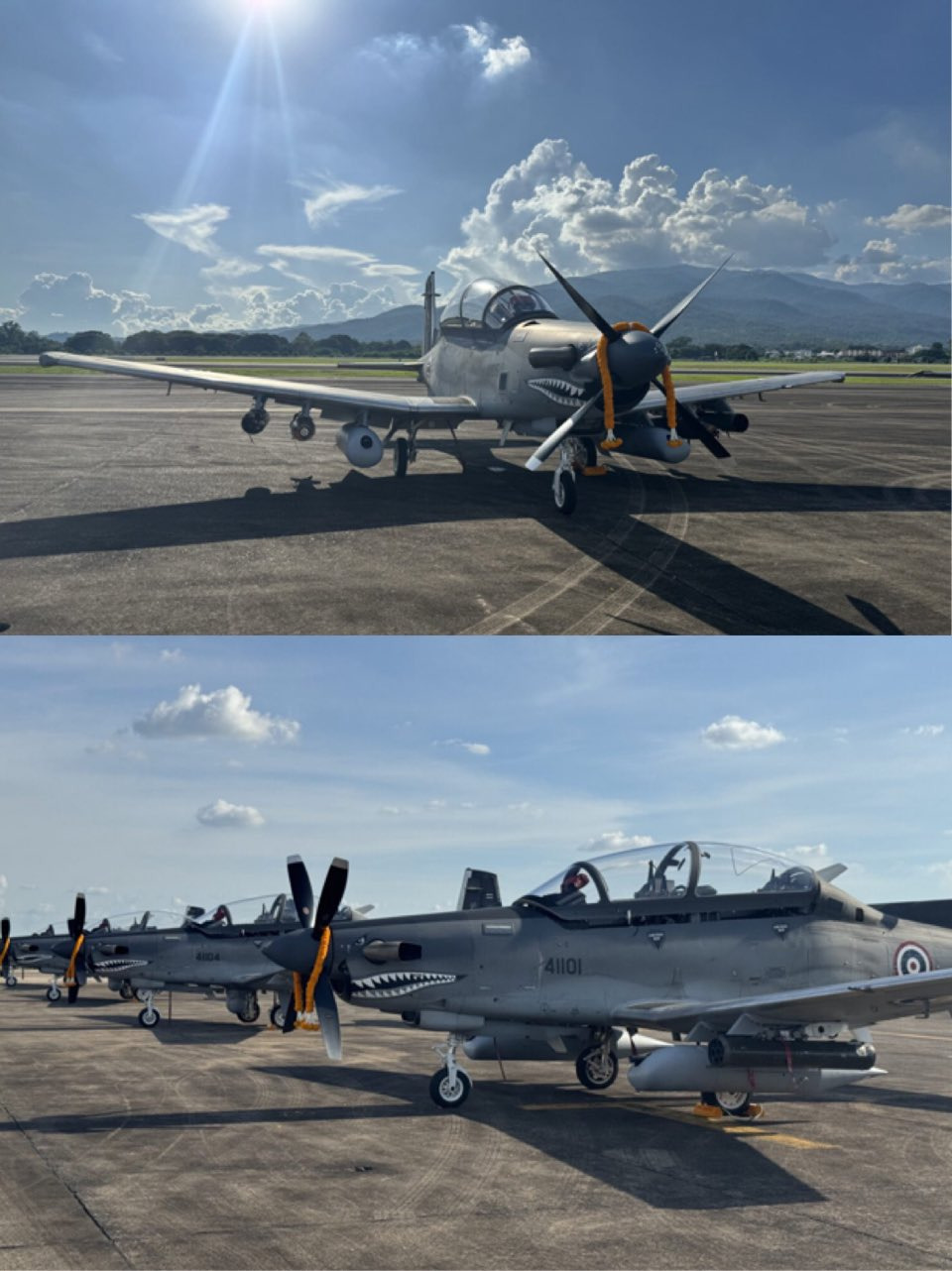
AT-6TH Wolverine light attack aircraftAT-6TH Wolverine: Platform Capabilities and Strategic Rationale
The AT-6TH Wolverine is Thailand’s designation for the Beechcraft AT-6 Wolverine manufactured by Textron Aviation Defense LLC, a platform derived from the T-6 Texan II trainer and sharing approximately 85 percent parts commonality to reduce lifecycle costs and streamline logistics.
With a length of 10.16 metres, a wingspan of 10.4 metres, and a maximum take-off weight of 4,536 kilograms, the AT-6TH occupies a niche between basic trainers and high-end multirole fighters, offering persistent presence and precision strike capability at a fraction of the operating cost.
Powered by a Pratt & Whitney Canada PT6A-68D turboprop engine producing 1,600 shaft horsepower, the aircraft can reach speeds of approximately 585 kilometres per hour, operate up to 9,450 metres, and fly ranges approaching 3,195 kilometres, making it well-suited for extended patrol and overwatch missions.
Its payload capacity of up to 1,864 kilograms enables the integration of weapons such as FN HMP-400 12.7mm gun pods, LAU-131/A 70mm rocket pods, GBU-12 Paveway II laser-guided bombs, and AGM-114 Hellfire missiles, providing credible precision strike options against lightly defended targets.
Thailand became the first international customer for the AT-6 in 2021, signing a contract valued at approximately USD 143 million, equivalent to around RM 672 million, for eight aircraft as part of the RTAF’s 10-year Purchase and Development Plan.
This followed a separate 2020 acquisition of 12 T-6TH Texan II trainers worth about USD 162 million, or roughly RM 761 million, reflecting a deliberate strategy to standardise training and light-attack capabilities around a common airframe family.
The Wolverines were delivered to Wing 41 in Chiang Mai and formally commissioned in September 2025, positioning them as a core asset for counter-insurgency, border security, and armed reconnaissance missions within Thailand’s northern and western regions.
The crash occurring less than a year after induction amplifies scrutiny of early-service operational risks and the learning curve associated with transitioning from training to combat-configured variants of a shared platform.
Human Capital Loss and Training Ecosystem Impact
Flight Lieutenant Sammacha Khunmas, identified as an instructor pilot, represented a critical node within the RTAF’s pilot training and conversion pipeline, where experience, instructional skill, and platform familiarity converge to generate combat-ready aircrew.
The loss of an instructor is disproportionately disruptive, as it affects not only current operational capacity but also the throughput of future pilots transitioning onto the AT-6TH, potentially creating cascading delays across multiple training cohorts.
Flight Officer Korawit Jenkit embodied the newer generation of Thai military aviators, whose retention and progression are essential to sustaining airpower effectiveness amid increasing regional competition for skilled pilots.
Colleagues reportedly described both officers as deeply committed and self-sacrificing, a characterisation that underscores the personal dedication underpinning institutional readiness but also highlights the irreplaceable nature of trained aircrew.
The RTAF’s commitment to provide full assistance to the families reflects established military tradition, yet the incident also renews calls for expanded psychological support, risk-management training, and post-incident care for surviving aircrew.
From a systems perspective, the crash invites a reassessment of how rapidly new platforms are pushed into complex mission profiles, particularly those involving instructor-student or instructor-operational pairings in demanding scenarios.
Modern air forces increasingly recognise that human-machine integration, cockpit workload management, and training tempo are as decisive for safety as mechanical reliability or airframe integrity.
In this context, the AT-6TH accident could serve as a catalyst for refinements in RTAF training doctrine, simulator utilisation, and graduated mission complexity, ensuring that operational realism does not outpace safety margins.
Aviation Safety Record and Institutional Lessons
Thailand’s military aviation history includes numerous accidents that collectively illustrate the challenges of operating diverse fleets across decades, climatic extremes, and evolving technological baselines.
Between 1929 and 1955 alone, nearly 1,000 Thai military aircraft accidents were recorded, a legacy shaped by early aviation technology, limited infrastructure, and the formative stages of institutional safety culture.
More recent incidents, including a 2011 F-16 crash during a demonstration and a 2006 Learjet accident that killed seven, demonstrate that high-performance aircraft and complex flight profiles continue to carry inherent risk.
A 2024 C-130 Hercules incident linked to braking system issues further highlighted the vulnerability of transport and support fleets operating under high utilisation rates.
Against this backdrop, the AT-6TH crash raises questions about how new aircraft integrate into an ecosystem that includes aging infrastructure, variable maintenance environments, and intensive training demands.
The Wolverine’s turboprop design is optimised for low-threat environments, but CSAR training can involve aggressive manoeuvres that test airframe limits and pilot situational awareness.
Investigators will likely examine whether environmental factors, system reliability, or procedural design contributed to the loss, with implications extending beyond the AT-6TH to other training and light-attack platforms.
Institutionally, the incident reinforces the need for continuous safety auditing, data-driven risk assessment, and adaptive training frameworks that evolve alongside new capabilities.
Strategic and Geopolitical Ramifications for Thailand’s Airpower
The crash occurs at a time when Southeast Asian air forces are accelerating modernisation in response to intensifying geopolitical competition, particularly in the South China Sea and along contested land borders.
As a United States treaty ally, Thailand places significant emphasis on interoperability, and platforms like the AT-6TH are designed to align Thai operations with U.S. training, doctrine, and logistics frameworks.
Light-attack aircraft offer cost-effective alternatives to high-end fighters for missions such as border surveillance, counter-smuggling, and rapid response, freeing advanced jets for deterrence and air-superiority roles.
Regional peers are pursuing similar approaches, with the Philippines expanding FA-50 operations and Indonesia complementing high-end acquisitions with lighter strike platforms to balance capability and affordability.
The early loss of an AT-6TH could delay full operational capability for Squadron 411, particularly if fleet-wide inspections or temporary restrictions are imposed following the investigation.
Budgetary constraints amplify the impact, as replacing or repairing advanced aircraft strains defence allocations already under pressure from broader modernisation demands.
At a strategic level, the incident underscores that credibility in airpower modernisation depends not only on procurement announcements but on sustained, safe, and effective operational integration.
How the RTAF responds—through transparency, corrective action, and doctrinal refinement—will influence regional perceptions of Thailand’s military professionalism and resilience.
The AT-6TH Wolverine crash in Chiang Mai is a sobering reminder that the pursuit of airpower modernisation carries inherent risk, demanding relentless attention to safety, training discipline, and human factors.
As the investigation progresses, the RTAF faces an opportunity to honour the sacrifice of Flight Lieutenant Sammacha Khunmas and Flight Officer Korawit Jenkit by translating tragedy into institutional learning.
In an increasingly volatile Indo-Pacific security environment, the ability to field modern, affordable, and interoperable airpower must be matched by an uncompromising commitment to aviation safety and force preservation.
The defence community across Southeast Asia will closely watch the outcomes of this investigation, not merely for technical conclusions but for evidence that hard-won lessons will shape the next phase of Thailand’s airpower evolution. — DEFENCE SECURITY ASIA