채텀하우스에 실린 기사인데, 존 힐리 영국국방장관이 6월 11일 총리와 재무부가 돈 없다는 타령만 한다며 그만둬버렸는데, 이건 작년 발표된 SDR에서 요구했던 재원조달 요청을 완전히 무시했고, 이로 인해 국가를 더 위험하게 만드는 완전한 전략적 실패라고 비판하네요. 기사의 저자가 SDR 작성에 참여한 리처드 배런스 경입니다.
2027년까지 국방비를 GDP 대비 2.5%, 다음 의회 임기 내에 3%로 올리기로 했는데 이것도 나가리났을 것 같습니다.
When Computers Went To Sea | 영국, 5년 새 세 번째 국방전략평가 시작 - Daum 카페

When Computers Went To Sea | 영국, 국방전략평가 (Strategic Defense Review) 발표 - Daum 카페

존 힐리의 사임은 영국 정부의 국방 접근 방식에 존재하는 심각한 전략적 실패를 드러낸다
2025년 전략국방검토(Strategic Defence Review)의 공동 작성자인 리처드 배런스 장군은 정부의 역량 부족이 영국의 안보를 약화시키고 동맹국들 사이에서 영국의 신뢰를 훼손하고 있다고 말한다.
전문가 논평
2026년 6월 11일 게시
2026년 6월 12일 업데이트
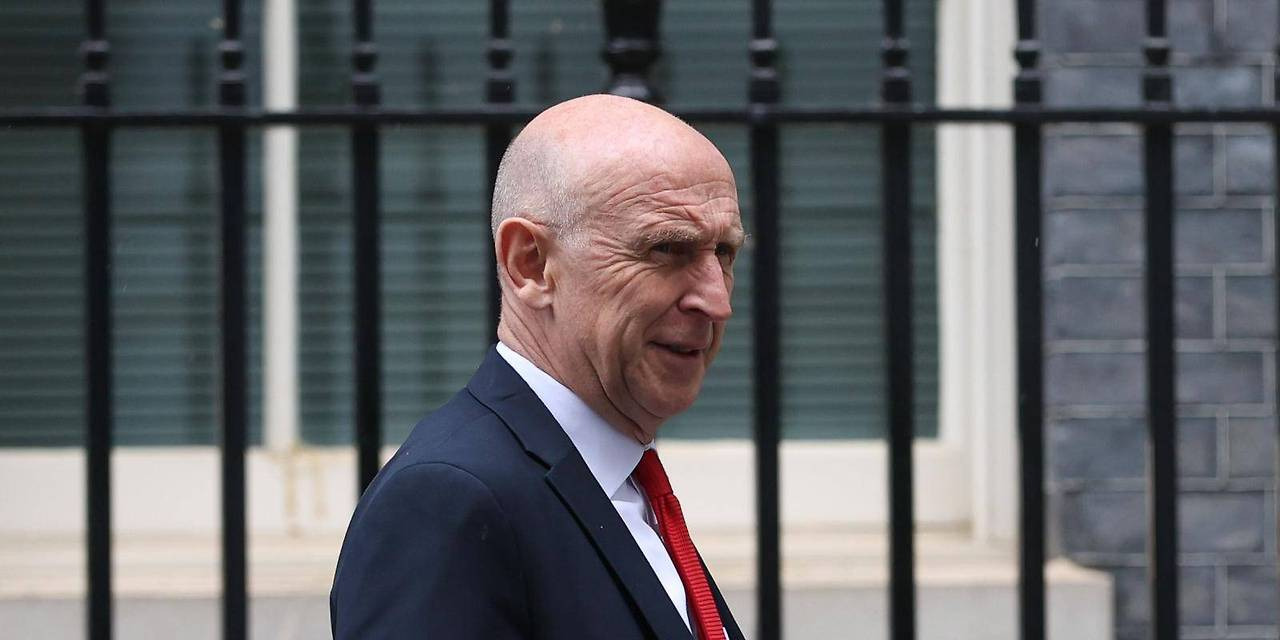
런던 다우닝가에서 열린 주간 내각회의를 마친 뒤 귀가하는 영국 국방장관 존 힐리. 2026년 6월 9일, 영국 런던. (사진: Zeynep Demir/Anadolu via Getty Images)
리처드 배런스 장군 KCB CBE
채텀하우스 국제안보프로그램 선임 자문연구위원
영국 국방장관 존 힐리는 6월 11일 사임했다. 그는 키어 스타머 총리에게 보낸 사임서에서 "당신은, 그리고 재무부는, 위협이 고조되는 현시점에서 국가를 방어하는 데 필요한 자원을 확보하지 못했고 또 확보하려 하지 않았다"고 밝혔다. 그는 또한 곧 발표될 국방투자계획(Defence Investment Plan)이 "이 위험한 시기에 국방과 국가가 필요로 하는 수준에 크게 미치지 못한다"고 지적했다. 이러한 일련의 사건은 영국 국방이 직면한 두 가지 명확한 실패를 보여준다.
첫 번째는 유능한 정부 운영의 실패다.
지난해 6월 발표된 전략국방검토(SDR)는 세 가지 핵심 결론을 제시했다. 첫째, 영국은 이제 훨씬 더 위험한 세계에서 살아가고 있다는 점이다. 둘째, 군과 더 넓은 시민사회 모두 이러한 현실에 대응할 준비가 제대로 되어 있지 않다는 점이다. 셋째, 따라서 긴급한 조치가 반드시 필요하다는 점이다.
전략국방검토는 21세기 전쟁에 대비한다는 것이 단순히 오랫동안 방치되어 온 장비, 병력, 능력의 부족을 메우는 문제가 아니라는 점을 분명히 했다. 핵심은 변혁이다. 즉, 영국이 국방을 사고하고, 재원을 마련하고, 조직하고, 수행하는 방식을 근본적으로 바꾸는 것이다.
그러나 전략국방검토가 채택된 지 1년이 지난 지금 정부는 자신들이 작성한 검토보고서에 필요한 재원을 전액 지원하지 않기로 결정했다. 이는 단순히 앞으로 나아가지 못하는 것이 아니라, 오히려 적극적으로 후퇴하는 것이다.
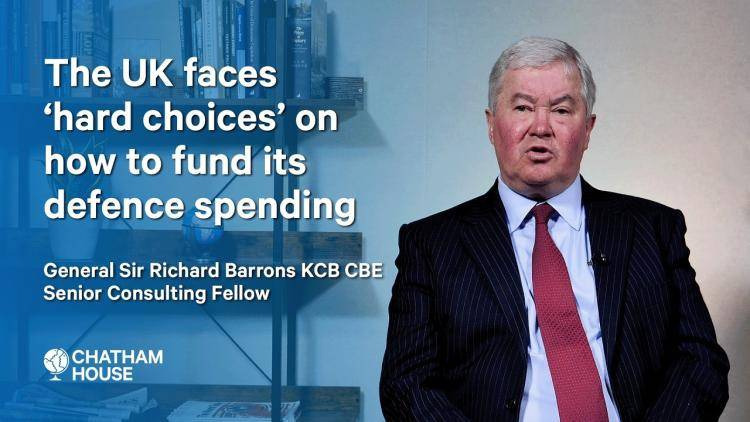
배런스 장군은 영국이 국방비 지출 재원을 어떻게 마련해야 하는지에 대해 직면한 '어려운 선택'을 설명한다.
두 번째 실패는 이러한 결정이 국가를 더욱 위험하게 만든다는 점이다.
이 결정은 NATO 내에서 영국의 위상을 약화시키고, 동맹국들 사이에서 신뢰성을 떨어뜨리며, 21세기 전쟁의 현실에 대한 영국의 취약성을 더욱 키운다. 동맹국과 적대국 모두 이러한 상황을 주목하고 있을 것이다.
정부는 사실상 자신들이 직접 의뢰하고 승인한 전략국방검토에 필요한 예산을 지원하지 않기로 결정했다. 그 이유는 다른 분야에 돈을 쓰기를 원하기 때문이다. 이는 정치적 선택이다.
전략국방검토는 향후 10년 동안 영국을 더욱 강한 위치에 올려놓기 위한 계획을 제시했다. 그러나 현실적으로 영국은 앞으로 3~5년 안에 훨씬 더 나은 상태가 되어야 한다. 현재 제시된 예산 수준으로는 영국 국방은 회복되지 못한다. 오히려 계속 악화될 것이다. 전략국방검토가 필수적이라고 밝힌 변혁은 결국 감당할 수 없게 된다.
결국 이것은 재정 여력의 문제가 아니다. 선택의 문제다. 정부는 국방에 반드시 필요한 자금을 지출하지 않기로 선택하고 있는 것이다.
누구도 국방비를 그 자체를 위해 더 많이 쓰고 싶어 하는 것은 아니다. 그러나 우리는 우리가 원하는 세상이 아니라 실제 존재하는 세상 속에서 살아가고 있다. 전쟁이 중요한지 아닌지를 우리가 선택할 수는 없다. 우리가 외면하고 싶더라도 전쟁은 우리를 선택할 수 있다.
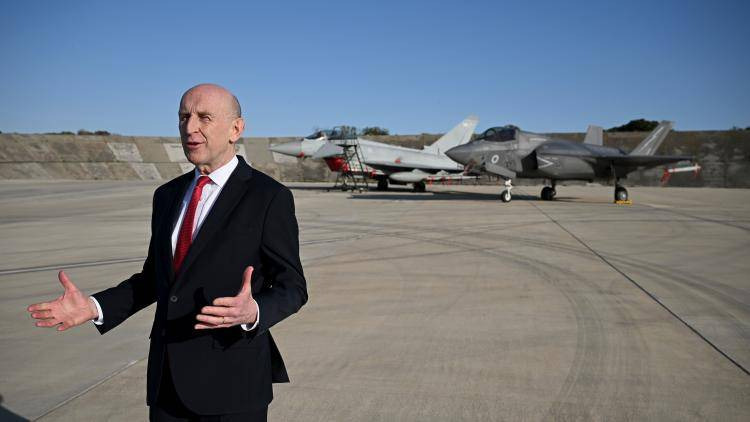
2026년 3월 5일 키프로스 아크로티리 공군기지에서 언론과 대화하는 영국 국방장관 존 힐리. 그의 뒤에는 전투기 두 대가 주기되어 있다.
영국의 국방투자계획은 마침내 영국 국방의 현실을 솔직하게 보여줄 것인가?
우크라이나가 바로 그 현실을 보여준다. 중동 전역의 혼란 역시 이를 입증하고 있다. 영국은 동맹국들과 함께 자신의 역할을 수행해야 하며, 이를 위해서는 더 많은 국방비를 더 빨리 투입해야 한다. 그렇게 하지 않기로 선택한다면 우리는 그 결과를 감수해야 한다. 그리고 그 결과는 재앙적일 수도 있다.
정치적 혼란이 이어지는 시점에서 국방투자계획(DIP)은 전략국방검토를 실행하기 위한 핵심 수단이다. 전략국방검토가 불과 1년 전에 채택된 만큼, 정부가 다시 생각하고 보다 창의적으로 접근하는 것은 충분히 가능해야 한다.
영국 공공부문은 연간 약 1조3천억 파운드를 지출한다. 따라서 국방을 위한 추가 재원을 마련하는 것은 불가능성의 문제가 아니라 우선순위의 문제다. 정부가 공공부문 내부에서 신속하게 예산을 재배분하는 데 어려움을 겪고 있다면, 기존의 재원 조달 방식 밖에서도 해법을 찾아야 한다.
런던 금융가는 수십억 파운드 규모의 잠재적 투자 자금을 보유하고 있다. 정부는 민간 금융과 진지하게 논의해 국방 혁신, 방위산업 역량 강화, 국가 회복력 증진을 어떻게 지원할 것인지 모색해야 한다.
결론은 분명하다. 영국은 국방 재원 조달 방식에서 더욱 창의적이고, 더욱 긴급하게 움직이며, 더욱 솔직해져야 한다. 전략국방검토는 필요한 방향을 이미 제시했다. 이제 국방투자계획은 위협의 규모에 걸맞은 수준으로 재원을 확보해야 한다.

John Healey’s resignation highlights profound strategic failure in the UK government’s approach to defence
General Sir Richard Barrons – a co-author of the 2025 Strategic Defence Review – says a lack of government competence is making the UK less safe and undermining its reputation with allies.
Expert comment
Published 11 June 2026
Updated 12 June 2026 —2 minute READ
Image — Secretary of State for Defence John Healey leaves Downing Street after the weekly cabinet meeting in London, United Kingdom on 9 June 2026. (Photo by Zeynep Demir/Anadolu via Getty Images)

General Sir Richard Barrons KCB CBE
Senior Consulting Fellow, International Security Programme, Chatham House
UK Defence Secretary John Healey resigned on 11 June. In his resignation letter, addressing Prime Minister Keir Starmer, he said: ‘you have been unable, and the Treasury has been unwilling, to commit the resources that the nation needs to defend the country at this time of rising threats’, stating that the forthcoming Defence Investment Plan ‘falls well short of what is required for defence and the country at this dangerous time’. These events highlight two clear failures in UK defence.
The first is a failure of competent government.
The Strategic Defence Review (SDR), published in June last year, set out three essential conclusions. First, that the UK now lives in a much more dangerous world. Second, that both the Armed Forces and wider civil society are in poor shape to deal with that reality. Third, that urgent action is therefore imperative.
The SDR was clear that preparing for war in the 21st century is not simply about filling long-standing gaps in equipment, personnel or capability. It is about transformation: changing the way the UK thinks about, funds, organizes and delivers defence.
Yet, a year after the SDR was agreed, the government has decided not to fully fund its own review. In doing so, it is not merely failing to move forward; it is actively going backwards.
—
General Barrons explains the ‘hard choice’ facing the UK on how to fund defence spending.
The second failure is that this decision makes the country less safe.
It diminishes the UK’s standing within NATO, weakens our credibility with allies, and increases our vulnerability to the realities of 21st-century conflict. Allies and adversaries alike will be paying attention.
The government has, in effect, decided not to fund the defence review it commissioned and endorsed, because it prefers to spend money elsewhere. That is a political choice.
The SDR charted a ten-year programme to put the UK in a stronger position. But the reality is that the country needs to be in a much better place within the next three to five years. The level of funding currently being put on the table means UK defence will not be fixed. In fact, it will continue to deteriorate. The transformation that the SDR says is imperative will simply not be affordable.
This is not ultimately a question of affordability. It is a question of choice. The government is choosing not to spend the money on defence that is necessary.
No one wants to spend more on defence for its own sake. But we are living in the world as it is, not the world as we would like it to be. We do not get to choose whether war matters. War can choose us, whether we prefer to ignore it or not.
Related work
Will the UK’s Defence Investment Plan finally be honest about Britain’s defence?
That is the experience of Ukraine. It is also reflected in the turmoil across the Middle East. The UK must play its part alongside its allies, and that requires spending more money on defence sooner. If we choose not to do that, we will have to live with the consequences. Those consequences could be catastrophic.
At a time of political turmoil, the Defence Investment Plan (DIP) is the vehicle intended to deliver the Strategic Defence Review. Since the SDR was only agreed a year ago, it must be possible for government to think again, and to think more imaginatively.
The UK public sector spends around £1.3 trillion a year. Finding additional funding for defence is therefore a matter of priority, not impossibility. If government struggles to move money quickly within the public sector, it should also look beyond traditional funding routes.
Topics
Regions
Departments
Subscribe to our weekly newsletter
Our flagship email provides a round-up of content, plus the latest on events and how to connect with the institute.
Enter email
Subscribe
Article 2nd half
The City of London is sitting on billions of pounds of potential investment. Government should be having a serious conversation with private finance about how to support defence transformation, industrial capacity and national resilience.
The conclusion is clear: the UK needs to be more imaginative, more urgent and more honest about how it funds defence. The Strategic Defence Review set out the requirement. The Defence Investment Plan must now be funded in a way that matches the scale of the threat.
댓글
댓글 리스트-
작성자백선호 작성시간 26.06.22 new
 The Economist는 영국이 떼쟁이의 나라가 되었다고 한탄합니다. 이것저것 정부에게 해달라고 요구만 하고 세금은 더 낼 생각 전혀 없고.
https://www.economist.com/britain/2026/03/12/how-britain-became-a-compo-nation
When voters think no one should ever lose, good government becomes impossible. Tough decisions in the national interest are crowded out by soft ones for a few individuals. Among all the Labour government’s flaws, its inability to say no is its worst. -
작성자백선호 작성시간 26.06.22 new
The government cowers at the lightest opposition to its policies, even from people who will never vote for it. Yet picking losers is the most fundamental part of a government’s job, even if, for natural reasons, politicians would rather not.
