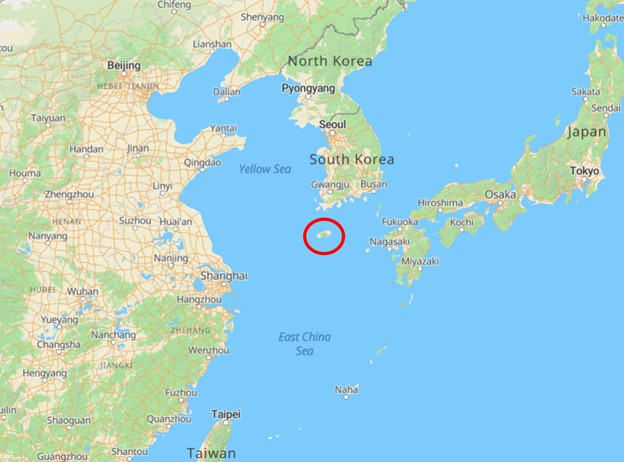
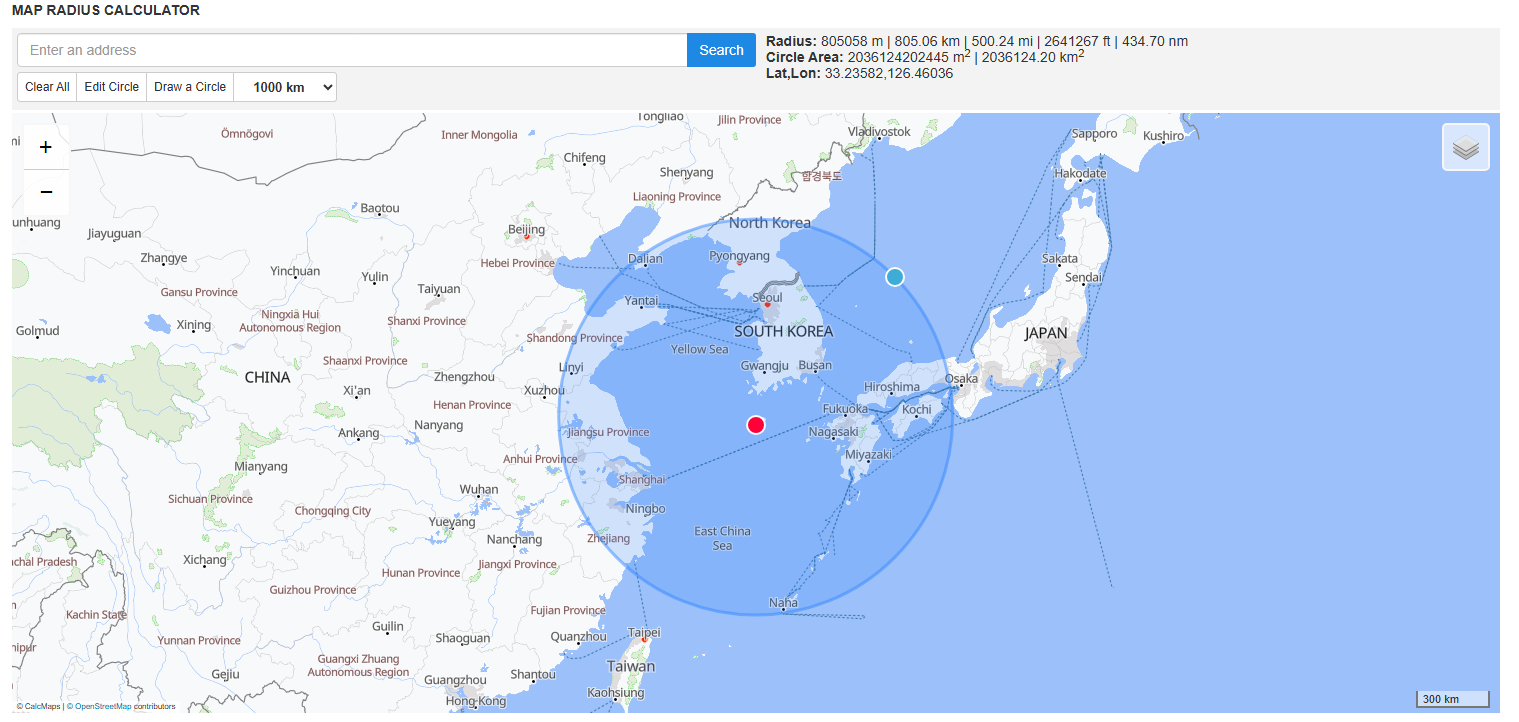
제주해군기지가 제1 도련선 북쪽 중심에 위치해 상하이-칭다오-다롄 등 중국 주요도시와 근접하고, 서해의 관문이자 베이징의 접근로에 위치한 전략적 요충이라고 평가하네요. 또한 동중국해 북방에 위치해 중국의 대만 침공 시 양면전투의 위협을 강요한다고 보고 있습니다.
한국의 신항만, 한 방 날렸지만 본격 승부를 준비해야 한다
2025년 2월, 대한민국 해군은 제주 해군기지에서 임무함대사령부(Task Fleet Command)를 출범시키며 중요한 진전을 이루었다. 수년간 준비 끝에 이뤄진 이번 발전은 국내외 언론의 주목을 받았고, 중국군의 공식 언론 역시 예의주시했다. 36년 전 처음 제안된 이 구상은 2016년 7기동전단을 주축으로 개항한 전략적 요충지 제주 해군기지에서 마침내 현실이 됐다.
이 조치는 한국의 해상 교통로 보호와 항행의 자유 보장 능력을 크게 높여주는 '힘의 과시'라 할 만하다. 중국은 이를 자국의 지역 안보 이익과 대만을 포함한 해상 진출 구상에 대한 중대한 위협으로 간주하며, 베이징이 이에 대응책을 강구할 것임은 분명하다. 실제로 중국은 제주 기지와 증강되는 함대를 자국 전략에 점점 커지는 위협으로 보고 있으며, 한미 해군이 이를 연합 작전에 활용할 경우 더욱 위험하다고 인식하고 있다.
서울과 워싱턴은 제주 인근 연합 해군 전력 강화를 위해 협력하고, 특히 한국 해군의 핵추진 잠수함 도입을 추진해 해군 능력을 강화해야 한다. 일본, 호주, 필리핀과의 다자협력도 확대해 지역 집단안보와 작전 효율성을 높여야 한다.
왜 제주인가: 한국의 생명줄을 지키는 전략
초기 한국 해군은 주로 북한을 상대로 한 연안 방어에 집중했다. 하지만 1970년대 후반 이후 한국의 수출주도형 경제 성장과 중동산 석유에 대한 거의 절대적인 의존은 해상 교통로 보호를 경제·안보의 최우선 과제로 만들었다. 수십 년간 한국 해군은 남해상 교통로 보호를 위해 제주도를 최적의 거점으로 주목해 왔다.
제주의 전략적 가치는 분명하다. 한반도 남쪽 연안에 위치해 1차 도서사슬(First Island Chain) 북부 중앙의 요충지에 자리잡고 있다. 상하이, 칭다오, 다롄 등 중국 주요 도시와의 근접성은 이곳이 해양 감시와 역내 영향력 투사의 중심지임을 보여준다.
제주 기지는 이지스 구축함, 대형 상륙함, 잠수함 등 최대 20척의 군함을 수용할 수 있다. 새 임무함대사령부 출범으로 서울은 핵심 해군 전력을 해상 교통로 보호와 동중국해 억제에 투입할 의지를 분명히 했다. 이는 중국의 해양 팽창에 맞서 항행의 자유를 지키려는 광범위한 노력과 맥을 같이한다.
시진핑 집권 이후, 중국은 해군력 증강, 남중국해 군사화, 황해 지배 강화 등으로 한국 안보에 직접 위협을 가하고 기존 해양 질서에 도전하고 있다. 베이징은 주변 해역을 사실상 내해로 만들려는 의지를 보이고 있다.
정치적 논란과 반대
제주 해군기지는 "평화의 섬"이라는 정체성 훼손과 전시 위험 증대 우려로 지역 주민들의 거센 반대에 부딪혀 왔다. 인권단체, 가톨릭 등 종교단체, 국제 NGO의 참여로 조직적 반대 운동이 이어졌다. 진보 정치세력도 지역 민심을 의식해 소극적으로 대처하면서, 2007년 시작된 공사는 2016년에야 완공됐다.
그러나 안보 필요성에 대한 여야 합의는 일관되게 유지됐다. 진보 성향의 문재인 정부도 2018년 국제관함식을 제주에서 개최하고, 미 항공모함 로널드 레이건함이 처음으로 제주에 기항하도록 했다. 2025년 6월 출범한 이재명 정부는 국익·한미동맹 중심의 실용적 외교를 표방하고 있으며, 안보 고위직에 당 출신이 아닌 전문가 위주로 임명하고 있다. 향후 동맹 정책 변화는 이 인선 결과에 따라 주목될 전망이다.
여전히 일부 국내 반대가 남아 있으나 규모는 줄었고, 동력도 상당히 잃었다. 제주 해군기지 사례는 국방 인프라 사업에서 지역사회와의 소통·협력이 필수적임을 보여주는 정책적 교훈을 남겼다.
베이징의 시각
중국 논자들은 제주 기지가 건설 초기부터 크게 두 가지 전략적 의미를 지적해 왔다.
첫째, 제주의 지정학적 위협이다. 1차 도서사슬 북부 중앙에 위치해 상하이, 다롄, 칭다오 등 중국 주요 도시에 접근을 통제할 수 있다. 단순한 해상 초크포인트가 아니라 해상·공중 이동의 요지다. 중국 입장에서는 제주가 오키나와나 요코스카처럼 미군의 전진기지로 기능할 수 있다는 점이 우려다. 실제로 제주는 황해의 관문이자 베이징 접근로다. 칭다오에 주둔한 북해함대의 주 임무는 베이징 방어와 황해 지배인데, 제주 기지와 첨단 전력을 앞세운 임무함대는 북해함대의 우위를 위협한다. 이는 "치욕의 세기"라는 역사적 트라우마와 맞닿아 있다.
둘째, 대만 침공 구상과의 연계다. 중국이 대만을 공격하려면 제주 인근 제해권 확보가 선행 조건이 된다. 대만은 동서남북 사방이 노출돼 있으며, 북쪽은 오키나와·동중국해와 연계된 가장 취약한 축이다. 이 지역에서 미·일 해군의 저항이 예상되며, 제주가 동중국해 북단에 위치함으로써 중국은 이 해역을 장악하지 못하면 대만 작전에서 양면 전투 위험을 진다. 따라서 미중 경쟁이 심화되는 상황에서, 제주 기지와 임무함대는 베이징에 새롭고 달갑지 않은 전략적 고민거리를 안겨주고 있다.
중국의 대응, 말만으로 끝나지 않을 것
제주 해군기지와 임무함대 창설에 대한 중국의 대응은 여러 측면에서 예상할 수 있다.
첫째, 중국은 제주 기지가 한미동맹의 중추 거점이 되는 것을 막기 위해 총력을 다할 것이다. 트럼프 행정부와의 관계를 활용해 동맹 결속을 약화하려 할 수 있다. 또한 제주를 중심으로 한 연합훈련 시 북한 도발이 빈발할 가능성도 높다. 중국은 "3대 전쟁(법률·심리·여론전)"을 활용해 제주 기지 반대 여론을 지속적으로 조성할 전망이다.
둘째, 중국은 황해와 제주 인근 해역에서 군사·비군사 활동을 한층 강화해 실질 통제를 공고히 할 것이다. 최근 중국은 한국 동의 없이 황해 임시조치구역에 대형 부표를 설치하고, 축구장 크기의 대형 인공 어업시설도 무단 건설했다. 또 부산 해군작전사령부를 불법 촬영하다 체포된 중국인 유학생의 사례 등, 드론·카메라를 통한 군사시설 촬영 등 회색지대(Gray Zone) 공작도 경계대상이다.
정책 제언: 억제력·협력 강화
한국은 인도-태평양 해양이용을 반드시 보장해야 하며, 이는 안보와 경제 번영의 토대다. 서울의 한미 인도-태평양 전략 지지는 일본, 호주, 필리핀 등 역내 여러 나라와도 인식이 같다. 어떤 일방적 시도도 해양 자유를 제한해서는 안 되며, 제주 기지와 임무함대는 이런 목표의 핵심 자산이다. 다음의 정책적 조치가 필요하다.
동맹 해군 존재감 확대
한미 해군은 제주 인근에서 연합작전을 더욱 빈번히 실시해야 한다. 이는 억제력 강화와 위기시 대비 태세에 기여할 것이다. 일본, 호주, 필리핀 등 동맹국의 참여도 확대해야 하며, 미국은 한국이 이 지역에서 주도적 역할을 하도록 지원해야 한다. 제주 기지는 연합군 작전의 핵심 군수 거점으로 기능할 수 있다.
임무함대 역량 강화
미국은 여기서 중요한 역할을 할 수 있다. 현재 전력은 독도함급 상륙함, 이지스 구축함, 디젤 잠수함, 지원함 등으로 구성되어 있다. 미국은 호주와의 오커스(AUKUS) 협정과 유사하게, 한국의 핵추진 잠수함 도입을 지지하고 촉진해야 한다. 핵잠수함은 수중 잠항시간이 월등해 디젤함 대비 생존성·작전반경에서 압도적 우위를 가진다. 이는 중국의 대함탄도미사일 위협에도 효과적 대응책이 될 수 있다.
인도-태평양 다자협력 강화
한미 양자 차원을 넘어 일본, 호주, 필리핀 등과 다자협력을 확대해 집단안보와 작전 효율을 높여야 한다. 연합 해군 통합·자원 공유, 합동 훈련 및 군수 지원 등은 상호운용성과 결속을 강화한다. 탐색구조 같은 단순 임무부터 미사일방어 등 고난도 임무까지 다양한 다국적 훈련이 가능하며, 제주 임무함대와 기지는 이들 임무의 핵심 지원기지 역할을 수행할 수 있다.
Joshua NamTae Park 박사는 퇴역 해군 장교이자 조지메이슨대 샤르 정책대학원 겸임교수이다.
South Korea’s New Naval Base Throws a Jab, But Should Train for a Haymaker – War on the Rocks
South Korea’s New Naval Base Throws a Jab, But Should Train for a Haymaker
July 17, 2025
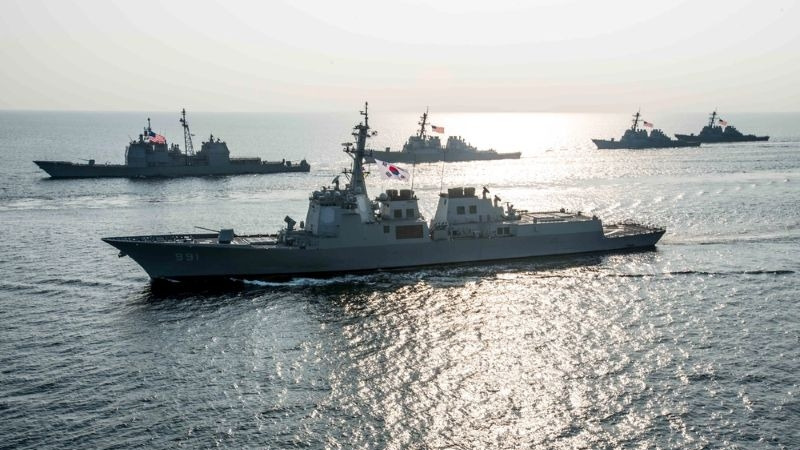
In February, South Korea’s navy took a significant step, inaugurating a task fleet command at its Jeju naval base. This development, though years in the making, didn’t go unnoticed by domestic and foreign media, and it certainly caught the attention of the Chinese military’s official media. The idea, first floated 36 years ago, has now materialized at the strategically vital Jeju naval base, which itself opened in 2016 with the 7th Task Flotilla as its backbone.
This is a major muscle move that enhances South Korea’s ability to protect its sea lanes and ensure freedom of navigation. This development is viewed by China as a significant threat to its regional security interests and ambitions, particularly concerning access to critical waterways and its plans for Taiwan, likely prompting countermeasures from Beijing. Indeed, China has never been subtle about its disapproval of the Jeju base and its growing fleet, viewing it as a mounting strategic threat, particularly if leveraged in combined operations by the U.S. and South Korean navies.
Seoul and Washington should cooperate to bolster allied naval presence near Jeju and enhance South Korea’s naval capabilities, particularly through the acquisition of nuclear-powered submarines. South Korea should also expand multilateral cooperation with Japan, Australia, and the Philippines to improve collective security and operational effectiveness in the region.
Why Jeju Matters: Securing Korea’s Lifelines
Early in its history, the South Korean navy focused on coastal defense, primarily against North Korea. However, South Korea’s phenomenal export-driven economic growth since the late 1970s — and its near-total reliance on Middle Eastern oil imports — have made the protection of sea lines of communication an overriding economic and security imperative. For decades, the South Korean navy has envisioned a fleet to protect these southern sea lanes of communications, with Jeju Island long identified as the optimal location.
Jeju’s strategic value is undeniable. Located off the peninsula’s southern coast, it sits at a critical juncture at the northern center of the First Island Chain. Its proximity to major Chinese coastal cities like Shanghai, Qingdao, and Dalian amplifies its importance as a hub for maritime surveillance and regional power projection.
The base can accommodate up to 20 warships, including Aegis-equipped destroyers, amphibious assault ships, and submarines. With the new Task Fleet Command, Seoul is clearly signaling its intent to deploy high-value naval assets to safeguard its sea lanes of communications and enhance deterrence in the East China Sea. This move aligns South Korea more closely with efforts aimed at ensuring freedom of navigation against a backdrop of China’s increasing maritime assertiveness.
Since Xi Jinping’s ascent in 2012, the world has witnessed China’s naval buildup, its aggressive militarization of the South China Sea, and its dominance in the Yellow Sea — all of which pose a direct security threat to South Korea and challenge the established maritime order. Beijing appears determined to transform its surrounding waters into virtual internal seas.
Politics and Opposition
The Jeju naval base project experienced significant delays due to strong opposition from local residents, who were concerned about potential damage to Jeju’s identity as a “peace island” and the increased security risks the base could pose in the event of war. This resistance was further amplified by the involvement of various South Korean interest groups, including prominent human rights organizations, religious groups such as the Catholic Church, and international non-governmental organizations.
Their participation led to the development of a sustained and well-organized opposition movement. Political parties — particularly those on the progressive side — responded cautiously, often prioritizing local voter support over actively promoting the project. As a result, construction, which began in 2007, was not completed until 2016.
Despite political divisions, there has been consistent bipartisan consensus on the strategic necessity of the Jeju base to enhance national security. Successive South Korean presidents — from both liberal and conservative parties — have supported the project. For example, the liberal Moon Jae-in administration, which was often seen as more accommodating to Pyongyang and Beijing, hosted the International Fleet Review at the base in 2018. The USS Ronald Reagan, a state-of-the-art U.S. aircraft carrier, participated in the event and became the first U.S. aircraft carrier to dock at the base. On the other hand, the Lee Jae-myung administration, inaugurated in June 2025, has adopted a pragmatic foreign policy based on national interests and the South Korean-U.S. alliance. As of July, key foreign and security positions — including the national security adviser, foreign minister, and defense minister — are being filled primarily by career experts rather than figures from the ruling party. Once these appointments are finalized, any shifts in the administration’s stance on the South Korean-U.S. alliance and related issues will be closely monitored.
Although there is still domestic opposition, it is on a smaller scale and has largely lost momentum. Overall, the case of the Jeju naval base offers an important policy lesson: Meaningful engagement with local communities is essential when planning and implementing national defense infrastructure projects.
Beijing’s View
Chinese commentators have scrutinized the Jeju naval base since its construction began, focusing on two main strategic implications.
First is the perceived threat from Jeju’s geography. Positioned at the northern center of the First Island Chain, it effectively controls access to critical Chinese cities like Shanghai, Dalian, and Qingdao. More than just a maritime chokepoint, Jeju is a strategic hub for sea and air routes. Beijing worries that Jeju could become another Okinawa or Yokosuka — a forward base for U.S. forces, posing a serious challenge under China’s containment narrative. This isn’t mere paranoia. South Korea’s task fleet at Jeju potentially threatens Beijing itself, which lies near the Yellow Sea’s far end — Jeju is the gateway to the Yellow Sea and, by extension, to the Chinese capital. The Jeju base also poses a strategic challenge to China’s Northern Fleet, based in Qingdao. This fleet’s primary mission is to defend Beijing and maintain maritime control over the entire Yellow Sea. Given its geographic location and the advanced combat capabilities of the Aegis-equipped warships stationed there, the Jeju base and its task fleet challenge the Northern Fleet’s efforts to assert dominance in these waters. This resonates with historical fears: the “century of humiliation” often invoked by the Chinese Communist Party began with foreign invasions via the Yellow Sea in the mid-19th century, leading to the sacking of Beijing.
Second is the implication for China’s ambition to seize Taiwan. Securing the Jeju area would be a precondition for any successful military assault on Taiwan. Given Taiwan’s geographic position — exposed on all four fronts — the northern axis, linked to the Okinawa island chain and the East China Sea, represents its most vulnerable corridor. In this theater, China would likely encounter strong resistance from U.S. and Japanese naval forces. With Jeju at the East China Sea’s northern edge, China must dominate this area to prevent interference with its Taiwan plans. Otherwise, a hostile fleet operating from Jeju would force China to fight on two fronts, diverting critical resources from a Taiwan campaign. Thus, just as U.S.-Chinese competition intensifies, the Jeju naval base and its task fleet present Beijing with a new, unwelcome strategic headache.

How Will China React? Expect More Than Just Words
With South Korea finally establishing the Jeju naval base and its task fleet, Beijing’s response is a critical question. Several reactions can be anticipated:
First, China will spare no effort to prevent the Jeju base from becoming a lynchpin of the U.S.-South Korean alliance. This means actively working to undermine the alliance’s strength, potentially by trying to manipulate the Trump administration. Expect North Korean provocations to coincide with any allied exercises based at Jeju. Furthermore, China will likely employ its “three warfares” (legal, psychological, and public opinion) to sway South Korean domestic opinion, which has seen strong opposition to the base since its inception.
Second, China will almost certainly intensify its naval and maritime activities in the Yellow Sea and the waters near Jeju to assert its control. Beijing views these as critical regions in the northern First Island Chain. To consolidate its dominance, expect increased Chinese military air and sea patrols, alongside an expansion of non-military activities like fishing operations. For instance, China has unilaterally installed large buoys in the Yellow Sea’s provisional measures zone without South Korean consent and recently constructed a massive artificial fishing facility the size of a football field, again without consulting Seoul, ratcheting up diplomatic tensions. In addition, recently, two Chinese individuals studying in South Korea were arrested by police on suspicion of espionage after unlawfully filming a military installation. They are accused of using drones and cameras to capture images of the Busan Naval Operations Command, a restricted area where photography is prohibited. These incidents have raised concerns within South Korea about potential links between the students’ activities and the Chinese government, possibly as part of gray-zone tactics.
Policy Prescriptions: Bolstering Deterrence and Cooperation
For South Korea, the secure use of the Indo-Pacific maritime domain is non-negotiable, underpinning both national security and economic prosperity. Seoul’s support for the U.S. Indo-Pacific strategy reflects this reality, a perspective shared by many regional powers like Japan, Australia, and the Philippines. Crucially, Seoul opposes any unilateral attempts, by Beijing or others, to restrict existing maritime freedoms. The Jeju naval base and its task fleet are vital assets for these national interests and for achieving the objectives of a free and open Indo-Pacific. With this in mind, several policy actions are imperative:
Increase Allied Naval Presence
The U.S. Navy, in concert with the South Korean navy, should conduct more frequent operations near Jeju. This would bolster conventional deterrence and provide a critical readiness advantage during crises. Participation should also be expanded to include allied nations like Japan, Australia, and the Philippines who share common strategic objectives. Washington should also empower Seoul to take a leading role in combined operations in this region, fostering burden-sharing. The Jeju naval base can serve as a crucial logistical hub for these allied operations.
Enhance the Task Fleet’s Capabilities
The United States has a key role to play here. The current fleet primarily comprises Dokdo-class amphibious assault ships, Aegis destroyers, diesel-powered submarines, and support vessels. Washington should endorse and facilitate South Korea’s acquisition of nuclear-powered submarines, similar to the AUKUS arrangement with Australia. A submarine’s lethality depends heavily on its stealth, which is maximized by remaining submerged for extended periods. Nuclear-powered submarines, unlike their diesel-powered counterparts, can stay underwater far longer without surfacing, granting them unmatched stealth and endurance. This fundamental advantage makes nuclear-powered submarines vastly superior in both survivability and operational reach. Such capabilities would not only overcome the inherent limitations of diesel boats but also mitigate the threat from China’s anti-ship ballistic missiles. Deploying South Korean nuclear-powered submarines to the Jeju task fleet would, as other analysts concur, present a formidable deterrent against any power seeking to disrupt the maritime order.
Strengthen Multilateral Indo-Pacific Cooperation
This is paramount. Beyond U.S.-South Korean bilateral efforts, collaborative frameworks with allies like Japan, Australia, and the Philippines should be expanded to boost collective security and operational synergy. Integrating allied naval forces and resources will significantly enhance the region’s capacity to deter and respond to threats. Joint training exercises and shared logistical facilities are also vital for fostering dialogue, improving interoperability, and reinforcing a shared commitment to a free and open Indo-Pacific. Various formats of multinational naval exercises are feasible, ranging from simple operations such as search and rescue to more complex missions like missile defense. In such scenarios, the Jeju task fleet could play several critical roles, while the Jeju naval base would serve as a key logistics hub supporting participating forces.
Joshua NamTae Park, Ph.D., is a retired South Korean naval officer and an affiliate faculty member at the Schar School of Policy and Government, George Mason University.
Image: Nathan Burke via DVIDS

댓글
댓글 리스트-
작성자Minowski(김유철) 작성시간 25.07.23 올해가 제주 평화의 섬 지정 20주년이라고 하네요. 여전히 갈등이 계속되고 있는 것 같은데 과연 이 논리가 알려지면 반대진영이 가만히 있을런지....
-
답댓글 작성자위종민 작성자 본인 여부 작성자 작성시간 25.07.23 이미 기정사실화되고, 저거 반대한다고 들어온 외부세력들도 나가거나, 제주도에서 정착한 것 같아서 중국의 지령이 있더라도 예전처럼 시끄러워질 지는 잘 모르겠습니다. 서귀포 쪽은 잘 모르기는 한데, 이미 썩은 떡밥이기도 해서.. ㅎㅎ