고정 해상 전초기지를 개발해 (섬 같은 곳이 되겠죠?) UAV/USV/UUV를 운용하고 감시/전자전 노드, 특수작전 거점으로 활용하자고 제안하네요.
이 쪽은 중국이 더 잘, 대규모로 진행하는 것 같습니다만...
중국의 해양 공세에 맞서 국가들이 대응할 수 있는 길을 보여주는 포트 드럼 론 J. 리엔하르트 2025년 9월 22일 중국의 해양 공세에 맞서 국가들이 대응할 수 있는 길을 보여주는 포트 드럼
남중국해는 세계에서 가장 분쟁이 치열한 해역 중 하나다. 필리핀, 베트남, 말레이시아, 인도네시아 같은 소국들은 영유권이 겹치고 핵심 해상 교역로가 존재한다는 이유로, 점점 더 공세적이고 군사적으로 강력해지는 중화인민공화국으로부터 계속해서 압박을 받고 있다. 중국은 인공섬의 군사화, 공격적인 해양 활동, 광범위한 불법 조업을 통해 유엔해양법협약(UNCLOS)상 지역의 주권과 경제적 권리를 위협하고 있다. 이러한 불균형을 해소하기 위해, 분쟁 당사국들은 해양 상황 인식을 개선하고, 배타적경제수역(EEZ)을 방어하며, 불법 행위에 비용을 부과하는 비대칭 전략을 채택해야 한다. 그 한 가지 접근법이 마닐라만의 필리핀 요새인 포트 드럼에서 영감을 얻은 해양 전초기지의 개발이다.
회원이 되십시오
포트 드럼: 해양 방어의 역사적 모델
20세기 초 미국이 건설한 포트 드럼은 과거 시대의 연안 방어에서 발휘된 창의성의 지속적인 사례로 남아 있다. 마닐라만의 입구에 위치한 이곳에서 기술자들은 엘 프라일레 섬을 14인치 연안포를 갖춘 철근 콘크리트 전함으로 변모시켰고, 강력한 포격을 견디도록 설계했다. 오늘날 개념적으로는 구식이 되었지만, 제2차 세계대전 동안 포트 드럼이 보여준 회복력은 회색지대 활동에 대한 작전 억지 수단으로서 해양 전초기지의 잠재력을 보여준다. 그에 따라, 이 유산은 남중국해에서 현대적 비대칭 방어에 교훈을 제공한다.
비대칭전은 상이한 기법과 능력을 활용하여 강한 적에게 불균형적인 비용을 부과하고, 예기치 않은 방식으로 강점을 강화하고 약점을 가린다. 중국의 군사력 증강을 그대로 따라 하기보다, 동남아 국가들은 지리, 저비용 기술, 비정규 작전을 활용하는 층층이 겹친 방어를 구축할 수 있다. 최근 분쟁들은 이러한 접근의 효율을 보여준다. 우크라이나의 드론 군집 운용과 제2차 나고르노-카라바흐 전쟁에서의 아제르바이잔의 배회탄 운용은 더 작은 병력이 어떻게 정규전 열세를 상쇄할 수 있는지를 입증했다. 포트 드럼을 본보기로 삼아, 이러한 전초기지들은 직접 공격을 견뎌 격퇴하려는 고정 요새가 아니라, 존재감을 유지하고 적의 기동을 복잡하게 만드는 수단으로 인식되어야 한다. 포트 드럼은 섬을 깎아 만든 뒤 콘크리트 전함으로 보강되어, 직사 화력을 견디고 마닐라만 입구에서 지속적인 억지력을 제공하도록 지어졌다. 오늘날 이러한 해양 전초기지는 유사한 영속성을 구현함으로써, 분쟁 해역에서 주권과 억지를 신호할 수 있다.
해양 전초기지의 활용
해양 전초기지는 힘과 재정에만 의존하지 않고 인식, 접근, 정당성의 경쟁에 참여함으로써 비대칭적 이점을 제공할 수 있다. 이들은 무인 항공기·수상·수중체계의 발진 및 회수 기지이자 감시와 전자전의 노드로 기능할 수 있다. 또한 법 집행과 특수작전의 전진 거점으로도 역할할 수 있다. 중국의 장비나 인공섬을 값비싸게 복제하는 대신, 동남아 국가들은 인공·자연 지형을 은밀히 점거·개량해 다목적 노드로 만들 수 있다. 이러한 접근은 지리와 혁신을 활용하면서도 값비싼 군비 경쟁을 촉발하지 않는다. 이 전초기지의 진정한 강점은 화력에 있는 것이 아니라, 베이징의 기동 및 위험 감수 계산을 복잡하게 만드는 능력에 있다. 분쟁 당사국들이 자국 해역을 안정적으로 감시하고, 위반 행위를 공개하며, 회색지대 작전에 신속하게 대응할 수 있다면, 중국의 점진적이고 저항받지 않는 확장 전략을 약화시키기 시작할 수 있다.
이러한 전초기지는 상징적 역할도 수행한다. 그 존재 자체가 주권을 보여주는 한편, 비대칭 능력은 남중국해가 중국의 지배 영역이라는 인식을 도전한다. 포트 드럼의 중장비화된 인프라, 장갑 포탑, 요새화된 내부 공간은 역사적 비교점을 제공한다. 압도적 화력에 맞선 그 회복력은, 현대의 수납형 정비공간과 수리시설 설계에 영감을 주어, 포트 드럼이 병력과 해안을 보호했듯 지속성과 안전을 유지하도록 할 수 있다.
드론 발진 및 회수
저비용 공중·해양 드론은 지속적 정보·감시·정찰(ISR) 능력을 제공하고, 표적화된 타격을 수행하며, 적의 방어를 포화시킬 수 있다. 이러한 전초기지를 드론의 발진·회수·데이터 업링크 능력으로 갖추면, 분쟁 당사국들은 자국 해역을 지속적으로 감시할 수 있다. 전초기지는 전방 작전기지이거나 노드 네트워크의 일부로서, 핵심 초크포인트와 감시 구역에 자산을 은밀히 전개함으로써 인원 위험을 줄이고 적의 계획을 복잡하게 만들 수 있다.
마치 20세기 초 포트 드럼이 마닐라만 접근을 통제했던 것처럼, 새로운 전초기지 설계는 오늘날 해양 방어에서 센서·사격통제 통합의 중요성을 반영할 수 있다. 현대적 등가물은 밀집한 전자·음향 센서 배열을 배치하여, 조기 경보와 억지의 파수꾼으로서 포트 드럼의 역할을 반영할 수 있다.
감시와 경쟁
현대 분쟁에서 센서 융합과 전자전의 중요성은 막대하며, 이는 20세기 초 연안 방어에서 포트 드럼의 화력과 방어력이 결정적이었던 것과 같다. 이러한 능력은 탐지와 인식을 강화할 뿐 아니라, 제2차 나고르노-카라바흐 전쟁과 현재 진행 중인 우크라이나 분쟁에서 보듯 중요한 공세적 우위를 제공한다. 해양 영역에서 수동·능동 센서를 모두 활용하면 열악하고 분쟁적인 환경에서도 상황 인식을 크게 향상시킬 수 있다.
전초기지에는 수중청음기, 능동 레이더, 전기광학/적외선(EO/IR) 카메라를 탑재할 수 있다. 이러한 도구들은 위성 업링크를 통해 본토의 융합 센터로 지속 감시와 데이터 융합을 가능케 한다. 우크라이나의 저비용 드론 탐지용 마이크로폰 배열 시스템인 ‘스카이 포트리스’에서 영감을 받아, 국가들은 수면 위·아래에 음향·압력 기반 감지 폴을 배치해 저비용·저복잡도로 공중·수상·수중 활동을 모니터링할 수 있다.
적의 체계를 재밍·스푸핑·기만하는 능력은 포트 드럼의 장갑과 연안포에 해당하는 현대적 방어와 공세 이점을 동시에 제공한다. 마닐라만 입구에서 포트 드럼이 발산한 위용처럼, 오늘날의 해양 전초기지는 물리적 존재와 함께 국가의 내러티브를 증폭하고 불법 활동을 폭로하는 사이버·정보 도구를 결합함으로써 이러한 심리적 효과를 재현할 수 있다.
보급과 집결
포트 드럼은 마닐라만을 통과하는 미군을 위한 안전한 군수 거점으로서도 기능했다. 마찬가지로, 이러한 전초기지는 해상에서 선박을 위한 보급소이자 법 집행·특수작전을 위한 집결지로 역할할 수 있다. 해양 전초기지는 보다 비용 효율적인 대안 보급을 제공함으로써 소형 해군과 해안경비대의 작전 반경을 확장할 수 있다.
필리핀은 이미 세컨드 토머스 암초 등 분쟁 수역에서 해안경비대와 해군 존재를 확대했으며, 지속적으로 시에라 마드레 전초기지를 재보급하고 있는데, 이곳은 중국의 지속적인 압박에 직면해 있다. 인근 전초기지는 유지 보수 선박의 노출을 줄이고 항해 거리를 단축함으로써, 점점 더 치열해지는 이러한 지점에 대한 대체 재보급 옵션을 제공할 수 있다. 또한 전초기지는 승선검색(VBSS) 임무를 증가시켜 보안을 강화하고, 불법 조업을 억제하며 민간 선박을 보호할 수 있다.
사이버 및 정보 작전
포트 드럼은 적절히 배치된 전초기지가 해양 지역의 안보 구조를 어떻게 형성할 수 있는지를 보여준다. 이와 마찬가지로, 동남아 전역에 상호운용 가능한 해양 전초기지를 구축하면 전통적 동맹체계에 의존하지 않는 분산 네트워크를 형성하여 지역 방어를 지원할 수 있다. 여기서도 포트 드럼과 마찬가지로, 실제 힘만큼이나 회복력에 대한 인식이 중요할 수 있다.
마닐라만의 포트 드럼 실루엣처럼, 현대 해양 전초기지는 능력과 정보 영향력을 통해 회복력을 투사할 수 있다. 적절한 인원과 장비를 갖추면, 이들은 불법 활동을 기록·공개·대응함으로써 국가의 내러티브를 강화할 수 있다. 필리핀은 이미 자국 선박에 대한 중국의 괴롭힘을 투명성 캠페인으로 폭로하여 국제적 지지를 얻었다. 정보 작전을 일상 활동과 결합한 전초기지 네트워크는 이러한 효과를 강화하여, 감시를 전략적 지렛대로 전환할 것이다. 궁극적으로 더 강한 상대가 국제 법규와 규범을 무시할 때, 자신의 저항의 성공을 증폭시키고 상대의 불법 행위를 폭로하는 것은 그 성공을 실제로 달성하는 것만큼 중요하다.
따라서 이러한 전초기지는 상업 도구를 활용해 해양 통신을 탐지하고, 적의 위치결정 시스템을 스푸핑하며, 불법 조업을 감시하도록 훈련된 소규모 순환팀으로 구성된 사이버·신호 정보 착취 팀을 포함해야 한다. 해양 상황 인식과 더불어, 이들은 민간 선박을 보호하여 국제 규범 준수를 촉진해야 한다.
지속 운용 고려사항
이러한 전초기지는 우크라이나의 ‘평평한 전쟁(flat war)’ 개념과 유사한 분산형 작전 접근을 채택할 수 있다. 이 모델에서는 순환 파견대가 과감히 행동할 수 있도록 권한을 부여해, 적응성과 회복력을 보장해야 한다. 또한 급변하는 작전 수요에 대응해, 파견대가 운동·비운동 체계를 독자적으로 획득·개조·배치할 수 있어야 한다. 현장 3D 프린팅 실험실, 기초 드론 조립 공방, 상업 공급업체로의 직접 조달 채널을 통해 복잡한 조달 절차를 우회함으로써 이를 지원할 수 있다.
안보 틀과 지역적 고려사항
동남아국가연합(ASEAN)은 합의와 내정 불간섭에 기반하므로, 그 깃발 아래에서의 집단 방위나 합동 군사 행동은 매우 가능성이 낮다. 대신 분쟁 당사국들은 자국 영토와 EEZ 내에 해양 전초기지를 구축·유지하면서, 기존 파트너십을 통해 상호운용성을 확보할 수 있다. 필리핀, 일본, 호주 및 아시아에 영토를 가진 NATO 회원국(특히 프랑스)과 같은 조약 동맹의 경우, 미국은 기존 해양 안보 협력 프로그램을 통해 자금 및 기술 지원을 제공할 수 있다. 이러한 전초기지를 포함하는 양자·다자 훈련은 공식 동맹을 만들지 않고도 지속성과 협력을 보여줄 것이다. 국제법에 근거한 이 분산 모델은 군사화라는 비난을 피하면서 억지를 강화할 것이다.
분쟁 해역에서 구조물을 건설하거나 개조하는 모든 노력에는 외교적 위험이 따른다. 방어적 조치조차 도발적으로 해석될 수 있기 때문이다. 그 위험을 줄이기 위해, 전초기지는 수산 자원 집행과 환경 모니터링 센터로서도 기능해야 하며, 지역 규범과 국제적 약속에 부합해야 한다. 이러한 틀로 제시될 때, 전초기지는 협력적 메커니즘으로 비치며, 충돌을 유발하지 않고도 정당성을 강화하고 외부 지원을 끌어들일 수 있다.
그 결과, 독립적으로 운용되지만 공통의 목적을 공유하는 상호운용 전초기지 네트워크가 구축될 것이다. 이러한 체계는 점진성, 비동맹, 전략적 자율성의 원칙을 반영하면서, 해양 센서와 감시 플랫폼의 그물망을 엮어낼 것이다. 이 네트워크는 남중국해 전 영역에 걸쳐 억지를 강화하고 다영역 인식을 개선할 것이다.
지리에 고정되지만 작전 기동성을 강화
비평가들은 필연적으로, 고정 방어가 보다 기동적인 적에게 패배한 역사적 사례들을 상기시킬 것이다. 그러나 이러한 해양 전초기지는 더 강력하고 기동성 높은 상대를 격퇴하도록 설계된 견고한 요새가 아니다. 대신 이들은 정보 수집, 억지, 표적화를 통해 작전 반경을 확장하는 데 초점을 맞춘 해상 초계 기지로 보아야 한다. 이들은 현재 중국의 능력에 제대로 맞서기 어려운 해양 전력이 기동을 강화하도록 돕는 비대칭 도구다. 이러한 전초기지는 결전이 아니라 지속적 경쟁을 위해 만들어졌다. 무인체계, 센서, 정보 작전 부대를 수용함으로써, 이 전초기지는 동남아 국가들이 5세대 항공기 도입이나 원해 해군 확장에 수반되는 높은 비용과 장기간 없이도, 현실적인 시간표 안에서 중국의 회색지대 활동에 맞서도록 해준다. 이들의 강점은 힘으로 힘을 맞서는 데서 나오지 않는다. 지속성, 가시성, 불법 행위의 폭로에서 나온다. 위치는 고정되어 있지만 기능은 유연한 이 전초기지는 지형을 이점으로, 존재를 영향력으로 전환함으로써, 막대한 비용을 들여 전력을 맞대응하지 않고도 해상 경쟁 연속체 내에서 효과적으로 작동할 수 있음을 보여준다.
결론
포트 드럼의 유산은 분쟁 해역에서 비대칭 작전의 틀을 제공한다. 해양 지형을 무인체계, 센서, 정보 작전, 치안 부대를 수용하는 회복력 있는 전초기지로 바꿈으로써, 동남아 국가들은 중국의 강압에 대해 함정을 일대일로 늘리는 막대한 비용 없이도 비용을 부과할 수 있다. 현대의 포트 드럼은 포신이 즐비한 콘크리트 전함일 필요가 없다. 이들은 안전을 확장하고 적의 계획을 복잡하게 만드는 유연한 노드여야 한다. 오늘날의 분쟁 해역에서는, 인식, 회복력, 탐지·보고 능력이 화력과 장갑만큼 중요하다. 포트 드럼의 기지를 재구상한 해양 전초기지는 주권을 보호하고 해양 상황 인식을 강화하며 인도·태평양의 규범 기반 질서를 뒷받침하는 방어 별자리를 형성할 수 있다.
회원이 되십시오
론 J. 리엔하르트는 말레이시아 쿠알라룸푸르 주재 미 대사관 국방협력과(ODC) 작전장교로 근무 중인 미 해병대 보병 장교이자 동남아 지역분야 장교다. 그 이전에는 제1대대 3해병대가 최초의 해병 연안연대의 보병·화력 구성요소인 제3 연안전투대대로 전환하는 과정에서 소총중대장과 화력·효과 조정관을 맡았다.
이 글에 담긴 견해는 필자의 개인적 견해이며, 해병대·국방부·미국 정부의 견해, 정책, 입장을 대표하지 않는다.
**유의: 사내 스타일 가이드에 따라, 미 의회가 법률로 명칭을 변경하지 않는 한 War on the Rocks는 미 국방부의 다른 명칭을 사용하지 않습니다.
이미지: Midjourney
Fort Drum Shows How States Can Push Back on China’s Maritime Aggression

Fort Drum Shows How States Can Push Back on China’s Maritime Aggression
September 22, 2025
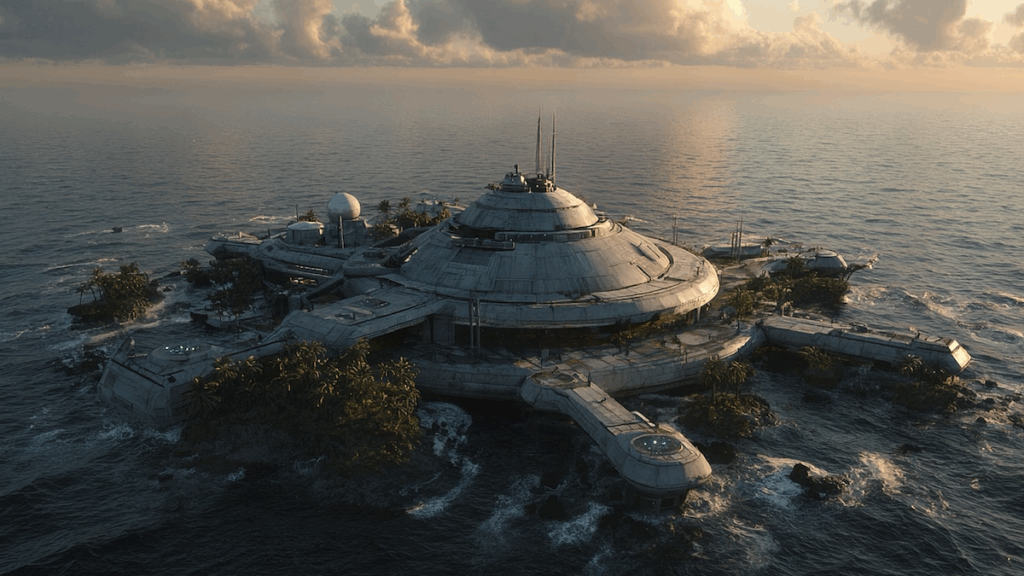
The South China Sea is one of the most contested maritime areas in the world. Smaller countries like the Philippines, Vietnam, Malaysia, and Indonesia face increasing pressure from an assertive and militarily powerful People’s Republic of China due to overlapping sovereignty claims and critical trade routes. Beijing’s maritime power projection threatens regional sovereignty and economic rights under the U.N. Convention on the Law of the Sea through its militarization of artificial islands, aggressive maritime activities, and widespread illegal fishing. To address this imbalance, claimant states should adopt asymmetric strategies that improve maritime domain awareness, defend exclusive economic zones, and impose costs on unlawful actions. One such approach is the development of maritime outposts, inspired by the Philippines’ Fort Drum in Manila Bay.
Fort Drum: A Historical Model of Maritime Defense
Fort Drum, built by the United States in the early 20th century, stands as a lasting example of ingenuity in coastal defense from a bygone era. Located at the entrance of Manila Bay, engineers transformed El Fraile Island into a reinforced concrete battleship equipped with 14-inch coastal cannons and designed to withstand heavy bombardment. Although now conceptually outdated, Fort Drum’s resilience during World War II shows the potential of maritime outposts as operational deterrents against gray-zone activities. Accordingly, its legacy provides lessons for modern asymmetric defense in the South China Sea.
Asymmetric warfare aims to impose disproportionate costs on a stronger adversary using dissimilar techniques and capabilities to enhance strengths and mask disadvantages in unexpected ways. Rather than mirroring China’s military build-up, Southeast Asian states can develop layered defenses that leverage geography, low-cost technology, and irregular operations. Recent conflicts highlight the effectiveness of this approach: Ukraine’s innovative use of drone swarms and Azerbaijan’s deployment of loitering munitions in the Second Nagorno-Karabakh War both illustrate how smaller forces can offset conventional disadvantages. Using Fort Drum as an example, these outposts should be seen as methods to maintain presence and complicate adversary maneuvers, rather than static fortresses meant to withstand and repel a direct attack. Fort Drum was carved from an island and reinforced into a concrete battleship, built to withstand direct fire and serve as a lasting deterrent at the entrance to Manila Bay. Today, such maritime outposts can embody similar permanence, signaling sovereignty and deterrence in contested waters.
Applications for Maritime Outposts
Maritime outposts can provide asymmetric advantages by engaging in a contest of perception, access, and legitimacy rather than relying solely on force and finance. They can function as launch and recovery hubs for unmanned aerial, surface, and underwater systems, and as nodes for surveillance and electronic warfare. They can also serve as forward positions for law enforcement and special operations. Instead of building expensive copies of China’s equipment and artificial islands, Southeast Asian nations could discreetly occupy and upgrade man-made and natural terrain into multipurpose nodes. This approach leverages geography and innovation without igniting an expensive arms race. The true strength of these outposts lies more in their ability to complicate Beijing’s calculations for maneuvering and risk tolerance than in their combat power. If claimant states can reliably monitor their waters, publicly expose violations, and respond quickly to gray-zone operations, they can begin to weaken China’s gradual and uncontested expansion strategy.
Such outposts also serve an important symbolic role: Their presence demonstrates sovereignty while their asymmetric capabilities challenge the idea that the South China Sea is China’s to dominate. Fort Drum’s heavily engineered infrastructure, armored turrets, and fortified internal spaces provide a historical comparison. Its resilience against overwhelming force can inspire the design of modern retractable bays and repair facilities to maintain persistence and security just as Fort Drum protected its crew and its shores.
Drone Launch and Recovery
Low-cost aerial and maritime drones can provide persistent intelligence, surveillance, and reconnaissance capabilities, conduct targeted strikes, and overwhelm enemy defenses. By equipping such outposts with launch, recovery, and data uplink capabilities for drones, claimant states can continuously monitor their maritime territories. These outposts can serve as either forward operating bases or part of a network of nodes, discreetly deploying assets into key chokepoints and surveillance zones, thereby reducing risk to personnel while complicating enemy planning.
Just as Fort Drum controlled access to Manila Bay in the early 20th century, the design of new outposts could reflect the importance of sensor and fire-control integration in today’s maritime defense. Modern equivalents could develop by deploying a dense array of electronic and acoustic sensors, thereby mirroring Fort Drum’s role as a sentinel for early warning and deterrence.
Watching and Contesting
The importance of sensor fusion and electronic warfare in modern conflicts is immense, just as the firepower and defenses of Fort Drum were crucial for coastal defense in the early 20th century. Such capabilities not only enhance detection and awareness but also provide a vital offensive edge, as seen in the Second Nagorno-Karabakh War and the ongoing conflict in Ukraine. Utilizing both passive and active sensors in the maritime domain can greatly enhance situational awareness even in degraded and contested environments.
Outposts can be equipped with hydrophones, active radar, and electro-optical/infrared cameras. These tools enable continuous surveillance and data fusion via satellite uplink to mainland fusion centers. Inspired by Ukraine’s Sky Fortress system, a low-cost microphone array for detecting drone activity, countries could deploy acoustic and pressure-based sensing poles above and below the waterline to monitor aerial, surface, and underwater activity with minimal cost and complexity.
The ability to jam, spoof, and deceive enemy systems offers both defensive protection and offensive advantages — modern adaptations of Fort Drum’s armor and coastal guns. Fort Drum’s commanding presence at the entrance of Manila Bay projected strength and sovereignty. Today, maritime outposts can replicate this psychological impact by combining physical presence with cyber and informational tools that amplify state narratives and uncover illegal activities.
Supply and Staging
Fort Drum also served as a secure logistics hub for U.S. forces moving through Manila Bay. Likewise, these outposts can act as supply depots for ships at sea and staging areas for law enforcement and special operations. Maritime outposts could act as resupply points and staging areas, expanding the operational reach of smaller navies and coast guards by providing a more cost-effective alternative to underway replenishment.
The Philippines has already expanded its coast guard and naval presence around contested waters, such as the Second Thomas Shoal, and has been continuously resupplying the Sierra Madre outpost, which faces constant Chinese pressure. Nearby outposts could offer alternative resupply options to these increasingly contested locations by reducing the visibility of sustainment vessels and cutting transit distances. These outposts can also improve security by increasing visit, board, search, and seizure missions, thereby deterring illegal fishing and protecting civilian vessels.
Cyber and Information Operations
Fort Drum demonstrates how well-placed outposts can shape the security structure of a maritime region. Likewise, interoperable maritime outposts across Southeast Asia could create a distributed network that supports regional defense without relying on traditional alliance systems. Here, as with Fort Drum, the perception of resilience can be just as vital as actual strength.
Like Fort Drum’s silhouette at Manila Bay, modern maritime outposts could project resilience through their capabilities and informational influence. When properly manned and equipped, they can reinforce those countries’ narratives by recording, publicizing, and countering illegal activities. The Philippines has already used transparency campaigns to expose Chinese harassment of its vessels, gaining international support. A network of outposts that combines information operations with daily activities would enhance this effect, turning surveillance into strategic leverage. After all, amplifying the success of one’s resistance while exposing an adversary’s misconduct is just as important as achieving those successes, especially when facing a stronger opponent that ignores international laws and norms.
Therefore, these outposts should include a cyber and signals exploitation team by assigning a small, rotating group trained in using commercial tools to scan maritime communications, spoof enemy positioning systems, and monitor illegal fishing activities. In addition to maritime domain awareness, they should help protect civilian vessels to promote adherence to international norms.

Sustainment Considerations
Such outposts could adopt a decentralized operational approach, similar to Ukraine’s “flat war” concept. In this model, rotational detachments should be empowered to act decisively, ensuring adaptability and resilience. Additionally, they should have the independence to acquire, modify, and deploy kinetic and non-kinetic systems in response to rapidly evolving operational needs. This can be supported by on-site 3D printing labs, basic drone assembly workshops, and direct procurement channels to commercial vendors, bypassing complex procurement processes.
Security Framework and Regional Considerations
The Association of Southeast Asian Nations operates on consensus and non-interference, making collective defense or joint military action under its banner highly unlikely. Instead, claimant states can build and maintain maritime outposts within their own territories and exclusive economic zones while keeping them interoperable through existing partnerships. When it comes to treaty allies such as the Philippines, Japan, Australia, and members of NATO with territory in Asia (most notably France), the United States could provide funding and technical assistance through ongoing maritime security cooperation programs. Bilateral and multilateral exercises that include these outposts would show persistence and cooperation without creating a formal alliance. This decentralized model, grounded in international law, would strengthen deterrence while avoiding charges of militarization.
Any effort to build or adapt structures in contested waters carries diplomatic risks, since even defensive measures may be portrayed as provocative. To reduce that risk, outposts should also serve as fisheries enforcement and environmental monitoring centers, aligning with regional norms and international commitments. Framed in this way, they would appear as cooperative mechanisms, enhancing legitimacy and drawing external support without provoking conflict.
The outcome would be a network of interoperable outposts that operate independently but share a common purpose. Such a system would reflect the principles of gradualism, non-alignment, and strategic autonomy while weaving together a web of maritime sensors and surveillance platforms. This network would bolster deterrence and improve awareness across multiple domains in the South China Sea.
Fixed in Geography, Yet Enhancing Operational Mobility
Critics will inevitably recall many historical examples of fixed defenses failing against more mobile adversaries. However, these maritime outposts are not solid fortresses designed to repel more powerful and agile opponents. Instead, they should be viewed as maritime patrol bases focused on extending operational reach by gathering intelligence, deterrence, and targeting. They are asymmetric tools intended to enhance the maneuver of maritime forces that are presently poorly matched against Chinese capabilities. These outposts are built for ongoing competition, not a decisive battle. By hosting unmanned systems, sensors, and information operations units, these outposts enable Southeast Asian states to challenge China’s gray-zone activities within a realistic timeframe and without the high costs and extended timelines for acquiring fifth-generation aircraft or expanding blue-water navies. Their strength does not come from confronting force with force but from persistence, visibility, and exposure of illegal actions. Fixed in location but flexible in function, they turn terrain into advantage and presence into influence, demonstrating that such outposts can operate effectively within the competition continuum at sea without the enormous costs of matching force for force.
Conclusion
Fort Drum’s legacy provides a framework for asymmetric operations in contested waters. By transforming maritime geography into resilient outposts that host unmanned systems, sensors, information operations, and security forces, Southeast Asian states can impose costs on Chinese coercion without the high expense of matching its naval buildup ship for ship. Modern Fort Drums do not need to be concrete battleships bristling with guns. They should be flexible nodes that extend security and complicate adversary planning. In today’s contested seas, perception, resilience, and the ability to detect and report are just as crucial as firepower and armor. Reimagined maritime outposts, inspired by Fort Drum’s ingenuity, can form a constellation of defenses that protect sovereignty, enhance maritime domain awareness, and support the rules-based order in the Indo-Pacific.
Ron J. Lienhardt is a Marine Corps infantry officer and Southeast Asia foreign area officer currently serving as the operations officer of the Office of Defense Cooperation at the U.S. Embassy in Kuala Lumpur. Before assuming this role, he served as a rifle company commander and fires and effects coordinator as 1st Battalion 3rd Marines transitioned to become 3rd Littoral Combat Team: the infantry and fires component of the first-ever Marine littoral regiment.
The views expressed in this article are those of the author. They do not represent the views, policies, or positions of the Marine Corps, the Department of Defense, or any part of the U.S. government.
**Please note, as a matter of house style, War on the Rocks will not use a different name for the U.S. Department of Defense until and unless the name is changed by statute by the U.S. Congress.
Image: Midjourney
댓글
댓글 리스트-
작성자Minowski(김유철) 작성시간 25.09.25 최근 베트남이 인공섬 건설을 가속화하던데 이게 기폭제가 되면, 건설능력이야 중국이 압도적이라도 각 국이 우후죽순처럼 인공섬 건설하면서 일일이 대응못해서 관심과 자원이 분산되는 상황이 나올 것도 같네요. 위의 기고문도 그런 상황을 의도적으로 만들어보자는 관점으로 이해됩니다.
-
답댓글 작성자위종민 작성자 본인 여부 작성자 작성시간 25.09.25 한국도 중국이 서해 중간선에 구조물 설치하는 등 도발을 일삼으니 격렬비열도나 홍도 등 서해의 섬에 저런 해상 GP 정도는 만들어야 하지 않을까 싶습니다.
-
작성자withoutlove 작성시간 25.09.26 포트 드럼이야기가 나왔는데 태평양전쟁때 이요새의 거대주포가 실전에서 발사된적이 있나요? 미군이 필리핀에 다시 들어올때 화공으로 요새 내부를 통구이로 만든적은 있죠.
-
답댓글 작성자백선호 작성시간 25.09.26 넵 있죠.
On the night of 5 May, the 14-inch batteries of Fort Drum opened fire on the second wave of the Japanese forces assaulting Corregidor, sinking several troop barges and inflicting heavy casualties.[22]
https://en.m.wikipedia.org/wiki/Fort_Drum_(Philippines)