랜드에 실린 글인데, 서방 국가들이 2000년대 들어 테러와의 전쟁에 시간을 허비하는 동안, 러시아는 전자기전 능력과 교리를 계속 발전시켜왔고 우크라이나도 변화된 전장에 적응했지만 피를 대가로 지불해야 했다고 하네요.
나토는 실전적인 전자기전 훈련에 어려움이 많아 실전 경험이 모자라지만 러시아는 전장에서 다양한 전술과 기술을 시험하고 있다고 합니다.
전자기전: NATO의 블라인드 스폿이 다음 분쟁의 향방을 결정할 수 있다 코멘터리
2025년 11월 24일
영국 과학자와 기술자들이 2024년 7월 22일 영국 윌트셔 포턴다운 국방과학기술연구소 사격장에서 영국 육군 전투 차량에서 고출력 레이저 에너지 무기를 발사하고 있다. 이 이미지는 적외선 영상과 일반 영상을 결합해 제작되었다. 영국 과학자와 기술자들이 2024년 7월 22일 영국 윌트셔 포턴다운 국방과학기술연구소 사격장에서 영국 육군 전투 차량에서 고출력 레이저 에너지 무기를 발사하고 있다. 이 이미지는 적외선 영상과 일반 영상을 결합해 제작되었다.
사진: 영국 국방부, 로이터 제공
클라라 르 가가송(Clara Le Gargasson) 제임스 블랙(James Black) 작성: 클라라 르 가가송, 제임스 블랙
우크라이나 전쟁은 서방 군대가 오랫동안 소홀히 다뤄온 중요한 전장을 드러냈다. 바로 전자기전(EW)이다. 통신이 교란되고, 드론이 눈을 멀며, 정밀유도무기가 빗나가는 이 보이지 않는 전장(戰場)을 누가 장악하느냐가 전쟁의 결과를 결정할 수 있다. 러시아는 이를 NATO보다 먼저 이해했고, 전자기전을 활용해 우크라이나 부대를 고립시키고, 지휘 네트워크를 교란하며, 서방 시스템을 무력화하고 있다. 우크라이나는 창의적으로 적응했지만, NATO가 훈련에서 배웠어야 할 것을 전장에서 배우고 있다. 수십 년간 반군 대테러전에 집중해온 연합은 이제 현대전의 핵심 영역을 제대로 이해하지 못한 채 가장 강력한 적을 마주할 위험을 안고 있다.
이는 전자기전이 새로운 현상이라는 뜻은 아니다. 전자기 스펙트럼(EMS)은 1900년대 초 신호정보(SIGINT)의 탄생 이래 전쟁의 요소였다. 1905년 일본 제국이 러시아 제국을 격파하는 데 해군 무선 통신의 감청이 기여한 것이 한 예다. 제2차 세계대전에서는 레이더와 에니그마 해독, 냉전 시기에는 방송 전파 방해, 욤키푸르 전쟁에서는 유도체계 교란, 걸프전에서는 GPS 재밍 등이 이어졌다. 그러나 아프가니스탄과 이라크에서의 전쟁 속에서 대테러전에 집중하게 되면서, 서방 군대는 대규모 국가 간 전쟁에서 중요한 기술인 전자기전을 점차 뒷전으로 밀어냈다.
지난 5년 동안 전자기전은 나고르노-카라바흐 2차 전쟁, 우크라이나 전쟁, 가자지구 전투, 홍해, 이란 등 최근 분쟁에서 핵심적 역할을 하며 전쟁 영역으로서 다시 주목받았다. 현대의 전자기전은 단순한 재밍을 넘어 지휘통제 기능 약화, GPS 및 표적 획득 체계 교란, 통신 도청 및 스푸핑, 그 반대 공격에 대한 방어 등을 포함한다. 센서, 위성, 네트워크 기반 체계에 의존하는 디지털화된 군대가 전장에서 효과적으로 작동하기 위해서는 EMS의 장악이 필수다.
디지털화된 군대가 전장에서 효과적으로 작동하기 위해서는 EMS의 장악이 필수다.
서방과 달리, 러시아는 1990~2000년대에 전자기전에서 방향을 틀지 않았다. 러시아는 세계에서 가장 진보한 전자기전 능력 중 일부를 개발해왔다. 현재 러시아는 자국 및 동맹국 영토 전반에 400개 이상의 레이더 사이트를 보유하고 있으며(제인스, 2025), 최소 14개의 군 전자기전 부대를 운영하고 있다. 러시아는 Krasukha-4, Moscow-1 같은 이동식 전술 EW 장비, 300km 사거리의 Murmansk-BN 지상 기반 재머, Divnomorye 공중 레이더 재머, Mi-8MTPR-1과 같은 헬기 장착형 지대공 미사일 레이더 재머 등 다양한 시스템을 보유하고 있다. 전자기전은 러시아 군 구조와 교리에 깊숙이 통합돼 있다.
러시아가 우크라이나에서 선호하는 전략은 전자기전을 활용해 우크라이나의 위치를 탐지하고 고립시킨 뒤, 포병 화력으로 압도하는 방식이다. 러시아는 또한 우크라이나의 통신을 약화시키고, GPS나 레이더, 드론의 서브시스템을 방해하거나 완전히 무력화한다. 특히 2022년 이후, 우크라이나는 러시아 전자기전에 대응하고 자체적으로 전자기전 공격 체계를 운용하는 방식을 발전시켜 왔다. 양측 모두 우위를 확보하기 위한 빠른 혁신 경쟁을 벌이고 있다.
러시아의 크고 성숙한 전자기전 전력은 NATO의 전자기전 능력과 뚜렷한 대조를 이룬다. NATO 통합 방공·미사일 방어 정책에 따르면, 연합은 평시에도 전자기전 작전을 수행할 권리가 있다. 그러나 이는 국제법 적용을 받으며 정치적 승인이 필요하다. 실제로 이는 훈련, 시뮬레이션, 시험에 그치게 만들어 NATO군에 전자기전 실전 경험이 부족해지는 결과를 초래했다. 반면 러시아는 실제 전장에서 다양한 전술과 기술을 시험하며, 능력 향상 방법과 투자 우선순위에 대한 통찰을 얻고 있다.
정책 브리핑 뉴스레터 구독 이메일 이메일 주소 구독
미국에 대한 NATO의 의존도(PDF)는 문제를 더욱 악화시킨다. 미국은 공중 및 우주 기반 자산을 통한 전자정보(ELINT) 수집, 위협 라이브러리 데이터 관리, 적 방공망 전자억제(SEAD), 재밍 등 핵심 EW 능력을 제공한다. 그러나 두 번째 트럼프 행정부가 마약과의 전쟁 및 인도-태평양에 우선순위를 두면서 이 의존도는 전략적 취약성이 되었다. NATO의 미국 의존은 러시아에게 유럽 NATO의 상대적 약점을 신호하며, 이는 억제력을 약화시키고 크렘린이 유럽의 방어 체계를 시험해 보게 만들 위험을 높인다.
일부 NATO 회원국은 이런 전력 격차를 인식하기 시작했다. 4월, NATO와 우크라이나는 장비·훈련·교리를 교환하기 위한 새로운 전자기전 연합(EW Coalition)을 설립해 현재 13개국이 서명했다. 이 연합은 NATO가 전자기전 분야에서 겪고 있는 지식 격차를 줄이는 데 도움이 될 것이며, 동맹국들이 어떤 기술 체계를 확보해야 하는지 이해하는 데에도 기여할 것이다. 그러나 전자기전 능력 구축은 시간이 걸릴 것이며, 이를 제대로 운용할 전문 기술과 경험도 부족하다.
NATO는 미국의 장비·전문성·참여가 있든 없든 EMS에서 러시아와 싸울 준비가 되어 있음을 보여줘야 한다. 이를 위해서는 유럽 NATO 회원국들이 전자기전 전문성, 장비, 인프라에 투자해 미국의 후퇴나 타 전장 우선순위 변화에도 대비할 수 있는 회복력을 확보해야 한다.
유럽 NATO 회원국들은 미국의 후퇴나 타 전장 우선순위 변화에도 대비할 수 있도록 EW 전문성, 장비, 인프라에 투자해야 한다.
이는 NATO 기획 및 역량 목표에서 전자기전에 대한 야심을 더 우선시하고, 국방비 5% 목표를 기반으로 투자해야 함을 의미한다. 또한 더 많은 국가들이 우크라이나와의 EW 연합에 가입하도록 장려하고, NATO 및 각국의 훈련과 워게임에 EMS 전장 요소를 체계적으로 통합해 통신·센서·GPS가 교란된 상태에서도 작전하게 하는 환경을 의무화해야 한다. 여기에 더해, 외부 의존도를 줄이기 위해 전자기전 부품의 유럽 공급망을 강화하는 것도 포함된다.
유럽 NATO가 이 문제를 해결하는 방식이 무엇이든, 그 대응은 빠르고 분명해야 한다. 러시아와의 직접 충돌 위험은 줄어들지 않고 있으며, 유럽은 전자기전 영역에서 뒤처질 여유가 없다. 연합은 EMS를 포함한 모든 영역에서 싸워 이길 준비가 되어 있음을 보여줘야 한다.
링크드인 공유 X 공유 페이스북 공유
Electromagnetic Warfare: NATO's Blind Spot Could Decide the Next Conflict | RAND
Electromagnetic Warfare: NATO's Blind Spot Could Decide the Next Conflict
Commentary
Nov 24, 2025
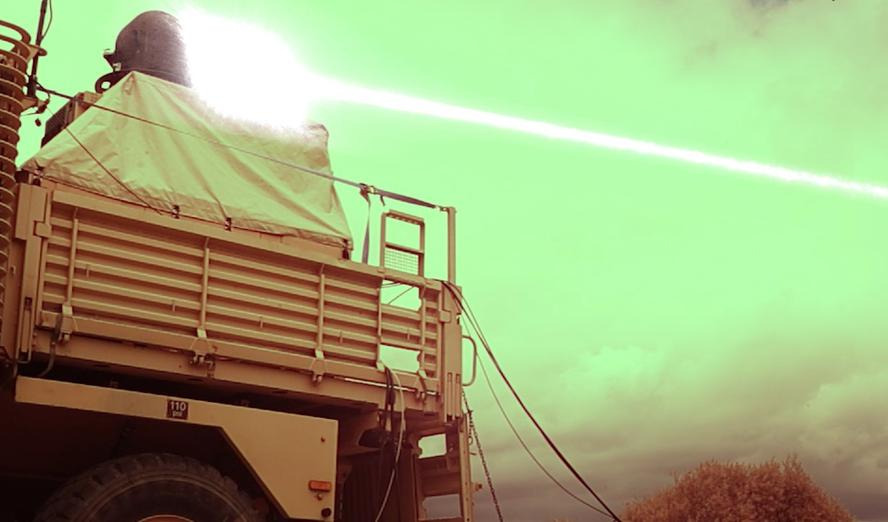
British scientists and engineers fire a high-powered laser energy weapon from a British Army combat vehicle at the Defence Science and Technology Laboratory range, Porton Down, Wiltshire, United Kingdom, July 22, 2024. This image was created by combining infrared and regular footage.
British scientists and engineers fire a high-powered laser energy weapon from a British Army combat vehicle at the Defence Science and Technology Laboratory range, Porton Down, Wiltshire, United Kingdom, July 22, 2024. This image was created by combining infrared and regular footage.
Photo by United Kingdom Ministry of Defense via Reuters
Clara Le Gargasson
James Black
By Clara Le Gargasson and James Black
The war in Ukraine has exposed a critical front long neglected by Western militaries: electromagnetic warfare (EW). Control over this invisible battlespace, where communications are jammed, drones blinded, and precision weapons thrown off course, can decide the outcome of a conflict. Russia has understood this sooner than NATO, using EW to isolate Ukrainian units, disrupt command networks, and neutralize Western systems. Ukraine has adapted with ingenuity, but it is learning in combat what NATO should have learned in training. After decades focused on counterinsurgency, the Alliance now risks confronting its most capable adversary without mastery of a defining domain of modern warfare.
This is not to say that EW is a new phenomenon. The electromagnetic spectrum (EMS) has been an element of warfare since the early 1900s and the birth of signals intelligence (SIGINT), when the interception of naval radio transmissions helped Imperial Japan to defeat Tsarist Russia in 1905. The EMS was gradually instrumentalised in different ways: via radar and the interception and cracking of Enigma in World War 2, radio broadcast jamming in the Cold War, guidance systems jamming in the Yom Kippur War, and GPS jamming in the Gulf War. But despite periodic discoveries of new and varied ways to use EW, Western militaries deprioritised such technologies in the wars in Afghanistan and Iraq, as part of a broader shift away from large-scale, state-on-state warfighting towards counterinsurgency.
Over the last five years, EW has gained renewed prominence as a warfighting domain through its crucial role in recent conflicts, such as the Second Nagorno-Karabakh War, the war in Ukraine, the fighting in Gaza, the Red Sea, and Iran. Modern EW involves more than simple jamming: it can degrade command and control, disrupt GPS and targeting systems, intercept and spoof communications, and safeguard against similar attacks in turn. Mastery of the EMS is now essential for digitalised militaries dependent on sensors, satellites, and networked systems to function effectively under fire.
Mastery of the EMS is now essential for digitalised militaries dependent on sensors, satellites, and networked systems to function effectively under fire.
Unlike the West, post-Soviet Russia did not pivot away from EW in the 1990s and 2000s. It has developed and is continuing to develop some of the most advanced EW capabilities in the world. Today, Russia has over four hundred radar sites spread across its and its allies' territories (Janes, 2025), and at least fourteen military EW units. It possesses mobile tactical EW equipment, such as the Krasukha-4 and Moscow-1 systems; ground-based, 300-kilometer-range jammers like the Murmansk-BN (theoretically able to limit high-frequency radio communications for most of the theatre); airborne radar jammers like the Divnomorye; surface-to-air missile radar jammers like the helicopter-mounted Mi-8MTPR-1. EW is deeply embedded in Russian military formations and doctrine.
Russia's favoured strategy in Ukraine is that of using EW to find and isolate Ukrainian positions, before overwhelming them with artillery fire. Russia also uses EW to degrade Ukrainian communications, jam GPS, radars, or subsystems on Ukrainian drones—or indeed, to fully disable them. Since 2022 especially, Ukraine has developed ways to defend itself from Russian EW and to use EW systems offensively—with rapid innovation on both sides in pursuit of windows of advantage.
Russia's large, mature EW arsenal stands in stark contrast to NATO's EW capabilities. Under the NATO Integrated Air and Missile Defence Policy, the Alliance has the right to conduct EW operations in peacetime. However, this use would be subject to international law and require political approval. In practice, this limits activity to exercises, simulation, and testing, offering little EW warfighting experience to NATO forces. Russia meanwhile is testing out different tactics and technologies on an active battlefield, learning how to improve their capabilities, and gaining insight into where further investment would lead to the most useful innovations.
Subscribe to the Policy Currents newsletter
Email
Email Address
Subscribe
NATO's dependence on the United States (PDF) compounds the problem. The United States provides critical EW capabilities, such as intelligence (ELINT) collection via airborne and space-based assets, threat library data centralisation and management, electronic suppression of enemy air defences (SEAD), and jamming. With the second Trump administration prioritising the war on drugs and the Indo-Pacific theatre, this dependency has become a strategic vulnerability. NATO's reliance on the United States signals to Russia the comparative weakness of European NATO in this increasingly decisive dimension of warfare, undermining deterrence and increasing the risk that the Kremlin attacks Europe's defences and tests its resolve in future.
There are signs that this capability gap has started to be understood by some NATO members. In April, NATO and Ukraine established a new EW Coalition to formalise the exchange of equipment, training, and doctrine among thirteen current signatories. The Coalition will go some way towards bridging the knowledge deficit that NATO suffers in EW matters and help Allies gain a better understanding of what sort of technical systems they should be looking to acquire for themselves. But deep EW capability will take time to develop, especially when the specialist skills and experience to make use of that materiel properly are in short supply.
NATO must show that it will be ready and able to fight Russia in the EMS with or without the United States' equipment, expertise, and participation. To achieve this, European NATO members must invest in EW expertise, materiel, and infrastructure to ensure resilience to U.S. retrenchment or distraction in other theatres.
European NATO members must invest in EW expertise, materiel, and infrastructure to ensure resilience to U.S. retrenchment or distraction in other theatres.
That means prioritising more ambition on EW in NATO planning and capability targets, building on the new 5 percent GDP target for defence spending. It also involves encouraging more countries to join the EW Coalition with Ukraine and making the systematic integration of the EMS dimension of warfare into NATO and national exercises and wargames mandatory—testing to failure, forcing troops to get used to operating with degraded comms, sensors, or GPS. Additionally, it requires strengthening European supply chains for EW components to reduce external dependencies.
However European NATO chooses to deal with this issue, its response must be fast and visible. The threat of direct conflict with Russia is not abating and Europe cannot afford to lag in the electromagnetic domain. The Alliance needs to demonstrate that, across every domain including the EMS, it is ready and able to fight and win.
Share on LinkedIn
Share on X
Share on Facebook