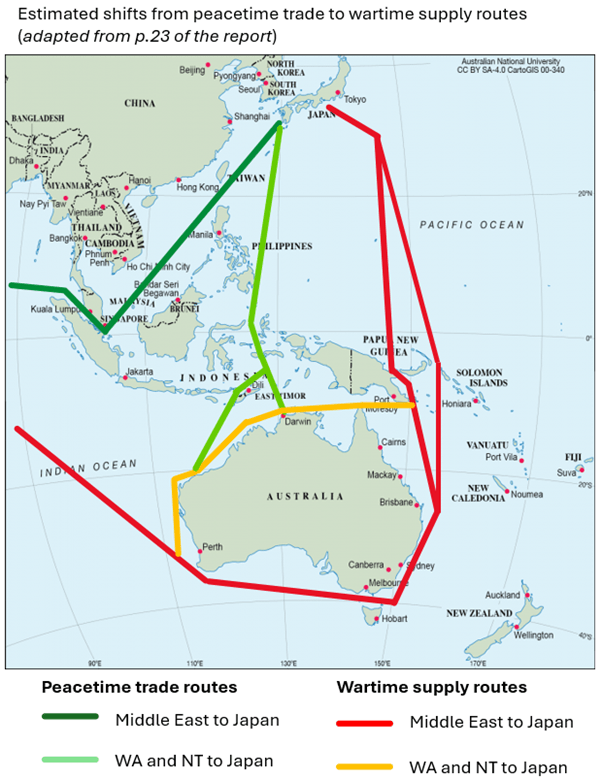
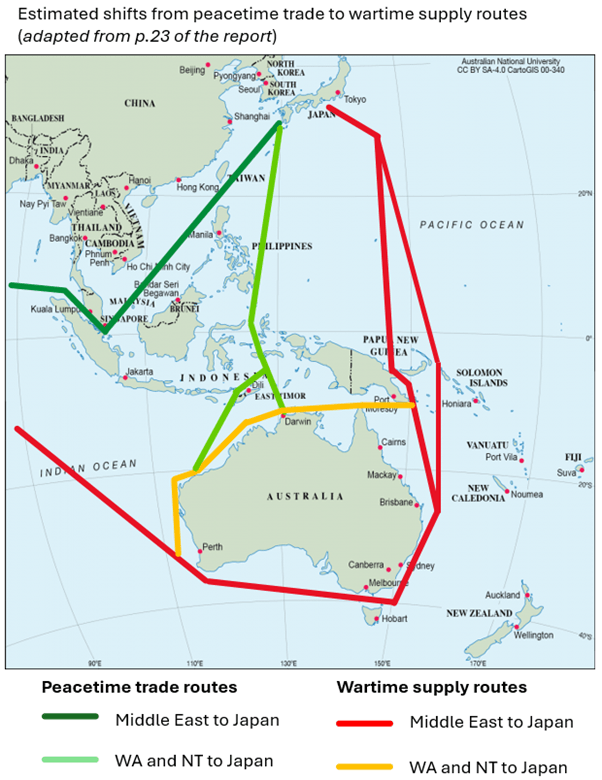
태평양에서 분쟁이 벌어져 말래카해협 항로가 위험해지면 호주를 우회해 파푸아 뉴기니를 통과하는 항로가 전쟁 수행에 매우 중요해지는데, 이 해역에서 호주와 일본의 협력이 필요하다는 주장입니다.
파푸아 뉴기니 - 솔로몬 제도에서 협력하는 호주와 일본이라... ㅎㅎㅎ Iron Bottom Sound에 철조각들이 더 추가되려나요.
호주와 일본은 다음 전쟁의 향방을 좌우할 수 있는 해상 항로를 확보해야 한다 2025년 12월 12일 | 알렉스 브리스토우, ASPI 연구원 공유 이 게시물 인쇄
호주와 일본은 태평양에서 핵심 해상교통로(SLOC)를 보호하는 부담을 분담해야 한다. 오늘 발표된 ASPI 특별 보고서 『태평양에서의 일본-호주 국방 협력: 부분적 역할 분담의 필요성』에서 나는, 이는 지금 억지력을 강화하고 중국이 촉발할 수 있는 지역 전쟁의 가능성이 커지고 있는 상황에 대비하기 위해 필요하다고 주장한다. 그러한 분쟁에서 미국은 중국과의 전투에 집중할 가능성이 높으며, 동맹국들이 자국의 공급망 보호 부담 상당 부분을 떠맡기를 기대할 것이다.
분쟁 시 말라카 해협, 순다 해협, 롬복 해협을 통과하는 것이 지나치게 위험해질 경우, 호주를 돌아 파푸아뉴기니 섬들 사이의 비티아즈 해협을 통과하는 장거리 항로는 동북아시아로 연료와 기타 보급품을 수송하기 위한 핵심 해상 항로가 된다. 만약 그 남북 해상 항로가 중국에 의해 차단된다면—중국 군이 태평양 도서 기지에서 작전할 수 있다면 그렇게 할 역량은 더 커질 것이다—일본은 효과적인 전투를 지속할 수 없게 될 수 있으며, 이는 전쟁의 향방을 결정지을 수 있다. 동일한 논리는 한국과 대만에도 적용된다.
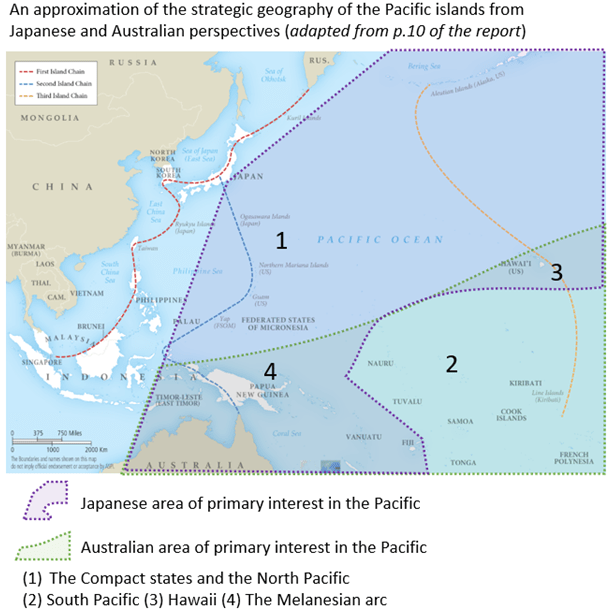
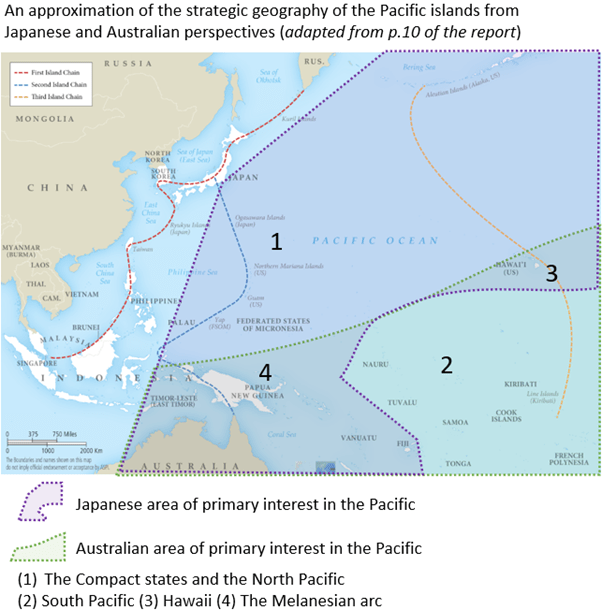
이 보고서는 태평양을 네 개의 구역으로 나누고, 호주와 일본의 전략적 이해관계에 가장 중요한 지역이 어디인지 강조한다. 지리적 조건상 일본은 미크로네시아에서 중국을 견제하는 데 더 많은 주의를 기울여야 하며, 이 지역에서 미국과 긴밀히 협력한다. 반면 호주는 뉴질랜드와 협력해 폴리네시아에서 더 두드러진 역할을 수행해야 한다. 일본과 호주의 이해관계가 가장 크게 겹치는 곳은 멜라네시아다. 협력의 필요성이 가장 큰 곳은 파푸아뉴기니(PNG)와 솔로몬 제도로, 이들은 호주 동해안과 일본을 잇는 핵심 SLOC를 양옆에서 끼고 있거나 평행하게 놓여 있어 병목 지점을 형성한다.
보고서는 다음을 포함한 몇 가지 핵심 권고를 제시한다.
— 호주와 일본은 전시 역할 분담에 대한 공동 비상계획 수립을 위해 미국과 협력해야 하며, 삼자 국방장관회의를 주요 조정 메커니즘으로 삼아야 한다. 부차적 우선순위로 한국, 필리핀, 대만과의 협의도 확대돼야 한다.
— 호주와 일본의 장관 및 관료들은 태평양 국가들과 비공개적으로 분쟁 대비 문제를 제기할 기회를 모색해야 한다. 각국이 태평양 파트너들과 개별적으로 교류하는 경우가 많겠지만, 메시지는 조율돼야 한다.
— 이러한 논의의 일부 위험과 민감성을 관리하기 위해, 싱크탱크와 연구기관도 도움이 되는 역할을 할 수 있으며, 정부 관계자와 비정부 전문가가 함께 참여하는 트랙 1.5 메커니즘의 확대를 통해 일본, 호주 및 더 넓은 태평양과의 교류를 추진할 수 있다. ASPI는 이 분야에서 선도적 역할을 해왔다.
— 호주는 중국이 따라오려 시도할 수 있는 경로를 이러한 포럼에 만들지 않도록 유의하면서, 태평양 안보 공동 수뇌회의(Joint Heads of Pacific Security Meeting)와 남태평양 국방장관회의(South Pacific Defence Ministers’ Meeting) 같은 기존의 지역 안보 협력 메커니즘에 일본이 더 깊이 관여하도록 돕는 데 기여해야 한다.
— 호주는 일본이 포트모르즈비에 국방무관을 설치하기 위한 기반을 마련하는 데 도움을 줄 수 있다. 결정은 전적으로 PNG와 일본에 달려 있지만, 두 나라 모두와 긴밀한 국방 관계를 맺고 있는 호주가 논의의 일부가 될 것이다.
호주와 일본은 이러한 목표를 달성하기 위해 태평양 국가들의 주권을 존중하고 지원하면서 인내심을 갖고 협력해야 한다. 역할 분담에 대한 어떤 공개적 선언도 중국 공산당 선전가들을 포함한 비판자들에 의해, 호주와 일본이 여전히 식민지적 사고방식을 유지하며 태평양 국가들의 주체성을 무시한 채 지역을 영향권으로 나누고 있다는 증거로 인용될 것이다.
그럼에도 불구하고, 역할 분담의 전략적 윤곽은 공개적으로 인정되지 않더라도 식별 가능하고 효과적일 수 있다. 태평양의 지도자들은 이미 일부 국가들이 태평양의 특정 지역에 더 집중한다는 점을 인식하고 있으며, 예컨대 뉴질랜드는 폴리네시아에 집중한다. 많은 고위 인사들 또한 베이징의 목표와 활동에 대해 우려를 제기하고 있는데, 파푸아뉴기니 국방장관 빌리 조지프가 6월 ASPI 국방 콘퍼런스에서 그랬다.
트럼프 행정부의 국가안보전략은 인도-태평양에서의 미국 후퇴에 대한 우려를 누그러뜨렸다. 그럼에도 불구하고, 캔버라와 도쿄는 세계와의 해상 연결을 확보하기 위해 함께 협력한다면 더 강한 입지와 더 큰 주도권을 갖게 될 것이다. 이것이 태평양에서 양국 간 국방 협력 확대를 주장하는 핵심이다.
저자 알렉스 브리스토우는 ASPI의 선임 분석가다.
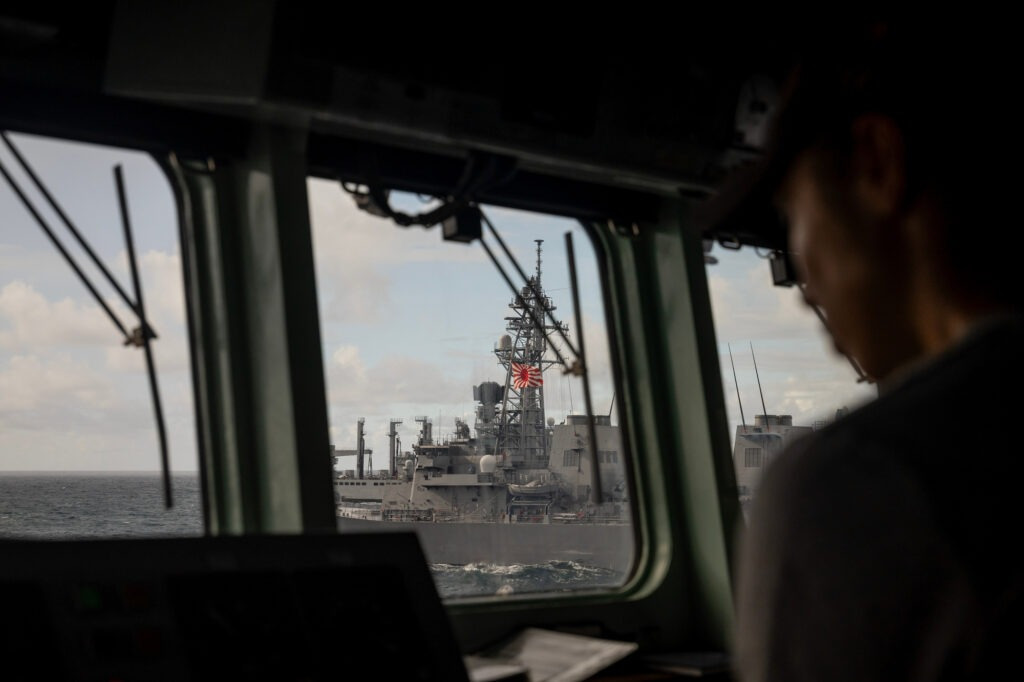
이미지: HMAS 스튜어트의 함교 창을 통해 본 일본 해상자위대 JS 아리아케: 리키-리아 필립스/국방부.
Australia and Japan should secure the sea lanes that could decide the next war | The Strategist

Australia and Japan should secure the sea lanes that could decide the next war
12 Dec 2025|Alex BristowASPI staff
SHARE
Australia and Japan should split the burden of protecting critical sea lines of communication (SLOC) in the Pacific. In an ASPI special report published today, Japan-Australia defence cooperation in the Pacific: The case for a partial division of labour, I argue that this will be necessary to reinforce deterrence now and prepare for the growing possibility of a regional war instigated by China. In such a conflict, the United States would likely be focused on fighting China and would expect allies to shoulder much of the burden of protecting their own supply chains.
If it becomes too risky to pass through the Malacca, Sunda and Lombok straits in a conflict, the long route around Australia and through the Vitiaz Strait between the islands of Papua New Guinea becomes a vital sea lane to bring fuel and other supplies to Northeast Asia. If that north-south sea lane were cut by China—which it would have greater capacity to do if the Chinese military could operate from Pacific island bases—it could render Japan unable to continue fighting effectively, which could decide the course of the war. The same logic applies to South Korea and Taiwan.
The report divides the Pacific into four zones and highlights which areas matter most for Australia’s and Japan’s strategic interests. Geography dictates that Japan must pay more attention to countering China in Micronesia, where it works closely with the US, while Australia should play a more prominent role working with New Zealand in Polynesia. Japanese and Australian interests overlap most substantially in Melanesia. The case for coordination is greatest in PNG and Solomon Islands, which both bracket or run parallel to the key SLOC between the east coast of Australia and Japan, forming a chokepoint.
The report makes several key recommendations, including:
—Australia and Japan should engage the US in joint contingency planning for a wartime division of labour, with the Trilateral Defence Ministerial Meeting serving as the primary coordination mechanism. As a secondary priority, consultations should extend to South Korea, the Philippines and Taiwan.
—Australian and Japanese ministers and officials should look for opportunities to raise conflict-preparedness issues privately with Pacific governments. While each country will often engage Pacific partners separately, their messaging should be coordinated.
—To manage some of the risks and sensitivities of such discussions, think tanks and research institutions could also play a helpful role, including through the expansion of track 1.5 mechanisms, which involve government officials as well as non-government experts, to engage Japan, Australia and the wider Pacific. ASPI has led the way doing this.
—Australia should help Japan deepen its engagement with existing mechanisms for regional security cooperation, such as the Joint Heads of Pacific Security Meeting and the South Pacific Defence Ministers’ Meeting, while being mindful not to establish pathways into these forums that China could attempt to follow.
—Australia could help lay the groundwork for Japan to establish a defence attache in Port Moresby. While the decision rests solely with PNG and Japan, Australia’s close defence ties with both countries mean it would form part of the discussion.
Australia and Japan must work patiently with Pacific countries, respecting and supporting their sovereignty, to achieve these goals. Any public declaration of a division of labour would be cited by critics, including Chinese Communist Party propagandists, as evidence that Australia and Japan supposedly retain a colonial mindset and are carving the region into spheres of influence without regard for Pacific agency.
Even so, the strategic contours of a division of labour could be discernible and effective without being openly acknowledged. Pacific leaders already recognise that some countries focus more on certain parts of the Pacific, as New Zealand does in Polynesia. Many senior figures are also raising concerns about Beijing’s aims and activities, as PNG’s Minister for Defence Billy Joseph did at ASPI’s Defence Conference in June.
The Trump administration’s National Security Strategy has allayed concerns about US retrenchment in the Indo-Pacific. Even so, Canberra and Tokyo will be in a stronger position and have greater agency if they work together to secure their maritime connections to the world. This is the crux of the case for their greater defence cooperation in the Pacific.
Author
Alex Bristow is a senior analyst at ASPI.
Image of Japan Maritime Self-Defense Force JS Ariake seen through the bridge windows of HMAS Stuart: Rikki-Lea Phillips/Department of Defence.