미-이란 MOU는 전쟁을 하게 만든 이유도, 전쟁을 끝내게 만들 최종적인 합의도 도출하지 못했다는 RUSI의 주장입니다. 뭐 MOU가 그런 거긴 하죠.
미-이란 양자가 아니라 콕 집어 이스라엘이 여기에 동의하느냐가 포인트라고 지적도 하네요 ㅋㅋㅋ
평화가 아니었던 평화: 미·이란 양해각서는 영구적인 위기를 초래할 위험이 있다
Burcu Ozcelik 박사
2026년 6월 19일
9분 분량
이란 대통령 마수드 페제시키안이 테헤란에서 미국 대통령 도널드 트럼프가 서명한 후 체결된 양해각서를 들어 보이고 있다.
미국과 이란의 양해각서(MOU)는 에너지 시장의 즉각적인 불안을 완화할 수는 있지만, 가장 어려운 문제들을 뒤로 미룸으로써 위기를 종식시키기보다 오히려 고착화할 위험이 있다.
2월 28일 시작된 미국·이스라엘과 이란 간 전쟁이 발발한 지 3개월이 넘은 지금, 보도된 미국·이란 양해각서는 갈등을 끝내기보다는 새로운 국면으로 옮겨 놓고 있다. 이는 평화협정이라기보다 평화협정을 협상하기 위한 합의에 가깝고, 협상이 실패할 경우 어떤 결과가 따를지에 대한 명확한 규정도 없다.
보도된 합의문 내용이 사실이라면, 이 합의는 직접적인 군사 충돌을 초래했던 핵 프로그램, 탄도미사일, 대리세력 네트워크, 지역 안보 문제를 거의 해결하지 못했다. 대신 거의 모든 쟁점은 60일간의 협상 기간으로 미뤄졌으며, 이 기간은 연장될 가능성이 크다. 이는 정치적으로 편리한 일종의 유예 상태를 만들어내며, 트럼프 대통령의 대이란 입장이 다시 변할 수도 있는 미국 중간선거 시기까지 이어질 가능성도 있다.
David Fromkin이 제1차 세계대전 이후의 질서를 '모든 평화를 끝내기 위한 평화'라고 표현했다면, 이번 합의는 또 다른 의미를 가질 위험이 있다. 즉 '평화가 아니었던 평화'가 될 수 있다는 것이다. 따라서 가장 큰 위험은 전면전의 재발이 아니다. 물론 그 가능성은 여전히 존재한다. 더 위험한 것은 훨씬 교묘한 형태인 영구적인 외교적 미완성 상태다.
이 양해각서는 네 가지 전제 위에 서 있으며, 이것들이 장기적인 평화 정착으로 이어질지 아니면 다음 대규모 충돌을 미루는 장치가 될지를 결정하게 될 것이다.
60일이면 30년간의 미·이란 적대관계를 해결할 수 있다는 착각
첫 번째 착각은 60일이면 지난 30년간 실패했던 외교를 해결할 수 있다는 믿음이다. 보도된 양해각서는 미·이란 갈등의 핵심인 이란 핵 프로그램 제한을 어떻게 관리할 것인지, 어떤 사찰 체제를 적용할 것인지, 그리고 어떤 제재 완화를 대가로 할 것인지에 대한 근본적인 문제를 해결하지 못한 것으로 보인다. 대신 이러한 문제를 뒤로 미루고 후속 협상만 약속했을 뿐 협상의 핵심 내용은 여전히 미정이다.
이것이 중요한 이유는 협상 순서가 항상 미·이란 외교에서 가장 어려운 문제 가운데 하나였기 때문이다. 워싱턴은 핵 제한, 사찰, 역내 긴장 완화, 호르무즈 해협 항행의 자유 보장 등 이란의 선행 조치를 원한다. 반면 테헤란은 제재 완화, 동결 자산 접근, 원유 수출 허용, 군사적 압박 완화 등 경제적 혜택을 먼저 원한다. 결국 이는 서로 신뢰하지 않는 행위자들이 단지 60일이라는 임의적이고 짧은 시간 안에 신뢰를 만들어낼 것이라고 기대하는 심각한 순서상의 문제를 안고 있다.
이란은 호르무즈 해협에 대한 영향력을 입증했다. 해협이 다시 개방됐다고 해서 전쟁 이전 상태로 돌아간 것은 아니다. 전후의 현실은 오히려 더 나빠졌다.
양해각서에 내재된 수많은 위험 가운데 핵심은 60일의 협상 기간이 완전히 실패하는 것만이 아니다. 오히려 부분적으로 성공하여 한 차례, 또 한 차례 연장되면서 영구적인 위기의 패턴으로 이어질 가능성이 더 크다.
양자 간 합의가 지역 평화를 만들어낼 수 있다는 착각
지역 이해당사자들의 핵심 이해관계가 해결되지 않은 상태에서는 그들이 여전히 협상을 방해할 능력과 동기를 갖고 있기 때문에 평화협정은 실패할 수 있다. 이번 양해각서의 성공 여부는 협정 당사자가 아닌 여러 행위자들에게 달려 있다. 가장 직접적인 변수는 이스라엘이다. 만약 이스라엘이 이란이나 헤즈볼라가 전후 기간을 이용해 레바논에서 군사력을 재건하고 있다고 판단한다면, 미국이 이스라엘의 군사 행동을 실제로 억제할 수 있을까? 양해각서는 이에 대한 명확한 답을 제시하지 않으며, 최근의 군사 작전들도 그렇지 않음을 보여준다.
이란은 자신이 원하는 방식으로 전쟁을 지역화하는 데 성공했다. 미국이 협상 틀 안에 레바논 문제를 포함하도록 만들었고, 이를 통해 지역 내 영향권 전반에서 여전히 상당한 군사력 투사 능력과 거부권, 영향력을 유지하고 있음을 보여주었다. 가장 직접적인 사례는 호르무즈 해협이었다. 해협의 재개방은 전쟁 이전 상태를 회복한 것이 아니다. 오히려 전후 상황은 더 악화됐다. 이란은 수십 년 동안 위협해왔던 해협 봉쇄를 실제로 실행할 수 있다는 점을 보여주었을 뿐 아니라, 앞으로는 해협에 대한 영구적인 주권을 주장하고 통행료를 요구하는 방향까지 협상할 수 있는 위치에 설 가능성도 있다.
또한 헤즈볼라, 하마스, 이라크 민병대, 후티를 포함한 이란의 연계 무장세력은 테헤란이 명령만 하면 즉시 멈출 수 있는 단순한 도구가 아니다. 이들은 각각 독자적인 지도부와 지역적 이해관계, 정치경제적 기반을 갖고 있다. 일부는 전술적으로 협조할 수도 있고, 일부는 관망할 것이며, 또 다른 일부는 협정의 당사자가 아니라는 이유로 오히려 협정의 한계를 시험하려 할 수도 있다.
걸프 지역 역시 또 다른 어려운 문제를 안고 있다. 특히 누가, 어떤 정치적 조건 아래에서 이란의 재건 비용을 부담할 것인가 하는 문제다. 만약 제안된 3,000억 달러 규모의 재건 또는 투자 기금이 걸프 국가들의 자본에 의존한다면, 상응하는 정치적 양보나 검증 가능한 안보 보장, 또는 이란의 지역 전략 변화도 없이 걸프 국가들이 왜 이란 재건 비용을 부담해야 하는가라는 질문은 피할 수 없다.
걸프 국가들은 또 다른 전쟁을 피하는 데 이해관계를 갖고 있기 때문에 카타르를 비롯한 여러 국가들이 이번 합의 성사에 적극적으로 참여했다. 그러나 그렇다고 해서 워싱턴과 테헤란이 주도하는 조건 아래에서 이란의 재건을 지원하는 것까지 그들의 이해관계라고 볼 수는 없다.
오늘의 모호함이 내일의 유연성을 만든다는 착각
워싱턴은 이번 합의를 조건부 틀로 제시하는 것으로 보인다. 이란은 핵 제한, 사찰, 호르무즈 해협 재개방을 이행해야 경제적 혜택을 받는다는 것이다. 반면 테헤란은 같은 문서를 이란 주권의 인정, 미국의 군사적 압박 종료, 제재 완화, 경제 회복의 길로 해석한다. 양측이 무엇에 합의했는지조차 서로 다르게 이해한다면, 이행 과정은 또 다른 협상이 될 위험이 있다.
트럼프 대통령의 20개 항목 가자 평화계획은 이러한 기대를 낮추게 한다. 서류상으로는 가자지구 휴전 이후 안정화로 이어지는 로드맵이었지만, 실제로는 당사자들이 같은 약속을 서로 다르게 해석하면서 이행이 사실상 마비됐다.
이번 이란 양해각서 역시 연기된 협상, 계획이라는 이름으로 포장된 모호성, 단계적이며 검증하기 어려운 이행이라는 동일한 패턴을 반복할 위험이 있다. 이러한 모호성은 서명을 이끌어내는 데는 도움이 될 수 있다. 그러나 우라늄 농축, 고농축 우라늄 비축량, 사찰 문제가 모두 후속 협상 대상으로 남아 있는 상황에서 '핵무기 보유 금지'는 실제로 무엇을 의미하는가? 제재 완화는 원유 수출 허용, 금융 접근, 동결 자산 해제가 서로 다른 일정으로 진행된다면 무엇을 의미하는가? 이스라엘도, 헤즈볼라도, 이라크 민병대도 협정 당사자가 아닌 상황에서 지역 휴전은 무엇을 의미하는가?
경제 회복이 이란 내부의 정치적 온건화를 가져온다는 착각
제재 완화와 동결 자산 해제는 이미 중동 일부에서는 미국의 패배, 아니면 적어도 이란에 대한 사실상의 양보로 받아들여지고 있다. 이러한 인식은 과장되었을 수 있지만, 워싱턴은 이러한 정책의 전략적 이유를 충분히 설명하지 못했다. 미국은 이란이 호르무즈 해협의 항행 자유를 회복하고, 걸프 지역 기반시설에 대한 추가 공격을 자제하며, 핵 문제 후속 협상에 나서도록 유도하기 위해 경제적 혜택을 제공하고 있다고 주장하는 것으로 보인다. 그러나 가장 어려운 문제들이 해결되기도 전에 경제적 혜택을 제공하는 것은 긴장 완화를 협상력이라기보다 자제를 위한 대가처럼 보이게 만들 위험이 있다.
경제 재건은 정치적으로 중립적인 과정이 아니다. 가장 중요한 문제는 이란 내부에서 누가 유입되는 자금을 통제하고, 누가 이를 배분하며, 누가 가장 큰 이익을 얻게 되느냐이다. 이란은 이미 심각한 경제난 속에서 전쟁에 돌입했다. 일반 국민들은 높은 물가, 통화가치 폭락, 생활수준 하락, 장기간의 정치적 억압을 견뎌왔다. 이론적으로는 양해각서 이후 개혁세력과 시민사회가 제재 완화와 재건 자금을 군사력 회복이 아니라 국민 복지에 우선 사용해야 한다고 주장할 새로운 정치적 공간이 열릴 수도 있다.
그러나 이러한 가능성은 매우 불안정하며 과장해서는 안 된다. 오히려 이번 전쟁은 기존의 성직자 중심 혁명 체제가 점점 더 강력해진 이슬람혁명수비대(IRGC)와 결합하는 혼합 정치체제를 강화시켰다. 이러한 체제에서는 제재 완화가 재건 계약과 투자, 해외 자본 접근을 장악할 수 있는 세력을 더욱 부유하게 만들 가능성이 높다.
만약 재건 자금과 동결 해제 자산이 불투명한 경로를 통해 혁명수비대 계열 기업이나 정치적으로 연결된 중개인들에게 흘러간다면 결과는 온건화가 아니다. 오히려 더 많은 자금을 확보한 체제의 강화가 될 가능성이 높다. 경제 회복은 책임성, 투명성, 권력 재분배가 함께 이루어질 때에만 정치적 변화를 뒷받침할 수 있다.
미국에는 전략이 있는가?
1979년 이후 이어져 온 미·이란 갈등은 직접 충돌이 발생하면 결국 이슬람 공화국의 강압적 권력이 붕괴하거나, 반대로 미국의 압력을 견뎌낼 수 있는 이란의 능력이 입증될 것이라는 기대를 낳아왔다. 그러나 어느 쪽도 현실이 되지 않았다. 적어도 현재까지 전쟁은 모호한 상태에서 끝났다. 이러한 결과와 그 전략적 의미를 설명할 수 있는 몇 가지 가설이 존재한다.
미국은 시간을 벌고, 트럼프 대통령이 말한 '대공황 수준의 경제적 재앙'을 피하며, 호르무즈 해협 재개방을 최우선 목표로 삼고 있는 것일 수 있다. 이번 양해각서는 군사 행동의 가능성을 유지하면서도 다시 한 번 외교에 기회를 주려는 트럼프 대통령의 방향 전환을 반영하는 것으로 보인다. G7 정상회의가 끝난 뒤 트럼프는 "합의를 위반하면 그들을 철저히 폭격할 것"이라고 말했다. 반면 이란은 적대행위 종료를 통해 체제 생존을 주장하고, 제재 완화와 경제적 혜택을 확보하며, 글로벌 사우스에서의 위상을 극대화할 수 있게 됐다.
워싱턴은 이제 다른 접근을 시도하는 것일 수도 있다. 이란을 점진적으로 세계 경제에 통합하고, 석유·가스 산업에 대한 투자를 장려하며, 장기적인 재통합과 궁극적인 관계 정상화를 추진하려는 것이다.
거시적 차원에서는 국제질서의 광범위한 재편이 진행되고 있으며, 이란 위기의 종식은 그 거대한 변화의 일부에 불과하다. 미국의 중동 정책은 이란을 더 이상 핵심 전략 과제로 보지 않고, 중국과 러시아 같은 강대국 경쟁에 전략적 관심을 집중하려는 방향으로 변화하는 것으로 보인다. 이러한 관점에서 이란은 더 이상 미국이 직접 해결해야 할 핵심 문제가 아니라, 점점 더 중동 지역 국가들이 관리해야 할 문제가 되고 있다. 단기적으로 '탈미국 중동'이 등장하지는 않을 것이다. 미국은 여전히 군사적으로 존재감을 유지하고, 외교적으로 영향력을 행사하며, 경제적으로도 중요한 역할을 할 것이다. 동시에 걸프 국가들은 유럽, 중국, 튀르키예, 인도 등과 국방, 정보, 에너지, 기술 분야의 협력을 계속 확대할 것이며, 이러한 다변화는 시간이 걸릴 것이고 하루아침에 전략적 자율성을 가져오지는 않을 것이다.
이와 관련해 또 다른 가능성도 있다. 미국은 이란 체제가 붕괴하지 않았다는 현실을 인정한 뒤, 이제는 이란을 세계 경제에 점진적으로 통합하고 석유·가스 산업에 대한 투자를 촉진하며, 장기적인 재통합과 관계 정상화를 추진하려는 새로운 전략을 시도하고 있을 수 있다. 만약 이것이 성공한다면 1979년 이후 지속된 미·이란 문제는 새로운 국면으로 접어들 것이며, 중동의 전략 환경도 달라질 것이다. 트럼프 대통령은 의심할 여지 없이 이것을 자신이 원하는 최종 목표로 볼 것이다. 단순히 전쟁을 끝내는 것이 아니라 이란을 개방했다고 주장하는 것이다. 그러나 실제로 그러한 변화를 만들어낼 수 있을지는 전혀 다른 문제다.
결국 우리가 맞이하게 될 것은 영구적인 위기의 호(arc of perma-crisis)일 수도 있다. 미국과 이란은 군사적 위협과 제한적인 타격이 반복되는 긴장 고조와 완화의 순환 속에 갇히게 되고, 2월 28일 전쟁을 피할 수 없게 만들었던 근본적인 문제들은 거의 해결되지 않은 채 남게 될 것이다.
© RUSI, 2026.
이 논평에 제시된 견해는 전적으로 저자의 개인적인 의견이며, RUSI 또는 다른 어떤 기관의 공식 입장을 대표하지 않는다.
이용 조건은 웹사이트 이용약관을 참조하기 바란다.
RUSI에 기고할 논평 아이디어가 있다면 [commentaries@rusi.org](mailto:commentaries@rusi.org)로 간단한 제안서를 보내주기 바란다. 연구 주제와 부합할 경우 회신을 받을 수 있다. 자세한 내용은 기고자 안내를 참조하면 된다.

The Peace That Was Not One; The US-Iran Memorandum Risks Permanent Crisis
Dr Burcu Ozcelik
19 June 20269 Minute Read
Share

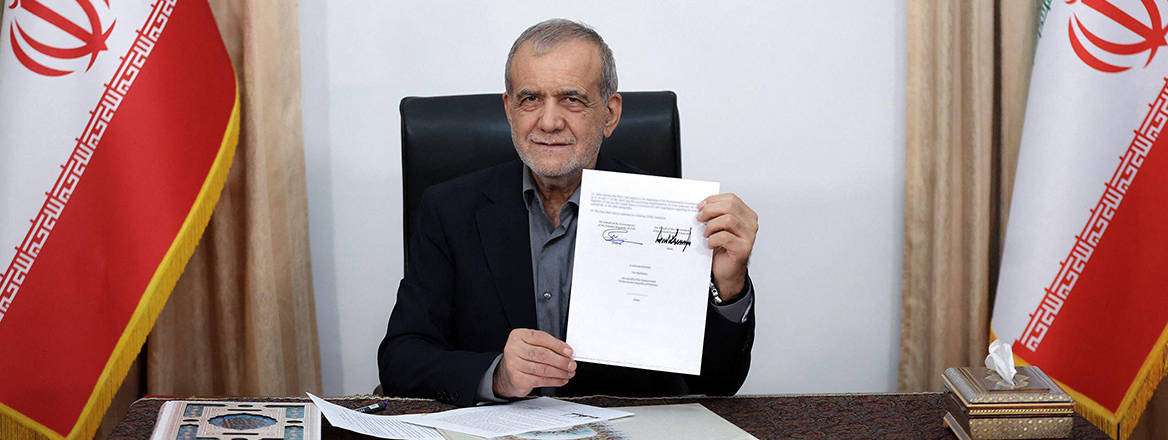
The US-Iran Memorandum of Understanding may ease immediate pressure on energy markets, but by deferring the hardest questions, it risks entrenching crisis rather than ending it.
More than three months after the 28 February opening of the US-Israel war with Iran, the reported US-Iran Memorandum of Understanding does not end the conflict so much as move it into a new phase. It is less a peace agreement than an agreement to negotiate one, with no clarity on the consequences of failure.
If reported versions of the text of the deal are to be believed, it resolves almost none of the nuclear, ballistic missile, proxy network or regional security questions that made direct military confrontation possible in the first place. Instead, nearly every contentious issue has been deferred into a sixty-day negotiating window that can, and likely will, be extended. It creates a politically convenient holding pattern – one that could stretch into the US midterm election cycle, when President Trump’s position on Iran may shift yet again.
If David Fromkin famously described the First World War settlement as ‘a peace to end all peace’, this agreement risks becoming something different: the peace that was not one. The greatest danger is therefore not renewed total war, although that remains possible. It is something more insidious: a state of permanent diplomatic incompletion.
The memorandum rests on four assumptions that will determine whether it becomes a durable settlement or a mechanism for postponing the next major confrontation.
Illusion One: 60 Days Can Solve 30 Years of US-Iran Animosity
The first illusion is that 60 days can resolve what three decades of failed diplomacy could not. The reported memorandum does not appear to settle the fundamental question at the centre of the US-Iran dispute: how restrictions on Iran’s nuclear programme will be managed, under what inspection regime, and in exchange for what sanctions relief. Instead, it postpones those questions, and commits parties to further talks while leaving the substance of those talks unresolved.
This matters because sequencing has always been one of the hardest problems in US-Iran diplomacy. Washington wants Iranian commitments first: nuclear restrictions, inspections, regional restraint and guarantees on freedom of navigation in the Strait of Hormuz. Tehran wants economic benefits first: sanctions relief, access to frozen assets, oil export waivers and relief from military pressure. The result is a gross sequencing problem that expects that distrustful actors will behave as if trust can be generated by an arbitrary and narrow timeline of sixty days.
Tehran showed its leverage over the Strait of Hormuz. Its reopening does not restore the pre-war status quo. The post-war reality is worse
The danger, and there are many built into the bedrock of the memorandum, is not only that the 60-day window fails outright. Rather, the risk is that it succeeds just enough to be extended, and then extended again, paving the way for a pattern for permanent crisis.
Illusion Two: A Bilateral Agreement Can Produce Regional Peace
Peace agreements can fail when regional stakeholders whose interests remain unresolved retain both the capability and incentive to become spoilers. The success of the MOU depends on multiple actors who are not party to it. The most immediate question is Israel. Can the US credibly restrain Israel’s operational freedom if Israel concludes that Iran or Hezbollah are exploiting the post-war period to rebuild military capabilities in Lebanon? The memorandum offers no clear answer and recent operations suggest not.
What Iran has achieved is to regionalise the war on its own terms, convincing the US to include Lebanon in the framework talks, and in doing so has demonstrated it retains a degree of power projection, veto power and influence across its sphere of influence in the region. Most directly, Tehran showed its leverage over the Strait of Hormuz. Its reopening does not restore the pre-war status quo. The post-war reality is worse, because not only has Tehran demonstrated that it can follow through on a decades-old threat to effectively close the Strait, but it may now be in a position to negotiate a permanent way to claim sovereignty over it and demand ‘fees’.
Moreover, Iran’s network of aligned armed actors – including Hezbollah, Hamas, Iraqi militias and the Houthis – are not simply instruments that can be switched off by Tehran on command. They have their own leadership structures, local incentives and political economies. Some may comply tactically. Others may hedge. Still others may test the limits of the agreement precisely because they are not formal parties to it.
The Gulf dimension raises another set of difficult questions, particularly over who is expected to finance Iran’s recovery and under what political conditions. If the proposed $300 billion reconstruction or investment fund is expected to draw on Gulf capital, the question is unavoidable: why would Gulf capitals finance Iran’s reconstruction without reciprocal political concessions, verifiable security guarantees or meaningful changes in Tehran’s regional posture?

Enjoy our analysis and research? Ensure it shows up first on Google
Help your search results show more from RUSI. Adding RUSI as a preferred source on Google means our analysis appears more prominently.
Add as a preferred source on Google
The Gulf has an interest in avoiding another war, which is why many capitals, including Doha, were actively involved in getting this deal over the line. But does it follow that the Gulf has an interest in subsidising Iran’s recovery on terms shaped primarily by Washington and Tehran?
Illusion Three: Ambiguity Today Creates Flexibility Tomorrow
Washington appears to be presenting the agreement as a conditional framework: Iran will receive economic benefits only if it complies with nuclear restrictions, inspections and reopening the Strait of Hormuz. Tehran reads the same document as recognition of Iranian sovereignty, an end to US military pressure, a route to sanctions relief and a pathway to economic recovery. If the parties cannot agree on what they have agreed to, implementation risks becoming negotiation by another name.
The experience of President Trump’s 20-Point Gaza Peace Plan should temper expectations on Iran. On paper it provided a roadmap from ceasefire towards stabilisation in Gaza, but in practice, implementation has become paralysed because the parties attach fundamentally different meanings to the same commitments.
The Iran MOU risks repeating that pattern of deferred negotiations, ambiguity (disguised as a ‘plan’) and phased (open-ended and hard to verify) implementation. Its ambiguity may be useful in securing signatures. But what does ‘no nuclear weapon’ mean in practice if enrichment, stockpiles of highly enriched uranium, and inspections remain subject to further negotiation? What does sanctions relief mean if oil waivers, banking access and frozen assets move on different timelines? What does regional ceasefire mean if Israel is not a party, Hezbollah is not a party, and Iraqi militias are not bound by the text?
Illusion Four: Economic Recovery Produces Political Moderation Inside Iran
The question of sanctions relief and released assets is already being read across parts of the Middle East as a sign of American defeat; if not war damages, then something close to capitulation to Iran. That perception may be overstated, but Washington has done little to frame the strategic rationale for the policy. The US case appears to rest on the need to incentivise Iran to restore freedom of passage through the Strait of Hormuz, refrain from further attacks on Gulf infrastructure and enter follow-on negotiations over the nuclear file. But by offering economic relief before the hardest issues are resolved, Washington risks making de-escalation look less like leverage and more like payment for restraint.

Subscribe to the International Security Newsletter
Stay up to date with the latest publications and events with the International Security Research Group
Subscribe to the RUSI Newsletter
Get a weekly round-up of the latest commentary and research straight into your inbox.
Economic reconstruction is not politically neutral. The most important question will centre on which actors and networks inside Iran control the influx of funds, who distributes it, and who stands to benefit from it. Iran entered the war under severe economic strain. Ordinary Iranians have endured inflation, currency collapse, declining living standards and years of political repression. In theory, the post-MOU period may create openings for new forms of politics, including reformist, oppositional and civil society voices arguing that sanctions relief and reconstruction should prioritise public welfare rather than military recovery.
But those openings are precarious and should not be overstated. If anything, the war has empowered a hybrid political order in which the old clerical-revolutionary structure is increasingly fused with an emboldened Islamic Revolutionary Guard Corps (IRGC). In such a system, sanctions relief stands to enrich the networks best positioned to capture reconstruction contracts, channel investment and control access to foreign capital.
If reconstruction funds and unfrozen assets are routed through opaque channels, IRGC-linked companies and politically connected intermediaries, the result will not be moderation. To argue otherwise is to ignore that the more likely scenario is regime consolidation with better cash flow. Economic recovery can support political change only when it is accompanied by accountability, transparency and a redistribution of power.
Is There a US Strategy?
The post-1979 history of US-Iran tensions has long carried the expectation that direct confrontation, when it came, would produce a decisive outcome: either the collapse of the Islamic Republic’s coercive power or the confirmation of Iran’s ability to withstand American pressure. Neither has materialised fully or satisfactorily. Instead, the war has ended, for now, in ambiguity. There may be several tentative explanations for this and what it could mean from a ‘big picture’ perspective.
The US may be trying to buy time, avoid Great Depression-like ‘economic catastrophe’ according to Trump, and reopen the Strait as a priority. The MOU appears to reflect another Trump pivot towards giving diplomacy a chance, while keeping the threat of future military action firmly on the table. At the end of the G7 summit. Trump said, ‘We’re going bomb the hell out of them if they violate the agreement.’ For its part, an end to hostilities allows Iran to claim survival, gain sanctions relief, access financial benefits and maximise its esteem in the Global South.
Washington may now be attempting a different tack: to integrate Iran gradually into the global economy, encourage investment in its oil and gas sectors, and set in motion a longer process of reintegration and eventual normalisation
At a macro-level, a broader restructuring of the international order is underway, and ending the Iran crisis is only one part of these wider tectonic shifts. Washington’s Middle East policy appears increasingly shaped by a desire to demote Iran as a central US priority, while concentrating strategic attention on major-power adversaries such as China and Russia. In this reading, Iran is no longer America’s defining problem to solve, but increasingly a Middle Eastern problem to be managed by regional actors themselves. A post-American Middle East will not emerge in the short term. The US will remain militarily present, diplomatically consequential and economically relevant. In parallel, Gulf states will continue to seek diverse defence, intelligence, energy and technology partnerships with Europe, China, Türkiye, India and others. This diversification will take time and will not produce strategic autonomy overnight.
Related to this is a second possibility. Having realised that the Iranian regime has not collapsed, Washington may now be attempting a different tack: to integrate Iran gradually into the global economy, encourage investment in its oil and gas sectors, and set in motion a longer process of reintegration and eventual normalisation. If successful, this would begin to unstick the post-1979 US-Iran problem and create a different strategic reality in the Middle East. No doubt Trump would see this as the desired end point: not merely ending the war, but claiming to have opened Iran. Whether he can set those wheels in motion is another matter entirely.
Instead, what we may end up with is an arc of perma-crisis, where the US and Iran are trapped in cycles of escalation and de-escalation, punctured by military threats and possible strikes, with little conclusive progress on the substantial issues that made the 28 February war inevitable.
© RUSI, 2026.
The views expressed in this Commentary are the author's, and do not represent those of RUSI or any other institution.
For terms of use, see Website Terms and Conditions of Use.
Have an idea for a Commentary you'd like to write for us? Send a short pitch to commentaries@rusi.org and we'll get back to you if it fits into our research interests. View full guidelines for contributors.