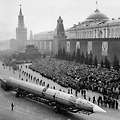
R-16/SS-7 새들러 ICBM의 개발사와 관련된 글입니다.
1960년 10월 24일 발사시험 도중 폭발사고로 드미트리 네델린 원수 포함 수 백명의 사상자가 발생한 네델린 참사가 벌어지기도 했죠.
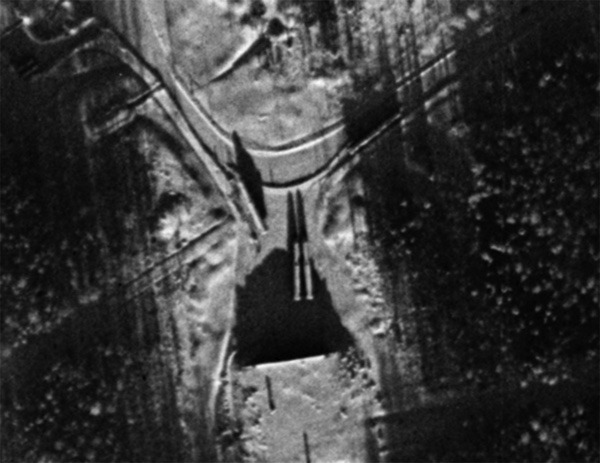
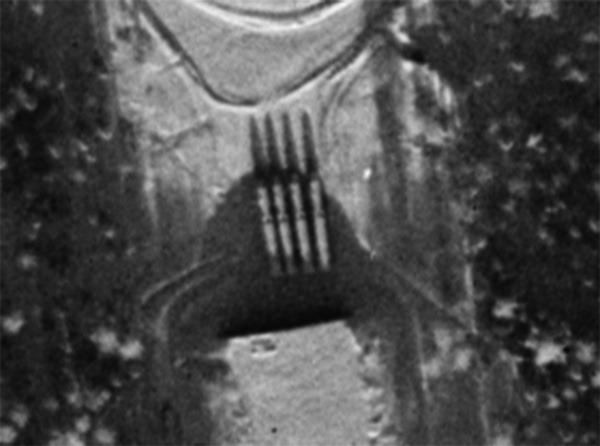
R-16 1966년 초, 한 GAMBIT 정찰위성이 소련 SS-7/R-16 대륙간탄도미사일(ICBM)이 수평 격납고 밖에 나와 있는 모습을 훌륭한 화질로 촬영했다. 미사일에는 탄두가 장착되어 있지 않았지만, 사진 덕분에 미사일의 정확한 치수가 측정될 수 있었다. R-16은 소련의 첫 실용적 ICBM이었고, 당시 약 200기가 실전 배치되어 있었다. (출처: Harry Stranger)
지옥을 풀어놓다: R-16 ICBM 드웨인 A. 데이, 해리 스트레인저 2025년 10월 20일 월요일
1966년 초, 미국의 정찰위성이 소련 상공을 통과하며 대어를 낚았다. 유랴(ICBM) 기지를 여러 차례 통과하는 동안, 위성은 소련 SS-7 ICBM이 밖에 나와 있는 장면을 포착했는데, 발사대와의 이동 중이거나 이동을 마친 것으로 보였다. 요약 보고서에서 사진판독자는 영상을 “훌륭한 화질”이라고 묘사했다. 이 사진들은 전문가들이 ICBM의 정확한 치수를 측정할 수 있게 해주었다.
새로운 위성 사진에 관한 1966년 3월 정보보고서에 따르면, “사진 촬영 당시 이 미사일들에는 재돌입체가 장착되어 있지 않았지만, 이번 임무의 계측 자료를 소련이 공개한 사일로 발사 SS-7 사진에서 얻은 기존 비율과 상관(Correlation)함으로써 이 체계의 정확한 치수를 도출할 수 있었다.”
R-16 R-16 ICBM(나토 제식명 SS-7)은 지상 노출식 발사대와 지하 사일로에서 모두 발사되었다. 이 미사일은 5~6메가톤급 열핵탄두를 운반할 수 있었다. 이러한 위성 사진은 미국 정보공동체에 큰 정보적 성과를 안겼다. (출처: Harry Stranger)
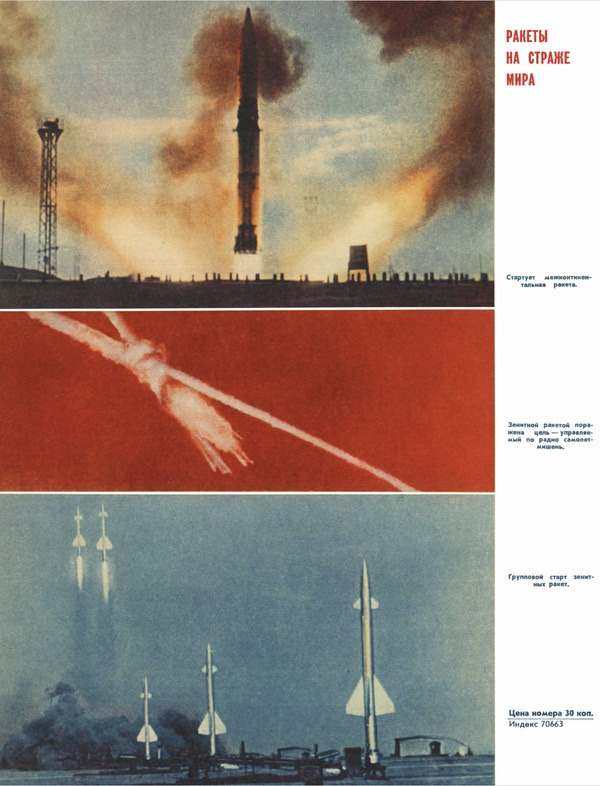
보고서가 시사하듯, 위성 사진은 불과 수개월 사이에 SS-7에 관한 두 번째 정보 획득이었다. 1965년 6월, 소련 잡지 ‘오гон요크(“Ogonek”)’는 뒷표지에 SS-7 발사 사진을 실었다. 소련이 자국 ICBM 사진을 공개한 적은 없었다. 오곤요크가 사진을 게재하자, CIA는 지상 사진을 정찰위성이 촬영한 위성사진과 대조했다. “오곤요크에 나온 장면은 튜라탐 미사일 시험장에서 D-1 발사지에서 촬영된 것으로 보인다”라고 CIA 보고서는 밝혔다. CIA는 또 사진에 W자 형태의 배기가 보인다고 지적했는데, 이는 발사 사일로 양옆에 포트가 있음을 시사하는 것이며, 1단 상부의 스터드(stud)가 미사일이 사일로에서 레일을 타고 나왔음을 시사한다는 추정도 내놓았다.
이 두 사건은 미국 정보공동체가 이전에 보유하던 것보다 SS-7에 관한 훨씬 더 나은 정보를 제공했다. CIA가 튜라탐이라 부른 곳은 소련에겐 바이코누르로 알려져 있었다. 바이코누르는 수년 전 SS-7 발사가 끔찍하게 실패하여 소련 탄도미사일 프로그램에 큰 좌절을 안겼던 장소이기도 했다.
R-16 1965년 여름, 소련 잡지 오곤요크는 SS-7/R-16 ICBM 발사 장면(위)을 뒷표지에 게재했다. 소련 매체에 이 미사일 사진이 등장한 것은 처음이었고, CIA는 이를 이용해 미사일의 크기를 추정했다. (출처: 오곤요크, Asif Siddiqi 경유)
새들러 나토에 “새들러(Saddler)”로, 소련군에 R-16으로 알려진 SS-7은 1961년에 최초로 실전 배치되었다. 이는 저장형 추진제를 사용하는 소련의 첫 실용적 ICBM이었다. 그 전신은 소련군에 R-7 “세묘르카(Semyorka)”로 알려진 SS-6이었다. R-7은 액체산소와 케로신을 사용했기 때문에, 산소를 미사일 내부에 장기간 유지할 수 없어 발사 전에 연료 주입이 필요했다. 연료 주입은 느리고 공격에 취약하게 만들었다. R-7은 ICBM 역할에서는 퇴역했지만, 이후 우주발사체로 길고 성공적인 경력을 이어갔다. 스푸트니크와 후일 유리 가가린을 우주로 보낸 것도 이 발사체였다. R-7의 후손인 소유스(Soyuz) 로켓은 오늘날에도 사용 중이다.
더 최신형인 SS-7/R-16은 비대칭디메틸하이드라진(UDMH)과 적연질 질산(RFNA)이라는 하이퍼골릭 추진제를 사용했다. 이 물질들은 섞이면 즉시 점화한다. 저장이 가능하다. 하지만 부식성이 있어 펌프와 밸브의 씰을 갉아먹는다. R-16은 몇 날 며칠 동안 연료를 채운 채 대기할 수 있었다. 이상적이진 않았지만 R-7보다는 우수했고, 위기 시에는 미사일에 연료를 주입한 채 수일간 경계 태세를 유지할 수 있었다. 그러나 폭발이나 누출이 발생하면, RFNA는 미국 미사일 요원들이 “큰 붉은 연기 구름(big fuming red cloud, BFRC)”이라고 부르던 것을 만들어낼 수 있었다—다만 그들은 “fuming(자욱한)”이라는 단어 대신 다른 표현을 썼다. BFRC를 보게 되면, 곧장 그 자리에서 달아나야 했다.
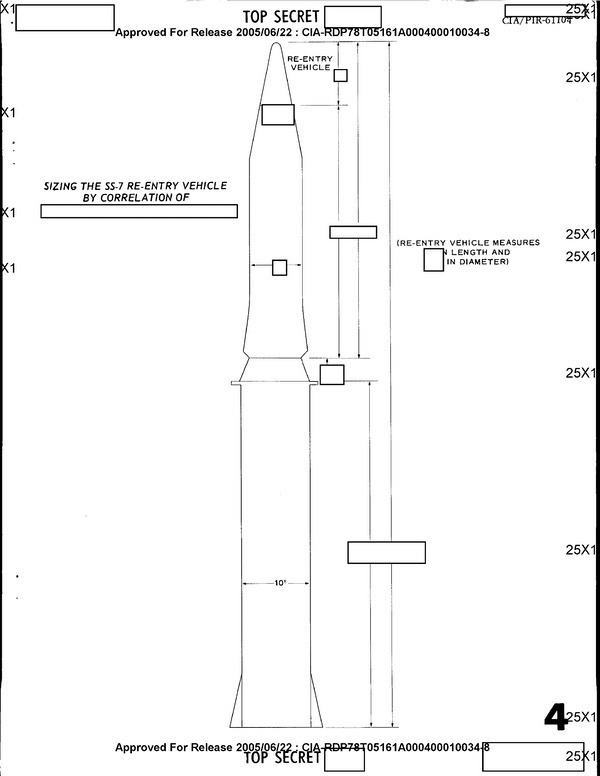
R-16 치수가 지워진 SS-7/R-16 ICBM의 CIA 도면. 이 도면과 치수는 1965년 잡지 사진과 1966년 초 위성사진을 함께 분석해 도출되었다. (출처: CIA)
R-16은 1961년 유랴에 최초 배치되었다. 미사일은 처음에는 격납고에 배치되어 필요 시 굴러나와 세워지고, 연료를 채우고, 발사 준비를 하도록 되어 있었다. 야외에 있는 동안에는 공격에 취약했고, 상시 연료 주입이 불가능하다는 점도 문제였다. 미국의 GAMBIT 위성이 이들을 포착한 것은, 격납고 밖으로 굴러나온 뒤였고, 놀랍도록 맑았던 겨울날이었다.
R-16의 사거리는 11,000km였고, 5~6메가톤급 열핵탄두를 탑재했다. 더 작은 3메가톤 탄두를 탑재하면 사거리는 13,000km로 늘어났다. 다른 초기 소련 ICBM들과 마찬가지로 정확도는 그리 높지 않아 원형공산오차(CEP)가 2.7km였다. 즉, 발사된 미사일의 50%는 반경 2.7km의 원 바깥으로 떨어진다는 뜻이다. 큰 탄두는 이러한 낮은 정확도를 보완해주었다.
1963년부터 일부 R-16은 사일로에 배치되었다. 그러나 이 사일로들은 같은 연료 시스템을 사용할 수 있도록 비교적 가까이 위치해야 했고, 이는 단 한 발의 미국 미사일에도 취약하게 만들었다.
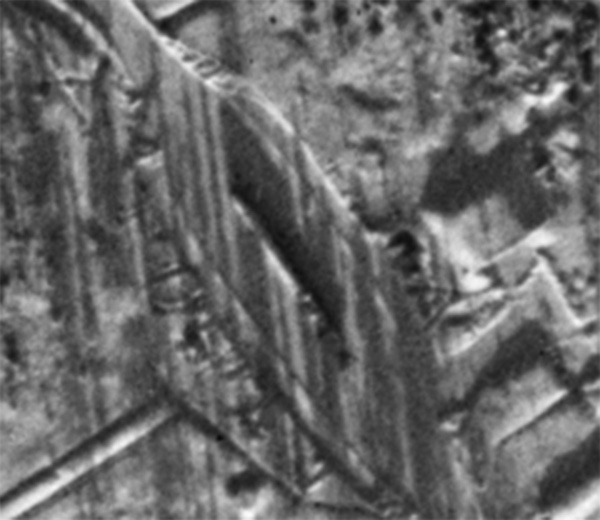
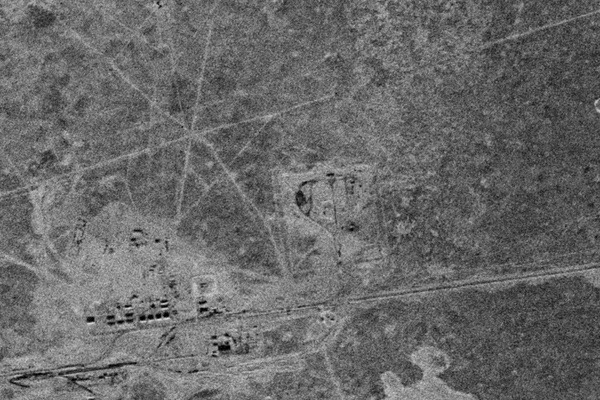
R-16 1960년 11월, CORONA 정찰위성은 바이코누르(당시 CIA는 튜라탐으로 불렀다)의 광범위한 미사일·로켓 시험장을 촬영했으며, 10월 24일 폭발이 벌어진 SS-7/R-16 발사대의 피해 흔적도 포함되었다.
네델린 참사 1960년 10월 24일, 바이코누르에서 R-16 시제 미사일이 발사대에서 폭발했을 때, 그 주변에는 수십 명의 작업자가 있었다. 많은 이들이 사망했다. 정확한 숫자는 알려지지 않았지만 60명에서 150명으로 추정된다. R-16 개발 책임자였던 포병 원수 미트로판 이바노비치 네델린은 폭발로 사망했으며, 이 사고는 흔히 “네델린 참사”로 불렸다. 3년 뒤인 1963년 10월 24일에는 다른 미사일과 관련된 또 다른 치명적 사고가 일어났고, 그날은 바이코누르의 “검은 날(Black Day)”로 불리게 되었다. 그 결과, 러시아는 10월 24일에는 바이코누르에서 미사일이나 로켓을 발사하지 않는다.
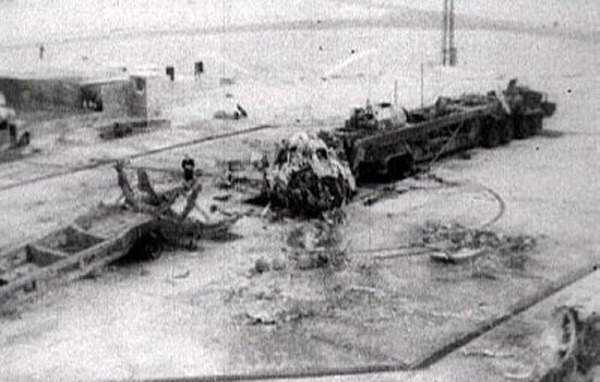
R-16 1960년 10월 폭발의 여파. 폭발의 참상이 심각해 사망자 수는 정확히 알려지지 않았으나, 60~150명이 사망한 것으로 추정된다. 이 날은 소련의 우주·로켓 프로그램 내에서 악명높은 날이 되었다. (출처: 러시아 다큐멘터리 영상)
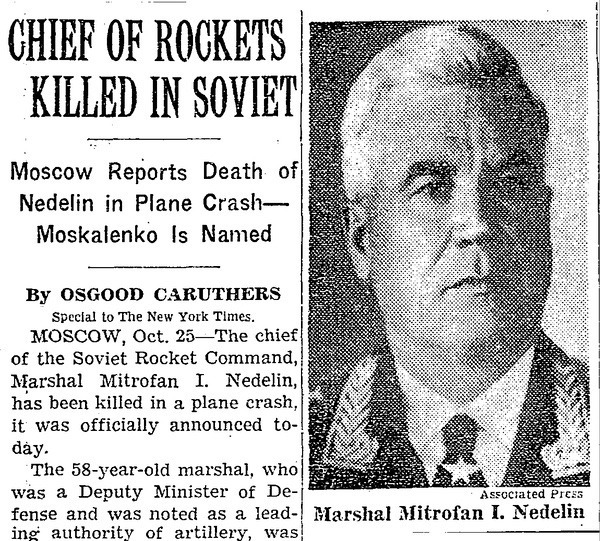
소련은 네델린이 사망 다음 날 비행기 사고로 사망했다고 발표했고, 이는 10월 26일 뉴욕타임스에 보도되었다. 그 후 몇 주 동안 소련은 다른 두 명의 고위 관계자 사망도 발표했지만, 자세한 내용은 밝히지 않았다. 로켓 폭발 소식은 1960년 12월 이탈리아 통신사가 처음 보도했는데, 네델린을 포함해 폭발로 사망한 세 사람의 이름을 언급했다. 수십 년 동안 서방의 독립 전문가들은 이 사고에 관해 추정했다. 예컨대 짐 오버그는 저서 『Red Star in Orbit』에서, 폭발이 화성 발사 창에 일어났다는 점에 주목하여, 연료가 채워진 로켓이 발사대에 있는 상태에서 상단단이 점화되면서 화성 임무가 실패했을 가능성을 제기했다.
R-16 폭발 다음 날, 소련은 로켓군의 수장이 비행기 사고로 사망했다고 발표했다. 몇 달 뒤, 그의 죽음과 여러 다른 사망이 1960년 10월 폭발과 연관되었다. 1989년에 이르러서야 더 많은 세부사항이 공개되었다. (출처: 뉴욕타임스)
폭발 몇 주 뒤, 미국의 CORONA 정찰위성은 바이코누르를 촬영했는데—광범위한 시험장을 담은 첫 정찰 사진이었다. 통찰력 있는 사진판독자라면 R-16 발사장 인근의 교란된 지면을 눈치챘을 것이며, 이는 최근 무언가가 그곳에서 폭발했다는 표시였다.
CIA는 1960년에 폭발한 것이 SS-7/R-16 미사일이라는 사실을 파악했다. CIA가 언제 바이코누르 폭발과 R-16을 연결했는지는 정확히 알려지지 않았지만, 1965년 10월 CIA 보고서는 분명히 둘을 연결지었다(“A mystery, wrapped in an enigma, surrounding an explosion: US intelligence collection and the 1960 Nedelin disaster,” The Space Review, 2022년 11월 14일 참조).
R-16 1960년 10월 24일, 바이코누르에서 R-16 ICBM 시험용 미사일이 발사대에서 폭발하여, 인근에 있던 수많은 기술자와 군 관계자들이 사망했으며, 그 중에는 미사일 프로그램의 고위 간부들도 포함되어 있었다. (출처: 러시아 다큐멘터리 영상)
공교롭게도, 1989년에 바로 오곤요크가 네델린 참사의 세부사항을 처음 공개했는데, 1960년에 폭발한 것이 화성 로켓이 아니라 R-16 ICBM이었다는 사실을 포함했다. 1990년대에는 불길 속에서 달아나는 남성들—일부는 불이 붙은 것으로 보이는—의 참혹한 영상도 러시아 출처에서 공개되었다.
R-16 관련 작업에 참여했던 많은 사람들의 사망은 프로그램 지연을 초래했다. 미사일의 첫 비행은 마침내 1961년 2월 2일에 이뤄졌고, 1961년 11월 1일 실전 배치되었다. 오곤요크가 발사 사진을 게재한 1965년에는 소련이 이 미사일 202기를 배치한 상태였다. R-16은 1976년 퇴역할 때까지 운용되었다.
주석 Central Intelligence Agency, Photographic Intelligence Report, “Construction Status of Soviet Single Silo ICBM Sites,” and “Mensural Data on Soviet SS-7 ICBM,” March 1966. CIA-RDP78T05161A0004000100034-8
Central Intelligence Agency, Photographic Intelligence Report, “ICBM Silo Launch,” September 1965. CIA-RDP78T05439A000500310060-0
Bart Hendrickx, “Building a Rocket Base in the Taiga: The Early Years of the Plesetsk Launch Site (1955-1969) – Part 1, Space Chronicle: JBIS, Vol. 65, Supplemental 2, 2012.
Bart Hendrickx, “Building a Rocket Base in the Taiga: The Early Years of the Plesetsk Launch Site (1955-1969) – Part 2, Space Chronicle: JBIS, Vol. 66, Supplemental 1, 2013.
Osgood Caruthers, “Chief of Rockets Killed in Soviet,” The New York Times, October 26, 1960, p. 22.
“Rocket Cited in Deaths,” The New York Times, December 10, 1960, p. 6.
저자들은 Asif Siddiqi와 Bart Hendrickx의 도움에 감사를 표한다. 드웨인 데이와 해리 스트레인저는 기밀 해제된 위성영상을 사용해 냉전기의 역사적 사건을 도해하는 작업을 진행해 왔다. 드웨인 데이는 zirconic1@cox.net에서 연락 가능하다. 해리 스트레인저의 웹사이트는 https://spacefromspace.com/ 이다.
The Space Review: Unleashing hell: the R-16 ICBM

 |
Unleashing hell: the R-16 ICBMby Dwayne A. Day and Harry Stranger
Monday, October 20, 2025
In early 1966, an American reconnaissance satellite overflew the Soviet Union and hit the jackpot: during several passes over the Yurya ICBM complex, it captured Soviet SS-7 ICBMs sitting outside, apparently being transported to or from their launch pads. In a summary report, a photo-interpreter described the imagery as “excellent quality.” The photographs enabled experts to accurately measure the ICBMs.
According to the March 1966 intelligence report about the new satellite photos, “although re-entry vehicles were not attached to these missiles at the time of photography, accurate dimensions for this system were derived by correlating mensural data from this mission with previously published ratios obtained from a Soviet released photo of an SS-7 being launched from a silo.”
  |
As the report indicated, the satellite photos were the second intelligence coup on the SS-7 in only a few months. In June 1965, the Soviet magazine “Ogonek” published a photo of an SS-7 launch on the back cover. The Soviets had never released photos of their ICBMs. When Ogonek published the photo, the CIA correlated the ground photograph with satellite photography taken by reconnaissance satellites. “It is believed that the view shown in ‘Ogonek’ was taken at Launch Area D-1, Tyuratam Missile Test Center,” a CIA report stated. The CIA noted that the photograph showed a W-shaped exhaust, which indicated ports on either side of the launch silo, and also speculated that studs on the top of the missile first stage indicated that it rode out of the silo on rails.
Those two developments provided much better info on the SS-7 than what the US intelligence community previously had. What the CIA referred to as Tyuratam was known to the Soviet Union as Baikonur. Baikonur was also the location where a SS-7 launch had gone terribly wrong several years earlier, dealing a major setback to the Soviet ballistic missile program.
 |
Saddler
The SS-7, known as the “Saddler” to NATO and R-16 to the Soviet military, first entered service in 1961. It was the first practical Soviet ICBM, with storable propellants. It followed the SS-6, known as the R-7 “Semyorka” to the Soviet military. The R-7 used liquid oxygen and kerosene, meaning that it had to be fueled before launch because the oxygen could not be kept in the missile. Fueling was a slow process and made it vulnerable to attack. The R-7 was retired from its ICBM role but went on to a long and successful career as a space launch vehicle. It was used to launch both Sputnik and later Yuri Gagarin into space. The R-7’s descendant, known as the Soyuz rocket, is still in use today.
The newer SS-7/R-16 used hypergolic propellants, unsymmetrical dimethylhydrazine (UDMH) and red fuming nitric acid (RFNA) as oxidizer. When mixed, the substances immediately ignite. They can be stored. But they’re also corrosive, meaning that they eat away at seals in pumps and valves. The R-16 could stay fueled for a few days at a time. This wasn’t ideal, but it was superior to the R-7, and the missiles could be fueled and stay on alert for several days in event of crisis. However, if there was an explosion or leak, RFNA could produce what American missileers referred to as a “big fuming red cloud,” although they didn’t use the word “fuming.” If you saw a BFRC, you were supposed to run for your life.
 |
The R-16 was first deployed to Yurya in 1961. The missile was initially deployed to hangars and could be rolled out, erected, fueled, and prepared for launch. While outside, they were vulnerable to attack, and their inability to be permanently fueled also presented problems. It was after being rolled out of a hangar that the American GAMBIT satellite photographed them on a surprisingly clear winter’s day.
The R-16 had an 11,000-kilometer range and was equipped with a five- to six-megaton thermonuclear warhead. With a smaller three-megaton warhead the missile’s range increased to 13,000 kilometers. Like all early Soviet ICBMs, it was not very accurate, with a circular error probable (CEP) of 2.7 kilometers, meaning that 50% of the missiles fired would fall outside of a circle with a 2.7 kilometer radius. The large warhead compensated for the poor accuracy.
Starting in 1963, some R-16 missiles were based in silos. However, the silos had to be located relatively close together so that the missiles could use the same fueling system, making them vulnerable to a single US missile.
 |
The Nedelin disaster
On October 24, 1960, at Baikonur, a prototype R-16 missile exploded on the pad while dozens of workers were around it. Many were killed. The exact number is unknown but is believed to be 60 to 150. Chief Marshal of Artillery Mitrofan Ivanovich Nedelin, who was the head of the R-16 development program, was killed in the explosion, which was then commonly referred to as the “Nedelin catastrophe.” Another fatal accident involving a different missile occurred on October 24, 1963, and that date is now referred to as the “Black Day” at Baikonur. As a result, Russia no longer launches missiles or rockets at Baikonur on October 24.
 |
The Soviet Union announced that Nedelin had been killed in a plane crash a day after his death, and this was reported in The New York Times on October 26. The deaths of two other senior officials were also announced by the Soviets in the weeks after the explosion, without details. The rocket explosion was first reported by an Italian news agency in December 1960, listing the names of three people, including Nedelin, who were killed in the explosion. For decades Western independent experts speculated about the accident. Some, such as Jim Oberg in his book Red Star in Orbit, noted that the explosion happened during a Mars launch window and theorized that it was a Mars mission that had gone bad when an upper stage had fired while the fueled rocket was on the pad.
 |
A few weeks after the explosion, an American CORONA reconnaissance satellite photographed Baikonur—the first reconnaissance photos of the sprawling test site. An astute photo-interpreter might have noted the disturbed ground near the R-16’s launch site, an indication that something had recently exploded there.
The CIA had figured out that it was an SS-7/R-16 missile that blew up in 1960. It is unclear exactly when the CIA connected the Baikonur explosion to the R-16, but an October 1965 CIA report clearly connected the dots (see “A mystery, wrapped in an enigma, surrounding an explosion: US intelligence collection and the 1960 Nedelin disaster,” The Space Review, November 14, 2022.)
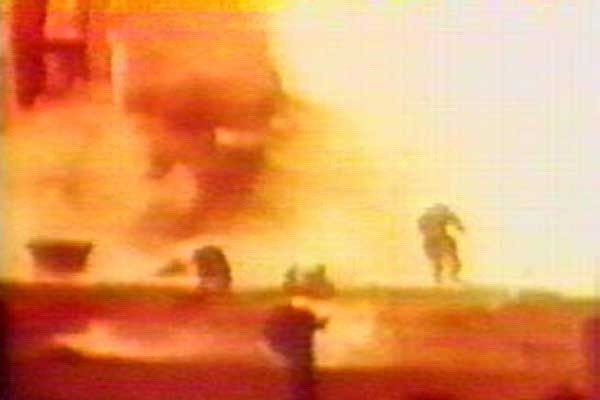 |
Coincidentally, in 1989 it was Ogonek magazine that first revealed details of the Nedelin catastrophe, including that it was an R-16 ICBM and not a Mars rocket that had exploded in 1960. In the 1990s, a Russian source also released horrific film footage of men running away from the burning conflagration, some of them apparently on fire.
The deaths of many people working on the R-16 caused delays in the program. The missile’s first flight finally occurred on February 2, 1961, and it entered service on November 1, 1961. By 1965, when Ogonek published the missile launch photo, the Soviet Union had deployed 202 of the missiles. The R-16 served until 1976 when it was withdrawn from service.
Notes
Central Intelligence Agency, Photographic Intelligence Report, “Construction Status of Soviet Single Silo ICBM Sites,” and “Mensural Data on Soviet SS-7 ICBM,” March 1966. CIA-RDP78T05161A0004000100034-8
Central Intelligence Agency, Photographic Intelligence Report, “ICBM Silo Launch,” September 1965. CIA-RDP78T05439A000500310060-0
Bart Hendrickx, “Building a Rocket Base in the Taiga: The Early Years of the Plesetsk Launch Site (1955-1969) – Part 1, Space Chronicle: JBIS, Vol. 65, Supplemental 2, 2012.
Bart Hendrickx, “Building a Rocket Base in the Taiga: The Early Years of the Plesetsk Launch Site (1955-1969) – Part 2, Space Chronicle: JBIS, Vol. 66, Supplemental 1, 2013.
Osgood Caruthers, “Chief of Rockets Killed in Soviet,” The New York Times, October 26, 1960, p. 22.
“Rocket Cited in Deaths,” The New York Times, December 10, 1960, p. 6.
The authors wish to acknowledge the assistance of Asif Siddiqi and Bart Hendrickx. Dwayne Day and Harry Stranger have been working on illustrating Cold War historical events using declassified satellite imagery. Dwayne Day can be reached at zirconic1@cox.net. Harry Stranger’s website is https://spacefromspace.com/
Note: we are now moderating comments. There will be a delay in posting comments and no guarantee that all submitted comments will be posted.