재즈에서의 선법 사용
음악인들이 재즈에서의 선법에 관하여 말할 때, 종종 장조음계에 기반한 7개 선법을 의미하지만, 나는 각 선법을 그 자체의 음계로서 생각하는 것을 선택한다. 말하자면, 그 개념을 배우기 위하여, 장조음계를 선택하는 것과 선법의 으뜸음의 차례대로 각 음표를 만드는 것이 아무것도 틀린 것은 없다는 것이다. 선법들은 선법재즈에서 사용되는데, 이 과정에서 다룰 일은 아니지만, 선법에 대한 지식은 코드변환에 의한 즉흥연주를 배우는데 가끔씩 유용할 수도 있다. 이 접근법이 가락적으로 즉흥연주하는 것을 배우는데 기초적으로 쓰일 뿐이라는 것을 이해하는 것이 중요하다.
두가지 방법, 상관과 평행에 관한 선법에 관하여 살펴보자.
1)관계선법(relative)
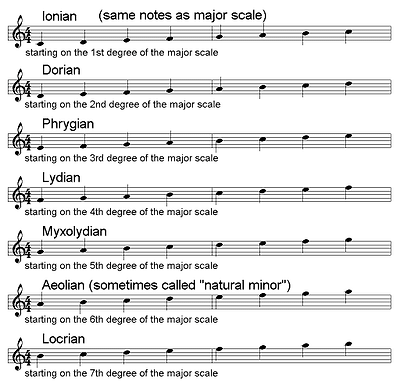
관계선법을 이해하는 가장 단순한 방법은 C장조의 음계로부터 시작하되, C음으로 시작하거나 끝내는 대신, 각각 다른 선법을 만들기 위해 음계의 각각 다른 음들로부터 시작한다.
예 5a: 관계 선법들.
2) 평행선법(parallel)
위의 선법들이 C장조 음계의 음표들에 기초하였지만, 그것들은 각기 다른 그들 자신의 조성으로서 기능할 뿐이고, 상관 장조 음계가 아닌 선법의 출발음이 근음이 된다. 예를 들어 D음으로 시작하는 도리안 선법은(C장조의 똑같은 모든 음들을 사용하지만), D 도리안이지 C 도리안이 아니다.
비슷한 이유로 C음으로 시작하는 도리안 모드는(Bb 장조의 음들을 쓸 것인데), C 도리안이지 Bb 도리안이 아니다. (※역자주: 레(C) 미(D) 파(Eb) 솔(F) 라(G) 시(A) 도(Bb) 레(C) )
우리가 어떤 조성의 한음을 선택하고 근음으로서 그 음을 사용하여 다른 선법을 만든다면 우리는 평행선법을 얻을 것이다. 다른말로 하면, C음을 시작점으로 하는 도리안 선법은 C장조(이오니안 선법)과 평행이고 C음을 시작점으로 하는 모든 선법과 평행선법이다.
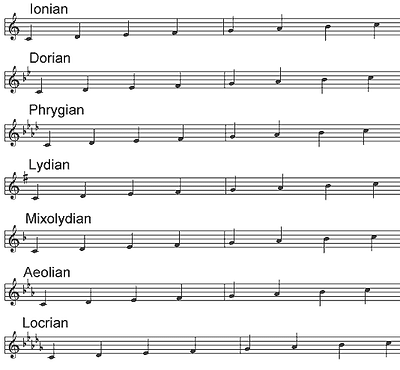
예 5b: 평행선법들
두가지 접근법을 다 이해하는 것이 중요하다. 우선은 위와 같이 하나의 장조 음계와 상관하여 관계모드 7가지를 생각하는 것이 쉽겠지만, 좀더 음악적인 접근은 각 선법을 형성하고 있는 음정들의 실제적인 진행을 배우는 것이다. 다른 말로 하면 도리안 선법은 그 자체의 음계로서 기능하고 있지 두 번째음으로 시작하는 장조와 상관되는 것은 아니라는 것이다. 좋은 연습법은 모든 선법을 모든 조성에서 관계선법과 평행선법을 기보하면서 배우는 것이다.
다른 선법의 각 음정의 단계를 배워보자.
(T는 온음, S는 반음을 나타낸다)
이오니안 = TTSTTTS (온온반온온온반)
도리안 = TSTTTST (온반온온온반온)
.......
.....
솔페쥬(이동도법)을 사용하여 노래로 하는 것을 배워라.
이오니안 = 도 레 미 파 솔 라 시 도
도리안 = 도 레 메(미b) 파 솔 라 테(시b) 도
※번역자가 풀어써본 도표와 해설
|
이오니안 스케일 |
도 |
|
레 |
|
미 |
파 |
|
솔 |
|
라 |
|
시 |
도 |
|
레 |
|
‘도’를 이오니안의 ‘레’로 시작하되 이오니안 스케일과 같은 온반음 순서로(사실상 이오니안으로는 ‘레미파솔라시도레’임) |
|
|
도 |
|
레 |
메 |
|
파 |
|
솔 |
|
라 |
테 |
|
도 |
|
‘도’음의 위치를 이오니안과 맟춘 도리안 스케일 |
도 |
|
레 |
메 |
|
파 |
|
솔 |
|
라 |
테 |
|
도 |
|
|
이런 식으로 ,
이오니안 = 도 레 미 파 솔 라 시 도
도리안 = 도 레 메 파 솔 라 테 도
프리지안 = 도 로(레b) 메(미b) 파 솔 루(라b) 테(시b) 도
리디안 = 도 레 미 피 솔 라 시 도
믹솔리디안 = 도 레 미 파 솔 라 테 도
에올리안 = 도 레 메 파 솔 루 테 도
로크리안 = 도 로 메 파 쏘(솔b) 루 테 도
즉흥연주를 위한 선법
오늘날의 즉흥연주가들은 종종 선법과 음계에만 기초한 체계에 대해서 가르치고 있지만, 선법과 음계를 배우는 것이 필수적인 것이더라도 음계는 궁극적으로는 의미있는 가락적 선율을 이루어야만 된다는 점을 이해하는 것이 중요하다.
일반적인 코드진행은 IIm7-V7-I.이다. 가장 기본적인 함축된 음계는 Ⅰ코드의 장조음계이지만, 바탕음의 진행을 형상화하기 위하여 장조 음계의 선법의 맥락에서 생각하는 것도 좋다. 다음과 같이 Dm - G7 - C maj7 의 진행을 생각해보자.
이 진행에 접근하기 위한 두가지 방법이 있다.
1) 조성중심음에 의한 접근 방법
분석해보면 이러한 코드들은 C조의 온음들이다.즉, 그것들은 모두 C키의 중심음들을 갖고 있다.(C: IIm7-V7-Ima7). 하나의 C장조 음계는 구성음의 모든 3개의 화음들이 즉흥연주에 쓰일 수 있다. 이것은 초보자에게 유용하고 특히 빠른 코드변환에 유용하다.
어쨌든, 강한 박으로 떨어지는 코드음들에 종종 쓰인다. 만약 C 장조 스케일을 사용하되,각 코드의 코드구성음의 스케일로 시작한다면 분별없이 C장조음계만을 사용하는 것보다 훨씬 성공적일 것이다. 이것은 모든 코드음에 대해서 확실하게 알고 있기 전까지는 쉽지 않다. 그래서 택일적 접근법을 보기로 한다.
2) 선법적 방법
각코드는 그것의 바탕음에 근거한 선법에 관련되고 있다.
Dm7 = D 도리안 (D음으로 도를 시작하는 도레메파솔라테도)- 여기서 1,3,5,7음
※마이너 코드는 도리안을 쓴다
G7 = G 믹솔리디안(G음으로 도를 시작하는 도레미피솔라시도)- 여기서 1,3,5,7음
※마이너나 메이져표시 없으면 믹솔리디안을 쓴다
Cmaj7 =C 메이저(이오니안) (C음으로 도를 시작하는 도레미파솔라시도)-여기서 1,,3,5,7음
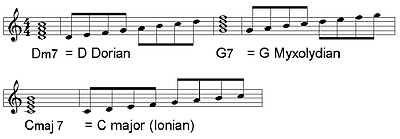
예 5c: IIm7-V7-I 를 수반하는 선법들
코드음들은 모두 강박에 떨어진다. 이 방법은 몇가지 약점이 있다.
• 당신이 항상 코드의 바탕음위에 음계를 시작하는 것을 원하는 것만은 아니라는 점.
• 하향음계에서는 코드음들이 강박에 떨어지지 않는다는 점.
• 빠른 코드변환에서는 제때제때에 선법들을 생각하는 것이 어렵다는 점 등이다
사실 이 진행에서 하나의 선법을 생략하는 것이 종종 유용하다. 주류재즈에서 거의 모든 Ⅴ7 코드는 IIm7 가 선행되듯이 Ⅴ7 코드를 이끌기 위해서 도리안 선법을 사용하는 것이 유용할 수도 있다.
조성중심음방법은 빠른 코드전환에 유용하고, 선법방법은 선법에 대하여 생각할 충분한 시간이 있는 느린 코드전환시에 유용하다.
택일적조성중심음
아래 예 2e형의 진행에서 보듯이 우리는 진행을 분석하는 택일적 방법을 알게 되는데, 가능한 D의 조성중심음으로 살펴보자. 우리가 비슷한 진행을 취한다면, 우리는 즉흥연주를 기초하기 위한 음계를 위하여 선법이나 조성중심음 방법을 택일하여 사용할 수 있다.
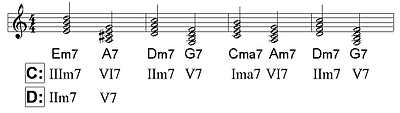
예 5d: 택일적 조성중심을 보여주고 있는 RN(Roman Numeral- 로마수자에 의한)분석
단순화시킨 선법방법에서(믹소리디안은 무시한다- 즉 마이너나 메이저 아닌 7코드는 빼고 생각하면) 우리는 E 도리안, D 도리안, C 메이져, D 도리안임을 알 수 있다(예 5e의(1))
조성중심음방법에서 우리는 택일적 조성중심음 방법을 사용하여 오직 D 메이저와 C 메이저만으로 생각할 수 있다 (예 5e의 (2))
선법적 방법은 당신이 모든 단조코드를 (장조조성에서) IIm7(도리안)으로 취급하면 쉬워진다. 이것은 VIm7 코드는 종종 2차 딸림화음이 되어지도록 변해지기 때문인데(예 5d처럼), 그래서 많은 경우 단조 7코드들은 사실상의 IIm7나 위의 Em7처럼 2차 딸림화음으로 함축되는 새로운 조성중심 안의 IIm7가 될 것이다.
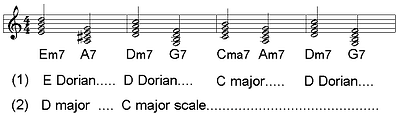
예 5e: 선법적 방법과 조성중심방법
이러한 방법들은 모두 망설임없이 코드변환을 활용할 수 있을 때 초보자에게 유용하게 쓰일 수 있지만, 화음을 이해하는 작은 첫걸음뿐이라는 것을 알아야 한다. 위의 예에서 우리는 Em7-A7 에 대해 D장조(조성중심방법)와 E도리안에 있는 것처럼 생각하고 있는 것이다. 문제는 이 경우, A7이 D장조의 으뜸음으로 귀결되지 않지만 그것이 꼭 D장조를 내포할 필요는 없고, 사실상 D단조가 오히려 재즈를 위해서는 더 좋게 들린다는 것이다. 당신은 D 화성적 단음계가 더 흥미롭게 들린다는 것을 알게 될 것이다. 단조음계의 측면에서 생각할 수 있지만 어쨌든 그것은 코드의 음들을 익히는 것과 그러한 음표들을 강박에 사용하는 스케일에 대해서 생각하기 시작하는 것이 훨씬 중요하다. 이것은 코드변환을 위한 선법에 있어서 기교적인 진전보다 좀더 음악적이고 가락적인 접근을 가져다 주게 된다.
딸림7음의 순환이 IIm7코드에 이어져서 나오지 않는 때에는(예를 들어 아이 갓 리듬 진행의 가운데 8) 언제나 믹솔리디안(예 5g)이나 7번째음을 반음낮춘 장조스케일로 생각할 필요가 있다.(같은 것이지만 이게 더 배우기 쉽다)
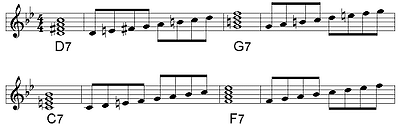
예 5g: 부분적 5도순환(믹솔리디안 선법)
출처:http://tamingthesaxophone.com/
번역: 조경재
(아래는 원본임)
Jazz- Theory-
Modes in Improvisation
THE USE OF MODES IN JAZZ
When musicians talk about modes in jazz, they often mean the seven modes based on the major scale, however I prefer to think of each mode as a scale in its own right. Having said that, in order to learn the concept, there is nothing wrong with taking a major scale and making each note in turn the tonic of a mode. Modes are used in Modal Jazz, which is not covered in this course, but knowledge of modes can also sometimes be useful for learning to improvise over chord changes. It is important to realise that this approach should only be used as a preliminary to learning to improvise melodically.
Let’s look at modes in two ways, relative and parallel:
1) Relative
The simplest way to understand relative modes is to start with the major scale of C, but instead of beginning and ending on the note C, begin on each degree of the scale in turn to create a different mode
ex 5a: Relative modes.
2) Parallel
Although the above modes are based on the same notes as the C major scale, they each function as a different key in their own right and the starting note of the mode, not the relative major scale, is the root note. Eg the Dorian mode starting on D (using all the same notes as C major) is a D Dorian not a C Dorian.
Similarly the Dorian mode starting on C (which would use the same notes as Bb major) is a C Dorian, not a Bb Dorian.
If we take one key centre (ie one note) and base different modes on it using that note as the root we get parallel modes. In other words the Dorian mode starting on the note C is parallel to the C major (Ionian mode) and all the other modes starting on C.
ex 5b: Parallel modes
It is important to learn both approaches. Initially it may be easier to think of the 7 modes relatively as above, e.g in relation to a major scale, but a more musical
approach is to learn the actual sequence of intervals that make up each mode. In other words a Dorian mode functions purely as a scale by itself, not a relative of the major that starts on the second degree. A good exercise is to write out and learn all the modes in all keys as relative and parallel.
Learn the intervals between each step of the different modes:
( T=Tone, S=Semitone)
Ionian = TTSTTTS (in semitone intervals 2212221)
Dorian = TSTTTST (2122212)
etc.
and learn to sing them using (moveable doh) solfege
Ionian= DO RE MI FA SOL LA TI DO
Dorian= DO RE MAW FA SOL LA TAW DO
MODES FOR IMPROVISATION
Improvisers today are often taught a system based entirely on modes and scales, but it is important to realise that although it is necessary for the learning improviser to learn them, scales should ultimately be used to construct musically meaningful melodic lines.
The commonest chord progression is the IIm7-V7-I. The most basic implied scale is the major scale of the I chord, but it may be also useful to think in terms of modes of the major scale in order to visualise the root progression. Take the sequence Dm - G7 - C maj7
There are two ways of approaching this sequence.
1) The Key Centre Method:
Analysis tells us that these chords are diatonic to the key of C, i.e. they all have a key centre of C (C: IIm7-V7-Ima7). A C major scale can be used to improvise over all three chords. This can be useful for the beginner, especially with fast moving chord changes.
HOWEVER it is often useful for chord notes to fall on strong beats. If you use the C major scale but start the scale on a chord note for each chord you will probably have more success than if you merely use a C major scale indiscriminately over the sequence. This is not easy until you have a thorough grasp of all notes in all chords, hence the alternative approach:
2) The Modal method:
Each chord can be associated with the mode based on its root note.
Ex 5c: modes implied by IIm7-V7-I
It is important to learn both approaches. Initially it may be easier to think of the 7 modes relatively as above, e.g in relation to a major scale, but a more musical approach is to learn the actual sequence of intervals that make up each mode. In other words a Dorian mode functions purely as a scale by itself, not a relative of the major that starts on the second degree. A good exercise is to write out and learn all the modes in all keys as relative and parallel.
Learn the intervals between each step of the different modes:
( T=Tone, S=Semitone)
Ionian = TTSTTTS (in semitone intervals 2212221)
Dorian = TSTTTST (2122212)
etc.
and learn to sing them using (moveable doh) solfege
Ionian= DO RE MI FA SOL LA TI DO
Dorian= DO RE MAW FA SOL LA TAW DO
Note that chord notes fall on the beat. This method also has some drawbacks.
• You would not always want to start a scale on the root note of a chord.
• With descending scales the chord notes do not fall on the beat.
• With fast moving changes it is difficult to think of the modes in time.
In practice it is often useful to cut out one mode in this process: as most V7 chords in mainstream jazz have a preceding IIm7 it can be useful to use the Dorian mode to cover the V7 chord as well.
The key centre method is useful for fast moving chord changes, the modalmethod for slow moving changes when there is more time to think of the modes.
Alternative key centres
In the progression we looked at in ex 2e we found an alternative way of analysing the progression, with a possible key centre of D. If we take a similar progression we can use either the modal or key centre method to choose which scales on which to base an improvisation.
ex 5d: RN analysis showing alternative key centre.
With the simplified modal method (ignoring Mixolydian) we would think: E Dorian, D Dorian, C major, D Dorian (ex 5e-1)
With the key centre method we would use the alternative key centre and only need to think: D major, C major. (ex 5e-2)
ex 5e: Modal method and key centre method.
The modal method becomes easier if you treat all minor chords (in a major key) as IIm7 (Dorian). This makes some sense because VIm7 chords are often changed to become secondary dominants (as above -ex 5d), so in many cases minor 7 chords will either be an actual IIm7, or a IIm7 in the new key centre implied by the secondary dominant as with the Em7 above).
Both of these methods can be useful for beginners, as they can make the process of playing over chord changes less daunting, but it is very important to realise that this is only a small step on the way to understanding harmony. In the above example we are thinking of the Em7-A7 as being in D major (key centre method) or E Dorian. The problem is that in this case, although the A7 does not resolve to a tonic, it does not necessarily imply D major, in fact D minor often sounds better for jazz. You will find that a D harmonic minor scale sounds more interesting. You could think in terms of modes of minor scales, however it is far more important to learn the notes of the chords and begin to think about the scale using those notes on the strong beats. This leads to a more musical and melodic approach than the more technical process of thinking in modes for chord changes.
Whenever a cycle of dominant 7ths appears without a preceding IIm7 chord, (e.g. middle 8 of I Got Rhythm sequences), it is either necessary to think of Mixolydian modes (ex 5g) or major scales with a flattened 7th(same thing but easier to learn ):
scales with a flattened 7th (same thing but easier to learn ):
ex 5g: partial cycle of fifths (Mixolydian modes).