Why are dormant credit cards surging in Korea? 한국에서 왜 휴면 신용카드가 급증할까?
작성자Condel작성시간25.05.11조회수300 목록 댓글 0
우리나라의 휴면 신용카드는 1,600만 장이 넘고, 이는 1년 전보다 13.24% 증가한 수치입니다.
이러한 추세의 핵심 원인은 프라이빗 라벨 신용카드(PLCC)의 발급증가입니다.
많은 소비자들이 독점혜택 때문에 PLCC를 신청하고, 시간이 지나면 이러한 카드는 종종 사용하지 않습니다.
여러분들은 신용카드를 몇장이나 가지고있나요?
Why are dormant credit cards surging in Korea?
한국에서 왜 휴면 신용카드가 급증할까?
By Lee Yeon-woo 이연우 기자
Lee Yeon-woo is a financial journalist at The Korea Times. Her wide range of reporting includes policies, macroeconomics, stock market, companies and even crypto. She is passionate about connecting the dots in Korean finance and making it easier for foreign nationals to understand. Based on her previous experience as a national reporter, she also has a keen interest in social issues within the sector, including gender equality and ESG. Your tips and insights are always appreciated. You can send them to yanu@koreatimes.co.kr.
이연우는 코리아 타임즈의 금융 저널리스트이다. 정책, 거시경제, 주식시장, 기업, 심지어 암호화폐까지 다양한 분야의 보도를 담당하고 있다. 그녀는 한국 금융의 점을 연결하고 외국인들이 더 쉽게 이해할 수 있도록 하는 데 열정적이다. 또한 국내부 기자로서의 경험을 바탕으로 성평등, ESG 등 해당 분야의 사회문제에도 깊은 관심을 가지고 있다. 여러분의 조언과 인사이트는 언제나 감사드린다. yanu@koreatimes.co.kr 으로 보내주시면 된다.
Published May 9, 2025 3:50 pm KST
Korea Times
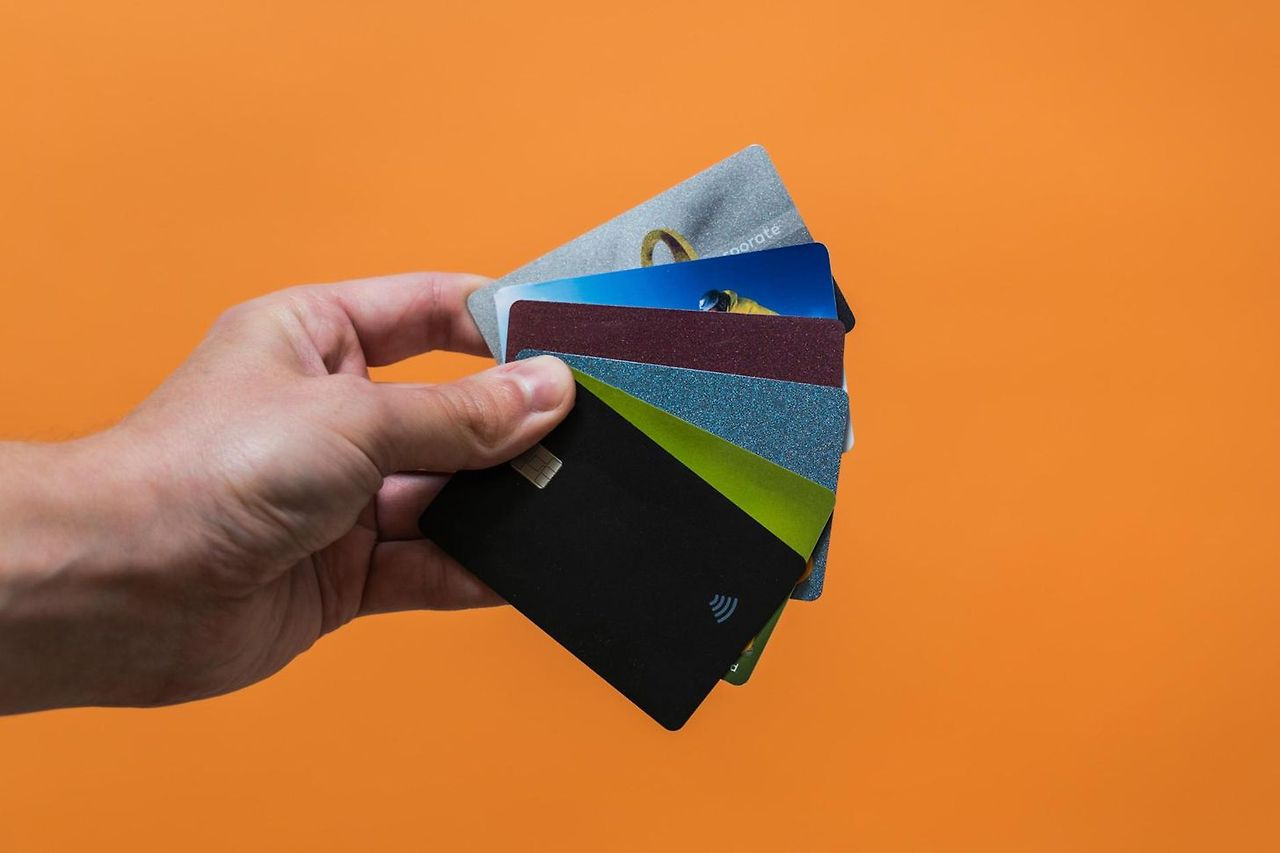
Over 16 mil. cards unused by consumers
소비자가 사용하지 않는 1,600만 장 이상의 카드
In a country where most adults carry multiple credit cards, dormant accounts have become a growing concern for the industry. On average, around 5,000 credit cards become inactive each day, cutting into issuers’ profits and increasing the risk of financial fraud.
대부분의 성인이 여러 장의 신용카드를 소지하고 있는 국가에서 휴면 계좌는 업계에서 점점 더 큰 관심사가 되고 있다. 평균적으로 매일 약 5,000장의 신용카드가 비활성화되어 발행자의 수익이 감소하고 금융 사기 위험이 증가하고 있다.
Jeong In-a, a 24-year-old university student, holds one such card. In 2023, she signed up for a new Hyundai Card specifically to use Apple Pay, following an exclusive partnership between the two companies. These days, however, she rarely uses the service and the card has been left idle.
24세의 대학생 정인아씨는 이러한 카드를 보유하고 있다. 2023년에는 양사의 독점 파트너십에 따라 Apple Pay를 사용하기 위해 새로운 현대 카드에 가입했다. 하지만 요즘은 서비스를 거의 사용하지 않아 카드가 휴면상태로 남아 있다.
"Canceling it is a hassle. I’m not sure when I might need it, so I just leave it," Jeong said.
"취소하는 것은 번거롭습니다. 언제 필요할지 몰라서 그냥 둔다."라고 정씨는 말했다.
According to the Credit Finance Association, as of March, a total of 16.334 million credit cards were dormant across eight major domestic card companies — Shinhan, Samsung, Hyundai, KB Kookmin, Lotte, Hana, Woori and BC. This marks a 13.24 percent increase from a year ago.
여신금융협회에 따르면 3월 기준 신한, 삼성, 현대, KB국민, 롯데, 하나, 우리, BC 등 국내 주요 8개 카드사에서 총 16,334,000장의 신용카드가 휴면상태이다. 이는 1년 전보다 13.24% 증가한 수치이다.
A key driver behind this trend is the growing issuance of private label credit cards (PLCCs). These co-branded cards offer benefits tailored to specific brands, with marketing costs shared between the card issuer and the partnering company.
이러한 추세의 핵심 동인은 프라이빗 라벨 신용카드(PLCC)의 발급이 증가하고 있다는 점이다. 이러한 공동브랜드 카드는 특정 브랜드에 맞춘 혜택을 제공하며, 마케팅 비용은 카드발행사와 파트너회사가 분담한다.
Many consumers already have a primary credit card but apply for multiple PLCCs to access exclusive perks. Over time, as the appeal wears off, these secondary cards often fall into disuse.
많은 소비자가 이미 기본 신용카드를 가지고 있지만 독점 혜택에 액세스하기 위해 여러 PLCC를 신청한다. 시간이 지남에 따라 쓸모가 사라지면 이러한 보조카드는 종종 사용되지 않게 된다.
Another contributing factor is weakened consumer sentiment amid high inflation. After remaining in the 1 percent range from September to December, the inflation rate rose to 2.2 percent in January and stayed in the 2 percent range for four consecutive months.
또 다른 요인은 높은 인플레이션으로 인한 소비자 심리 약화이다. 9월부터 12월까지 1%대에 머물렀던 인플레이션율은 1월에 2.2%로 상승하여 4개월 연속 2%대를 유지했다.
Card issuers say dormant cards impose financial burdens, as they generate issuance and management costs regardless of usage.
카드 발급자들은 휴면 카드가 사용 여부와 관계없이 발급 및 관리 비용을 발생시키기 때문에 재정적 부담을 준다고 말한다.
According to the Financial Statistics Information System, the eight major card companies spent a combined 309.77 billion won ($219 million) on card issuance in 2024. If just 10 percent of these cards are dormant, that translates to more than 30 billion won in sunk costs.
금융통계정보시스템에 따르면 8대 카드사는 2024년 카드발급에 총 3,097억 7,000만 원(2억1,900만 달러)을 지출했다. 이 중 10%만 휴면 상태라면 300억 원 이상의 매몰비용이 발생하는 셈이다.
"For card issuers, profitability improves only when customers use their cards consistently," said a card company official. "As the number of dormant cards rises, the sunk costs we must absorb grow larger, inevitably affecting overall profitability."
카드사 관계자는 "카드발급사 입장에서는 고객들이 꾸준히 카드를 사용해야만 수익성이 개선된다"며 "휴면카드가 늘어날수록 우리가 흡수해야 할 매몰비용이 커져 전체 수익성에 영향을 미칠 수밖에 없다"고 말했다.
Unused cards can also pose risks to consumers. If lost or stolen, they may go unnoticed, leaving them vulnerable to financial crimes such as card cloning or unauthorized transactions.
사용하지 않는 카드도 소비자에게 위험을 초래할 수 있다. 분실 또는 도난시 눈에 띄지 않아 카드복제 또는 무단거래와 같은 금융범죄에 취약할 수 있다.
In response to growing concerns, financial authorities have launched a service that allows users to view and cancel all their dormant cards instantly. However, since cancellations are left to the user’s discretion, the overall effectiveness of the initiative has been limited.
금융 당국은 우려가 커지자 휴면 카드를 모두 즉시 조회하고 해지할 수 있는 서비스를 출시했다. 하지만 해지는 사용자의 재량에 맡겨져 있어 전반적인 실효성에 한계가 있었다.
Card issuers are also ramping up efforts to reactivate dormant cards through targeted marketing, viewing it as a more cost-effective strategy than acquiring new customers.
카드 발급업체들은 또한 휴면 카드를 신규 고객 확보보다 비용 효율적인 전략으로 보고 타겟 마케팅을 통해 재활성화하려는 노력을 강화하고 있다.
#Dormantcreditcards휴면신용카드 #Consumersentiment소비자 심리#Privatelabelcreditcards(PLCCs)프라이빗라벨신용카드(PLCC) #Sunkcosts매몰비용 #Financialfraud금융사기