AI가 번역시장을 위협하고 있는 것은 부인할 수 없는 사실입니다.
전문가들은 지금까지는 AI가 고급 인간 전문가들의 번역 시장에 미치는 영향은 제한적이었다고 보고 있습니다.
기계 번역 품질이 향상됨에 따라 AI의 결과물을 사후 편집하고 정제하는 인간 전문가의 필요성이 커지고 있습니다.
인간전문가의 필요성이 커짐에도 불구하고 번역시장에서 AI의 영향력이 커지고 있는 것은 부인할 수 없습니다.
Will AI replace human translators?
AI가 인간 번역가를 대체할까요?
By Jung Min-ho 정민호 기자
Jung Min-ho has worked as a staff writer at The Korea Times since 2012, mostly covering social and political issues. He currently belongs to the Politics & City Desk where he covers topics such as health, labor and human rights. Prior to joining the team, he was responsible for covering North Korea and sports. His article about a biosecurity breach of Middle East respiratory syndrome won him an award from the Korea Science Journalists Association in 2016. He is also the co-author of the book, "Medical Pioneers of Korea" (2019). He served as the head of the international relations committee at the Journalists Association of Korea from 2021 to 2023.
정민호는 2012년부터 코리아 타임즈에서 사회 및 정치 이슈를 주로 다루는 스태프 기자로 활동하고 있습니다. 현재 정치 및 시티 데스크에 소속되어 건강, 노동, 인권 등의 주제를 다루고 있습니다. 팀에 합류하기 전에는 북한과 스포츠 분야를 담당했습니다. 중동호흡기증후군의 생물보안 침해에 관한 기사로 2016년 한국과학기자협회로부터 상을 수상했습니다. 또한 '대한민국의 의료 선구자'(2019)의 공동 저자이기도 합니다. 2021년부터 2023년까지 한국기자협회 국제관계위원회 위원장을 역임했습니다.
Published Aug 11, 2025 6:50 am KST
Korea Times
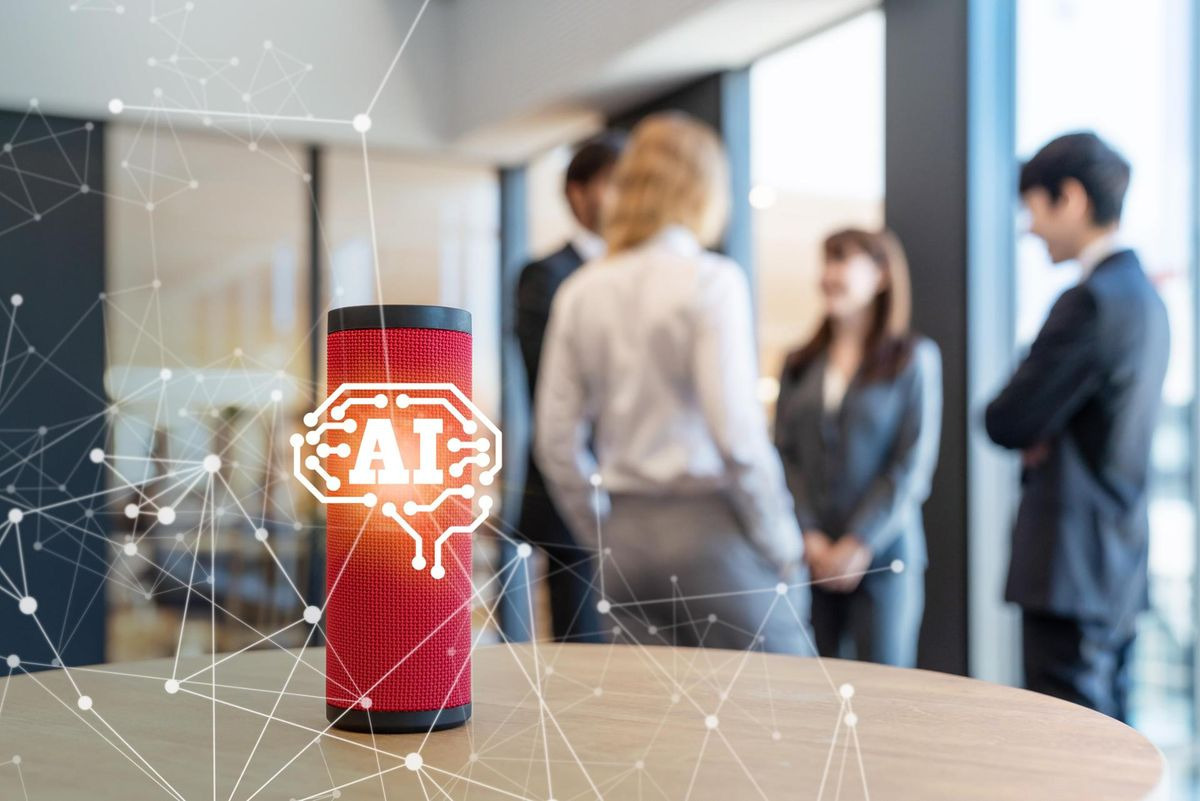
AI tools are not replacing language mediators, but prompting them to redefine their roles
AI 도구가 언어 매개자를 대체하는 것이 아니라 역할을 재정의하도록 유도
The rise of artificial intelligence (AI) in translation has raised concerns among professionals in the industry, with some wondering whether they will soon become as obsolete as typists or video store clerks.
번역분야에서 인공지능(AI)의 부상은 업계 전문가들 사이에서 우려를 불러일으켰으며, 일부 사람들은 이들이 타이피스트나 비디오 스토어 점원처럼 곧 구식이 될지 궁금해하고 있다.
But professional translators and scholars in the field recently told The Korea Times that they don’t believe AI-powered tools are rendering human experts obsolete just yet. Instead, they said the powerful technology is prompting a redefinition of their roles as it changes the nature of the profession.
하지만 이 분야의 전문 번역가와 학자들은 최근 코리아 타임즈와의 인터뷰에서 AI 기반 도구가 아직 인간 전문가를 쓸모없게 만든다고 생각하지 않는다고 말했다. 대신 강력한 기술이 직업의 성격을 변화시키면서 자신의 역할을 재정의하도록 유도하고 있다고 말했다.
“Many professionals, including myself, view AI translation tools with concern, because it will continue to develop. But if you ask me whether I think it has reached a level where I feel my job security is under threat, my answer is no,” said Lee Jun-ho, professor of advanced translation at Chung-Ang University. “AI, at least so far, has had limited impact on the translation market for high-level human experts. In some way, it is even helping and empowering them by creating more opportunities.”
"나를 포함한 많은 전문가들이 AI 번역 도구가 계속 발전할 것이기 때문에 우려의 눈초리로 보고 있다. 하지만 나의 고용 안정성이 위협받는 수준에 도달했다고 생각하느냐는 질문에 제 대답은 '아니오'이다."라고 이준호 중앙대 고급번역학과 교수는 말했다. "적어도 지금까지는 AI가 고급 인간 전문가들의 번역 시장에 미치는 영향은 제한적이었다. 어떤 면에서는 더 많은 기회를 창출함으로써 AI를 돕고 힘을 실어주고 있다."
AI-powered translation tools, built on neural machine translation and large language models, can deliver translations at unprecedented speed and at far lower cost than human experts, if not completely free. For routine, high-volume tasks such as product descriptions, AI systems can generate “good enough” translations instantly, making human translators far less needed in this section of the market, according to experts.
인공지능 기반 번역 도구는 신경망 기계 번역과 대형 언어 모델을 기반으로 하며, 완전히 무료는 아니더라도 인간 전문가보다 훨씬 저렴한 비용으로 전례 없는 속도로 번역을 제공할 수 있다. 전문가들에 따르면 제품 설명과 같은 일상적이고 방대한 양의 작업을 위해 AI 시스템은 즉시 "충분히 좋은" 번역을 생성할 수 있어 이 시장 부문에서 인간 번역가의 필요성이 훨씬 적다고 한다.
However, even though AI translation has improved drastically in recent years, its accuracy is still lower than experienced professionals. This gap matters, especially for high-stakes tasks such as legal documents and any content requiring cultural nuance or idiomatic precision, experts say. And, they noted, these are the most lucrative markets in the translation industry.
그러나 최근 몇 년 동안 AI 번역이 급격히 개선되었지만 여전히 숙련된 전문가보다 정확도가 낮다. 전문가들은 특히 법률 문서나 문화적 뉘앙스나 관용적 정확성이 요구되는 모든 콘텐츠와 같은 고위험 작업의 경우 이러한 격차가 중요하다고 말한다. 또한 번역 업계에서 가장 수익성이 높은 시장이라고 지적했다.
Human translators excel in areas where context, tone and deep cultural understanding are essential, said Lim Dae-geun, a Chinese interpreter and a professor at Hankuk University of Foreign Studies (HUFS). He added human experts can be more trusted on interpreting humor, idiomatic expressions and subtle messages ― which, if mishandled, can lead to costly misunderstandings or even legal trouble.
중국어 통역사이자 한국외국어대학교(HUFS) 교수인 임대근은 "인간 번역가는 맥락, 어조, 깊은 문화적 이해가 필수적인 분야에서 탁월하다"고 말했다. 그는 인간 전문가들이 유머, 관용적 표현, 미묘한 메시지를 해석하는 데 더 신뢰할 수 있으며, 이는 잘못 다룰 경우 비용이 많이 드는 오해나 법적 문제로 이어질 수 있다고 덧붙였다.
“Moreover, human involvement means, if some major error is found, there is someone who can take the legal responsibility. So I believe the human role as the final checker of the work done by AI and a legal entity will remain, and it will be difficult to replace them,” Lim said.
"게다가 인간의 개입은 중대한 오류가 발견되면 법적 책임을 질 수 있는 사람이 있다는 것을 의미한다. 그래서 AI와 법적 실체가 한 일의 최종 점검자로서의 인간적 역할은 남아 있고, 이를 대체하기는 어려울 것이라고 생각한다."라고 임교수는 말했다.
In fact, experts say AI is helping human experts more than hurting. As machine translation quality rises, there has been a growing need for human professionals to post-edit and refine AI-generated output, such as subtitling for streaming content and inspections of AI-assisted user services for customers overseas ― creating new markets and other opportunities.
실제로 전문가들은 AI가 상처를 주는 것보다 인간 전문가에게 더 많은 도움이 되고 있다고 말한다. 기계 번역 품질이 향상됨에 따라 스트리밍 콘텐츠 자막 제작, 해외 고객을 위한 AI 지원 사용자 서비스 점검 등 인간 전문가가 AI가 생성한 결과물을 사후 편집하고 정제하여 새로운 시장과 기타 기회를 창출해야 할 필요성이 커지고 있다.
According to data from Statistics Korea, the number of translation and interpretation firms rose from 2,429 in 2020 to 2,805 in 2023. Meanwhile, the number of people working in the industry increased from 6,251 to 6,712.
통계청의 데이터에 따르면 2020년 2,429개였던 번역 및 통역 업체 수는 2023년 2,805개로 증가했다. 한편, 업계 종사자 수는 6,251명에서 6,712명으로 증가했다.
Demand for acquiring such skills at higher education institutes also appears to remain strong and stable. When asked whether the number of applicants has decreased in recent years, officials at two of the most reputable schools for translation programs in Korea ― HUFS and Chung-Ang University ― said there has been no noticeable change in numbers.
고등 교육 기관에서 이러한 기술을 습득하려는 수요도 여전히 강하고 안정적인 것으로 보인다. 최근 몇 년 동안 지원자 수가 감소했는지 묻는 질문에 국내에서 가장 평판이 좋은 두 학교인 HUFS와 중앙대학교 관계자는 숫자에 눈에 띄는 변화가 없다고 답했다.
“So far, there has been no impact on the number of students applying for our program,” an official at HUFS said. “At the very least, those who want to be the top elite in translation do not seem to be affected by the recent rise of AI.”
HUFS의 한 관계자는 "지금까지 우리 프로그램에 지원하는 학생 수에는 아무런 영향이 없었다"고 말했다. "적어도 번역 분야에서 최고 엘리트가 되고자 하는 사람들은 최근 AI의 부상에 영향을 받지 않는 것 같다."
Rather than eliminating jobs, experts say AI is shifting the focus of human experts toward higher-value tasks, while AI does the heavy lifting for first drafts, bulk and repetitive tasks.
전문가들은 AI가 일자리를 없애는 대신 인간 전문가의 초점을 더 높은 가치의 작업으로 옮기고 있으며, 초안작성, 대량작업, 반복작업에 대해서는 AI가 큰 비중을 차지하고 있다고 말한다.
“So, a graduate school of interpretation and translation really gathers only the very top few percent of foreign language experts,” Lee said. “Both the students applying and we teachers believe there will always be a demand for this top-level human expertise.” "
그래서 통역 및 번역 대학원에는 정말로 상위 몇 퍼센트의 외국어 전문가만 모인다."라고 이 교수는 말한다. "지원하는 학생들과 우리 교사들 모두 이 최고 수준의 인간 전문 지식에 대한 수요가 항상 있을 것이라고 믿는다."
#AItranslationtoolsAI번역도구 #Redefinitionofroles역할재정의 #High-stakestranslation고위험번역작업 #Post-editing사후편집 #Culturalnuance문화적뉘앙스