More newlyweds delay marriage registration 신혼부부들이 주택청약혜택을 유지하기 위해 혼인신고 지연
작성자Condel작성시간25.10.18조회수152 목록 댓글 0
주택청약때문에 결혼 신고를 미루는 신혼부부의 수가 지난 10년 동안 거의 두 배로 증가했습니다.
이러한 추세의 중심에는 독신자들이 많이 이용할 수 있는 주거 혜택을 잃을 수 있다는 두려움이 있습니다.
신혼부부는 합산소득이 8,500만원이하인 경우 대출자격이 있지만 미혼자는 별도 프로그램을 신청할 수 있습니다.
정부는 하루 빨리 관련 법규를 상식에 맞게 개정해야 겠습니다.
More newlyweds delay marriage registration to keep housing benefits
더 많은 신혼부부들이 주택청약혜택을 유지하기 위해 혼인신고 지연
By Yi Whan-woo 이환우 기자
Published Oct 16, 2025 12:00 pm KST
Korea Times
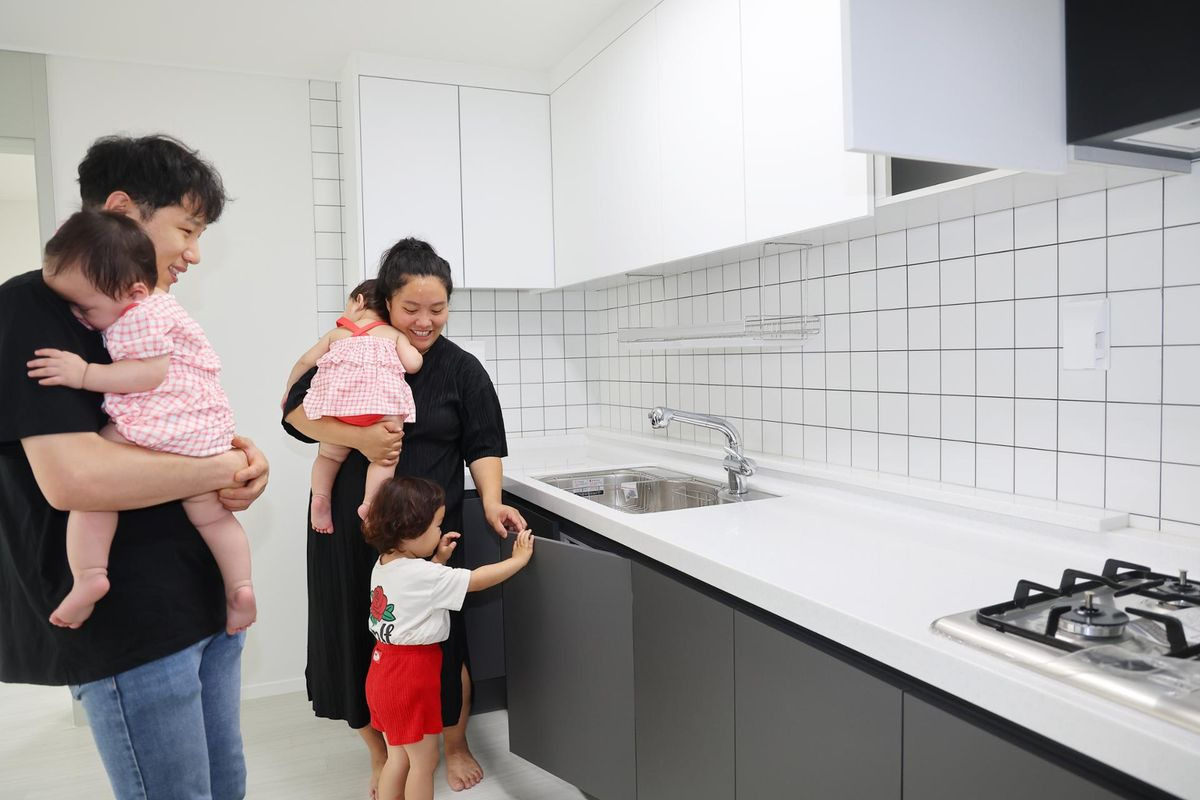
Longtime real estate broker Lim Mi-ae says she was surprised in 2014 when she met and brokered a deal for a newlywed couple in their 30s who had postponed registering their marriage to maintain housing benefits for singles.
오랜 부동산 중개인 임미애 씨는 2014년 미혼자의 주거 혜택을 유지하기 위해 혼인 신고를 연기했던 30대 신혼부부를 만나 중개하면서 놀랐다고 말한다.
“Although I didn’t say anything to their face at the time, I thought they were crazy —undermining the idea of marriage just for financial gain,” Lim said. “But over the years, I’ve started seeing more and more couples like them.”
임 씨는 "당시에는 그들의 얼굴에 아무 말도 하지 않았지만, 경제적 이익을 위해 결혼이라는 개념을 약화시키는 그들이 미쳤다고 생각했다."라고 말했다. "하지만 수년에 걸쳐 점점 더 많은 커플들이 그들을 좋아하기 시작했다."
Lim’s observation isn’t wrong.
임씨의 관찰은 틀린 것이 아니다.
The number of newlyweds delaying official marriage registration with the government has nearly doubled over the past decade, according to the Ministry of Data and Statistics.
국가데이터처에 따르면, 정부에 공식적인 혼인 신고를 미루는 신혼부부의 수가 지난 10년 동안 거의 두 배로 증가했다.
In this year’s National Assembly audit data submitted to Rep. Chung Il-young of the ruling Democratic Party of Korea, the ministry reported that 19 percent of couples in 2024 delayed registering their marriage for over a year after their wedding.
올해 국회 국정감사 자료에서 여당인 더불어민주당의 정일영 의원이 제출한 자료에 따르면, 2024년 결혼 후 1년 이상 혼인신고를 미루는 부부가 19%에 달한다고 한다.
That figure has steadily risen from the 10.9 percent recorded in 2014, hitting 12.5 percent in 2017, 12.8 percent in 2020, 15.3 percent in 2022 and 16.8 percent in 2023.
이 수치는 2014년에 기록된 10.9%에서 꾸준히 상승하여 2017년에는 12.5%, 2020년에는 12.8%, 2022년에는 15.3%, 2023년에는 16.8%를 기록했다.
“This trend is becoming increasingly common,” said Rep. Chung, who also serves on the National Assembly’s Strategy and Finance Committee. “And at the heart of this troubling pattern is the fear of losing housing benefits that are heavily available to singles.”
국회 기획재정위원회에서 활동하는 정 의원은 "이러한 추세는 점점 더 일반화되고 있다."라고 말했다. "그리고 이 문제적인 패턴의 중심에는 독신자들이 많이 이용할 수 있는 주거 혜택을 잃을 수 있다는 두려움이 있다."
These benefits include government-regulated programs such as mortgage loans at significantly reduced interest rates and subscription-based programs for newly built apartments, known as “cheongyak.”
이러한 혜택에는 크게 할인된 금리의 주택담보대출과 같은 정부 규제 프로그램과 신축 아파트를 위한 청약 기반 프로그램인 '청약'이 포함된다.
Roughly translated as “stepping stone loans,” the program offers low-interest loans to individuals earning less than 60 million won ($42,100) annually.
대략 "디딤돌 대출"로 번역되는 이 프로그램은 연간 6천만 원(42,100달러) 미만의 소득을 올리는 개인에게 저금리 대출을 제공한다.
Newlyweds are only eligible if their combined annual income is 85 million won or less. However, an increasing number of newlyweds are exceeding these income thresholds.
신혼부부는 합산 연소득이 8,500만 원 이하인 경우에만 자격이 있다. 그러나 점점 더 많은 신혼부부들이 이러한 소득 기준을 초과하고 있다.
Ministry data showed that the proportion of newlyweds earning over 100 million won rose annually, from 13.8 percent in 2021 to 20.3 percent in 2023.
부처 자료에 따르면 1억 원 이상을 버는 신혼부부의 비율은 2021년 13.8%에서 2023년 20.3%로 매년 증가했다.
“As a result, it’s becoming harder for many newlyweds to qualify for these loans, even though their participation in the housing market is increasing,” Rep. Chung said.
정 의원은 "그 결과, 주택 시장 참여가 증가하고 있음에도 불구하고 많은 신혼부부들이 이러한 대출 자격을 갖추기가 점점 더 어려워지고 있다"고 말했다.
As for cheongyak, the housing subscription system allows citizens to apply for newly built apartments — the most sought-after housing options in Korea — at lower-than-market prices.
청약의 경우, 주택청약제도는 시민들이 한국에서 가장 인기 있는 주택 옵션인 신축 아파트를 시세보다 낮은 가격에 신청할 수 있도록 한다.
The program aims to ensure fair access to housing, particularly for first-time buyers, newlyweds and low- to middle-income families.
이 프로그램은 특히 첫 구매자, 신혼부부, 저소득층에서 중산층 가정을 대상으로 주택에 대한 공정한 접근성을 보장하는 것을 목표로 한다.
Unmarried individuals can apply separately, doubling the household’s chances of securing a home.
미혼자는 별도로 신청할 수 있어 가구가 주택을 확보할 가능성이 두 배로 높아진다.
But once a couple registers their marriage, they are treated as a single household, and only one application is allowed.
하지만 부부가 혼인 신고를 하면 1인 가구로 간주되며, 한 번만 신청할 수 있다.
Furthermore, if both partners own property prior to marriage, registering the marriage immediately categorizes them as multi-homeowners, which results in a significantly higher tax burden.
또한, 결혼 전에 두 파트너가 모두 부동산을 소유하고 있는 경우, 혼인 신고를 하면 즉시 다주택자로 분류되어 세금 부담이 상당히 높아진다.
Rep. Chung said, “The rising number of delayed marriage registrations reflects the difficulties newlyweds face in securing their own homes.”
정 의원은 "연체 혼인 신고 건수가 증가하는 것은 신혼부부들이 내 집 마련에 어려움을 겪고 있음을 반영한 것"이라고 말했다
He urged relevant ministries and government agencies “to review policies that disadvantage newlyweds across housing, taxation and finance.”
그는 관련 부처와 정부 기관에 "주택, 세금, 금융 전반에 걸쳐 신혼부부에게 불이익을 주는 정책을 검토할 것"을 촉구했다.
#Housing benefits 주거 혜택 #Delayed marriage registration 혼인신고 지연 #Newlyweds 신혼부부 #Income threshold 소득 기준 #Cheongyak (housing subscription system) 청약제도