Is Korea's excess liquidity main culprit ? 한국의 유동성 과잉이 원화 약세의 주범일까?
작성자Condel작성시간25.12.04조회수124 목록 댓글 0
원화 약세 장기화의 진정한 원인이 과잉 유동성인지에 대한 논쟁이 심화되고 있습니다.
이창용 한은 총재는 해외 주식 투자가 "쿨하게" 보이려는 젊은이들 사이에서 유행이 되고 있다고 말했습니다.
이러한 상품을 제외할 경우 M2 증가율은 약 5.5%로 떨어져서 다른 주요국과 비슷한 수준입니다.
정부는 외환시장 안정을 위해 연금·수출업체·증권사를 총동원하고 있습니다.
Is Korea's excess liquidity main culprit behind weakening won?
한국의 유동성 과잉이 원화 약세의 주범일까?
By Lee Yeon-woo 이연우 기자
Published Dec 2, 2025 3:56 pm KST
Korea Times
Gov't mobilizes pension fund, exporters, securities firms to steady FX market
정부, 외환시장 안정 위해 연금·수출업체·증권사 총동원
Korea's money supply is expanding at its fastest pace in years, intensifying a debate over whether excess liquidity is the real culprit behind the won's prolonged weakness, industry officials said Tuesday.
한국의 통화 공급량이 수년 만에 가장 빠른 속도로 확대되고 있어, 원화 약세 장기화의 진정한 원인이 과잉 유동성인지에 대한 논쟁이 심화되고 있다고 업계 관계자들은 화요일에 밝혔다.
According to data from the Bank of Korea (BOK), M2 — a broad gauge of funds circulating in the economy — rose 8.5 percent in September from a year earlier, pushing the total to a record 4,430 trillion won ($3.02 trillion). The gain, sustained for six straight months, is nearly double the U.S. rate of 4.5 percent.
한국은행 자료에 따르면, 경제에 유통되는 자금의 척도인 M2는 9월 전년 동월 대비 8.5% 증가해 총 4,430조 원(3조 200억 달러)을 기록했다. 6개월 연속 상승세를 보인 이번 상승률은 미국 4.5%의 거의 두 배에 달한다.
While the government has attributed the won's slide partly to a spike in overseas investments by individuals, critics argue that expansionary fiscal policy and abundant liquidity are the primary drivers. "The exchange rate is where it is because Korea expanded M2 far too aggressively, because the economy isn't growing, and because dollars are being reinvested in the U.S. instead of in Korea," wrote a finance content creator on Threads, gaining traction among younger investors. "Gov. Rhee's latest remarks are truly shocking."
정부는 원화 가치 하락의 원인을 개인의 해외 투자 급증에 일부 기인한다고 주장하지만, 비판론자들은 확장적 재정 정책과 풍부한 유동성이 주요 원인이라고 주장한다. "환율이 지금과 같은 수준인 이유는 한국이 M2를 지나치게 공격적으로 확대했고, 경제성장이 부진하며, 달러가 한국이 아닌 미국에 재투자되고 있기 때문이다."라고 Threads의 한 금융 콘텐츠 제작자가 작성하여 젊은 투자자들 사이에서 호응을 얻고 있다. "이 총재의 최근 발언은 정말 충격적이다."
The post cited BOK Gov. Rhee Chang-yong's Nov. 27 remark expressing concern that investing in foreign stocks was becoming a trend among youth trying to appear "cool," triggering a backlash from retail investors and government critics."The government flooded the economy with consumption coupons, weakening the won," said Rep. Jang Dong-hyeok, leader of the People Power Party. "Now it's trying to solve the problem by squeezing retail investors."
이 게시물은 이창용 한국은행 총재가 11월 27일 해외 주식 투자가 "쿨하게" 보이려는 젊은이들 사이에서 유행이 되고 있다는 우려를 표명한 발언을 인용하며, 이는 개인 투자자와 정부 비판론자들의 반발을 촉발했다. 장동혁 국민의힘 대표는 "정부가 소비 쿠폰을 쏟아부어 원화를 약세로 만들었다"고 말했다. "이제는 개인 투자자들을 압박하여 문제를 해결하려 하고 있다."
In theory, a rapid increase in money supply can fuel inflation and weaken the currency. The BOK, however, pushed back on the idea that fresh stimulus is to blame.
이론적으로 통화 공급량의 급격한 증가는 인플레이션을 부추기고 통화 가치를 약화시킬 수 있다. 그러나 한국은행은 새로운 경기 부양책이 원인이라는 주장을 반박했다.
"It is true that liquidity remains abundant," Rhee said. "But the amount of newly injected liquidity isn't large. Much of the recent growth stems from a reallocation of previously accumulated liquidity."
"유동성이 여전히 풍부한 것은 사실입니다."라고 이 부총리는 말했습니다. "하지만 새로 주입되는 유동성의 규모는 크지 않다. 최근 증가의 상당 부분은 이전에 축적된 유동성의 재분배에서 비롯된다."
Korea defines M2 more broadly, including ETFs and mutual funds — instruments excluded in the U.S., Europe and Japan due to their price volatility. The International Monetary Fund has for years urged Korea to revise its methodology.
한국은 ETF와 뮤추얼펀드를 포함하여 M2를 더 광범위하게 정의하는데, 이는 가격 변동성 때문에 미국, 유럽, 일본에서 제외된 상품이다. 국제통화기금(IMF)은 수년 동안 한국에 방법론 개정을 촉구해 왔다.
Excluding these instruments, M2 growth falls to about 5.5 percent, according to the BOK — still elevated, but more in line with global peers.
한국은행에 따르면 이러한 상품을 제외할 경우 M2 증가율은 약 5.5%로 떨어진다. 이는 여전히 높은 수준이지만 다른 주요국과 비슷한 수준이다.
Economists say rapid liquidity growth warrants caution, but doesn't fully explain the won's slide.
경제학자들은 급격한 유동성 증가는 신중해야 하지만 원화 가치 하락을 완전히 설명하지는 못한다고 말한다.
"Domestic liquidity conditions have eased, but Korea’s liquidity relative to the U.S. hasn’t deviated significantly from historical averages," said Wee Jae-hyun, an economist at NH Futures. "We don't see liquidity as the main factor driving the won’s depreciation."
NH선물의 위재현 이코노미스트는 "국내 유동성 여건은 완화되었지만, 미국 대비 한국의 유동성은 역사적 평균에서 크게 벗어나지 않았다."라고 말했다. "원화 약세의 주요 원인은 유동성이라고 보지 않는다."
Other variables include a wide Korea-U.S. interest rate gap, a weak yen and a growing reluctance among exporters to convert dollar earnings into won due to expectations of further depreciation. It's also true that Korea is seeing a sharp rise in outbound investment — a shift experts view as structurally significant. In response, the government is coordinating with major institutions, including talks to extend a swap deal with the National Pension Service and incentives for exporters to sell dollars. Financial regulators have also launched inspections of securities firms to rein in risky overseas investments. Yet, experts agree that any lasting solution to the currency's weakness must come from the real economy.
다른 변수로는 한미 금리 격차 확대, 엔화 약세, 그리고 추가 약세에 대한 기대로 달러화 수익을 원화로 환전하는 수출업체들의 기피 현상 증가 등이 있다. 한국의 해외 투자가 급증하고 있는 것도 사실이며, 전문가들은 이러한 변화를 구조적으로 중요한 변화로 보고 있다. 이에 정부는 국민연금과의 통화스와프 연장 협상 및 수출업체의 달러 매도 인센티브 제공 등 주요 기관들과 공조하고 있습니다. 금융감독 당국도 위험한 해외 투자를 억제하기 위해 증권사에 대한 검사를 시작했다. 그러나 전문가들은 통화 약세에 대한 지속적인 해결책은 실물 경제에서 나와야 한다는 데 동의한다.
"Concentration remains high in the industrial sector, and consumers have limited spending capacity, which means real economic recovery will be slow," said Shin Yoon-jung, an economist at SK Securities. "The won lacks strong intrinsic momentum and that will continue to weigh on the currency."
SK증권 신윤정 이코노미스트는 "산업 부문의 집중도가 여전히 높고 소비자들의 소비 여력이 제한적이어서 실질 경기 회복이 더딜 것"이라고 말했다. "원화는 강력한 내재적 모멘텀이 부족하여 환율에 지속적인 부담으로 작용할 것"이라고 덧붙였다.
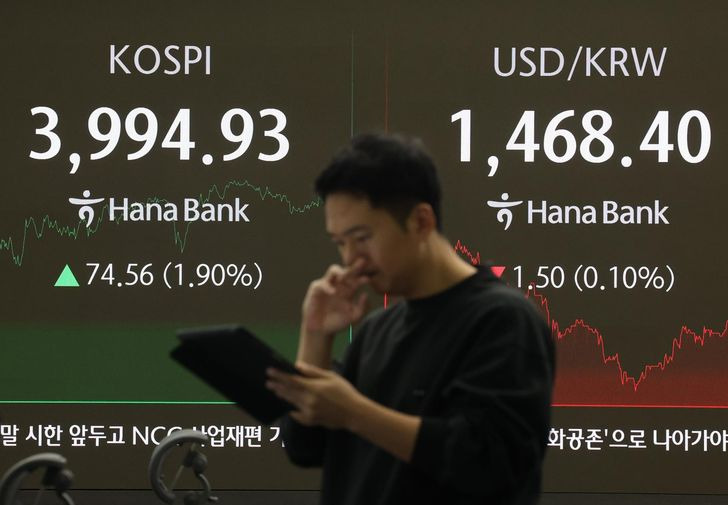
The won closed at 1,468.4 per dollar on Tuesday, down 1.5 won from the previous session. After sliding to 1,477 per dollar on Nov. 24 — its weakest level since April — the currency has been fluctuating between 1,460 and 1,470.
원화는 화요일 달러당 1,468.4원으로 마감하며 전 거래일 대비 1.5원 하락했다. 11월 24일 달러당 1,477원으로 4월 이후 최저치를 기록한 이후, 원화는 1,460원에서 1,470원 사이를 오가며 등락을 거듭하고 있다.
#liquidity 유동성 #won depreciation 원화 약세 #M2 M2 #interest rate gap 금리 격차#policy coordination 금리 격차