How newly revised AI Basic Act will reshape Korea AI기본법이 한국의 AI환경을 어떻게 바꿀까
작성자Condel작성시간26.01.04조회수293 목록 댓글 0
최근 개정된 인공지능(AI) 개발 및 신뢰 기반 구축 기본법, 일명 인공지능 기본법이 1월 22일 발효됩니다.
이 법은 딥페이크 남용과 허위 정보를 방지하기 위해 AI 생성 콘텐츠의 의무적 정보 공개를 도입했습니다.
한국은 권고 중심의 AI 가이드라인에서 법적 구속력을 갖춘 감독 체계로 전환하고 있습니다.
새로운 법개정과 더불어 안전성과 혁신의 균형을 추구하는 AI 규제 선도국가로 자리매김하면 좋겠습니다.
How newly revised AI Basic Act will reshape Korea's AI landscape
새롭게 개정된 AI기본법이 한국의 AI환경을 어떻게 바꿀까
By Lee Gyu-lee 이규리 기자
Published Jan 2, 2026 5:18 pm KST
Korea Times
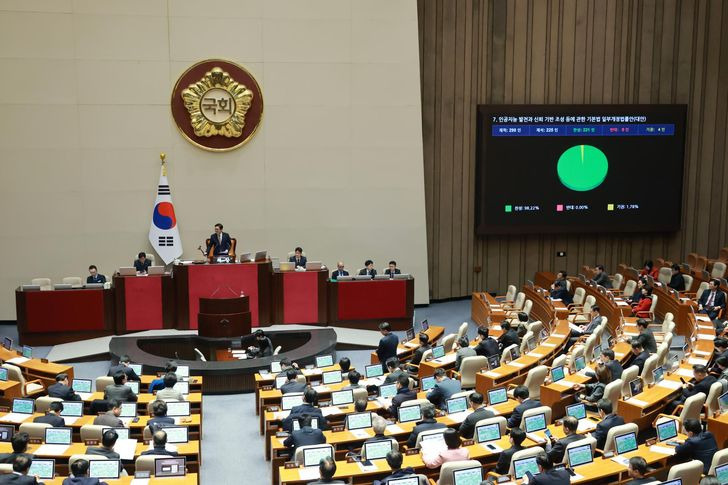
Korea’s recently revised Framework Act on the Development of Artificial Intelligence (AI) and the Creation of a Foundation for Trust, widely known as the AI Basic Act, is set to take effect on Jan. 22, marking a turning point in the country’s approach to governing rapidly advancing AI technologies.
최근 개정된 인공지능(AI) 개발 및 신뢰 기반 구축 기본법, 일명 인공지능 기본법이 1월 22일 발효되면서 급속도로 발전하는 AI 기술에 대한 한국의 규제 방식에 중대한 전환점이 마련되었다.
The act, passed on Tuesday, tightens oversight of AI-generated content and high-impact systems while expanding support for research and startups, a move expected to reshape how companies govern and innovate in AI by combining stronger risk controls with measures to promote innovation and digital inclusion.
화요일에 통과된 이 법은 AI 기반 콘텐츠와 영향력이 큰 시스템에 대한 감독을 강화하는 동시에 연구 및 스타트업에 대한 지원을 확대한다. 이는 강화된 위험 관리와 혁신 및 디지털 포용성 증진 조치를 결합하여 기업의 AI 관리 및 혁신 방식을 재편할 것으로 기대된다.
Watermarks mandate, high-impact AI
워터마크 의무화, 고위험 AI
One of the most immediate changes is the introduction of mandatory disclosure for AI-generated content, requiring AI service providers — defined as entities that develop or use AI for commercial purposes — to notify users through notices or technical measures such as watermarks. The requirement is intended to curb deepfake abuses, misinformation, deceptive advertising and other misuses of generative AI technologies.
가장 시급한 변화 중 하나는 AI 생성 콘텐츠에 대한 의무적인 정보 공개 도입이다. 이는 상업적 목적으로 AI를 개발하거나 사용하는 주체인 AI 서비스 제공업체에게 공지 또는 워터마크와 같은 기술적 조치를 통해 사용자에게 알리도록 요구한다. 이러한 요구 사항은 딥페이크 남용, 허위 정보, 기만적인 광고 및 기타 생성형 AI 기술의 오용을 억제하기 위한 것이다.
The law also defines high-impact AI systems as those trained with massive computing power — at least one hundred septillion floating-point operations — and assesses them based on detailed criteria, including their application area, potential risks to fundamental rights and the severity of those risks.
또한, 이 법은 막대한 컴퓨팅 능력(최소 1000경 부동 소수점 연산)으로 학습된 시스템을 고위험 AI 시스템으로 정의하고, 적용 분야, 기본권에 대한 잠재적 위험 및 그 심각도 등 세부적인 기준에 따라 평가한다.
High-impact AI is subject to safety requirements aligned with global norms and advances in AI technology.
고위험 AI는 국제 규범 및 AI 기술 발전에 부합하는 안전 요건을 준수해야 합니다.
Operators of such systems will be subject to heightened responsibilities, including the establishment of risk management plans, continuous monitoring of social impacts and increased regulatory oversight by the government. Authorities will also be empowered to request data submissions and conduct on-site inspections when necessary, giving legal force to oversight mechanisms that previously lacked enforceability.
이러한 시스템 운영자는 위험 관리 계획 수립, 사회적 영향에 대한 지속적인 모니터링, 정부의 규제 감독 강화 등 강화된 책임을 지게 됩니다. 당국은 필요시 자료 제출을 요구하고 현장 조사를 실시할 수 있는 권한을 부여받게 되며, 이는 기존에 법적 구속력이 부족했던 감독 메커니즘에 법적 효력을 부여하는 것이다.
Centralized governance, oversight
중앙집권적 관리 및 감독
The amendment gives clear legal status and enhanced powers to the Presidential Council on National Artificial Intelligence Strategy, establishing it as the central coordinating body for AI policy. It will coordinate ministries, deliberate and decide major policies, and monitor implementation, institutionalizing oversight that previously relied on nonbinding guidelines.
이번 수정안은 대통령 직속 국가인공지능전략위원회에 명확한 법적 지위와 강화된 권한을 부여하여 AI 정책의 중앙 조정 기구로 설립한다. 위원회는 각 부처를 조율하고 주요 정책을 심의 및 결정하며, 이행 상황을 감독함으로써 기존에 구속력이 없는 가이드라인에 의존했던 감독 체계를 제도화한다.
Authorities will also gain formal oversight powers, allowing them to request data and conduct on-site inspections of AI businesses when necessary. This investigatory mandate is framed as a tool to secure safety and rights protection in the AI era. However, it also raises the compliance stakes for companies operating large-scale systems.
또한 당국은 필요시 AI 사업체에 자료 제출을 요구하고 현장 조사를 실시할 수 있는 공식적인 감독 권한을 갖게 된. 이러한 조사 권한은 AI 시대의 안전과 권리 보호를 위한 수단으로 여겨지지만, 대규모 시스템을 운영하는 기업들의 준법감시 부담을 높이는 요인이기도 하다.
Innovation push, AI inclusion
혁신 추진, AI 포용
The revised act paves the way for advanced AI research by allowing not only the science ministry but also universities and private companies to establish and operate AI research institutes. This is intended to strengthen Korea’s sovereign AI capabilities by expanding dedicated R&D infrastructure beyond the public sector.
개정된 법은 과학기술정보통신부뿐 아니라 대학과 민간 기업도 AI 연구소를 설립 및 운영할 수 있도록 함으로써 첨단 AI 연구의 길을 열어준다. 이는 공공 부문을 넘어 AI 연구 개발 인프라를 확대하여 한국의 AI 역량을 강화하기 위한 것이다.
In the public sector, the act positions government demand as a growth engine for the market, with public institutions now required to prioritize AI products and services when procuring solutions or commissioning projects.
공공 부문에서는 정부의 수요를 시장 성장 동력으로 삼아, 공공기관이 AI 제품 및 서비스를 조달하거나 사업을 발주할 때 AI를 우선적으로 고려하도록 의무화했다.
To ease risk aversion and accelerate adoption in government services, civil servants who introduce AI systems will be shielded from personal liability for damages in the absence of intent or gross negligence.
또한, 위험 회피 심리를 완화하고 정부 서비스의 AI 도입을 가속화하기 위해, 공무원이 AI 시스템을 도입할 경우 고의 또는 중과실이 없는 한 개인적 책임을 면제받게 된다.

The amended act places emphasis on AI accessibility for underprivileged groups, such as people with disabilities, older adults and others facing difficulties in using AI. It requires the government to make efforts to reflect their perspectives in planning national AI policy and impact assessments.
개정된 법은 장애인, 고령자 등 AI 이용에 어려움을 겪는 취약계층의 AI 접근성을 강조한다. 정부는 국가 AI 정책 수립 및 영향평가 시 이들의 관점을 반영하기 위해 노력해야 한다.
It also provides a legal basis for central and local governments to subsidize AI products and services for those facing financial barriers, turning broad commitments into concrete support.
또한, 경제적 어려움에 직면한 사람들을 위해 중앙 및 지방 정부가 AI 제품 및 서비스에 대한 보조금을 지급할 수 있는 법적 근거를 마련하여, 포괄적인 약속을 구체적인 지원으로 전환한다.
Mounting concerns from industry, society
산업계와 사회의 우려 고조
To ease the transition, the government announced a grace period of at least one year after the law takes effect, during which it will prioritize guidance, discounts for safety and reliability certifications and expert consulting on AI impact assessments over punitive sanctions.
정부는 원활한 전환을 위해 법 시행 후 최소 1년의 유예 기간을 두고, 이 기간 동안에는 처벌보다는 지침 제공, 안전·신뢰성 인증 할인, AI 영향평가 전문가 컨설팅 등을 우선적으로 지원할 것이라고 발표했다.
However, despite the phased approach, concerns remain with industry pointing out that the act could expand regulatory burdens unpredictably and impede innovation.
그러나 이러한 단계적 접근에도 불구하고, 업계에서는 이 법이 예측할 수 없이 규제 부담을 확대하고 혁신을 저해할 수 있다는 우려가 여전히 남아 있다.
A recent report by nonprofit organization Startup Alliance warned that ambiguous definitions of high-impact AI and related compliance obligations could place a disproportionate burden on early-stage startups, particularly if routine functions such as machine translation or photo-editing tools become subject to watermarking requirements.
비영리단체인 스타트업 얼라이언스의 최근 보고서는 고영향 AI에 대한 모호한 정의와 관련 규제 의무가 초기 단계 스타트업에 과도한 부담을 줄 수 있다고 경고했다. 특히 기계 번역이나 사진 편집 도구와 같은 기본적인 기능에도 워터마킹 의무가 적용될 경우 더욱 심각해질 수 있다는 것이다.
They urged regulators to clarify technical criteria and phase in obligations based on business size and deployment risk rather than raw computing power, warning that regulatory uncertainty could otherwise stifle experimentation, investment and market entry.
이 단체는 규제 당국에 기술적 기준을 명확히 하고, 단순히 컴퓨팅 성능에 기반하기보다는 기업 규모와 도입 위험도를 기준으로 의무를 단계적으로 도입할 것을 촉구했다. 규제 불확실성이 실험, 투자 및 시장 진입을 저해할 수 있다는 우려 때문이다.
Some critics also argue that the framework leans too heavily toward industrial promotion, rather than offering enforceable protections for individuals affected by AI systems. With implementing decrees still under revision and the supervisory framework not yet fully in place, questions remain about whether Korea is moving too quickly toward enforcement while leaving both businesses and citizens in legal and practical uncertainty.
일부 비평가들은 또한 현행 규제 체계가 AI 시스템의 영향을 받는 개인을 실질적으로 보호하기보다는 산업 진흥에 지나치게 치우쳐 있다고 주장한다. 시행령이 아직 개정 중이고 감독 체계가 완전히 마련되지 않은 상황에서, 한국이 기업과 시민 모두에게 법적, 실질적 불확실성을 안겨주면서 규제 시행을 너무 서두르고 있는 것은 아닌지 의문이 제기되고 있다.
#Mandatory watermarking 워터마크 의무화 #High-impact AI systems 고위험(고영향) 인공지능 시스템 #Centralized AI governance 중앙집권적 AI 거버넌스 #AI inclusion and accessibility AI 포용성과 접근성 #Regulatory uncertainty and startup burden 규제 불확실성과 스타트업 부담