서울에서 20년 넘게 살고있는 서울여대 티저드교수의 서울에 사는 다섯가지 이유라는 글입니다.
필자는 편리한 인프라, 밀집거주, 음식, 의료서비스, 물건 두고다니기 등 5가지를 꼽았습니다.
외국인들에게는 스타벅스같은 공공장소에서 휴대폰, 노트북 등을 두고 다니는 모습이 생소해 보이는 것같습니다.
우리들의 매력을 우리들만 모르는 것 같습니다.
Five reasons I stayed in Seoul
내가 서울에 사는 다섯 가지 이유
By David A. Tizzard 데이비드 A. 티저드
David Tizzard is a professor at Seoul Women’s University, holds a PhD in Korean Studies, and hosts the Korea Deconstructed podcast. He has lived and worked in Seoul for more than two decades. Reach him at datizzard@swu.ac.kr.
데이비드 티저드는 서울여자대학교 교수이자 한국학 박사이며, 팟캐스트 '코리아 디컨스트럭티드'를 진행하고 있습니다. 그는 20년 이상 서울에서 거주하며 활동해 왔습니다. 연락처는 datizzard@swu.ac.kr입니다.
Published Jan 10, 2026 12:52 pm KST
Korea Times
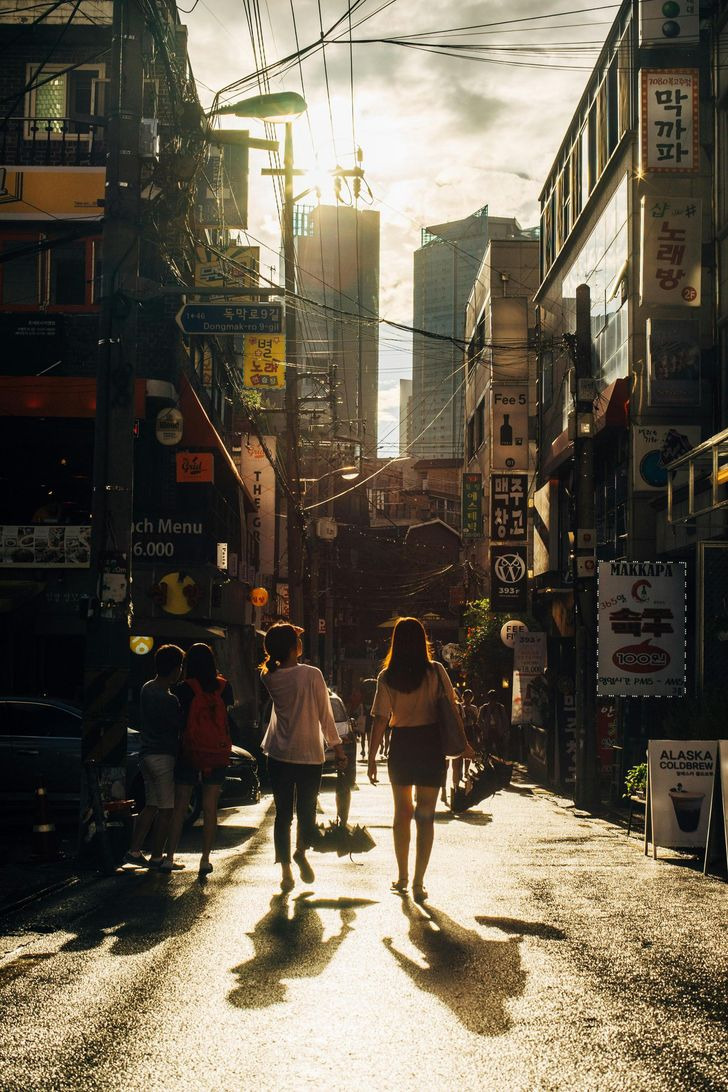
“Seoul is vast. … And yet, vast as it is, once three million seven hundred thousand people actually try to live in it, it proves no easy place to breathe. Everywhere you go, wherever you arrive, it is packed — stuffed to the seams. Houses keep creeping farther out toward the suburbs, yet year after year they are never enough. There are no jobs. People grow sharp-tongued and sly, the authorities groan under a torrent of abuse, and the newspapers do nothing but scream at the top of their lungs.”
“서울은 넓다. … 하지만 그 광활함에도 불구하고, 370만 명이나 되는 사람들이 실제로 그곳에서 살려고 하면 숨쉬기조차 쉽지 않다. 어딜 가든, 어디에 도착하든, 도시는 발 디딜 틈 없이 꽉 차 있다. 집들은 계속해서 외곽으로 뻗어 나가지만, 해가 지나도 수요는 턱없이 부족하다. 일자리는 부족하고, 사람들은 점점 더 날카로운 말솜씨와 교활함을 드러내며, 당국은 쏟아지는 비난에 신음하고, 신문들은 목청껏 소리만 지른다.”
Written in 1976, Lee Ho-cheol’s “Seoul Is Full” offers an unsettling portrait of Korea’s capital: overwhelming in scale, overpopulated to the point of psychic compression, and structurally incapable of supplying enough work or shelter for the bodies it contains. Nearly half a century on, the city’s basic conditions appear to have been normalized. Those of us who have succeeded in becoming Seoulites are, to a certain extent, sympathizers and accomplices in this outrageous transformation.
1976년에 쓰인 이호철의 “서울은 만원이다”는 한국의 수도 서울을 불안하게 묘사한다. 압도적인 규모, 정신적 압박을 줄 정도의 과밀 인구, 그리고 그 안에 사는 사람들에게 충분한 일자리와 주거를 제공할 수 없는 구조적 문제점들을 보여준다. 거의 반세기가 지난 지금, 도시의 기본적인 조건들은 정상화된 것처럼 보인다. 서울 시민이 된 우리들은 어느 정도 이러한 부당한 변화에 공감하고 공모하는 입장에 서 있다.
And yet, the attraction remains strong. We want to be in Seoul. Want to walk its streets. Sit by its river. Duck into one of the small private coffee shops. Traverse its mountains, and pontificate long into the night over far too many bottles of soju before stumbling towards our apartment. Whatever outrageous slogans culture ministries might come up with, Seoul is something that draws many of us to it. It gets into our blood. Becomes part of us just as we become part of it.
그럼에도 불구하고, 서울에 대한 매력은 여전히 강렬하다. 우리는 서울에 있고 싶어 한다. 서울의 거리를 걷고 싶어 하고, 강가에 앉아 있고 싶어 하고, 작고 아늑한 카페에 들어가고 싶어 하고, 산을 오르고 싶어 하고, 소주를 너무 많이 마시며 밤늦도록 이야기를 나누다가 비틀거리며 아파트로 향하고 싶어 한다. 문화부가 어떤 과장된 슬로건을 내놓든, 서울은 우리 중 많은 사람들을 끌어당기는 무언가가 있다. 서울은 우리의 혈관 속으로 스며든다. 우리가 서울의 일부가 되듯이, 서울도 우리의 일부가 된다.
Though not original, here are six reasons why Seoul is a place that, despite what everyone else might say, I’m happy to have called it my home for 21 years.
독창적인 이야기는 아니지만, 남들이 뭐라고 하든 제가 21년 동안 서울을 제 집이라고 부를 수 있어서 행복한 이유 여섯 가지를 소개한다.
Infrastructure as morality
인프라가 곧 도덕성
The subways work. The buses arrive. The internet almost never fails. There is something quietly ethical about a society that treats logistical competence as a civic baseline, creating a shared rhythm which all but eliminates the need for contingency, improvisation, and low-grade panic. You are never ushered onto a bus because your train has broken down nor are subway lines closed for a prolonged period of time. Efficiency is a given.
지하철은 잘 작동하고, 버스는 제시간에 오고, 인터넷은 거의 끊기지 않는다. 물류 효율성을 시민의 기본 원칙으로 여기는 사회에는 조용히 윤리적인 면이 있다. 이러한 사회는 비상 상황이나 즉흥적인 대처, 그리고 가벼운 공황 상태를 거의 없애주는 공유된 리듬을 만들어낸다. 기차가 고장 나서 버스로 갈아타야 하는 일도 없고, 지하철 노선이 장시간 폐쇄되는 일도 없다. 효율성은 당연한 것이다.
Of course this logistical competence does not make the people here kinder, but it does make kindness more possible when you know exactly what time you’re going to arrive somewhere. And when you do arrive, as writer Colin Marshall has observed elsewhere, there are toilets and an array of public facilities that you can use with trust. Rarely do you fear the stall or the urinal.
물론 이러한 물류 효율성이 서울 사람들을 더 친절하게 만드는 것은 아니지만, 목적지에 정확히 언제 도착할지 알 수 있을 때 친절함이 더 쉽게 발휘될 수 있도록 한다. 그리고 작가 콜린 마셜이 다른 곳에서 언급했듯이, 목적지에 도착하면 안심하고 사용할 수 있는 화장실과 다양한 공공시설이 있다. 화장실 칸이나 소변기를 두려워하는 경우는 거의 없다.
Paradoxical comfort of density
밀집된 도시의 역설적인 편안함
Seoul’s crowding does not demand charisma. You’re not required to be interesting if you don’t want to be. Vibrant colors and personalities are not a prerequisite to be a Seoulite (though, of course, they are accepted.) Instead, you can disappear into the public mass. Kiosks and tablets remove the need for small talk.
서울의 북적거림은 카리스마를 요구하지 않는다. 원하지 않는다면 굳이 흥미로운 사람이 될 필요는 없다. 활기찬 색깔과 개성은 서울 시민이 되기 위한 필수 조건은 아니다(물론, 그런 사람들은 환영받는다). 대신, 당신은 군중 속으로 사라질 수 있다. 키오스크와 태블릿은 잡담의 필요성을 없애준다.
Streets of long black paddings provide a merciful blanket of anonymity. The density is almost protective. Familiar routes, repeated faces, and predictable flows install a sense of belonging. And this anonymity is a wonderful collective agreement that lets us pass through the city unexamined and unremarked upon.
길게 늘어선 검은색 깔개로 덮인 거리는 익명성을 감싸주는 안락함을 제공한다. 밀집된 도시는 마치 우리를 보호하는 듯하다. 익숙한 길, 반복되는 얼굴들, 예측 가능한 흐름은 소속감을 심어준다. 그리고 이러한 익명성은 우리가 도시를 아무런 시선이나 주목 없이 지나갈 수 있게 해주는 놀라운 집단적 합의이다.
Food as care
음식은 돌봄의 한 형태
Meals are fast, hot, functional, and repetitive. My Chinese and Singaporean students are actually quick to comment on how monotone the food here seems to them. But what looks from the outside like culinary monotony is a dependable charm, particularly when the temperatures drop. Modest meals arrive anchored by vegetables, fermented things I can’t name, and hot soups that warm parts of your body you never knew existed.
식사는 빠르고, 뜨겁고, 실용적이며, 반복적이다. 중국인과 싱가포르인 학생들은 이곳 음식이 얼마나 단조롭게 느껴지는지 종종 이야기한다. 하지만 겉으로 보기에 단조로워 보이는 이 음식은, 특히 날씨가 추워질 때, 믿음직스러운 매력으로 다가온다. 채소와 이름 모를 발효 식품, 그리고 몸 구석구석을 따뜻하게 해주는 뜨거운 국으로 구성된 소박한 식사가 제공된다.
The meals here refuel you. And the vast army of ajjumas who run the neighborhood restaurants seem pastoral in nature: side dishes appear without being requested, with minimal ceremony. No tipping. You eat, you are fed, you leave intact. Your body ready for what comes next.
이곳의 식사는 에너지를 충전해 준다. 동네 식당을 운영하는 수많은 아주머니들은 마치 목가적인 분위기를 자아낸다. 반찬은 따로 요청하지 않아도, 최소한의 격식 없이 나온다. 팁도 필요 없습니다. 먹고 나면 배가 부르고, 몸은 다음 일정을 위한 준비가 된 채로 나온다.
Health care as patriotism
애국심으로서의 의료
I have been admitted to Korean hospitals more than once, and, now with a young family, find myself moving through clinics with a frequency that speaks to my wife’s vigilance: there are sneezes that linger, lungs that sound off, throats that do not quite behave, plus the assorted bodily concerns that polite society prefers to leave unnamed. But the most important thing is the absence of dread that accompanies every visit we make. We go to the doctor here without the background calculation of cost. There’s no suspicion that we are about to be upsold or delayed.
나는 한국 병원에 여러 번 입원했고, 이제 어린 자녀를 둔 가장으로서 아내의 꼼꼼함 덕분에 병원을 자주 드나든다. 오래가는 재채기, 이상한 폐 소리, 말썽꾸러기 같은 목, 그리고 예의상 언급하지 않는 온갖 신체적인 문제들 때문이다. 하지만 가장 중요한 것은 병원 방문에 대한 두려움이 없다는 것이다. 우리는 이곳에서 병원비를 계산하지 않고 의사를 만난다. 추가 요금을 요구받거나 진료가 지연될 거라는 의심은 전혀 들지 않았다.
Recently, in preparation for a trip to Nepal, we went in for vaccinations and medication one afternoon. Elsewhere this might be a sort of bureaucratic errand that becomes an exercise in scheduling, billing, and irritation. Not here though. After showing our flight tickets, the nurses informed us the treatment would be free.
최근 네팔 여행을 준비하며 어느 날 오후 예방 접종과 약 복용을 위해 병원에 갔다. 다른 곳이었다면 이런 절차는 예약, 청구, 그리고 짜증으로 이어지는 관료적인 절차였을지도 모른다. 하지만 여기는 달랐다. 항공권을 보여주자 간호사들이 치료가 무료라고 알려주었다.
There was no grandiose rhetoric attached to it and permanent residents like me, despite the different nose height and eyes, were included with a smile. It was simply what was done. Care is administered because healthy bodies are understood to be a collective good. There’s an ethical patriotism that reveals itself in the pharmacies with men nattering away, clutching their prescriptions and those little bottles of vitamin drinks.
거창한 수사도 없었고, 코 높이나 눈 모양이 다른 나 같은 영구 거주자들도 미소와 함께 어울려 지냈다. 그저 당연한 일이었다. 건강한 몸은 공동의 이익이라는 인식이 있기에 돌봄이 이루어지는 것이다. 약국에서 처방전과 작은 비타민 음료 병을 손에 쥔 채 수다를 떠는 남자들의 모습에서 윤리적 애국심이 드러난다.
Luxury of leaving things
물건을 두고 가는 사치
Seoul’s coffee shops feature a strange sight for some: laptops left open, phones charging, bags draped over chairs. And all this is done while the owners leave, sometimes briefly to the restroom, sometimes long enough to cross the street or disappear entirely. But no one seems especially impressed by this. Imagine such a sight in Paris or London? It’s difficult.
서울의 카페에서는 어떤 이들에게는 낯선 광경이 펼쳐진다. 노트북은 켜진 채로, 휴대폰은 충전 중이고, 가방은 의자에 걸쳐져 있다. 이 모든 것은 주인이 자리를 비운 사이에 이루어진다. 화장실에 잠깐 다녀오기도 하고, 길을 건너거나 아예 사한다. 하지만 아무도 이런 모습에 특별히 놀라는 것 같지 않다. 파리나 런던에서 이런 모습을 상상해 보라. 상상하기 어렵다.
Living in Seoul, you slowly stop guarding your things and start trusting the room. Tables are claimed. Belongings act as placeholders. Strangers respect iPhones. And what emerges is a kind of "maeum spacing": an unspoken agreement about how much psychological distance people are entitled to from one another. This is my table. That’s yours. Don’t touch my stuff, and I won’t interfere with yours. It is a small, repeated mercy. And I love it.
서울에 살다 보면, 서서히 물건을 지키려는 마음이 사라지고 공간을 신뢰하게 됩니다. 자리는 다른 사람들이 차지하고, 소지품은 자리를 표시하는 역할을 한다. 낯선 사람들도 아이폰을 존중해 줍니다. 그리고 거기서 일종의 '마음의 거리두기'가 생겨난다. 사람들이 서로에게 얼마나 심리적인 거리를 둘 권리가 있는지에 대한 암묵적인 합의인 거다. 이건 내 테이블이고, 저건 네 테이블이다. 내 물건에 손대지 마, 그럼 나도 네 물건에 간섭하지 않을게. 작지만 반복되는 배려이다. 그리고 나는 그게 좋다.
None of these reasons on their own make Seoul exceptional. To be honest, they don’t even make it very easy sometimes. But what they do do is make this place livable in a particular, accumulative way. Seoul is a city whose virtues are hard to capture in a video or a slogan. Even here I fear I’ve undersold it. And while the city’s people are varied, eccentric, generous, and peculiarly charming, this piece is really about the city itself rather than its inhabitants.
이런 이유들만으로는 서울이 특별하다고 할 순 없다. 솔직히 말해서, 때로는 이런 이유들 때문에 생활이 쉽지 않을 때도 있다. 하지만 이런 이유들이 쌓여서 서울을 특별하고 살기 좋은 곳으로 만들어 준다. 서울의 장점은 영상이나 슬로건으로는 담아낼 수 없는 것들이다. 나조차도 서울의 매력을 제대로 표현하지 못한 것 같아 아쉽다. 서울 사람들은 다양하고, 개성 넘치고, 관대하고, 독특한 매력을 지녔지만, 이 글은 사실 도시 그 자체에 대한 이야기이지, 그 안에 사는 사람들에 대한 이야기는 아니다.
The beauty of the place is that nothing really happens. It’s the easing of friction, the reliability of systems. It’s the interactions with the grandfathers and shop owners. It’s family. Trust. Rhythms unlike many other places. You accept the density and, after twenty-one years, what remains is affection. I have a settled attachment with this city, built through repetition. And multiplied by the knowledge that the city will, more often than not, meet me halfway.
이곳의 아름다움은 아무 일도 일어나지 않는다는 데 있다. 마찰이 줄어들고, 시스템이 안정적이라는 점, 할아버지나 가게 주인들과의 소통, 가족, 신뢰가 바로 그것이다. 다른 곳과는 전혀 다른 리듬. 그 밀도를 받아들이고, 21년이 지난 지금 남은 건 애정이다. 반복을 통해 이 도시에 굳건한 애착을 갖게 되었다. 그리고 도시가 언제나 내 편이 되어줄 거라는 믿음이 그 애착을 더욱 키워준다.
#Infrastructure 인프라 #Density 밀집도 #Care 돌봄 #Trust 신뢰 #Attachment 애착