How Korea can turn its chip boom into lasting strength 반도체 호황을 지속가능한 강점으로
작성자Condel작성시간26.06.23조회수30 목록 댓글 0
세계적인 증권회사인 CLSA의 레이프 에스케센 수석이코노미스트와 한국의 반도체호황에 대한 인터뷰 기사입니다.
그는 한국의 반도체 의존도는 양날의 검이 될 수 있다고 주장합니다.
반도체 경기 사이클이 꺾이면 수출과 투자 전반으로 충격이 확산될 것으로 분석합니다.
반도체 경쟁력은 계속 강화하되, 서비스 산업·AI 응용 산업 등 새로운 성장 축을 동시에 키워야 경기 변동 리스크를 줄일 수 있다고 조언합니다.
How Korea can turn its chip boom into lasting strength
한국은 어떻게 반도체 호황을 지속 가능한 강점으로 전환할 수 있을까?
By Lee Yeon-woo 이연우 기자
Published Jun 23, 2026 6:00 am KST
Korea Times
Seoul must defend chip edge while reducing cycle risk: CLSA chief economist
CLSA 수석 이코노미스트, "서울은 반도체 경쟁력을 유지하면서 경기 변동 위험을 줄여야 한다"
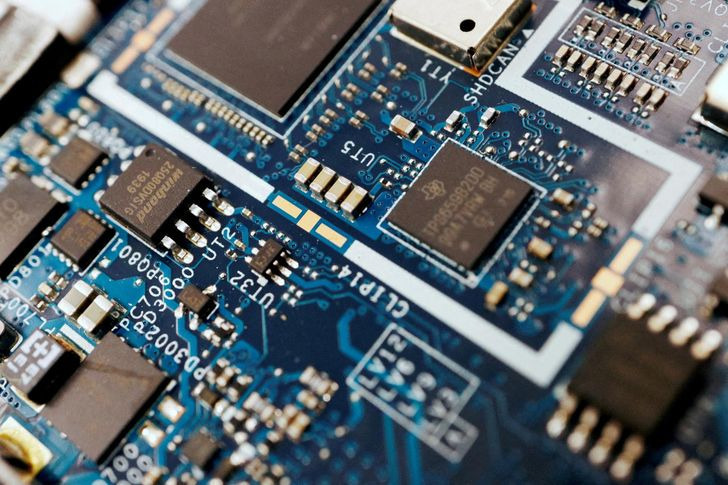
Artificial intelligence (AI) has been a bonanza for Korea's two chip giants, Samsung Electronics and SK hynix. Yet the very boom that has lifted profits, exports and investment is also reviving an old anxiety: Korea remains heavily exposed to an industry whose fortunes can turn with brutal speed.
인공지능(AI)은 한국의 두 반도체 대기업인 삼성전자와 SK하이닉스에 큰 호황을 가져다주었다. 그러나 이 호황으로 인해 수익, 수출, 투자가 증가한 가운데, 한국은 여전히 급격한 변동에 취약한 산업에 크게 노출되어 있다는 오래된 불안감이 다시금 고개를 들고 있다.
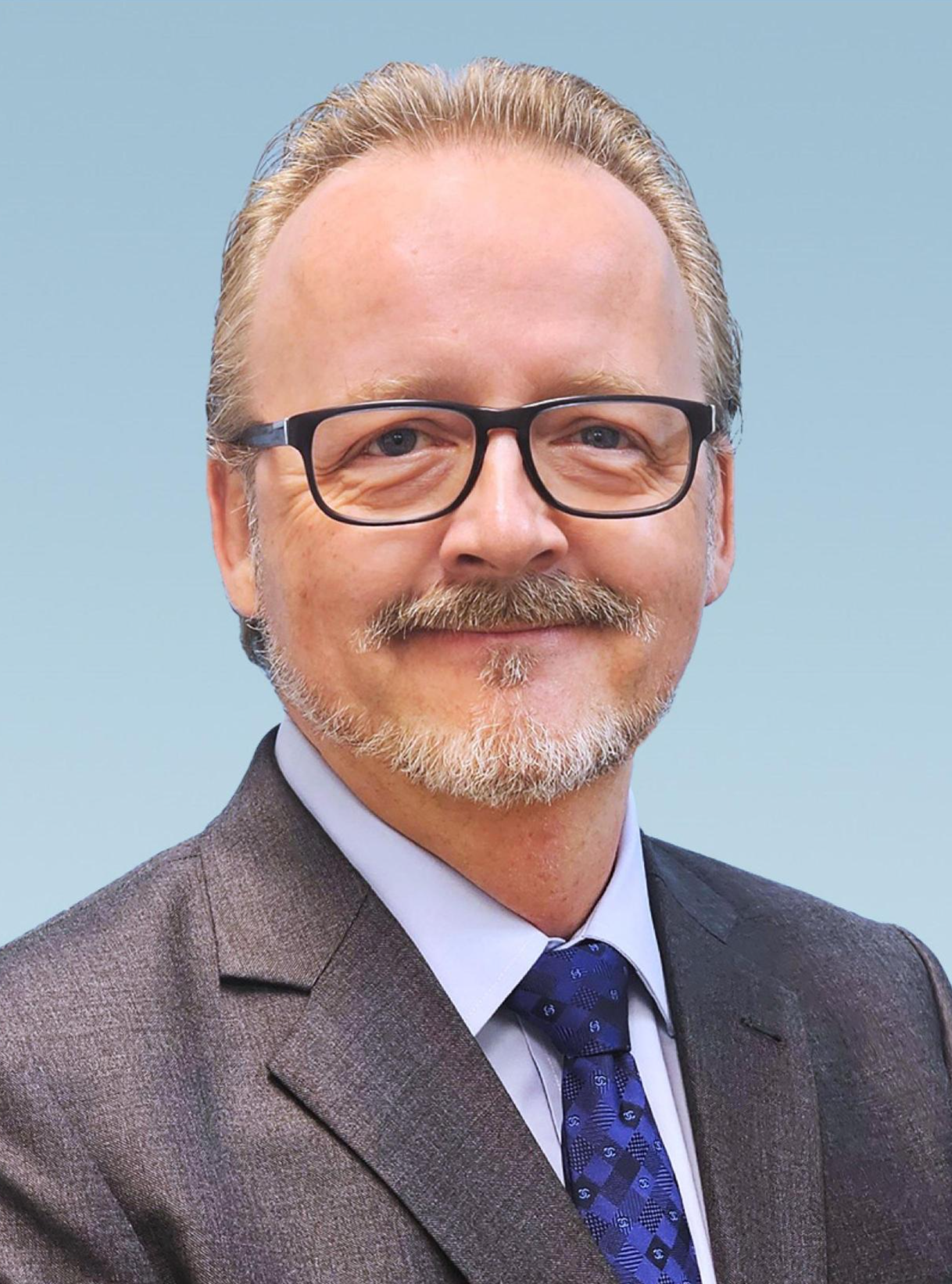
Leif Eskesen, chief economist at CLSA, warned that Korea's reliance on semiconductors could prove to be a double-edged sword, urging the country to preserve its competitive edge in memory chips through continued investment and innovation while also cultivating new growth engines beyond the semiconductor sector.
CLSA의 수석 이코노미스트인 레이프 에스케센은 한국의 반도체 의존도가 양날의 검이 될 수 있다고 경고하며, 지속적인 투자와 혁신을 통해 메모리 칩 분야에서 경쟁력을 유지하는 동시에 반도체 산업을 넘어 새로운 성장 동력을 육성해야 한다고 촉구했다.
"It has been an important driver of growth in the past. It is an important driver of Korea's export and investment story, and it is one of the reasons why we think growth this year could come up in the neighborhood of 3 percent," Eskesen told The Korea Times in a recent interview. "However, when and if that sort of cycle turns, it will spill over through the export and the investment channel."
에스케센은 최근 코리아타임스와의 인터뷰에서 "반도체는 과거 중요한 성장 동력이었고, 한국의 수출과 투자 성장의 중요한 원동력이며, 올해 성장률이 3% 내외로 예상되는 이유 중 하나"라고 말했다. "하지만 이러한 경기 순환이 전환될 경우, 수출과 투자 채널 전반에 걸쳐 파급 효과가 나타날 것"이라고 덧붙였다.
Eskesen is visiting Korea to participate the CITIC CLSA's inaugural Northeast Asia Forum in Seoul from Tuesday and Wednesday. The forum brings together over 150 institutional investors, and more than 80 leading companies from Korea, China, Japan and Taiwan.
에스케센은 화요일과 수요일 서울에서 열리는 CITIC CLSA의 첫 번째 동북아시아 포럼에 참석하기 위해 한국을 방문했다. 이 포럼에는 한국, 중국, 일본, 대만의 150개 이상의 기관 투자자와 80개 이상의 주요 기업이 참여한다.
His view is not that Korea should retreat from semiconductors. Rather, he said the country should use the current boom wisely: investing more, stepping up innovation and preserving its leadership in memory chips, while also building a broader set of growth drivers.
그의 견해는 한국이 반도체 산업에서 철수해야 한다는 것이 아니다. 오히려 그는 한국이 현재의 호황을 현명하게 활용해야 한다고 말했다. 투자를 늘리고 혁신을 강화하며 메모리 칩 분야에서의 리더십을 유지하는 동시에 더 폭넓은 성장 동력을 구축해야 한다는 것이다.
That task is becoming more urgent as Chinese memory-chip makers move up the value chain. Beijing's push for semiconductor self-sufficiency, accelerated by Western export controls, is no longer only about reducing reliance on foreign technology. It is also about expanding exports, potentially at lower prices. That could bring fiercer competition for Korean chipmakers in areas where they have long enjoyed a commanding position.
중국 메모리 칩 제조업체들이 가치 사슬을 따라 더 높은 단계로 나아가면서 이러한 과제는 더욱 시급해지고 있다. 서방의 수출 통제로 가속화된 중국의 반도체 자급자족 추진은 더 이상 외국 기술 의존도를 줄이는 것만이 아니다. 잠재적으로 더 낮은 가격으로 수출을 확대하려는 의도도 있다. 이는 한국 반도체 업체들이 오랫동안 우위를 점해온 분야에서 더욱 치열한 경쟁을 불러일으킬 수 있다.
Yet the same Chinese rise that threatens Korea’s chipmakers may also strengthen Korea's strategic value. The more Washington sees Beijing's technological advances as a strategic threat, the more it needs trusted partners that underpin the global tech supply chain. That gives Korea leverage — provided it remains indispensable.
하지만 한국의 반도체 업체들을 위협하는 중국의 부상은 한국의 전략적 가치를 강화할 수도 있다. 워싱턴이 베이징의 기술 발전을 전략적 위협으로 인식할수록 글로벌 기술 공급망을 뒷받침할 수 있는 신뢰할 수 있는 파트너가 더욱 필요해진다. 한국은 필수불가결한 위치를 유지하는 한 이러한 점에서 협상력을 갖게 된다.
"Number one is to remain indispensable in the areas where they already are world leaders," Eskesen said. "The key is to continue to strengthen innovation and continue to push the efficiency frontier on that front."
에스케센은 "가장 중요한 것은 이미 세계적인 선두 주자인 분야에서 필수불가결한 위치를 유지하는 것"이라고 말했다. "핵심은 혁신을 지속적으로 강화하고 그 효율성의 한계를 계속해서 넓혀가는 것이다."
Semiconductors alone, however, cannot be Korea's entire growth strategy. Eskesen said the country also needs enough policy room to cushion a future downturn. Korea's fiscal position remains relatively solid, he said, giving policymakers some room to respond if the cycle turns. According to the International Monetary Fund, its general government debt-to-GDP ratio is expected to stand at 54.4 percent in 2026.
그러나 반도체 산업만으로는 한국의 성장 전략을 완전히 설명할 수 없다. 에스케센은 한국이 미래의 경기 침체에 대비할 수 있는 충분한 정책 여력도 필요하다고 말했다. 그는 한국의 재정 상황이 비교적 견고하기 때문에 경기 침체 시 정책 결정자들이 대응할 여지가 있다고 지적했다. 국제통화기금(IMF)에 따르면 한국의 일반 정부 부채 대 GDP 비율은 2026년에 54.4%에 달할 것으로 예상된다.
The harder task is to find structural growth drivers. Eskesen said Korea needs reforms that can lift productivity and make growth more resilient, including higher participation by women in the labor force as the population ages, along with ways to boost productivity in the service sector.
더 어려운 과제는 구조적인 성장 동력을 찾는 것이다. 에스케센은 한국이 생산성을 높이고 성장의 회복력을 강화할 수 있는 개혁이 필요하다고 강조했다. 여기에는 고령화에 따른 여성의 노동 참여율 확대와 서비스 부문의 생산성 향상 방안이 포함된다.
More fractured global economy
더욱 분열된 세계 경제
The need for resilience is growing as Korea navigates a more fragmented global economy, Eskesen said, with AI, trade protectionism and geopolitical tensions emerging as three powerful forces reshaping the outlook.
에스케센은 한국이 더욱 분열된 세계 경제 속에서 살아남기 위해서는 회복탄력성이 더욱 중요해지고 있다고 말하며, 인공지능(AI), 무역 보호주의, 지정학적 긴장이라는 세 가지 강력한 요인이 경제 전망을 재편하고 있다고 지적했다.
AI, he said, will not benefit all economies equally. Korea, Taiwan, China and Singapore are among those likely to gain more, both from a strong export cycle linked to AI investment and from their relatively strong readiness to adopt the technology at home.
그는 AI가 모든 경제에 똑같이 이익을 가져다주지는 않을 것이라고 말했다. 한국, 대만, 중국, 싱가포르는 AI 투자와 연계된 강력한 수출 사이클과 국내 기술 도입에 대한 상대적으로 높은 준비 태세 덕분에 더 많은 이익을 얻을 가능성이 높다.
But these countries' AI opportunities come in a less favorable trade environment than in the past. Compared with 15 years ago, the global economy now has more protectionism in place, and even advanced economies are turning to industrial policies in the name of national security, strategic competition and supply-chain resilience.
하지만 이러한 국가들의 AI 기회는 과거보다 불리한 무역 환경 속에서 찾아온다. 15년 전과 비교했을 때, 현재 세계 경제는 더욱 보호주의적인 양상을 보이고 있으며, 선진국들조차 국가 안보, 전략적 경쟁력, 공급망 회복탄력성이라는 명목으로 산업 정책을 추진하고 있다.
"That is a challenge for the more export-driven growth model," Eskesen added.
에스케센은 "이는 수출 주도형 성장 모델에 대한 도전 과제"라고 덧붙였다.
AI-related growth would also raise a domestic policy challenge, as policymakers must ensure that the benefits of the boom extend beyond a handful of large exporters and high-income households. Eskesen said the AI story is "challenging" from an inequality perspective because it could deepen the so-called "K-shaped" nature of economies.
AI 관련 성장은 국내 정책 과제도 제기한다. 정책 입안자들은 AI 붐의 혜택이 소수의 대형 수출업체와 고소득 가구에만 국한되지 않도록 보장해야 한다. 에스케센은 AI가 경제의 이른바 "K자형" 특성을 심화시킬 수 있기 때문에 불평등 관점에서 "어려운 과제"라고 말했다.
The task, he added, is to help those benefits diffuse more widely by enabling workers and smaller firms to share in AI-driven productivity gains. That would require labor-market and education policies to build relevant skills, along with better access to capital and support for small and medium-sized enterprises adopting new technologies.
그는 또한 노동자와 중소기업이 AI 기반 생산성 향상의 혜택을 공유할 수 있도록 함으로써 이러한 혜택이 더 널리 확산되도록 돕는 것이 과제라고 덧붙였다. 이를 위해서는 노동시장이 필요하다.
#Semiconductor cycle risk 반도체 경기 변동 위험 #Competitive edge in memory chips 메모리 반도체 경쟁력 #Diversification of growth engines 성장 동력 다변화 #Supply chain resilience 공급망 회복탄력성 #AI-driven inequality (K-shaped economy) AI로 인한 K자형 양극화