|
 |

|
|
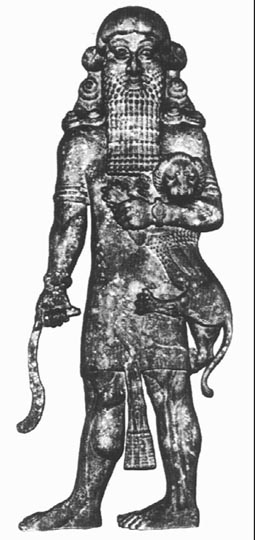
길가메쉬 서사시(The Epic of Gilgamesh) 강사: 배철현(nelcbch@hanmail.net) 강의 개요: 세계 문학의 고전 중에 고전인 「길가메쉬 서사시」(The Epic of Gilgamesh)는 그리스 시인 호모의 「일리야드(Iliad)」나 「오딧세이(Odyssey)」와 인도의 서사시 「마하바라타(Mahabharata)」처럼 방대하지는 않지만 이들 서사시가 나오기 적어도 1000년 전인 주전 1700년경에 이미 바빌로니아에서 완성되었다. 시인 라이너 마리아 릴케(Rainer Maria Rilke)는 길가메쉬 서사시를 ‘죽음의 공포에 대한 (가장 위대한) 서사시’(das Epos der Todesfurcht)라 칭하였다. 길가메쉬 서사시는 인간의 가장 본질적인 문제인 ‘죽음’에 대한 인간의 몸짓이다. 아가서와 같은 ’솔로몬‘의 허무주의(nihilism)와 욥기에서 나오는 욥의 신에 대한 절규가 있다. 길가메쉬 서사시는 한 거리의 여인과의 운명적인 사랑의 세레나데이며 이 세상 어느 것과도 바꿀 수 없는 우정의 찬양시이다. ‘심연을 본 사람’(ša nagba īmuru)라고 시작되는 판본은 주전 7세기경 니느웨에서 발견된 판본은 주전 1700년경에 이미 신-레케-우닌니(Sîn-leqe-uninni)라는 시인에 의해 쓰여졌다. 그는 동 셈족어(East Semitic) 의 하나인 아카드어 (Akkadian)로 이 서사시를 썼지만, 길가메쉬 왕을 둘러싼 문학적 전통은 주전 2600년부터 5개의 수메르어(Sumerian) 판본이 이미 존재했다. 이 과목을 통해 신-레케-우닌니의 판본을 원문에서 직접 번역하여 원전에서 읽는 고전의 즐거움을 소개하고자 한다. 또한 길가메쉬 서사시와 연관된 서사시인 「성서」의 생명 나무 이야기, 선악과 이야기, 홍수 이야기, 노아 방주와 제사 이야기, 그리스 호머의 서사시 「오디세우스」 제 5권에 나타난 [오디세우스와 칼립소 이야기], 로마의 시인 오비드의 「블란다 보룹타스」, 아랍의 「아라비안 나이트」에 나오는 [신밧드와 불루키아 이야기], 고대 영어 서사시인 베오울프(Beowulf)의 「그렌델 이야기」 와의 문헌학적 궤도를 살펴보고자 한다. 평가: 수업 참여도(30%); 중간고사(20%); 학기말 페이퍼(50%) 교재: 1. Thorkild Jacobsen, The Treasures of Darkness: A History of Mesopotamian Religion (New Haven: Yale University Press, 1976), 배철현 역 「어둠의 보물: 메소포타미아 종교 역사」(들력, 2002). 2. 배철현, 「심연을 본 사람: 길사메쉬 서사시」 (들력, 2002). 3. Benjamin R. Foster, The Epic of Gilgamesh: A New Translation: Analogues, Criticism (New York, London: W․W․Norton & Company, 2001). 4. Separate Reading Package(to be distributed) I. 길사메쉬 서사시의 원본들(Vorlagen) (기원전 2700-1200년) 1. 메소포타미아와 신화 1. T. Jacobsen, "Ancient Mesopotamian Religion: The Terms," in Treasure of Darkness: A History of Mesopotamian Religion (New Haven: Yale University Press, 1976): 1-22. 2. George Roux, "The Geographical Setting," in Ancient Iraq. 3rd ed. (London: Penguin Books, 1992): 1-16. 3. A. Leo Oppenheim, "Nah ist-und schwer zu fassen der Gott," in Ancient Mesopotamia: Portrait of a Dead Civilization (Chicago: University of Chicago, 1964): 171-182. 2. 길가메쉬 서사시의 내용과 구조 1. Benjamin R. Foster, The Epic of Gilgamesh: A New Translation: Analogues, Criticism (New York, London: W․W․Norton & Company, 2001): 3-95. 2. William Moran, "The Gilgamesh Epic: A Masterpiece from Ancient Mesopotamia," in Benjamin R. Foster, The Epic of Gilgamesh: A New Translation: Analogues, Criticism (New York, London: W․W․Norton & Company, 2001): 171-183. 3. 길가메쉬 서사시 원본들의 다양성 1. Benjamin R. Foster, The Epic of Gilgamesh: A New Translation: Analogues, Criticism (New York, London: W․W․Norton & Company, 2001): 3-95. 2. Thorkild Jacobsen, "And Death the Jonrney's End: The Gilgamesh Epic," in Benjamin R. Foster, The Epic of Gilgamesh: A New Translation: Analogues, Criticism (New York, London: W․W․Norton & Company, 2001): 183-206. 4. 수메르어 (기원전 2700-2000년) 판본들 1. Benjamin R. Foster, "The Sumerian Gilgaemsh Epic," in The Epic of Gilgamesh: A New Translation: Analogues, Criticism (New York, London: W․ W․Norton & Company, 2001): 99-156. 5. 고대 바빌로니아 (기원전 2000-1500) 판본들 1. Stephanie Dalley, "Gilgamesh (Old Babylonia Version)," in Myth from Mesopotamia (Oxford: Oxford University Press, 1991): 136-153. 6. 중기 바빌로니아 (기원전 1500-1200) 판본들 1. Benjamin R. Foster, "The Hittite Gilgamesh; The Gilgamesh Letter," in The Epic of Gilgamesh: A New Translation: Analogues, Criticism (New York, London: W․W․Norton & Company, 2001): 157-168. 7. 신-레케-우닌니 판본(기원전 1200): 표준 바빌로니아 판본 1. Jeffrey H. Tigay, "Later Version; The Introduction and Framework of the Later Version," in The Evolution of the Gilgamesh Epic (Philadelpia: University of Pennsylvania Press, 1982): 130-161. 2. 배철현, 「심연을 본 사람: 길사메쉬 서사시」 (들력, 2002). 8. [엔키두]와 [홍수 이야기] 1. Jeffrey H. Tigay, "The Early Enkidu; The Flood Story," in The Evolution of the Gilgamesh Epic (Philadelpia: University of Pennsylvania Press, 1982): 130-161. II. 길사메쉬 서사시와 고전 문헌들(기원전 1200년 이후) 1. 길가메쉬 서사시와 성서 I. 1. Alexander Heidel, "Death and the Afterlife" in Gilgamesh Epic and Old Testament Parallels (Chicago: University of Chicago Press, 1949): 137-223. 2. David Dambrosch, "Gilgamesh and Genesis," in The Narrative Covenant: Transformations of Genre in the Growth of Biblical Literature (Ithaca: Cornell University Press, 1987): 88-143. 2. 길가메쉬 서사시와 성서 II. 1. Alexander Heidel, "The Story of the Flood" in Gilgamesh Epic and Old Testament Parallels (Chicago: University of Chicago Press, 1949): 224-269. 2. Bernald F. Batto, "The Yahwist's Primeval!! Myth," in Slaying the Dragon: Mythmaing in the Biblical Tradition (Louisville: Westminster, 1992): 41-71. 3. 길가메쉬 서사시와 그리스의 오딧세우스(Odysseus) 1. Walter Burkert, The Orientalizing Revoluton: Near Eastern Influence on Greek Culture in the Early Archaic Age (Cambridge: Harvard University Press, 1992). 4. 길가메쉬 서사시와 로마의 오비드(Ovid) 1. William Moran, "Ovid's Blanda Voluptas and the Humanization of Enkidu," Journal of Near Eastern Studies 90(1991): 121-27. 5. 길가메쉬 서사시와 아랍의 아라비안 나이트(The Arabian Nights) 1. Stephanie Dalley, "Gilgamesh in the Arabian Nights," in Journal of Royal Asiatic Society of Great Britain and Ireland (1991). 2. J. C. Mardrus, The Book of Thousand Nights and One Night (London, Penguin). 6. 길가메쉬 서사시와 고대 영어 서사시 베오울프(Beowulf) 1. Albert R. Lord, "Gilgamesh and Other Epic," in Lingering over Words, ed. John Huehnergard. Harvard Semitic Series 37 (Atlanta: Scholars Press, 1990): 371-380. 2. Seamus Heaney, Beowulf: A New Verse Translation: Bilingual Edition (New York: W.W.Norton & Company, 2000). III. 길가메쉬 서사시와 현대인 1. 길가메쉬 서사시와 성 1. Rivkah Harris, "Image of Women in the Gilgamesh Epic" in Benjamin R. Foster, The Epic of Gilgamesh: A New Translation: Analogues, Criticism (New York, London: W․W․Norton & Company, 2001): 207-218. 2. Dorthy Hammond and Alta Jablow, "Gilgamesh and the Sundance Kid: The Myth of Male Friendship," from The Making of Masculinities: The New Men's Studies. ed. Harry Brod (1987). 2. 길가메쉬 서사시와 노인 1. Rivkah Harris, "On Aging and the Elderly, The Conflict of Generations in Ancient Mesopotamian Myths," in Gender and Aging in Mesopotamia: The Gilgamesh Epic and Other Ancient Literature (Oklahoma: University of Oklahoma Press, 2000): 50-79. 2. Donald Hall, "Praise for Death," in Old and New Poems (Boston: Houghton Mifflin Co.). |
다음검색