Ancient Insights into Philosophy and Medicine – and JSKR Haedong Kumdo
작성자진영작성시간25.06.23조회수353 목록 댓글 0국문번역 In Korean
https://m.cafe.daum.net/enlightenment-k/dcM5/446?svc=cafeapp

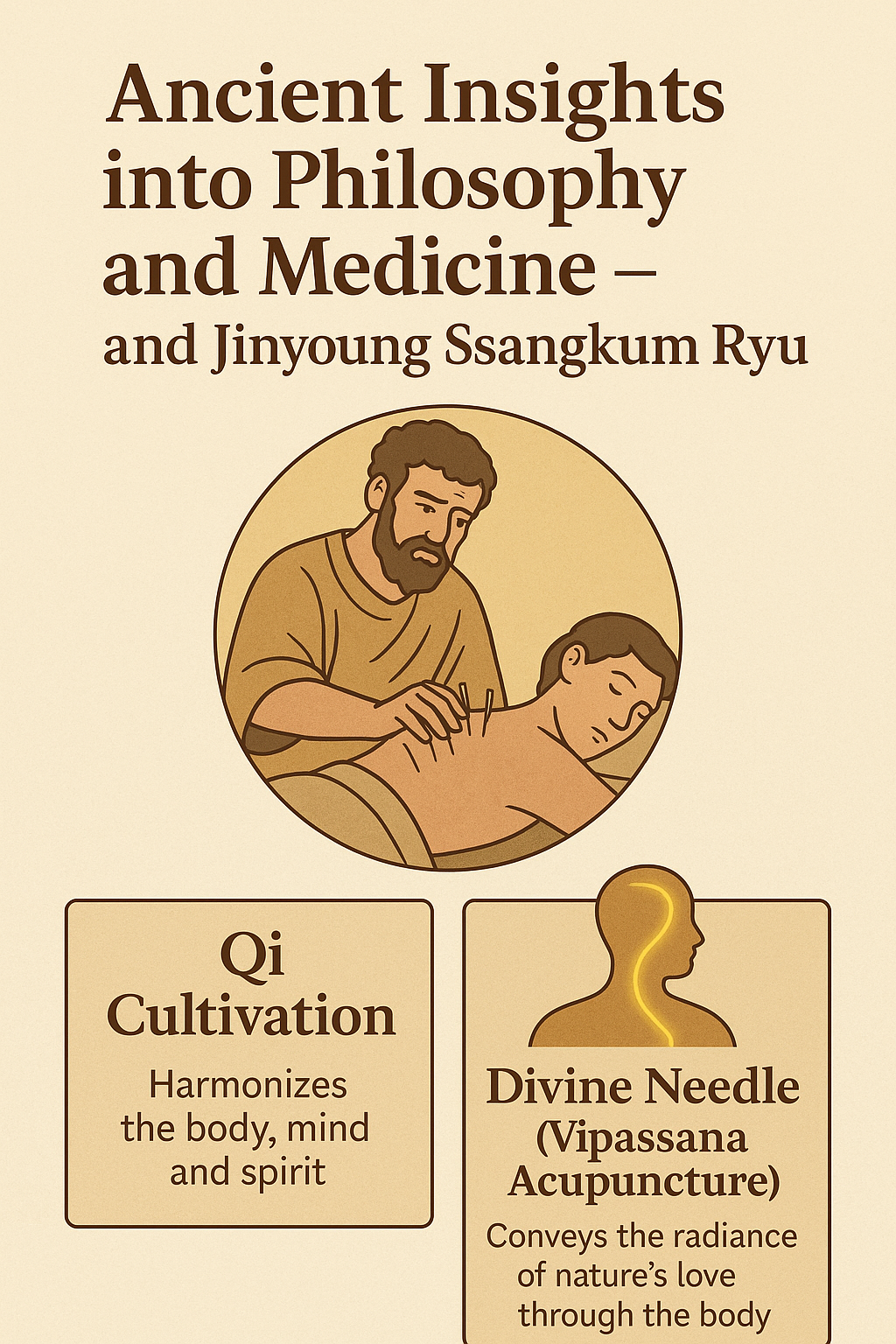
Title: Ancient Insights into Philosophy and Medicine – and Jinyoung Ssangkum Ryu Haedong Kumdo
“고대 철학과 의술에 대한 통찰 – 그리고 진영쌍검류”
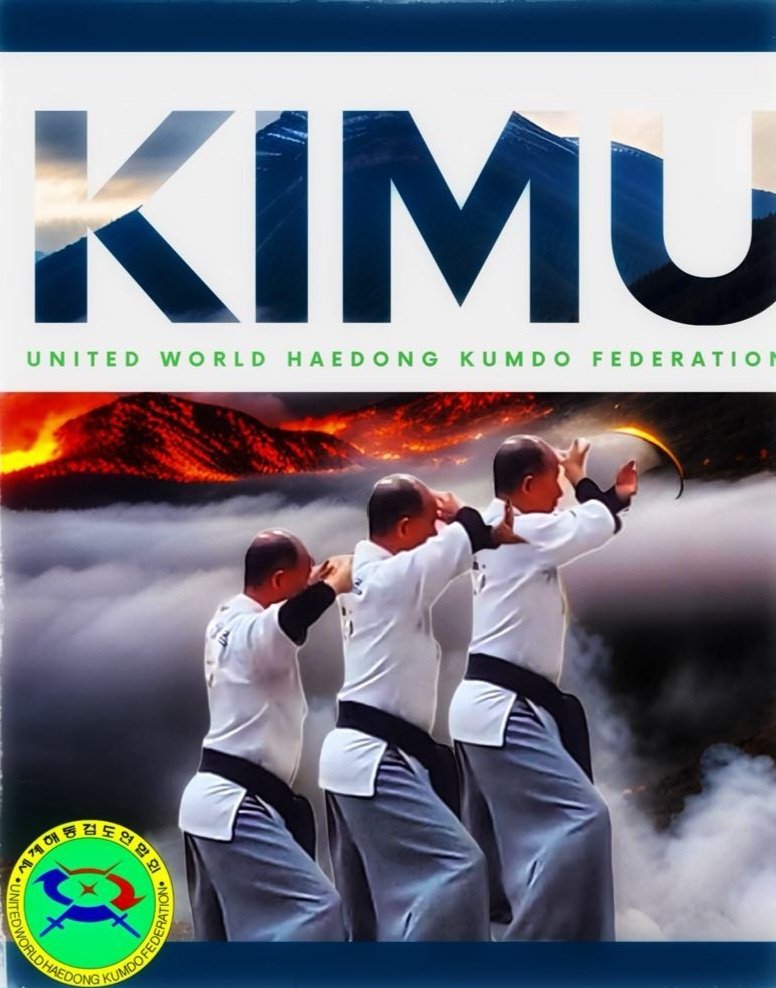
The way ancient philosophers trained their bodies and contemplated existence and life is concretely manifested today through Kimu and Ssangkum (double-sword) practice in Jinyoung Ssangkum Ryu.
"Kimu is philosophy expressed through the body—it is living meditation. Ssangkum training is practical philosophy in action, embodying balance and harmony. Jinyoung Ssangkum Ryu is a martial art path where philosophy and practice are unified."
While previous discussions have explored the philosophical parallels between ancient thought and Jinyoung Ssangkum Ryu, this essay examines how ancient philosophers approached healing and how these views resonate with the philosophical principles of our system.
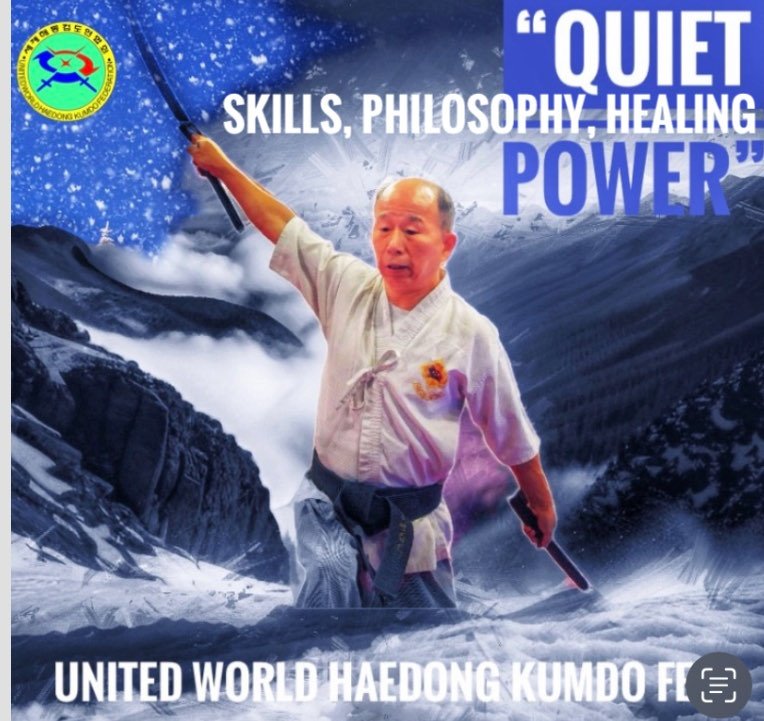
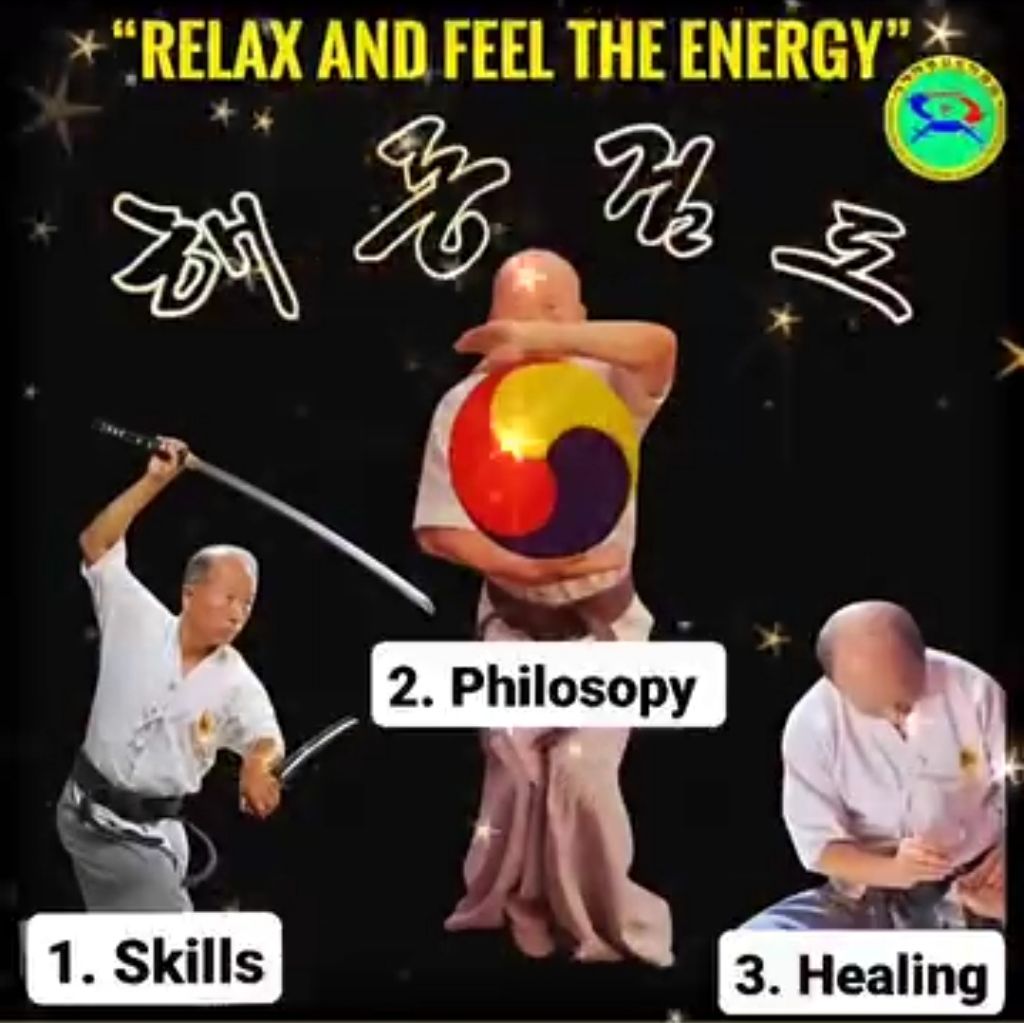
Understanding this connection is essential for those practicing Jinyoung Ssangkum Ryu. Martial arts, as taught here, are not merely about techniques but must include three pillars: skill (technique), philosophy, and healing (medicine). These must be fully integrated to embody true martial discipline.
This holistic view is explained in the English edition of Searching for the Forgotten Half in Martial Arts, which articulates this concept as a first-of-its-kind presentation in the 21st century.
The integration of these three elements—technique, philosophy, and healing—is not optional but an inherent law of nature.
This approach has existed since the earliest human history. Only in modern times have science, philosophy, and medicine been artificially separated, leading people to accept this division as normal. It is precisely for this reason that the book Searching for the Forgotten Half was published.
Jinyoung Ssangkum Ryu’s emphasis on connecting ancient philosophy with martial practice affirms its commitment to natural law and to a training system that faithfully unites technique, philosophy, and healing.
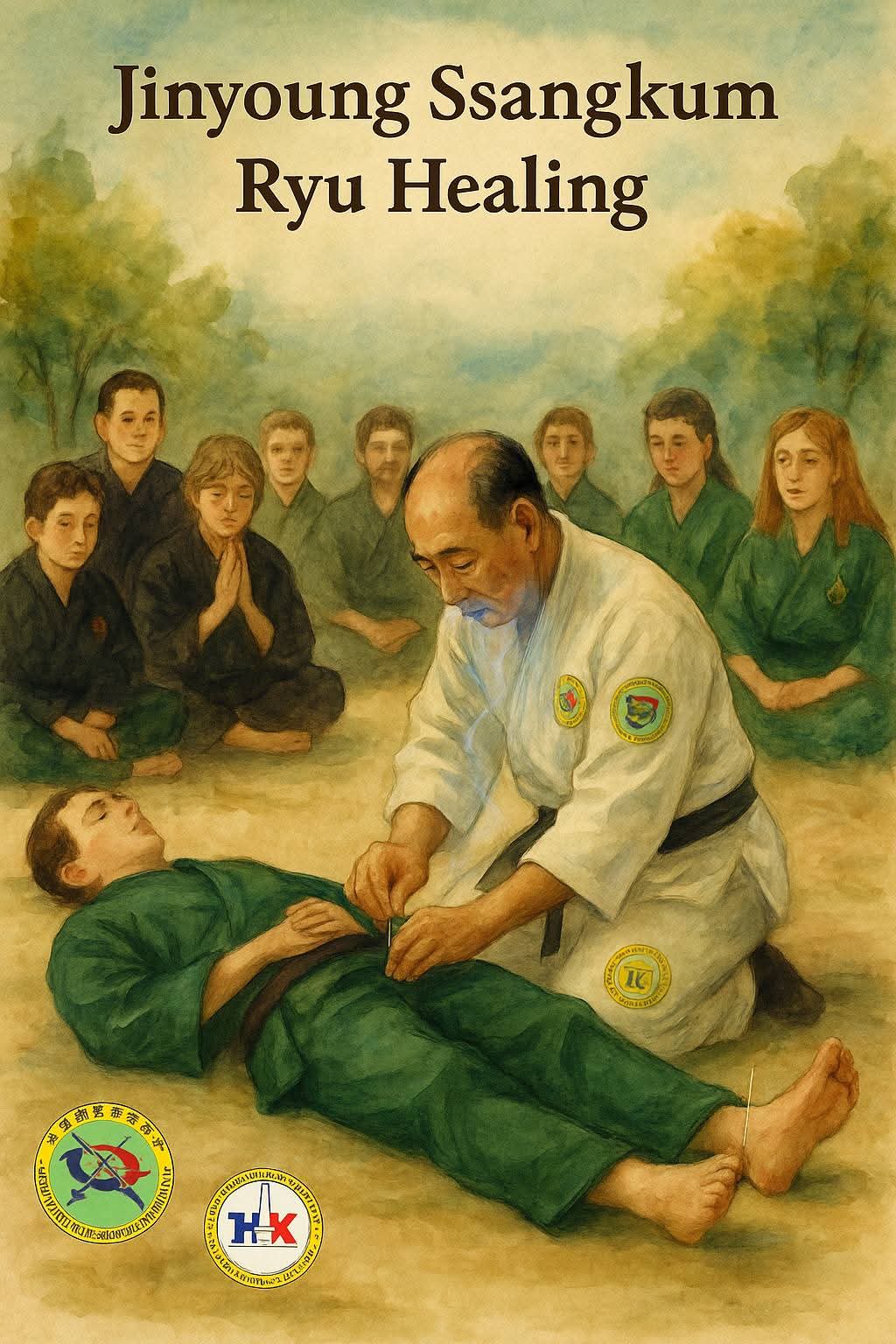
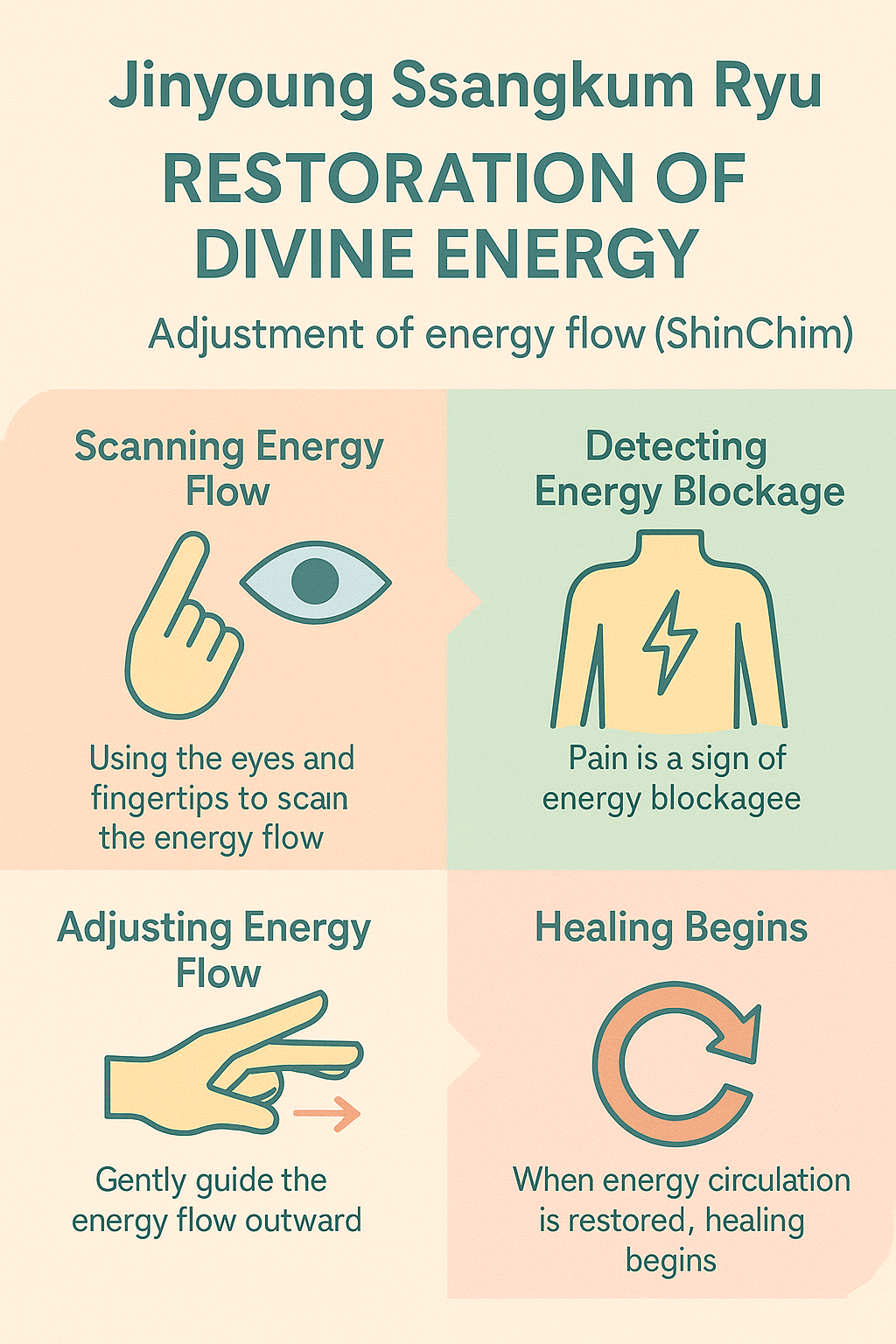
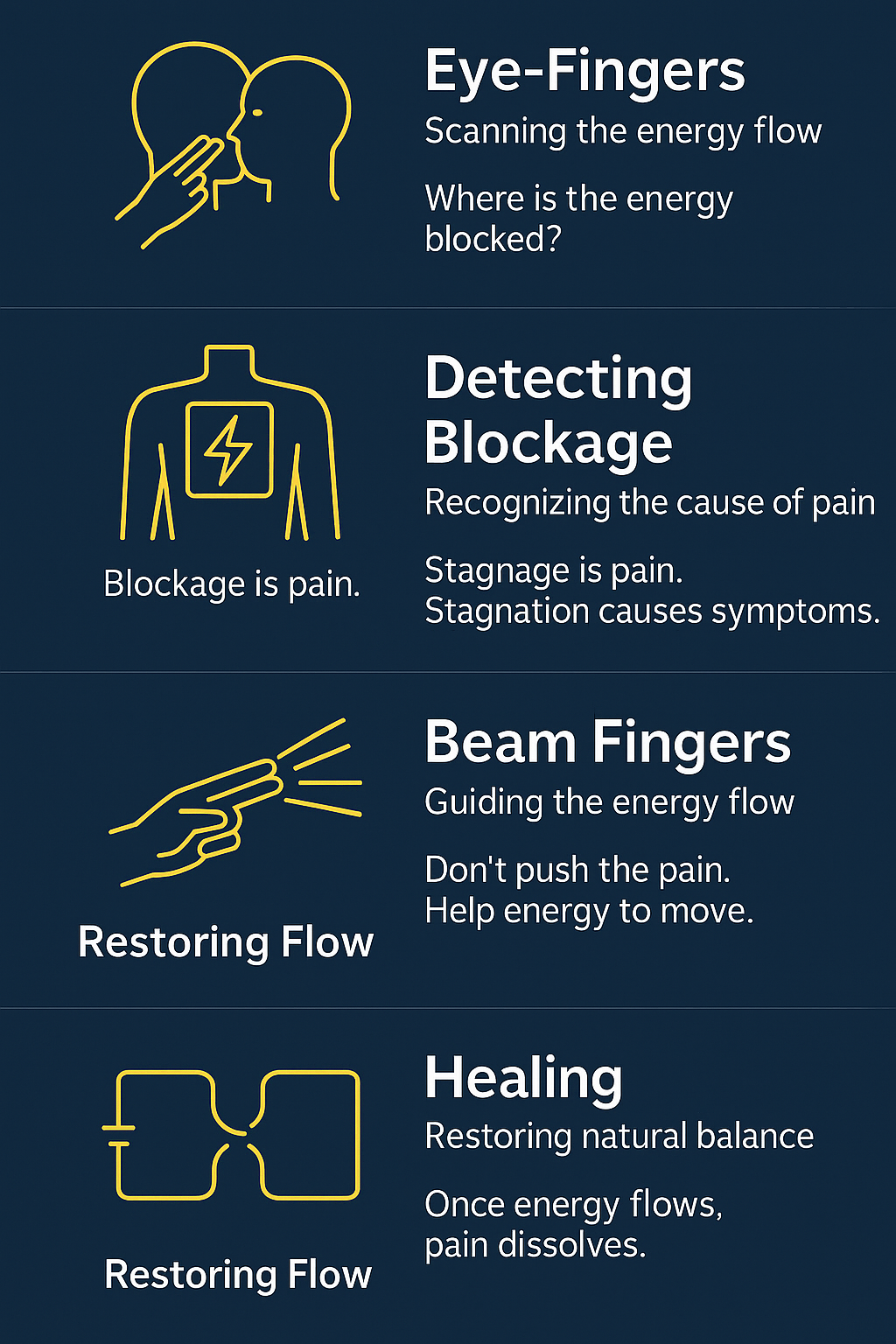
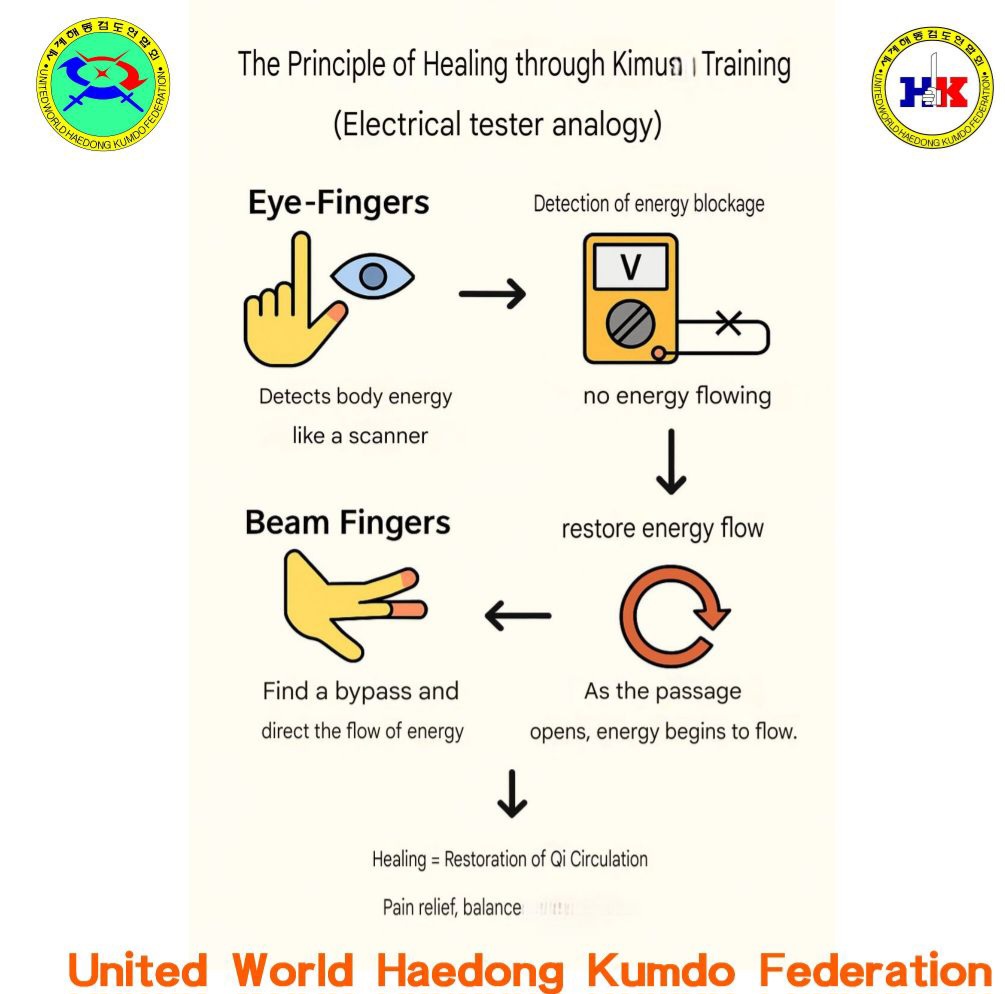
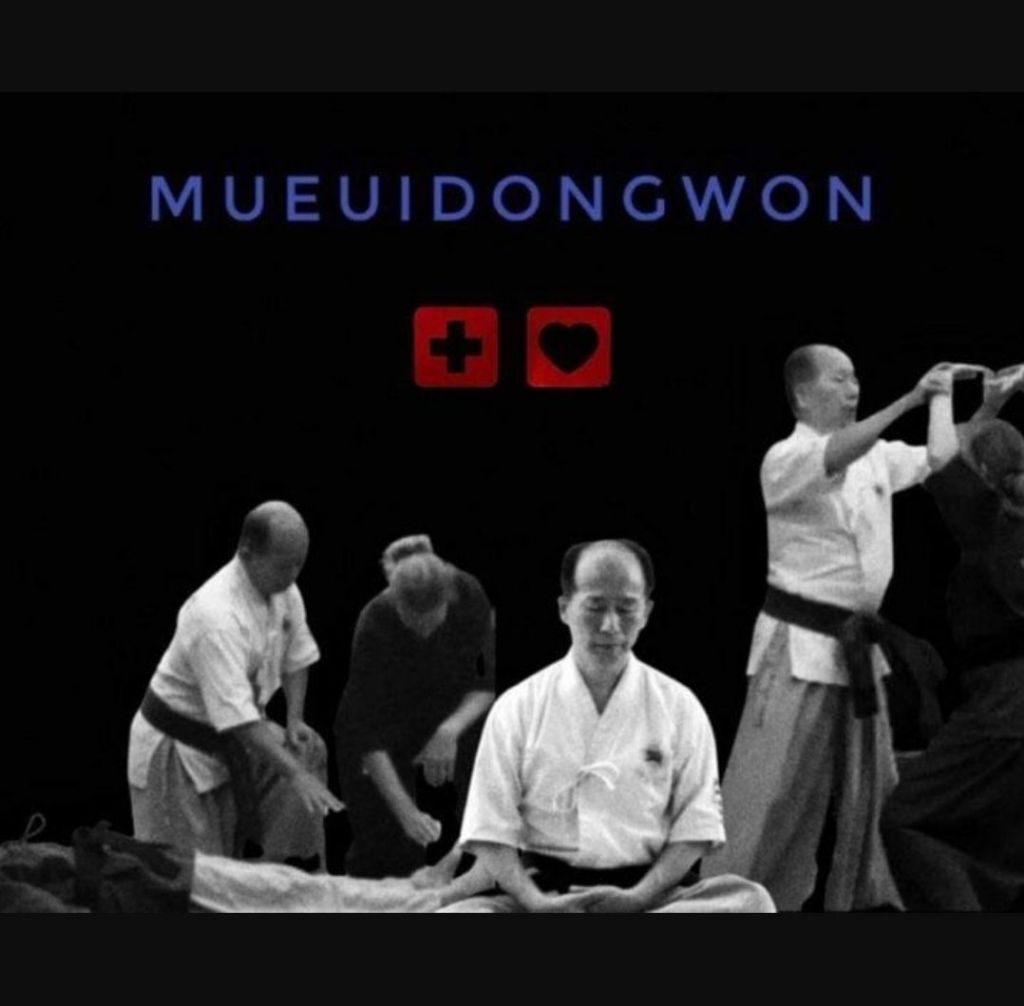
In seminars, healing sessions are held that involve acupuncture, hand techniques, tools, or barehanded energy experiences. Participants often ask whether this is acupuncture, qigong, acupressure, or chiropractic. While externally similar, what distinguishes the healing methods in Jinyoung Ssangkum Ryu is the viewpoint—rooted entirely in the perspective of nature.
The key difference lies in perspective: acting from one’s own will versus allowing actions to occur through nature. The principle of Muwi (non-doing) is followed, allowing the natural flow of Ki to emerge without forced intention.
Now, let us return to the main discussion.
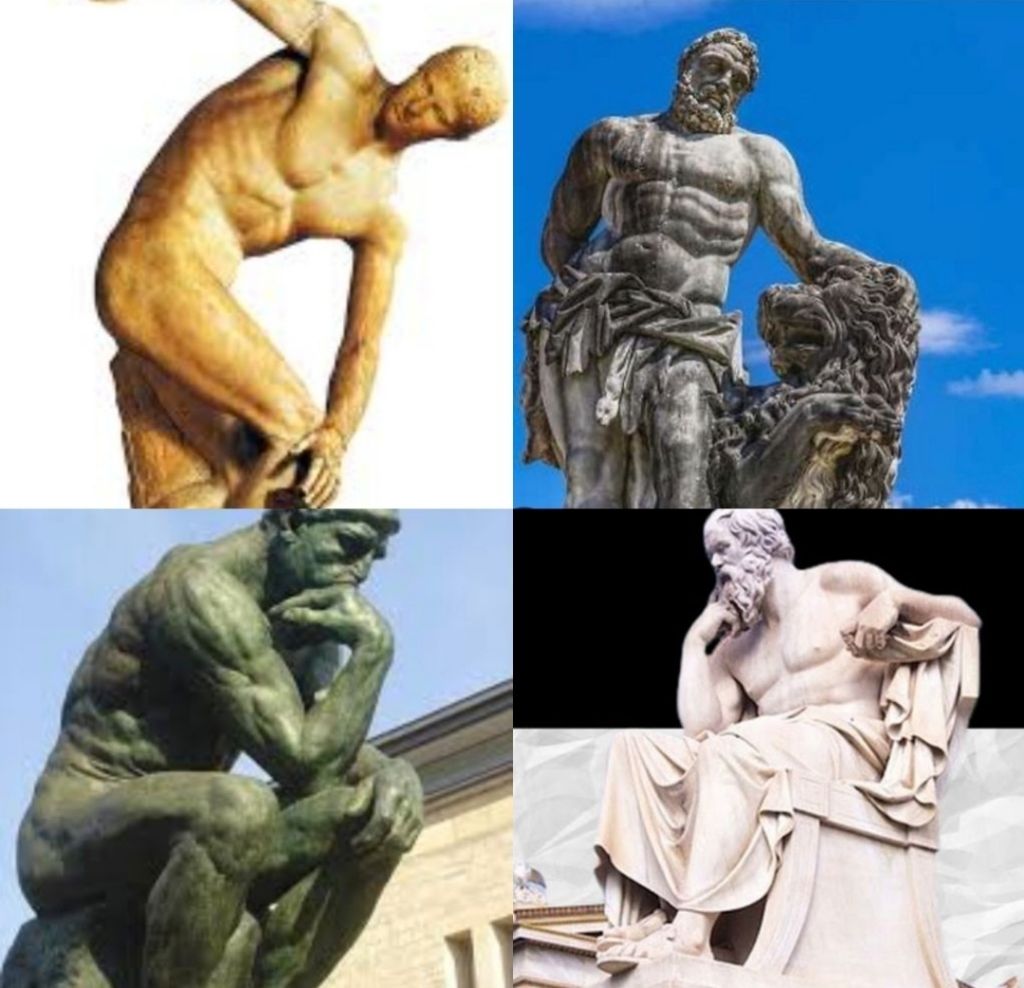
In ancient times, philosophy, science, and medicine were not separated as they are today. Many thinkers practiced these holistically. Let us briefly explore four well-known philosophers whose thoughts align with the philosophical roots of Jinyoung Ssangkum Ryu.
1. Pythagoras – Philosopher of Harmony and Healing A mathematician and philosopher, Pythagoras focused on harmony and balance in life. He believed that musical ratios and the order of numbers could heal the body and mind. He also emphasized healing through diet, meditation, and breath—principles that closely mirror the energy-centered training of Kimu.
2. Plato – Seeker of Mind-Body Harmony In Timaeus, Plato argued that the human body is composed of four elements—fire, water, air, and earth—and that illness arises from their imbalance. He emphasized the necessity of harmony between the mind and body for true health, aligning with modern psychosomatic medicine and with the integration of body-mind-Ki in Kimu practice.
3. Aristotle – Explorer of Life’s Essence Skilled in biology, anatomy, and philosophy, Aristotle explored how the human body and soul interact. In De Anima, he stated that sensation, breath, and movement are at the core of life and connected to the soul. This view corresponds well with the structural understanding of Ki flow in Kimu practice.
4. Galen – Philosopher of Nature-based Medicine A Roman physician and philosopher, Galen expanded upon Hippocrates' four humors theory (blood, phlegm, yellow bile, black bile). He saw healing not as removing disease, but as restoring the body’s natural balance—an idea that aligns closely with the Jinyoung Ssangkum Ryu approach of returning to natural energy flow.
🌱 Summary Table
| Thinker | Field | Medical Perspective | Similarity with Kimu Practice |
| Pythagoras | Mathematician/Philosopher | Healing through musical and numerical harmony | Perception of center, breath, and energy balance |
| Plato | Philosopher | Preventing illness through mind-body balance | Integration of practice and healing |
| Aristotle | Philosopher/Scientist | Exploring the origin of life via sensation and breath | Unified training of body and spirit (Ki) |
| Galen | Physician/Philosopher | Healing according to natural harmony | Restoration of Ki flow and return to nature |
🔚 Conclusion
The Kimu and Ssangkum training of Jinyoung Ssangkum Ryu goes far beyond technique or physical movement.
It is a discipline that harmonizes the body, mind, and Ki, guiding practitioners toward embodiment of natural principles and deeper understanding of life.
The spirit of ancient philosophers—who practiced philosophy through the body and emphasized healing through balance—is being revived and reinterpreted through the modern framework of Jinyoung Ssangkum Ryu.
Thus, Kimu training is not merely a martial practice. It is, in essence, “philosophy written with the body,” “moving meditation,” and “integrated life cultivation.” It reflects the ancient principles of harmony among body, mind, and the cosmos—now made practical and accessible in the modern world through Jinyoung Ssangkum Ryu.
June 22, 2025 (Sunday)
Jinyoung Ssangkum Ryu Haedong Kumdo
Founder & President Kim Jeong Seong
Ref)
https://m.cafe.daum.net/enlightenment-k/dcM5/456?svc=cafeapp

https://m.cafe.daum.net/enlightenment-k/ow4r/49?svc=cafeapp

https://m.cafe.daum.net/enlightenment-k/ow4r/48?svc=cafeapp