Self Myofascial Release Technique
One restorative method that a trainee can use is Self Myofascial Release (SMR). By using SMR a trainee can help improve their recovery time at home. SMR is a relatively simple technique and anyone can experience the benefits from it, even couch potatoes!
By incorporating SMR into a routine an individual can improve flexibility, function, reduce potential injuries, and improve performance. SMR is simply a person using their body weight to roll around on a foam roller and this action will massage the soft tissue. SMR will help reduce adhesions and scar tissue that is already present and help prevent them if done daily. Since everyone cannot afford Active Release Therapy (ART), SMR can provide some of the benefits at a cheaper cost from home. All you have to do is purchase a foam roller! To reiterate the benefits of incorporating SMR
Benefits
Helps correct muscular imbalances
Decreases Soreness and Joint Stress
Helps increase joint Range of Motion (ROM)
Helps maintain normal muscle length
To see these benefits you must incorporate SMR daily and stick with it.
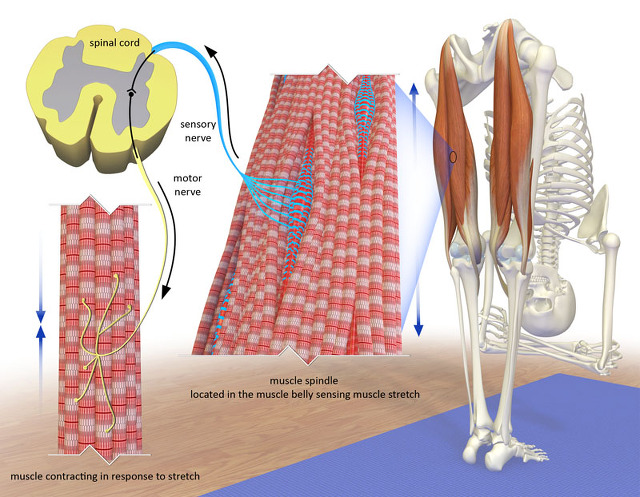
Self Myofascial Release relies on a principle called autogenic inhibition. The Golgi Tendon Organ (GTO) is located at the muscle tendon junction. The GTO is sensitive to changes in muscle tension. When there is enough tension to cause injury the GTO will signal the muscle spindles to relax. This process is called autogenic inhibition. With foam rolling you allow the muscle to passively stretch and it also causes the GTO to relax.
General Techniques
1. Hold the position for 1-2 minutes on each side
2. If you experience pain in one spot, stop rolling and rest on the area for about 30-45 seconds. Do not continue to roll if you feel pain/tenderness on an area! Hold it for 30-45 seconds! Again this is important.
3. If you need more weight on a limb you can stack limbs on top of each other.
4. You can perform SMR everyday either once or twice a day.
From my experience SMR does help. I recommend it to anyone who wants improved recovery and flexibility. You will feel some pain, but eventually when you iron out the kinks you will notice less tightness in your muscles and will feel better throughout the day. I'm glad I was introduced to SMR it was one of the best decisions I've made when it comes to recovery and flexibility maintenance.
It's well worth the 10-25 bucks you will spend on a foam roller! There are various kinds of foam rollers too. Usually the higher the price the roller the longer it will last. For example, a 32 dollar roller will last roughly 5 times as long as a standard white roller because the 32 dollar roller has a pvc pipe in the middle and the foam is denser material. You should notice improvements in muscle tension and flexibility in as little as 1-2 weeks if SMR is incorporated daily or at least after workouts.
---------------------------------------------------------------------------------------------------
Self-Myofascial Release (SMR) has become popular amongst many fitness enthusiasts and fitness trainers as a great tool to help improve tissue quality and increase muscle movement at a very low cost. The foam roller is becoming a footnote in every “good” exercise program and people are reaping its results everyday.
Here are just some of the benefits of Self-Myofascial Release:
- Correct muscle imbalances
- Improve Joint ROM
- Alleviate muscle soreness
- Improve neuromuscular efficiency
- Relieve joint stress
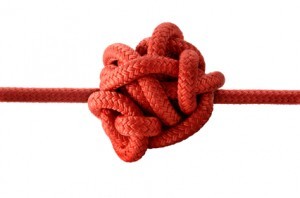
In an effort to improve performance, we may very well be inhibiting it through constant “abuse” of hard-surfaced SMR tools. Don’t get me wrong, some individuals may need hard SMR tools like PVC piping—oversized athletes and “big” people in general, but the majority of us should be able to get by with a “quality” foam roller. Don’t equate “quality” with “harder” in a foam roller—a higher quality foam roller has better density and lasts longer.
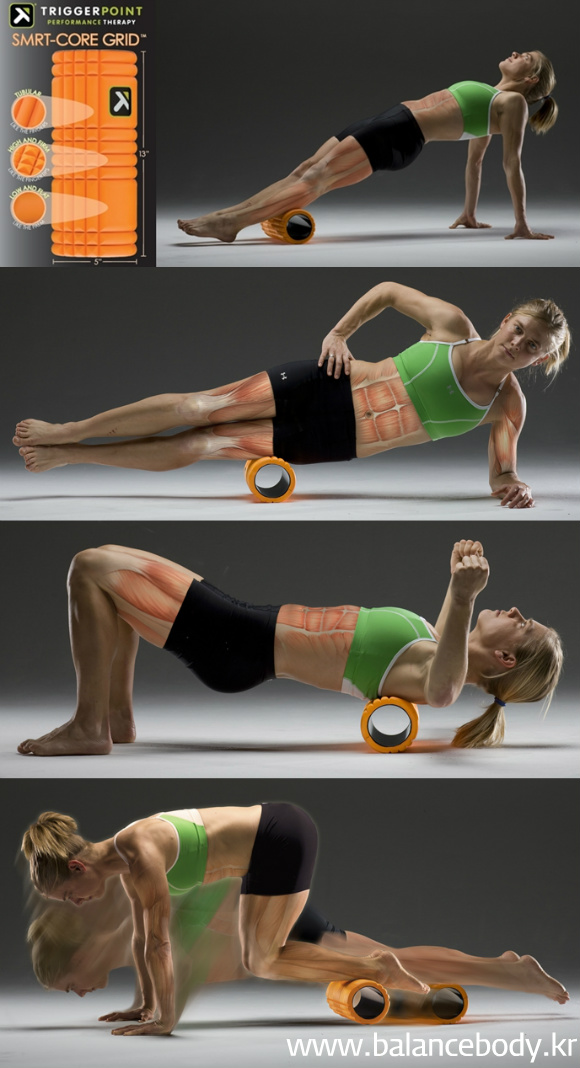
So How Do You Know if You Need a Hard Roller?
In one word: pain. If it doesn’t hurt, then you don’t need it anymore. Once you have achieved autogenic inhibition of the agonist muscle, its own receptors reduce the soft-tissue tension, decrease pain, and improve function. Pain is your indicator that you need SMR. If you are attempting to dig harder or rolling on a broom wrapped with barbed wire, or have someone sit on you while you are on the roller-- you are asking for tissue damage (particularly receptor and CNS function).
Is More Foam Rolling Better?
Not exactly. Excessive foam rolling (on muscles that don’t need it) becomes a waste of time and starts to work against you. Excessive use of SMR on hard-surfaces begins to “desensitize” the CNS. Constant stimulation of the Golgi Tendon Organ creates adaptability to the myotatic stretch reflex and re-wires the system to “accept” dysfunction. Using hard-surfaced rollers exacerbates this by continuously causing tissue damage, autogenic inhibition, tissue damage, autogenic inhibition, and so on.
This is not to say that a decrease or absence of pain signifies optimal function. We may still exhibit joint motion restrictions or imbalances without pain or discomfort.
The point of this information is to drive home the fact that the very thing (pain) we try to extract when performing SMR, may be the very thing we need to back off of. It’s sort of like the pubescent pimple that pops up on your nose before a big date. You want to pop it and relentlessly try to squeeze the pus out. But you know damn well that zit is not ripe and ready to go. But what do you do? You keep squeezing and fiddling, until the tiny red mark is now a huge red throbbing balloon of blood, pus, and fluid that simply needed time to manifest in order to work with you.
References:
Clark MA: Integrated Training for the New Millennium. NASM, Thousand Oaks. 2000
Russell, A, Wallace, T: Self Myofascial Release Techniques, NASM, Thousand Oaks. 2005