The Basilica of Sant' Apollinare Nuovo is a basilica church in Ravenna, Italy.
It was erected by Ostrogoth King Theodoric the Great
as his palace chapel during the first quarter of the 6th century (as attested to in the Liber Pontificalis).
This Arian church was originally dedicated in 504 AD to "Christ the Redeemer".
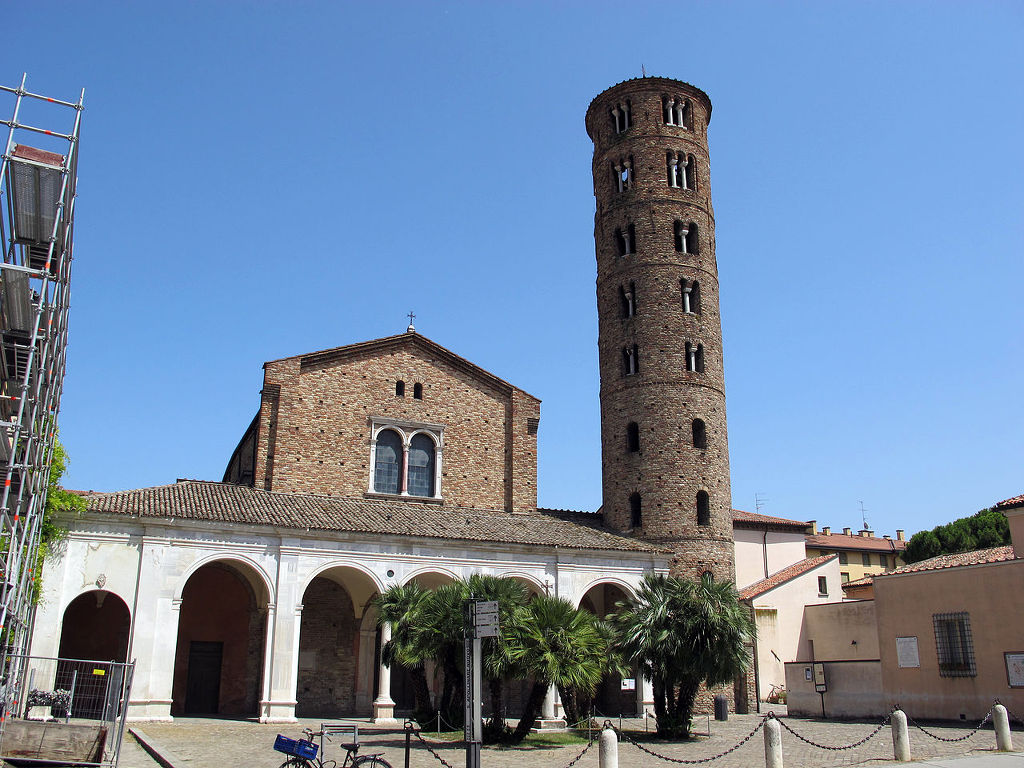
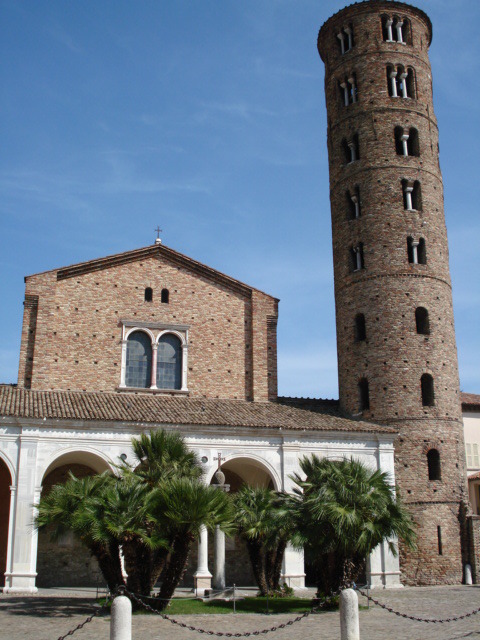
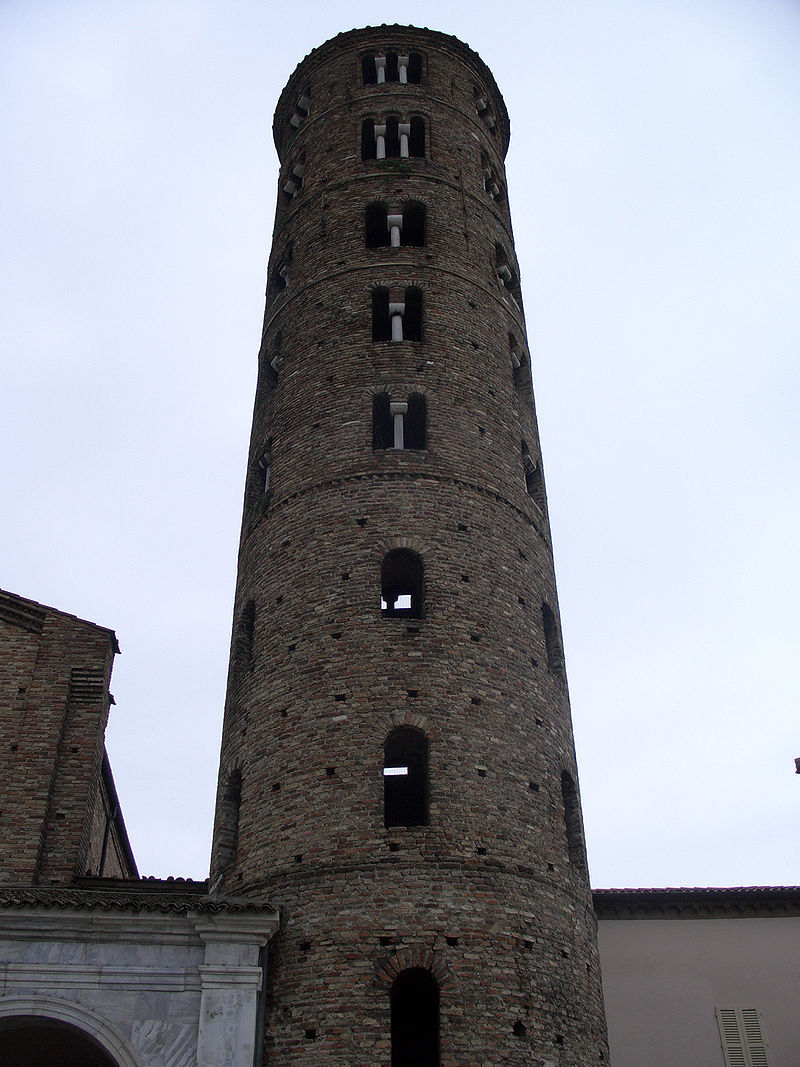
The church and campanile date from c.500 AD, the portico from the 16th century.
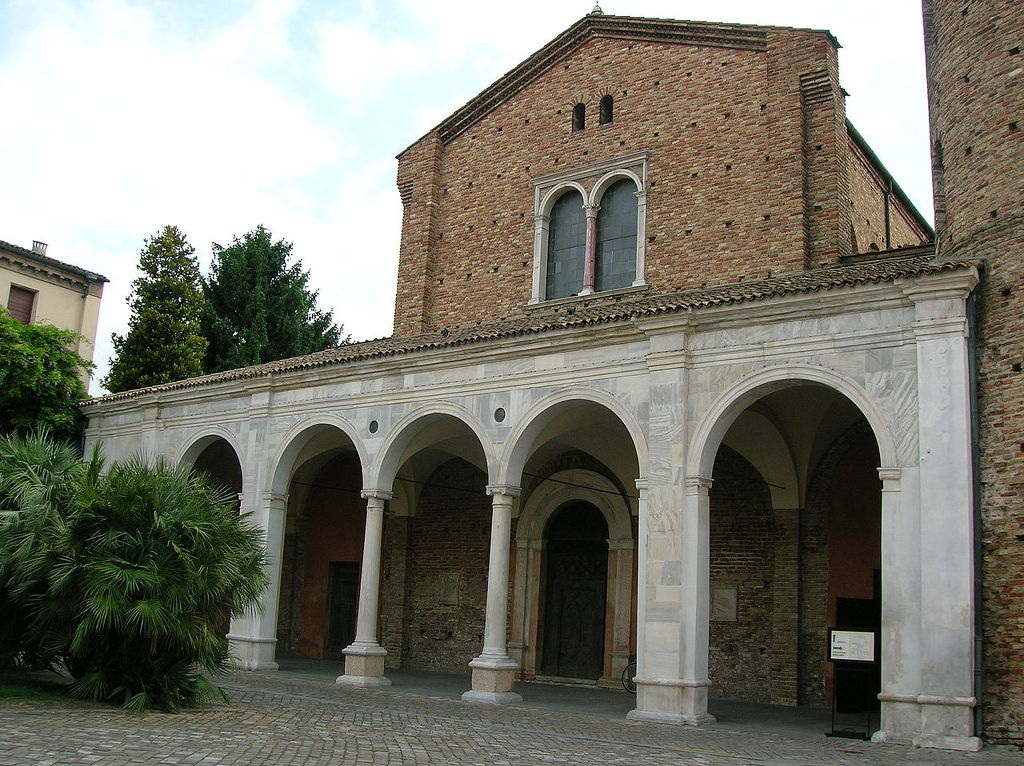
Facade of the Basilica
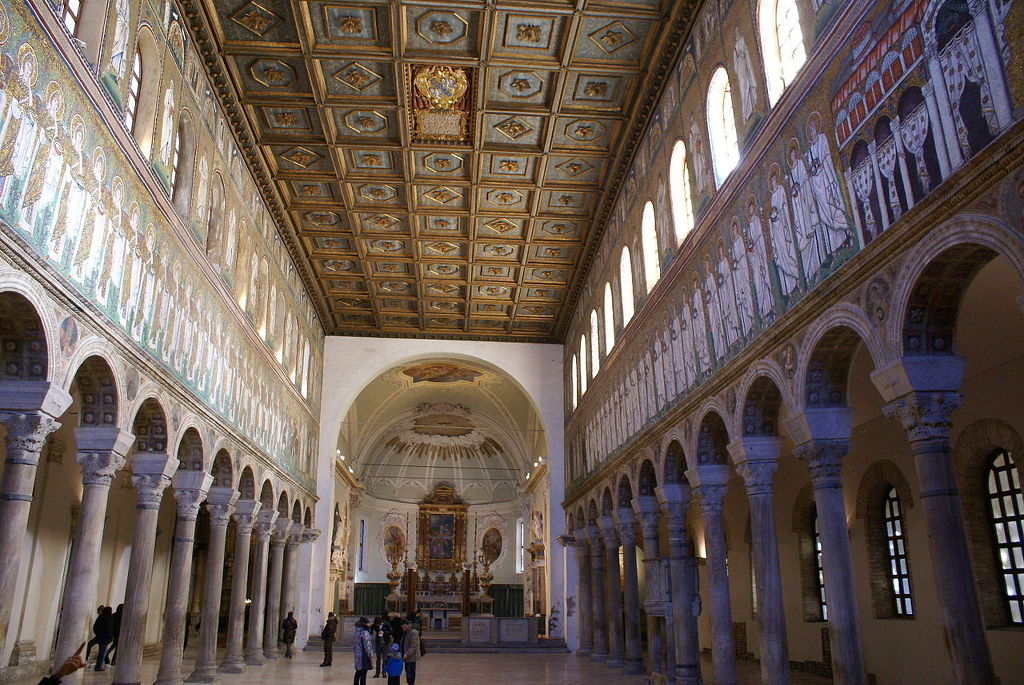
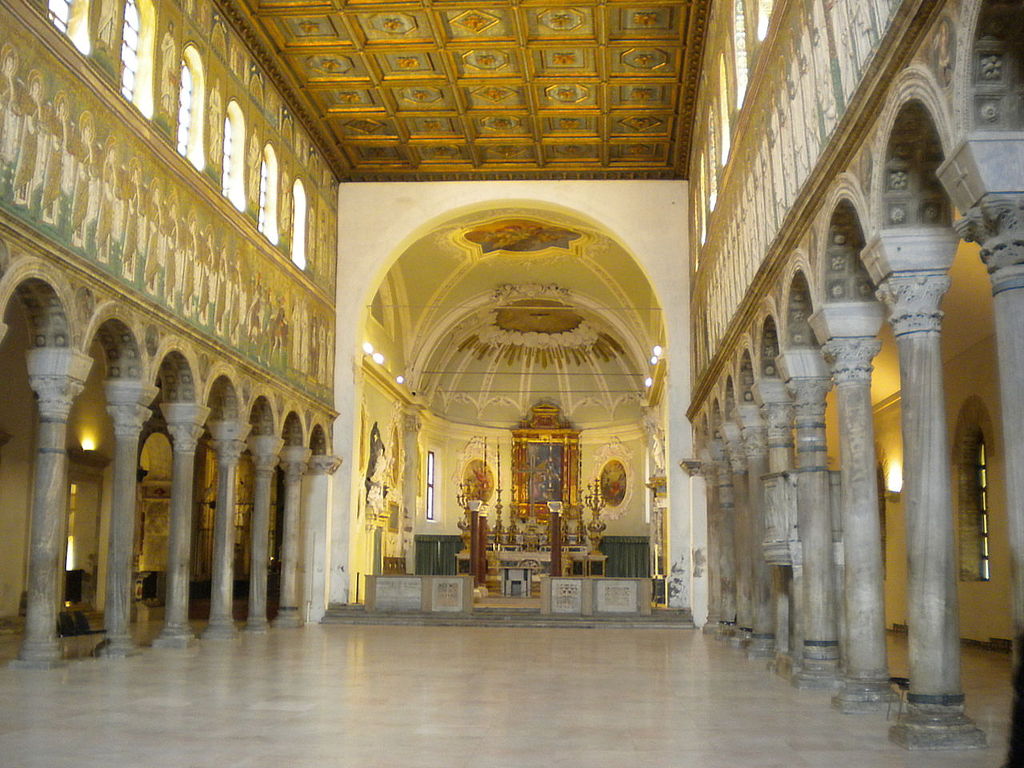
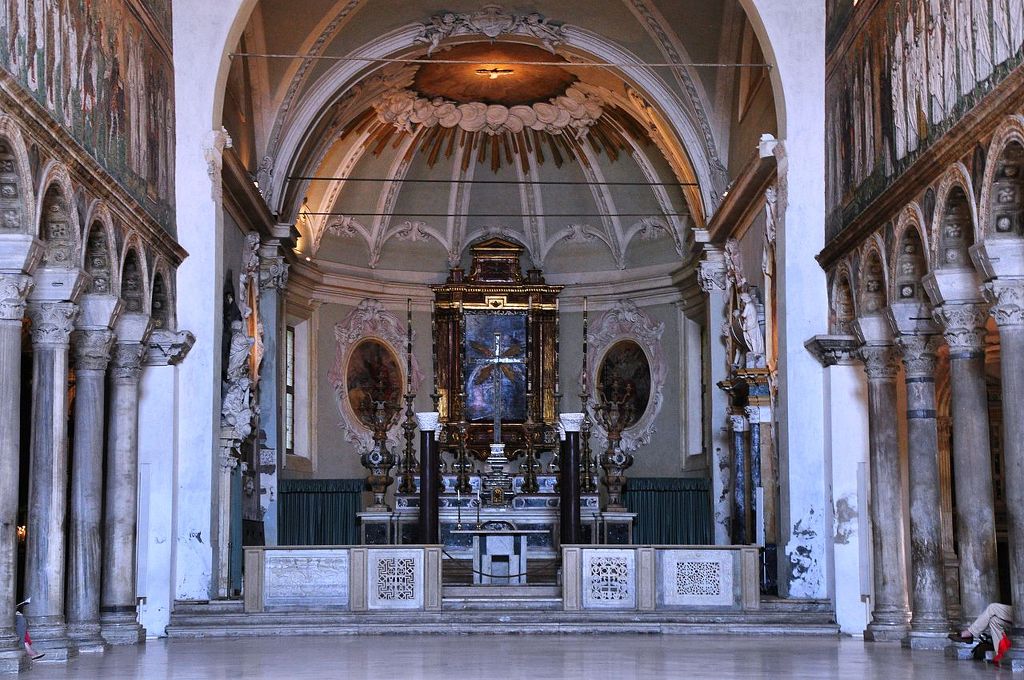
Nave with altar under triumphal arch
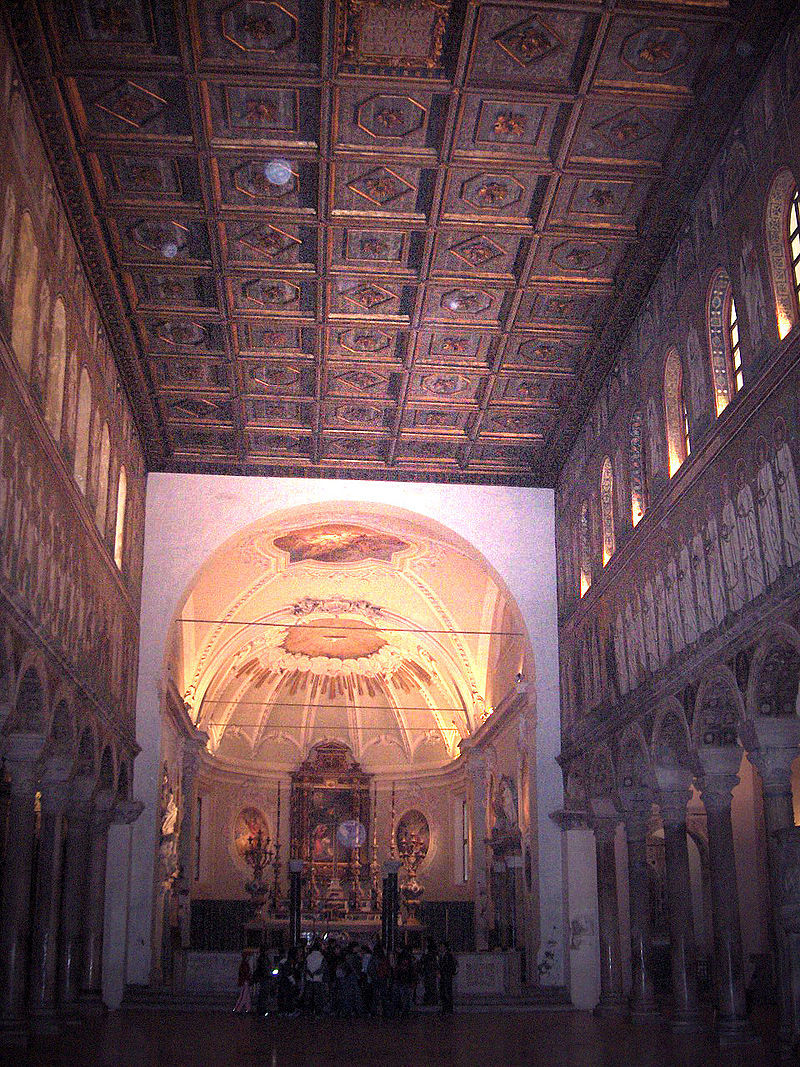
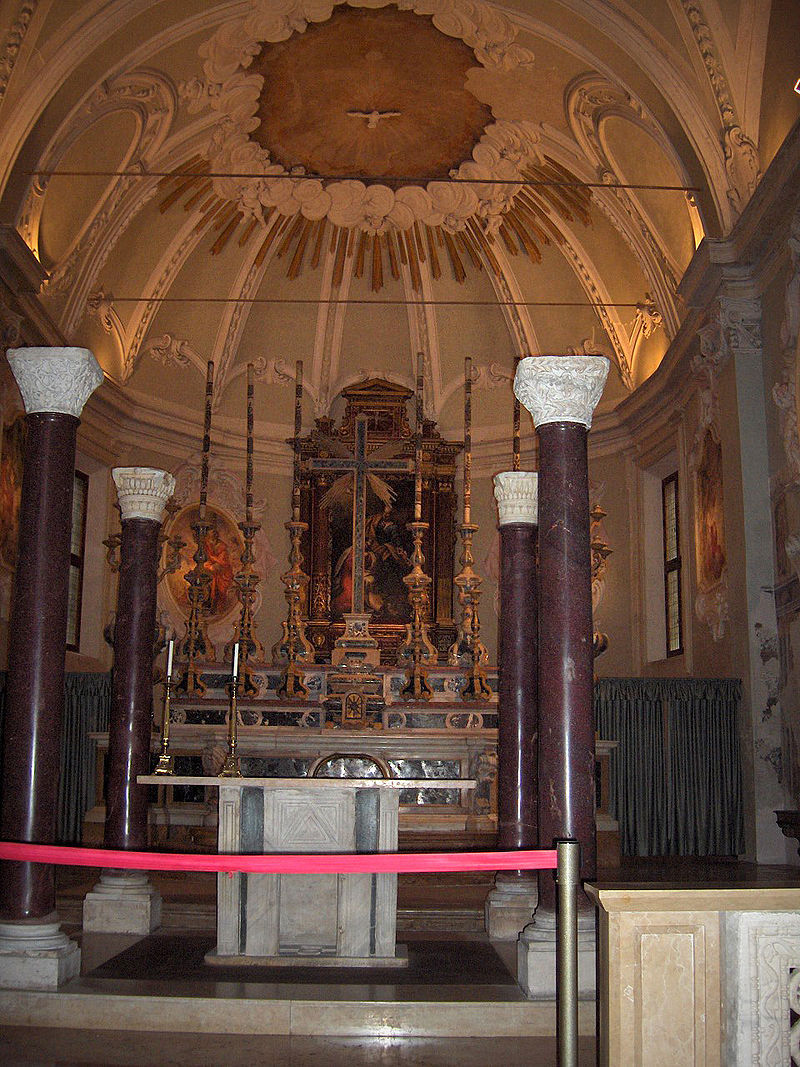
Altar with Roman columns of the byzantine basilica
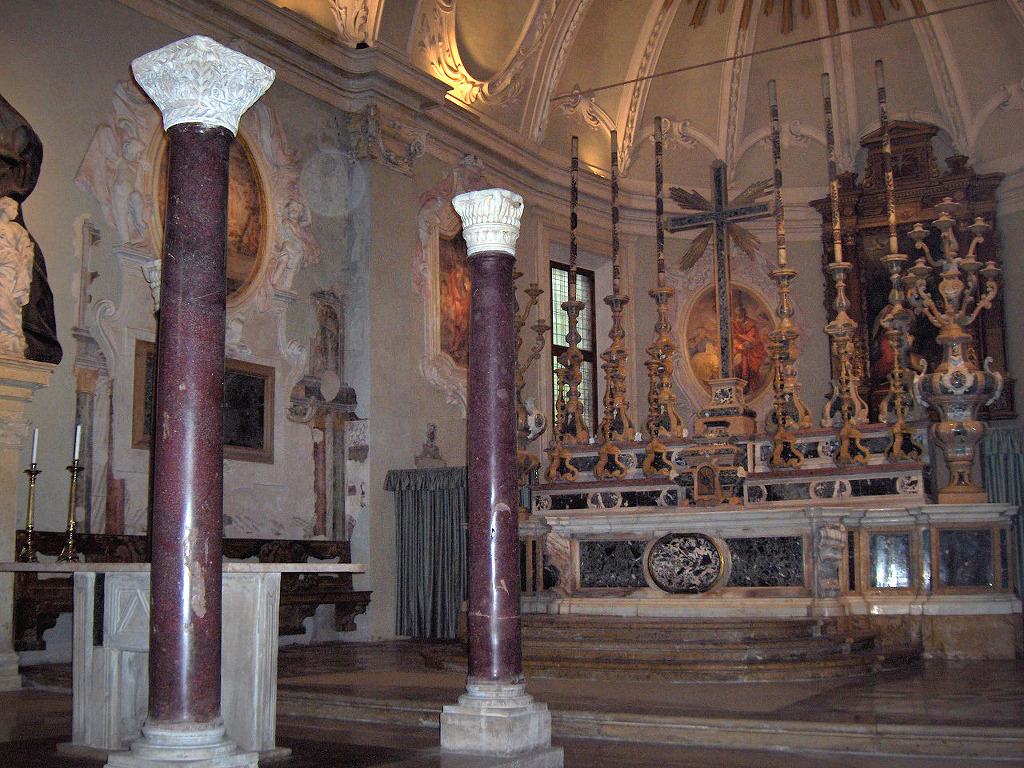
Altar with porphyry Roman columns
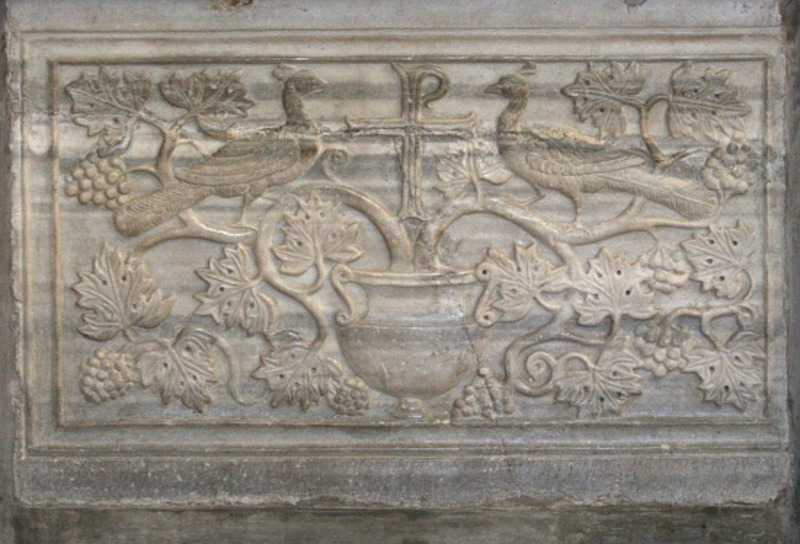
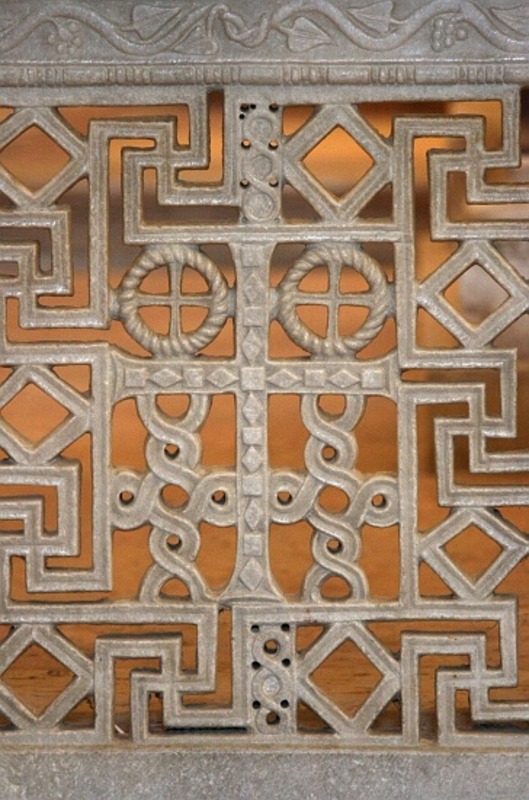
Marble Panel
Altar rail
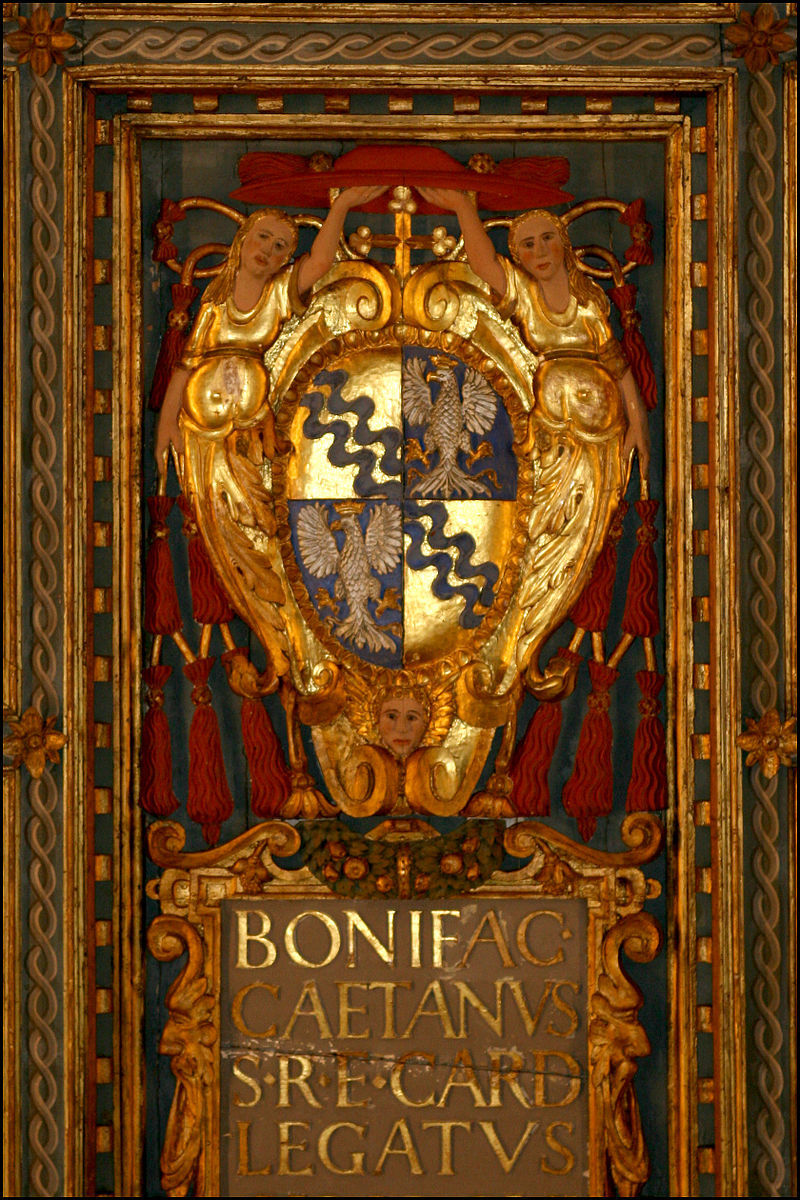
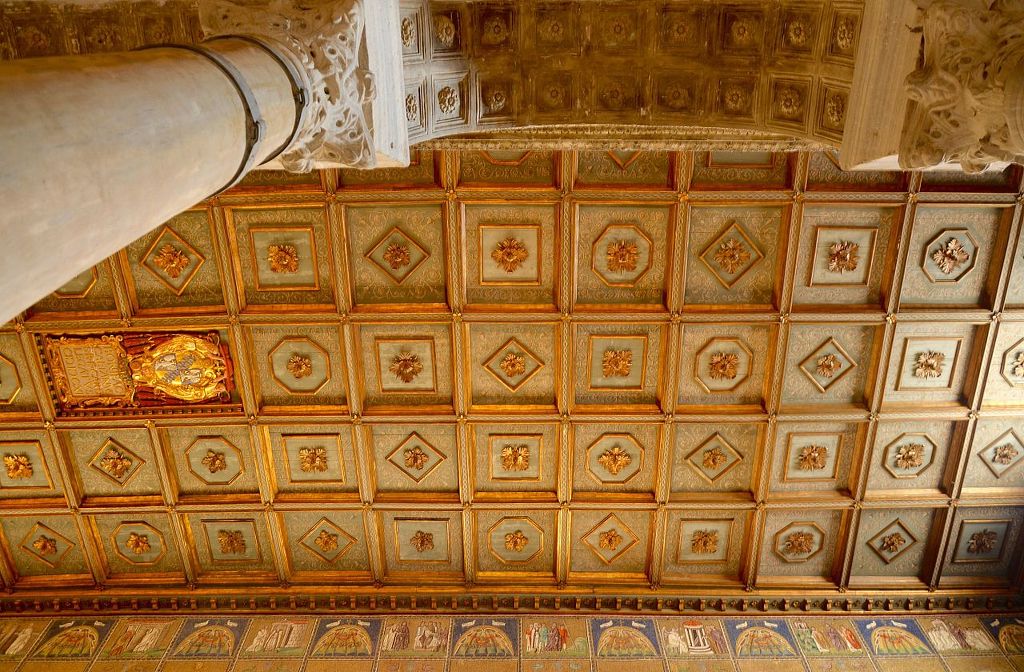
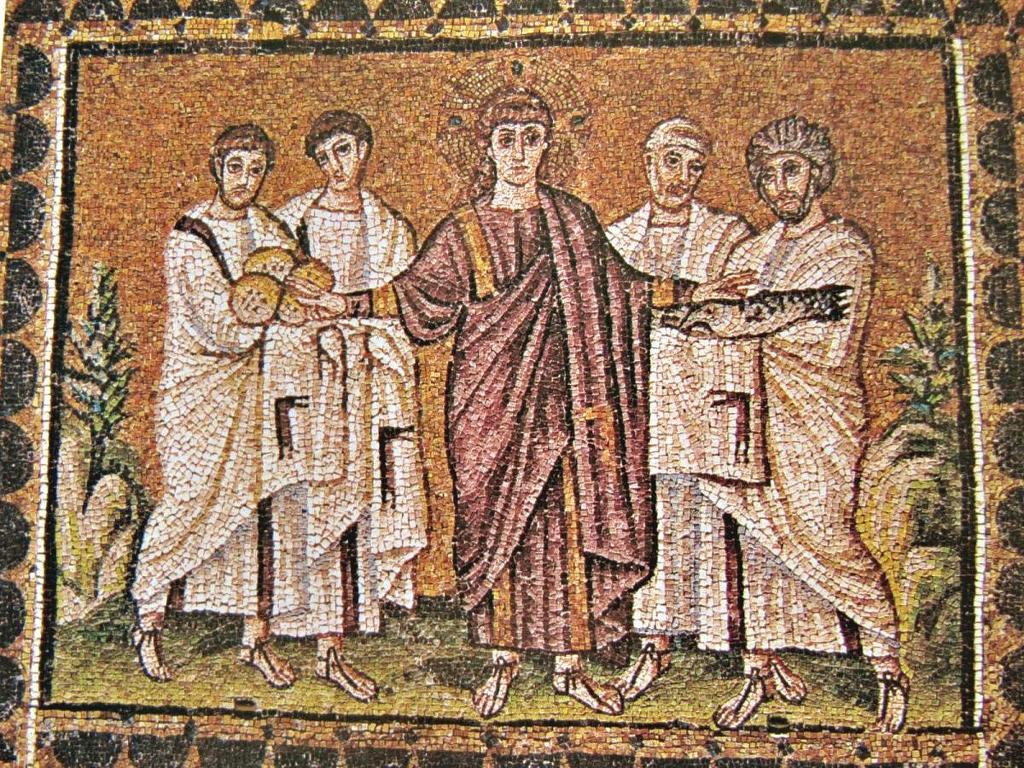
The Miracle of the Loaves and Fishes.(오병 이어)
6th century, Anonymous.
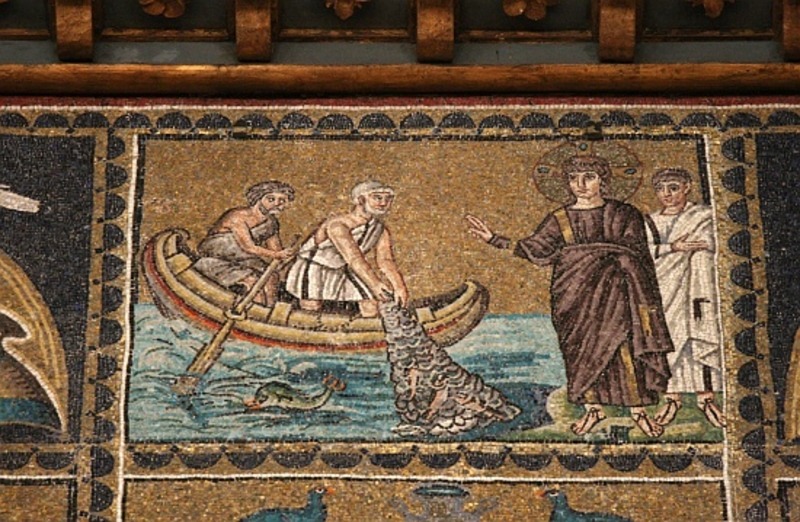
Call of Peter and Andrew
Christ calls Peter and Andrew to be his disciples.
One of a series of 26 mosaic panels illustrating the life of Christ in Sant'Apollinare Nuovo, Ravenna.
The earliest known cycle on the subject, they date from c.500-20 AD under the rule of Theodoric the Goth.
Theodoric was an Arian Christian and these panels are a rare example of Arian art.
They show Christ naturalistically and in a traditional Hellenistic-Roman artistic style.
The mosaics were unaltered by the Catholics who took possession of the church in 560
except for the addition of cruciform haloes around Christ's head.
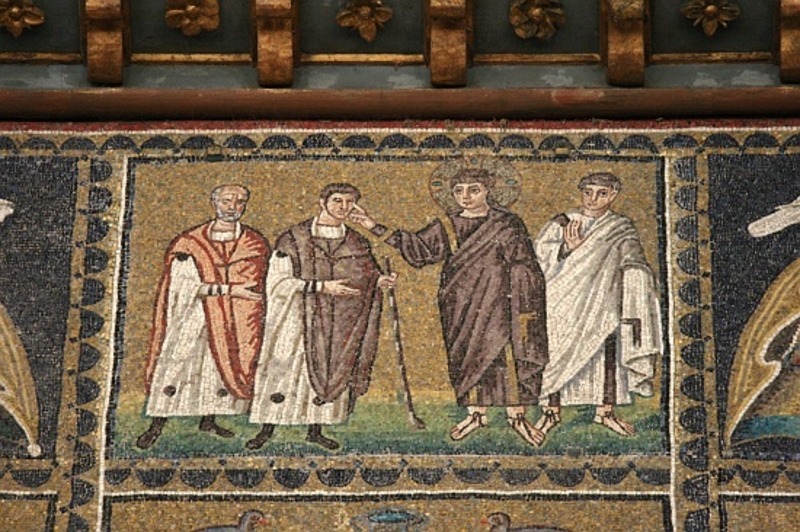
Healing of the Blind Men
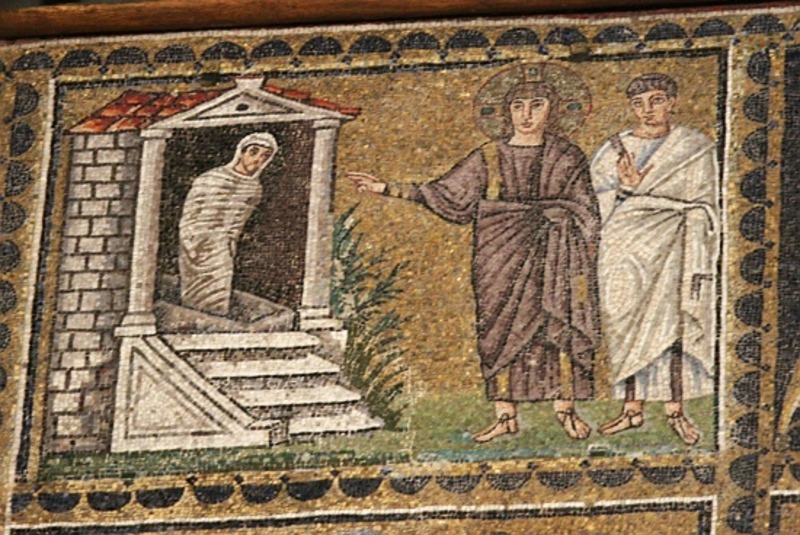
Raising of Lazarus
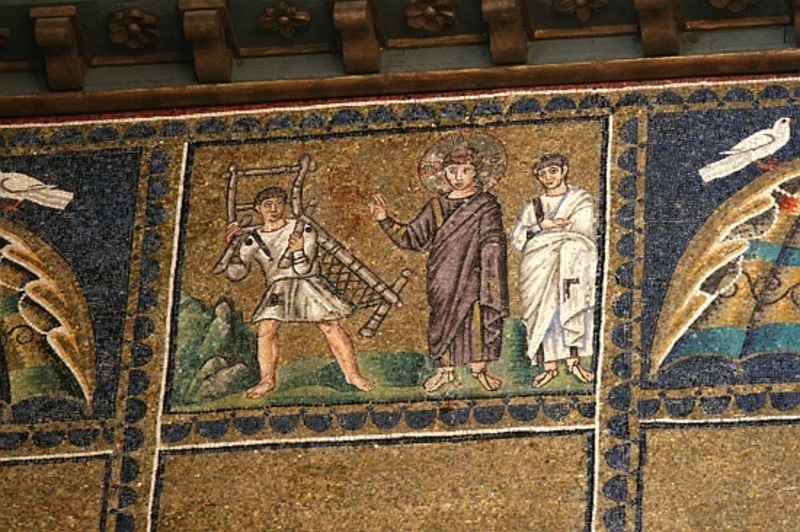
Healing of the Paralytic
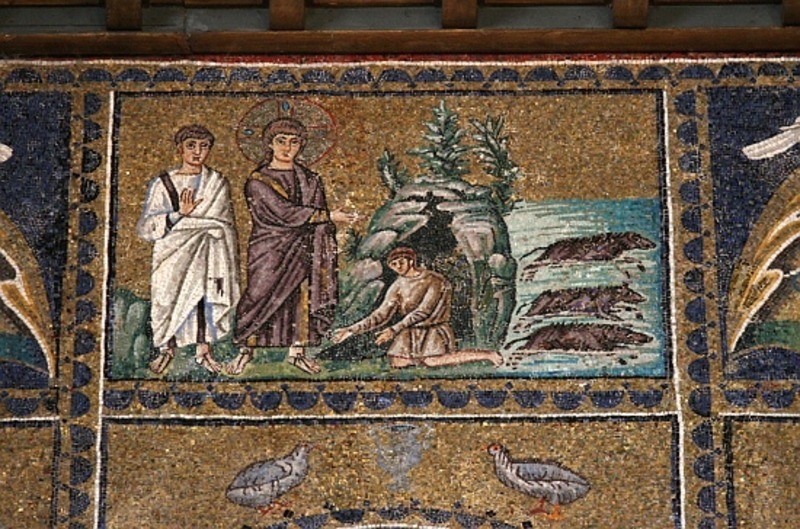
Healing of the Demon-Possessed Man
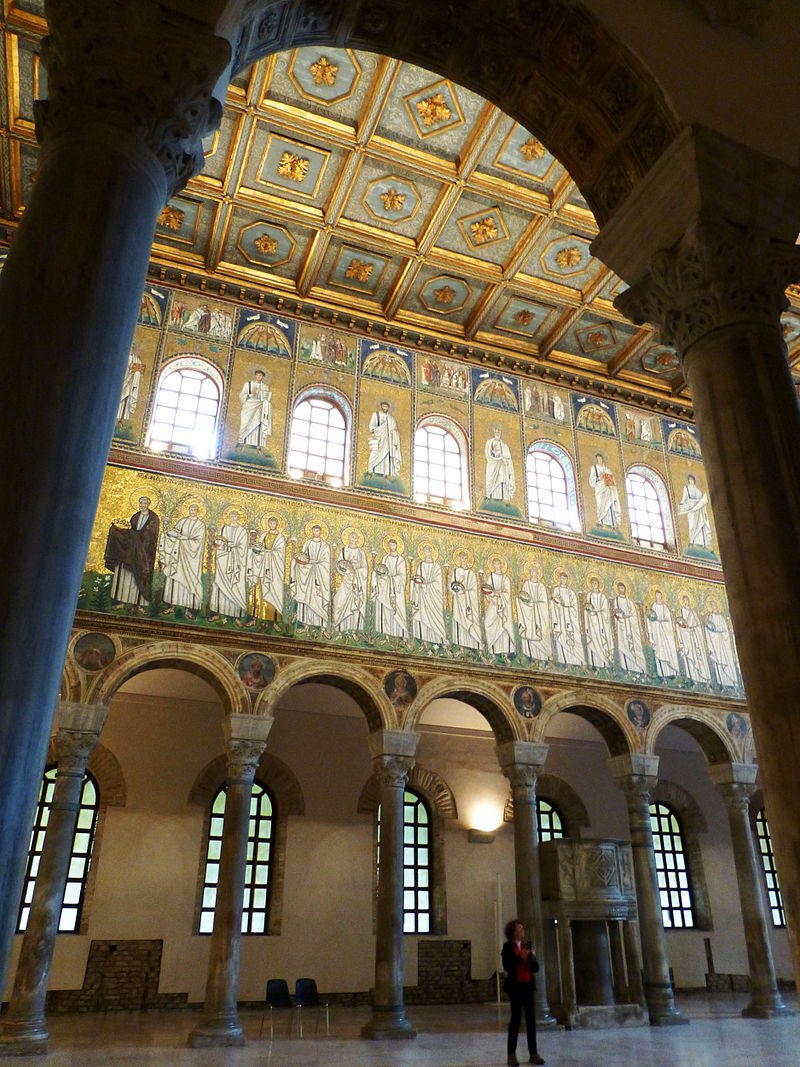
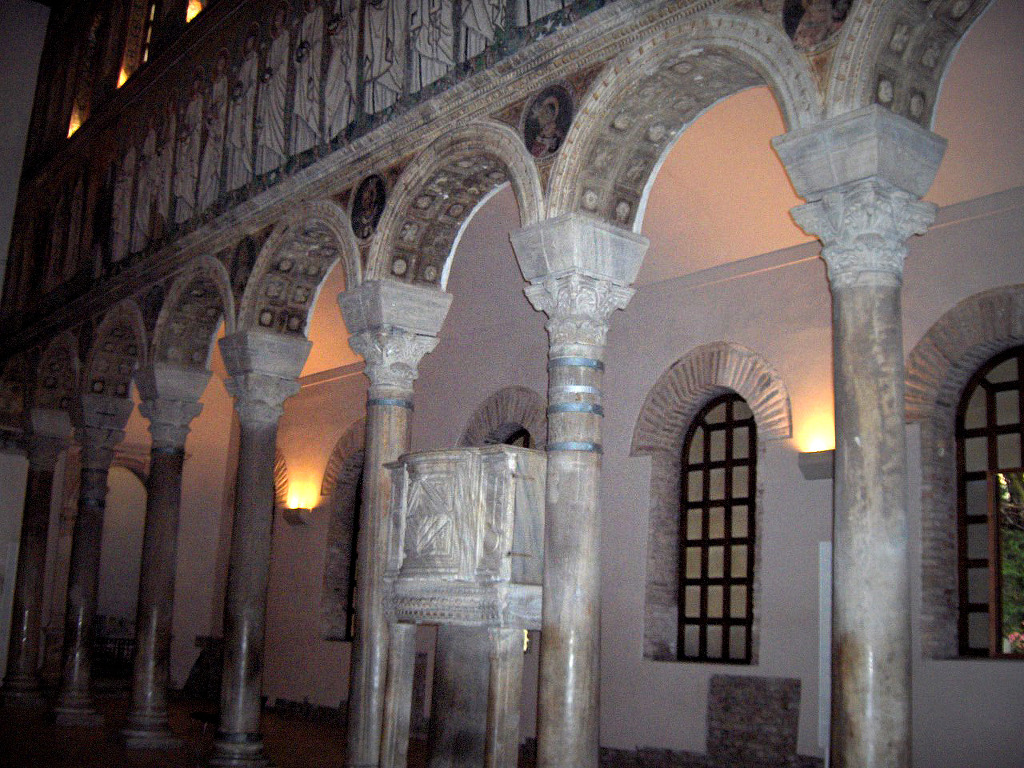
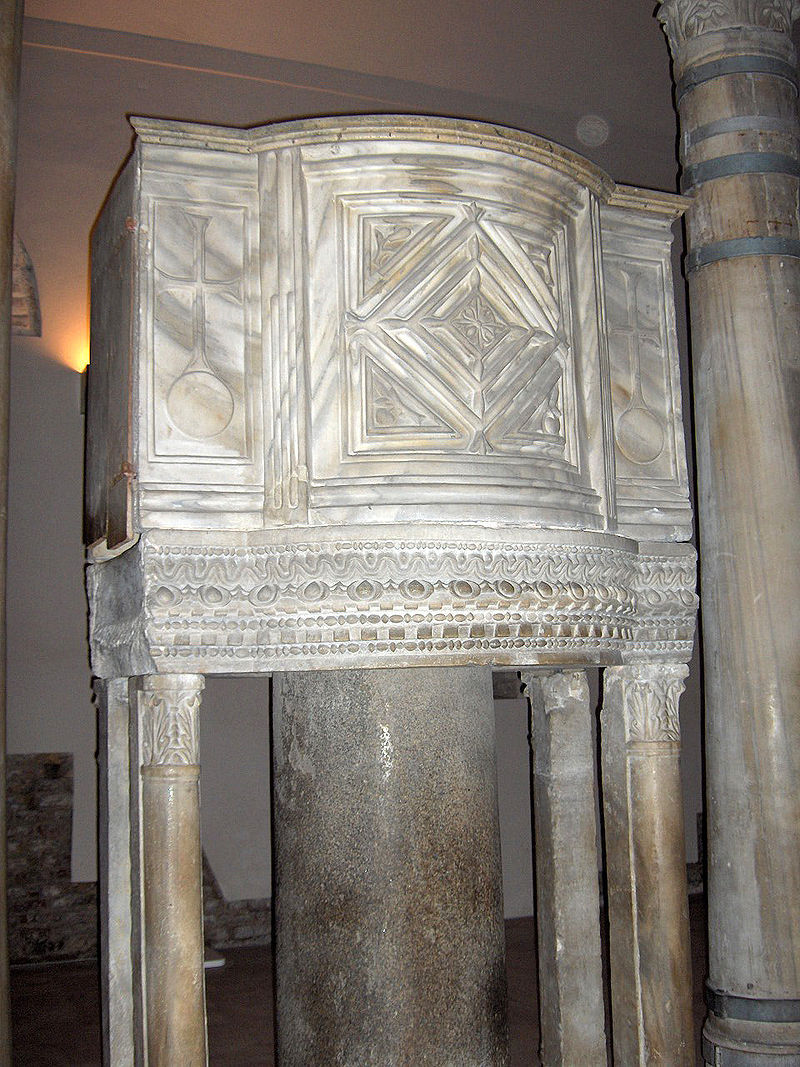
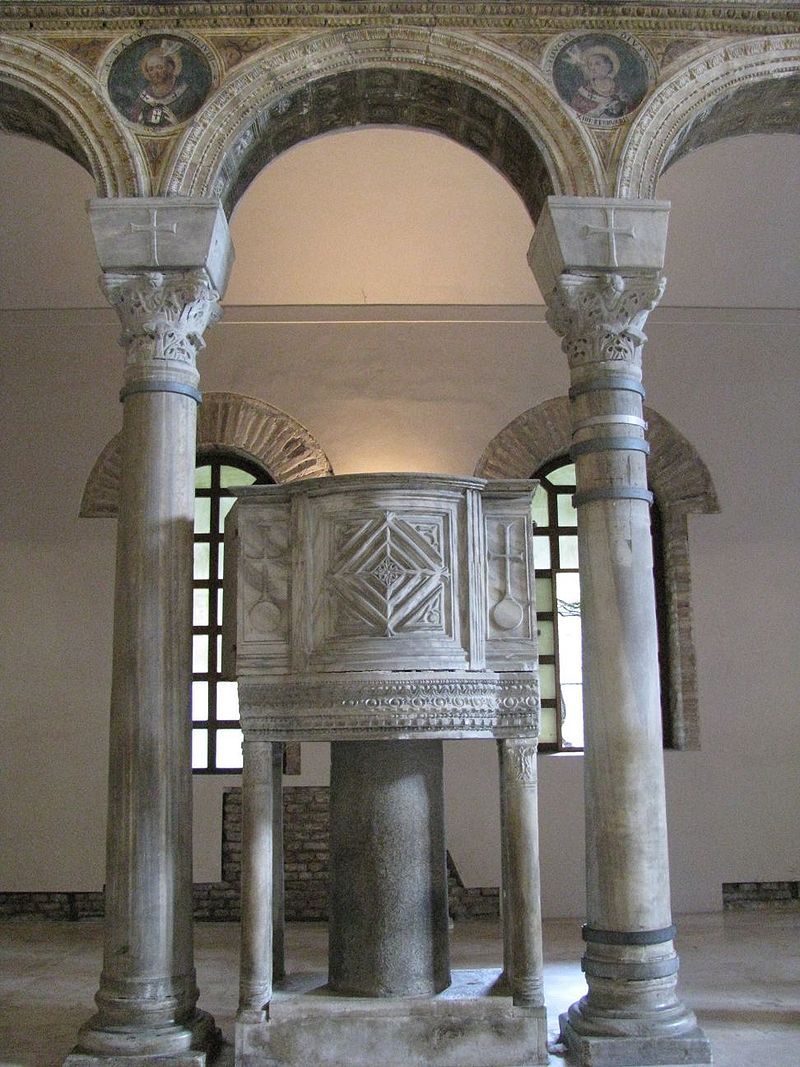
Right aisle with pulpit Pulpit
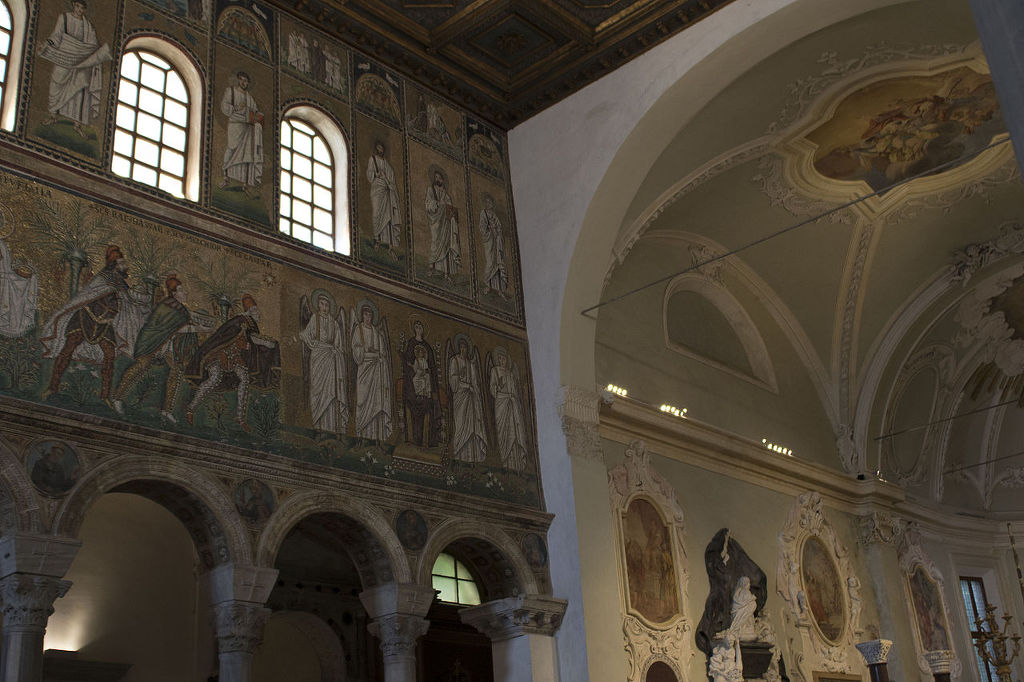
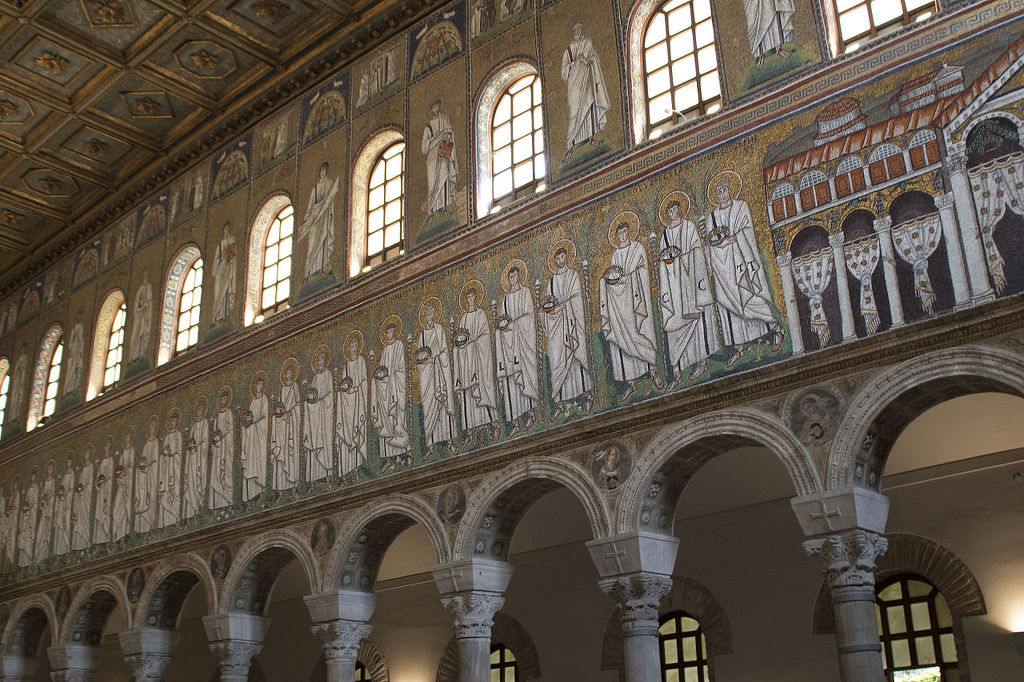
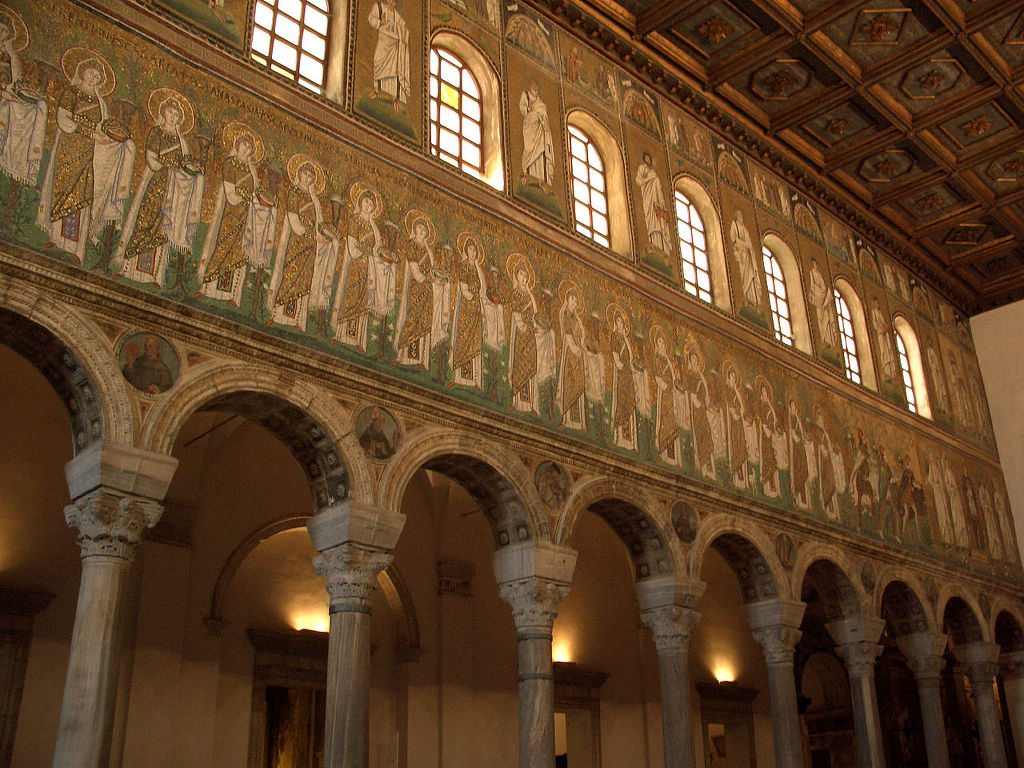
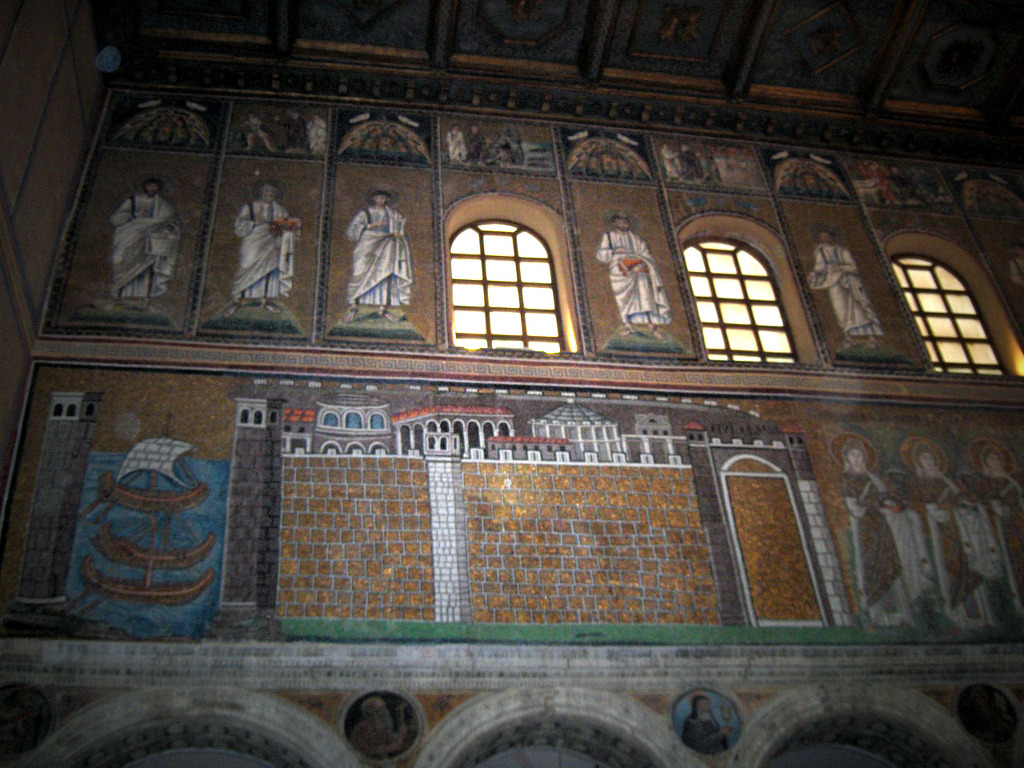
Basilica of Sant'Apollinare Nuovo in Ravenna, Italy:
"The Palace of Theodoric". Mosaic of a Ravennate italian-byzantine workshop,
completed within 526 AD by the so-called "Master of Sant'Apollinare".
After the defeat of Theodoric, the wall mosaics in the Palace
and Cathedral were redone by the Byzantines to remove Gothic features.
The figures in this mosaic were replaced by curtains, presumably due to lack of time.
Several remnants of the earlier work are visible,
such as a portion of an arm on the third pillar from the left.
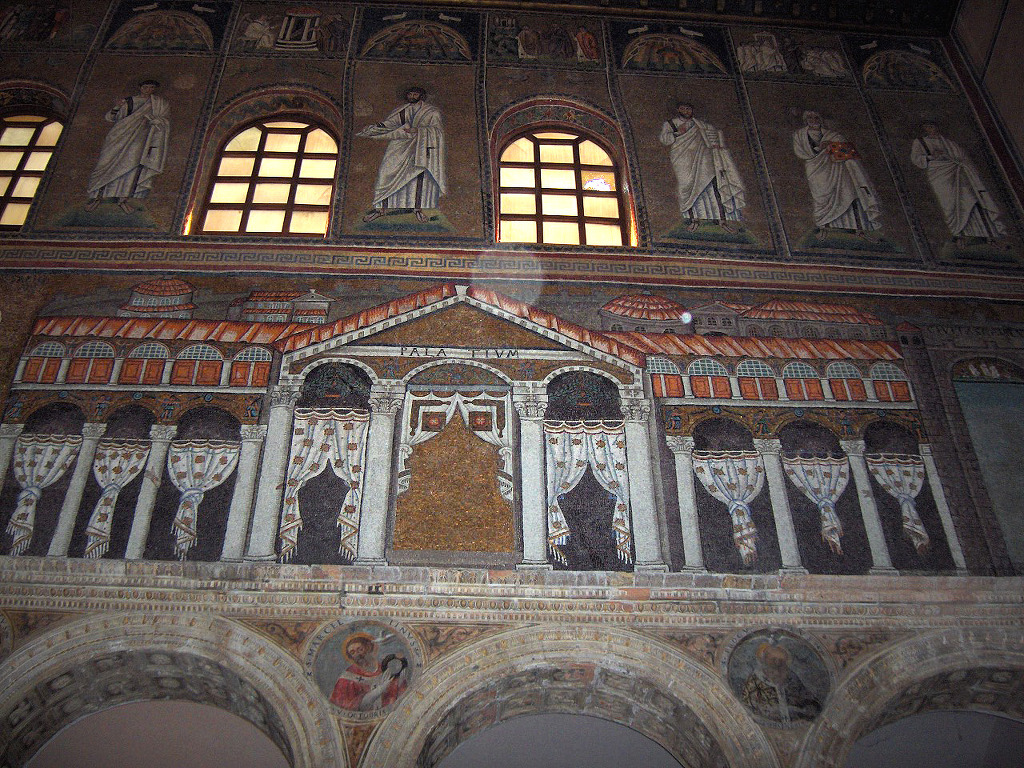
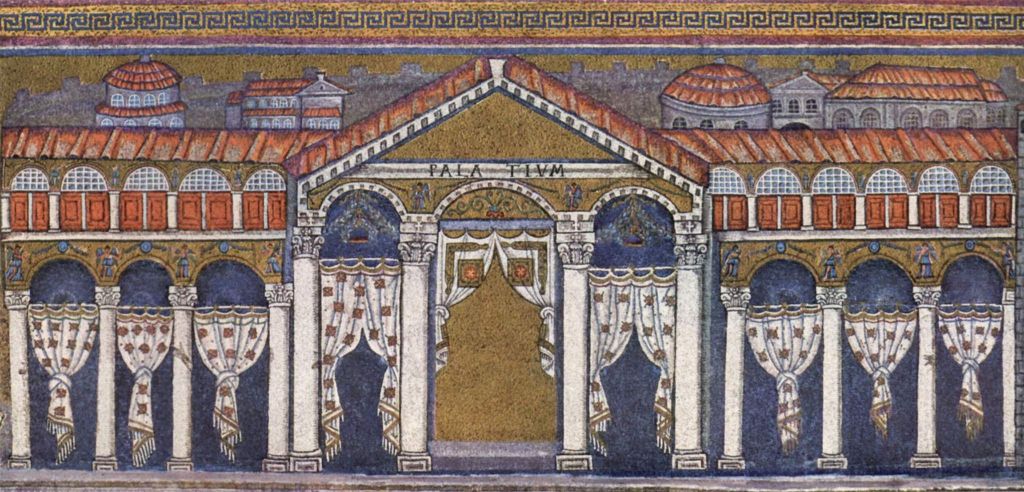
Theodoric's Palace
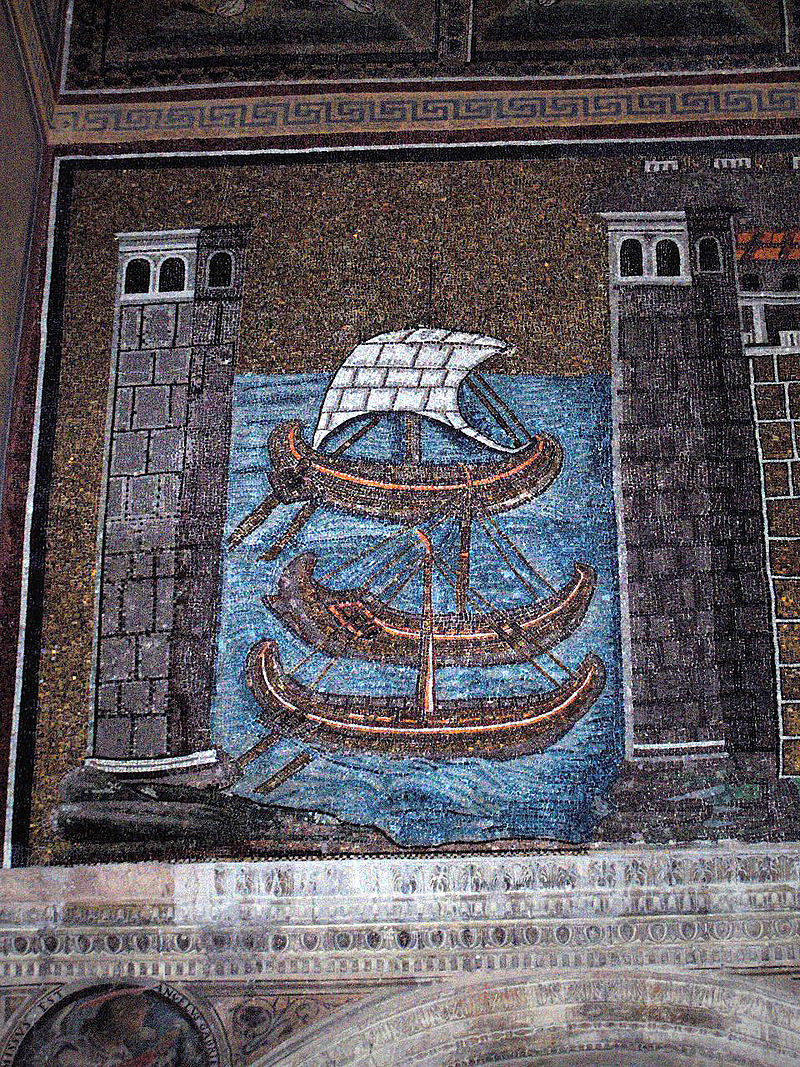
Detail of mosaic depicting the city of Ravenna and the Palace of Theodoric
(foreground) in c.500 AD. Sant'Apollinare Nuovo, Ravenna.
테오도릭, 테오도리쿠스(454?-526): 동(東)고트족(族)(Ostrogoths)의 왕;
493년 이탈리아에 동고트 왕국(Ostrogothic monarchy)을 창건하고, 526년까지 이탈리아를 통치했다.
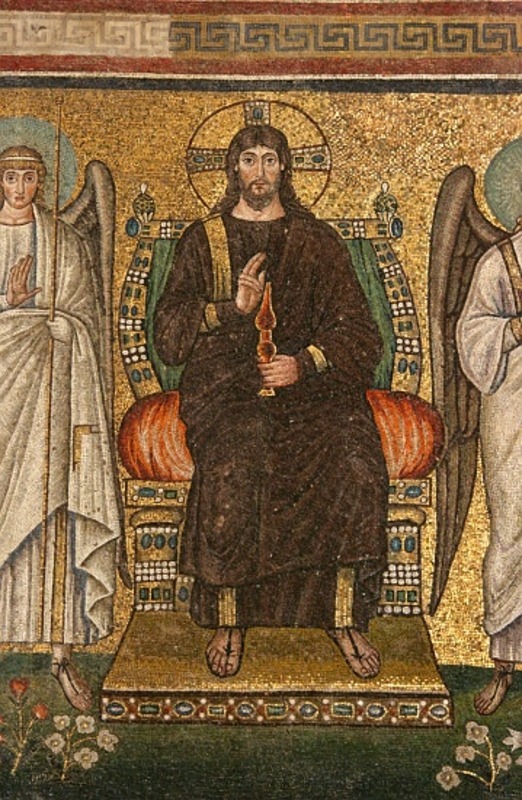
Mosaic of Christ enthroned surrounded by angels
The mosaic was made under the Arian rule of Theodoric the Ostrogoth (496-526)
and left in place by the Catholics who took over the basilica in c.560.
The cruciform halo was added in this later period.
Like the other mosaics of this period in the basilica,
Christ is depicted naturalistically in the Hellenistic-Roman tradition.
This contrasts with the more stylized Byzantine (c.560) Virgin
and Child on the other side of the nave.
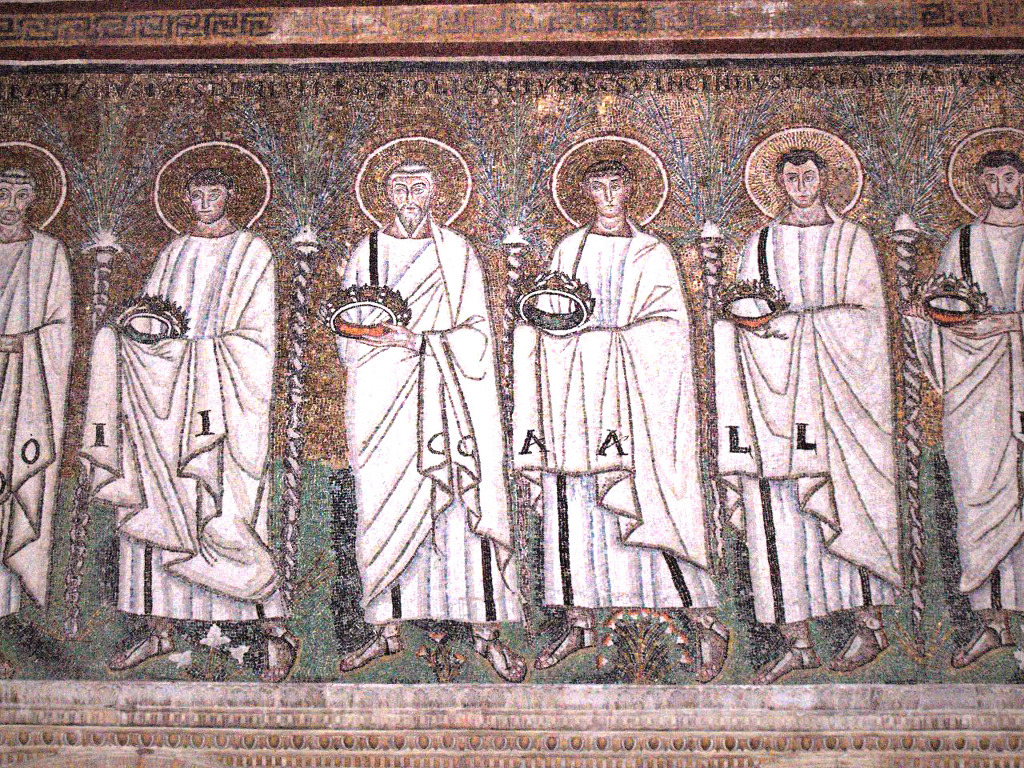
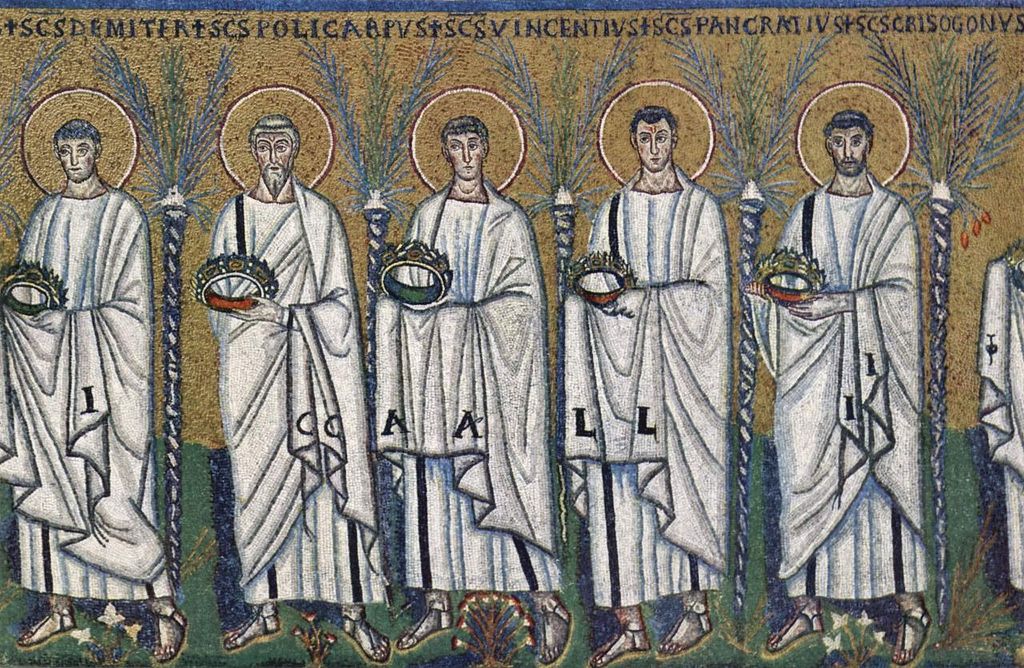
"Procession of the Holy Martyrs".
Mosaic of a Ravennate italian-byzantine workshop,
completed within 526 AD by the so-called "Master of Sant'Apollinare".
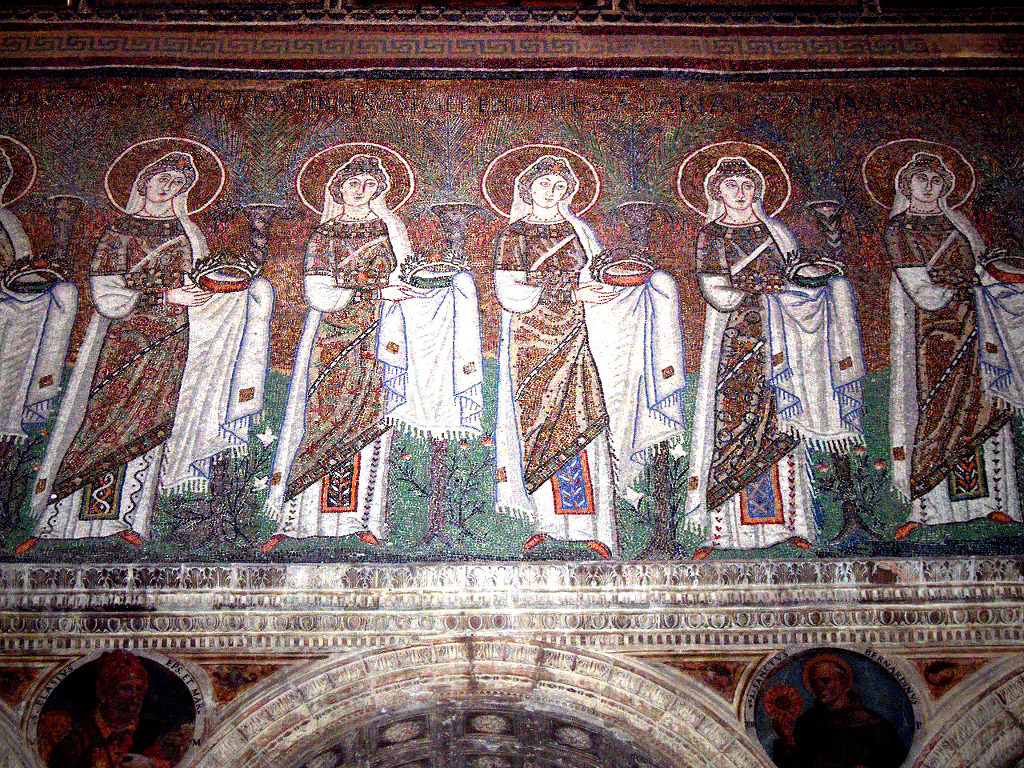
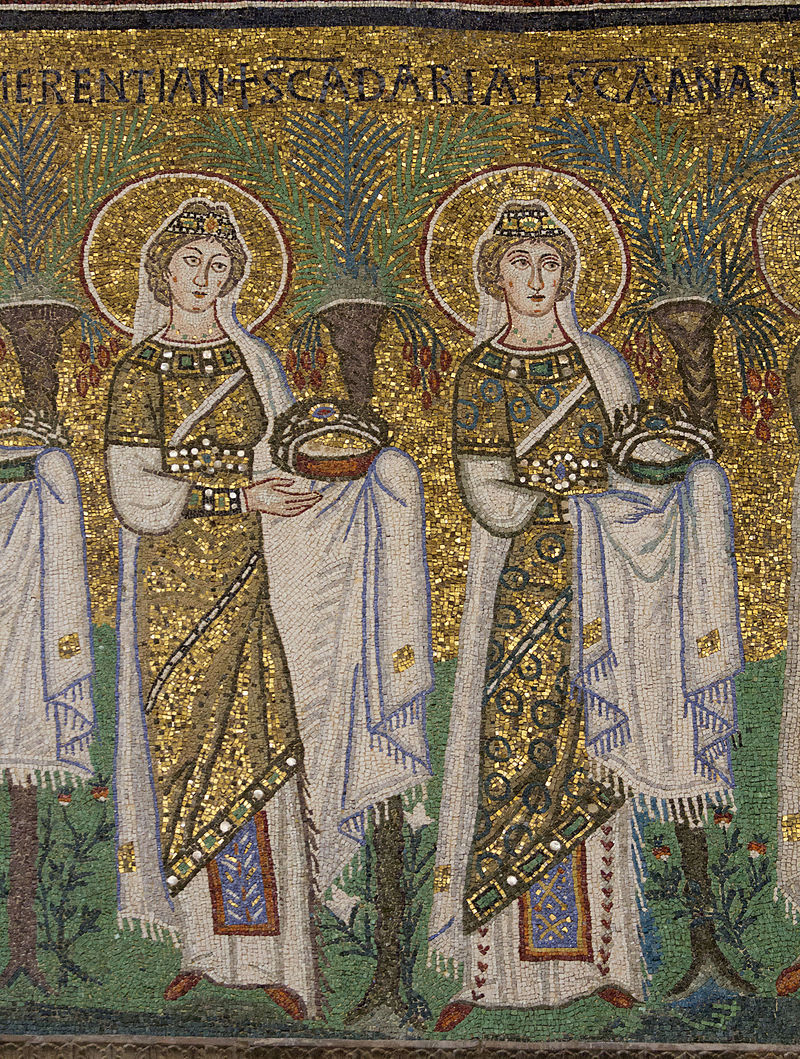
Procession of the Virgins (left wall)
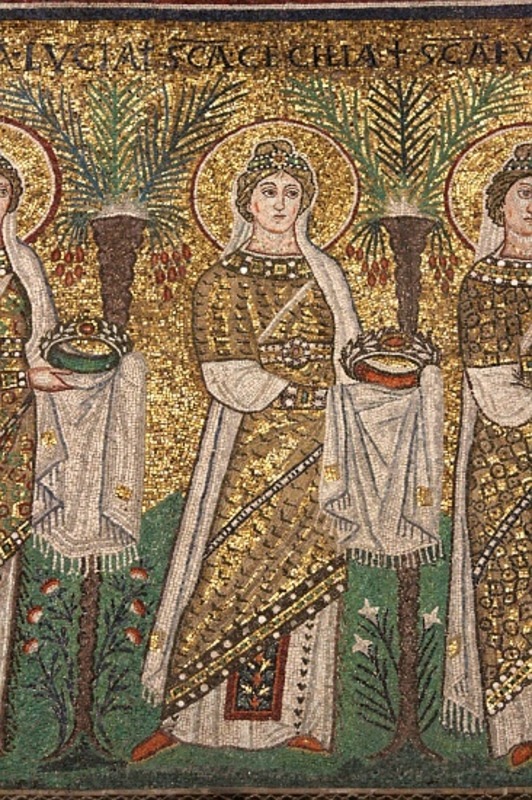
Saint Cecilia
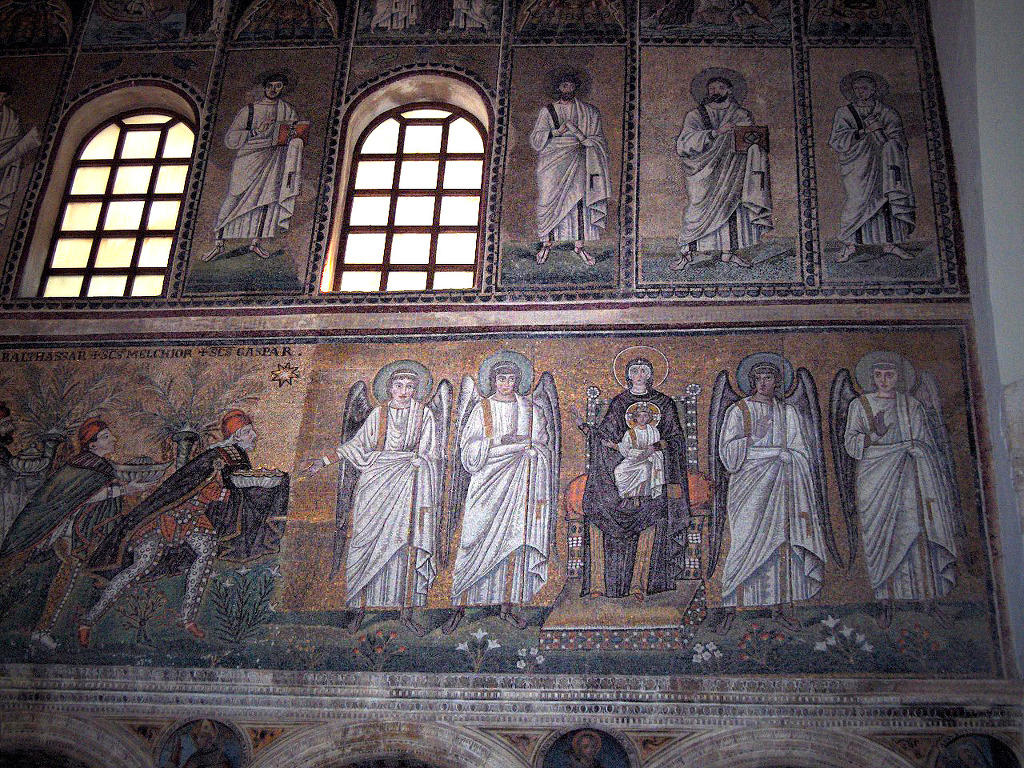
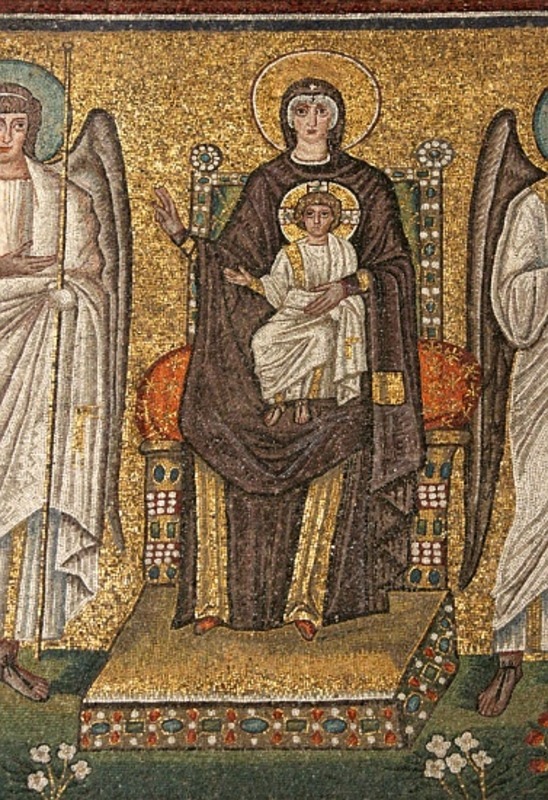
Madonna with Child and Angels
the Virgin and Child Enthroned on the north nave wall
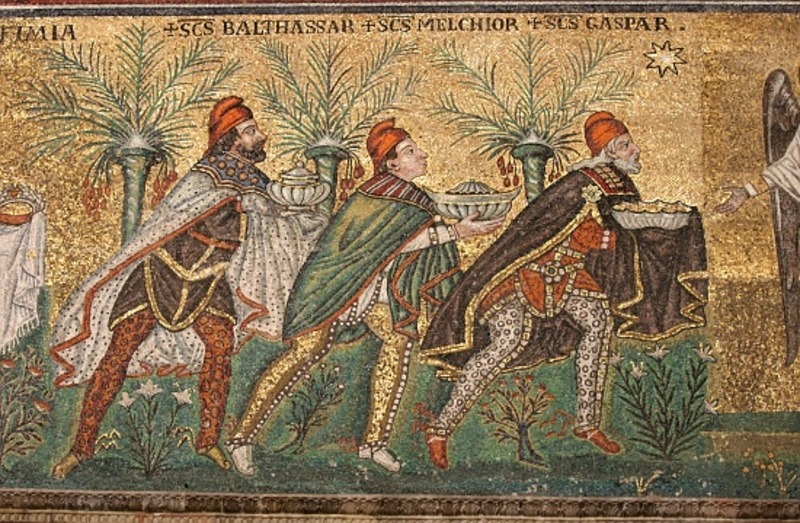
The Three Magi
The Three Wise Men" (named Balthasar, Melchior, and Gaspar).
Detail from: "Mary and Child, surrounded by angels",
mosaic of a Ravennate italian-byzantine workshop,
completed within 526 AD by the so-called "Master of Sant'Apollinare".
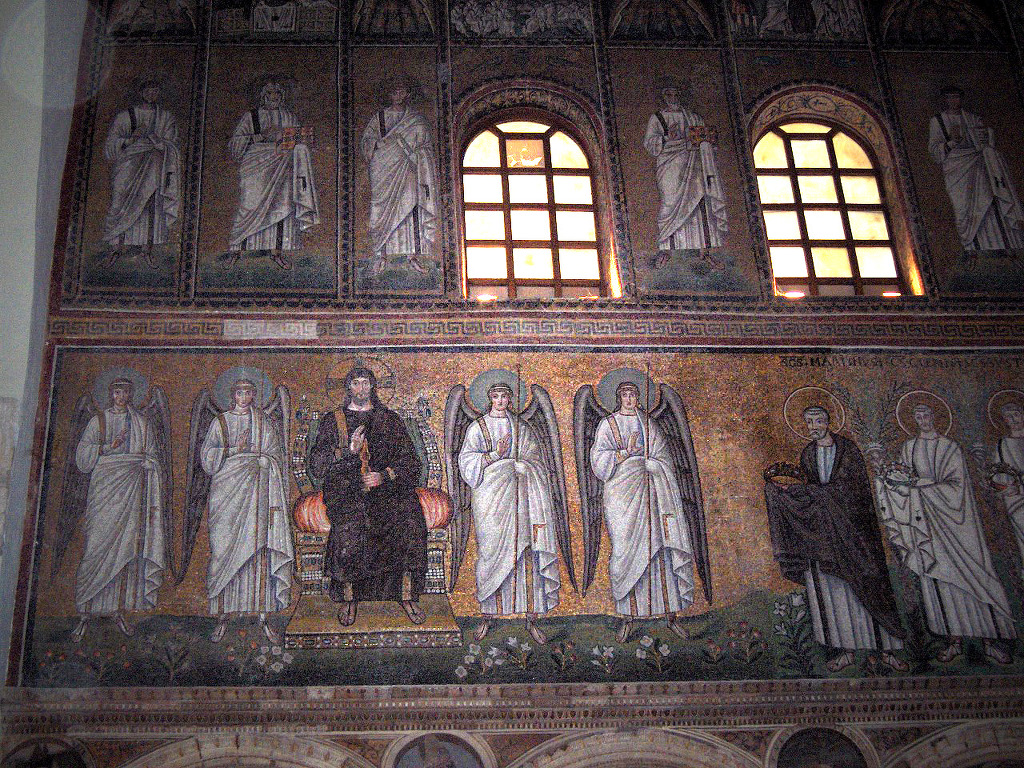
Christ on His throne and angels
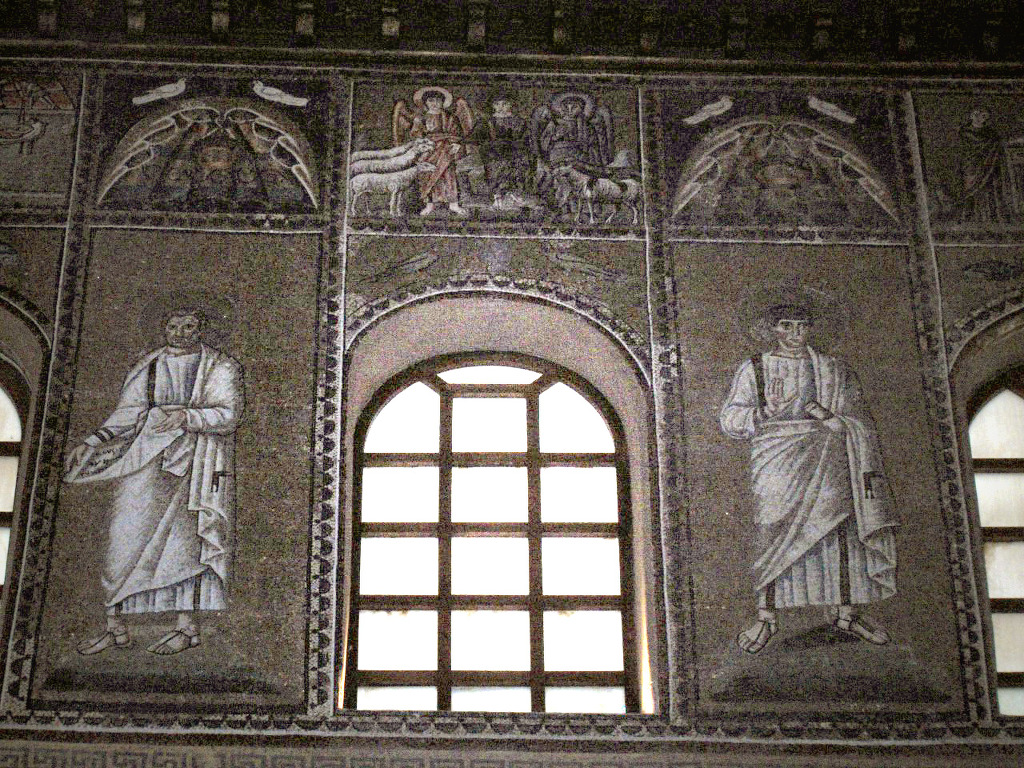
Prophets; (upper band) scenes from the life of Christ
(separation of the sheep with the goat)
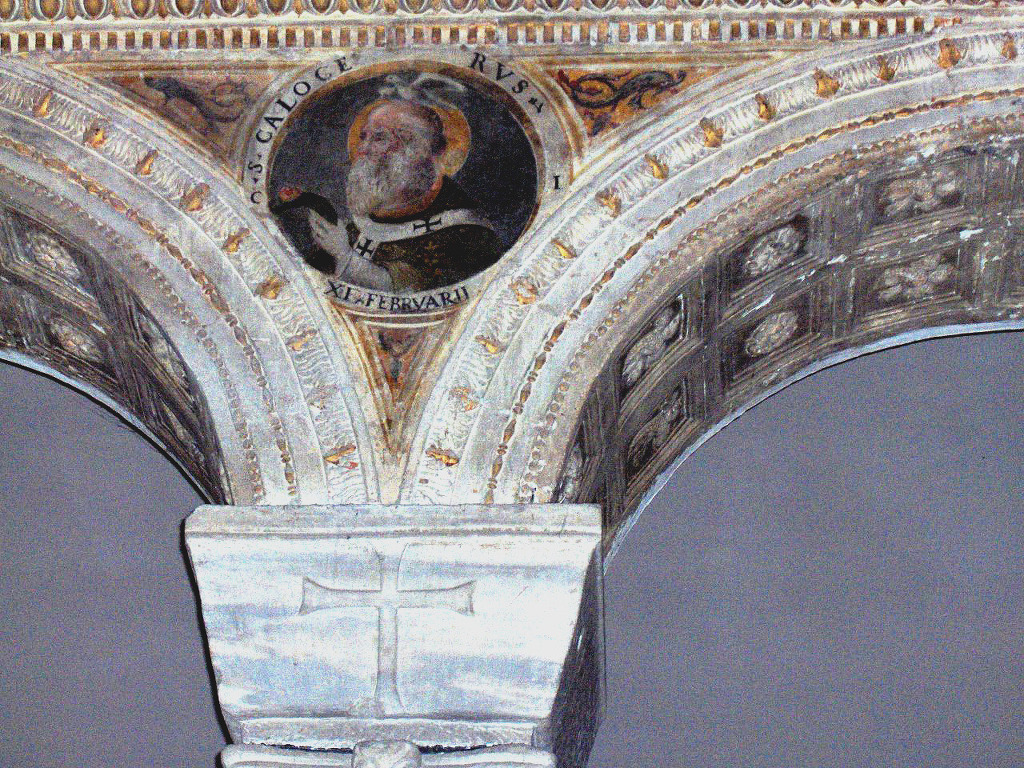
Medallion (in spandrel)
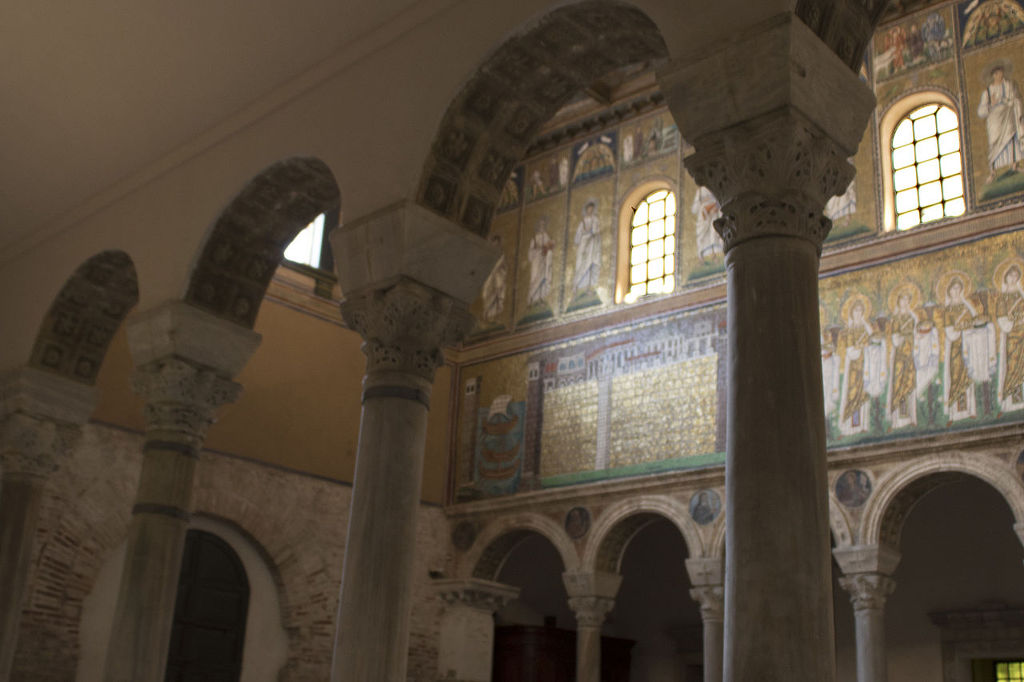
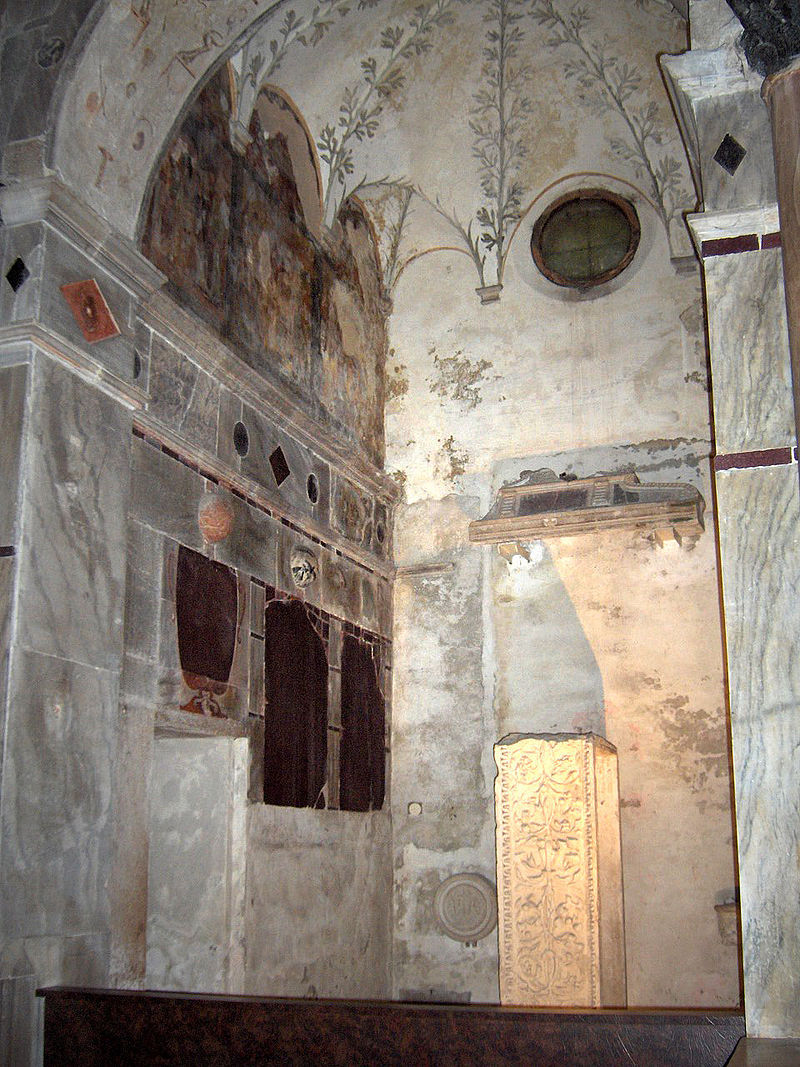
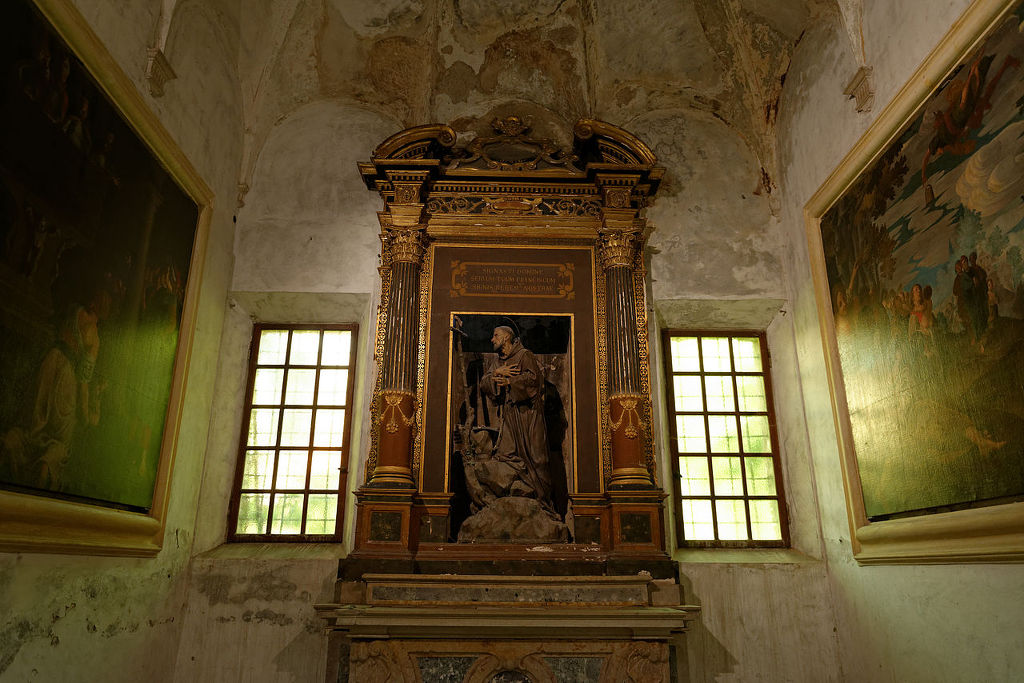
Baroque side chapel in the byzantine basilica
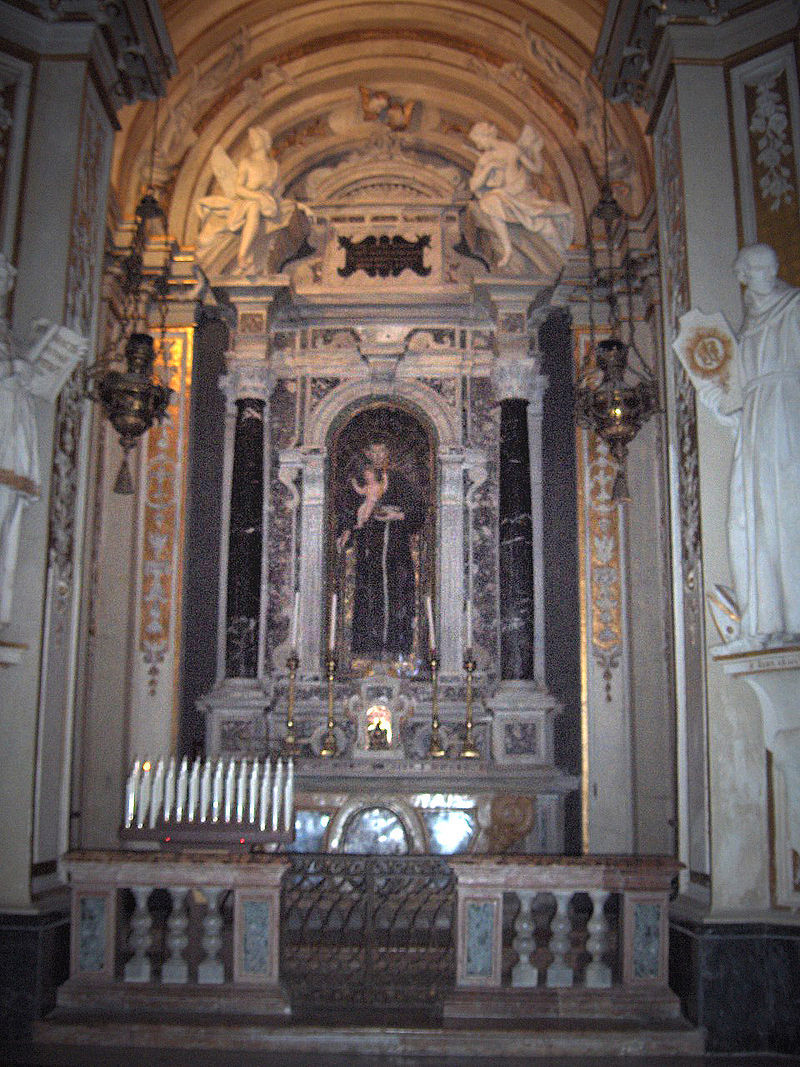
Baroque side chapel in the byzantine basilica
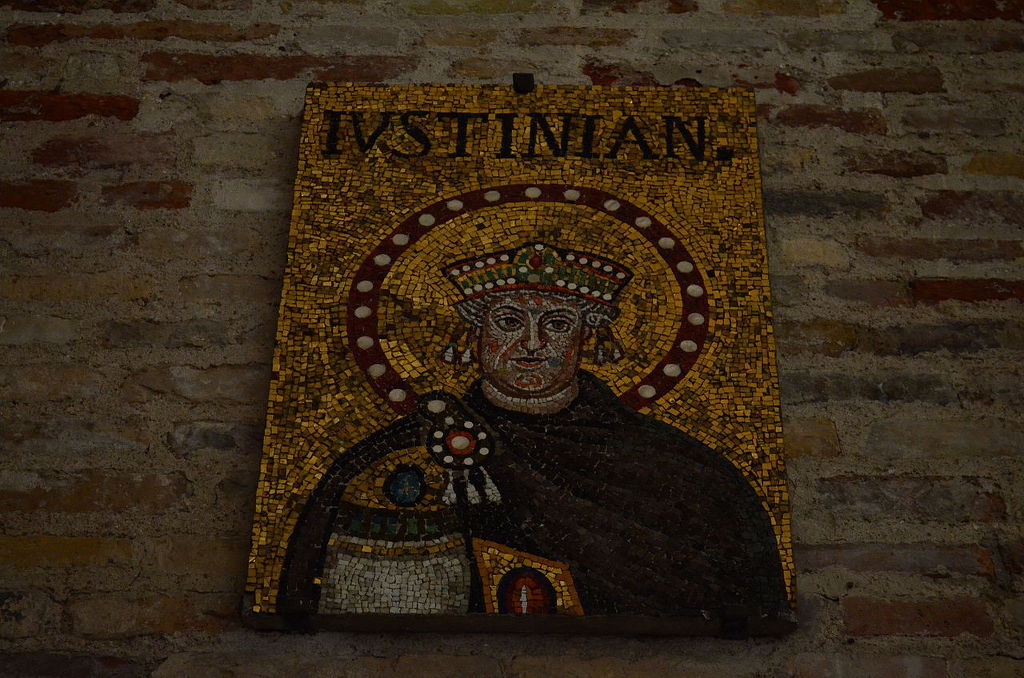
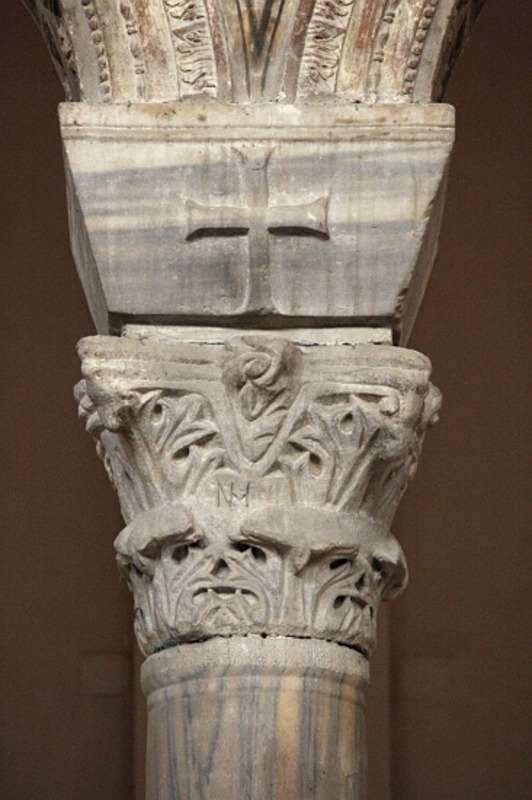
Byzantine Capital
Byzantine capital in the nave of Sant'Apollinare Nuovo, Ravenna, dating from c.500 AD.
The columns are from Constantinople and the capitals were made in Greek workshops.
The Greek monograms of the workshops can be seen inscribed on many of the capitals.
https://en.wikipedia.org/wiki/Basilica_of_Sant%27Apollinare_Nuovo
https://commons.wikimedia.org/wiki/Sant%27Apollinare_Nuovo
https://commons.wikimedia.org/wiki/Category:Sant%27Apollinare_Nuovo_(Ravenna)
http://www.sacred-destinations.com/italy/ravenna-st-apollinare-nuovo