사람이 피부를 통해 느끼는 감각을 표현할 수 있다는 것은 의사소통에서 중요한 역할을 해 준다. 단순히 느낌을 전달하는 수준에 그치는 것이 아니라 산업의 영역에까지 영향을 미친다. 그러나 영어교육에는 그 중요성을 인식하여 무엇인가 창조적으로 이끌어 보려는 분이 없어 보인다. 화장품이나 직물, 의류 등 인간의 일상생활과 관련된 직접적 접촉을 일으키는 물건들의 품목에서 이 감각은 정말 중요한 고려요소이다. 여기서는 접촉에 의한 피부의 감각인 촉감을 다루고자 한다.
What is a texture? How many kinds of texture do you know?
Can you tell me your skin feelings?
1-1Texture of surface
1] furry
1: covered with fur 털로 덮인 ▪ My children love furry animals.
2 a: covered with something that looks or feels like fur 외관이나 촉감이 모피 같은 것으로 덮인 ▪ The plant has furry leaves.▪furry slippers b: resembling fur 털 같은 ▪Furry mold was growing on the cheese.
She is putting on a coat with furry side out.
중략
2] bumpy
[or more bumpy; most bumpy] 1of a surface: having or covered with bumps 울퉁불퉁한, 울퉁불퉁한 것으로 덮인 ▪ The road is very bumpy.▪ the bumpy skin of a cucumber— opposite smooth
2: having sudden up and down movements 갑자기 올라갔다가 내려갔다가 하는 <<상하로 요동하는, 덜컹덜컹 흔들리는>> ▪ The flight was very bumpy.▪ The road was rough so we had a bumpy ride.▪ a bumpy journey
Hisfaceisbumpybecause oftheacnescars.
acne 미국[ǽkni]
medical: a condition in which the skin on a person's face, neck, etc., has many small, swollen spots (called pimples) 사람의 얼굴, 목 등의 피부에 작고 도톨도톨한 종기(즉 여드름)가 많이 있는 상태 ▪ a teenager with bad acne
He is walking the bumpyroad.
The car is running on the bumpy road.
3] scabrous
1. Having or coveredwithscales or smallprojectionsandrough to thetouch:a scabrousscar; a plantwithscabrousleaves.
2. Dealingwithscandalous or salaciousmaterial:a scabrousnovel.
1. having a roughsurfacebecause of minutepoints or projections.
2. indecent;obscene.
3. full of difficulties.
꺼칠꺼칠한, 우둘투둘한
If you touch the leaf, you can feel the leaf scabrous.
4] oily / greasy
중략
1-2 For creative study in reality
1] cosmetics
This face powder is smooth and silky.
중략
문제 출제 등에 활용가능한 지문 -1
How to Apply Face Powder
Before you start
To prevent powder from adhering too thickly to your the skin, first make sure that your foundation and concealer are applied evenly and not heavily,
If you tend to have oily skin or conspicuous pores, apply face powder after tissueing off oil from these areas.
Using Powder Puff
Apply a generous amount of face powder onto the puff.
First, lightly apply powder on your face, while being careful not to smudge the foundation applied beforehand. Then, gradually press on more firmly.
For smaller or narrow areas such as around the eyes or the nose, fold the puff in half and carefully apply powder.
An easy gauge for checking whether you've used the right amount of powder is to feel your cheek with the back of your hand. It should feel smooth and dry. After this, use your puff or finishing brush to dust off any excess powder.
Using Powder Brush
Select a larger-sized brush for applying the face powder.
Place a generous amount of face powder on the brush, tapping off any excess powder. Apply the powder starting from the front of the face where you want to have the makeup last longer, such as the cheeks, the forehead, and around the nose. Then, spread powder back towards the outer edges of the face. By brushing carefully with the brush adhering close to the skin, you will achieve a natural finish with a healthy glow.
If you have dry skin:
Apply powder after making sure that your foundation has been spread evenly. But be careful to powder especially lightly around the eyes, or on areas where you feel are dry. Then brush off any excess powder.
If you have oily skin:
Layer on extra powder at your T-zone, or anywhere else on the face where your skin tends to be oily.
One-point advice from Kanebo’s makeup artist
Just by setting a thin application of powder around the eye area, your makeup will last longer.
And use face powder before applying eye makeup! If you powder the area under your eyes before applying eye makeup, you can easily remove traces of mascara or eye shadow powder on your skin without smudging. After you are done with your eye makeup, just dust away excess face powder.
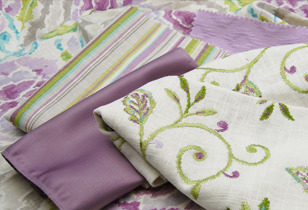
How is your touch sensation on cotton 100% gauze fabric and body-friendly quilt with a sense of coldness? Good? OK?
quilt/ˈkwɪlt/noun
pluralquilts
[count] : a bed cover with stitched designs that is made of two layers of cloth filled with wool, cotton, or soft feathers 두 겹의 천 사이에 모, 면, 부드러운 깃털로 속을 채우고서 박음질한 침대 덮개 <<퀼트, 누비>>
gauze/ˈgɑ:z/noun
[noncount] 1: a very thin cloth 매우 얇은 천 : cloth so thin that you can see through it 아주 얇아서 속이 들여다보이는 천 ▪ red gauze curtains2: loosely woven cotton that is used as a bandage 붕대로 쓰는 성기게 짠 무명 <<거즈>> ▪ He wrapped the wound in gauze.▪ a gauze pad [=a small square of folded gauze]
문제 출제 등에 활용가능한 지문 -17
What Is the Hand of a Fabric?
If you have ever worked with a designer or decorator, or shopped for a fabric from designer sources, you may have heard the term “hand” in reference to fabric. Read on to find out what this industry term means.
The “hand” of a fabric refers to the “feel” of the fabric against your skin. There are many adjectives that can be used to describe the hand, or feel, of a fabric. Words like cool, slick, smooth, loose, stiff, heavy and stretchy can all be used to tell someone about the hand of a fabric.
So, if your designer or fabric showroom representative says to you, “This fabric has a soft hand,” she is telling you that the feel of the fabric is soft.
Why do we care about the hand of a fabric? The hand is important to consider as you shop for a fabric for a particular purpose. For example, a fabric intended for use as a drapery fabric should have a softer, more supple hand than a fabric intended for upholstering a chair, which may have a heavier or stiffer hand. A stiff fabric doesn’t typically produce a gorgeous window treatment. You never want to select a fabric based solely on its appearance; always feel the fabric to ensure the hand is appropriate for its application.
In addition, the hand of a fabric is important to note when it will be used on something that will touch people’s skin directly. Fabrics used to make bedding, to upholster furniture and even to make decorative pillows should have a pleasant hand – not something rough, sticky or irritating to the skin.
If you use the term “hand” next time you are shopping for designer fabrics, I guarantee that you will look like a design-industry insider.
2. Texture of food
1] chewy
requiring a lot of chewing 많이 씹어야 하는 (음식이)꼭꼭 씹어 먹어야 하는
[more humid; most humid] : having a lot of moisture in the air 공기 중에 습기가 많은 <<다습한>> ▪humid weather▪ a humid climate/day/season▪ It's very hot and humid [=muggy] today.
중략
4. Other touch or skin feelings
1] Steamy
[also more steamy; most steamy] 1: full of steam or warm, moist air 김이 꽉 찬, 따뜻하고 습기를 머금은 공기가 가득한 <<김이 자욱한, 찌는 듯한>> ▪ a steamy bathroom▪ It is 92 degrees in steamy Miami this afternoon.▪steamy [=hot and humid] weather
[+ obj] 1: to make (something) very wet (어떤 것)을 몹시 젖게 하다 <<흠뻑 적시다>> ▪Saturate the sponge with water.▪ That last rain really saturated [=soaked] the ground.
2: to fill (something) completely with something (어떤 것)을 뭔가로 완전히 채우다 <<포화시키다>> ▪ Images of the war saturated the news.▪ Their new products are saturating the market.
sweatroom - a Finnishsteambath;steam is produced by pouringwateroverheatedrocks
containing or involving a lot of liquid or too much liquid 물기가 많거나 너무 많은 <<질퍽한, 질펀한>>
Does he feel sloppy with his feet in the puddle?
중략
[2] slushy / slushily / shushiness
being orresemblingmeltingsnow
The feet are feeling slushy on the ground. / He is feeling slush on the ground.
The snow is melting on the ground. Be careful when you walk on the slushy road.
중략
11] lukewarm
slightly warm 약간 따듯한 <<미지근한>>
Wash your face with lukewarm water
A ; The water is cold or lukewarm?
B : It feels lukewarm.
중략
15] scalding
Hotenough to scaldtheskin:scaldingwater.
scald
1: to burn (someone or something) with hot liquid or steam 뜨거운 액체나 증기로 …에(게) 화상을 입히다 <<데게 하다>> ▪ The steam scalded his skin.
Don't touch the scalding water.
Keep your kid off the hot scalding water.
중략
5 Further Study
1] 물, 피 따위가 흘러 내리는 촉감은 어떻게 표현하나?
위의 사진의 촉감을 묘사할 수 있겠는가? 아마 대부분 제대로 표현하지 못할 것이다.
He is feeling rain-drippings(or droppings) on his face. 정도로 말할 수 있다면 Good이다.
중략
위의 사진을 묘사해 보라고 요구 받으면 어떻게 표현할까? ㅋㅋ
He is feeling water-flowing feeling(= sensation) on his (left) foot. 이라고 표현한다면 Excellent!
중략
위의 사진을 보고 땀흘리는 촉감을 표현할 수 있는가?
He is feeling a sweat-dripping [sweat-drippings] falling down from his chin. 라고 묘사한다면 Excellent!
중략
위 그림을 보고 피가 흘러내리는 감각[촉감]을 표현해 보세요.
He is feeling some blood-flowing[running / flow와 run의 느낌차이만큼 인식되어지길 바라며] feeling his right arm.
중략
이 글을 읽고 있는 여러분들도 아래의 그림[사진]을 보고 말로 촉감을 표현해 보세요. ㅋㅋ
중략
위의 표현들이 가능해지면 다음에는 의학에서의 낮은 단계의 전문 표현으로까지 나아갈 수 있을 것이다.
중략
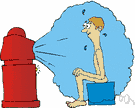
2] 바람의 촉감은 어떻게 표현하나?
아래의 사진 하나로 대신한다. [너무 많이 공개하지 않으려고]
이하 생략
촉감에 대한 교육은 영어를 국어로 하는 국가들에서 조차 일목요연하게 정리되어 있지 못한 상태입니다. 여러가지 궁리를 하다가 일단 위와 같은 양식으로 공개합니다.
도표로 구성된 촉감은 특별회원이상의 회원들에게만 제공됩니다. 또한 좀 더 전문적인 지문들도 함께 제공됩니다. 실제 산업에서 촉감이 어떻게 작용하고 이용되는지 제자[고객]에게 흥미를 불러 일으키고, 미래의 산업발전을 위한 창조적 원동력이 되도록 할 수 있다면 너무나 기쁜 일일 것입니다. 특별회원이상 회원님들의 분발을 기대합니다.
특별회원의 수가 제한되어 있으니 아직 가입하지 못하신 분들은 빨리 가입하세요.^^ 어떤 사이트나 카페에 견주어서 더 좋고 질높은 영어교육, 학습 자료를 얻기는 불가능할 것입니다. 물론 off-line의 강의들과 비교해도. 정원장영어[http://cafe.daum.net/EnglishJung]를 방문하셔서 신청하세요.
영어교육이 어느 정도까지 영어교육 소비자들의 학습이 이루어지도록 담당해야 하는가? 이러한 질문은 어리석은 것일 것이다. 영어는 말이고, 의사소통의 수단이며, 국제 경쟁력의 발판이다. 위에서 기술한 표현들을 배워야 할 필요가 있느냐고 반문하는 분들에게 충분한 답변이 되리가 생각된다. 물론 전체 국민이 모두 알 필요가 있다고 생각지는 않지만.
다음에 일부 공개할 영어교육, 학습 자료는 빛과 색깔에 관한 것입니다. 영어학습에서 잘못알려진 진실도 밝혀질 것입니다.