
Korea’s Kangwon Land and Grand Korea Leisure call for easing of regulatory hurdles to ward off threat of MGM’s Japan IR

by Ben Blaschke
3
SHARES
65
VIEWS

South Korea’s state-linked casino operators have urged the government to ease administrative hurdles that typically delay key enhancement projects and called for the promotion of world-class integrated resorts that can enable the local industry to compete on the international stage.
Executives from Grand Korea Leisure (GKL), of which the state-owned Korea Tourism Organization (KTO) holds a 51% stake, and Kangwon Land, which counts the Korea Mine Rehabilitation and Mineral Resources Corporation – also state-owned – as its largest shareholder, expressed their views at a special roundtable discussion hosted by The Korea Times in Seoul.
The comments were specifically in relation to concerns that the opening of Japan’s first integrated resort – the US$10 billion MGM Osaka – in 2030 will drive significant business away from Korea’s casinos. This could include Korean players who frequent Kangwon Land – the only domestic casino at which Koreans are permitted to gamble – and Japanese players who represent a significant portion of customers for foreigner-only operators like GKL, Paradise and Lotte Tour Development.
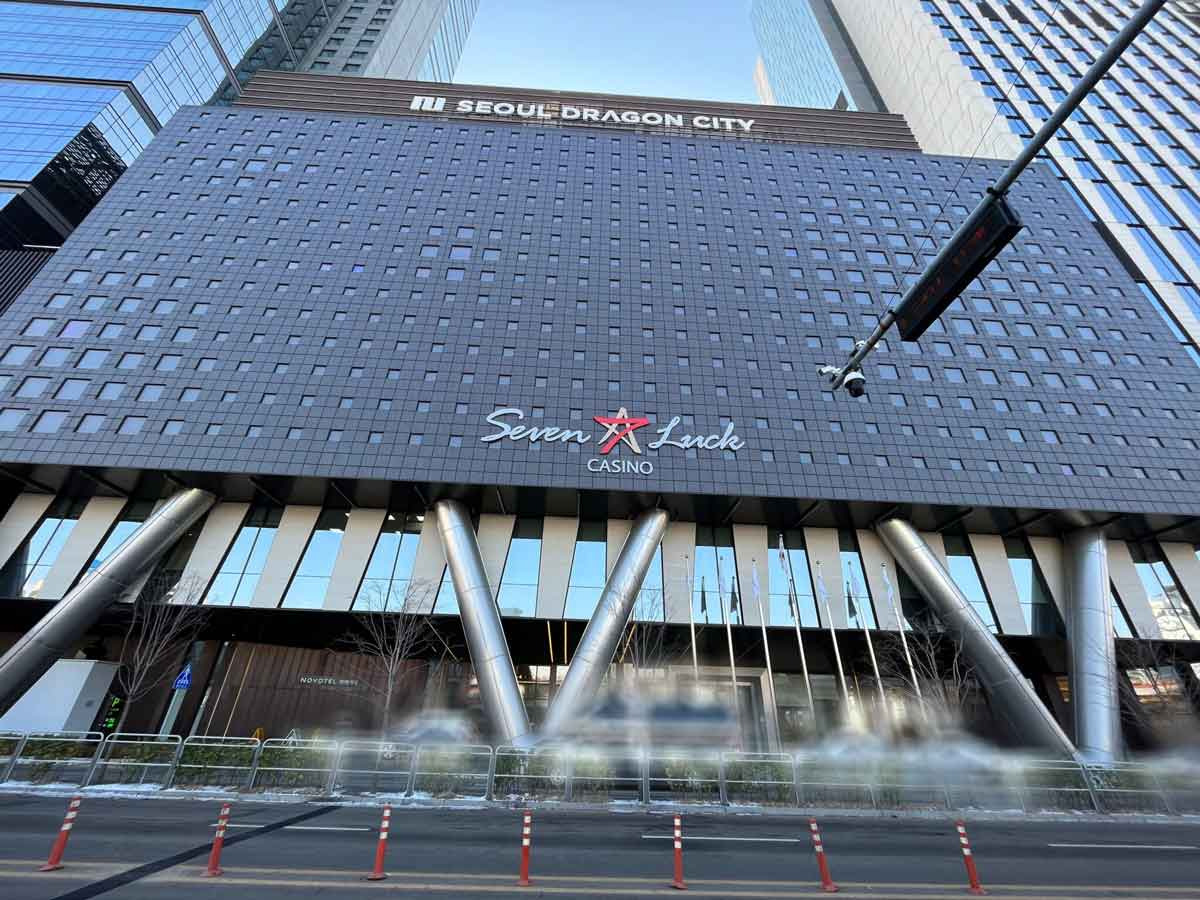
GKL’s Seven Luck Casino at Seoul Dragon City
Kim Eom-kwon, a team leader at GKL, said his company feels a “strong sense of crisis” because “the Japanese resort will draw a massive number of tourists away from Korea,” according to The Korea Times.
“While we are eager to upgrade our facilities to meet the rising expectations of visitors, we often face complex administrative hurdles. We hope for a regulatory environment that fosters growth and innovation rather than relying strictly on regulations.”
Lee Dae-shin, head of the casino strategy team at Kangwon Land, added, “As a public enterprise, we are required to undergo lengthy preliminary feasibility studies before making new investments, which can take several years. “To effectively compete with the upcoming Japanese resort, we need more streamlined administrative procedures.”
Another member of the Kangwon Land strategy team, Kim Ho-saeng, is quoted as saying, “While the government focuses on K-culture to attract 30 million overseas tourists annually, having a globally competitive integrated resort is an equally essential pillar. The government should show greater interest in nurturing the integrated resort industry.”
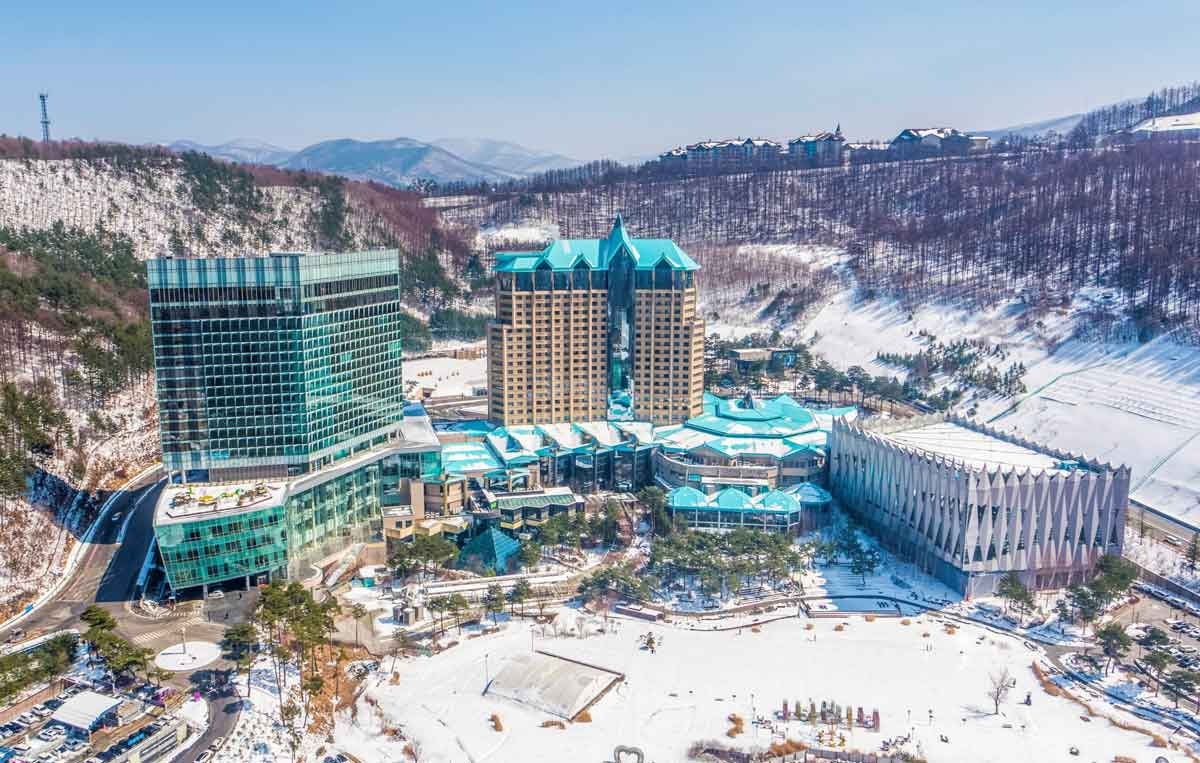
Kangwon Land
The roundtable discussion also featured academics, who outlined the need to change the perception of casinos in Korea. This, they said, can be achieved by way of the integrated resort model.
“We must transform our casinos from simple gaming venues into comprehensive entertainment destinations where visitors genuinely want to stay,” said Lee Jae-seok, a professor at Kangwon National University.
Lee Min-jae, board director of the Integrated Resort Tourism Research Center, added, “Local casinos are already contributing significantly to their communities, but the public image remains largely negative. We need to ensure that the industry’s financial contributions are used in ways that local residents can directly feel and appreciate.”
Kangwon Land is already embarking on a comprehensive expansion initiative, having outlined plans to invest a total of KRW3 trillion (US$1.9 billion) into transforming the wider resort area, including expanding its non-gaming facilities by revamping walking trails around the casino complex, building a wellness center and developing a luxury pool villa, among other amenities. It has outlined a goal of doubling the ratio of non-gaming revenue generated at the casino-resort annually from 20% to 40% by providing greater incentive to increase length of stay.
GKL earlier this year proposed acquiring the site of one of its two Seoul casinos in order to reduce rent payments and provide the ability to enhance the property’s appeal. However, it ultimately dropped that idea, claiming it did not meet the “necessary requirements” to pursue a feasibility study.
Korea is home to a handful of integrated resort-style properties, namely Paradise City and INSPIRE Entertainment Resort in Incheon, and Jeju Dream Tower and Jeju Shinhwa World in Jeju.