thong
noun [C] (NARROW PIECE)
a narrow piece of especially leather used to fasten something or as part of a whip
thong
noun [C] (UNDERWEAR)
a piece of underwear or the bottom part of a bikini with a very narrow part at the back that does not cover the bottom
thong
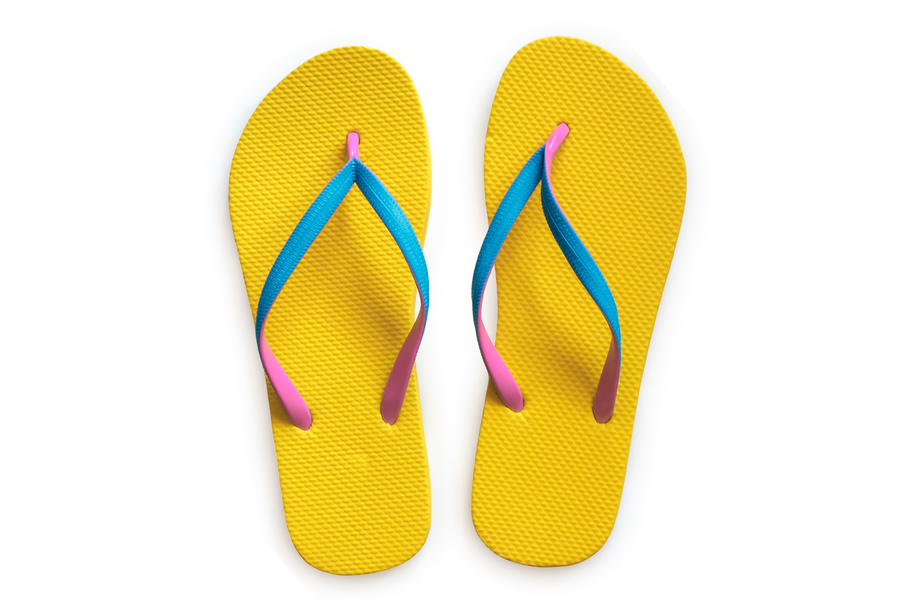
noun [C] (SHOE)
a type of open shoe with a strap that goes between the big toe and the toe next to it
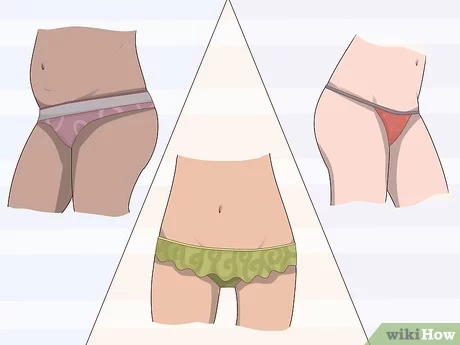
Thongs are great if you want to avoid panty lines or wear something more comfortable. Finding the right thong to wear is all about choosing the fabric and style that's best for your occasion.
Don't worry if wearing a thong is a little uncomfortable at first — over time, you'll get used to wearing them!
How to Wear Thong Underwear
Put on a thong similarly to how you would put on regular underwear. Step into each leg hole and pull the thong up. Tug the back until the string is between your cheeks. Then, adjust the front to make sure you’re covered up.
Know about the different types of thongs.
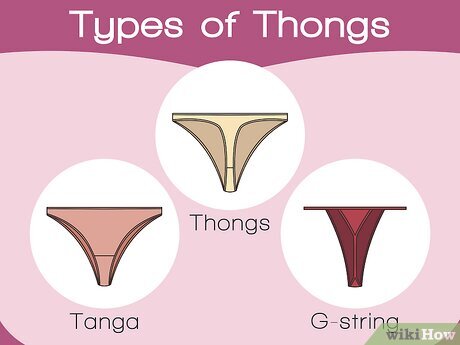
If you’re new to the thong world, you’ve likely been exposed to various thong vernacular, but have no clue what it means. There are three general styles of thong: the traditional, the g-string, and the tanga/samba.
The traditional thong will have full coverage in the front and likely has a wide waist-band, but narrows to a strip of fabric 1-inch wide or narrower that is slid between the buttocks.[1]
A g-string is a thong that has a very narrow waistband, typically a strip of elastic ¼-inch or narrower. The ‘thong’ part of the g-string is also very thin, so the only fabric is pretty much a small triangle in the front.
A tanga/samba thong is like a regular pair of panties crossed with a traditional thong. They typically have fabric that covers the upper half of the bum, leaving the bottom of your buttocks exposed (preventing a panty line). The rest of the underwear will vary depending on style, but typically has a thick waistband and lots of coverage.
Understand what wearing a thong feels like.
One of the many concerns by non-thong wearers is - isn’t it uncomfortable? Although the idea of fabric being slid up your butt sounds mostly like a bad wedgie, most thong-wearers agree that the initial discomfort is overcome almost immediately. Thongs are often considered one of the most comfortable styles of panties, especially g-strings, because there is so little fabric to become bunched up, loose, saggy, or uncomfortable in any way.
Keep in mind that thongs aren’t comfortable for everyone, and they may take some getting used to.
If at first you don’t love the feeling of your thong, don’t give up right away. It is a typical experience for first-time thong-wearers to dislike the feeling first, but after a few days of wearing thongs, you'll fall in love with them.
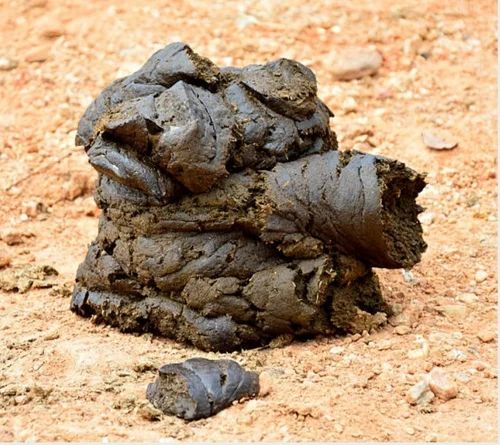
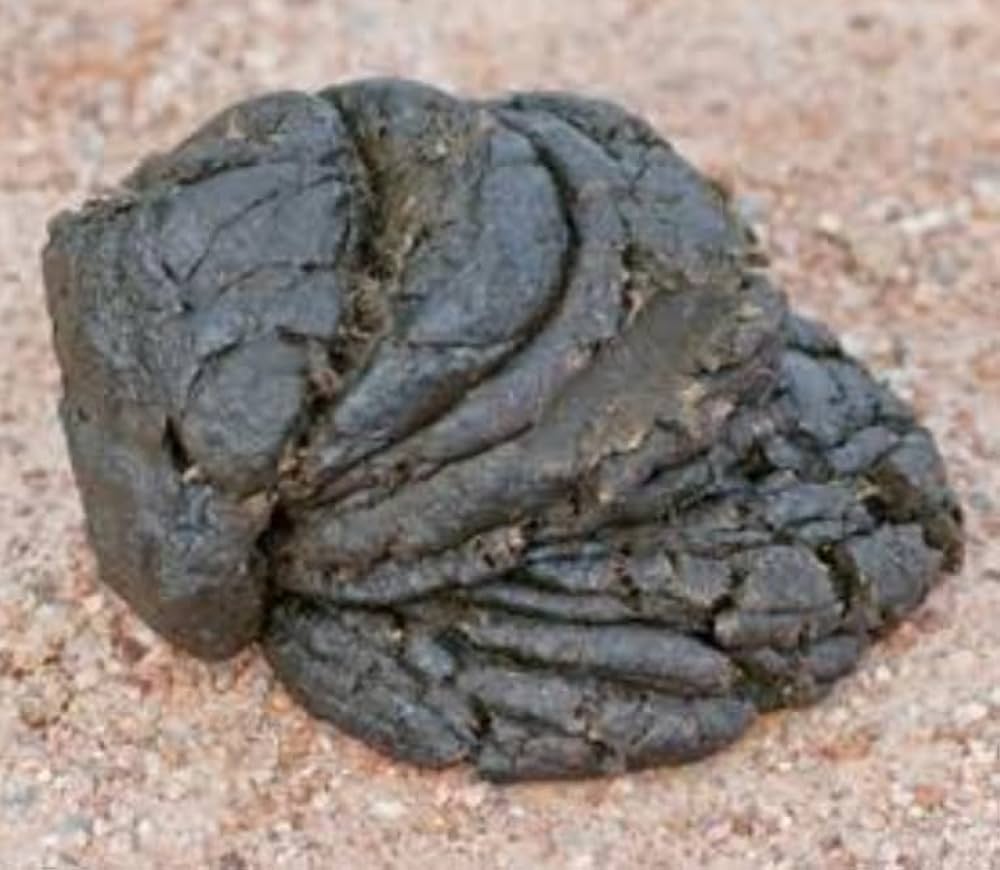
Dung은 영어로 (특히 가축의) 똥, 분뇨 또는 거름을 뜻하는 단어입니다.명사: 동물(소, 말, 코끼리 등)의 배설물동사: (땅에) 거름을 주다, 배설하다
자세한 활용과 관련 어휘는 다음과 같습니다.
1. 주요 쓰임새 및 예문
Cow dung (소똥): "소똥은 식물의 자연 비료로 흔히 사용된다.
"Elephant dung (코끼리 똥): "농부들은 종이나 공예품을 만들기 위해 코끼리 똥을 모은다.
"거름(비료) 주기: "그는 씨앗을 뿌리기 전에 채소밭에 거름(dung)을 주었다."
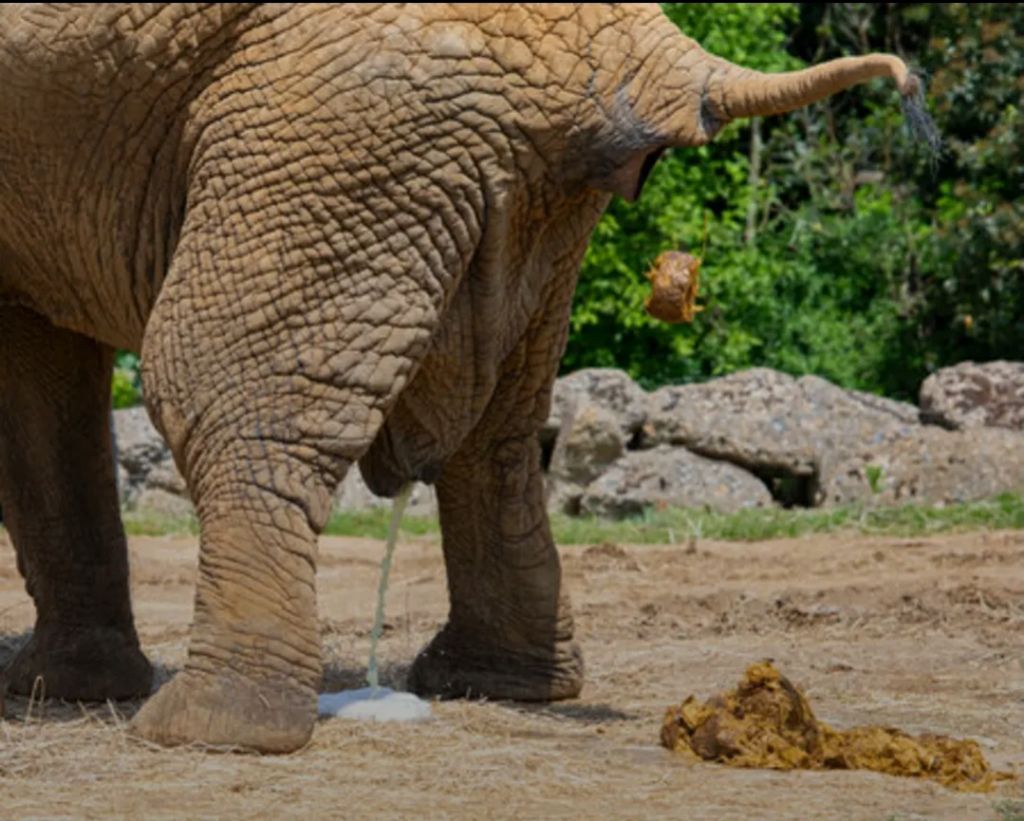
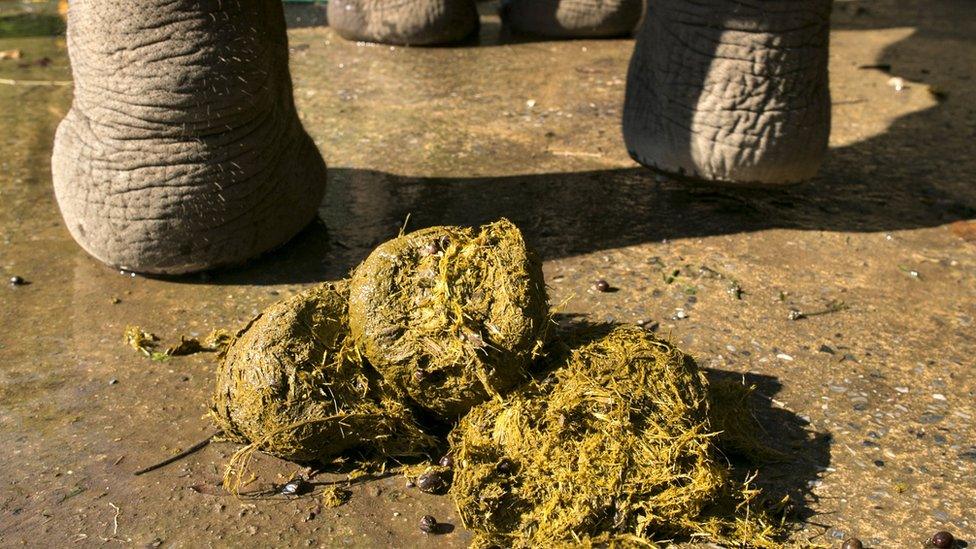
2. 다른 '똥' 관련 영어 표현들과의 차이상황에 따라 사용하는 뉘앙스가 다릅니다.
Dung: 주로 소, 말, 코끼리 등 가축이나 야생 동물의 똥을 가리킬 때 씁니다.Manure: 농사나 원예용으로 쓰이는 '거름'이나 '퇴비'에 초점을 맞춘 단어입니다.
Poo / Poop: 주로 어린아이들에게 쓰거나 일상에서 가볍게 쓰는 '응가, 똥' 표현입니다.
Feces / Excrement: 의학적, 과학적, 혹은 격식 있는 자리에서 '대변, 배설물'을 뜻하는 전문 용어입니다.