
|
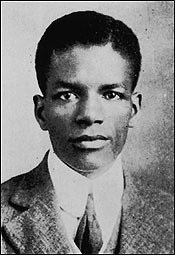 |
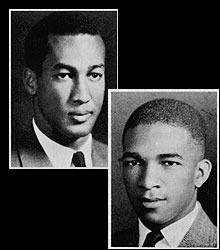
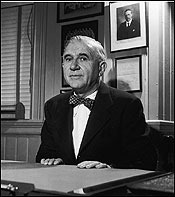 Lucien Alexis Sr. (top) was nicknamed the "Negro Einstein" at Harvard. The university's athletic director, William J. Bingham, wouldn't let Alexis's son play lacrosse against host Navy. |
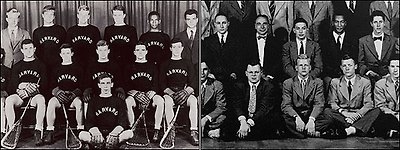 At left: Lucien Alexis (second from top right) with the varsity lacrosse team in 1941. Coach Dick Snibbe is at top left. At right: Drue King (second from top right) with the Glee Club. Director G. Wallace Woodworth is third from top left. (Photos courtesy of the Harvard University Archives) |

Southern DiscomfortWith quiet grace, two black men change the heart of Harvard in 1941.Every great institution has its moments of shame and its moments of honor. For Harvard, in the spring of 1941, those moments were nearly one and the same. Drue King was a sophomore, a gangly good-humored lad and Harvard's finest tenor. "Lucky" Lucien Alexis was a junior, quiet, kind-hearted, and more determined than skilled on the lacrosse field. One thing more: Both young men were black, and upon that single fact hangs the entire tale. 모든 위대한 학교마다 그의 수치의 순간들과 그의 영예의 순간들이 있는 것이다. 하바드에게는 1941년 봄, 그 순간들은 거의 하나이며 같은 것이었다. 드류 킹은 2학년의 마르고 큰 유머있는 하바드의 최고의 테너였다. “Lucky” Lucien Alexis 는 3학년의, 조용하고, 고운 마음의 그리고 라크로스 필드에서 기술보다는 보다 결심이 있는 자였다. 한가지 더: 두 모든 젊은이들은 흑인들이었고 그 한가지 사실에 이야기 전체가 달려있다. (“Lucky”라고 이렇게 이름과 함께 쓴 따옴표 속의 이름은 별명을 말한다.) In the sea of white faces that was then Harvard, it was inevitable that the two would find each other and become fast friends. Both were from the Deep South -- King from 그당시에는 하바드가 그랬던 흰 얼굴들의 바다 속에서 그 둘이 서로를 찾고 급히 친구가 되는 것은 당연했다. 둘다 깊은 남부에서 왔는데—킹은 알라바마의 터스키기, 알렉시스는 뉴올린스에서이다. 둘다 영화들을 숭앙했다. 둘다 의사가 되기를 가슴에 새겼다. 한동안은 그들은 심지어는 같은 왜슬리 여학생을 데이트 했다. (왜슬리는 하바드에서 10여 마일 떨어진 곳에 있는 타운 이름인데 힐라리 로담 클린튼이 학생회장으로 졸업한 여자 대학의 명문이다). 그리고 그들은 다른 것들로 함께 했다: 둘다 오는 봄방학에 집중되어 있었다. 킹은 하바드 60명 합창단의 오직 하나의 흑인이었으며 그것은 남부 컨서트 여행을 의미했다. 그는 수개월간을 연습해오고 있었다. 알렉시스에게는, 라크로스 팀에서 하나의 색깔있는 사람으로, 그건 남부의 강력한 상대를 만나는 것을 의미 했는데, 아무도 미국해군사관학교만큼을 무서워 하지 않았다. But the true test of King and Alexis that spring would have little to do with song or sport. It would cement their friendship even as it forced those around them to examine the meaning of loyalty. And it would put 그러나 그 봄의 킹과 알렉시스의 진짜 테스트는 노래나 운동과 거의 관련이 없는 것일 것이었다. 그건 그들의 우정을 접착시키고 그들 주위의 사람들에게 충성의 의미를 점검하도록 강요할 것이었다. 그리고 그것은 미국의 가장 오래된, 가장 존경받는 대학교를 그게—그 나라의 나머지가 곧 직면하게 될 어려운 선택들인--양심과 순응, 용기와 공모의 사이를 선택함에 따라 공중의 시험을 받게 할 것이었다. 그 봄, 용기있는 자가 그의 형제 의리를 깨는 것보다도 더 망설이는 하바드 그 자신을, 민간인권리 운동으로 되어진 서사시적 투쟁인 그 무엇의 앞장에 놓게 되었다. The first signs of trouble surfaced just days before the Glee Club was to depart. The Kavanaugh Hotel in 첫번째 이상신호는 그 합창단이 떠나기 단 수일 전에 드러났다. 버지니아 해리스버그의 Kavanaugh 호텔은 킹이 “그 타운에서 가장 존경받는 유색인의 하나인” 벨보이장과 함께 머무르는 것은 환영이지만 흑인을 받아들일 수는 없다고 편지를 썼다. 다른 학교는 킹이 백인 여자들과 댄스에 함께 나타나는 것을 염려했다. 그리고는 망신행위: 듀크 대학교는 유색인은 그것의 교회당에서 노래하는 것이 허용되지 않을 것이라는 것을 알게했다. Glee Club director G. Wallace "Woody" Woodworth was crushed. One of the nation's foremost choirmasters, he and his staff had invested months preparing for and promoting the tour. Now he faced a stark choice: Cancel the tour or abandon Drue King, one of his most devoted singers. 합창단의 감독 왈라스 “우디” 우드워스는 깨어져버렸다. 그 나라의 선두의 합창단장들의 하나로 그와 그의 참모단은 그 여행을 준비하고 촉진시키는데 수개월을 투자했었다. 그는 이제 가혹한 선택을 직면하게 되었다: 여행을 취소할 것인지 아니면 가장 헌신적인 가수들의 하나인 드류 킹을 버릴 것인지. Glee Club members were themselves divided. Some said it made no sense to disappoint so many for the sake of one. Others, like tenor R. Bruce Stedman of 합창단 멤버들 그 자신들도 갈라져 있었다. 몇은 한 사람을 위해 그렇게 많은 사람들을 실망시키는 것은 옳지 않다고 했다. 매릴랜드의 테너 브루스 스테드만 같은 다른 사람들은 동료를 뒤에 남겨둘 수가 없다고 했다. 우드워스는 경청했다. 인종주의자가 아닌자로서 그는 이름있는 흑인 학교인 내시빌의 Fisk University의 이사였고, 오랜 세월동안 흑인 가수들을 격려했고 흑인영가들을 고전음악과 함께 발표했었다. 그러나 그는 그 여행을 취소하는 것이 그의 사랑하는 하바드를 무안하게 할까봐 걱정했다. 자존심과 그 합창단의 명성을 그가 말하는 “알려지지 않은 지역”으로 확장시키기 위한 기회도 관련되어있었다. There was another reason. As a Harvard student and Glee Club accompanist, Woodworth had toured war-torn 거기 또하나의 이유가 있었다. 하바드 학생이며 합창단 동행자로서, 우드워스는 전쟁에 찢긴 유럽을 1921년에 여행했다. 그는 아직도 그의 지붕이 폭격으로 인하여 크게 갈라져 열려있는 교회들과 문화자체가 전쟁에 휩쓸려 나가지 않았음을 재확인 하기에 절박한 관중들 앞에서 그는 공연을 했었다. 두셋의 남부 편견자들이 음악을, 세계대전이 하지 못한 침묵을 하게 할 수 있을 것인가? The Glee Club, he argued, was about music, not race. The concert tour would go on - even without Drue King. Those who resisted found themselves summoned before a prominent 그 합창단은, 그가 주장하기를, 음악이지 인종이 아니었다. 그 컨서트 여행은 심지어는 드류 킹 없이도 진행될 것이었다. 저항하는 사람들은 우드워스의 메세지를 반복한 전 합창단의 멤버였던 저명한 보스톤의 변호사 앞에 그 자신들이 불려가는 것을 발견하였다: “’너의 동기는 좋은 음악을 퍼뜨리는데 있지 인종관계 문제들을 해결하려는데 있는게 아니야. 그건 다른 사람의 문제야.’ 그는 우리를 그가 말하는 것을 들었고 우리의 불찬성을 확실히 알렸다”고 스테드만이 기억한다. Drue King listened to the debate without uttering a word. He revered Harvard but never expected it to take on the world, and certainly not on his account. It was not the first time that race had surfaced. When they had performed in 드류 킹은 그 논쟁을 한마디 중얼거림 없이 들었다. 그는 하바드를 존경했으나 그게 세계에 맞설줄은, 더구나 그의 일때문에 그리하리라고는, 기대하지 않았었다. 인종문제가 표면화 된것은 처음있는 일은 아니었다. 한해전 그들이 뉴욕시에서 공연했을 때, 합창단 멤버들은 하바드 클럽이나 로얄튼 호텔에 머물렀었다. 킹 혼자만이 할렘의 YMCA에 방을 정하도록 지시되었다. 보스톤 자신의 가드너 박물관의 컨서트에서조차도 불평들이 있었다. 그리고 우드워스가 킹을 솔로로 높였을 때는, 그건 항상 흑인영가, “Sit Down Servant”였다. On Sunday morning, March 30, 1941, the Glee Club departed from South Station for 1941년 3월 30일 일요일 아침, 그 합창단은 뉴욕 그리고 가는 중 첫번째의 그리고 킹에게는 마지막 들름이었던 시청에서의 컨서트를 위해 사우스 정거장을 떠났다. 만하탄에서는 그는 작별을 하고 그의 동료들이 잘하기를 바랬다. Both ambition and tragedy had brought King to 그의 부친, 드류 킹 씨니어는, 그와 그의 아내, Evie가 드류 제이알(쥬니어)과 아브람 그리고 한 딸 제니를 키운 터스키기의 베테랑들 병원에서 의사였다. NEC 음대 졸업생인 킹의 모친은 드류를 낳은 다음 그녀의 청각을 거의 다 잃어버렸으나 그녀와 제니는 가족의 피아노로 듀엣을 늘 연주하곤 했다. 제니가 병원의 잡일 보는 사람과 사랑에 빠졌다고 발표했을 때, 의사 킹은 그녀에게 그의 등을 돌려버렸다. 그녀는 집을 나갔다가 임신이 되어 돌아왔고 혈액 중독증을 심하게 앓고 있었다. 그녀는 1935년 6월 22일 아침에 죽었다. 그녀의 나이 16세였다. Dr. King refused to attend the funeral, refused even to allow his wife to use the car to visit the cemetery. For a year, Evie King wore black. Then she moved the boys to 의사 킹은 장례에 참여하기를 거부했고 심지어는 그의 아내가 묘지를 방문하는데 차를 쓰는 것도 허락하지 않았다. 일년간 Evie King은 검은 옷을 입었다. 그리곤 그녀는 그들을 교육시키기고 그녀와 그녀의 비탄에 거리를 좀 두기 위하여 아들들을 보스톤으로 옮겼다. 그녀의 남편은 알라바마에 남았다. They first settled into an apartment at 그들은 처음에 그것의 거실이 보스톤 흑인들의 사회생활의 오랜 촛점이 되어왔던 매사추세츠 애브뉴 558 번지의 Farwell Mansion에 정착했다. 달아난 노예들이 한때는 그곳에 지하철로의 피난처로 구했으며, 수년이 지난 다음에는 코레타 스캇이라는 이름의, 장래의 마르틴 루터 킹 쥬니어의 아내가 될 음대생이 그녀의 방값 할인으로 계단들을 닦았다. (마르틴 루터 킹과 드류 킹은 친척이 아니다). 1936년에는 16세의 드류가 보스톤 라틴 스쿨에 입학되었다. “참한 타입의 유색 소년”이라고 headmaster가 썼다. 268명중 32등으로 졸업하며 그는 하바드에 1939년 9월에 인종적 기대들을 거부하며 들어갔다. “한 힘찬 보통아닌 알라바마 흑인, 쾌활하고, 뚜렷하게 교화되었고, 그의 아버지처럼 의료계에 들어가려는 사람”이라고 그의 1학년 지도교수가 썼다. (underground railroad는 지하철이 아니고 노예들을 남부에서 탈출시키던 비밀 조직을 말한다. 물론 지하로 다니던게 아니고 숲이나 강을 건너 도망했다. 개가 쫒지 못하도록 물을 건너 도망치라는 흑인영가도 이때에 불렀던 노래 같다. NEC는 보스톤 심포니 오케스트라의 건물이 있는 곳에서 한두 블록 떨어진 곳에 있다는데 한국 학생들도 많고 선생님도 있는 좋은 학교라고 한다. 보스톤 라틴 스쿨은 케네디 대통령이 졸업한 고등학교로서 하바드 메디칼 스쿨 옆에 있는데 공립학교이며 시험을 보아 들어가는 학교이다. 보스톤 시에도 하나있고 캠브리지에도 하나 있다고 한다. 그렇게 시험을 보아 들어가는 학교들로는 뉴욕의 스타이븐센, 헌터 스쿨, 브롱스 싸이언스 하이스쿨등이 있으며 대단히 좋은 학교들이다. 건물들이 좋은 건 아니라고 본다.) To understand how different Harvard was then, one need only consider that in 1939, no professor was more celebrated than anthropologist Ernest Hooten. "Hooten of Harvard" was featured on the cover of Life magazine. That same year, Harvard published a book by Hooten positing a relationship between racial types and crimes and concluding that blacks could be natural-born killers. Hooten illustrated the book with his own crudely drawn cartoons, one of which featured a black man with flaring nostrils, clutching a knife beneath a card table. Such works provided the intellectual scaffolding from which racists sought to draw legitimacy and did little to make Harvard more hospitable for its few blacks. Overt racism was rare, blindness to its inequities rampant. Black and white seldom moved beyond surface pleasantries. 그당시에 하바드가 얼마나 달랐는지를 이해하기 위해서는, 1939년에는 인류학자 Ernest Hooten 교수보다 더 인기있는 교수는 없었다는 것만 고려하면 된다. “하바드의 Hooten”은 라이프 잡지의 표지에 나왔다. 같은 해에, 하바드는, 인종 타입들과 범죄들의 관계 그리고 흑인들이 자연산의 킬러들일 수 있다고 내보이는 Hooten에 의한 책을 출간하였다. Hooten은, 거기 나타난 넓은 콧구멍의 흑인 하나가 카드 테이블 밑으로 칼을 쥐고있는, 그 자신이 조악하게 그린 그림으로 그 책을 도해 하였다. 그같은 일들은 인종편견자들이 그로 부터 합법성을 찾고자 하는데에 거푸집을 제공하였으며, 몇되지 않는 흑인 학생들에게 하바드를 따뜻하게 맞게 하는데 도움이 되지 못했다. 내놓고 하는 인종차별은 적었으나 그의 불평등에 대해서 눈감는 것은 난무했다. 흑인과 백인은 표면적인 가벼운 대화 이상은 거의 가지를 않았다. "I knew all the colored fellows," recalls Drue King. "I didn't know the white fellows. We weren't hostile, but we weren't chummy." “나는 모든 유색 친구들을 알고 있었습니다”라고 드류 킹이 회상한다. “나는 백인친구들은 몰랐습니다. 우리는 적대적은 아니었으나 친구적은 아니었습니다.” On April 3, 1941, the Glee Club arrived at 1941년 4월 3일 그 합창단은 듀크 대학교에--킹이 없이 도착했다. 그 오후, 하바드 가수들은 티가 서브되는 오후의 댄스에서 축하되었다. 8시에 그들의 목소리들은 듀크의 장엄한 고딕 교회당을 채웠다. That same day, Harvard's lacrosse squad arrived at the US Naval Academy in 같은 날, 하바드의 라크로스 패는 아나폴리스에 있는 미해군대학에 도착했다. 그 팀이 도착한 것은 그 18명의 학생들이 그들 자신들이 격리된 것을 발견한 것보다 더 이르지 않았다. (도착즉시 격리 되었다). 흑인, Lucien Alexis의 출현이 책임장교에게 즉각으로 보고 되었다. 그 회식 홀은 비워지고 그 학교의 교장, Russel Willson 제독에게 알려졌다. 그 제독은 하바드의 코치 Dick Snibbe에 맞상대해 Alexis가 철수하도록 고집했다. 그는 그의 사관생도들에게 유색인과 함께 운동장에 나가라고 요청하지 않을 것이었다. Meanwhile, the Harvard team huddled in the field house debating what course to take. Bob Strider -- Robert E. Lee Strider II, a reflective young man whose grandfather, Isaac, rode in the Confederate cavalry alongside J. E. B. Stuart -- felt more than most the tug of past and future, North and South. But all were torn. Alexis had never been outgoing, and some teammates found him standoffish. None had taken the trouble to get to know him. As a player, he was dispensable. As a person, he was a cipher to whom few felt indebted. 그러는 중, 하바드 팀은 운동장 창고에 모여 어느 경로를 택해야 될지를 토론하였다. 밥 스트라이더—그의 할아버지 아이삭이 JEB Stuart와 나란히 남군 기병대에서 말을 탔던, 사려 깊은 청년 롸버트 이 리 스트라이더 투는—과거와 현재, 북과 남의 줄다리기 보다 더한 것을 느꼈다. 그러나 모든게 찢겼다. Alexis는 한번도 사교적이 아니었으며 몇 단원들은 그들 비친구적이라고 느꼈다. 아무도 그를 알려는 수고를 하려하지 않았다. 선수로서, 그는 없어도 되었다. 인간으로서, 그는 그에게 신세졌다고 생각하는 사람이 거의 없는 하잖은 사람이었다. (롸버트 이 리는 남군의 장군이었는데 스트라이더가 그의 이름을 그대로 복사해 가지고 있는 것은 그 집안의 남군에 대한 향수와 자랑을 의미하는 것 같다. 불과 2-3년까지도 남부의 어느 주에서는 남군시절의 주기를 게양하고 있다가 말썽이 된것으로 기억하는데 지금은 고쳤는지 모르겠다. 못된 사람들이다. 여기서 롸버트 이 리 스트라이더는 하바드의 선수 학생이다.) But Snibbe refused to withdraw him, arguing to the admiral that to do so would embarrass Harvard. Some of Snibbe's own players suspected that he had scheduled the match to provoke just such a confrontation. A social activist, Snibbe made no secret of his contempt for segregation. 그러나 Snibbe는 제독에게 그렇게 하는 것은 하바드를 무안하게 할 것이라고 주장하며 그를 빼기를 거부했다. Snibbe의 자신의 몇 선수들은 그가 그같은 대립을 조장하기 위하여 그 매치를 계획했다고 의심했다. 사회 액티비스트로서, Snibbe는 인종차별에 대해 그의 증오를 비밀로 부치지 않았다. (Snibbe는 코치였음) Ultimately, it was up to Harvard's athletic director, William J. Bingham, to withdraw Alexis or forfeit the game. Bingham, like Woodworth, was a Harvard legend, a man of sterling reputation. In 1936, he had managed the 궁극적으로, Alexis를 빼느냐 아니면 경기를 취소당하느냐는 하바드의 체육 감독, 윌리암 빙햄에 달려있었다. 우드워스처럼 빙햄은 진짜로 평판 높은 사람이었다. 1936년에, 그는 제시 오왠스와 다른 흑인 선수들이 아돌프 히틀러에의 뜻에 반해 경쟁하였을 때의 미국 올림픽 트랙 팀을 관리 했었다. 인종평등의 이름하에 독일 땅에서 히틀러를 도전했던 사람이 미국 땅에서는 조금이라도 적은 것을 받아들일 수 있을까? But Bingham's decision was tempered by experience. The son of an illiterate janitor, he had gone to work in the mills of 그러나 빙햄의 결정은 경험에 의해 경화되었다. 문맹자 청소부의 아들로서, 그는 로렌스의 공장에서 12살에 취직하였다. 17세에 그는 공장에서 직통으로 필립스 엑스터 아카데미로 갔다. 그의 첫해에 그는 그 학년의 회장에 뽑혔다. 그가 졸업하였을 때는, 그는 그것의 역사상 가장 위대한 선천적 지도자라고 발표되었다. 그는 또한 그 나라에서 가장 빠르게 달리는 사람들 중의 하나였다. (of his class라고 하면 그의 반 처럼 들리나 그 학년을 의미한다. Class of 2007 이라고 하면 2007년에 졸업할 학년의 학생들을 의미하는 것이다. 이왕 내친김에, 미국에서는 학번을 말할 때 입학년을 말하지 않고 졸업할 년을 말한다. 필립스 엑스터 아카데미는 보스톤에서 약 30분 차로 걸리게 떨어진 앤도버에 있는 명문 사립고교로 부시 대통령이 졸업한 곳임.) At Harvard, too, Bingham was elected president of his freshman class. An Olympic hopeful, he watched as the 1916 games were scuttled because of World War I. Politics, he swore, must not be allowed to taint sports. Like music for Woodworth, sports for Bingham were to be kept pure and above worldly travails. 하바드에서 역시, 빙햄은 그의 신입생 회장으로 당선되었다. 올림픽 희망자로서 그는 1916년의 게임들이 세계 1차 대전 때문에 침몰되는 것을 보았다. 정치는, 그가 맹세 하기를, 스포츠를 오염시키도록 허용되어서는 안된다라고 했다. 우드워스에게 음악처럼, 빙햄에게 스포츠는 순수하고 세계 고통의 위에 지켜져야 하는 것이었다. 베를린[올림픽]은—다른 사람들은 사악한 정권을 합법화 시킨다고 주장할 것이지만 게임이 진행되어야 한다는, 그의 결정의 옳음을 재확인 했을 뿐이었다. 거기에다, 현재의 경우에는, 주인측의 관례를 받아들이지 않는다는 것은 생각 못하게 버릇 없는 짓이었다. 그같은 신사들의 합의가 맛없는 문제들에 대한 감각있고 문화적인 해결책이었다. “우리는 해사의 손님들이었습니다”라고 빙햄이 그당시 말했다. “나는 그 일에 선택이 없었어요.” Bingham directed Snibbe to withdraw Alexis and place him on the night train to 빙햄은 Snibbe에게 Alexis를 빼고 그를 보스톤으로 밤 기차를 태워 보내라고 지시했다. Alexis는 도전하지 않았다. 그는 그의 단원들의 행운을 빌고 그 결정이 그의 결정이었다는 것을 암시했다. “Alex가, 그를 신이 보호하시길, 말하길. ‘자 너희들 여기 내려 왔쟎아, 너희들 운동해, 나는 기차타고 집에 갈거야’” 한 것을, 오랫동안 하바드의 학장을 지낸 분의 아들이었으며 그 팀의 All-America goalie였던 George Hanford가 회상한다. “나는 그것에대해 생각할 때는 내눈에 눈물이 납니다.” 그다음 날, 해사는 하바드를 12-0으로 짓밟았다. At his 그의 뉴올린스 고등학교에서 Lucien Alexis는 그의 학년에서 2등을 하였다. 그러나 그리곤 그의 아버지 Lucien 씨니어가 교장이었다. 젊은이로서, Lucien 씨니어는 기차의 우편차량에서 일하며 그 자신의 교육을 위해서 돈을 모았다. 27세에, 그는 4년의 대학을 위해 충분한 돈을 떼어 놓았으며, 하바드에 의해 받아들여졌다. 그러나 첫째로, 그는 Exeter에서 한 해를 지내도록 요청되었다. 그것은 그가 대학을 위해 단 3년간의 돈밖에 없음을 의미했기에, 그는 하바드를 한해 일찍 졸업했다—우등생으로. 몇에 의해 “흑인 아인시타인”으로 별명지어져, 그는 그의 아들에게 조금도 더 적은 야망들을 가지고 있지 않았다. “Lucky” Alexis는 14세이었을 때 하바드가 그를 받아들였으나 그는 입학허가 담당관을 그에게 처음 1-2년을 Exeter에서 보내게 해달라고 설득했다. Like his father, Alexis was not permitted to live in a dormitory at Exeter but was housed with the track coach, Ralph Lovshin, himself banned from a faculty position because he was Catholic. A letter from 그의 아버지처럼, Alexis는 Exeter에서 기숙사에 살기를 허용되지 않았으나, 캐돌릭이었기 때문에 그 자신이 교수단이 되는 것을 금한 트랙 코치, Ralph Lovshin과 함께 숙소를 정했다. Exeter로 부터 하바드에로의 한 편지가 Alexis를 마치 그가 그의 종(種)이 의심스럽기라도 하는 양 “중간 능력의 호모 사피엔스”의 하나로 기술했다. 미성숙하고 처음으로 집에서 떨어져, Alexis는 고전했으며, 그 학년의 222명 중 213등을 했다. He entered Harvard in 1938, accompanied by 52 그는 52명의 Exeter 동료들과 함께 하바드에 1938년에 입학했다. 그는 공손하게 대우되었으나 그것은 그 대학의 1번 흑인 박사였던 Du Bois가, “나는 하바드에 들어는 있었으나 하바드[의 일부]는 아니었다”라고 수십년전에 말했던 것과 같았다. 그의 신입생 지도교수가 관찰했다: “Alexis는 하바드에서 아주 확실하게 “헤맨다.” 그의 성적표에 “열등감을 가진 한 유색의 소년, 가족이 그가 게으른 천재라고 느끼는 것은 - 아마 옳겠지만, SK [한 학장]은 그가 [목표달성을 위해] 필요한 것을 갖추지 못했다고 생각한다.” After the ordeal in Annapolis, Alexis had little taste for returning to an empty campus. Not one to sulk, he weighed his options. Annapolis에서의 그 어려운 일 끝에, Alexis는 공허한 캠퍼스에 돌아갈 맛이 없었다. 꽁할 성격이 아니라서, 그는 그의 옵션들을 저울질 했다. So, too, did Drue King. After his Glee Club classmates left for the South, he found himself alone in 드류 킹도 그랬다. 합창단 동료들이 남부를 향해 떠난 후, 그는 만하탄에 혼자가 되었다. 그러나 거기에는 볼 영화들이 있었다--Tobacco Road, Gone With the Wind, Meet John Doe, The Great Dictator. 그 극장들 중 하나에서, 불이 어두워짐에 따라, 그의 옆에 그의 친구 Lucky Alexis를 빼고 누가 앉아야 하겠는가. 그 둘은 서로 보게 됨을 너무 기뻐하였으나 그들을 만나게 한 그 일들에 대해서는 거의 말하지 않았다. 그들에게는, 남부와 북부사이의 커다란 갈림은 그렇게 큰 것 같지가 않았다. 그들은 그 주를 그 도시를 탐구하며, 영화들과 클럽들에 가며, 그리고 그들의 공동 실망을 그들의 뒤로하며 보냈다. 그들은 아무일도 없었던 것 같을 것이라고 확신하여 캠브리지에 돌아왔다. They were wrong. Their quiet dignity and sacrifice proved to be a potent agent for change. Word seeped out of what had happened. Knots of students gathered. They were, by turns, stunned, ashamed, then angered. 그들은 옳지 않았다. 그들의 조용한 자세와 희생은 변화를 위한 강력한 요소였다. 무엇이 일어났는지에 대한 말들이 흘러 나갔다. 무더기 무더기의 학생들이 모였다. 그들은 차례로 놀라고 부끄럽게 여기고, 그리곤 노했다. Less than a week after the Annapolis의 게임 후 일주일이 못되어, 15명의 학생 지도자들이 하바드 체육회가 차별대우에 다시는 굽히지 않겠다고 맹세를 하라고 요구했다. 약 175 신입생들이 15분 이내에 탄원에 싸인을 했다. 그 숫자는 600으로 불었다. 싸인들 중에 FDR의 代子이며 학생회의 회장인 Langdon Marvin의 것이 있었다. 100명이 넘는 교수단인--하바드 교사협회는 그의 회장 문학비평가 FOM에 의하여 싸인된 그 자체의 비난서를 냈다. 보스톤의 신문들, 뉴욕 타임스, AP, 그리고 이 땅의 다른 기관들은 하바드에 눈을 집중했다. 1928년 졸업생이며 전 하바드 총장 CWE의 손자인 매사추세츠 국회의원 THE 도 가담했다. 해군업무들에 대한 상원위원회 회장 미상원의원 David Walsh는 그 일을 조사하겠다고 약속했다. 호소들이 로오스벨트 대통령을 비롯한 저명한 하바드 졸업생들에게 나갔다. NAACP는 하바드와 Annapolis 모두에게 해명을 요구했다. 노동조합, 동문회, 그리고 보통의 시민들도 그랬다. Thomas J. Perry, a Harvard alumnus and former Glee Club member, wrote a scathing letter to Woodworth, calling the club's decision "a disgrace." A wounded Woodworth fired back: "If you know anything about the South, have ever been there, or ever talked with any Southern people, you know that it is not possible, things in this unhappy world being what they are, for a negro to participate in a joint concert and to be a guest of these colleges." 하바드 동문이며 전 합창단 멤버였던 토마스 페리는 그 클럽의 결정을 “불명예”라고 부르며Woodworth에게 꾸짖는 편지를 썼다. 상처난 Woodworth가 되받았다: “네가 만일 남부에 대해 하나라도 안다면, 네가 한번이나 가보기나 했다면, 혹은 어느 남부 사람하고 얘기나 해보았다면, 너는 이 불행한 세상에 그들로서, 한 흑인이 연합 컨서트에 참가하고 그 대학들의 손님이 된다는 것이 가능하지 않다는 것을 알게 될거다.” Woodworth's letter went on to say: "When you consider that 60 men had an exceedingly good time at these four concerts and that there were any number of significant results from the musical point of view in this first excursion in the South, I think that your suggestion that we should have refused to sing is a little bit hot-headed. Is it not asking of the Harvard Glee Club a pretty large price for the sake of making a public demonstration on the race question?" Woodworth의 편지는 계속되었다: “네가 60명이 그 4 컨서트들에서 극히 좋은 시간을 가졌고 이 처음의 남부 나들이에서 음악적 관점에서의 현저한 결과들이 있었다면, 나는 너의 우리가 노래하기를 거부했어야 했다는 제의가 좀 지나치지 않나 생각한다. 그거 그 인종문제에 대한 시위를 하기 위해 하바드 합창단에 아주 큰 값을 요구하는거 아냐?” Meanwhile, the Harvard Crimson hammered away at Harvard's decision to exclude Alexis: " 그사이에, 하바드 학보는 Alexis를 제외 시키는 결정을 팼다: “Annapolis 관리들은, 그가 미국해군의 세 정식 제독들 중 어느하나라도, 어느 사람에 의해서든지 제의된 그같은 대안을 하바드가 받기에 익숙이 안되어 있다는 것을 기억시켰다. 더구나, 하바드가 그 조직적 인종차별에 무릎 꿇은, 흑인을 돌아가라고 요구한 그 관리들은, 그들 행위의 이유들을 해명해야 한다. 끝으로, 해군의 큰가발 쓴자들은 [머리큰 얼간이들] 이 나라가, 이 대학이 그리고 그 해군 자체가 민주적 동등성에의 그들의 믿음을 선언할 때는, 그들은 그들이 말하는 것을 실행해야 함이 가르쳐져야 한다.” (full admirals 라고 하여 full 을 붙인 것은 우리 말에는 필요 없는 것이다. 그것은 교수를 full professor라고 부르는 것과 같다.) Harvard's senior administrators and the conservative Harvard Corporation that governed the university were all feeling the heat of public scrutiny. And still Harvard refused to admit any error of judgment. An internal memo by an unidentified senior administrator reveals how the top echelon viewed the matter. An April 8, 1941, note reads: "Reported on developments to staff meeting and stated view that I thought Bingham had made essentially the right decision in withdrawing the boy, the mess having arisen, rather than telling the entire Navy and the entire South to go to Hell on an insoluble matter of prejudice." 하바드의 고위 관리자들과 그 대학교를 통치하는 보수적인 Harvard Corporation은 공중의 눈총의 열기를 느끼고 있었다. 그리고 하바드는 여전히 어느 오판도 인정하지 않고 있었다. 밝혀지지 않은 고위 관리자에 의한 내부 메모가 수뇌급이 그일을 어떻게 보고 있는지를 보여준다. 1941년의 4월 8일의 노트가 읽히기를: “직원 회의에 그리고 발표된 견해에의 상황에 대한 리포트로, 나는 빙햄이, 엉망이 일어 났음에, 모든 해군과 모든 남부가 해결될 수 없는 편견의 일로해서 지옥에 가라고 말하기 보다는, 그 소년을 철수시키기로 한 옳은 결정을 내렸다고 생각한다.” For the memo's author, it was not a moral dilemma but a practical quandary: "To my mind, a flat statement of policy against playing any southern team simply because they may object to our playing a negro would tremendously damage the prestige of Harvard as a national university in the deep south. A good deal has been accomplished in this direction in the last ten years. On the other hand, an open statement of policy, saying the whole question was of no importance, would probably antagonize many liberals in other sections of the country.” 그 메모의 저자에게는 그것은 윤리적 딜레마이기 보다는 실질적 진퇴양난이었다: “내 마음에는, 그들이 단지 흑인과 경기하는 것을 반대하기 때문에 어느 남부 팀과도 경기를 하지 않겠다는 정책의 일괄적 발표는, 깊은 남부에 국가적 대학으로서의 하바드의 권위를 크게 손상시킬 것이다. 지난 10년간 그 방향으로의 많은 성과가 있었다. 그 반면, 전체의 문제가 중요하지 않다라고 하는 정책의 공개 발표는 아마 이 나라의 다른 곳들의 진보주의자들을 화나게 할 것이다.” "Query: Can we not hold our position as a broad-minded catholic institution, knowing the facts of life about various sectional differences in this country, or must we start fighting the Civil War all over again?" “질문: 이 나라의 여러 다른 지역들에의 삶의 사실들에 대해 알고 있는 바, 혹은 우리가 남북전쟁을 완전히 다시 싸우기를 시작해야 한다면, 우리가 넓은 마음의 캐돌릭 학교로서의 위치를 버릴 수는 없을까?” But the pressure continued to mount. Within days, the Harvard Athletic Association, under direction of the corporation, formally announced that it would no longer countenance discrimination. Henceforth, everyone entitled to compete would be allowed to do so. No one would ever again be left behind. And on May 21, in a fractious meeting of the Glee Club, a resolution was introduced to ban discrimination. It passed, 55-8, with Woodworth still in opposition. Members elected Drue King vice president. 그러나 압력이 쌓이기를 계속했다. 수일 안에, 그 하바드 체육회는, 하바드社의 지시아래, 그게 더이상 차별을 묵인하지 않겠다고 정식으로 발표하였다. 지금부터는, 경쟁할 수 있는 모든 사람은 누구나 그렇게 할 수 있다. 아무도 따돌려지지 않을 것이다. 그리고 5월 21일에, 합창단의 한 다툼의 모임에서, 차별을 금하자는 안이 소개되었다. 그것은 Woodworth가 여전히 반대하는 채 55-8로 통과되었다. 멤버들은 드류 킹을 부회장으로 뽑았다. Because Harvard was Harvard, its decisions resonated well beyond 하바드가 하바드였기에, 그의 결정들은 캠브리지를 훨씬 넘어 공명하였다. 라크로스 팀이 뉴욕 왜스트 포인트의 미육사에 도착하였을 때, 흑인 생도들이 Lucky Alexis를 반기기 위하여, 그들의 지지를 제공하기 위하여, 그리고 그들의 학교가 그들 남부 사촌보다 한 층 위에 있음을 보이기 위하여, 기다리고 있었다. That fall, Harvard played football against Navy, fielding a black player, Ray Guild. The Crimson held the vaunted Middies to a scoreless tie. But to many at Harvard Stadium, it felt like an outright victory, and a comeuppance at that. It was not just home-field advantage that favored them, but justice itself. 그 가을, 하바드는 흑인 선수 Ray Guild를 시켜 해사와 풋볼을 겨루었다. 하바드는 뽐내는 뱃사람들을 무득점으로 묶어 놓았다. 그러나 하바드 스타디움의 많은 사람들에게는, 그것은 완전한 승리 그리고 숙명 같았다. 그것은 그들에게 유리한 단지의 홈-필드 잇점이 아니었고 공정 그 자체였다. But rules change more easily than attitudes. Harvard's president, James B. Conant, had missed the entire tempest, away in 그러나 룰들은 마음자세보다 더 쉽게 변화되는 것이다. 하바드의 총장 제임스 코난은 로오스벨트의 임무를 수행하느라 영국에 가 있어서 전체의 폭풍을 다 놓쳤다. 그러나 그의 동정심은 King이나 Alexis에 있지 않았다. 코난은 그 자신을 애국자로 보고 해사를 우러러 보았다. 그것은 그 사관학교가 특히나 그 자신의 학교에 의해 흔들린 것으로 그에게 보이게 했다. 그는 제독 윌슨에게 썼다: “나는 근래의 불행한 일이 우리 체육 교류에 일어났을 때 내 학교의 자리에 있지 않았었습니다. 나는 이 기회를 당신에게 개인적으로 우리가 하바드와 Annapolis 사이에 좋은 관계를, 학교신문의 사설이 취한 확실한 방향에도 불구하고, 계속해서 다치지 않기를 희망한다는 것을 말하고 싶습니다.” 그후 곧, 코난은 제독의 선상에 손님이 되었고 그 사관학교의 행진복의 전 백인 선원들의 사열을 받았다. As for Drue King, he had never sought confrontation and shunned whatever fuss others made over him. Still, some appeared to hold him accountable for Harvard's loss of face. In June 1942, King applied to 드류에 있어서는, 그는 절대로 대항을 하지 않았고 다른 사람들이 무슨 잡담을 그에대해 하든지 피해 버렸다. 여전히 어떤이들은 하바드의 체면손실을 그에게 책임이 있다고 하는 듯 하였다. 1942년 6월에, 킹은 하바드 의대에 지원했다. 하바드의 추천서는 표면적으로는 지지하는 것 같았으나 섭섭함의 냄새가 풍기고 있었다. “나는 그게 첫째로 Mr. King이 흑인은 불필요하게 억압되어있다고 느끼고 있으며 이 컨디션들이 철저히 치료될 때까지 그가 할 수 있는 모든 일을 다 할 것이라는 것을 당신이 알아두는 것이 옳다고 생각합니다”라고 부학장 리차드 프렌치가 썼다. “그가 사용할 그 방법들은 은연이 아니고 적극적인 것입니다. 그는 만일 그 기회가 일어나고 필요하다고 생각하면 그 원인을 celebre 할 의사가 다분히 있습니다.” 킹은 떨어졌다. He spent the next years in the Army Medical Corps. He returned to finish his last year at Harvard, where the registrar described him as a "nice colored lad, with a slight nervous tick." When he applied to 그는 다음 해들을 육군 의무대에서 보냈다. 그는 그의 마지막 해를, 교무직원이 그를 “신경이 약간 날카로운 참한 유색 청년”이라고 기술한, 하바드에서 보내기 위해 돌아왔다. 그가 터프스 의대에 지원했을 때, 하바드는 좀더 용서하는 것 같았다. 1946년 6월 30일 편지에, 부학장은 “Mr. King은 어느모로 보나 똑똑하지는 않으나 우리의 기록들은, 완전히 이용되면, 그의 보통 수준의 일을 그가 여기에서 있으며 보인 것에서 현저하게 끌어 올릴 수 있는, 정신적 소질을 가지고 있습니다. 다른 것들 중에, 나는 그가 여기 대학에 있는 동안 특히나 흑인 문제에로 교란되었던 것 같습니다. 나는 근래에 그와 얘기했고 그게 지금은 의사가 된다는 것으로 하여 보잘 것 없는 이슈가 되었다고 느꼈습니다.” 킹은 터프스를 95명중 50등으로 졸업하였다. “그는 그 자신을 우리가 어쩔 수 없이 둘러싸인 인종적 어려움을 아주 만족스럽고 상쾌하게 적응시켰습니다”라고 터프스의 학장 드와이트 오하라가 썼다. In the years after, King's protests were private. Driving north, he would stop at a gas station and ask if he or his children could use the restroom. If the answer was yes, he would buy gas. If no, he would drive on. 수년후에, 킹의 도전들은 개인적인 것들이었다. 북부를 운전하며, 그는 주유소에서 멈춰 만일 그 혹은 그의 아이들이 화장실을 이용할 수 있겠느냐고 물을 것이었다. 만일 대답이 예이면 그는 휘발유를 샀다. 만일 아니오면 그는 그냥 가버렸다. Lucien Alexis faced greater disappointment. Decades after graduating, he confided in a New Orleans friend, Dr. Patrick Dowling, that he had applied to Harvard Medical School and been accepted, but that shortly thereafter he was summoned and informed that his acceptance had been rescinded. The school, he said, had accepted another Negro who was to have been his roommate but had withdrawn. Because it was unthinkable for him to room with a white, the school said it had no alternative. (The medical school says it keeps no record of those it has rejected.) Lucien Alexis는 보다 큰 실망을 직면했다. 졸업후 수십년 후, 그는 뉴올린스의 친구 Dr. Patrick Dowling에게 그는 하바드 의대에 지원하여 합격되었으나 그후 곧 불려져 그의 합격이 취소되었다고 알려졌다. 그 학교는, 그가 말하길, 그의 룸메이트가 될 다른 흑인을 합격시켰으나 그가 철회했다고 말했다. 그가 백인과 함께 방을 쓰는 것은 생각해 볼 수 없으므로, 그 학교는 다른 방도가 없다고 말했다. (그 의대는 불합격된 사람들의 기록은 보관하지 않는다고 말한다.) Alexis then applied to and was rejected by Alexis는 그리고는 하바드 법대에 지원하고 떨어졌다. 마지막으로, 그는 하바드 상대에 지원하여 합격되었다. 그의 신청서에 그는 “나는 그 [입학심사] 위원회가 관심있을 사회생활을 가지지 않았다. 나는 어느 클럽이나 fraternity에 받아들여지지 않았다.” 그럼에도 그는 의사일을 하기를 바랬다. Years passed. Wallace "Woody" Woodworth retired as Glee Club director in 1958 but continued to teach. He felt betrayed by the turmoil of the sixties. Accustomed to being a campus pied piper, adored by students, he found himself sidelined, ignored, and even, at times, vilified. In the sweltering heat of a mid-July afternoon in 1969, he stood in Harvard Yard enraptured as a former student conducted the Chicago Children's Choir. Those young black voices were the last concert Woody Woodworth would hear. He was found slumped over his notes in the library the next day. He died on July 18, 1969. 많은 해들이 지났다. Wallace “Woody” Woodworth는 1958년에 합창단 감독에서 은퇴하였으나 계속해서 가르쳤다. 그는 60년대의 소용돌이에 의해 배신당했음을 느꼈다. Pied piper로서, 학생들에게 존경받는데 익숙해진터에, 그는 밀려나고, 무시되고, 심지어는, 가끔씩은, 욕도 먹었다. 1969년 찌는 7월 중순 오후의 더위에, 그는 한 이전 학생이 시카고 어린이 합창단을 지휘함에, 하바드 야드에 서서 기쁨에 넘쳐있었다. 그 어린 흑인 목소리들은 Woody Woodworth가 들을 마지막 컨서트였다. 그는 다음날 도서관에서 그의 노트들 위에 고꾸라져 있는 것으로 발견되었다. 그는 1969년 7월 18일에 죽었다. (Pied piper는 독일 전설의 피리부는 사나이) Today at 오늘날 Exeter에서, 동문회장은 흑인으로서 Alexis의 아들들의 한 친구의 클래스 메이트이다. 그 트랙은 그가 캐돌릭이었기 때문에 교수단에 들지 못한 Ralph Lovshin의 이름이 붙혀졌다. Eight years after Alexis was turned away from Alexis가 Annapolis에서 돌려보내진 8년후, 그 사관학교는 그의 첫번 흑인 선원, Wesley Brown을 졸업시켰다. 1969년에 은퇴하기전, Brown은 lieutenant commander를 지냈다. Rear Admiral Russel Wilson은 그 海士에서 단 일년 더 근무했고 그의 자리는 진주만 때문에 짧게 끊겼다. Of course, today Harvard is anything but a sea of white faces. Diversity is not merely tolerated but celebrated. And yet issues of race can still divide, as evidenced by the controversy over speech codes and racial epithets, and questions raised by eminent black scholars about exactly which black students are admitted and why. And though the ranks of the Glee Club are open to all, not a single black was in the Glee Club of 2003-2004. 물론, 지금은 하바드는 흰 얼굴들 바다가 아닌 아무것이나 이다. 다양화는 단지 용납되는게 아니고 축하되는 것이다. 그리고 아직도 인종 이슈는, 연설 규범과 인종 모욕들에 대한 분규에서 분명하듯, 그리고 저명한 흑인 학자들에 의해 일으켜진 문제들, 정확하게 어느 흑인 학생이 입학되어져야 되고 왜 그러는지는, 여전히 가를 수 있다. 그리고 그 합창단의 많은 자리가 모두에게 가능하나 2003-2004의 합창단에는 흑인이 하나도 없다. Robert E. Lee Strider, whose Southern sympathies once competed with his loyalty to teammate Alexis, went on to become an esteemed president of Colby College in Maine. All-America lacrosse goalie George Hanford became a Harvard dean and president of the College Boards. Glee Club singer R. Bruce Stedman, who once argued that the concert tour should be canceled, went on to become assistant secretary of the United Nations. Dick Snibbe's foray into coaching ended after one year. He became an architect and lives in 그의 남부 동정심이 그의 팀원 Alexis에 대한 충성심과 경쟁되었던 롸버트 이 리 스트라이더는 메인의 콜비 칼러지의 존경받는 총장이 되었다. All-American 라크로스 골키퍼 George Hanford는 학장과 대학 이사회장이 되었다. 컨서트 여행이 취소되어져야 된다고 한때 주장했던 합창단의 가수 Bruce Stedman은 UN의 assistant secretary가 되었다. Dick Snibbe의 코칭으로의 돌진입은 1년후 끝났다. 그는 건축가가 되어 매릴랜드에 살고있다. Athletic director Bill Bingham served Harvard for three decades. After several losing seasons on the gridiron, he was indecorously let go in February 1951. Conant told the press but forgot to inform Bingham. He learned of his firing from a reporter. For a time, he is said to have worked for the Central Intelligence Agency, recruiting Harvard students. In his later years, he contracted bone cancer. His wife had him taken to the emergency room of a 체육감독 빌 빙햄은 하바드에서 30년을 근무했다. 풋볼필드에서 수년간을 진다음 그는 불공손하게 내보내졌다. 코난이 (하바드 총장) 언론에는 말했으나 빙햄에 알리는 것을 잊었다. 그는 그가 해고됨을 리포터로 부터 알았다. 한동안, 그는 하바드 학생들을 CIA에 모집시키며 CIA를 위하여 일을 하였다고 들린다. 그의 마지막 해들에, 그는 골수암에 걸렸다. 그의 아내는 그를 마이애미 veterans’ hospital의 응급실에 입원시켰는데 거기서 그는 이동침대에 인식표 없이 내버려져 있어서 John Doe로 입원되었다. 그가 누군지를 누군가가 알아보기는 몇일 후였다. 그는 그후 곧 1971년 9월 6일에 죽었다. 그의 재가 버지니아의 교회마당에 안식을 위해 내려졌을 때, 그의 과부, 아들 둘 중의 하나 그리고 시편 23장을 읽은 목사만이 참가하고 있었다. 오늘날, 빙햄상은 하바드의 가장 갖고 싶하는 체육상이다. (남자에게는 John Doe 여자에게는 Jane Doe가 indentity가 모르는 사람에게 임시로 붙여주는 이름이다) Lucien Alexis would go on to head a Lucien Alexis는 뉴올린스의 한 흑인 비즈니스 스쿨의 교장으로 갔다. 그의 두 아들, Lucien III 과 Llewllyn은, 하나도 하바드에 가지 못했지만, Exeter에 다녔다. 그들에게 그는, 그가 아마 어려운 방법으로 얻은 교훈인, 친구들을 만드는 것이 적어도 공부만큼은 중요하다는 것을 표현했다. 수 십년후, 그는 그들을 그 야외창고에 데리고 가 아직도 벽에 걸려있는 1941년의 그 라크로스 팀의 사진을 보여줬다. Alexis는 그가 독립적이었던 만큼 개인적이었다. 그는 그의 집을 손으로 짓고 대부분의 가구도 그랬다. Woodworth처럼, 그는 그 무례와 1960년대의 씁쓸함을 섭섭해 했고 오직 남부인들만이 남부에서의 그 인종문제를 해결할 수 있다고 믿었다. 지난일을 탄식할 그가 아닌지라 그는 가끔씩 Omar Khayyam을 인용했다: The moving finger writes; and having writ, Moves on; nor all your Piety nor Wit Shall lure it back to cancel half a line, Nor all your tears wash out a Word of it. 움직이는 손가락이 쓰네; 그리고 쓴 지금, 나아가네; 너의 선함도 기치도 그걸 다시 돌아와 반 줄이라도 취소하게 꼬실 수 없네, 너의 눈물을 다해도 그의 단어 하나 지우지 못하네. Alexis had two daughters. One, Luchelle Nwakogba, left the Alexis에게는 두 딸이 있었다. 하나는 Lucelle Nwakogba로 미국을 떠나 나이제리아로 갔다. 다른 하나는 Lurita Alexis Doan으로 Vassar를 졸업하고, 1년 $100 밀리언여의 회사인 New Technology Management Inc. 의 창립자이며 소유자로서, 미국흑인 중 가장 성공적인 여성사업가들의 하나이다. 그 회사의 첫번째 계약은 미해군과였다—그녀의 아버지를 대항해 한판 하지를 않으려 했던 바로 그 해군. Lucien Alexis를 말하자면, 그는 1975년 2월 4일에 53세로 죽었다. Drue King became an internist in 드류 킹은 클리블랜드에서 인턴이 되었다. 그는 CWRU의 교수단에 근무했고 SH의 이사회장, 그리고 그 도시 병원들에서 흑인 의사들의 선호권을 확보했다. 오늘날 82세에, 약하고 휠체어에 앉아 그는 하바드와 그의 친구 Lucky Alexis에 대해 부드러움으로 얘기한다. 그는 아직도 그의 솔로 “Sit Down Servant”를 1942년 6월 6일의 졸업일에 800명의 전쟁에 곧 가는 동기생들 앞에서 부르게 요청되었던 영예를 즐거이 음미한다. 그들 중 Lucien Alexis도 있었다. 그게 그 두 친구들이 서로 보거나 이야기한 마지막이었다. Education has remained a centerpiece in the King family: Daughter Judith holds a PhD from Columbia; another, Crystal, graduated from Mount Holyoke, from which their mother, Frances, also graduated, in 1942; a third daughter, Carol, holds a doctorate from Kent State University in Ohio. King's only son, Drue King III, graduated from Harvard in 1969. An outspoken advocate of black power, he published a newspaper called The Rebellion News. Two of King's granddaughters, Chaundra and Gail, also graduated from Harvard, making the King family one of a select few black families to boast three generations of Harvard graduates. Another granddaughter, Deja Lewis, a dean's list student, graduated last year from Duke. She was invited to perform as a pianist, playing Chopin's "Fantasie-Impromptu" at a graduation event, but one reserved for Duke's black students. It was held in the auditorium next to the chapel where her grandfather had been forbidden from singing. But the events of spring 1941 were utterly unknown to her. Grandfather had never spoken of them. History had come so far as to be forgotten. 교육은 킹 가족의 가장 중요한 것으로 남아있다: 딸 쥬디스는 콜롬비아에서 박사를 받았다; 다른, 크리스탈은 그들의 엄마 Frances가 1942년에 졸업한 Mount Holyoke를 졸업했다; 세째 딸, 캐롤은 오하이오의 캔트 대학교에서 박사학위를 받았다. 킹의 단하나의 아들 드류 킹 3세는 1969년에 하바드를 졸업했다. 흑인 파워의 외치고 다니는 자로서 그는 The Rebellion News 라는 신문을 출판했다. 킹의 손녀들 중 둘, Chaundra 와 Gail은 역시 하바드를 졸업하여, 킹 가족을 3대가 하바드 출신임을 뽐내는 얼마되지 않는 뽑힌 가족을 만들었다. 다른 손녀, Deja Lewis는 우등생이고 작년에 듀크를 졸업했다. 그녀는 피아니스트로 초대되어 쇼팡의 환상곡을 졸업식에서 연주하였고, 하나는 듀크의 흑인 학생들을 위하여 남겨 놓았다. (또하나의 연주를 흑인학생들을 위하여 다른 곳에서 했다는 뜻). 그것은 그녀의 할아버지가 노래 부르는 것이 금지 되었던 교회당의 옆에있는 강당에서 열렸다. 그러나 1941년의 그 사건들은 그녀에게 까마득히 모르는 일이었다. 할아버지가 그 일들을 전혀 말하지 않았다. 역사가 잊게까지 온 것이다.
Ted Gup is the author of The Book of Honor: The Secret Lives and Deaths of CIA Operatives. A Guggenheim Fellow, he is on leave from Case Western Reserve University in Cleveland, where he is a journalism professor. He can be reached at tedgup@att.net.
© Copyright 2004 Globe Newspaper Company. |
