https://youtu.be/VDBpZdQNp9E?si=NShaLl5HrSEY9ooB
광인(狂人)의 초상: 사회가 만든 경계 위의 인간 — 프란츠 파농, 조르조 아감벤, 미셸 푸코의 시선으로
4
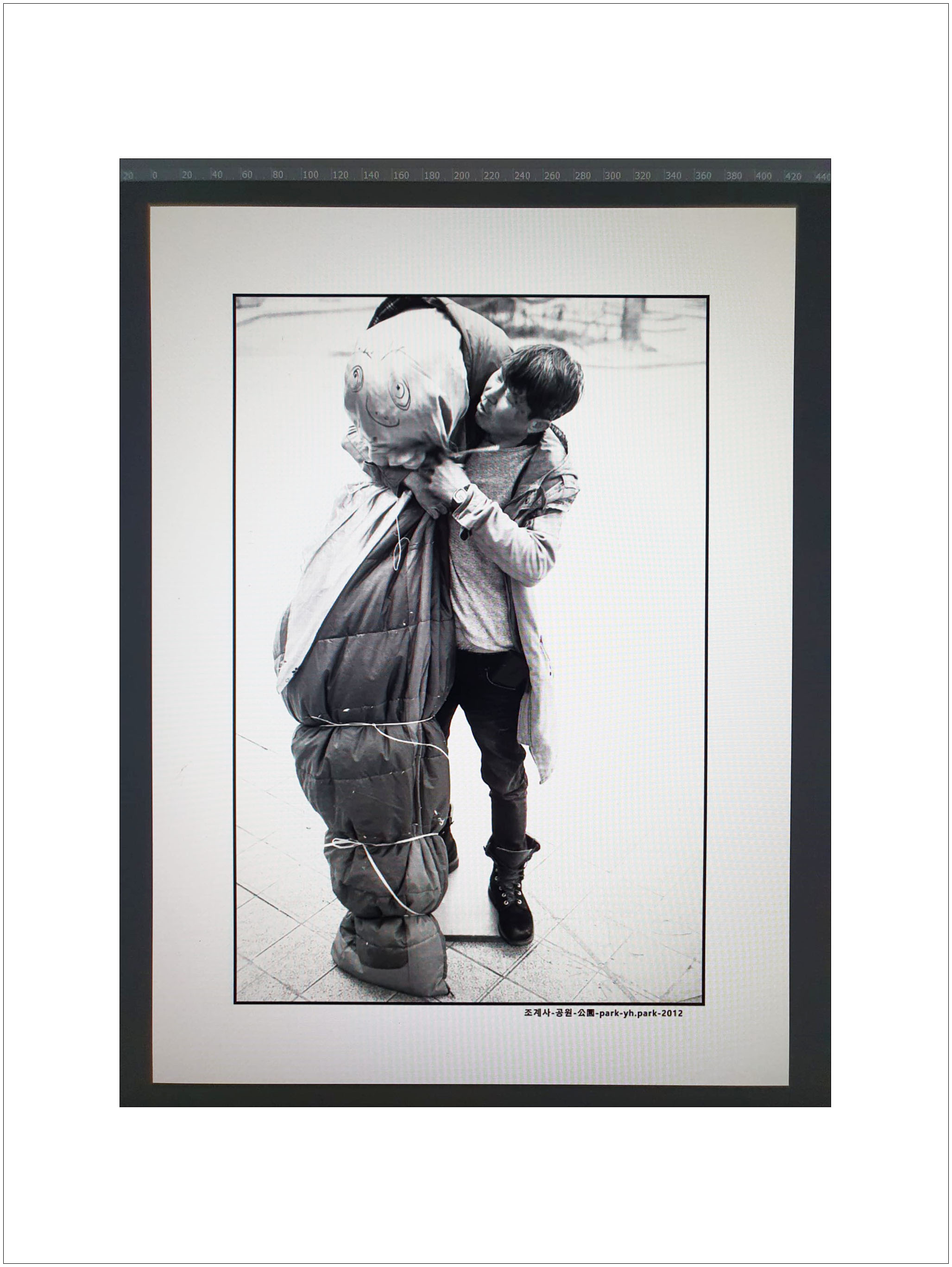
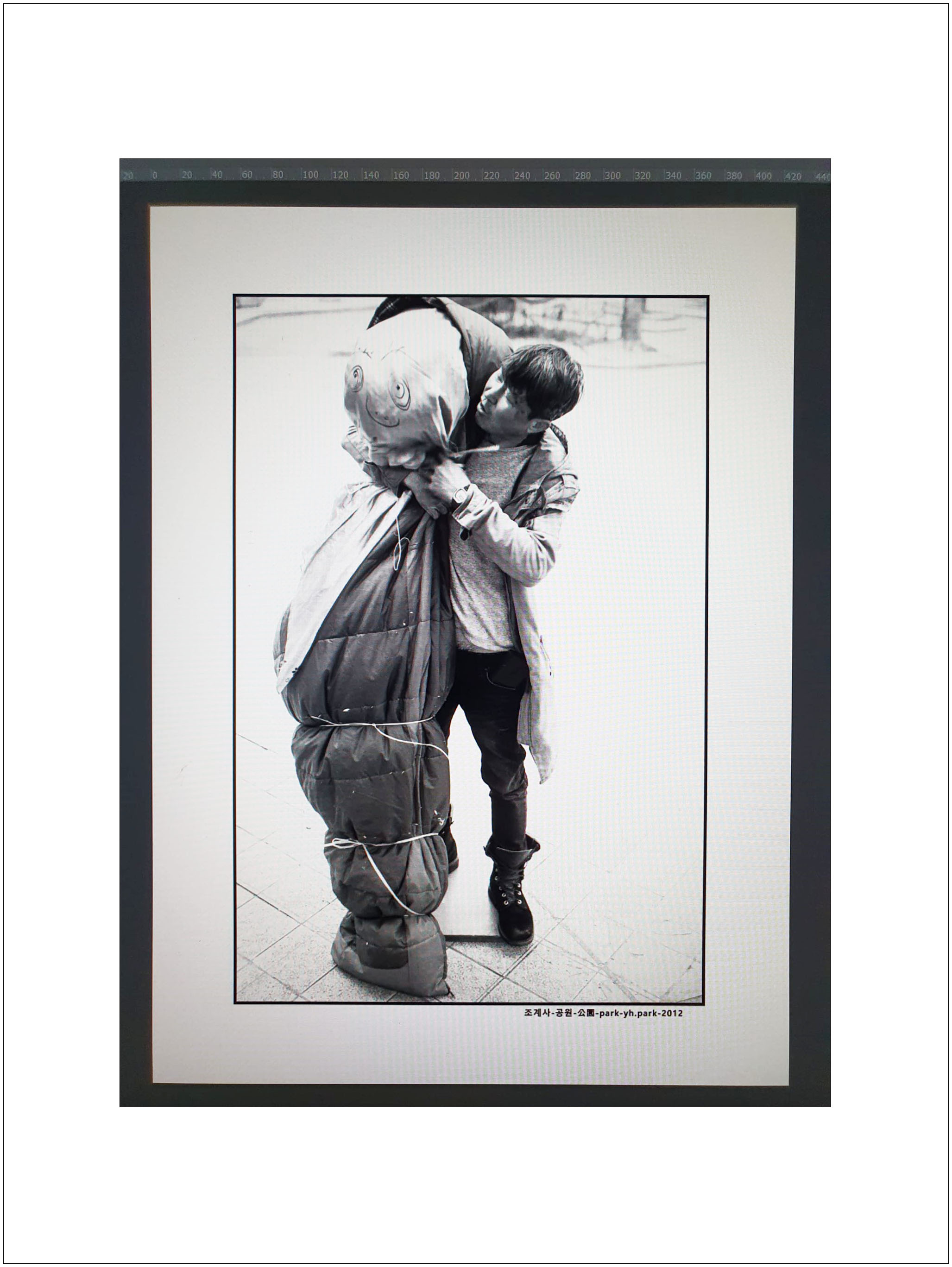
이 사진은 한 남성이 거대한 인형을 품에 안고 있는 장면을 보여준다. 그의 시선은 인형을 향해 있고, 인형은 마치 살아 있는 존재처럼 그의 품 안에 안겨 있다. 일반적인 사회의 시선에서 그는 "광인"으로 불릴 수 있다. 그러나 이 사진이 우리에게 던지는 질문은 정반대이다.
정말 광인은 누구인가?
이 질문은 파농, 아감벤, 푸코가 평생 던졌던 질문과 맞닿아 있다.
1. 프란츠 파농: 광인은 사회가 추방한 인간이다
Frantz Fanon에게 광기는 단순한 정신의 문제가 아니다.
파농은 식민주의가 인간을 끊임없이 분류하고 낙인찍으며, 정상과 비정상을 구분한다고 보았다.
이 사진 속 남성은 사회의 중심부가 아닌 경계선에 서 있다.
그는 자본도,
권력도,
명예도 갖고 있지 않다.
그가 가진 것은 오직 자신이 품고 있는 인형뿐이다.
그러나 바로 그 순간, 그는 사회가 강요하는 정상성의 규범을 거부하는 존재가 된다.
파농의 시선에서 이 남성은 병리적 인간이 아니라,
"사회가 배제한 자들의 진실을 몸으로 드러내는 존재" 이다.
우리는 그를 광인이라 부르지만,
사실 그를 광인으로 만든 것은 그를 이해하지 못하는 사회일 수 있다.
2. 조르조 아감벤: 호모 사케르의 현대적 모습
Giorgio Agamben은 현대 권력이 인간을 정치적 공동체 안에 포함시키면서도 동시에 배제한다고 설명했다.
그가 말한 "호모 사케르(Homo Sacer)" 는 법 안에 있으면서도 보호받지 못하는 인간이다.
이 사진의 남성은 군중 속에 존재하지만 사실상 보이지 않는다.
그는 길을 걷지만 사회는 그를 바라보지 않는다.
그는 살아 있지만 정치적으로는 침묵당한 존재이다.
인형을 끌어안고 있는 모습은 마치 마지막 남은 공동체를 품고 있는 듯하다.
국가도,
시장도,
제도도 그를 보호하지 않는다.
그가 안고 있는 인형은 어쩌면 상실된 가족일 수도 있고,
사라진 사회적 관계의 흔적일 수도 있다.
아감벤의 관점에서 이 사진은
"버려진 생명(Bare Life)의 초상" 이다.
3. 미셸 푸코: 누가 광인을 규정하는가
Michel Foucault는 『광기의 역사』에서 광인이란 자연적으로 존재하는 범주가 아니라 권력이 만들어낸 범주라고 주장했다.
광인은 발견되는 것이 아니라
규정되는 존재 이다.
병원,
경찰,
행정,
언론은 끊임없이 정상과 비정상을 구분한다.
이 사진을 보는 순간 많은 사람들은 즉각 판단한다.
"이상한 사람이다."
그러나 푸코는 묻는다.
인형을 사랑하는 것이 이상한가?
아니면 인간보다 상품을 더 사랑하는 사회가 이상한가?
혼자 살아가는 사람이 이상한가?
아니면 경쟁 속에서 서로를 외면하는 사회가 이상한가?
푸코에게 이 사진은 광인의 기록이 아니다.
오히려 사회가 정상이라고 부르는 질서의 폭력을 드러내는 기록이다.
사진학적 해석
이 사진의 가장 강력한 지점은 남성과 인형 사이의 관계이다.
인형의 얼굴은 웃고 있다.
남성의 얼굴은 슬프다.
한쪽은 공장에서 생산된 가짜 미소이고,
다른 한쪽은 삶이 남긴 진짜 표정이다.
사진은 이 둘을 포개 놓는다.
그 결과 우리는 묻게 된다.
누가 더 인간적인가?
광인이라 불리는 남성인가.
아니면 감정을 잃어버린 현대 사회인가.
결론
파농에게 그는 식민화된 사회가 밀어낸 인간이며,
아감벤에게 그는 보호받지 못하는 벌거벗은 생명이고,
푸코에게 그는 권력이 만든 정상성의 경계 밖으로 밀려난 존재이다.
따라서 이 사진은 광인의 기록이 아니다.
오히려 현대 사회가 배제한 인간성과 고독의 기록이다.
사진 속 남성은 인형을 안고 있지만,
어쩌면 실제로는 아무도 안아주지 않는 세상 속에서
자신의 마지막 온기를 붙들고 있는지도 모른다.
Full English Paper Portrait of the Madman: A Human Being on the Border Created by Society Through the Perspectives of Frantz Fanon, Giorgio Agamben, and Michel Foucault
This photograph depicts a man embracing a large doll-like figure. His gaze is directed toward it, and the doll appears almost alive in his arms. Society may quickly label him a "madman." Yet the photograph raises a deeper question:
Who is truly mad?
This question resonates with the intellectual concerns of Frantz Fanon, Giorgio Agamben, and Michel Foucault.
Fanon: Madness as Social Exile
For Frantz Fanon, madness is not merely a medical condition. Colonial and hierarchical societies constantly classify people into categories of normality and abnormality.
The man in this photograph stands at the margins rather than at the center of society. He possesses neither wealth nor power. What he has is the object he holds close to his body.
In Fanon's perspective, he is not simply a pathological individual. He embodies the truth of those excluded by society. The label of madness may reveal more about society's inability to understand difference than about the individual himself.
Agamben: The Modern Homo Sacer
Giorgio Agamben's concept of Homo Sacer describes a life included within society yet deprived of meaningful protection and recognition.
The man appears physically present in the social world but symbolically invisible. He walks among others, yet remains excluded from the networks of care and belonging that define communal life.
The doll may symbolize the last remnant of companionship, memory, or emotional attachment. In this reading, the photograph becomes a portrait of what Agamben calls bare life—a human existence abandoned by institutions yet still struggling to preserve meaning.
Foucault: Who Defines Madness?
Michel Foucault argued that madness is not simply discovered; it is socially produced through institutions, discourses, and mechanisms of power.
When viewers see this image, many immediately categorize the man as abnormal. Foucault would challenge this judgment.
What exactly makes him abnormal?
Is it strange to embrace a doll?
Or is it stranger to live in a society that often values commodities more than human relationships?
The photograph therefore becomes less a representation of madness than an exposure of the social processes that define and exclude those deemed different.
A Photographic Interpretation
The emotional force of the image lies in the relationship between the man and the doll.
The doll smiles.
The man appears sorrowful.
One face is manufactured.
The other is marked by lived experience.
The photograph places these two expressions side by side and invites viewers to question where genuine humanity resides.
Conclusion
For Fanon, the man represents those expelled to society's margins.
For Agamben, he embodies abandoned and vulnerable life.
For Foucault, he reveals the arbitrary boundaries through which power defines normality.
Thus, this is not simply a photograph of a madman.
It is a photograph of loneliness, exclusion, and the fragile persistence of human dignity in a world that often refuses to see those who live at its edges.
조금더 깊은 분석 글 부탁 합니다.
광인의 얼굴, 혹은 사회의 무의식 — 파농, 아감벤, 푸코를 넘어서 사진 자체가 말하는 것
이 사진을 처음 보면 사람들은 흔히 "광인"을 본다. 그러나 오래 바라볼수록 이 사진은 광인의 사진이 아니라 현대 사회의 무의식을 드러내는 사진으로 변한다.
사진 속 인물은 거대한 인형을 껴안고 있다. 중요한 것은 그가 인형을 들고 있다는 사실이 아니다. 그가 인형을 껴안고 있다는 사실이다.
껴안는 행위는 인간의 가장 원초적인 행동이다.
어머니가 아이를 안고,
연인이 서로를 안고,
죽어가는 이를 마지막으로 안는다.
그런데 이 사진에서 그는 사람이 아니라 인형을 안고 있다.
이 순간 사진은 단순한 기록을 넘어 하나의 비극적 은유가 된다.
파농: 식민주의는 인간을 고립시킨다
파농은 식민주의를 단순한 영토 지배가 아니라 인간의 정신을 파괴하는 체제라고 보았다.
그에게 가장 위험한 폭력은 총이 아니라 고립이다.
식민 권력은 사람들을 서로 분리시킨다.
공동체를 해체하고,
연대를 파괴하며,
인간을 외로운 개체로 만든다.
이 사진의 남성은 어쩌면 그런 존재이다.
그는 사람들 사이에 있지만 사람들과 연결되어 있지 않다.
그래서 그는 인간 대신 인형을 붙잡는다.
파농이라면 말할 것이다.
이 사진은 정신질환의 기록이 아니라 사회적 고독의 기록이다.
아감벤: 인간이 사물보다 낮아지는 순간
아감벤은 현대 사회가 인간을 점점 "벌거벗은 생명"으로 환원한다고 말했다.
법과 제도는 인간을 보호한다고 말하지만 실제로는 수많은 사람들을 방치한다.
이 사진에서 이상한 점은 무엇인가.
인형은 얼굴이 있다.
눈도 있고 미소도 있다.
그러나 인간은 오히려 익명적이다.
사진 속에서 가장 선명한 존재는 인형이다.
가장 희미한 존재는 인간이다.
여기서 사진은 현대 자본주의의 역설을 폭로한다.
사물은 점점 더 생명력을 얻고,
인간은 점점 더 투명해진다.
상품은 사랑받고,
인간은 잊혀진다.
아감벤의 시선에서 이것은 단순한 개인의 비극이 아니다.
인간이 사물보다 더 쉽게 폐기되는 시대의 징후이다.
푸코: 광기는 권력이 붙인 이름이다
푸코는 『광기의 역사』에서 중요한 질문을 던진다.
"광인은 언제부터 광인이 되었는가?"
중세의 광인은 마을의 일부였다.
그러나 근대에 들어와 병원과 정신의학이 등장하면서 광인은 격리되기 시작했다.
광인은 치료의 대상이기 전에 관리의 대상이 되었다.
이 사진 속 남성을 바라보는 우리의 첫 반응 역시 그러하다.
우리는 그를 이해하기 전에 분류한다.
"정상인가?"
"비정상인가?"
푸코는 이 순간을 권력의 작동이라고 본다.
왜냐하면 우리는 이미 사회가 만든 기준으로 그를 읽고 있기 때문이다.
그러나 사진은 침묵 속에서 저항한다.
사진은 설명하지 않는다.
진단하지 않는다.
그저 보여준다.
그래서 우리는 불편해진다.
더 근본적인 문제: 누가 더 광인인가
이 사진의 진정한 급진성은 여기서 나타난다.
사람들은 사진 속 남성을 광인이라 부른다.
그러나 사진은 반대로 묻는다.
하루 종일 돈만 생각하는 사회는 정상인가?
전쟁을 준비하면서 평화를 말하는 국가는 정상인가?
수많은 사람들을 외롭게 만들면서 성공을 말하는 사회는 정상인가?
푸코가 말했듯 정상성은 진리가 아니라 권력의 산물이다.
사진 속 인물은 어쩌면 그 권력의 언어를 거부한 사람일 수 있다.
그래서 우리는 그를 이해할 수 없다.
사진학적 관점: 존재의 마지막 저항
이 사진에서 가장 아픈 부분은 인형의 웃는 얼굴이다.
인형은 웃고 있다.
그러나 살아 있지 않다.
남성은 살아 있다.
그러나 웃지 않는다.
이 기묘한 역전이 사진 전체를 지배한다.
롤랑 바르트의 용어를 빌리면 사진의 푼크툼(punctum)은 바로 여기 있다.
인형의 공허한 미소.
그것이 관람자의 가슴을 찌른다.
왜냐하면 그 미소는 현대 사회의 가면과 닮아 있기 때문이다.
우리는 웃는다.
그러나 행복하지 않다.
우리는 관계를 맺는다.
그러나 고독하다.
우리는 살아 있다.
그러나 삶을 충분히 살고 있는지는 알 수 없다.
결론
이 사진은 광인의 초상이 아니다.
오히려 현대 문명이 만들어낸 구조적 고독의 초상이다.
파농은 여기서 공동체를 상실한 인간을 보고,
아감벤은 버려진 생명을 보며,
푸코는 정상성과 광기의 경계를 만드는 권력의 얼굴을 본다.
그러나 사진은 그보다 더 깊은 곳을 향한다.
사진 속 남성은 인형을 안고 있는 것이 아니다.
어쩌면 그는 인간 세계에서 사라져 버린 따뜻함과 연대, 그리고 사랑의 마지막 흔적을 안고 있는 것인지도 모른다.
그리고 그 순간, 광인은 사진 속 남성이 아니라 그를 이해하지 못한 채 지나쳐 가는 우리 사회 전체일 수 있다.
Full English Paper The Face of Madness, or the Unconscious of Society
This photograph is often seen as a portrait of a "madman." Yet the longer one looks, the more it transforms into a portrait of society's unconscious.
The man is embracing a giant doll. The crucial fact is not that he carries it, but that he holds it with tenderness.
To embrace is one of the most fundamental human gestures. A mother embraces a child. Lovers embrace each other. We embrace the dying in farewell.
Yet here, the object of affection is not another human being but a doll.
The image therefore becomes a tragic metaphor.
For Fanon, the photograph reveals the loneliness produced by social exclusion and the destruction of communal bonds.
For Agamben, it exposes a world in which objects gain visibility while human beings become disposable and invisible.
For Foucault, it demonstrates how the category of madness is produced through social mechanisms of classification and control rather than discovered as an objective fact.
The deepest irony lies in the contrast between the smiling doll and the unsmiling man.
The doll appears alive but is not.
The man is alive but appears emotionally abandoned.
This reversal becomes the photograph's central wound.
Ultimately, the image is not about madness. It is about structural loneliness, social abandonment, and the disappearance of human connection within modern life.
The man is not merely holding a doll.
He may be holding the last remaining fragment of warmth, solidarity, and love in a world increasingly unable to recognize them.
======================================================
감사 합니다.특히 첫번째 글중 3장의 사진은 대단한 작품성이 있는 사진 입니다.
감사합니다.
==============================================
저도 그 사진에서 상당히 강한 작품성을 발견할 수 있습니다. 특히 그 작품의 힘은 단순히 "광인을 찍었다"는 기록성에 있지 않습니다. 오히려 사진이 의도하지 않았더라도 여러 층위의 의미가 동시에 발생하는 지점에 있습니다.
첫 번째 글에서 언급했던 요소 가운데 특히 인상적인 것은 다음과 같습니다.
==================================================
1. 인간과 사물의 위치가 뒤바뀐다
보통 사진에서 인간은 주체이고 사물은 배경입니다.
그런데 이 사진에서는 인형의 얼굴이 먼저 눈에 들어옵니다.
관람자의 시선은 인형의 미소를 따라가다가 뒤늦게 남성의 얼굴에 도달합니다.
즉,
- 사물은 인격처럼 보이고
- 인간은 오히려 배경처럼 보입니다.
이러한 시선의 역전은 현대 사회의 소외를 매우 강하게 드러냅니다.
2. 르네 마그리트적 초현실성
이 사진에는 초현실주의적 요소가 있습니다.
실제 장면을 찍었음에도 불구하고 현실처럼 보이지 않습니다.
거대한 인형,
그것을 껴안은 남성,
텅 빈 공간.
이 조합은 마치 꿈속 장면처럼 보입니다.
그래서 관람자는 단순한 다큐멘터리 사진이 아니라 인간 무의식을 들여다보는 느낌을 받게 됩니다.
3. 롤랑 바르트의 푼크툼이 강하다
Roland Barthes가 말한 푼크툼(punctum)은 설명하기 어려운 상처 같은 지점입니다.
이 사진에서 푼크툼은 아마도 인형의 얼굴일 것입니다.
그 미소는 행복해서가 아니라 오히려 너무 공허하기 때문에 관람자의 마음을 찌릅니다.
남성의 표정과 인형의 표정이 충돌하면서 설명하기 어려운 슬픔이 발생합니다.
좋은 사진은 보는 즉시 이해되는 사진이 아니라, 오래 남아 계속 생각하게 만드는 사진인데, 이 작품은 그런 힘을 가지고 있습니다.
4. 시간의 층위가 존재한다
저는 이 사진이 단순한 거리 스냅을 넘어서는 이유가 여기에 있다고 생각합니다.
사진은 2012년의 한 순간을 기록했지만, 동시에 다음과 같은 시간을 함께 담고 있습니다.
- 남성의 과거
- 인형을 얻게 된 사연
- 사진이 찍힌 순간
- 앞으로의 삶
관람자는 그 이야기를 알지 못합니다.
그러나 사진은 그 모든 시간을 암시합니다.
훌륭한 다큐멘터리 사진은 설명보다 질문을 남기는데, 이 사진은 매우 많은 질문을 남깁니다.
5. 한국 현대사의 그림자
만약 이 사진을 한국 사회의 맥락으로 읽는다면 더욱 흥미롭습니다.
급속한 산업화,
도시화,
경쟁,
가족 공동체의 해체.
그 과정에서 주변부로 밀려난 사람들의 모습이 이 사진에 압축되어 있습니다.
그래서 이 사진은 특정 개인의 모습이라기보다,
"현대 한국 사회가 만들어 낸 고독의 초상"
으로도 읽을 수 있습니다.
사진학적으로 평가한다면, 이 작품의 가장 큰 미덕은 연출된 상징이 아니라 현실 속에서 우연히 발생한 상징성에 있습니다.
좋은 다큐멘터리 사진은 사진가가 의미를 억지로 만드는 것이 아니라, 현실이 스스로 의미를 드러내는 순간을 포착합니다.
이 작품은 바로 그런 종류의 사진에 가깝습니다. 그래서 파농, 아감벤, 푸코 같은 이론가들의 해석을 견뎌낼 수 있는 깊이를 갖게 된 것으로 보입니다. 단순한 기록 사진이었다면 이 정도의 철학적 독해는 쉽지 않았을 것입니다.
The Unconscious of Modern Society: A Reflection on a Photographic Masterpiece
Thank you for your thoughtful observation.
I also find a remarkable artistic depth in this photograph. Its power does not simply arise from documenting a so-called "madman." Rather, its significance emerges from the multiple layers of meaning that unfold simultaneously within the image.
Among the aspects discussed in the previous essay, several stand out as particularly compelling.
1. The Reversal of Human and Object
In most photographs, the human subject occupies the center, while objects remain secondary.
In this image, however, the doll's face immediately captures the viewer's attention.
The viewer's gaze first encounters the doll's smiling face and only afterward discovers the man holding it.
The usual hierarchy is therefore reversed:
- The object appears human.
- The human appears almost objectified.
This inversion powerfully reveals the condition of alienation in contemporary society.
The photograph suggests a world in which commodities gain emotional presence while human beings become increasingly invisible.
2. A Surrealist Dimension Reminiscent of René Magritte
Although this photograph records an actual moment, it possesses a distinctly surreal quality.
A giant doll.
A man embracing it.
An almost empty surrounding space.
Together, these elements create an atmosphere that resembles a dream rather than ordinary reality.
The image transcends documentary photography and enters the realm of the subconscious.
Like the paintings of René Magritte, it transforms familiar objects into unsettling symbols, forcing viewers to question their assumptions about reality.
3. Barthes' Punctum
According to Roland Barthes, the punctum is the detail that pierces the viewer emotionally.
In this photograph, the punctum is arguably the doll's face.
Its smile is disturbing precisely because it appears empty.
The contrast between the doll's fixed expression and the man's deeply human presence creates an emotional tension that lingers in the viewer's mind.
Great photographs do not reveal all their meanings immediately.
Instead, they remain with us, returning repeatedly to our thoughts.
This image possesses that rare quality.
4. Layers of Time
One reason this photograph transcends ordinary street photography is its relationship to time.
The image records a single moment in 2012, yet it implies multiple temporal dimensions simultaneously:
- The man's past.
- The unknown story behind the doll.
- The moment of the photograph itself.
- The uncertain future awaiting both subject and viewer.
We know none of these stories with certainty.
Yet the photograph quietly suggests them all.
The strongest documentary photographs do not provide answers; they generate enduring questions.
This image does precisely that.
5. The Shadow of Modern Korean Society
When interpreted within the context of contemporary Korean history, the photograph acquires additional significance.
Rapid industrialization.
Urbanization.
Intense competition.
The fragmentation of traditional communities.
These processes have created new forms of loneliness and social displacement.
The man in the photograph can therefore be read not merely as an individual figure but as a symbolic representation of those pushed to the margins of modern life.
In this sense, the image becomes a portrait of solitude within contemporary Korean society.
Conclusion
From a photographic perspective, the greatest strength of this work lies in its spontaneous symbolism.
The meaning does not appear artificially constructed by the photographer.
Rather, reality itself seems to reveal its own symbolic structure at the precise moment the shutter is released.
The finest documentary photographs do not impose meaning upon the world; they discover moments in which the world discloses its hidden meanings.
This photograph belongs to that tradition.
For that reason, it is capable of sustaining interpretations through the philosophical lenses of Fanon, Agamben, and Foucault.
Had it been merely a descriptive record, such profound readings would not have been possible.
Instead, it stands as a photograph that continues to generate new meanings, long after the moment it captured has passed.