- 상황조명
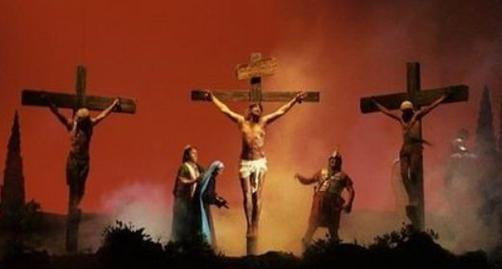
예수님은 여섯 시간 동안 칼바리의 십자가에 매달렸습니다. 예수님의 말씀이 끝날 무렵지상의 생명,
마가복음 15장 33-34절에 그리스도께 서 아람어 네 말씀을 말씀하신 것을 기록하고 있습니다: "엘로이,"
엘로이, 라마 사바치타니." 사도는 그 말을 다음과 같이 해석합니다: "나의 하나님, 세상에, 왜 저를 버리셨나요?"
그러나 다른 사람은 없습니다
마가복음에서 설명한 것. 또한, 다음을 설명하는 마태복음 27장 45~46절의 동일한 장면은 다음과 같은 의미를
제공하지 않습니다
그리스도의 외침도 있습니다. 두 복음서 모두 사도들은 주변 사람들에 대해 언급하고 있습니다
예수님의 외침을 듣고 외친 것이 아닌지 의문을 제기한 십자가 엘리야.
그러고 나서 그리스도의 네 마디 외침 직후에 예수님께서 외치십니다
완료되었습니다." 그리고 그의 영혼을 하나님께 바칩니다.
성경에 사도적인 설명이나 분석이 부족하여 해석할 때까지 그 네 단어의 의미는 다음과 같습니다
칼바리의 언덕. 해석의 범위는 매우 다양합니다.
빌리 그레이엄은 2016년에 그리스도의 타락(dereliction noun (BAD CONDITION)
Add to word list [ U ](especially of a building) a state of not being cared for:
The old railway station was in a state of dereliction.
For the next 16 years the building and its contents fell into dereliction.
Some parts of the palace have been rescued from dereliction.)
의 외침에 대해 질문을 받고 그리스도의 외침이라고 대답했습니다
말씀은 구세주가 "하나님 앞에서 추방되었다"고 나타냈습니다.1
스펙트럼의 다른 쪽 끝은 "A Cry"라는 제목의 기사에 구현된 관점입니다
"폐업? 최근 신학적 공통점을 재고하다", 존 지음
요쿰. 기사 초록에서 요쿰은 이렇게 말합니다: "한스 우르스 폰 발타자르의
이에 대한 설명을 탐구하고, 다음과 같은 이유로 구체적이고 신학적인 이유를 제시합니다
삼위일체의 통일성이 유지되는 보다 전통적인 설명을 선호합니다
인간의 죄악에 흔들리지 않는."2
해석적 이해의 명백한 차이와 범위는 다음을 시사합니다
그리스도의 삶과 관련된 십자가에서의 그리스도의 상황에 대한 분석적 고찰
긴 임무와 칼바리에서 그를 둘러싼 장면. 이해하기 위해
유기의 외침, 목적을 포함한 여러 분야를 검토해야 합니다
그리스도의 화신, 아버지와의 합일, 그의 죽음의 방법
1빌리 그레이엄, "하나님이 십자가에서 예수님을 버렸나", 2016, https://billygraham.org/story/did-god
2020년 12월 2일에 접속한 버림받은-지저스 온 더 크로스 빌리-그레이엄-앤서/.
2존 요컴, "유기의 외침?" 최근 신학적 공통점 재고하기, 인터내셔널
체계신학 저널, 7:72-80, 2005, https://doi-org.ezproxy.liberty.edu/10.1111/j.1468
2400.2005.00152.x, 2020년 12월 2일 접속.
For six hours, Jesus hung on a cross on Calvary. Near the end of his
earthly life, Mark 15:33-34 records Christ uttering four Aramaic words: “Eloi,
Eloi, lama sabachthani.” The apostle then interprets the words to mean: “My
God, My God, why have you forsaken me?” There is, however, no other
explanation by Mark in his gospel. Moreover, Matthew’s gospel, which describes
the same scene in chapter 27, verses 45-46, does not provide the meaning of
Christ’s cry either. In both gospels, the apostles do mention people around the
cross who, upon hearing Jesus’ cry, questioned whether he was calling out for
Elijah. Then, shortly following Christ’s four-word cry, Jesus exclaims “It is
finished,” and surrenders his spirit to God.
The lack of apostolic explanation or analysis in the Scriptures has left the
meaning of those four words up to interpretation since they echoed across the
hills of Calvary. The range of interpretation has varied widely. Billy Graham was
questioned about Christ’s Cry of Dereliction in 2016 and responded that Christ’s
words indicated the Savior had been “banished from the presence of God.”1 At
the other end of the spectrum is the view embodied in the article entitled, “A Cry
of Dereliction? Reconsidering a Recent Theological Commonplace,” by John
Yocum. In the article’s abstract, Yocum states: “Hans Urs von Balthasar’s
account of this is explored, and exegetical and theological reasons are offered for
preferring a more traditional account in which the unity of the Trinity remains
unbroken by human sin.”2
The apparent disparity and range of interpretive understandings suggests
an analytical examination of Christ’s situation on the cross in relation to his life
long mission and the scene that surrounds him at Calvary. To understand the
cry of dereliction, several areas should be examined, including the purpose for
Christ’s incarnation, his unity with the Father, the method of his death, the
1Billy Graham, “Did God Abandon Jesus on the Cross,” 2016, https://billygraham.org/story/did-god
abandon-jesus-on-the-cross-billy-graham-answers/, accessed Dec. 2, 2020.
2John Yocum, “A Cry of Dereliction?” Reconsidering a Recent Theological Commonplace,” International
Journal of Systemic Theology, 7:72-80, 2005, https://doi-org.ezproxy.liberty.edu/10.1111/j.1468
2400.2005.00152.x, accessed Dec. 2, 2020.
- 성경본문
빌라도가 예수께 묻다(마 27:1-2, 11-14; 눅 23:1-5; 요 18:28-38)
| (막 15:1) | 새벽에 대제사장들이 즉시 장로들과 서기관들 곧 온 공회와 더불어 의논하고 예수를 결박하여 끌고 가서 빌라도에게 넘겨 주니 |
| (막 15:2) | 빌라도가 묻되 네가 유대인의 왕이냐 예수께서 대답하여 이르시되 네 말이 옳도다 하시매 마27:11 |
| (막 15:3) | 대제사장들이 여러 가지로 고발하는지라 |
| (막 15:4) | 빌라도가 또 물어 이르되 아무 대답도 없느냐 그들이 얼마나 많은 것으로 너를 고발하는가 보라 하되 |
| (막 15:5) | 예수께서 다시 아무 말씀으로도 대답하지 아니하시니 빌라도가 놀랍게 여기더라 |
십자가에 못 박히게 예수를 넘기다(마 27:15-26; 눅 23:13-25; 요 18:39-19:16)
| (막 15:6) | ○명절이 되면 백성들이 요구하는 대로 죄수 한 사람을 놓아 주는 전례가 있더니 |
| (막 15:7) | 민란을 꾸미고 그 민란중에 살인하고 체포된 자 중에 바라바라 하는 자가 있는지라 |
| (막 15:8) | 무리가 나아가서 전례대로 하여 주기를 요구한대 |
| (막 15:9) | 빌라도가 대답하여 이르되 너희는 내가 유대인의 왕을 너희에게 놓아 주기를 원하느냐 하니 |
| (막 15:10) | 이는 그가 대제사장들이 시기로 예수를 넘겨 준 줄 앎이러라 1요3:12 |
| (막 15:11) | 그러나 대제사장들이 무리를 충동하여 도리어 바라바를 놓아 달라 하게 하니 행3:14 |
| (막 15:12) | 빌라도가 또 대답하여 이르되 그러면 너희가 유대인의 왕이라 하는 이를 내가 어떻게 하랴 |
| (막 15:13) | 그들이 다시 소리 지르되 그를 십자가에 못 박게 하소서 |
| (막 15:14) | 빌라도가 이르되 어찜이냐 무슨 악한 일을 하였느냐 하니 더욱 소리 지르되 십자가에 못 박게 하소서 하는지라 |
| (막 15:15) | 빌라도가 무리에게 만족을 주고자 하여 바라바는 놓아 주고 예수는 채찍질하고 십자가에 못 박히게 넘겨 주니라 마27:26, 요19:16 |
군인들이 예수를 희롱하다(마 27:27-31; 요 19:2-3)
| (막 15:16) | ○군인들이 예수를 끌고 브라이도리온이라는 뜰 안으로 들어가서 온 군대를 모으고 |
| (막 15:17) | 예수에게 자색 옷을 입히고 가시관을 엮어 씌우고 |
| (막 15:18) | 경례하여 이르되 유대인의 왕이여 평안할지어다 하고 |
| (막 15:19) | 갈대로 그의 머리를 치며 침을 뱉으며 꿇어 절하더라 |
| (막 15:20) | 희롱을 다 한 후 자색 옷을 벗기고 도로 그의 옷을 입히고 십자가에 못 박으려고 끌고 나가니라 |
십자가에 못 박히시다(마 27:32-44; 눅 23:26-43; 요 19:17-27)
| (막 15:21) | 마침 알렉산더와 루포의 아버지인 구레네 사람 시몬이 시골로부터 와서 지나가는데 그들이 그를 억지로 같이 가게 하여 예수의 십자가를 지우고 |
| (막 15:22) | 예수를 끌고 골고다라 하는 곳(번역하면 해골의 곳)에 이르러 요19:17 |
| (막 15:23) | 몰약을 탄 포도주를 주었으나 예수께서 받지 아니하시니라 시69:21 |
| (막 15:24) | 십자가에 못 박고 그 옷을 나눌새 누가 어느 것을 가질까 하여 제비를 뽑더라 시22:18 |
| (막 15:25) | 때가 제삼시가 되어 십자가에 못 박으니라 |
| (막 15:26) | 그 위에 있는 죄패에 유대인의 왕이라 썼고 마27:37 |
| (막 15:27) | 강도 둘을 예수와 함께 십자가에 못 박으니 하나는 그의 우편에, 하나는 좌편에 있더라 |
(막 15:28)< 마가복음 15장 28절 >
(한글킹제임스성경) (27) 주와 함께 강도 두 명을 십자가에 못박으니, 한 사람은 주의 오른편에, 또 한 사람은 주의 왼편에 있더라. (28) 그리하여 '그가 범죄자들(불법자들)과 더불어 헤아림을 받았다.'고 말한 성경이 이루어졌더라.
(개역한글) (27) "강도 둘을 예수와 함께 십자가에 못박으니 하나는 그의 우편에, 하나는 좌편에 있더라" (28) (없음)
(개역개정) (27) 강도 둘을 예수와 함께 십자가에 못박으니 하나는 그의 우편에, 하나는 좌편에 있더라 (28) (없음)
* 이에 대한 자세한 내용은 다음을 참조하라
개역한글/개역개정 성경에 '(없음)'으로 처리된 13개의 구절 중,< 마가복음 15장 28절 >해설 : 네이버 카페
| 1)(없음) |
| (막 15:29) | 지나가는 자들은 자기 머리를 흔들며 예수를 모욕하여 이르되 아하 성전을 헐고 사흘에 짓는다는 자여 요2:19 |
| (막 15:30) | 네가 너를 구원하여 십자가에서 내려오라 하고 마27:40 |
| (막 15:31) | 그와 같이 대제사장들도 서기관들과 함께 희롱하며 서로 말하되 그가 남은 구원하였으되 자기는 구원할 수 없도다 |
| (막 15:32) | 이스라엘의 왕 그리스도가 지금 십자가에서 내려와 우리가 보고 믿게 할지어다 하며 함께 십자가에 못 박힌 자들도 예수를 욕하더라 |
숨지시다(마 27:45-61; 눅 23:44-56; 요 19:28-30, 38-42)
| (막 15:34) | 제구시에 예수께서 크게 소리 지르시되 엘리 엘리 라마 사박다니 하시니 이를 번역하면 나의 하나님, 나의 하나님 어찌하여 나를 버리셨나이까 하는 뜻이라 시22:1 |
| (막 15:35) | 곁에 섰던 자 중 어떤 이들이 듣고 이르되 보라 엘리야를 부른다 하고 |
| (막 15:36) | 한 사람이 달려가서 해면에 신 포도주를 적시어 갈대에 꿰어 마시게 하고 이르되 가만 두라 엘리야가 와서 그를 내려 주나 보자 하더라 마27:48, 요19:29, 시69:21 |
| (막 15:37) | 예수께서 큰 소리를 지르시고 숨지시니라 |
| (막 15:39) | 예수를 향하여 섰던 백부장이 그렇게 숨지심을 보고 이르되 이 사람은 진실로 하나님의 아들이었도다 하더라 신32:31 |
| (막 15:40) | 멀리서 바라보는 여자들도 있었는데 그 중에 막달라 마리아와 또 작은 야고보와 요세의 어머니 마리아와 또 살로메가 있었으니 |
| (막 15:41) | 이들은 예수께서 갈릴리에 계실 때에 따르며 섬기던 자들이요 또 이 외에 예수와 함께 예루살렘에 올라온 여자들도 많이 있었더라 눅8:2, 눅8:3 |
요셉이 예수의 시체를 무덤에 넣어 두다(마 27:57-61; 눅 23:50-56; 요 19:38-42)
| (막 15:42) | ○이 날은 준비일 곧 안식일 전날이므로 저물었을 때에 |
| (막 15:43) | 아리마대 사람 요셉이 와서 당돌히 빌라도에게 들어가 예수의 시체를 달라 하니 이 사람은 존경 받는 공회원이요 하나님의 나라를 기다리는 자라 |
| (막 15:44) | 빌라도는 예수께서 벌써 죽었을까 하고 이상히 여겨 백부장을 불러 죽은 지가 오래냐 묻고 |
| (막 15:45) | 백부장에게 알아 본 후에 요셉에게 시체를 내주는지라 |
| (막 15:46) | 요셉이 세마포를 사서 예수를 내려다가 그것으로 싸서 바위 속에 판 무덤에 넣어 두고 돌을 굴려 무덤 문에 놓으매 사53:9 |
| (막 15:47) | 막달라 마리아와 요세의 어머니 마리아가 예수 둔 곳을 보더라 |
1. 어떤 사본에는, 28[불법자와 함께 인정함을 받았다한 성경이 응하였느니라]가 있음
15:1-15 빌라도에게 심문 당함마27:1-2, 11-14, 눅23:1-5, 13-25, 요18:28-37 비교하라
빌라도에게 예수님을 넘긴 것은 그들은 로마의 식민지이기 때문에(요18:31) 사형의 최종권한이 로마에게 위임되어 있었기 때문이다. 예수님의 죄목은 "신성 모독 죄"(마26:63-64)와 로마에 반란을 꾀했다(눅23:2)는 것이다.
2절 빌라도는 예수께 네가 유대인의 왕이냐고 물었다. 이것은 이들이 고소한 "신성 모독 죄"의 결정적인 근거였기 때문에 빌라도는 예수께 확인하고 있었다. 이에 대해서 예수께서 대답하여 가라사대 네 말이 옳도다고 하셨다.
3절 대제사장들이 여러가지로 고소하는지라 그들은 벌 때처럼 달려들어 여러 가지 이유(성전을 헐겠다고 한 것 등)를 달아 예수를 고소했다. 이런 여러 가지 이유에 대해서 예수께서는 아무 대답도 아니하셨고 빌라도는 5절 기이히 여기더라 qaumavzein(타위마제인) "경탄과 놀라움을 말한다." 예수께서는 그 많은 이유들에 대해서 묵비권을 행사하시고 계셨다. 그 죄를 인정하는 묵비권이 아니라 그들의 오해에 모두 대답가치를 느끼시지 않았던 것이다(요18:38, 눅23:4). 또한 예수님이 말씀하시지 않는 것은 곧 이사야 42:1, 53:7, 57:15, 스가랴 9:9의 예언을 성취시키는 일이었다.
빌라도는 예수를 놓아주려고 한 말처럼 보이는 6절은 이러한 전례를 핑계삼아 이 골치 아픈 문제에서 손을 떼려고 했는지도 모른다. 그래서 빌라도는 9절 놓아주기를 원하느냐고 군중에게 제의한다. 항상 자신의 제판에 관한 문제를 군중에게 떠넘기고 있다. 총독으로서 사면 권을 행사하지 않고 책임을 회피한 것은 중요한 그의 잘못이다. 이 질문에 11절 대제사장들은 군중을 충동하였다. 12절 빌라도는 또 한번 군중에게 그러면 너희가 유대인의 왕이라 하는 이는 내가 어떻게 하랴고 묻는다. 실로 예수께 대한 조롱이었으며 또 한번 비열한 방법으로 자신에 대한 책임을 다하지 못하고 무책임하게 저들에게 넘겨준다.
13절 저를 십자가에 못박게 하소서 십자가형은 로마 시민권이 없는 중죄인이 받는 형이었다. 잔인하고 치욕적인 사형의 방법이다. 구약 성경의 예언대로 이루어진다는 것을 이들은 알지 못했다(창3:15, 삼하7:12, 시72편, 시118:22, 23, 사7:14, 9:6, 11:1-10, 35:5-6, 42:1-4, 53장, 60:1-3, 렘23:6, 31:31-34, 미4:1-5, 5:2, 7:18-20, 학2:1-9, 슥3:8, 6:9-13, 9:9, 10, 13:1, 말3:1-4 등).
빌라도는 오히려 14절 어찜이뇨 무슨 악한 일을 하였느냐고 말함으로 예수께서 무죄라는 것을 시인한 것이다. 그리고 누가에 의하면 세 번씩이나 말했다(눅23:22). 이것은 재차 저들에게 확인한 것이다. 마태는 여기서 "빌라도가 물에 손을 씻고 이 사람에 대하여 나는 무죄하니 너희가 당하라"고 증언한다(마27:24). 누가는 "저희 소리가 이긴지라"(눅23:23)고 했다.
그러나 결국은 15절 빌라도가 무리에게 만족을 주고자 하여 바라바는 놓아 주고 예수는 채찍질하고 십자가에 못박히게 넘겨주니라 이로서 빌라도는 자신의 안전만을 생각하고 하나님의 아들을 죄인들의 손에 맡기는 죄를 범하고 말았다.
15:16-20 로마 군병들에게 희롱 당함마27:27-31, 요19:2-3 비교하라
빌라도가 아주 엄격하게 자신의 문제를 군중에게만 돌렸다면 여기서 로마 군인들은 등장하지 않아도 된다. 로마 군인이 함께 조롱하고 십자가에 못박는 일에 앞장섰다는 것은 빌라도의 권한을 넘겨준 것이다. 빌라도는 단순히 예수님을 군중에게만 넘겨준 것은 아니다. 자신의 권한을 엄청나게 남용하고 있는 것이다. 이로써 우리는 결국 빌라도가 이 일에 주범으로 등장하게 된 것이다.
21절 어떤(tina:티나) 구레네 사람 시몬이 원어성경에는 "어떤"이 들어있다. 누구인지는 정확히 알 수 없으나 시골 구레네에서 유월절을 지키기 위해서 올라온 방문객이었을 것이다. 사도행전에 이 사람의 이름은 당시에 많이 사용한 "시몬"이라고 나온다(행15:14). 이 사람은 로마의 군인들에 의해서 예수의 십자가를 대신 지고 골고다로 향했다.
15:21-41 십자가에 못 박히심마27:32-56, 눅23:26-49, 요19:17-30 비교하라
십자가 처형을 받은 장소는 아직까지도 정확히 알려지지는 않았으며 학자들간의 의견이 분분하다. 성지순례 객들은 예루살렘에서 예수님이 십자가에 못 박히고 죽었다가 부활한 골고다 언덕이 두 곳이라고 소개받는다. 한 곳은 전통적으로 인정된 장소이고, 다른 곳은 19세기 들어 새롭게 부각된 곳이다. 두 장소에 대한 학문적·종교적 논쟁은 매년 부활절이 되면 뜨거워지고 있다. 구교 쪽이 전자만 인정하는 반면, 개신교는 전자를 굳이 부정하진 않지만 후자 쪽을 상당히 인정하는 형편이다.
골고다(Golgoqa'n)에서 라틴어 Calvarium이 그리고 여기서 영어의 "Golgotha:갈보리"가 나왔다.
25절 때가 제 삼시가 되어 십자가에 못박으니라 이 삼시가 정확하게 오늘날의 몇 시인지는 알 수 없다. 그러나 일반적으로 3시(오전 9시)이며 33절 이 때부터 제 육시(정오)부터 제 구시(오후3시)까지, 6시간동안 계속되었다.
34절 엘리 엘리 라마 사박다니(Elwi elwi lamma' sabacqani) 이 부분은 다시 번역할 필요가 있다. Elwi(엘로이:Eloi)는 아람어로서 "나의 하나님"이라는 뜻이다. 이 단어는 히브리어의 유래가 아니라 아람어의 형태이다. 그러므로 히브리어의 엘리(eli)가 아니다. 이 소리를 듣고 35절 군중들 중에 "엘리야(!Hlivan)"를 부른다고 생각했다. 만일 여기서 "엘리"로 읽는다면 이 부분에 대해서 설명할 근거가 없다.
사박다니(sabacqani) 역시 "나를 버렸나이다"의 아람어이다.
우리는 이 구절을 대할 때 믿음이 있는 사람이라면(믿음으로 본다면) 예수그리스도의 절규로 그의 고통이 얼마나 컸을까를 먼저 생각나게 한다. 그는 속죄양으로서 우리의 죄를 지셨다(히9:28). 그는 저주를 받으셨다(갈3:13). 그는 우리를 위해 속죄 제물이 되셨다(고후5:21). 그러므로 이 고통은 그가 친히 우리를 위해 받으신 고난이다.
그러나 믿음으로 보지 않는다면 그가 왜 "하나님으로부터 버림을 받았을까?"에 골몰해 하나님이 저를 사랑하지 않아 진짜 버리신 것으로 부정하게 이른다. 그런데 그렇게 생각할 찌라도 사실은 해석은 그대로 했지만 잘 못 받아들인 것이 된다. 아무리 그것이 예수님의 절규였다고 해도 친히 말씀하신 것처럼 어찌하여 나를 버리셨나이까는 사실이다.
이 말은 많은 사람들에게 걸림이 되어 어떤 때는 해결할 수 없는 문제처럼 보였다. 굳이 필자가 이 부분에 대해서 개인적으로 설명을 한다면, 다시 십자가를 지신 문제에 대해서 생각해 보기로 하자. 지금까지는 예수께서 십자가를 지시는 문제가 대제사장들의 고소와 빌라도의 제판에서 군중에게 넘김과 로마 군인들의 십자가형으로 마무리되었다. 그러나 이 모든 일은 하나님의 허락 하에 이루어지고 있는 것이다. 하나님은 그 일을 얼마든지 막으실 수 있는 전능하신 분이다. 그러나 그분이 보내시고, 그 목적은 바로 우리 죄를 대신해서 십자가를 지시기 위함이었다. 이 일은 하나님이 이루신 것인데, 바로 예수님을 우리를 위해 버리신 분은 하나님이었던 것이다. 그러므로 원어의 아람어 형태인 "나를 버렸나이다"는 정확한 예수님의 말씀이다.
38절 성소 휘장이 위로부터 아래까지 찢어져는 마태복음 27:51 주석을 보라.
15:42-47 예수를 장사지냄마27:57-61, 눅23:50-56, 요19:38-42 비교하라
42절 이 날은 예비일 곧 안식일 전날이므로 저물었을 때에 라고 기록하여 정확하게 이날이 금요일 유대인의 안식일 바로 전날 운명하신 것이 분명하다. 유대인의 안식일은 일몰에서부터 다음 일몰까지를 하루로 계산한다. 금요일에 해가 지면 안식일이 시작되는 것이다. 만일 시체가 금요일 일몰 후 까지 매달려 있다면 그것은 안식일을 범하게 되는 것이다. 구약에서 유대인들은 밤중에라도 그 시체를 치웠다(신21:23). 물론 그런 풍습이 지금까지 내려오고 있는 것은 틀림없다.
우리는 43절에서 이미 숨을 거두신 예수님이지만 그 시체를 빌라도에게 당당히 요구하며(그의 모든 신분을 포기하며, 목숨을 건) 행동하는 정말 정의로운 사람을 만난다. 마가는 이 사람을 아리마대 사람 요셉이 와서 당돌히 빌라도에게 들어가 예수의 시체를 달라 하니 이 사람은 존귀한 공회원이요 하나님의 나라를 기다리는 자라고 소개했다. 아직까지 십자가형의 모습이 생생히 남아있고 그 공포와 두려움은 누구에게든지 있었을 것이다. 그런 상황에서 죽기로 결심하고 예수의 시체를 요구하는 이 사람은 아리마대 사람이요 공회원 이었다. 아마도 예수의 심문을 위해서 아리마대에서 소집되어 올라온 사람이었을 것이다. 그가 예수의 심문 때에도 있었는지 없었는지는 알 수 없다. 그러나 아리마대는 예루살렘 서북 32km 지점 현재의 벨라(Shephelah) 지방 구릉지대에 있는 렌티스(Rentis)로 보고있는데 그가 이미 예루살렘에 왔을 때는 모든 심문이 끝났었다고 볼 수 있다. 분명한 것은 그는 하나님의 나라를 기다리는 자라고 소개한 것으로 보아 이미 믿음이 있었던 사람이다.
존귀한 eujschvmwn(유스케몬)은 "사려 깊고 경건하며, 근엄하고 존경받는 사람"을 말한다.
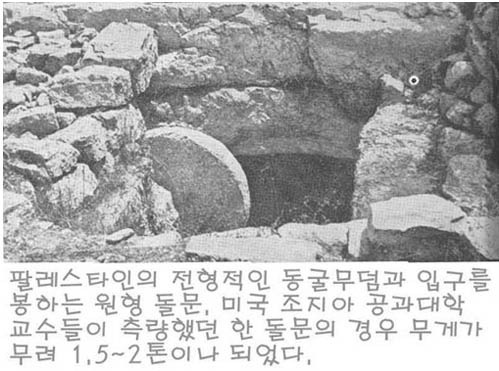
46절 아리마대 요셉은 그가 준비해둔 자신의 무덤에 예수의 시체를 안치한다(마27:60). 이것은 이사야 53:9의 "부자의 묘실"로서 예언이 성취되고 있는 것이다. 장래는 급하게 진행되었다. 돌을 livqon(리돈) 굴려 무덤을 닫았다. 자연석이 아니라 미리 맞추어둔 부자들의 묘에나 있는 굴러가게 만든 돌문이었다.(참조: 주님 무덤의 돌문의 무게를 1.5t~2t로 발표한 논문이 있음)
47절 막달라 마리아와 요세의 어머니 마리아가 예수 둔 곳을 보더라 두 마리아는 예수의 십자가부터 지금까지 줄곧 지켜보았던 것 같다.
- 연구논문 발췌
Jesus’ Non-Greek Sayings as Semitic Expressions: A Linguistic and Theological Study of Eli, Eli / Eloi, Eloi, Lama Sabachthani Timotius Sukarna Sekolah Tinggi Teologi Kadesi Bogor, Indonesia timotiussukarna@sttkb.ac.id https://orcid.org/0000-0002-4176-4539 Muner Daliman Sekolah Tinggi Teologi Kadesi Yogyakarta, Indonesia munerdaliman16@gmail.com https://orcid.org/0000-0002-6919-1330 Hestyn Natal Istinatun* Sekolah Tinggi Teologi Kadesi Yogyakarta, Indonesia hestynistinatun@gmail.com https://orcid.org/0000-0003-1034-5689 Kristian Handoyo Sugiyarto Sekolah Tinggi Teologi Kadesi Yogyakarta, Indonesia sugiyarto@uny.ac.id. https://orcid.org/0000-0002-9963-4331 Abstract https://doi.org/10.46222/pharosjot.107.3
One of the most poignant moments in the Passion narratives is Jesus’ cry from the Cross, preserved in transliterated Semitic phrases within the Greek New Testament. These utterances provide a rare and direct glimpse into Jesus’ linguistic and cultural context, linking the historical Jesus to the Semitic milieu of first-century Judea. This paper examines the theological and linguistic significance of Jesus’ use of a non-Greek, Semitic language at the climactic moment of his suffering. It argues that these expressions function both as a declaration of lament and as an intentional evocation of Jewish Scripture, particularly highlighting Jesus’ identification with the suffering righteous. Additionally, this study contributes to scholarly discussions on the multilingual environment of first-century Palestine, the retention of Semitic words in the Greek Gospels, and the Christological dimensions embedded in Jesus’ final words. Keywords: Semitic languages, Aramaic, Hebrew, Jesus’ sayings, crucifixion, Psalm 22, historical Jesus, New Testament linguistics, lament, Christology Introduction Among the many Semitic (non-Greek) words embedded in the Greek New Testament, Jesus' cry from the Cross, recorded in Matthew (27:46) and Mark (15:34), stands out as the longest preserved phrase. These utterances—transliterated as Eli, Eli, lama sabachthani in Matthew and Eloi, Eloi, lama sabachthani in Mark—offer a rare glimpse into the linguistic and cultural context of first-century Judea. While the Gospels are predominantly written in Greek, these 1 Pharos Journal of Theology ISSN 2414-3324 online Volume 107 (1) Regular Issue (2026) Copyright: ©2025 Open Access/Author/s - Online @ http//: www.pharosjot.com Aramaic expressions suggest that Jesus spoke in a Semitic language, reflecting the multilingual environment of the time. The transliteration differences between "Eli" and "Eloi" have been subjects of scholarly discussion. Some scholars propose that these variations may result from differences in pronunciation or transliteration practices between Hebrew and Aramaic. For instance, the Hebrew "Eli" (אֵלִ י) and the Aramaic "Eloi" (ܐܠܘܝ) both mean "My God," yet their phonetic differences could be attributed to regional linguistic variations or the translational choices of the Gospel writers. Furthermore, the phrase "lama sabachthani" (לָמָה שְׁ בַקְׁתַ נִי) is a direct quotation from Psalm 22:1, underscoring the theological and literary connections between Jesus' words and the Hebrew Scriptures. This intertextual reference highlights the depth of Jesus' identification with the suffering righteous depicted in the Psalms. An additional example appears in Psalm 69, where the psalmist laments being overwhelmed by reproach and unjust hostility: “I am weary with my crying; my throat is parched.” This psalm also reflects the experience of the righteous sufferer, a theme Jesus embodies in His passion. The inclusion of these Semitic expressions in the Greek texts raises important questions about the linguistic landscape of first-century Palestine. The prevalence of Aramaic among Jews in Judea, as well as the influence of Hebrew and Greek, suggests a complex multilingual society where code-switching and transliteration were common. Scholars such as Scott B. Noegel have explored the nuances of language use in ancient texts, providing insights into how wordplay and transliteration practices can inform our understanding of biblical narratives.Scholars such as Scott B. Noegel have explored the nuances of language use in ancient texts, providing insights into how wordplay and transliteration practices can inform our understanding of biblical narratives, which is important because such linguistic features often carry theological, cultural, and literary significance that might otherwise go unnoticed. The examination of Jesus' cry from the cross offers valuable insights into the linguistic and cultural milieu of first-century Judea. By analyzing the transliteration variations and intertextual references, scholars can gain a deeper understanding of the theological significance embedded in these Semitic expressions. This utterance of Jesus, recorded in the final moments of His life on the Cross at the ninth hour (Jewish time, approximately 3:00 p.m.), is remarkable not only for its expression of profound human suffering, as the incarnate Immanuel (Matthew 1:23, “God with us”) experiences apparent abandonment, but also as compelling evidence that Jesus spoke in His native Semitic tongue. The cry—Eli, Eli, lama sabachthani— raises important linguistic and theological questions. It suggests a deliberate use of a Semitic language at a pivotal theological moment, linking Jesus’ suffering to the fulfillment of Scripture while simultaneously emphasizing His identification with the righteous sufferer of Psalm 22. From a linguistic perspective, this utterance presents a complex problem: was Jesus speaking Hebrew, Aramaic, or a combination of the two? The Gospel accounts do not specify the exact language, and the phrase does not correspond verbatim with the Hebrew Tanakh text, which reads Eli, Eli, lama azavtani (Psalm 22:1–2). This variation points to transliteration choices, phonetic adaptation for a Greek-reading audience, or the coexistence of Hebrew and Aramaic forms in first-century Judea. Despite extensive scholarship on Jesus’ multilingual environment, few studies have systematically analyzed these translational and phonological discrepancies in relation to theological and Christological implications, revealing a notable research gap in understanding how Jesus’ mother tongue conveys both human suffering and divine fulfillment (Fitzmyer, 2008; Bargil, 2019; Brooke, 2012). Addressing this gap can shed light not only on the historical-linguistic context of Jesus’ utterance but also on its theological significance. The preservation of Semitic expressions in the Greek Gospels may serve multiple purposes: signaling the authenticity of Jesus’ speech, evoking Scriptural resonance, and conveying the 2 Pharos Journal of Theology ISSN 2414-3324 online Volume 107 (1) Regular Issue (2026) Copyright: ©2025 Open Access/Author/s - Online @ http//: www.pharosjot.com profound depth of His suffering in a culturally and linguistically intelligible way (Borg, 2011; Malbon, 2015). Several scholars argue that, particularly in Mark, Jesus’ cry on the Cross was spoken in Aramaic, His native tongue. Sabda and other commentators affirm that these words were not originally in Greek but in Syriac (Aramaic), reflecting the language of daily life in first-century Judea (Sabda, 2025). This raises important questions for textual criticism, historical linguistics, and Christology, including: (1) Did Jesus utter these words multiple times during the crucifixion? (2) Why does Matthew’s record of “Eli, Eli, lama sabachthani” differ from Mark’s “Eloi, Eloi, lama sabachthani” (and even variant forms such as “Eil(i)”) (Bargil, 2019)? (3) Are these words fundamentally Hebrew, Aramaic, or a hybrid reflecting the linguistic fluidity of the period ? (Fitzmyer, 2008; Brooke, 2012). Exploring these questions illuminates the intersection of language, theology, and scriptural fulfillment, demonstrating that even transliterated Semitic utterances carry rich theological and Christological meaning within the Gospel narratives. Methods The word study method, or word analysis approach, examines the significance of Jesus’ utterances by consulting multiple textual witnesses, including the Hebrew Tanakh, the Septuagint (LXX), Targumic (Aramaic) translations, (Aramaic translation or paraphrase of the Hebrew Bible), the Syriac New Testament, Josephus’ historical accounts, and relevant Second Temple and rabbinic literature (Suria & Ming, 2025). This approach allows scholars to uncover both the philological layers of the text and the theological, literary, and rhetorical functions of Jesus’ cry from the cross. As Silva (2020) emphasizes, rigorous word studies require attention to semantic range and textual context to avoid etymological fallacies. Similarly, Vanhoozer (2014) and Barr (2006) argue that word analysis must integrate historical, literary, and theological dimensions, situating lexical meaning within the communicative purposes of the author. Building on these methodological insights, this study combines synchronic analysis (the immediate textual and literary context) with diachronic analysis (historical and linguistic development) to explore how Jesus’ Semitic words functioned within first-century Judean culture, their reception in the Greek Gospel tradition, and their enduring theological significance. This research proposes a biblical hermeneutic method, which emphasizes grammatical, cultural context, and historical studies (Runtung, Oddeng, 2025; Moru, Budiarti, 2024; Chung, 2024) Result and Discussion From the Greek and Syriac textual traditions, three primary renderings of Jesus’ cry emerge: Eli–Eli, Eloi–Eloi, and Eil(i)–Eil(i). This study argues that Jesus likely uttered the phrase only once, but the variations recorded by Matthew and Mark reflect different transliterations and textual transmission practices. Matthew renders the first two words as Eli, Eli (Matt. 27:46), while Mark records Eloi, Eloi (Mark 15:34), and both Gospels include the form Eil(i), Eil(i). Supporting evidence comes from the observation that witnesses at the crucifixion perceived the same phonetic utterance, preserved consistently across multiple Greek manuscript traditions (BYZ, STE, TIS, WHO), and similarly in the Syriac Peshitta (ܐܠܝܐ ܩܪܐ …). For example, Matthew 27:47 (VHli, an fwnē…) and Mark 15:35 (VHli, an fwnē…) appear to suggest that bystanders heard a sound resembling the name of the prophet Elijah, reinforcing the hypothesis that these diverse textual forms all reflect a single Semitic utterance. Table 1 summarizes the variations across manuscript traditions. 3 Pharos Journal of Theology ISSN 2414-3324 online Volume 107 (1) Regular Issue (2026) Copyright: ©2025 Open Access/Author/s - Online @ http//: www.pharosjot.com Table 1. Variants of Jesus’ Cry: Eli, Eli (Eloi, Eloi), Eil(i), Eil(i) Lama Sabachthani Manuscript BYZ BGT STE TIS WHO Peshitta Matthew 27:46 Hli hli lama sabacqani Hli hli lema sabacqani Hli hli lama. sabacqani Hlei hlei lema sabacqanei Elwi elwi lema sabacqani Yntqbv anml Lya Lya Eil, Eil, lamna shabaqtani Mark 15:34 Elwi elwi lama sabacqani Elwi elwi lema sabacqani Elwi elwi lamma/ sabacqani VElwi> VElwi> lema sabacqani Elwi elwi lama sabacqani Yntqbv anml Yhla Yhla Elahi, Elahi, lamna shabaqtani These observations suggest that the different Greek and Syriac renderings are transliteration variants of a single Semitic utterance. Thus, question (1)—whether Jesus repeated the words multiple times—is addressed: the textual evidence indicates a single utterance preserved in multiple linguistic forms. This conclusion provides a foundation for further inquiry into the linguistic identity of the phrase and the theological implications of its Semitic character. Comparative Analysis of Jesus’ Cry in Greek, Hebrew, Aramaic, and Syriac Traditions The Peshitta-Syriac (Suryani) preserves Jesus’ words at the crucifixion as: ܫܒܩܬܢ ܝܠܡ ܐܐܝܠܝ ܐܝܠܝ ʔēl ʔēl lɘmā šɘvaqtān and ܫܒܩܬܢ ܝܠܡܢ ܐܐܠܗܝ ܐܠܗܝ ʾalāh ʾalāh lɘmānā šɘvaqtān Here, ʾalāh/ ܐܠܗܝ refers to “God” in Syriac, with emphatic forms used in certain manuscripts. In Matthew 27:47 and Mark 15:35, the term Eliah (ܐܠܝܐ) appears, reflecting a vocal resemblance to the prophet Elijah. Comparative examination with the Septuagint (LXX) and Hebrew Tanakh shows analogous constructions: • 1 Samuel 1:11: Adōnai Kurie Elwai sabawq… / Adonai Kurie Elo(h)ai Sabaoth • Judges 5:5: kuriou Elwi tou/to Sina • Habakkuk 1:11: Ahl{a … ë´löhô* • Numbers 22:18; Daniel 9:4: yh'êl{a/ ´élöhäy - elohai • Psalm 22:1 (Tanakh-Hebrew): ´ëlî ´ëlî lämâ `ázabTäºnî • Targum-Aramaic: eli elahi eli elahi metul ma sabaqtani The Greek New Testament presents multiple transliterations of the same utterance: Ēli (hli) – Ēlei (hlei) – Elōi (elwi) – Eil (ܐܝܠ). Table 1 provides a word-by-word comparison across Greek manuscripts, Hebrew Tanakh, Targum, and Peshitta to facilitate philological and theological analysis. Several observations emerge from this comparative study: 4 Pharos Journal of Theology ISSN 2414-3324 online Volume 107 (1) Regular Issue (2026) Copyright: ©2025 Open Access/Author/s - Online @ http//: www.pharosjot.com 1. The first letter of Eli varies: eta (h) in most Matthew manuscripts, epsilon (e) in Mark, reflecting minor phonetic discrepancies. 2. WHO manuscripts record Eloi, Eloi in both Matthew and Mark, whereas TIS records Elei, suggesting textual variation or accentual differences. 3. These discrepancies likely indicate distinct accents (lalia) among Jesus’ followers or Gospel writers, consistent with contextual evidence such as Matthew 26:73, where Peter’s Galilean accent is noted. The study underscores that while the Targum (second century CE) is too late to represent Jesus’ exact words, the Peshitta provides an earlier Aramaic textual witness to the likely spoken vernacular. This supports the argument that Jesus’ utterances reflect his native Semitic language, whether Aramaic or a Hebraic-Aramaic mix, while accounting for transliteration practices in the Greek Gospels. Linguistic Uncertainty in Jesus’ Utterance and the Implications for Aramaic as a Vernacular An important consideration in analyzing Jesus’ cry on the cross is the high degree of uncertainty regarding the phonetic realization of the theophoric element El. In Syriac (Table 1B), the independent (absolute) form is written ܐܝܠ (alap-yod-lamad, eil), whereas in the compound (construct) state it appears as ܐܠ (alap-lamad, el) (Brock, 2011; Healey, 2008). Some references (e.g., Sabda, 2023) incorrectly record the form omitting the yod, which removes the “i” sound and alters the vocalization. Furthermore, discrepancies exist between manuscripts: for instance, Eli-Eli appears as ܐܝܠ ܝܐܝܠ ܝ (eili-eili) in some sources but as ܐܝ ܠܐܝ ܠ (eil-eil) in others (Brock, 2011). These variations reflect linguistic uncertainty and challenge claims that Aramaic was necessarily the spoken vernacular of all Jews in first-century Palestine (Buth, 2014). In the case of the theophoric element El in the title EmmanuĒl (Matthew 1:23), both the LXX and Greek NT manuscripts consistently record it with the two-letter eta-lambda (Emmanouhl), whereas the Peshitta-Syriac renders it with the three-letter ܥܡܢܘܐܝܠ (ImanuEil) (Brock, 2011). This aligns with Jesus’ utterance Eil, Eil at the cross, suggesting that contemporary hearers’ perception of Eli(a) may have misrepresented the actual phonetic sound. A careful examination of Matthew’s version shows that the first three words—Eli, Eli, lama— correspond directly to Hebrew vocabulary as found in Psalm 22:1–2 (Tanakh-Hebrew). The fourth word, sabachtani, has no exact match in the Hebrew Tanakh, which records azavtani with equivalent meaning. In Mark’s version, only lama is clearly Hebrew; the words Eloi, Eloi have no direct Hebrew parallel (France, 2007; Nolland, 2005; May, 2025). Despite this, some scholars—including Herlianto (2022)—have labeled these words as Aramaic without rigorously testing the claim. The Targum (Aramaic) of Psalm 22:1 reads: “Eli Elahi, Eli Elahi metul ma shabaqthani” [yntqbv hm lwjm yhla yla yhla yla], which differs significantly from both Matthew and Mark. The Targum preserves shabaqthani but substitutes Eli Elahi for Eli, Eli and metul ma for lama. Although semantically similar, the forms are linguistically distinct, highlighting that Eli, Eli is not standard Aramaic vocabulary (Kutsko, 2000). Similarly, the Peshitta-Syriac translates lama as lamna, again differing from the Greek. Only shabaqtani aligns precisely, demonstrating that the Syriac version reflects a translation of the Greek NT rather than a direct record of Jesus’ spoken words. These textual and linguistic variations underscore the need for cautious hermeneutics in evaluating Jesus’ language at the cross. While Aramaic elements are present, neither the Targum nor the Peshitta offers an exact replication of Jesus’ utterance, complicating 5 Pharos Journal of Theology ISSN 2414-3324 online Volume 107 (1) Regular Issue (2026) Copyright: ©2025 Open Access/Author/s - Online @ http//: www.pharosjot.com assertions about the everyday spoken language of first-century Jews and the phonetic reality of the phrase “Eli, Eli” (Brock, 2011; Buth, 2014; Kutsko, 2000). The Term El in Hebrew and Aramaic Contexts With confirmation from the crucifixion narratives that Jesus’ cry was addressed to Theos (God) and supported by the testimony of witnesses (Matthew 27:46; Mark 15:34), it is evident that Jesus’ utterance was directed to El. The next question concerns whether El is properly a Hebrew, Aramaic, or cross-linguistic term. The term El occurs hundreds of times in the Hebrew Bible, and its usage in the Targums (Aramaic translations and paraphrases of the Hebrew Bible) reveals notable variation and contextual nuance (Buth, 2014; Kutsko, 2000; Brock, 2011). Examples include: 1. ´El `Elyôn (“El the Most High”) – Genesis 14:18–19, 20, 22; sometimes appearing as Elaha in Psalms (Psalm 78:35). 2. ´El Šadday (“El Almighty”) – Genesis 17:1; 28:3; 35:11; 43:14; 48:3; Exodus 6:3. The designation ´El Rō´î sometimes appears as Elaha (Genesis 16:13). 3. ´El Qannä´ (“El the Jealous One”) – Exodus 20:5; Deuteronomy 4:24; 5:9; Joshua 24:19. Variations include El Elaha (Deuteronomy 6:15) and Elah/Alah (Nahum 1:2). 4. ´El Hayyây (“El of my life”) – Psalm 42:8 [9]. 5. Special designations of place or covenantal significance – El Bethel (Genesis 35:7); Elaha Bethel (Genesis 31:13); El Elohim YHWH sometimes reduced to El alone (Joshua 22:22). In addition, some passages translate El as Elah/Alah (Genesis 21:33; Numbers 16:22; 27:16; Isaiah 12:2; 42:5; Malachi 2:10), and frequently the term appears with the definite article or as Elaha, corresponding to Elohim. These patterns suggest that the general Aramaic term for God is Elah, whereas El functions as a special, emphatic designation (Brock, 2011; Buth, 2014). This distinction becomes particularly important when expressing possession: Eli (“my El”) conveys an intimate or personal address. In contrast, the typical Aramaic formula for possession uses Elahi (“my God”), reflecting the broader linguistic norm (Fitzmyer, 2008; Muraoka, 2003). A closer look at Eli in the Hebrew Bible and Targum reveals the following: • Three occurrences retain Eli but include an explanatory expansion to Elahi, e.g., Psalm 22:2 (Eli Elahi, Eli Elahi) and Psalm 22:11. • Five occurrences appear solely as Elahi (Exodus 15:2; Psalm 89:27; 102:25; 118:28; 140:7). • Two occurrences appear in the non-possessive form Elaha (Psalm 18:3; 68:25). • Two occurrences do not preserve the term (Psalm 63:2; Isaiah 44:17). This distribution supports the interpretation that El in Jesus’ cry is not merely a generic term for God but functions as a special emphatic address, reflecting both Hebrew and Aramaic linguistic sensibilities (Buth, 2014; Fitzmyer, 2008). Analysis of the Term Eloi / Elōi in Mark 15:34 and Its Hebrew Origins Table 2 presents a comparative study of the term Eli (“my El”) in the Old Testament Hebrew Scriptures and its rendering in the Targum (Aramaic). 6 Pharos Journal of Theology ISSN 2414-3324 online Volume 107 (1) Regular Issue (2026) Copyright: ©2025 Open Access/Author/s - Online @ http//: www.pharosjot.com OT-Hebrew Scripture Eli, Eli (Psalm 22:2) Eli (Psalm 22:11) Eli (Exodus 15:2; Psalms 89:27; 102:25; 118:28; 140:7) Elahi Eli (Psalm 18:3; 68:25) Eli (Psalm 63:2; Isaiah 44:17) Targum (Aramaic) Eli Elahi, Eli Elahi Eli with the re-explanation Elahi Elaha (non-possessive) None From these data, it is evident that the predominant term for deity in Aramaic is Elah, with the possessive form Elahi (Daniel 4:5; 6:23). This form occurs extensively in the Targums to render Hebrew my Elohim. Consequently, Eli can confidently be considered a Hebrew, rather than Aramaic, term (Brock, 2011; Fitzmyer, 2008). The definite article “ha-” in Hebrew is also instructive: occurrences of haEl (e.g., Genesis 31:13; Deuteronomy 10:17; 2 Samuel 22:31; Psalm 18:30-33; Isaiah 42:5) are generally transcribed as Elaha in the Targums, suggesting that adding the suffix “a” is the standard Aramaic method to express “the God.” Therefore, treating El as an Aramaic term is unsupported by linguistic evidence (Buth, 2014; Kutsko, 2000). In the Hebrew Bible, the term Elohim appears in the plural form but functions grammatically as singular when referring to the one true God. Its singular form, Eloah, appears approximately 50 times. To express the possessive “my” in Hebrew, the suffix -i is added, yielding Elohai (yh'êl{a/ hw"åhy; Numbers 22:18). The Septuagint (LXX) renders this as Elōai (e.g., 1 Samuel 1:11, Judges 5:5), though it follows the construct state of Elohim rather than the true possessive (Hamp, 2005; Muraoka, 2003). Greek transliteration further clarifies the linguistic pathway: Greek lacks the /h/ sound in the middle or end of words, so Elōhi (Hebrew: my Eloah) would naturally be rendered as Elōi (Elwi) rather than Elai if transliterated from Aramaic. The Aramaic Peshitta of Mark 15:34 also translates my God as Elahi, not Eloi, supporting the conclusion that Eloi derives from Hebrew Elōhi rather than Aramaic Elah (Brock, 2011; Fitzmyer, 2008). Textual evidence further supports this hypothesis: witnesses under the cross reportedly heard Jesus calling Eliyah, aligning with Matthew 27:46. Mark’s rendition as Eloi likely reflects a Greek scribal adjustment, with the omega vowel “ō” added for phonetic emphasis, whereas the Tischendorf manuscript uses “e” (Elei) in Matthew. This indicates both scribal interpretation and the challenge of accurately capturing Semitic speech in Greek letters (Hamp, 2005; Fitzmyer, 2008). Thus, the analysis strongly suggests that Eloi (Mark 15:34) reflects Hebrew origin (Elōhi, my Eloah), not Aramaic, and that the exclamatory form in Greek preserves Jesus’ original utterance in a manner intelligible to Greek-speaking readers. Analysis of the Terms Lama – Lamma – Lema – Lima and Sabachtani in Mark 15:34 and Matthew 27:46 1. Lama / Lamma / Lema / Lima The Greek New Testament manuscripts for Matthew 27:46 and Mark 15:34 display variations such as lima, lama, lamma, and lema (see Table 1), all generally conveying the meaning “why” or “what.” 7 Pharos Journal of Theology ISSN 2414-3324 online Volume 107 (1) Regular Issue (2026) Copyright: ©2025 Open Access/Author/s - Online @ http//: www.pharosjot.com Manuscript BYZ STE TIS WHO GNT Matthew Mark lima lama lema lema lema lima lamma lema lama lema The Hebrew root for “what/why” is hml (lamed-mem-he), which appears approximately 179 times across Proto-Hebrew, Standard Biblical Hebrew, and later Hebrew texts. Vocalization variants include lammah (hM'l'ä, 137 times), lamah (hm'Ûl', 27 times), lommah (hM'l', 10 times), lameh (3 times), and lemah (2 times). The doubling of the m (dagesh) in lammah reflects Hebrew phonological development and regional accents (Friedman, 2010; Buth, 2014). In Aramaic Targums, the root lam-mem-alef appears 132 times outside the Apocrypha, predominantly as lemma (98 times) or lama (11 times), with some instances unvocalized (23 times). The root lam-mem-he (hml) appears unvocalized 28 times, and sometimes the Aramaic `al-mâ mirrors the Hebrew (e.g., Jeremiah 8:14). In Psalm 22:2 and 49:6, the Targum renders the phrase with metul-mah (“because-what”) rather than lemma (Brock, 2011; Fitzmyer, 2008). The Peshitta (Syriac NT) uses lamna (anml-anml) for Matthew 27:46 and Mark 15:34, occurring about 50 times with the same meaning. Greek transliteration conventions account for these variations: the lack of an /h/ sound at word ends results in lamah and lama both appearing as λαμα (lama), and lemah as λεμα (lema). Therefore, the usage in Matthew and Mark may reflect either Hebrew or Aramaic vocabulary, with a strong argument for Hebrew based on manuscript evidence and Church Fathers’ testimony that Matthew was originally written in Hebrew (Hamp, 2005; Friedman, 2010). 2. Sabachtani / Shabaqthani The Greek sabacqani in Mark and Matthew corresponds to Hebrew shabaqthani (ynIT'q.b;v) in the HNT and Peshitta. The Greek letter c often represents Hebrew k (khaf) or q (qoph), as seen in examples like Elkana (hn"q'l.a) or Bakcir (yQIßBu) (Hamp, 2005). The Hebrew root shabaq (qbv) meaning “to leave” appears in four OT passages (Daniel 2:44; 4:12, 20; Ezra 6:7) and as part of proper names (Genesis 25:2; 1 Chronicles 25:4). Its frequent occurrence in the Hebrew Tanakh (13 times) as zab (bz:[') confirms its Semitic provenance (Buth, 2014; Hamp, 2005). By the time of Jesus, shabaq had been fully assimilated into Hebrew (Mishnaic/Hebrew) as evidenced by its use alongside Hebrew grammar in the Mishnah and Jerusalem Talmud (e.g., Yerushalmi Bava Metsia 2:8). The Mishnah employs distinctly Hebrew forms, including he- (definite article) and shai (that), which differ from Aramaic equivalents (aleph, di). Thus, while shabaq originated in Aramaic, by the first century CE it was integrated into spoken Hebrew (Fitzmyer, 2008; Brock, 2011). The suffix -ta-ni in shabaqta-ni conforms to Biblical Hebrew grammar: -ta indicates second-person singular (“you”) and -ni marks the first-person object (“me”), rendering the full meaning “you have left me” (Hamp, 2005). 8 Pharos Journal of Theology ISSN 2414-3324 online Volume 107 (1) Regular Issue (2026) Copyright: ©2025 Open Access/Author/s - Online @ http//: www.pharosjot.com Conclusion The terms lama, lamma, lema, and lima are most plausibly of Hebrew origin, deriving from the Hebrew root hml and reflecting vocalization practices consistent with the Hebrew language of the first century. Similarly, the term shabaqthani represents a Hebrew assimilation of an originally Aramaic root, fully integrated into Mishnaic Hebrew by the time of Jesus, with grammatical structures and morphological patterns consistent with Biblical Hebrew. The Greek transliterations found in Mark 15:34 and Matthew 27:46 reflect phonetic adaptation rather than Aramaic influence, supporting a Hebrew linguistic context for Jesus’ utterances on the cross. The Semitic phrase “Eli, Eli / Eloi, Eloi, lama sabachthani” emerges as a direct, emotional, and historically authentic cry. It illustrates how the Gospels preserve the Semitic character of Jesus’ speech even within Greek narrative frameworks. Its careful preservation serves theological, linguistic, and devotional purposes, connecting the human experience of Jesus with the divine plan of redemptive suffering. Analysis of the biblical data demonstrates that Jesus’ words in Matthew 27:46 and Mark 15:34 are verifiably Hebrew, challenging the pro-Aramaic claim, which often relies on assumptions derived from concordances without rigorous textual examination. This textual and linguistic evidence underscores that the utterance reflects a genuine Hebrew expression, capturing both the immediacy of Jesus’ anguish and the broader theological significance of the crucifixion narrative. A study such as this one has limitations since at times there is disagreement— linguists, theologians, and historians often interpret the same data differently. In addition Biblical Greek, Aramaic, and Hebrew, plus familiarity with textual criticism, Second Temple Judaism, and New Testament theology is not always at the needed levels by the scholar investigating the theme. Most critically however, only two Gospel occurrences exist and there are in fact no external Aramaic manuscripts that preserve the phrases used directly. This means there is reliance on indirect evidence (e.g., Dead Sea Scrolls, Targums, and other Semitic parallels) which can only approximate meaning. Acknowledgement I would like to express my deepest gratitude to God Almighty, whose wisdom and guidance have sustained me throughout the process of writing this study. This research would not have been possible without the support and encouragement of many individuals and institutions. My sincere thanks to STT Kadesi Yogyakarta for his theological insight, academic mentorship, and unwavering support. I am also indebted to the lecturers and staff of the theology department for providing a stimulating academic environment and valuable resources. Special appreciation is extended to my colleagues and fellow researchers in biblical linguistics and Semitic studies, whose constructive discussions enriched this work. I am also thankful for access to key resources, including the Hebrew Tanakh, the Septuagint (LXX), the Targumim, and the Syriac New Testament, which were instrumental in conducting this comparative linguistic and theological study. Finally, we dedicate this work to all students and scholars seeking to understand the words of Jesus in their original Semitic context, with the hope that this study may deepen their faith and appreciation of the Scriptures. Conflict of Interest There is no conflict of interest to declare References Allison, D. C. (2010). The historical Christ and the language of the Gospels. Minneapolis: Fortress Press. Barr, J. (1961). The semantics of biblical language. Oxford: Oxford University Press. Barr, J. (2006). The semantics of biblical language (2nd ed.). Oxford: Oxford University Press. 9 Pharos Journal of Theology ISSN 2414-3324 online Volume 107 (1) Regular Issue (2026) Copyright: ©2025 Open Access/Author/s - Online @ http//: www.pharosjot.com Bargil, P. (2019). The Hebrew words of Jesus: Linguistic and historical insights. Jerusalem: Magnes Press. Bauckham, R. (2006). Jesus and the eyewitnesses: The Gospels as eyewitness testimony. Grand Rapids, MI: Eerdmans. Brock, S. P. (1981). The Peshitta as a translation. In P. B. Dirksen & A. van der Kooij (Eds.), The Peshitta: Its early texts and translation technique (pp. 1–14). Leiden: Brill. Brock, S. P. (1992). The Syriac fathers on prayer and the spiritual life. Kalamazoo, MI: Cistercian Publications. Brock, S. P. (2011). The Syriac fathers on prayer and spiritual life. Kalamazoo, MI: Cistercian Publications. Buth, R. (2014). The language environment of first-century Palestine: Greek, Aramaic, and Hebrew. Grand Rapids, MI: Eerdmans. Buth, R., & Kvasnica, C. S. (2006). Critical notes on the Greek and Hebrew of Jesus’ cry from the cross. Journal of the Evangelical Theological Society, 49(1), 45–66. Brooke, G. J. (2012). Language and the historical Jesus: Semitic backgrounds in the Synoptic Gospels. Cambridge: Cambridge University Press. Casey, M. (1998). Aramaic sources of Mark’s Gospel. Cambridge: Cambridge University Press. Chung, Tuck S. (2024). To Inherit or to Receive? נחל in the Book of Joshua Should be Read within the Context of Mosaic Covenant. Jurnal Jaffray, 22(1), 101-123. https://doi.org/10.25278/jj.v22i1.921 Ferguson, E. (2017). Backgrounds of early Christianity (3rd ed.). Grand Rapids, MI: Eerdmans. Fitzmyer, J. A. (1979). The Aramaic background of the New Testament. Theological Studies, 40(2), 225–256. https://doi.org/10.1177/004056397904000203 Fitzmyer, J. A. (1979). A wandering Aramean: Collected Aramaic essays. Missoula, MT: Scholars Press. Fitzmyer, J. A. (1979). Word and glory: Essays on biblical interpretation and theology in honor of Donald E. Gowan. Rome: Pontifical Biblical Institute. Fitzmyer, J. A. (2008). The Gospel according to Luke I–IX: Introduction, translation, and notes (AB 28A). New York, NY: Doubleday. France, R. T. (2007). The Gospel of Mark: A commentary on the Greek text. Grand Rapids, MI: Eerdmans. France, R. T. (2007). The Gospel of Matthew. New International Commentary on the New Testament. Grand Rapids, MI: Eerdmans. 10 Pharos Journal of Theology ISSN 2414-3324 online Volume 107 (1) Regular Issue (2026) Copyright: ©2025 Open Access/Author/s - Online @ http//: www.pharosjot.com Hamp, E. (2005). Hebrew and Aramaic linguistics: Studies in Semitic philology. Berlin: De Gruyter. Hamp, V. L. (2005). Theological lexicon of the Old Testament. Peabody, MA: Hendrickson. Harlianto, G. (2022). Semitic elements in the Greek Gospels: Historical and linguistic insights. Jakarta: Universitas Kristen Indonesia Press. Harrington, D. J. (1999). Psalm 22 and the words of Jesus on the cross. Catholic Biblical Quarterly, 61(1), 1–22. Healey, J. F. (2008). The Semitic languages. London: Routledge. Jeremias, J. (1971). The servant of God. London: SCM Press. Josephus, F. (1998). The works of Josephus: Complete and unabridged (W. Whiston, Trans.). Peabody, MA: Hendrickson Publishers. Josephus, F. (2003). The Jewish war (G. A. Williamson, Trans.; E. M. Smallwood, Ed.). London: Penguin Classics. (Original work published ca. 75 CE) Josephus, F. (2004). Jewish antiquities (W. Whiston, Trans.). Peabody, MA: Hendrickson Publishers. (Original work published ca. 94 CE) Keener, C. S. (2009). The Gospel of Matthew: A socio-rhetorical commentary. Grand Rapids, MI: Eerdmans. Keener, C. S. (2011). The Gospel of Matthew: A socio-rhetorical commentary. Grand Rapids, MI: Eerdmans. Kee, H. C. (2015). Jesus in the Jewish world. London: Routledge. Kutsko, J. (2000). Between the texts: Language and interpretation in the Hebrew Bible and Second Temple literature. Sheffield: Sheffield Academic Press. Malbon, E. S. (2015). Narrative space and the historical Jesus. London: T&T Clark. Mason, S. (2003). Josephus and the New Testament. Peabody, MA: Hendrickson. May, A. (2025). Evolution, Suffering, Omniscience and the Kenosis of Jesus Christ Attempts at a Synthesis. Evangelikal: Jurnal Teologi Injili Dan Pembinaan Warga Jemaat, 9(2), 139–165. https://doi.org/10.46445/ejti.v9i2.986 McNamara, M. (2000). Targum and testament revisited: Aramaic paraphrases of the Hebrew Bible and their influence on New Testament interpretations. Grand Rapids, MI: Eerdmans. Metzger, B. M., & Ehrman, B. D. (2005). The text of the New Testament: Its transmission, corruption, and restoration (4th ed.). Oxford: Oxford University Press. 11 Pharos Journal of Theology ISSN 2414-3324 online Volume 107 (1) Regular Issue (2026) Copyright: ©2025 Open Access/Author/s - Online @ http//: www.pharosjot.com Miller, R. D. (2020). Jesus and the use of languages: Multilingualism in the Galilean context. Journal for the Study of the Historical Jesus, 18(1), 1–23. https://doi.org/10.1163/17455197 01801001 Moru, Osian O., Budiarti, T. (2024). The Problem of Incestual Sexual Violence in the Lot Family: A Hermeneutics of Suspicion on Genesis 19:30-38 Based on the Probability of Psycho-Theological and Socio-Theological Factors. Jurnal Jaffray, 22(2), 189-213. https://doi.org/10.25278/jj.v22i2.911 Muraoka, T. (2003). A Greek-English lexicon of the Septuagint. Peabody, MA: Hendrickson Publishers. Muraoka, T. (2005). Classical Syriac: A basic grammar with a chrestomathy. Leuven: Peeters Publishers. Noegel, S. B. (2007). Nocturnal ciphers: The allusive language of dreams in the ancient Near East. American Oriental Series, No. 89. New Haven, CT: American Oriental Society. Noegel, S. B. (2020). Through a glass darkly: Magic, dreams, and prophecy in ancient Egypt. The Classical Press of Wales. Nolland, J. (2005). The Gospel of Matthew: A commentary on the Greek text. Grand Rapids, MI: Eerdmans. Oppenheim, A. L. (1956). The interpretation of dreams in the ancient Near East. Transactions of the American Philosophical Society. Porter, S. E. (2000). The criteria for authenticity in historical-Jesus research: Previous discussion and new proposals. Sheffield: Sheffield Academic Press. Radner, K. (2004). Of God(s), trees, kings and scholars. Studia Orientalia. FINNISH ORIENTAL SOCIETY. Neo-Assyrian and Related Studies in Honour of Simo Parpola https://oracc.museum.upenn.edu/saao/aebp/downloads/radner_fs_parpola_2009.pdf Runtung, S., Oddeng, Z. (2025). Can divorce be due to adultery? on divorce according to Deuteronomy 24:1-4 and Matthew 19:1-12: Elisabeth Schüssler Fiorenza’s Feminist Perspective. Jurnal Jaffray, 23(2), 161-178. https://doi.org/10.25278/jj.v23i2.1077 Sabda.org. (2023). The words of Jesus on the cross: Aramaic or Hebrew? Retrieved from https://alkitab.sabda.org/article.php?no=830&type=12 Silva, M. (1994). Biblical words and their meaning: An introduction to lexical semantics (Rev. ed.). Grand Rapids, MI: Zondervan. Silva, M. (2020). Biblical words and their meaning: An introduction to lexical semantics. Grand Rapids, MI: Zondervan Academic. Sokoloff, M. (2002). A dictionary of Jewish Babylonian Aramaic. Ramat-Gan: Bar-Ilan University Press. Suria, I. & Ming, D., (2025), ‘Semantic, pragmatic, and hermeneutic approaches to linguistic analysis of Mene Mene Tekel Upharsin in Aramaic’, Pharos Journal of Theology 106(1), 1 12 15. https://doi.org/10.46222/pharosjot.106.19 Pharos Journal of Theology ISSN 2414-3324 online Volume 107 (1) Regular Issue (2026) Copyright: ©2025 Open Access/Author/s - Online @ http//: www.pharosjot.com Sokoloff, M. (2009). A Syriac lexicon: A translation from the Latin, correction, expansion, and update of C. Brockelmann’s Lexicon Syriacum. Winona Lake, IN: Eisenbrauns. Targum Onkelos. (2012). The Targum of Onkelos: Aramaic translation of the Torah. Peabody, MA: Hendrickson Publishers. Tov, E. (2012). Textual criticism of the Hebrew Bible (3rd ed.). Minneapolis: Fortress Press. Vanhoozer, K. J. (2002). First theology: God, Scripture & hermeneutics. Downers Grove, IL: InterVarsity Press. Vanhoozer, K. J. (2014). Bible meaning and the crisis of interpretation: Toward a hermeneutics of promise. Grand Rapids, MI: Baker Academic. Wilkins, M. J. (2020). Jesus’ cry from the cross: Linguistic and theological implications of “Eloi, Eloi, lama sabachthani?” Journal of Biblical Literature, 139(1), 57–75. https://doi.org/10.15699/jbl.1391.2020.004 Conflict of Interest Statement: The authors declare that the research was conducted in the absence of any commercial or financial relationships that could be construed as a potential conflict of interest. This article is open-access and distributed under the terms of the Creative Commons Attribution Licence CC BY: credit must be given to the creator, the title and the license the work is under. This license enables re-users to distribute, remix, adapt, and build upon the material in any medium or format, so long as attribution is given to the creator.
cf. Pharos Journal of Theology ISSN 2414-3324 online Volume 107 (1) Regular Issue (2026) Copyright: ©2025 Open Access/Author/s - Online @ http//: www.pharosjot.com