서구문화는 개인주의+ 개독교+ 인종주의..로 구성되어 잇습니다.
그런데 이런 요소의 공동된 특징이 배타적이라는 것이지요.
개인주의는 개인간의 배타성....공동체와 사회와 대척됩니다
개독교는 생각의 배타성....다른 생각을 이교도 이단으로 몰아 악마화 사탄화로 치 달리게 합니다.
인종주의는 종자의 배타성....사람에 대한 차이와 구분을 개성과 인품과 능력 따위가 아닌 종자와 피부색으로 합니다.
서구 문화는 필연적으로 패거리를 만들고 우열을 갈라 지배하고 지배 당하는 서열을 만듭니다..
서구의 역사가 왜 그리도 많은 전쟁과 파괴로만 점철 될 수 밖에 없는 근본 이유이기도 합니다.
다른소리가 걱정되는 것은.....
이미 경제적 탈아입구를 실천한 조샌징 종들이 앞으로 얼마나 더 서구화되어 더 배타적이며 더 파괴적이며 더 개됵교화되어
결국은 스스로의 파멸의 구덩이로 떨어질 것인가?.....입니다.
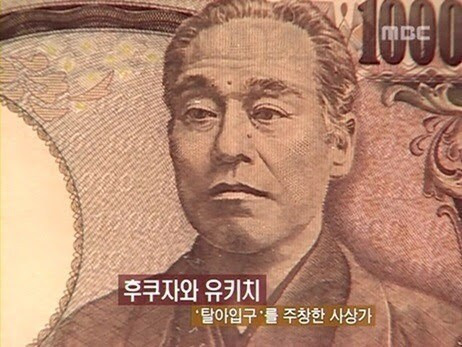
해방후 불과 70여년만에 이루어 낸 선진국 진입이라는 경제발전이 조생징들에게 던저준 종자주의에 대한 맹신과
메이지 유신 이후의 서구화에 성공한 일본 선각자들의 야마토 종자에 대한 오만과 편견을 비교해 보세요..
원자탄 맞기 전에 정신들을 차렷쓰면 좋겟는데...
그런 행운이 잇으려나.....
아버지는 한국인, 어머니는 중국인, 딸 하나........살고 잇는 곳은 호주 멜버른.
집에서는 영어를 쓴답니다.
그런데 딸은 우리와 구분이 되지 않는 한국어를 합니다.
영리하게 생겻습니다....이쁘지는 않지만,,
아니나 다를까.....아버지는 딸이 딜로이트에 다닌다고 하엿습니다..
공인회계사 냐고 물엇더니
관리나 감사쪽이 아니고 it 분야에서 일 하고 잇다고 하는데
퀸스랜드 대학 출신..
AI 개요
호주 퀸즐랜드 대학교(The University of Queensland, UQ)는
1909년 설립된 브리즈번의 최상위 명문 국립 연구 대학입니다. 호주 8대 연구 중심 대학(G8)의 창립 멤버이자 2025년 QS 세계대학순위 40위권의 명문으로, 간호학, 생명공학, 광산업 등에서 우수한 평가를 받습니다.
이런 대학을 졸업하여 딜로이트에서 근무하는 딸을 자랑하지 않을 수 잇는 한국형 부모라면.....김 여사 밖에 없을 겁니다.
김여사가 특이한 것이고.
-애가 어렷을적 부터 똑똑해서...지가 알아서 공부하고,
-한국말도 저 혼자 배웟써요....k-팝 들으면서
어머니는 상해가 본가이고 아버지는 천안,,,그리고 집에서는 영어로 이야기 한다는데..
재미나는 것은 멘더링을 전혀 할 줄 모른답니다..
그런데 왜 한국어는 배웟는지 모르겟써요.
한국어의 음운이 너무 매력적으로 들렷다는데.....이 말은 더 모르겟써.
이런 사람들이 짱꼴라 욕하고, 조샌징 욕하고, 호주 욕하고 살지는 않을 것 아닙니까?
법을 하나 만들엇쓰면 좋겟써요.
한 가문의 2대 내에서 한명은 반드시 국제결혼을 하게 하는 ..
지들 부모 친척중에 한명이 그쪽 사람이면 그쪽에 대 놓고 무작정 쌩 지뤌은 못 떨것 아녀..
배척 보다는 이해를 하려 들것이고
그런식이라도 강제로 종자를 석어야.....잡종강제가 되어 종자도 우수해지고--갱상도 쥐쇗끼 종들도 순화 될 것이고
조생징만 왓다다 ...라는 정신질환을 조금은 치유 할 수 잇을 것이다고 생각하거덩..
솔까 갱상도 쥐쇗끼종들이 산업화 이후 전라도 이주민들과 피가 석이지 않앗다면 오늘날 정도로 진화가 가능 햇것써?
시궁창 똥 냄세나 풀풀 풍기고 처 살앗겟지..
아...자유 민주주의 체제에서 그런것을 어떻게 강제 하냐고??........자유....으ㅡㅡㅡㅡㅡ
그러면 국제결혼 기본소득 같은 것 지급 하면 되쟎어.
1급지 2급지 3급지 그런식으로 갈라서
1급지 국가와 국제 결혼을 하면 월 500만원
2급지 국가와 국제결혼을 하면 월 300만원
3급지 국가와 국제결혼을 하면 월 100만원 .............뭐 그런식으로
미국 영국 프랑스등 서구국가들은 당연히 3급지....야나들은 벌금을 먹힐까??
2025-12중국이 싫은 이유

다른소리추천 1조회 7326.01.03 11:30댓글 0
북마크공유하기기능 더보기
게시글 본문내용
| 다른소린 어떤의미에서도 우파는 될 수 없는 사람입니다. 다른소리가 가장 싫어 하는 단어들이 국가 민족 애국 이딴 단어라고 햇지요? 일단 다른소리 감성과 체질에 전혀 맞지 않고 그런것으로 어거지로 뭉뚱걸어지는 단순화는 더욱 싫습니다. 한인들에게 민족주의는 ...국가주의(nationalism) 라기 보다는 유전학적 종자주의 입니다. 이것은 루스벨트의 우생학이나 히틀러의 홀로코스트와 눈꼽 만큼도 다르지 않다는 생각이고, 이런것이 반일, 또는 토학왜구 따위로 포장되어 정치적 패 갈이질로 악용되는 것은 죄악이라 생각합니다. 국가니 민족이니 애국이니 따위의 단어 자체가...싫어 다시한번 말씀들리지만, 한인들의 민족주의는 정신질환일 뿐이다... 는 것입니다. 국가 민족 애국은 형상을 이해 하는되도 도움이 되지 않습니다. 참과 진실 보다는 그런 기준에 따른 끊임없는 오해와 왜곡만 만들지요. 국가 민족 애국을 악악거리면서도, 같은 민족인 북한에 대해서는 철쩌하게 배척만 하는 자칭 우익도 싫고 세칭 진보 좌파라는 쥐쇗끼때들의 민족도...그런 의미에서 다 싫습니다. https://arnoldaugust.com/ 아래는 아놀드 오거스트의 글 하나을 복사한 것입니다. 중국의 티벳이나 신장 정책에 대해 서방세계의 비난과 비판이 정상적인 것이냐?? 당연히 아닙니다. 특히 서방진영의 제국주의 시절의 행위와 지금까지 이어저 내려오는 그 유산을 생각해 보면 중국에 대한 작금의 비판과 비난의 온당함 따위를 떠나 우선 과연 ....그럴 수 나 잇는 것이냐??..........그럴 만큼 뻔뻔할 수 잇는 것이냐?? 는 것이지요. 특히 조샌징 쥐쇗끼때들의 막무가네 짱꼴라 씹기는 ....정신질환을 훨씬넘어...약물 중독자들의 선망 같아 보입니다. 정말 막무가네입니다. 중국에서 실제 무슨일이 일어나고 잇는지......전혀 알고 싶어 하지 않습니다. 아무리 아무리 사실이 이렇다고 해도, 자신들이 원하는 것이 아니면 아예 눈과 코와 귀를 닫아 버리지요. 한인들의 티벳과 신장에서의 관심은 오로지 단지 종자적 정의 말고는 없습니다. -니들 티벳 민족, 위그르 민족 지배하고 잇지?...그것 일본이 한국을 지배하는 것과 꼭 같다....그래서 니들은 악마............끝. 우리가 격엇던 일제의 식민통치와 꼭 같은 시각에서 종자적 정의에만 집착하려는 것도 그렇고 꼭 같은 종자적 정의라고 하더라도 중국에서의 종자적 정의와 미국에서의 종자적 정의가 선택적이고, 백인종과 황인종 사이의 종자적 정의도,지 꼴리대로 지 멋대로 라는 점에서는 더욱 그렇습니다. 이런 집착은 마치 빨갱이들 대가리에 왜 도께비 뿔이 없냐며....필시 잘라냇을 것이고, 해골을 자세히 들여다 보면 그 흔적이 잇을 것이다.... 는 식입니다. 왜 이런 정신 질환이 창궐하고 그리도 쉽게 국민적 영구정신질환으로 퍼저 버렷는지는 다른소리 상식으로는 정말 모르겟습니다. 이런 정신질환이 민주화 이후 40여년의 하 세월이 지난이후에도 계속될 수 잇다는 것은 우리가 생각하는 그 민주주의가 과연 무엇인지도.....심각하게 생각하게 하지요. -민주주의가 사회 발전을 보장하는가? 워 워 워 개 보지 풀 씹는 소리.. 인간이 운영하는 모든 체제가 다 완벽할 수 없습니다. 자유 민주주의 체제라고 하여 완벽할 수 없는 것 처럼, 중국의 체제라고 완전한 체제가 아닙니다. 당연합니다. 그래서,,, 어진간히들 처 하시라고.. 중국에 손 가락질 하기 전에, 어차피 반동되어 되 돌아봐질 자신들의 모습이나 더 신경 쓰시고 사시라고.. Xizang’s Leap From Serfdom To Socialism With Chinese Characteristics
케나다의 boarding school(residential school) 에 대해서는 여러차레 말씀드렷습니다. 케나다 정부는 원주민 아이들을 강제로 (의무적)으로 기숙학교에 수용, 무식한 인디언을 민주 시민으로 만들어 주엇습니다. 일제때 일본인들에 의해 강제되엇던 의무교육 보다 훨씬 더 강력한 개조교육을 실시 한 것이지요. 인디언의 미신을 버리고 주 예수 하느님의 위대한 사랑의 정신을 심어주고 미개한 인디언의 언어 전통 습성을 혁파하고 주 예수님 하느님의 나라의 종으로 변화시켜야 한다는 것은 신으로 부터의 소명 같은 것이엇습니다....그래야 되저 천당을 갈 수 잇엇을 것이니... 이 과정에서 수 없이 많은 인디언 아이들이 죽어나갓습니다. 케나다 정부와 로마 교황 프란치스코-생전에- 는 ...뒤 늦게나마 이런 조치가 잘못된 조치임을 인정하고 사과 햇지요. sorry,,,,,,,,,,,,끝. 참 편리해 ...................씨발 다른소리가 인왕산에서 만난 케나다 여인도 이런 이야기를 햇습니다. 그리고 다른소리가 영어공부하기 위한 차원으로 가지고 다니며 읽고 잇는 "내 영원이 따뜻햇던 날들" 을 사진으로 찍어 갓다고 햇지요. 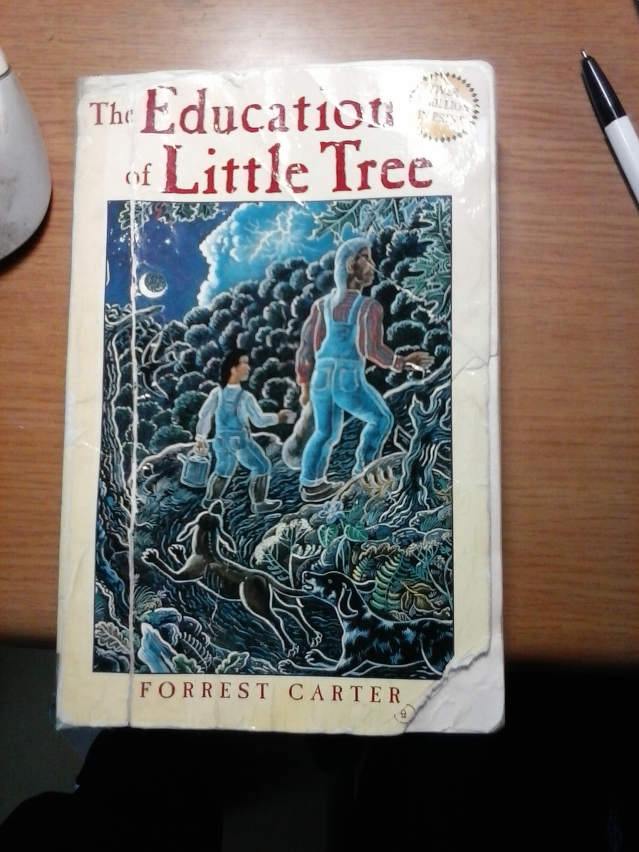 이 책에서도 기숙학교 라는 단어는 나오지 않지만, 강제로 백인들의 학교에 끌려 들어가 백인들의 신과 생각과 풍습을 공부해야 햇던 주인공의 이야기가 한 촵터로 나옵니다. 백인 선생은 아이들에게 그림 하나를 보여주면 물엇씁니다. 그 그림에는 한쌍의 사슴이 뛰어 노는 모습이 잇엇고, 주인공 "작은 나무"는 사슴 주변의 나무잎의 색갈이나 꽃 열매들을 보고는 번식기에 놓인 사슴들이라고 생각하여 -사슴들이 짝집기 하고 잇다......고 대답햇습니다.. 그리고 백인 선생들로 부터 ...이놈의 몸에 악마가 쒸웟다며...그야 말고 개 처 맞지요....악마나 빠져 나갈때 까장.. 작은 나무가 그 학교에서 따져나와 자신들의 집으로 돌아 왓을때.. 더 이상 악마, 마녀의 이야기는 듣지 않아도 되엇다. 비로써 나의 꿈을 기대하며 편안하게 잠을 잘 수 잇엇다...........는 식의 서술이 나옵니다. 중국의 티벳이나 위그르 정책에 대해서는 논쟁에 볼 만한 참 많은 것들이 잇습니다. 옳다 그르다...죽일놈 살릴놈 따위로 쫙~~ 패 갈라 서둘러 결론 부터 확정할 수 없는 중대한 것들이 많이 잇다는 것이지요. 공산주의의 종교 자체에 대한 논쟁은 말 할 것도 없고, 중국이 과연 종교를 억합하고 잇는가?..라는 현실 판단의 문제도 잇습니다. 또 종교를 억압하고 잇다고 판단 햇다면, 그 억압이란 것의 정의와 범주가 무엇인가 등도 문제입니다. 다른소린, 이런것이 중국만의 문제라고 생각하지 않습니다. 다른소린 종교자체를 혐오 합니다... 종교가 갖는 효익 보다는 해악이 더 크다고 생각하기 때문입니다. 특히...기독교의 배판성과 독단성 교조성은 .....해악 그 자체입니다... 종교 중에서도 가장 악질적 종교가 기독교 입니다. 이것이 자유 민주주의와 복합되엇을때 무슨일이 벌어졋는지는 역사에서 너무 많이분명하게 들어 납니다. 주식회사를 넘어 이미 재벌이 되어 버린 개독교는 더 이상 종교라고 할 수 없지요. 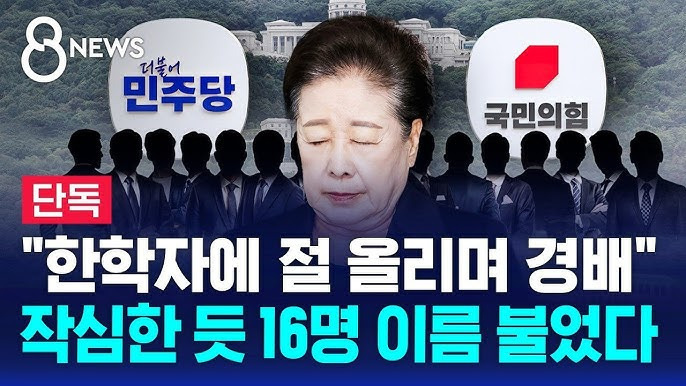 역사의 반복? 이것이 중세 암흑시대와 무슨 차이가 잇지요?? -중국엔 종교의 자유가 없다..그래서 빌어 처 먹을 나라다?? 우ㅓ워 워 중국한번도 안 가 본 년놈들이 꼭 이런 개 소리를 하지요.... 가 봣냐? 니가 니 눙깔로 가서 봣써?? 중국에서도 당연히 종교의 자유가 잇습니다.. 윤성열 부부가 환장햇던 주술도 중국에서는 개독교와 꼭 같은 수준의 종교입니다. 오히려 중국 만큼 종교적 자유가 많은 나라는 없지요. 그런데 중국은 종교의 자유는 한껏 허용하지만, 종교 계급은 절대 허용하지 않지요. 중국에도 자본가-때부자-는 잇지만 자본가 계급은 없는 원리와 같습니다. 권력과 계급이 아닌대도 종교를 갖고 싶다고 한다면, 그것을 막을 이유 조차 없겟지요. 그런것은 막아질 수 잇는 것도 아닙니다. 니들 멋대로 하고 살아라... 그런데 중국공산당 이외 그 어떤 권력도 허용하지 않겟다... 중국공산당은 중국 인민들의 권력이다.... 중국인민의 권력 이외의 그 어떤 권력도 허용하지 않겟다는 것이 중국의 공산주의 독제체제입니다. 모든 것이 인민의 권력 아래 통제되는 체제가 중국 공산주의 체제이고 자유를 억압하여 민주주의을 강제한 극단적 체제입니다. 다른소린, 우리사회의 시스탬도 중국 같앗쓰면 좋겟써요. 물론 니들은 거품 처 물고 뒤집어지겟지만.. My seven-day visit in 2023 to Xizang (previously known as “Tibet”) provided the foundation for this chapter. I expand here on three articles and one video, first published in Global Times (China) and China Global Television Network (CGTN).[1] I shared this rare experience and gained wide reprints in the West. From Serfs to Architects of Their Own Destiny As a participant in the 2023 trip, I viewed Xizang’s historical film footage. The images, video, and still photographs show life under serfdom before the 1951 peaceful liberation(1951년 중국인민해방군의 티벳진군을 이야기 한 것입니다.....종교적 노예상태로 부터의 1951년의 평화적인 해방---이라는 표현에 주목해 보시기 바랍니다) These visuals were reinforced by conversations with people in Xizang, which further solidified our understanding during our tour. “Tibet” has long been shrouded in mystery and misinformation. But the reality before 1951 was stark. Under a feudal theocracy, about 5% of the population were serf-owners, while at least 95% were serfs.(5%의 농노 소유자와 95%의 농도로 구성된 봉권적 신정주의-) I will never forget the film about a mother, a grandmother, and a small child, all born in the cowshed of a serf-owner. They lived there as the fourth generation under such conditions. --서구인들의 말 하는 종교의 자유란 종교의 속박으로 부터의 해방이 아니고, 천주교와 기독교(구, 신교) 간의 자유로운 선택을 의미 합니다....내가 구교를 믿던 신교를 믿던 그런것은 내 자유다..라는 의미 이지요. 그런데 예수교 말고 다른 종교를 믿겟다거나, 아님 종교를 안 갖겟다고 하면......주 예수 하느님의 이름으로 막 조잣지요. 지들이 믿은 예수, 쪽수 만만쟎아 안 찌그러지는 불교 정도만 그들의 세상에서 허용되는 종교이고...다른 신에 대한 믿음은 미신인 것이지요.. 성렬이 부부가 무속을 믿엇다 하여....손 바닥에 왕자 쓰고 기어 나왓다며....쌩 지뤌떨어 되는 종교인들이나, 민주투사들의 종교관도 기본적으로 같다고 보면 될것입니다. 성렬이 부부의 통치와 행적이 문제인 것이지...그들이 무속을 믿엇다는 것이 무슨 상관?? 계급이 된 종교, 권력이 된 종교...는 더 이상 종교적 의미를 갖지 못 합니다. 그것 자체가 지배 체제이고 지배 계급인 것이지요. 티벳인들의 종교도 그렇게 해석 할 수 잇습니다. 종교로 부터의 자유란. 이런 지배체제로 부터의 해방을 의미 합니다. After 1951, Xizang underwent significant changes, notably the rapid expansion of transportation. Yet, the event that remains most vivid for the people we spoke to is the abolition of serfdom on March 28, 1959.(조선에서 신분제가 공식적으로 폐지된 것은 갑오걔혁때입니다..1894년 ...이 개혁도 조선인 스스로의 개혁이라기 보단 일본에 의한 반 강제적 개혁입니다.....티벳에서의 봉건신분제 혁파가 중국인들에 의해 일어낫다면, 조선에서의 봉건신분제이 혁파는 일본인들에 의해 일어낫다....비슷하다 라고 해석해도 될 것 같습니다.)After liberation, parts of the old ruling class resisted change to maintain the serf system. On March 10, 1959, the deposed elites who opposed democratic reforms, along with the Dalai Lama, organized a U.S.-led armed revolt. The insurrection was defeated, and the Dalai Lama fled with close followers to India. 서구 국가와 한국에서의 달라이 라마 에 대한 평가와 중국에서의 평가를 비교해 보시기바랍니다. 달라이 라마에 수상된 노벨 평화상과 베네줄엘라의 미제 앞잽이 마차도에 수상된 노벨 평화상도 비교해 보세요. While they abandoned Xizang, the People’s Republic of China (PRC) and the Communist Party of China (CPC) pressed ahead in cooperation with Tibetans. According to the people we met during the visit, Beijing created around 10 activist-advisor committees, which were dispatched to grassroots areas more than 190,000 times between 2012 and 2020. Their task was to complete the plan to eliminate extreme poverty. This project, led by and for Tibetans, was achieved in 2020—a remarkable milestone for Xizang. Since the founding of the Xizang Autonomous Region in 1965, marking its 60th anniversary in 2025, progress has been striking. From 1965 to 2024, the most recent period for which figures are available, Xizang saw dramatic improvements:
Infrastructure as a Unifying Force: From the Qin Dynasty to the Present The 60th anniversary of the establishment of the Xizang Autonomous Region is being celebrated in 2025. In this context, I would like to share my experience with infrastructure. My interest in Xizang’s infrastructure began with the Qin Dynasty(진 나라- 진시황제), which flourished more than 2,000 years ago, and its vision of unification. I first encountered this history during my three-week trip across much of China in 2006. During this tour I learned that the Qin Dynasty established a uniform axle width(동일한 차축 넓이) for its dirt roads. This standard ensured that all animal-drawn carts could follow the same ruts without damaging roads or creating confusion. It may sound banal, but the problem was serious. Rain could worsen the road conditions. The Qin axle width norm reminded me of driving in Canada in ice and snow, where cars leave separate furrows. Drivers must sometimes slide sideways from one rut to another, an exhausting and unsafe experience. In the Qin period, the uniform axle width was revolutionary. It showed the dynasty’s dedication to unity. First, the Qin recognized a widespread problem. Then they devised an engineering solution suited to their time. These roads carried goods, such as food, and services. This innovation highlights, for generations of Chinese, an early concern for the population’s well-being. That consideration, rooted in governance 2,000 years ago, remains a feature of political rule in China today. The Qin connection came to mind again during my 2023 train trip on the “Roof of the World” to Lhasa. The journey began in Qinghai Province(청해성), Xizang’s neighbor, where one-fifth of the population is of Tibetan descent. Its capital, Xining, has a modern railway station. From there, we traveled close to 2,000 km over 22 hours, often at altitudes near 5,000 meters. This is equivalent to half the height of Mount Everest. We passed through breathtaking mountains and herds of yak. The long climb also allowed us to acclimatize gradually to the thin air before reaching Lhasa, and it proved ideal for meditating on China’s long tradition of unifying infrastructure—stretching back centuries—now contributing to the integration of Xizang with the rest of China. This railroad itself is an engineering marvel, recognized even by many Western experts. It is also a medical milestone. More than 2,000 medical staff accompanied the workers who built it under harsh conditions—low oxygen, extreme cold, heavy snow, and unstable permafrost. The railway, along with other transport projects in Xizang, shows that development in the PRC is not just a modern feat. It continues China’s historical tradition of unification through standardization and connectivity. 중국의 인프라에 대한 투자의 문화적, 역사적 측면으로 이해 하시기 바랍니다. The Individual and the Collective in Xizang: The Story of a Drone Invention Beyond the railroad, I was struck by another kind of infrastructure in Xizang. I discovered it in a newly built town near Lhasa, at the High-Tech Zone Innovation and Entrepreneurship Service Platform. Here, individual initiative is encouraged. One example stood out: a specialized drone designed to help farmers in mountainous areas. Developed by small start-up companies housed in the High-Tech Zone, these drones operate at high altitudes, where it is difficult for people to work. The drones spray pesticides and fertilizers, saving time and lowering costs compared with traditional methods. They also provide advanced field mapping, which supports more substantial harvests and stability in rugged terrain. But how did such a drone emerge in Lhasa? At the High-Tech Zone, anyone with a computer and internet access can apply. The appeal is simple: “Bring your ideas.” Yet there are conditions. Applicants must agree to work toward the goals of socialism and modernization set by the PRC and the CPC. Membership in the CPC is not required, but anyone who has been expelled from the party cannot apply. This political orientation is clear even in the murals inside the tech center, which display portraits of leaders from Chairman Mao to President Xi, alongside milestones of the PRC’s development, including Xizang. Does this political framework stifle individual initiative? Some in the West, shaped by the U.S.-centric notion of the sacred “individual,” may think so. But what I observed suggested otherwise. The tech center represents a balance between collective purpose and individual creativity, a hallmark of socialism with Chinese characteristics. Innovators there integrate social responsibility with personal ambition. They are rewarded not only with the satisfaction of turning their ideas into reality but also with solid incomes from marketing their products. For me, the drone stood as proof that the market and state-led socialism fully complement each other. Alongside the drive to eradicate extreme poverty and the marvel of the railway, it shows once more how “China changes everything” through a dynamic blend of bottom-up and top-down efforts, where everyone has a role. Boarding Schools “Here and There” As part of Western disinformation campaigns against China, authorities in Canada, the U.S., and Europe, along with some of the corporate press, claim that Tibetans face “suppression.” They point to boarding schools in Xizang and neighboring Qinghai Province, where about one-fifth of the population is Tibetan. The PRC is accused of carrying out “cultural genocide” against Tibetans. But consider this testimony from a youth in a boarding school, also called a residential school. Authorities berated him constantly, beat him, forbade him from speaking his language or practicing his culture, and sexually assaulted him. Did this incident occur in China? No. It happened in Canada, as documented by one of the foremost historians of Canada’s Indigenous peoples and residential schools, Dr. Sean Carleton of the University of Manitoba.[4] 티벳이나 청해성에 잇는 티벳 아이들을 위한 기숙학교과 카톨릭과 영국 성공회가 운영하엿던 케나다의 기숙학교와 비교 한 것입니다. 작고한 전 교황은 이 기숙학교에서 자행되엇던 살상과 가혹 행위에 대해 공식으로 사과 햇습니다. And this was not an isolated case. Multiply it by hundreds of thousands. Even Canada’s own records show that more than 150,000 Indigenous children were forced into residential schools, and an estimated 6,000 children died there.[5] 케나다 자체의 기록에서도 150,000 의 원주민 아이들이 강제로 기숙학교에 보네졋고 6,000 정도가 사망한 것으로 추측된다. In 2024, I conducted an exclusive interview with Mohawk Katsi’tsakwas Ellen Gabriel, whose insights carry deep weight for this discussion. In the northern portion of Turtle Island, she first rose to prominence in 1990 as the spokesperson for the Mohawk Nation during the 78-day siege known as the so-called “Oka Crisis.” At that time, fully armed Canadian soldiers encircled her community with armored vehicles, supported by local police.[6] The struggle was over the defense of traditional Mohawk land. Katsi’tsakwas Ellen Gabriel’s lifelong advocacy has since earned wide recognition. In 2024, she became the first Indigenous person to receive the 38th Grand Prix du Conseil des arts de Montréal, awarded for her decades of work and for a documentary highlighting the pivotal role of Mohawk women in the 1990 land defense.[7] That same year, she published a book on the same subject with Professor Sean Carleton. It quickly became a bestseller and had already reached its fourth printing.[8] In my interview, Katsi’tsakwas Ellen Gabriel explained that Canada’s “boarding schools” were designed to “get rid of the Indian problem.” This goal should not come as a surprise. As she pointed out, the Canadian Indian Act created a colonial settler state and provided the legal foundation for cultural genocide through the residential school system. (법치와 종교가 결합된 전형적인 자유 민주주의 체제의 인종청소라고 이해 하면 됩니다). That same legislation was even studied and copied by South Africa as a blueprint for Apartheid. 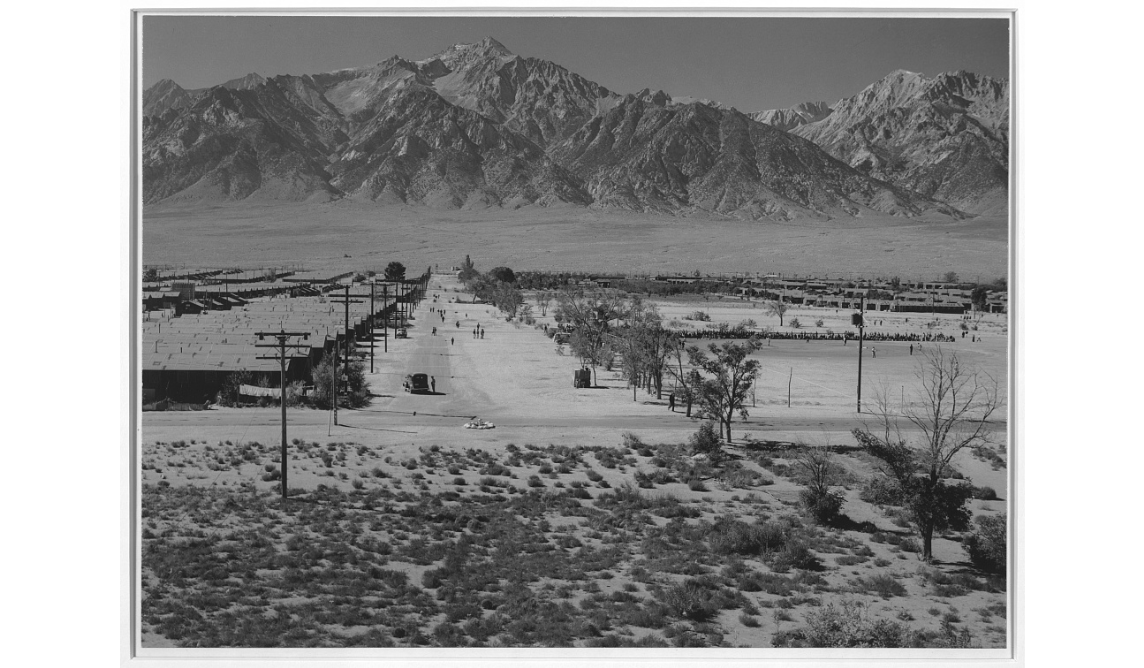  자유 민주주의 체제의 법치와 기독교가 참 끔찍한 것은...기됵교의 교조적 신앙과 무슨 수단을 써서라도 천당에는 기어코 가야 겟다는 집념이 장작 자신들이 무슨짓을 하고 잇는지를 모르게 만든다는 것이지요. 성렬이와 건희를 보세요.. 갸들은 갸들이 뭔짓을 햇는지를 모릅니다... 이것은 꼭 같지만, 석열이 건희가 사람 하나 죽인적이 잇습니까? 신의 이름으로 개독교인들이 해 왓던 짓과 비교 하면, 성렬이 건희는 차라리 이쁘지요. Katsi’tsakwas Ellen spoke candidly about her own childhood. She and her siblings were raised to “feel ashamed of the Mohawk language; my parents whispered it when speaking.” Canada’s aim, she said, was to instill “cultural self-hatred and the erasure of self-esteem.” Despite this, she explained, her parents tried to shield their children from racism. “Some teachers and students called us savages and unruly,” she recalled, but “my parents taught us: you are not a savage, not stupid, you can go to school.”[9] Even before the recent discovery of unmarked graves at former residential school sites, the Canadian Truth and Reconciliation Commission (TRC) had already exposed the scale of the crimes. In 2015, its final report called on Canada “to confront ‘cultural genocide’ of residential schools.”[10] Other assessments have been even more direct: “Canada is guilty of cultural genocide against Indigenous peoples.”[11] The government formally accepted the TRC report but has become notorious for failing to implement most of its key recommendations. This ongoing inaction and ambiguity have fueled what some now call “residential school denial.”[12] Canada, in denial mode, also denies the view that China’s “Tibet” policy demonstrates how modernization can be pursued alongside cultural preservation and promotion. Furthermore, even as Canada levels unfounded accusations of cultural genocide against China in Xizang and Tibetan regions of Qinghai, it has yet to confront its own human rights violations, including the genocide of Indigenous peoples.--중국에 손가락질 처 하기 전에, 자신들이나 먼저 되 돌아 보라는 것입니다. 아마도, 2020년대 최고의 유행어는 ...선택성...이 아닐까 싶어요. 이 단어는 윤석열이 유행 시켯고, 윤석열을 대통령 까지 만들어 내는 기염을 토 햇지만, 정작 윤성열 자신의 선택성은 무시하는 기형을 낳앗고 종국적으로 파국에 이르럿씁니다. 하지만, 이 선택성에 대한 모순과 갈등은 ..앞으로도 영원히 계속될 것입니다. In contrast to the genocidal Canadian residential school system, during my 2023 trip, I visited a boarding school in a Tibetan minority area of Qinghai Province, near the Xizang border. Students are taught primarily the Tibetan language, as well as Chinese and English, to facilitate communication throughout the country.-- The curriculum also includes Chemistry, History, Psychology, Biology, Physics, Politics, Morality, Geography, Sports, and Health. The cafeteria serves a wide variety of high-quality food and beverages, likely to be the envy of many Western students from working-class families. Up to 1,200 students can dine together across two floors. Modern dormitories are heated with underfloor heating, with separate floors for boys and girls. While the Tibetan language is flourishing at that boarding school, the proportion of Indigenous people in Canada who can speak an Indigenous language has steadily declined. In 2021, only 13.1% of the Indigenous population reported being able to hold a conversation in an Indigenous language.[13] In the United States, official figures suggest that only about 5% of Indigenous people can do so.[14] In contrast, in Xizang and the Tibetan areas of Qinghai Province, 100% of the population speaks their ancestral language. ---티벳인들에게 중국어 -멘더링-은 한인들에게 영어 정도로 이해 하면 될 듯 합니다. 당신들이 티벳인들이라면 중국어를 공부하고 싶겟습니까? 티벳어를 공부하고 싶겟쑵니까? 일제시대때의 일본어 교육도 그런 차원으로 이해 할 수 잇습니다. 일본놈들이 참 멍청한 것이,,,,,그냥 가만 두면 알아서 지들이 더 출세 하려고, 더 일본어 공부 할 것인데, 그것을 강제햇단 말이지요.. 그러니 좆같다 햇던 것이고... “But at What Cost”? When we challenge the mainstream media narrative about China’s success in building socialism with Chinese characteristics, the inevitable response is often: “What about Tibet?” The insinuation is that, while grudgingly acknowledging China’s progress, this advance supposedly comes at the expense of Tibetan language and culture, broadly defined to include religion. As discussed earlier, this is not the case. Yet the accusation is so pervasive that it is worthwhile examining it from another angle. During my visit to Xizang, I viewed the region through the lens of my upbringing in Montreal, Quebec, a primarily French-speaking province with this heritage dating back to France since 1618. Yet, in Quebec, our music, cinema, journalism, fiction, non-fiction, and poetry remain entirely marginal under the dominance of Anglo-American culture. Despite government protection efforts, Quebec is constantly inundated with the most superficial American and British cultural icons, and U.S. television dominates our homes. This infiltration occurs either directly, through outlets such as CNN or American culture-focused TV channels, or indirectly, such as through the Canadian media. This personal background has given me a deep appreciation for issues of language, identity, and cultural preservation, making me particularly sensitive to what I observed in Xizang. --자유민주주의 체제인 케나다 사회에서의 프랑어권지역인 퀘벡지역의 프랑스 문화와 공산주의 체제인 중국에서의 티벳어권 지역인 티벳과 청해성일부 에서의 티벳 문화를 비교해 본 것입니다. 과연 중국중앙정부의 티벳 지역에 대한 정책이...서구언론과 조생징 쥐쇄끼때들이 줄 도배 하는 "인종 청소"나 "문화 말쌀" 따위의 비난을 받을 만 한 대상인가?? 여러분이 판단해 보세요. 서구 언론과 조샌징 쥐쇗끼때들의 짱꼴라 혐오의 근본은 ...자신들이 하지 못한 일을 중국이 하고 잇기 때문입니다. 자유 민주주의 체제가가 하지 않은 일을 공산주의체제가 하고 잇기 때문이지요. 그런 비교에 따른 죄책감이나 열등감 말고는 정상적인 이성으론 설명하기 어렵습니다. My visit to Lhasa’s old town was a powerful reminder of China’s unique approach to integrating language and culture—including religion—with modernity, while fully safeguarding traditional practices. As I walked through Lhasa, I saw people dressed in traditional garments, hundreds of Buddhist monks in religious attire, and traditional architecture alongside modern malls. Children were rollerblading, families were enjoying amusement parks, and curious local people approached our group to practice their English. At Jokhang Temple(조캉 사원), in the heart of the old town, I observed traditional Tibetan architecture housing the Gelug school monastery—the most recent of several key schools of Tibetan Buddhism. The teaching language is, of course, Tibetan. A visit to the imposing Potala Palace, overlooking Lhasa, offered another perspective. The Palace plays a central role not only in religion but also in Xizang’s traditional politics and thought. It contains nearly 700 murals, 10,000 painted scrolls, and an extensive collection of historical documents. If the Western-driven narrative of Tibetan “suppression” were true, China’s commitment to preserving and promoting Xizang’s history would be inexplicable. The preservation of the Tibetan language is equally evident. At Xizang University, established in 1985 in Lhasa, courses are taught in Tibetan and Mandarin. The university enrolls more than 20,000 students and maintains an internationally renowned Tibetan studies department, along with a majority-Tibetan student body. The special visit to the Tibetan Ancient Documents Research Center on its Lhasa campus, which focuses on the Phuri Manuscripts, was impressive. These manuscripts constitute China’s most ancient and extensive collection of ancient Tibetan literature. They offer insights into a kingdom established around the 13th and 14th centuries and portray the natural environment, traditional customs, social structures, and history. If the Western anti-China narrative of “cultural genocide” in Xizang held any truth, China would need to “root out” these seeds of the Tibetan people to erase their collective memory, as is being attempted in Canada and the U.S. against Indigenous peoples. However, on the ground in Xizang, we witnessed the opposite. The Xizang Museum, completed in 1999, is the first large, modern museum in Xizang. It features a collection of more than 520,000 artifacts, focusing on the various dynastic periods of Tibetan history. It is widely accepted that, to commit genocide against a people, the very roots of their civilization and history must be eradicated. Yet, on the ground, we observed the opposite. We also visited the Tibetan Autonomous Region Intangible Cultural Heritage Preservation Center. Since 2012, the central and local governments have invested more than 400 million yuan ($55.7 million) in protecting Tibetan intangible cultural heritage through this center. We saw seniors playing Tibetan musical instruments, and youth performing traditional Tibetan opera. The unfortunate situation in Quebec stands in sharp contrast to the flourishing Tibetan culture. What I saw in Xizang was a proactive, well-funded, and systematic commitment to heritage preservation. In conclusion, “China changes everything” in Xizang through the creative application of socialism with Chinese characteristics, while promoting its language, culture, and religion. |