True or Fake question if our considering on the photo of Landing Moon
작성자Han, EuneKyung작성시간26.06.05조회수48 목록 댓글 0
소형 굴삭기와 소형 드릴로 저 반듯하게 각진 사각 구덩이를 깊도록 파 낼 수 있겠는 지 물어봅시다. 인원은 단 두 명 혹은 세 명 뿐입니다.
Let's ask if we can dig that perfectly square pit deep using a small excavator and a small drill. Workers applied by only two or three.
by inierinier
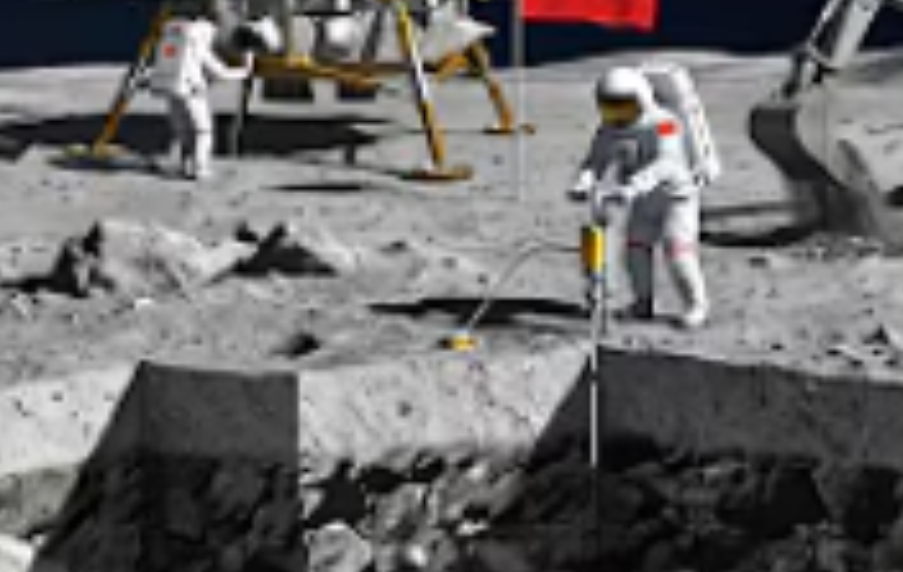
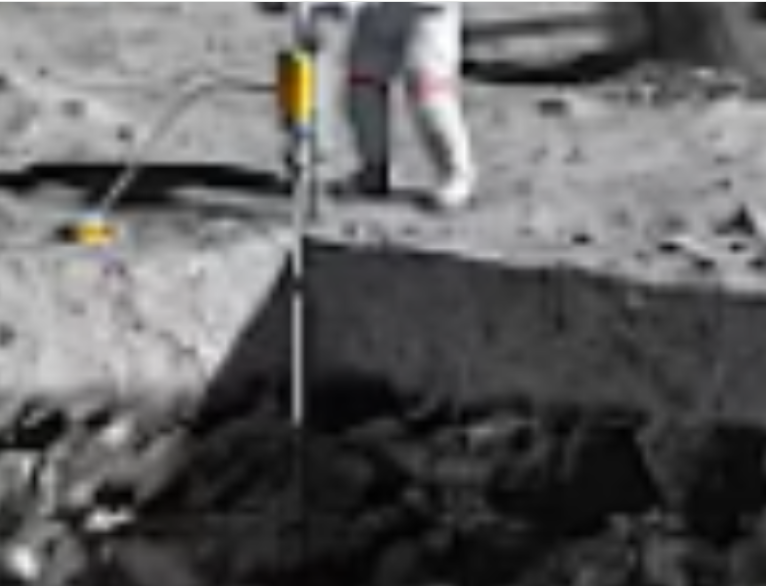
작업자의 팔이 고무처럼 늘어나지 않는 이상, 작업자의 팔 길이를 고려할 때, 아래 드릴 봉이 꽂힌 바닥까지 지표면에서 불가능한 자세입니다. Unless the worker's arm stretches like rubber, considering the length of the worker's arm, it is an impossible position from the ground to the floor where the drill rod is inserted.
by inierinier
https://www.youtube.com/watch?v=Vs9bLBNMAhg&pp=ugUEEgJlbg%3D%3D
| We Finally Know What China Found On The Far Side of The Moon Time Subtitle Machine Translation 0s For years, most people assumed China's moon program was mostly symbolic. A few 수년간 대부분의 사람들은 중국의 달 탐사 프로그램이 주로 상징적인 의미를 지닌다고 여겼습니다. 몇 번의 5s rover missions, some flags. A prestige project meant to show the 탐사 로버 임무와 몇 개의 깃발. 9s world that China could reach space, too. But in 2024, something changed. Quietly, 중국도 우주에 진출할 수 있음을 세계에 보여주기 위한 야심찬 프로젝트였다. 하지만 2024년에 상황이 바뀌었습니다. 조용히, 15s piece by piece, the curtain started lifting. 조금씩, 막이 오르기 시작했다 . 19s On June 25th, 2024, China brought back 1,935.3 2024년 6월 25일, 중국은 달 25s g of rock and soil from the far side of the moon. The first time in human 뒷면에서 1,935.3g의 암석과 토양을 가져왔습니다 . 인류 30s history anyone had ever returned material from that side at all. The 역사상 그쪽에서 물자를 가져온 것은 이번이 처음이었다. 이 35s samples came from the South Pole-Aitken Basin, one of the oldest and deepest 샘플들은 태양계 전체에서 가장 오래되고 깊은 충돌 구조 중 하나인 남극-에이트켄 분지에서 채취되었습니다 39s impact structures in the entire solar system. . 42s Then came the renderings. For the first time, China and Russia 그다음에는 렌더링 이미지가 나왔습니다. 중국과 러시아는 처음으로 46s publicly revealed detailed plans for something called the International Lunar - 50s Research Station, a permanent robotic and eventually human-supported base near - 55s the moon's South Pole. Chinese scientists began exposing experimental 달 남극 부근에 건설될 예정인 '국제 달 연구 기지'에 대한 상세한 계획을 공개했습니다. 이 기지는 로봇이 상주하다가 향후 유인 기지로 발전할 계획입니다. 중국 과학자들이 59s lunar bricks outside the Tiangong space station, testing whether materials made 톈궁 우주 정거장 외부에 실험용 달 벽돌을 노출시켜 달 토양을 모사한 재료가 우주의 1:04 from simulated moon soil could survive radiation, vacuum, and brutal 방사선, 진공, 그리고 극심한 1:08 temperature swings in space. Then came the power plan. 온도 변화를 견딜 수 있는지 시험하기 시작했습니다. 그러고 나서 전력 계획이 나왔습니다. 1:12 In May 2025, Roscosmos and the China National Space Administration signed an 2025년 5월, 러시아 연방 우주국(Roscosmos)과 중국 국가우주국(CNSA)은 1:18 agreement to study placing a nuclear reactor on the moon between 2033 and 2033년에서 2035년 사이에 달에 원자로를 설치하여 1:22 2035 to power the future lunar base through the freezing 14-day lunar night. 14일간 지속되는 혹독한 달의 밤 동안 미래 달 기지에 전력을 공급하는 방안을 연구하기 위한 협정을 체결했습니다. 1:28 The missions aimed directly at the darkest places on the moon, not the 이 임무들은 아폴로 계획 당시 1:32 bright, flat regions astronauts visited during Apollo, but craters near the 우주비행사들이 방문했던 밝고 평평한 지역이 아니라, 수십억 년 동안 1:36 lunar South Pole that sunlight has not touched for billions of years. 햇빛이 닿지 않았던 달 남극 근처의 가장 어두운 곳, 즉 분화구를 직접적으로 목표로 삼았습니다. 1:40 Craters cold enough to preserve frozen water ice from ancient comets and 고대 혜성과 1:44 asteroids. Water that could become oxygen, rocket fuel, [music] and the 소행성의 얼음을 보존할 만큼 충분히 차가운 분화구. 물은 산소, 로켓 연료, 음악, 그리고 1:49 foundation of a permanent off-world economy. 영구적인 외계 경제의 기반으로 변모할 수 있습니다 . 1:52 For the first time, we are no longer guessing what China is building on the 이제 우리는 중국이 달에 무엇을 건설하고 있는지 더 이상 추측할 필요가 없습니다 1:55 moon. The blueprint is finally visible. And if this works, the moon stops being . 설계도가 드디어 모습을 드러냈습니다. 만약 이 계획이 성공한다면, 달은 더 이상 2:01 a destination and becomes the first industrial outpost beyond Earth. 목적지가 아니라 지구를 넘어선 최초의 산업 전초기지가 될 것입니다. 2:09 Most countries that go to the moon focus on the landing. China focused on the 달에 가는 대부분의 국가는 착륙 자체에 초점을 맞춥니다. 중국은 2:13 system behind the landing. That difference changes everything. 착륙 과정의 배후에 있는 시스템에 집중했다. 그 차이가 모든 것을 바꿔놓습니다. 2:18 Back in the early 2000s, Chinese planners laid out a long-term lunar 2000년대 초, 중국 계획 담당자들은 수십 년에 걸친 장기적인 달 탐사 로드맵을 제시했습니다 2:22 roadmap that stretched across decades. The goal was never a single mission. It . 목표는 결코 단 하나의 임무가 아니었다. 이는 2:27 was to slowly assemble every capability needed for permanent operations beyond - 2:31 Earth. First came Chang'e 1 in 2007. No landing, no astronauts, just mapping. 지구를 넘어 영구적인 작전을 수행하는 데 필요한 모든 역량을 점진적으로 구축하기 위한 것이었습니다. 2007년에 창어 1호가 먼저 도착했습니다. 착륙도, 우주비행사도 없었고, 단지 지도를 제작했을 뿐입니다. 2:39 The spacecraft orbited the moon for more than a year, building detailed 그 우주선은 1년 넘게 달 궤도를 돌면서 2:42 topographic maps of the lunar surface, and collecting the kind of geological 달 표면의 상세한 지형도를 만들고, 2:46 data engineers would later use to plan future missions. 나중에 엔지니어들이 미래 임무를 계획하는 데 사용할 지질학적 데이터를 수집했습니다 . 2:50 Then came Chang'e 2 in 2010. Sharper imaging, better landing site analysis, 그러다가 2010년에 창어 2호가 등장했죠. 더 선명한 영상, 더 나은 착륙 지점 분석, 2:56 higher [snorts] resolution terrain models. 더 높은 해상도의 지형 모델까지 갖췄습니다. 2:59 Scientists could now identify dangerous slopes, unstable soil, and safer 이제 과학자들은 위험한 경사면, 불안정한 토양, 그리고 더 안전한 3:03 touchdown zones with far greater precision. Next, Chang'e 3 in 2013. 착륙 구역을 훨씬 더 정확하게 식별할 수 있게 되었습니다. 다음으로, 2013년 창어 3호가 발사되었습니다. 3:09 China became the first country since the 1970s to soft land on the moon. The Yutu 중국은 1970년대 이후 달에 연착륙한 최초의 국가가 되었습니다 . 유투 3:15 rover rolled across the surface collecting geological data that 로버는 표면을 가로지르며 지질학적 데이터를 수집했는데, 이 데이터는 3:19 immediately suggested parts of the moon were far more chemically complex than 달의 일부 지역이 이전에 생각했던 것 보다 훨씬 더 화학적으로 복잡하다는 것을 즉시 시사했습니다 3:23 previously believed. But the real turning point came in 2019. Chang'e 4 . 하지만 진정한 전환점은 2019년에 찾아왔습니다. 창어 4호가 3:28 landed on the far side of the moon, something many experts had considered 달 뒷면에 착륙했는데, 많은 전문가들은 3:32 nearly impossible because direct communication with Earth is blocked 지구와의 직접 통신이 차단된 3:36 there. China solved the problem by placing a relay satellite called Queqiao 그곳으로 인해 착륙이 거의 불가능하다고 여겼습니다. 중국은 지구와 달의 뒷면을 동시에 관측할 수 있도록 궤도를 신중하게 조정한 ' 퀘차오'라는 중계 위성을 배치함으로써 이 문제를 해결했습니다 3:41 in a carefully positioned orbit where it could simultaneously see both Earth and - 3:45 the far side of the moon. Next, Chang'e 5 and Chang'e 6. . 다음은 창어 5호와 창어 6호의 3:50 Sample return missions. Not just landing anymore, not just 귀환 임무 예시입니다. 단순히 착륙하는 것만이 아니고, 단순히 3:54 driving around anymore. Now China was extracting material from 운전해서 돌아다니는 것만이 아닙니다. 이제 중국은 달 표면에서 물질을 채취하여 3:58 the lunar surface, launching it back into orbit, docking autonomously above 궤도에 다시 발사하고, 달 상공에서 자율적으로 도킹한 다음 4:03 the moon, and bringing it all the way home to Earth. , 지구로 가져오는 작업을 진행하고 있었다. 4:06 And the next missions go even further. Chang'e 7 is designed to hunt for water 그리고 다음 임무는 훨씬 더 나아갑니다. 창어 7호는 바퀴 4:11 ice inside permanently shadowed craters at the South Pole using a hopping probe - 4:16 capable of leaping into terrain wheeled rovers cannot survive. 달린 로버가 생존할 수 없는 지형으로 도약할 수 있는 호핑 프로브를 사용하여 남극의 영구 음영 분화구 내부에서 얼음 형태의 물을 탐사하도록 설계되었습니다. 4:20 Chang'e 8 is designed to test in situ resource utilization using lunar soil 창어 8호는 달 토양 자체를 이용하여 4:25 itself to manufacture bricks, structures, and possibly future 벽돌, 구조물, 그리고 미래의 4:29 habitats. Every mission was teaching China how to 거주지를 제작하는 등 현지 자원 활용을 시험하기 위해 설계되었습니다. 모든 임무는 중국에게 4:32 survive on the moon. It was less like a sprint and more like 달에서 생존하는 방법을 가르치는 것이었다. 그것은 단거리 경주라기보다는 4:36 assembling a giant machine one piece at a time. 거대한 기계를 부품 하나하나씩 조립하는 것에 더 가까웠습니다 . 4:39 Because the final objective was never simply visiting the moon. It was 왜냐하면 최종 목표는 단순히 달에 가는 것이 아니었기 때문입니다. 4:43 building infrastructure there that stays. 그곳에 영구적으로 남을 기반 시설을 구축하는 것이었습니다 . 4:49 For decades, humanity believed it already understood the moon. 수십 년 동안 인류는 자신들이 이미 달을 이해하고 있다고 믿어왔습니다. 4:53 After all, NASA's Apollo astronauts had walked on the surface, brought back 어쨌든 NASA의 아폴로 우주비행사들은 지구 표면을 걸었고, 4:58 hundreds of kilograms of rock, and scientists had spent half a century 수백 킬로그램의 암석을 가져왔으며, 과학자들은 전 세계 5:02 studying those samples in laboratories around the world. 연구실에서 반세기 동안 그 샘플들을 연구해 왔습니다 . 5:05 Textbooks were written, geological models were built, 교과서가 쓰여지고, 지질 모형이 만들어지고, 5:09 an entire scientific story about the moon took shape. Then China landed on 달에 관한 과학적 이야기가 완성되었다. 그러자 중국군은 그 반대편에 상륙했다 5:14 the far side. On June 1st, 2024, Chang'e 6 touched . 2024년 6월 1일, 창어 6호는 5:19 down inside the South Pole Aitken Basin, a colossal crater more than 2,500 km 남극의 에이트켄 분지에 착륙했습니다. 이 거대한 분화구는 5:25 wide and believed to expose material from deep inside the lunar interior. 너비가 2,500km가 넘으며, 달 내부 깊숙한 곳의 물질을 드러낼 것으로 추정됩니다 . 5:30 Over the next few days, the spacecraft drilled and scooped 1,935.3 며칠에 걸쳐 우주선은 5:36 g of lunar soil and rock before launching the sample container back into 달 표면의 토양과 암석 1,935.3g을 채취한 후, 샘플 용기를 5:40 lunar orbit, docking with awaiting spacecraft, and eventually returning the 달 궤도로 다시 발사하여 대기 중인 우주선과 도킹한 다음, 2024년 5:44 material safely to Earth on June 25th, 2024. 6월 25일에 안전하게 지구로 귀환시켰습니다. 5:50 The mission even left behind a strange signature that spread rapidly online in 이 임무는 중국 에서 온라인으로 빠르게 확산된 특이한 흔적을 남기기도 했습니다 5:53 China. A sampling mark shaped like the Chinese . 중국 5:56 character "zhong", meaning middle or China. 한자 "중(中)"처럼 생긴 샘플링 표시로, "중" 또는 "중국"을 의미합니다 . 6:00 But the real shock came after scientists opened the samples. 하지만 진짜 충격은 과학자들이 샘플을 열어본 후에야 드러났습니다. 6:04 The rocks showed evidence of volcanic activity on the moon far more recently 그 암석들은 6:08 than many models predicted. One science paper published in late 2024 많은 모델들이 예측했던 것보다 훨씬 최근에 달에서 화산 활동이 있었다는 증거를 보여주었습니다. 2024년 말에 발표된 한 과학 논문은 달 6:13 dated some of the far side basalt to around 2.83 billion years old, 뒷면의 일부 현무암의 나이를 약 28억 3천만 년으로 추정했는데, 이는 6:18 suggesting the moon stayed volcanically active much longer than previously 달이 이전에 생각했던 것보다 훨씬 오랫동안 화산 활동을 지속했음을 시사합니다 6:22 believed. Another study suggested the lunar . 또 다른 연구에서는 달의 6:25 magnetic field may have strengthened again around the same period. 자기장이 같은 시기에 다시 강해졌을 가능성을 제시했습니다. 6:29 Another found the far side mantle appears dramatically drier than the near 또 다른 연구에서는 달 뒷면의 맨틀이 앞면 보다 훨씬 더 건조한 것으로 나타났는데 6:33 side, implying the moon may be far more chemically asymmetric than scientists , 이는 달이 과학자들이 생각했던 것보다 훨씬 더 화학적으로 비대칭적일 수 있음을 시사합니다 6:38 realized. In other words, the moon was not the . 다시 말해, 달은 6:41 simple, geologically dead world many people imagined. 많은 사람들이 상상했던 것처럼 지질학적으로 아무런 활동이 없는 단순한 세계가 아니었다. 6:44 It was more complicated, more active, more valuable. 그것은 더 복잡하고, 더 역동적이며, 더 가치 있었다. 6:48 And suddenly these missions no longer looked like symbolic exploration. 그러자 갑자기 이러한 임무들은 더 이상 상징적인 탐험처럼 보이지 않게 되었습니다. 6:52 They looked like prospecting missions. 그것들은 마치 탐사 임무처럼 보였다. 7:01 When most people imagine the moon, they picture a dead world. Gray dust, empty 대부분의 사람들은 달을 떠올릴 때 생명력이 없는 세상을 상상합니다. 회색 먼지, 텅 빈 7:07 craters. A place astronauts visited once and left 분화구들. 우주비행사들이 한 번 방문하고 떠난 곳 7:10 behind. But the most important part of the moon . 하지만 달에서 가장 중요한 부분은 어쩌면 7:13 may actually be the one place sunlight almost never reaches. 햇빛이 거의 닿지 않는 곳일지도 모릅니다. 7:17 The lunar south pole. And what makes that region valuable has 달의 남극. 그리고 그 지역을 가치 있게 만드는 것은 7:21 nothing to do with scenery. It has to do with darkness. 경치와는 전혀 상관이 없습니다. 어둠과 관련이 있습니다. 7:25 The moon barely tilts on its axis. Because of that, sunlight hits the polar 달은 자전축을 중심으로 거의 기울어져 있지 않습니다. 그 때문에 햇빛은 7:30 regions at an extremely shallow angle, almost sideways across the surface. 극지방에 매우 얕은 각도, 거의 측면으로 표면을 가로지르며 비춥니다. 7:35 Some crater walls near the south pole are so deep that sunlight never reaches 남극 근처의 일부 분화구 벽은 너무 깊어서 햇빛이 바닥에 전혀 닿지 않습니다 7:40 the bottom at all. Not for a season, not for a century. In some places, not for . 한 계절 동안도 아니고, 한 세기 동안도 아닙니다. 어떤 곳에서는 7:45 billions of years. These are called permanently shadowed regions, and 수십억 년 동안 그런 일이 없었습니다. 이러한 지역은 영구 음영 지역이라고 불리며, 7:50 temperatures inside them can fall below minus 170° C, 내부 온도는 영하 170°C 이하로 떨어질 수 있는데, 이는 7:55 colder than the daytime surface of Pluto. 명왕성의 낮 시간 표면 온도보다 더 낮은 온도입니다. 7:58 For decades, scientists suspected those frozen craters were trapping something 수십 년 동안 과학자들은 그 얼어붙은 분화구 안에 뭔가 8:02 extraordinary. Water. 특별한 것이 갇혀 있을 거라고 추측해 왔습니다. 물. 8:06 Over billions of years, comets and water-rich asteroids slammed into the 수십억 년에 걸쳐 혜성과 물이 풍부한 소행성들이 달에 충돌했습니다 8:09 moon. Most of that water was destroyed by . 그 물의 대부분은 햇빛에 의해 파괴되거나 8:12 sunlight or escaped into space. But inside those permanently dark craters, 우주로 빠져나갔습니다. 하지만 영구적으로 어두운 그 분화구 안에서는 8:17 the cold became a natural deep freezer. Molecules that entered rarely escaped. 추위가 자연적인 냉동고 역할을 했습니다. 한번 들어간 분자는 좀처럼 빠져나가지 못했다. 8:23 The result may be enormous reserves of ancient ice. 그 결과 엄청난 양의 고대 얼음이 매장되어 있을 가능성이 있습니다 . 8:27 Current estimates vary widely, but scientific models suggest the moon's 현재 추정치는 매우 다양하지만, 과학적 모델에 따르면 달의 8:31 polar regions could contain anywhere from hundreds of billions to potentially 극지방에는 수천억에서 8:35 trillions of kilograms of water ice. And suddenly, the moon stops looking 수조 킬로그램에 이르는 얼음 형태의 물이 존재할 수 있다고 합니다. 그러자 갑자기 달이 더 이상 텅 8:40 empty. Because water in space is not just 비어 보이지 않게 된다. 우주에 있는 물은 그냥 8:43 water. Water is oxygen. Water is hydrogen. Water is breathable air. 물이 아니기 때문입니다. 물은 산소입니다. 물은 수소입니다. 물은 숨쉴 수 있는 공기입니다. 8:51 And hydrogen and oxygen together form one of the most powerful rocket fuels 수소와 산소는 합쳐져서 인류가 사용해 본 가장 강력한 로켓 연료 중 하나를 형성합니다 8:55 humanity has ever used. That changes the entire equation. Launching cargo from . 그것은 상황을 완전히 바꿔놓습니다. 지구의 중력이 엄청나게 크기 때문에 지구에서 화물을 발사하는 것은 9:00 Earth is brutally expensive because Earth's gravity is enormous. 엄청나게 비쌉니다 . 9:05 Every kilogram sent into deep space has to fight its way out of the strongest 심우주로 보내지는 모든 1kg의 물체는 9:10 gravity well humans can currently launch from. 현재 인간이 발사할 수 있는 가장 강력한 중력장에서 벗어나기 위해 고군분투해야 합니다 . 9:14 But the moon's gravity is only about 1/6 of Earth's. 하지만 달의 중력은 지구 중력의 약 6분의 1에 불과합니다 . 9:18 If fuel can be produced directly on the lunar surface, spacecraft heading toward 달 표면에서 직접 연료를 생산할 수 있다면, 9:22 Mars, asteroids, or deep space missions could refuel there instead of carrying 화성, 소행성 또는 심우주 탐사를 향하는 우주선은 9:27 everything from Earth. The moon becomes a gas station, a supply 지구에서 모든 물자를 싣고 가는 대신 달에서 연료를 보급할 수 있을 것이다. 달은 주유소이자 보급 9:32 depot, a launch platform for the rest of the solar system. And that is why the 기지, 그리고 태양계 나머지 행성들을 위한 발사대가 됩니다 . 그래서 9:37 South Pole matters so much. 남극이 그토록 중요한 것입니다. 9:44 Finding water on the moon sounds simple. Just send a rover down into a crater and 달에서 물을 찾는 건 간단해 보인다. 탐사 로봇을 분화구 안으로 보내서 9:49 start digging. Except those craters are among the harshest environments anywhere 파내기 시작하면 됩니다. 다만, 그 분화구들은 태양계 어디에서도 찾아볼 수 없는 가장 혹독한 환경 중 하나입니다 9:54 in the solar system. No sunlight, no natural heat. . 햇빛도 없고, 자연적인 열도 없다. 9:58 Temperatures cold enough to freeze most electronics solid. Jagged terrain 대부분의 전자제품이 얼어붙을 정도로 추운 온도 . 10:02 untouched for billions of years. And almost no margin for failure. 수십억 년 동안 손대지 않은 울퉁불퉁한 지형. 실패할 여지가 거의 없습니다. 10:06 A normal solar-powered rover would struggle to survive there for long. So, 일반적인 태양열 동력 로버는 그곳에서 오래 버티기 어려울 것이다. 그래서 10:11 China designed something different. Chang'e 7. Currently targeted for launch 중국은 다른 방식을 고안해냈습니다. 창어 7호는 현재 2026년 발사를 목표로 하고 있으며 10:16 around 2026, it is one of the most ambitious robotic lunar missions China , 중국이 시도한 가장 야심찬 로봇 달 탐사 임무 중 하나입니다 10:20 has ever attempted. The mission is not just one spacecraft. . 이번 임무는 단순히 우주선 한 대를 보내는 것만이 아닙니다. 10:25 It is an entire coordinated exploration system. 이는 전체적으로 통합된 탐사 시스템입니다. 10:28 An orbiter, a lander, a rover, 궤도선, 착륙선, 탐사 로봇, 10:31 and something no country has ever operated on another world before. 그리고 그 어떤 나라도 다른 행성에서 운용해 본 적 없는 것들. 10:36 A hopping probe. The orbiter will circle above the South Pole mapping terrain and 도약하는 탐침. 이 탐사선은 남극 상공을 선회하며 지형을 지도화하고 10:41 relaying communications back to Earth. The lander will touch down near the 지구로 통신을 전송할 것입니다. 착륙선은 10:45 Shackleton crater region. A rover will move across the illuminated 섀클턴 분화구 지역 근처에 착륙할 것입니다. 탐사 로봇은 조명이 비춰진 10:49 surface searching for scientifically valuable targets. 표면을 이동하며 과학적으로 가치 있는 목표물을 찾을 것입니다. 10:53 But the real star of the mission is the small jumping robot. 하지만 이번 임무의 진정한 주인공은 바로 그 작은 점프 로봇입니다. 10:57 Instead of relying on wheels, the probe is designed to leap directly into 이 탐사선은 바퀴에 의존하는 대신, 11:00 permanently shadowed craters that ordinary rovers cannot safely enter. 일반 로버가 안전하게 들어갈 수 없는 영구적으로 그림자가 드리워진 분화구로 직접 뛰어들도록 설계되었습니다. 이 11:05 It carries an instrument called LUWA, the lunar soil water molecule analyzer. 탐사선에는 LUWA라는 달 토양 수분 분자 분석기가 탑재되어 있습니다. 11:12 Its job is simple in theory and extraordinarily difficult in practice. 이론상으로는 간단하지만 실제로는 매우 어려운 일이다. 11:16 Find usable water ice. The probe is designed for repeated hops 사용할 수 있는 얼음을 찾으세요. 이 탐사선은 11:20 of around 10 km at a time descending into craters where sunlight has not 한 번에 약 10km씩 반복적으로 하강하며 10억 년 넘게 햇빛이 닿지 않은 분화구 속으로 들어가도록 설계되었습니다 11:25 touched the surface for over a billion years. . 그게 11:28 Think about what that really means. Humanity has explored deserts, jungles, 실제로 무슨 의미인지 생각해 보세요. 인류는 사막, 정글, 11:34 ocean trenches, Antarctica, even the deep vacuum [music] of space. 해구, 남극, 심지어 우주의 깊은 진공 상태까지 탐험해 왔습니다. 11:39 But these craters are something stranger. 하지만 이 분화구들은 좀 더 기묘한 점이 있다. 11:41 Places that have remained frozen and untouched since before complex life even 복잡한 생명체가 11:45 existed on Earth. And China built a robot designed to leap 지구에 존재하기 이전부터 얼어붙어 그대로 보존된 곳들. 그리고 중국은 그 구멍 속으로 뛰어들도록 설계된 로봇을 만들었습니다 11:49 into them. . 11:56 Finding water is only the beginning. The harder problem is construction. 물을 찾는 것은 단지 시작일 뿐입니다. 더 어려운 문제는 건설입니다. 12:01 Because shipping building materials from Earth to the moon at scale is almost 지구에서 달로 건축 자재를 대규모로 운송하는 것은 터무니없이 12:04 absurdly expensive. Every habitat wall, every landing pad, 비싸기 때문입니다. 모든 거주지 벽, 모든 착륙장, 12:09 every radiation shield, every road, every kilogram has to survive launch, 모든 방사선 차폐막, 모든 도로, 모든 무게는 발사를 견뎌내고, 12:14 cross nearly 400,000 km of space, land safely, and keep functioning in one of 거의 40만 킬로미터에 달하는 우주 공간을 횡단하고, 안전하게 착륙하여 인류가 지금까지 마주한 가장 적대적인 환경 중 하나에서 계속 기능해야 합니다 12:20 the most hostile environments humans have ever encountered. Long-term, that . 장기적으로 보면, 그 12:25 model does not work. So, China is attempting something far 모델은 효과가 없습니다. 그래서 중국은 훨씬 12:28 more ambitious. Instead of bringing construction materials to the moon, it 더 야심찬 계획을 시도하고 있습니다. 달에 건설 자재를 가져가는 대신, 12:32 wants to manufacture them there. That is the purpose of Chang'e 8, 그곳에서 자재를 생산하려는 것이다. 그것이 바로 2028년에서 2029년경으로 계획된 창어 8호의 목적입니다. 12:36 currently planned for around 2028 to 2029. - 12:41 This mission marks a major transition in China's lunar strategy. 이 임무는 중국의 달 탐사 전략에 있어 중요한 전환점이 될 것입니다. 12:45 Exploration is giving way to infrastructure. 탐사는 인프라 구축으로 대체되고 있습니다 . 12:48 At the center of Chang'e 8 is a series of ISRU experiments, in situ resource 창어 8호의 핵심은 현지 자원 활용(ISRU) 실험입니다. 12:54 utilization, which basically means using local lunar material instead of 이는 기본적으로 12:58 transporting everything from Earth. One of the most important systems is a 지구에서 모든 것을 운반하는 대신 달의 현지 물질을 사용하는 것을 의미합니다. 가장 중요한 시스템 중 하나는 13:03 solar concentrator furnace. Using focused sunlight, the device is designed 태양열 집광로입니다. 이 장치는 집중된 햇빛을 이용하여 13:07 to heat lunar soil to roughly 1,400 to 1,500° 달 토양을 약 1,400 ~1,500° 13:12 C. Celsius. Hot enough to melt regolith and turn it into solid construction C까지 가열하도록 설계되었습니다. 토양을 녹여 단단한 건축 자재로 만들 수 있을 만큼 뜨겁습니다 13:16 material. In simple terms, China wants to bake . 간단히 말해서, 중국은 13:20 bricks out of moon dust. The system is expected to 3D print 달 먼지로 벽돌을 만들고 싶어합니다. 이 시스템은 시간당 13:24 structures layer by layer at roughly 40 cubic centimeters per hour. 약 40 세제곱센티미터의 속도로 구조물을 층층이 3D 프린팅할 것으로 예상됩니다. 13:29 That may sound slow, but on the moon, even small autonomous construction 느리게 들릴 수도 있지만, 달에서는 소규모 자율 건설 13:33 capability changes everything. Landing pads could reduce dangerous dust 기능만으로도 모든 것이 달라집니다. 착륙장은 13:37 clouds during spacecraft touchdowns. Protective walls could shield astronauts 우주선 착륙 시 발생하는 위험한 먼지 구름을 줄일 수 있습니다. 보호벽은 우주비행사를 13:42 from radiation and micrometeorites. Roads could stabilize rover traffic 방사선과 미세 운석으로부터 보호할 수 있습니다. 도로는 불안정한 지형에서 로버의 이동을 안정화할 수 있습니다 13:46 across loose terrain. Future habitats could eventually be . 미래의 거주지는 궁극적으로 13:50 printed directly onto the lunar surface itself. 달 표면에 직접 인쇄될 수도 있습니다 . 13:53 And China is already testing whether these materials can survive space. 중국은 이미 이러한 소재들이 우주 공간에서 견딜 수 있는지 여부를 시험하고 있습니다. 13:57 In November 2024, experimental lunar brick samples were delivered aboard the 2024년 11월, 실험용 달 벽돌 샘플이 14:02 Tianzhou-8 cargo spacecraft and mounted outside the Tiangong space station for 톈저우 8호 화물 우주선에 실려 톈궁 우주 정거장 외부에 설치되어 14:07 long-term exposure testing against radiation, vacuum, and extreme 방사선, 진공 및 극한 14:11 temperature swings. At the same time, Chinese researchers 온도 변화에 대한 장기 노출 테스트를 받게 되었습니다. 한편, 중국 연구진은 14:15 are developing autonomous robotic construction systems, sometimes referred - 14:19 to as lunar spider robots, designed to assemble structures with minimal human 인간의 감독을 최소화하면서 구조물을 조립하도록 설계된 자율 로봇 건설 시스템, 일명 '달 거미 로봇'을 개발하고 있다 14:23 supervision. This is the real shift happening right now. The moon is no . 이것이 바로 지금 일어나고 있는 진정한 변화입니다. 달은 14:27 longer being treated as a place humans briefly visit. It is being treated as a 더 이상 인간이 잠시 방문하는 장소로 여겨지지 않습니다. 이곳은 인간이 도착하기 전에 14:31 place where machines can begin building permanent systems before humans even 기계가 영구적인 시스템을 구축하기 시작할 수 있는 장소로 여겨지고 있습니다 14:35 arrive. And once robots can manufacture infrastructure using local resources, . 로봇이 현지 자원을 활용하여 기반 시설을 제작할 수 있게 되면 14:40 the economics of space change completely. 우주 경제는 완전히 달라질 것입니다. 14:47 At this point, the pattern becomes impossible to ignore. 이 시점에 이르면 그 패턴을 무시하는 것은 불가능해집니다. 14:50 The mapping missions, the far side landings, the water hunt, the brick 지도 제작 임무, 지구 뒷면 착륙, 물 탐사, 벽돌 14:54 printing experiments, the communication satellites. 인쇄 실험, 통신 위성. 14:58 None of these missions were isolated. They were all pieces of something much 이러한 임무들은 어느 하나 고립된 것이 아니었습니다. 그것들은 모두 훨씬 더 큰 무언가의 조각들이었다 15:02 larger. An actual lunar infrastructure network. . 실제 달 기반 시설 네트워크. 15:06 China calls it the International Lunar Research Station, or ILRS. 중국은 이곳을 국제 달 연구 기지(ILRS)라고 부릅니다. 15:12 And for years, many people treated it like science fiction. 그리고 오랫동안 많은 사람들은 그것을 공상 과학 처럼 여겼습니다. 15:16 Not anymore. Official Chinese plans now openly 이제는 아닙니다. 중국 정부의 공식 계획에는 이제 15:19 describe a long-term station near the lunar South Pole with surface 달 남극 부근에 지상 15:23 facilities, orbital infrastructure, communication systems, navigation 시설, 궤도 기반 시설, 통신 시스템, 항법 15:28 networks, transportation systems, and power generation. The stated goal is a 네트워크, 운송 시스템 및 발전 시설을 갖춘 장기 기지를 건설하는 내용이 공개적으로 명시되어 있습니다. 명시된 목표는 15:33 basic model of the station by 2035. Then a much larger expanded network 2035년까지 기지의 기본 모델을 구축하는 것입니다. 그런 다음 2050년경까지 달 적도와 뒷면까지 뻗어 나가는 훨씬 더 큰 확장 네트워크를 구축하는 것입니다 15:38 stretching toward the lunar equator and far side by around 2050. . |
다음검색