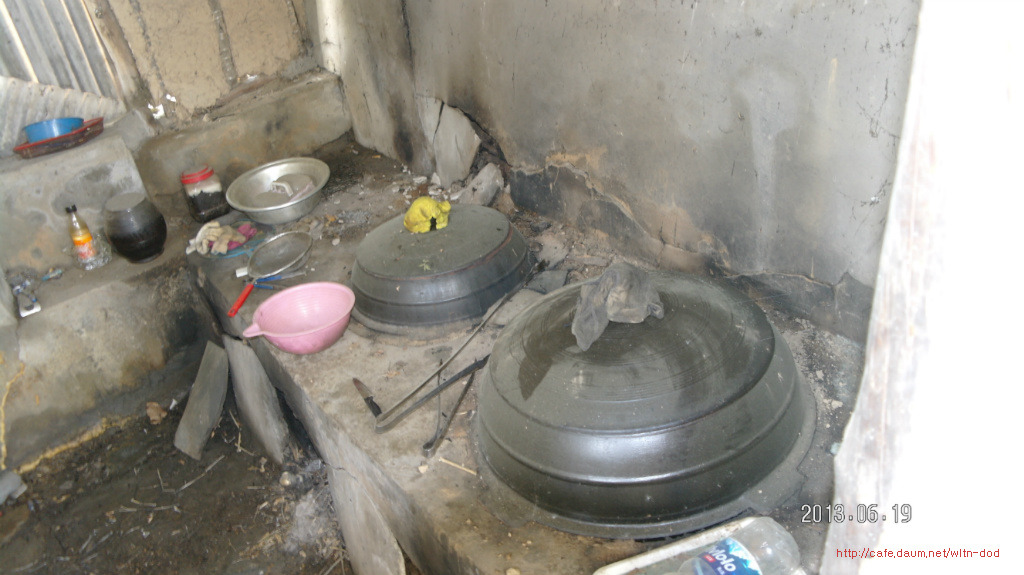
이곳은 과거 90년대 한국 농촌에서 흔히 보던 주방 모습입니다. 지금은 현대화로 인하여 찾아 볼수 없지만 그래도 폐가 중심으로 아직 남아 있는 곳이 있으리라 봅니다
यो १९९० को दशकमा कोरियाली ग्रामीण क्षेत्रहरूमा देखिने भान्साकोठा जस्तै हो। यद्यपि आधुनिकीकरणका कारण यो अहिले विरलै पाइन्छ, मलाई विश्वास छ कि अझै पनि ठाउँहरू बाँकी छन्, मुख्यतया परित्यक्त घरहरूमा।
This is a kitchen typical of those seen in Korean rural areas during the 1990s. Although it is now rarely found due to modernization, I believe there are still places remaining, mainly in abandoned houses.
또한 아래 검은 부분에서 나무로 불을 집혀 음식을 하고 이 열기로 방안을 데워서 추을때는 방안의 온기을 만들어지기도 합니다.
In addition, a fire is lit with wood in the black part below to cook food, and this heat is used to warm the room, creating warmth when it is cold.
यसको अतिरिक्त, खाना पकाउन तलको कालो भागमा दाउरा बालेर आगो बालिन्छ, र यो ताप कोठालाई न्यानो बनाउन प्रयोग गरिन्छ, चिसो हुँदा न्यानोपन सिर्जना गर्दछ।
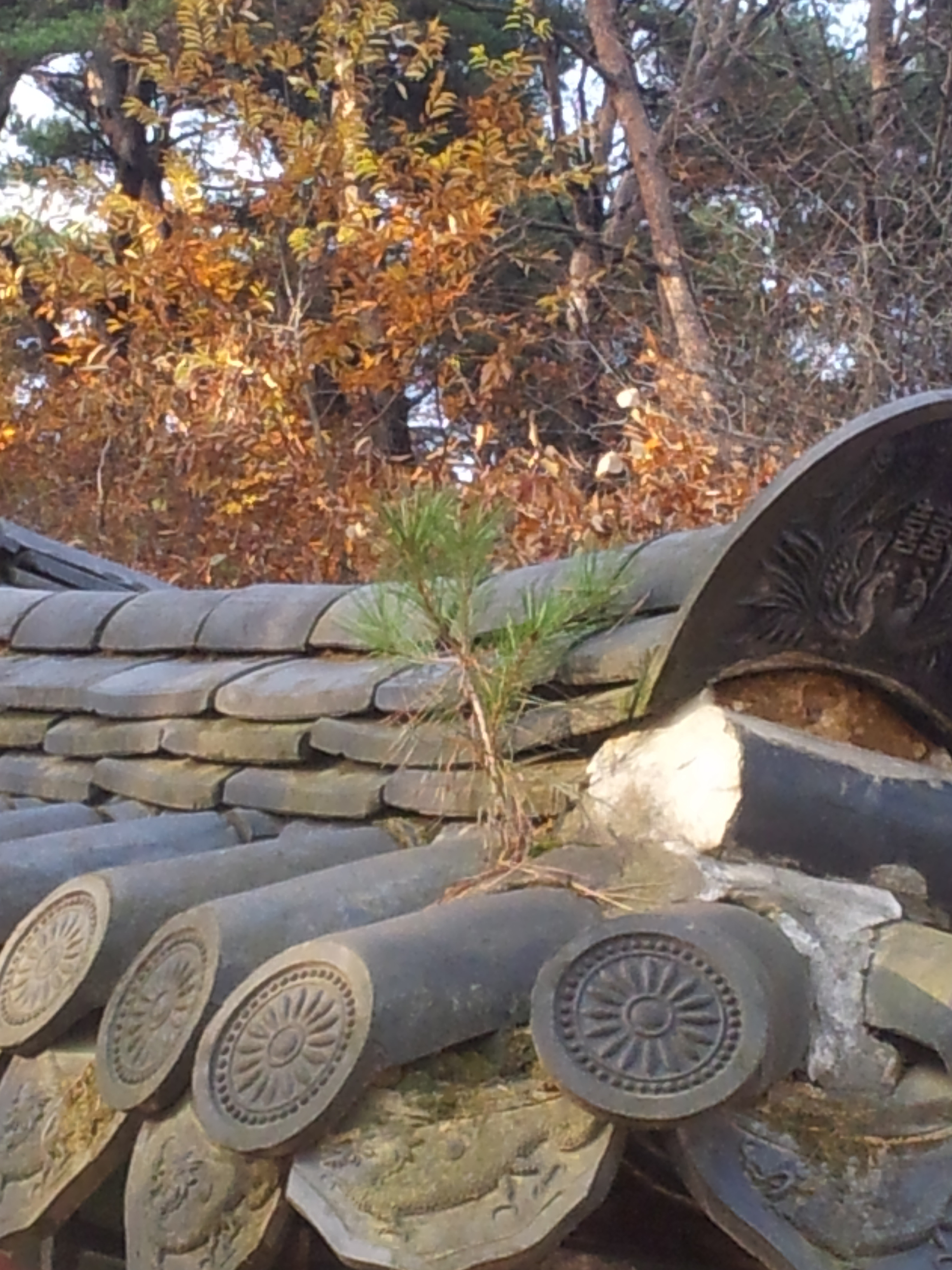
이것은 한국의 지붕입니다 .시골집 지붕에 소나무가 강인한 생명력을 자랑하고 있습니다
지금 보이는것은 기와라고 하는데 우리 선조들이 과거 잘사는 집에서 사용하던것으로 지금도 한국 전통을 위해 보관하고 있기도 합니다.
This is a Korean roof. Pine trees on the roof of a country house are proudly displaying their tenacious vitality.
What you see now is called a roof tile. It was used by our ancestors in the past in wealthy homes and is still preserved today for the sake of Korean tradition.
यो कोरियाली छाना हो। ग्रामीण घरको छानामा रहेका सल्लाका रूखहरूले गर्वका साथ आफ्नो दृढ जीवनशक्ति प्रदर्शन गरिरहेका छन्।
अहिले तपाईंले देख्नुभएको कुरालाई छानाको टाइल भनिन्छ। यो हाम्रा पुर्खाहरूले विगतमा धनी घरहरूमा प्रयोग गर्थे र आज पनि कोरियाली परम्पराको खातिर संरक्षित छ।
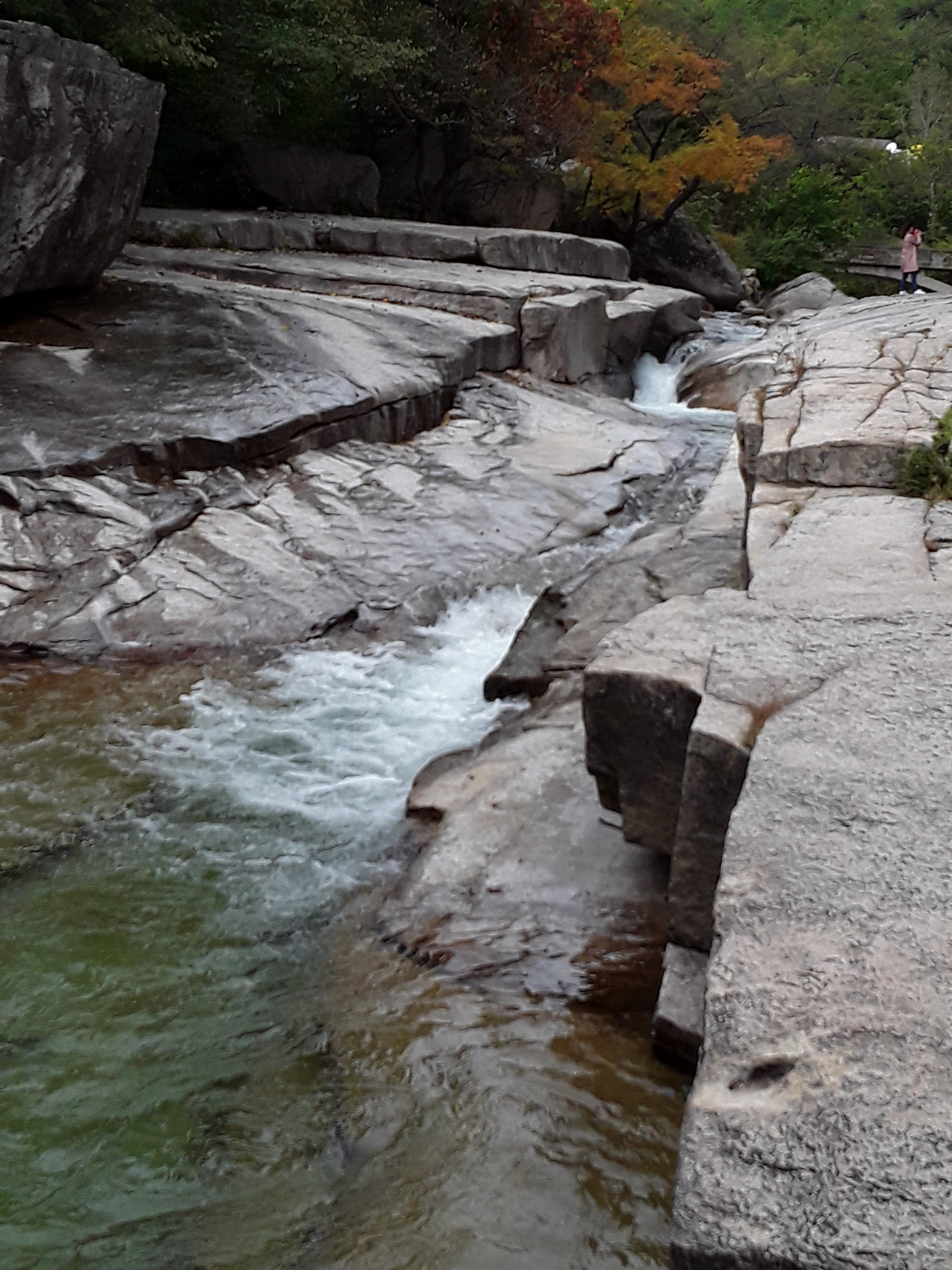
यो ठाउँ ग्योङबुक क्षेत्रमा अवस्थित छ र यसलाई चट्टानहरूमा पानी बग्ने उपत्यका भनिन्छ; यो त्यस्तो ठाउँ हो जहाँ धेरै कोरियालीहरू गर्मीमा आराम गर्न जान्छन्।
This place is located in the Gyeongbuk region and is called a valley where water flows along the rocks; it is a place where many Koreans go to relax in the summer.