Open AccessReview
Functional Role of Taurine in Aging and Cardiovascular Health: An Updated Overview
by
Gaetano Santulli
1,2,*

,
Urna Kansakar
1,
Fahimeh Varzideh
2,
Pasquale Mone
2,
Stanislovas S. Jankauskas
1 and
Angela Lombardi
1
1
Department of Medicine, Fleischer Institute for Diabetes and Metabolism (FIDAM), Einstein-Mount Sinai Diabetes Research Center (ES-DRC), Einstein Institute for Aging Research, Albert Einstein College of Medicine, New York, NY 10461, USA
2
Department of Molecular Pharmacology, Division of Cardiology, Wilf Family Cardiovascular Research Institute, Albert Einstein College of Medicine, New York, NY 10461, USA
*
Author to whom correspondence should be addressed.
Nutrients 2023, 15(19), 4236; https://doi.org/10.3390/nu15194236
Submission received: 31 August 2023 / Revised: 22 September 2023 / Accepted: 27 September 2023 / Published: 30 September 2023
(This article belongs to the Special Issue Dietary Supplements in Cardiovascular and Metabolic Diseases)
Downloadkeyboard_arrow_down
Abstract
Taurine, a naturally occurring sulfur-containing amino acid, has attracted significant attention in recent years due to its potential health benefits. Found in various foods and often used in energy drinks and supplements, taurine has been studied extensively to understand its impact on human physiology. Determining its exact functional roles represents a complex and multifaceted topic. We provide an overview of the scientific literature and present an analysis of the effects of taurine on various aspects of human health, focusing on aging and cardiovascular pathophysiology, but also including athletic performance, metabolic regulation, and neurological function. Additionally, our report summarizes the current recommendations for taurine intake and addresses potential safety concerns. Evidence from both human and animal studies indicates that taurine may have beneficial cardiovascular effects, including blood pressure regulation, improved cardiac fitness, and enhanced vascular health. Its mechanisms of action and antioxidant properties make it also an intriguing candidate for potential anti-aging strategies.
요약
타우린은 자연적으로 발생하는 황 함유 아미노산으로,
최근 몇 년 동안 건강에 유익한 잠재적 효과로 인해 상당한 관심을 끌고 있습니다.
다양한 음식에 함유되어 있고,
에너지 드링크와 보충제에 자주 사용되는 타우린은
인체 생리에 미치는 영향을 이해하기 위해 광범위하게 연구되어 왔습니다.
타우린의 정확한 기능적 역할을 파악하는 것은 복잡하고 다각적인 주제입니다.
노화와 심혈관 병태 생리학에 초점을 맞춘 인체 건강의 다양한 측면에 대한 타우린의 영향에 대한 과학 문헌의 개요와 분석을 제공합니다. 또한 운동 능력, 대사 조절, 신경 기능도 포함합니다. 또한, 이 보고서는 타우린 섭취에 대한 현재의 권고 사항을 요약하고 잠재적인 안전성 문제를 다룹니다.
인간과 동물 연구에서 얻은 증거에 따르면 타우린은
혈압 조절, 심장 건강 개선, 혈관 건강 증진 등
심혈관계에 유익한 영향을 미칠 수 있습니다.
또한,
타우린의 작용 메커니즘과 항산화 특성 덕분에
잠재적인 노화 방지 전략의 흥미로운 후보가 될 수 있습니다.
Keywords:
aging; 2-aminoethanesulfonic acid; cardiovascular risk; energy drinks; inflammation; metabolism; oxidative stress; supplements; tauric acid; taurine
1. Introduction
Taurine (2-aminoethanesulfonic acid, also known as tauric acid) is a non-protein amino acid found in various animal tissues, especially in the brain, heart, and skeletal muscles. It is also present in several foods, such as meat, fish, dairy products, and energy drinks.
The main aim of this review is to summarize the key functional roles played by taurine in aging and in cardiovascular pathophysiology, especially based on the most recent findings in these fields. Specifically, taurine has been linked to, antioxidant activity, anti-inflammatory effects, and blood pressure regulation, with major implications for human health.
2. Nomenclature, Chemistry, and Biochemistry
The name taurine derives from the Latin taurus (cognate to Ancient Greek ταῦρος, “taûros”) meaning bull or ox: indeed, taurine was first isolated from the bile of the ox, Bos taurus, in 1827 by the German scientists Leopold Gmelin and Friedrich Tiedemann [1]. Early studies focused on its presence in animal tissues, where it was found in high concentrations in the brain, heart, and skeletal muscles. Later on, in 1846, the English chemist Edmund Ronalds confirmed the presence of taurine in human bile [2]. Taurine is detected in high concentrations in oxidative tissues, characterized by a high number of mitochondria, and in lower concentrations in glycolytic tissues [3,4,5,6]. The taurine content in various human tissues is reported in Table 1; over the years, researchers have explored its role in various physiological processes, leading to an increased understanding of its significance in human health.
. 소개
타우린(2-아미노에탄설폰산, 타우린산이라고도 함)은 다양한 동물 조직, 특히 뇌, 심장, 골격근에서 발견되는 비단백질 아미노산입니다. 또한 육류, 생선, 유제품, 에너지 드링크와 같은 여러 식품에도 함유되어 있습니다.
이 리뷰의 주요 목적은 타우린이 노화와 심혈관 병리 생리학에서 수행하는 주요 기능적 역할을 요약하는 것입니다. 특히 이 분야의 최신 연구 결과를 기반으로 합니다. 구체적으로, 타우린은 항산화 작용, 항염증 효과, 혈압 조절과 관련이 있으며, 이는 인간의 건강에 중요한 영향을 미칩니다.
2. 명칭, 화학, 생화학
타우린이라는 이름은 황소 또는 소를 의미하는 라틴어 taurus(고대 그리스어 ταῦρος, “taûros”와 동족어)에서 유래되었습니다. 실제로 타우린은 1827년 독일 과학자 레오폴드 그멜린과 프리드리히 티에더만[1]에 의해 소의 담즙에서 처음 분리되었습니다. 초기 연구에서는 타우린이 동물 조직에 존재하는지에 초점을 맞추었는데, 뇌, 심장, 골격근에서 고농도로 발견되었습니다. 그 후 1846년에 영국의 화학자 에드먼드 로널즈(Edmund Ronalds)는 인간의 담즙에 타우린이 존재한다는 것을 확인했습니다 [2]. 타우린은 미토콘드리아 수가 많은 산화 조직에서 고농도로 검출되고, 해당 과정이 적은 조직에서는 저농도로 검출됩니다 [3,4,5,6]. 다양한 인체 조직의 타우린 함량은 표 1에 나와 있습니다. 수년에 걸쳐 연구자들은 다양한 생리학적 과정에서 타우린이 하는 역할을 연구해 왔으며, 그 결과 타우린이 인체 건강에 미치는 중요성에 대한 이해가 높아졌습니다.
Table 1. Taurine content in human tissues (data from Refs. [7,8,9,10,11]).

Chemically, taurine is classified as a beta-amino acid, and its molecular formula is C2H7NO3S (Molecular Weight, MW: 125.15). Structurally, it is characterized by an amino group (NH2) and a sulfonic acid group (SO3H) attached to the beta carbon (Figure 1); unlike other amino acids, taurine lacks a chiral center, meaning it is optically inactive; its relatively simple structure allows it to perform diverse functions within the body.
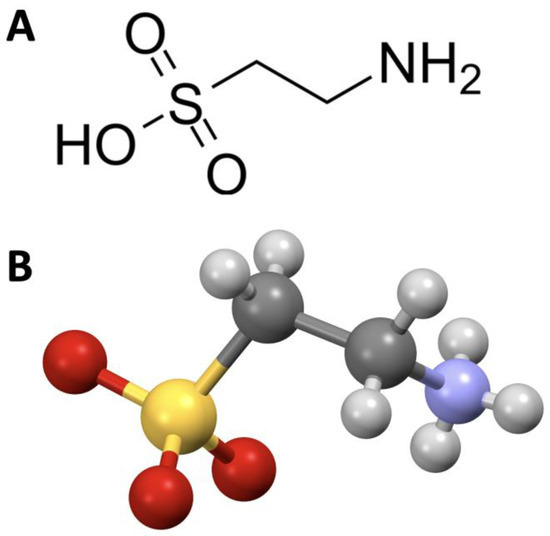
Figure 1. Chemical structure (A) and call-and-stick model (B) of taurine.
While the human body can synthesize taurine to some extent, dietary intake is essential to maintain optimal levels. Foods rich in taurine include meat, fish, poultry, and dairy products. Vegetarians and vegans may have a lower taurine intake due to their dietary restrictions [12], but the significance of this in terms of deficiency remains unclear.
Taurine is synthesized in humans in the liver mainly via the “cysteine sulfinic pathway” (Figure 2). Cysteine dioxygenase oxidizes cysteine to form cysteine sulfinic acid, which is then decarboxylated by cysteine sulfinic acid decarboxylase to obtain hypotaurine, which is then oxidized by hypotaurine dioxygenase to form taurine [13,14,15,16,17,18]. An alternative pathway is trans-sulfuration, in which homocysteine is converted into cystathionine, which is then transformed into hypotaurine by cystathionine gamma-lyase, cysteine dioxygenase, and cysteine sulfinic acid decarboxylase, and finally oxidized to form taurine [19,20,21].
타우린은 주로
“시스테인 설피닉 경로”를 통해 간에서 합성됩니다(그림 2).
cysteine sulfinic pathway
시스테인 디옥시게나제는 시스테인을 산화시켜 시스테인 설핀산을 형성하고, 이 시스테인 설핀산 디옥시게나제에 의해 탈카복실화되어 하이포타우린을 생성합니다. 하이포타우린은 하이포타우린 디옥시게나제에 의해 산화되어 타우린을 형성합니다 [13,14,15,16,17,18]. 또 다른 경로는 트랜스설파이드레이션(trans-sulfuration)으로, 호모시스테인이 시스타티오닌으로 전환된 다음, 시스타티오닌 감마-리아제, 시스테인 디옥시게나제, 시스테인 설핀산 데카르복실라제에 의해 하이포타우린으로 전환되고, 마지막으로 타우린으로 산화됩니다 [19,20,21].
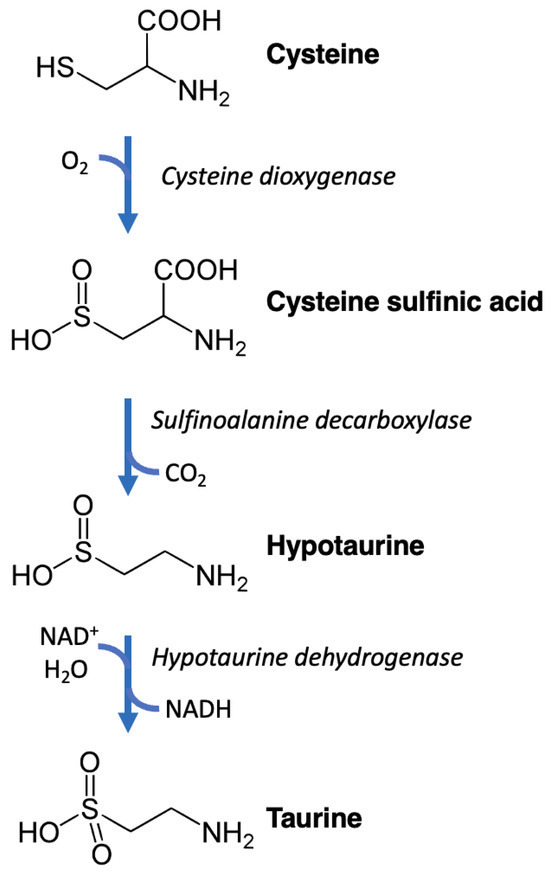
Figure 2. Representation of the chemical reactions of the cysteine sulfinic pathway leading to taurine synthesis.
Taurine has been extensively studied to determine its effects on human health. In terms of cellular function, taurine is primarily found in the intracellular fluid of many tissues, where it plays a vital role in a number of physiological processes [22,23,24,25,26,27,28]. It acts as an osmolyte, regulating cell volume and maintaining cell integrity [29,30]. In the liver, taurine is conjugated with bile acids, forming bile salts that aid in fat digestion and absorption in the intestines [31,32,33,34]. These processes are crucial for lipid metabolism and absorption of fat-soluble vitamins [35].
Taurine has also been shown to be involved in calcium (Ca2+) signaling, modulation of ion channels, and neurotransmission, affecting neural excitability and synaptic transmission. Intriguingly, this amino acid exhibits important antioxidant properties, protecting cells from oxidative and nitrosative stress by scavenging free radicals and reactive oxygen species (ROS) [36,37,38,39,40,41,42,43,44]. These antioxidant actions certainly contribute to its potential benefits in terms of neuroprotection and cardiovascular health [45]. In fact, taurine is highly concentrated in the brain and several studies indicate that taurine might act as a neurotransmitter or neuromodulator, influencing neurotransmitter release and receptor function, affecting cognitive processes, mood, behavior, memory, learning, and anxiety regulation [46,47,48,49,50,51].
Taurine has been thought to be essential for the development and survival of neural cells and to protect them under cell-damaging conditions, indeed in the brain stem taurine regulates vital functions, including cardiovascular control and arterial blood pressure. Its neuroprotective effects involve also reducing neuronal apoptosis and inflammation [46], making it a subject of interest in research on neurodegenerative diseases and brain injuries and offering benefits during stroke recovery [52,53,54,55,56]. Premature infants are vulnerable to taurine deficiency because they lack some of the enzymes needed to synthesize cysteine and taurine. However, human breast milk contains high levels of taurine which is sufficient for newborns; formula milk is often supplemented with taurine, although evidence is mixed as to whether this strategy is actually beneficial or not [57,58,59,60,61,62]. Nevertheless, further studies are needed to fully understand taurine’s neurological effects.
As we will discuss below in a dedicated paragraph, taurine has been associated with several benefits especially on the cardiovascular system, including blood pressure regulation, anti-inflammatory effects, and improvements in endothelial function; overall, these properties contribute to its potential in reducing the risk of cardiovascular diseases [63,64,65].
타우린은 인체 건강에 미치는 영향을 확인하기 위해 광범위하게 연구되었습니다. 세포 기능의 관점에서, 타우린은 많은 조직의 세포 내액에서 주로 발견되며, 여러 생리학적 과정에서 중요한 역할을 합니다 [22,23,24,25,26,27,28]. 그것은 세포 내부의 삼투질로서 작용하여 세포의 부피를 조절하고 세포의 완전성을 유지합니다 [29,30]. 간에서 타우린은 담즙산과 결합하여 담즙염을 형성하는데, 이 담즙염은 지방의 소화 및 장에서의 흡수를 돕습니다 [31,32,33,34]. 이러한 과정은 지질 대사와 지용성 비타민의 흡수에 매우 중요합니다 [35].
타우린은 또한 칼슘(Ca2+) 신호, 이온 채널 조절, 신경 전달에 관여하여 신경 흥분성과 시냅스 전달에 영향을 미치는 것으로 나타났습니다. 흥미롭게도, 이 아미노산은 중요한 항산화 특성을 나타내며, 자유 라디칼과 활성 산소(ROS)를 제거하여 산화 및 질소화 스트레스로부터 세포를 보호합니다 [36,37,38,39,40,41,42,43,44]. 이러한 항산화 작용은 확실히 신경 보호와 심혈관 건강에 잠재적인 이점을 가져다 줍니다 [45]. 실제로 타우린은 뇌에 고농도로 존재하며, 여러 연구에 따르면 타우린이 신경 전달 물질 또는 신경 조절 물질로 작용하여 신경 전달 물질 방출과 수용체 기능에 영향을 미치고, 인지 과정, 기분, 행동, 기억, 학습, 불안 조절에 영향을 미칠 수 있다고 합니다 [46,47,48,49,50,51].
타우린은 신경 세포의 발달과 생존에 필수적이며, 세포를 손상시키는 조건 하에서 이를 보호하는 것으로 여겨져 왔습니다. 실제로 뇌간에서 타우린은 심혈관 조절과 동맥 혈압을 포함한 중요한 기능을 조절합니다. 신경 보호 효과는 또한 신경 세포의 세포 사멸과 염증을 감소시키는 것과 관련이 있으며[46], 이로 인해 신경 퇴행성 질환과 뇌 손상 연구에서 관심의 대상이 되고 있으며, 뇌졸중 회복에 도움이 되는 것으로 알려져 있습니다[52,53,54,55,56]. 미숙아는 시스테인과 타우린을 합성하는 데 필요한 효소가 부족하기 때문에 타우린 결핍에 취약합니다. 그러나 사람의 모유에는 신생아에게 충분한 양의 타우린이 함유되어 있습니다. 분유에는 종종 타우린이 보충되지만, 이러한 전략이 실제로 유익한지에 대한 증거는 엇갈립니다 [57,58,59,60,61,62]. 그럼에도 불구하고 타우린의 신경학적 효과를 완전히 이해하기 위해서는 추가 연구가 필요합니다.
아래의 관련 단락에서 논의하겠지만, 타우린은 특히 혈압 조절, 항염증 효과, 내피 기능 개선 등 심혈관계에 여러 가지 이점을 가져다 주는 것으로 알려져 있습니다. 전반적으로 이러한 특성은 심혈관 질환의 위험을 줄이는 데 잠재적으로 기여합니다 [63,64,65].
3. Taurine and Cardiovascular Health
Taurine plays a crucial role in cardiovascular physiology. Numerous studies have investigated the potential cardioprotective effects of taurine, focusing on its impact on blood pressure, cardiac contractility, and vascular function. It may help reduce blood pressure in individuals with hypertension and improve endothelial function, leading to enhanced vascular health. Its antioxidant properties may also reduce the risk of cardiovascular diseases such as atherosclerosis and heart failure [66,67].
As we will see in detail in the paragraphs below, the main cardiovascular effects of taurine are attributed to a number of underlying mechanisms. For instance, its modulation of ion channels, including Ca2+ and potassium (K+) channels, influences cardiac electrical activity and vascular tone. Its role in Ca2+ homeostasis also impacts myocardial contractility and relaxation. Additionally, the antioxidant properties of taurine, for which the exact underlying mechanisms remain unclear, might help protect against oxidative stress, a factor involved in the pathophysiology of cardiovascular disease. Interestingly, two taurine-containing modified uridines, 5-taurinomethyluridine (τm5u) and 5-taurinomethyl-2-thiouridine (τm5s2u) have been identified in mitochondrial tRNA: these conjugates could be associated with the actions of taurine as an antioxidant [68,69,70,71]. Another proposed mechanism is the stabilization of intracellular levels of antioxidant enzymes like superoxide dismutase (SOD) and glutathione [72,73].
Taurine has been also implicated in metabolic regulation, particularly in relation to glucose and lipid metabolism [74,75]. Various studies indicate that taurine might help improve insulin sensitivity, making it beneficial for individuals with type 2 diabetes (T2D) or those at risk of developing the condition [76,77,78,79]. A recent preclinical study has shown that taurine can rescue pancreatic β-cell stress by stimulating α-cell trans-differentiation [80]. Additionally, taurine may aid in reducing triglyceride levels and improving lipid profiles [81,82,83,84,85], potentially lowering the risk of cardiovascular diseases and metabolic syndrome.
Preclinical investigations have provided valuable insights into the cardiovascular effects of taurine. In models of hypertension, heart failure, and atherosclerosis, taurine supplementation has consistently been shown to improve cardiac function, reduce blood pressure, and enhance vascular health. At the same time, human studies investigating taurine’s cardiovascular effects have also yielded promising results. Clinical trials have demonstrated its potential to reduce blood pressure, improve left ventricular function, and enhance exercise capacity in individuals with heart failure.
3. 타우린과 심혈관 건강
타우린은 심혈관 생리학에서 중요한 역할을 합니다. 수많은 연구가 타우린이 혈압, 심장 수축력, 혈관 기능에 미치는 영향에 초점을 맞추어, 잠재적인 심장 보호 효과를 조사했습니다. 고혈압 환자의 혈압을 낮추고 내피 기능을 개선하여 혈관 건강을 향상시키는 데 도움이 될 수 있습니다. 또한, 항산화 특성으로 인해 죽상경화증과 심부전과 같은 심혈관 질환의 위험을 줄일 수 있습니다 [66,67].
아래 단락에서 자세히 살펴보겠지만, 타우린의 주요 심혈관 효과는 여러 가지 근본적인 메커니즘에 기인합니다. 예를 들어, 이온 채널의 조절 작용(Ca2+ 및 칼륨(K+) 채널 포함)은 심장 전기 활동과 혈관 긴장도에 영향을 미칩니다. Ca2+ 항상성에서의 역할은 또한 심근 수축과 이완에 영향을 미칩니다. 또한, 타우린의 항산화 특성은 정확한 기전은 아직 명확하지 않지만, 심혈관 질환의 병태 생리학에 관여하는 요인인 산화 스트레스로부터 보호하는 데 도움이 될 수 있습니다. 흥미롭게도, 미토콘드리아 tRNA에서 타우린이 함유된 변형된 두 개의 우라딘, 5-타우린메틸우라딘(τm5u)과 5-타우린메틸-2-티오우라딘(τm5s2u)이 확인되었습니다. 이러한 복합체는 항산화제로서의 타우린의 작용과 관련이 있을 수 있습니다 [68,69,70,71]. 또 다른 제안된 메커니즘은 슈퍼옥사이드 디스뮤타제(SOD)와 글루타티온과 같은 항산화 효소의 세포 내 수준을 안정화하는 것입니다 [72,73].
타우린은 특히 포도당과 지질 대사와 관련된 대사 조절에도 관여하는 것으로 알려져 있습니다 [74,75]. 여러 연구에 따르면 타우린은 인슐린 감수성을 개선하는 데 도움이 될 수 있어 제2형 당뇨병(T2D) 환자나 당뇨병 발병 위험이 있는 사람들에게 유익할 수 있다고 합니다 [76,77,78,79]. 최근의 전임상 연구에 따르면 타우린은 α세포의 전분화(trans-differentiation)를 자극함으로써 췌장 β세포의 스트레스를 완화할 수 있는 것으로 나타났습니다 [80]. 또한, 타우린은 중성지방 수치를 낮추고 지질 프로파일을 개선하는 데 도움이 될 수 있습니다 [81,82,83,84,85], 잠재적으로 심혈관 질환과 대사증후군의 위험을 낮출 수 있습니다.
전임상 연구에 따르면 타우린의 심혈관 효과에 대한 귀중한 통찰력을 얻을 수 있습니다. 고혈압, 심부전, 동맥경화증 모델에서 타우린 보충제는 심장 기능을 개선하고, 혈압을 낮추며, 혈관 건강을 증진하는 것으로 꾸준히 밝혀졌습니다. 동시에, 타우린이 심혈관계에 미치는 영향을 조사하는 인간 대상 연구에서도 유망한 결과가 나왔습니다. 임상 실험을 통해 타우린이 혈압을 낮추고, 좌심실 기능을 개선하며, 심부전 환자의 운동 능력을 향상시킬 수 있는 잠재력이 있음을 입증했습니다.
3.1. Taurine and Cardiac Function
Taurine accounts for ~50% of the total free amino acids in the heart; it has been shown to enhance cardiac contractility and improve heart function in both human and animal models. Animal studies have revealed that taurine deficiency induces atrophic cardiac remodeling [86], whilst taurine supplementation can increase myocardial contractility, stroke volume, and cardiac output [87,88,89,90,91,92,93]. In humans, taurine has been associated with improvements in the left ventricular function and exercise tolerance [94,95,96,97,98]. Notably, in 1985 taurine was approved as treatment for patients with heart failure in Japan [96].
The beneficial effects of taurine on Ca2+ and sodium (Na+) handling [89,90,99,100,101,102,103], myocardial energetics [104,105], and cellular signaling pathways (including glucose transport, 3-phosphoinositide-dependent protein kinase-1, AKT, sirtuin 1 (SIRT1), FOXO3, p38, NFkappaB, and others) [106,107,108,109,110,111,112,113,114,115,116,117,118,119,120,121] are thought to underlie its major cardioprotective effects. Other mechanisms include the promotion of natriuresis and diuresis, most likely via an osmoregulatory activity in the kidney, a regulation of vasopressin release, and a modulation of the atrial natriuretic factor secretion [122,123,124,125]. In addition, taurine has been shown to attenuate the actions of angiotensin II on its downstream signaling pathways, on Ca2+ transport, and on protein synthesis [113].
3.1. 타우린과 심장 기능
타우린은
심장의 총 유리 아미노산 중 ~50%를 차지하며,
인간과 동물 모델 모두에서 심장 수축력을 향상시키고
심장 기능을 개선하는 것으로 나타났습니다.
동물 연구에 따르면
타우린 결핍은 위축성 심장 리모델링을 유발하는 반면[86],
타우린 보충제는 심근 수축력, 뇌졸중 체적, 심장 출력을 증가시킬 수 있습니다[87,88,89,90,91,92,93].
인간에게 타우린은
좌심실 기능과 운동 내성 개선과 관련이 있는 것으로 밝혀졌습니다 [94,95,96,97,98].
특히,
1985년 일본에서 타우린이
심부전 환자의 치료제로 승인되었습니다 [96].
타우린이
Ca2+와 나트륨(Na+) 처리 [89,90,99,100,101,102,103],
세포 신호 전달 경로(포도당 수송, 3-포스포이노시타이드 의존성 단백질 키나아제-1, AKT, 시르투인 1(SIRT1), FOXO3, p38, NFkappaB, and others) [106,107,108,109,110,111,112,113,114,115,116,117,118,119,120,121] are thought to underlie its major cardioprotective effects.
그 밖의 메커니즘으로는
신장에서의 삼투조절 작용을 통한 나트륨 배설 촉진,
바소프레신 방출 조절,
심방 나트륨 이뇨 인자 분비 조절 등이 있습니다 [122,123,124,125].
또한
타우린은 안지오텐신 II가 하류 신호 전달 경로, C
a2+ 수송, 단백질 합성에 미치는 영향을 약화시키는 것으로 나타났습니다 [113].
3.2. Taurine and Vascular Function
The endothelium, a single layer of cells lining the blood vessels, plays a crucial role in vascular health. Taurine has been shown to improve the endothelial function by promoting nitric oxide (NO) production and reducing endothelial dysfunction [126]. Enhanced endothelial function contributes to better vascular relaxation, reduced inflammation, and improved blood flow, which may benefit cardiovascular health and reduce the risk of atherosclerosis and cardiovascular events [127,128,129,130].
The ability of taurine to regulate ion channels [131,132], modulate Ca2+ homeostasis [133,134,135], and enhance endothelial function [136,137,138,139,140] may contribute to its antihypertensive properties. Additionally, its antioxidant activity [54,126,141,142,143] may help protect blood vessels from oxidative stress, further contributing to its beneficial effects on blood pressure regulation.
Both human and animal studies have demonstrated that taurine supplementation can lead to a modest reduction in blood pressure [144,145,146,147]. Despite the fact that the effects of taurine on a healthy endothelium remain controversial, with some investigators showing an enhancement of the endothelium-dependent relaxation in response to acetylcholine [148] and other reports not confirming these findings [145,149], its beneficial action on a dysfunctional endothelium is more consistent [130,140,144]. A synergistic action in terms of cell survival has been experimentally shown [150] when combining taurine with another well-established enhancer of vascular function, i.e., L-arginine [129,151,152,153].
Strikingly, in a recent clinical trial, 120 patients with T2D were randomly allocated to take either 1 g of taurine or placebo three times per day for an 8-week period; taurine-supplemented patients displayed a significant decrease in serum insulin and HOMA-IR (Homeostatic Model Assessment for Insulin Resistance) compared to the placebo group accompanied by a significant decline in several markers of inflammation, oxidative stress, and endothelial dysfunction [154]. A meta-analysis published in 2018 concluded that the ingestion of taurine can reduce blood pressure to a clinically relevant magnitude, without any major adverse side effects [155]. However, future studies are warranted to establish the exact effects of oral taurine supplementation on targeted pathologies and the optimal supplementation doses and periods.
3.2. 타우린과 혈관 기능
혈관 내피는 혈관을 감싸고 있는 세포의 단일층으로, 혈관 건강에 중요한 역할을 합니다.
타우린은
산화질소(NO) 생성을 촉진하고
내피 기능 장애를 감소시킴으로써 내피 기능을 개선하는 것으로 나타났습니다 [126].
내피 기능이 향상되면 혈관 이완이 개선되고,
염증이 감소하며, 혈류가 개선되어 심혈관 건강에 도움이 되고,
죽상경화증과 심혈관 질환의 위험을 줄일 수 있습니다 [127,128,129,130].
The ability of taurine to regulate ion channels [131,132], modulate Ca2+ homeostasis [133,134,135], and enhance endothelial function [136,137,138,139,140] may contribute to its antihypertensive properties. 또한, 항산화 작용[54,126,141,142,143]은 혈관을 산화 스트레스로부터 보호하는 데 도움이 될 수 있으며, 혈압 조절에 유익한 효과를 더해줍니다.
인간과 동물에 대한 연구 결과,
타우린 보충제가 혈압을 약간 낮출 수 있다는 사실이 입증되었습니다[144,145,146,147].
타우린이 건강한 내피에 미치는 영향에 대해서는 논란이 계속되고 있지만,
일부 연구자들은 아세틸콜린에 대한 내피 의존성 이완의 향상을 보여주고 있으며[148],
다른 연구들은 이러한 결과를 확인하지 못하고 있습니다[145,149].
그러나
기능 장애가 있는 내피에 대한 타우린의 유익한 작용은
타우린과 혈관 기능 강화제로 잘 알려진 또 다른 물질인 L-아르기닌을 함께 사용했을 때,
세포 생존에 대한 시너지 효과가 실험적으로 입증되었습니다[150].
놀랍게도,
최근 임상 시험에서 120명의 T2D 환자를 무작위로
8주 동안 하루에 세 번 타우린 1g 또는 위약을 복용하도록 배정했습니다.
타우린을 보충한 환자는 위약 그룹에 비해 혈청 인슐린과 HOMA-IR(인슐린 저항성에 대한 항상성 모델 평가)이 현저하게 감소했으며, 염증, 산화 스트레스, 그리고 내피 기능 장애 [154]. 2018년에 발표된 메타 분석에 따르면 타우린 섭취는 주요 부작용 없이 임상적으로 유의미한 수준으로 혈압을 낮출 수 있다고 결론지었습니다 [155]. 그러나, 타겟 병리에 대한 경구 타우린 보충제의 정확한 효과와 최적의 보충 용량 및 기간을 확인하기 위해서는 향후 연구가 필요합니다.
3.3. Taurine and Athletic Performance
The presence of taurine in many energy drinks and sports supplements (~750–1000 mg in a can of 240 mL) is most likely due to its purported role in enhancing athletic performance. However, these energy drinks also contain caffeine, which has been previously linked to perceived energy boosts [156,157].
Some studies suggest that taurine may improve exercise capacity, reduce muscle damage, and alleviate exercise-induced oxidative stress. Its potential to increase muscle contractility and decrease fatigue has garnered interest among athletes. Nevertheless, conflicting findings warrant caution in interpreting these claims and several concerns on the use and abuse of energy drinks have been raised [158,159,160,161,162,163].
4. Taurine and Aging
4.1. Taurine and Longevity
Levels of taurine have been shown to decline as we age, and offsetting this loss with a taurine supplement might delay the development of age-related health problems [164,165,166,167]. Indeed, as shown in a Science paper recently published, when mice received taurine supplements, their lifespans increased by approximately 10% compared to the control group [168]. Mice in the taurine group also seemed healthier, with improvements in muscle endurance and strength. Researchers fed mice between 15 and 30 mg of taurine per day depending on their age. These doses would be equivalent to 3 to 6 g of taurine for an 80-kg body weight, which is within the safe limits according to European Food Safety Authority recommendations [169,170].
Taurine was also shown to shape the gut microbiota of mice and positively affect the restoration of intestinal homeostasis [171], suggesting that it could be harnessed to re-establish a normal microenvironment and to treat or prevent gut dysbiosis.
Beneficial effects on some hallmarks of aging were observed in Caenorhabditis elegans worms and middle-aged rhesus monkeys (Macaca mulatta) [172]. The taurine-fed worms lived longer and were healthier than the controls. The monkeys had lower body weights, reduced signs of liver damage, and denser bones [168].
Consistent with these data, a previous study conducted using data from the Korea National Health and Nutrition Examination Survey (KNHANES) had shown that taurine supplementation can decrease the cardiometabolic risk in male elderly subjects aged 75 and older [173]. Similarly, a double-blind study conducted in 24 women randomly assigned to receive taurine (1.5 g) or placebo (1.5 g of starch) for 16 weeks revealed that taurine supplementation prevented the decrease in SOD plasma levels [141], suggesting taurine as a potential strategy to control oxidative stress during the aging process.
4.2. Taurine and Cell Senescence
Cell senescence represents one of the fundamental mechanisms of aging [174,175]. Senescent cells are characterized by the cell cycle arrest, decreased susceptibility to apoptosis, and release of a particular set of cytokines, known as senescence-associated secretory phenotype (SASP) [176,177,178]. Despite preventing malignant transformation, accumulation of senescent cells negatively affects tissue functionality [179,180].
Multiple evidence demonstrates that the age-dependent decrease in the taurine content is associated with cell senescence. For instance, metabolomic analyses of human umbilical vein endothelial cells (HUVECs) at different passages have revealed a correlation between lower levels of taurine and HUVECs senescence [181].
In vitro, taurine mitigated replicative aging of bone marrow-derived multipotent stromal cells and restored their osteogenic differentiation potential at late passages [182]. Deletion of Slc6a6 (sodium- and chloride-dependent taurine transporter) resulted in a drastic shortening of the lifespan of mice [168,183]; specifically, Slc6a6 knockout mice exhibited a high expression of senescence markers p16 and p21, mirrored by a high expression of senescence-associated beta-galactosidase (SA-β-Gal) activity in the bones and liver. Treatment of Slc6a6 knockout mice with senolytics increased their lifespan, suggesting a causative link between cell senescence and taurine deficiency [168]. In line with these results, taurine supplementation for 10 months in aged wild type mice led to a reduction of senescent cells by a factor of two in the brain, gut and muscle, and almost by a factor of three in the liver and fat [168]. Some investigators indicate that taurine deficiency may induce cell senescence via activation of SMAD3 and β-catenin [184].
4.3. Taurine and Unfolded Protein Response
Loss of proteostasis is one of the hallmarks of aging. The burden of misfolded proteins increases with age due to the accumulation of somatic mutations, dysregulation of splicing, loss of chaperone activity, and malfunctioning autophagy [174,185]. Accumulation of misfolded proteins in the endoplasmic reticulum (ER) triggers an unfolded protein response (UPR) and ER stress, eventually resulting in cell death [186].
Knockout of Slc6a6 triggers UPR in the murine skeletal muscle, as demonstrated by unbiased RNA sequencing and by the direct measurement of ER stress-associated proteins content [183]. In drosophila, taurine’s beneficial effects on lifespan were totally abrogated by the silencing of Erol1 or Xbp1 genes; the products of these genes play crucial role in resolving ER stress [187]. Taurine cotreatment also prevented detrimental consequences of UPR during glucose deprivation or cisplatin toxicity [188,189].
4.4. Taurine and Telomere Attrition
Telomere attrition limits cell ability to proliferate endlessly [190,191,192]. The enzyme telomerase reverse transcriptase (TERT) prevents critical shortening of telomere length [174]. In vitro studies have shown that taurine can increase the TERT expression in dental-pulp-derived stem cells, thus maintaining their chondrogenic differentiation potential [193]. In line with this observation, a correlation was reported between the liver telomere length and the plasma levels of taurine in mice [194]. Taurine was also shown to mitigate detrimental consequences of telomere attrition; for instance, taurine supplementation prevented premature death of D. rerio with Tert deficiency [168].
4.5. Taurine and Sirtuins
Sirtuins are a family of proteins that possess either mono-ADP-ribosyltransferase or deacetylase activity [195,196]. Sirtuins regulate many signaling pathways, mostly connecting them with a metabolic state of the organism [197,198]. Their expression is decreased with age and their activation or overexpression is associated with increased longevity [199,200].
Taurine was shown to activate cytoplasmic SIRT1 in the liver, heart, and brain [121,201,202,203,204]. In these tissues, taurine-mediated upregulation of SIRT1 activity was associated with the prevention of organ dysfunction. For instance, in the heart, taurine promoted p53 inhibition via its deacetylation by SIRT1, resulting in a diminished apoptosis rate; of note, the protective effects of taurine were lost after cotreatment with a specific SIRT1 inhibitor [202].
Molecular docking modeling suggests that taurine activates SIRT1 via direct interaction with the protein; interestingly, taurine was predicted to bind another region of SIRT1 compared to the SIRT1 potent agonist resveratrol. Although the latter binds to the 289–304 amino acid sequence, taurine requires a pocket formed by amino acid 441–445 [121].
4.6. Taurine and Stem Cells
Depletion of stem cell pools is notably associated with aging and age-related disorders, leading to a gradual decline in organ functions and their healing capacities after damage [174,205,206,207]. Mounting data show that taurine increases the survival of stem cells, increases their regenerative capacity, and maintains stemness [208]. Notably, knocking out Slc6a6 abrogates the development of embryonic stem cells, again pointing to the crucial role of taurine [209]. Several studies demonstrate the beneficial effects of taurine treatment on neural stem cells and stem cells involved in bone and cartilage development [193,210,211,212,213,214]; moreover, it has also been suggested that taurine may promote development of skeletal muscles [215].
5. Recommended Intake and Safety Concerns
Currently, there are no established dietary reference intakes (DRIs) for taurine [216]. However, it is generally believed that the typical Western diet provides sufficient taurine for most people [217,218]. Specific populations, such as vegetarians or vegans, may have a lower taurine intake, but evidence of deficiency remains limited [219,220].
The normal dietary levels of taurine can vary depending on an individual’s diet and specific food choices. Taurine is a naturally occurring amino acid found in various foods [219,221,222,223,224], including seaweed, fish, meat, and some dairy products (Table 2); the average daily intake of taurine from the typical diet is estimated to be around 40 to 400 milligrams (mg) per day in adults.
Table 2. Taurine content in foods.

Foods that contain the highest levels of taurine come from the sea and include seaweed and shellfish; for instance, taurine represents ~80% of the total amino acid content of pacific oyster (Crassostrea gigas) [225].
Regarding standard supplemental doses, taurine supplements are available in various forms, including capsules, tablets, and energy drinks. The recommended dosage of taurine as a dietary supplement might vary based on the specific product and its intended use. In general, most taurine supplements are available in doses ranging from 500 mg to 2000 mg per serving. It is important to note that individual responses to dietary supplements can differ, and the appropriate dose for a person may depend on various factors, including age, weight, overall health status, and underlying medical conditions. For this reason, it is advisable to follow the recommended dosage provided on the supplement’s packaging or as advised by a healthcare professional.
Overall, taurine is considered generally safe for most individuals when consumed in moderate amounts, as found in the average diet. However, as with any dietary supplement, moderation is key, and excessive consumption of taurine supplements beyond recommended doses may lead to potential side effects, including gastrointestinal disturbances (such as nausea, vomiting, and diarrhea) and neurological symptoms (dizziness, tremors, and headache) [226,227,228]. Moreover, caution should be used because of the potential interactions between taurine supplements and certain medications, particularly those having analogous effects (e.g., lowering blood pressure), targeting similar signaling pathways (e.g., Ca2+, angiotensin), and used to modulate heart or central nervous system functions. medications or [49,50,229]. Pregnant and lactating women, as well as individuals with specific health conditions, such as bipolar disorder, epilepsy, or kidney problems, should exercise caution and consult healthcare professionals before taking taurine supplements.
A risk assessment study conducted by Shao and colleagues, based on toxicological evidence from several clinical trials testing taurine supplementation, established the upper level of taurine supplementation at 3 g per day [230]. The only adverse effects noted in this study after consuming a 3 g dose of taurine were gastrointestinal disorders. Notably, the minimum dose used in these trials was 3 g/day, much greater than the usual intake of taurine from a normal diet (<0.4 g/day).
6. Conclusions
Taurine has a diverse array of functions in human health. From its origins in animal tissues to its roles in aging, cardiovascular health, neuroprotection, and cellular function, taurine continues to capture the attention of researchers and health professionals alike. Recent findings specifically suggest that taurine is a promising cardioprotective agent, offering potential benefits for cardiovascular health in both human and animal studies. However, its role in reducing cardiovascular risk warrants further investigation, including large-scale clinical trials, making it an intriguing subject for ongoing research and potential therapeutic applications. Further research is also needed to fully elucidate its mechanisms of action and confirm its efficacy in different settings including longevity. An adequate dietary intake of taurine through a balanced diet is recommended, and caution should be exercised when considering taurine supplementation, especially at high doses.
Author Contributions
Conceptualization, G.S.; methodology, U.K. and P.M.; writing—original draft preparation, U.K., F.V., P.M. and S.S.J.; writing—review and editing, A.L. and G.S.; supervision, G.S.; funding acquisition, U.K., F.V., S.S.J. and G.S. All authors have read and agreed to the published version of the manuscript.
Funding
The Santulli’s Lab is currently supported in part by the National Institutes of Health (NIH): National Heart, Lung, and Blood Institute (NHLBI: R01-HL164772, R01-HL159062, R01-HL146691, T32-HL144456), National Institute of Diabetes and Digestive and Kidney Diseases (NIDDK: R01-DK123259, R01-DK033823), National Center for Advancing Translational Sciences (NCATS: UL1-TR002556-06, UM1-TR004400) to G.S., by the Diabetes Action Research and Education Foundation (to G.S.), and by the Monique Weill-Caulier and Irma T. Hirschl Trusts (to G.S.). U.K. is supported in part by a postdoctoral fellowship of the American Heart Association (AHA-23POST1026190). F.V. is supported in part by a postdoctoral fellowship of the American Heart Association (AHA-22POST915561). S.S.J. is supported in part by a postdoctoral fellowship of the American Heart Association (AHA-21POST836407).
Institutional Review Board Statement
Not applicable.
Informed Consent Statement
Not applicable.
Data Availability Statement
Not applicable.
Acknowledgments
We thank Xujun Wang, for his helpful discussion.
Conflicts of Interest
The authors declare that they have no conflict of interest.
Correction Statement
This article has been republished with a minor correction regarding the chemical description of taurine. This change does not affect the scientific content of the article.
References