무릎 주변 근육 정리
1. 무릎의 구조
https://www.youtube.com/watch?v=_q-Jxj5sT0g&feature=player_embedded
2. 무릎의 운동
굴곡 : 135-150도
신전 : 0-20도
외회전 : 20도
내회전 : 10도
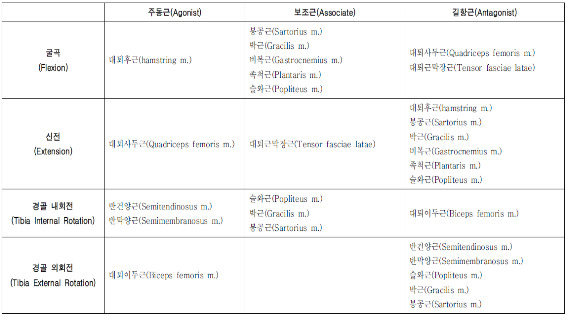
3. 무릎의 주요 근육
1) 대퇴사두근(Quadriceps femoris )
|
Quadriceps femoris muscle | |
|
Quadriceps femoris, with different muscles in different colors.rectus femoris - bluevastus lateralis - yellowvastus intermedius - greenvastus medialis - red | |
|
Origin |
combined rectus femoris and vastus muscles |
|
Insertion |
tibial tuberosity |
|
Artery |
femoral artery |
|
Nerve |
Femoral nerve |
|
Actions |
Knee extension; Hip flexion (R.Fem. only) |

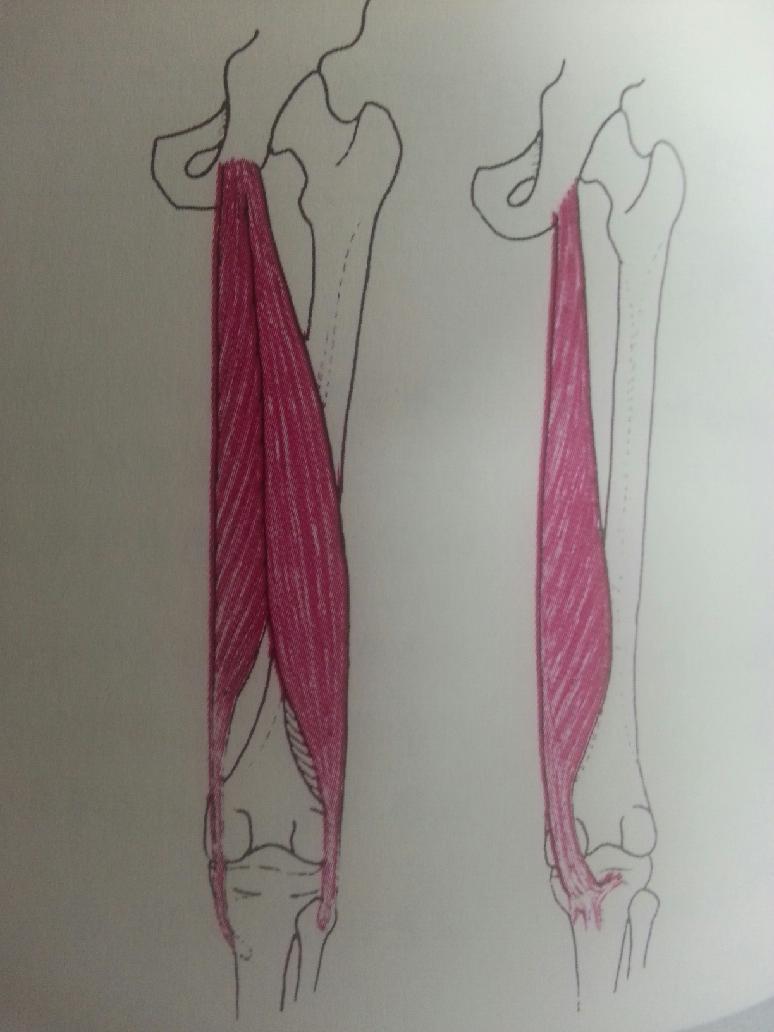
2) 햄스트링(hamstring muscle)
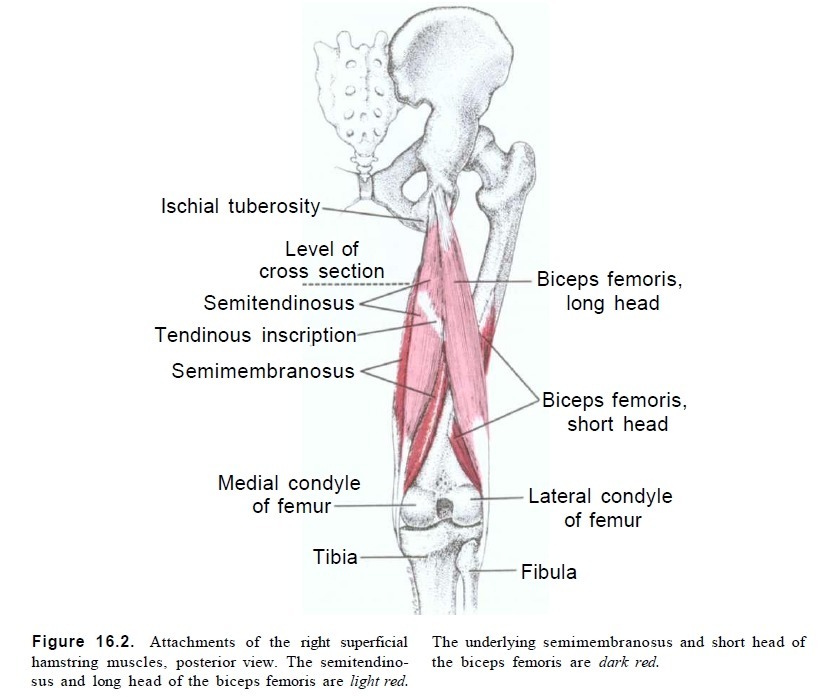
|
Origin |
tuberosity of the ischium, linea aspera |
|
Insertion |
tibia, fibula |
|
Artery |
inferior gluteal artery, profunda femoris artery |
|
Nerve |
sciatic nerve (tibial nerve and common fibular nerve)[1][2] |
|
Actions |
flexion of knee, extension of hip |
|
Antagonist |
Rectus femoris muscle |
|
Muscle |
Origin |
Insertion |
Nerve |
|
semitendinosus |
ischial tuberosity |
medial surface of tibia |
tibial |
|
semimembranosus |
ischial tuberosity |
medial tibial condyle |
tibial |
|
biceps femoris - long head |
ischial tuberosity |
lateral side of the head of the fibula |
tibial |
|
biceps femoris - short head |
linea aspera and lateral supracondylar line of femur |
lateral side of the head of the fibula (common tendon with the long head) |
common peroneal |
3) 대퇴근막장근, 장경인대 (tensor fascia lata and ilotibial band)

Origin Iliac crest Insertion Iliotibial tract Artery Primarily lateral circumflex femoral artery, superior gluteal artery Nerve Superior gluteal nerve (L4, L5, S1) Actions Thigh - flexion, medial rotation, abduction. Trunk stabilization.
The iliotibial tract or iliotibial band (also known as Maissiat's band or IT Band) is a longitudinal fibrous reinforcement of the fascia lata. The action of the ITB and its associated muscles is to extend, abduct, and laterally rotate the hip. In addition, the ITB contributes to lateral knee stabilization. During knee extension the ITB moves anterior, while knee flexion moves the ITB posterior. It originates at the anterolateral iliac tubercle portion of the external lip of the iliac crest and inserts at the lateral condyle of the tibia at Gerdy's tubercle.
4) 봉공근(sartorius)
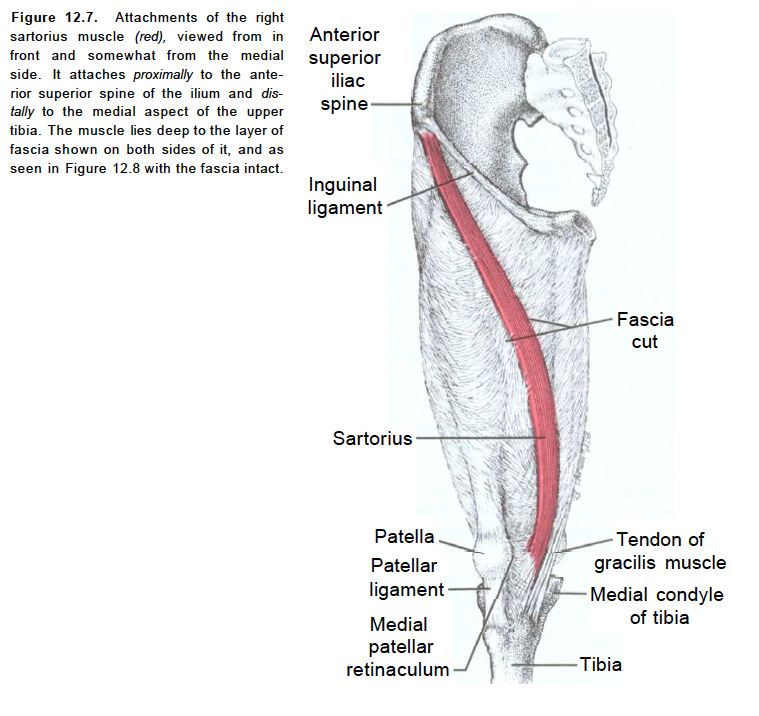
|
Origin |
Anterior superior iliac spine of the pelvic bone |
|
Insertion |
anteromedial surface of the upper tibia in the pes anserinus |
|
Artery |
femoral artery |
|
Nerve |
femoral nerve (sometimes from the intermediate cutaneous nerve of thigh) |
|
Actions |
Flexion, abduction, and lateral rotation of the hip, flexion of the knee[1] |
5) 박근(gracillis)
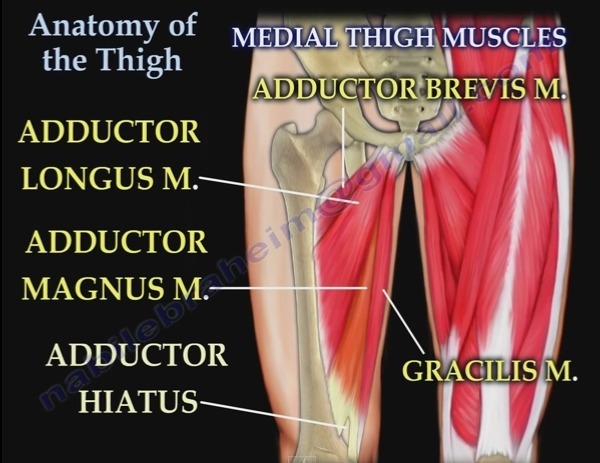
|
Gracilis muscle | |
|
Origin |
ischiopubic ramus |
|
Insertion |
tibia (pes anserinus) |
|
Artery |
medial circumflex femoral artery |
|
Nerve |
anterior branch of obturator nerve |
|
Actions |
flexes, medially rotates, and adducts the hip, flexes the knee |
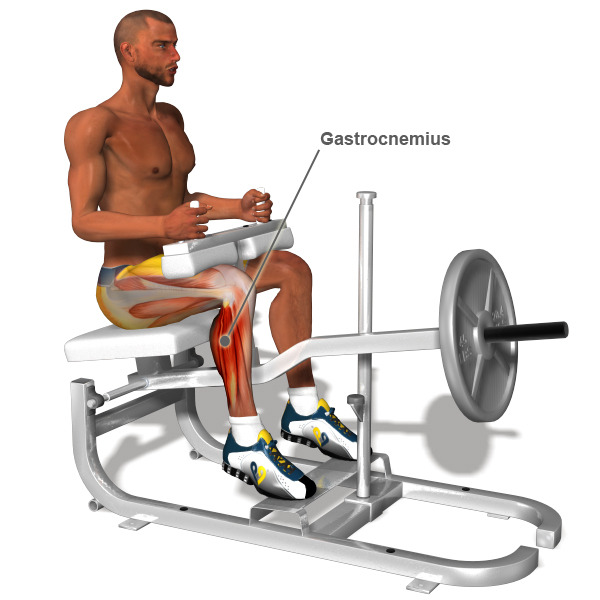
6) 비복근(gastronecmius)
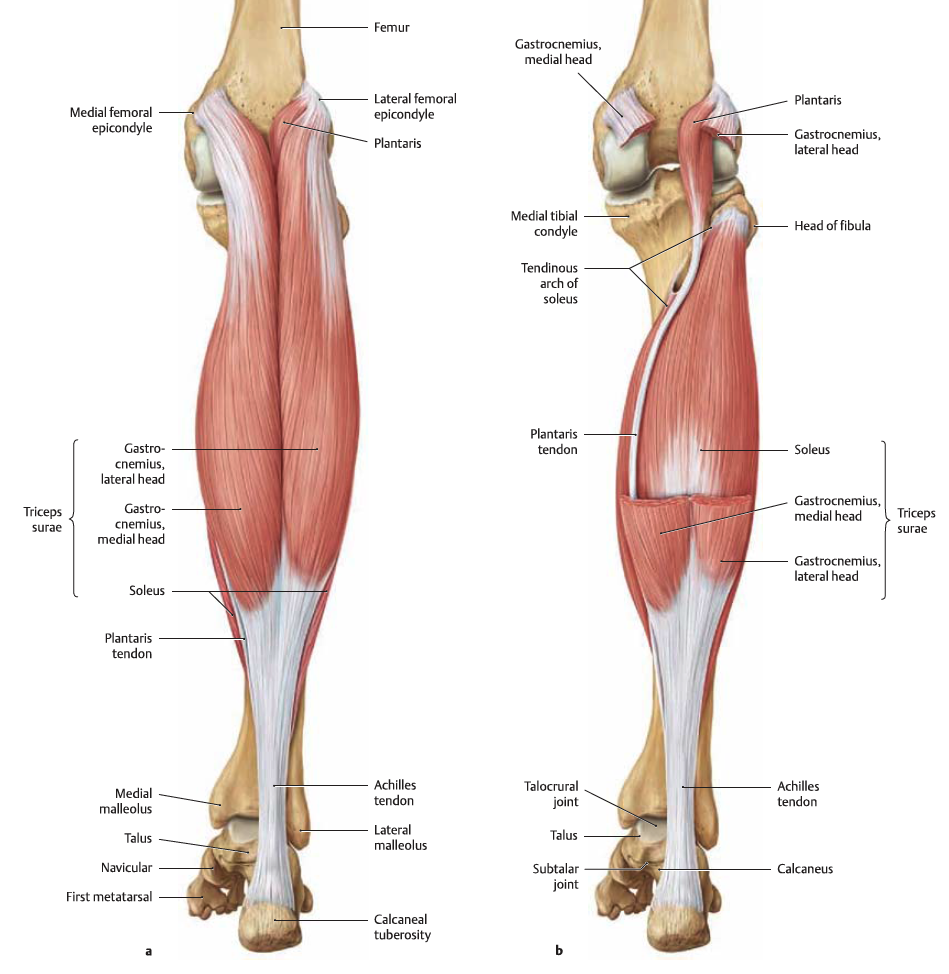
|
Origin |
superior to articular surfaces of lateral condyle of femur and medial condyle of femur |
|
Insertion |
tendo calcaneus (achilles tendon) into mid-posterior calcaneus |
|
Artery |
sural arteries |
|
Nerve |
tibial nerve from the sciatic, specifically, nerve roots S1–S2 |
|
Actions |
plantar flexes foot, flexes knee |
|
Antagonist |
Tibialis anterior muscle |
7) 족척근(plantaris)
|
Origin |
Lateral supracondylar ridge of femur above lateral head of gastrocnemius |
|
Insertion |
Tendo calcaneus (medial side, deep to gastrocnemius tendon) |
|
Artery |
sural arteries |
|
Nerve |
tibial nerve |
|
Actions |
Plantar flexes foot and flexes knee |
|
Antagonist |
Tibialis anterior muscle |
8) 슬와근(popliteus)
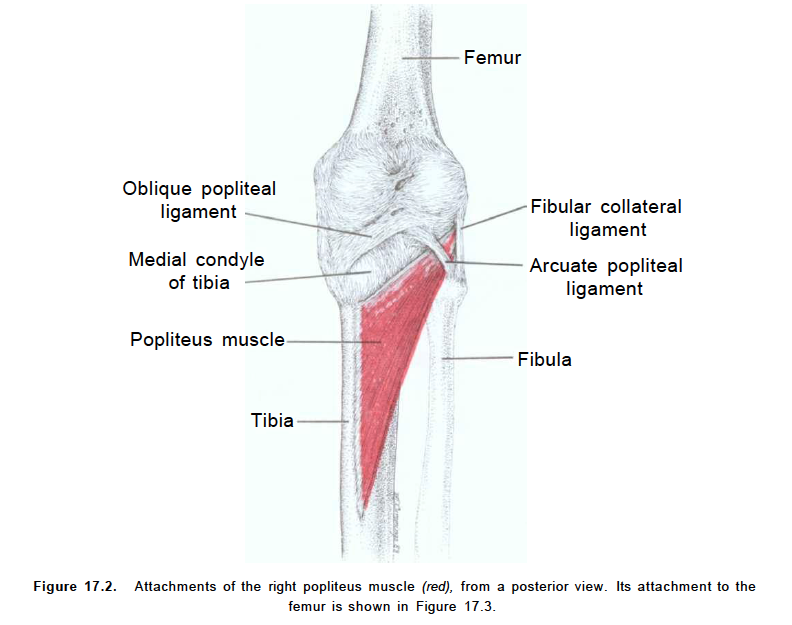
|
Origin |
Lateral condyle of the femur, and the lateral meniscus and joint capsule |
|
Insertion |
posterior surface of upper tibia |
|
Artery |
Popliteal artery |
|
Nerve |
Tibial nerve |
|
Actions |
Medially rotates tibia on the femur if the femur is fixed (sitting down) or laterally rotates femur on the tibia if tibia is fixed (standing up), unlocks the knee to allow flexion (bending), helps to prevent the forward dislocation of the femur while crouching |
5. 근막이완
1) 롤핑
http://cafe.daum.net/panicbird/OJs0/281
2) CMP건
3) 폼롤러를 이용한 근막이완.....
6. 중요 근육 스트레칭
1) 스트레칭 기본개념
*** 각 동작은 5초씩 3회가 기본(7초가 넘어가면 보상기전이 발생하므로)
*** 모든 동작은 다음 동작을 위한 예비동작 임, 건너 뛰지 말 것
http://cafe.daum.net/panicbird/QtNi/299
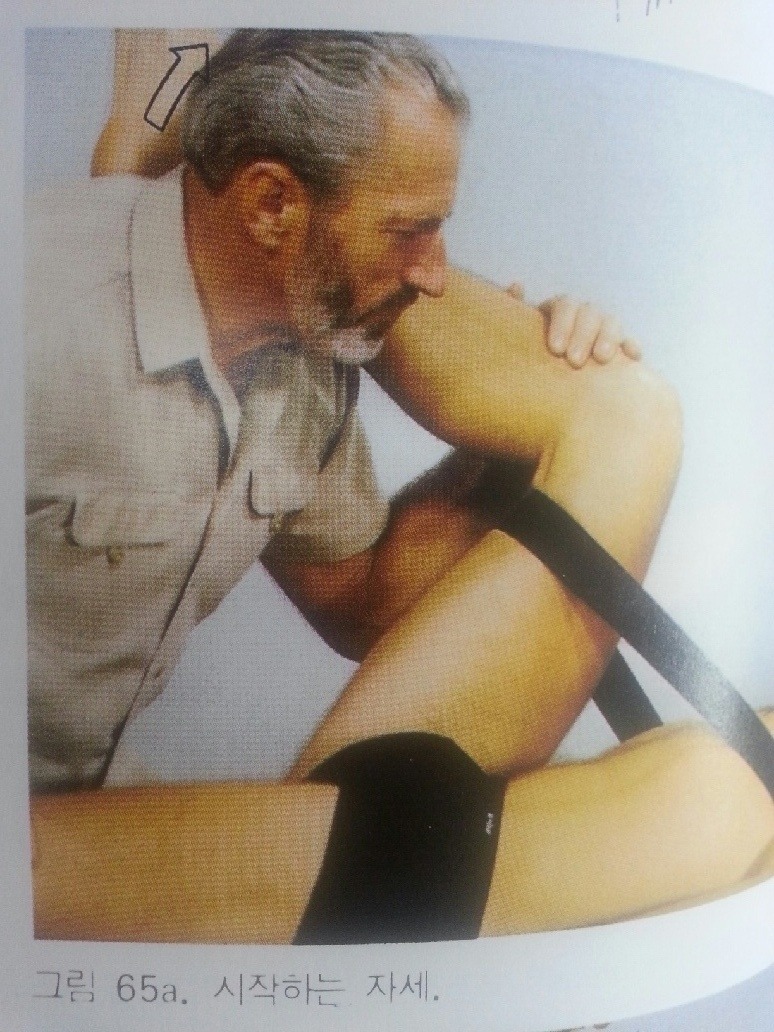
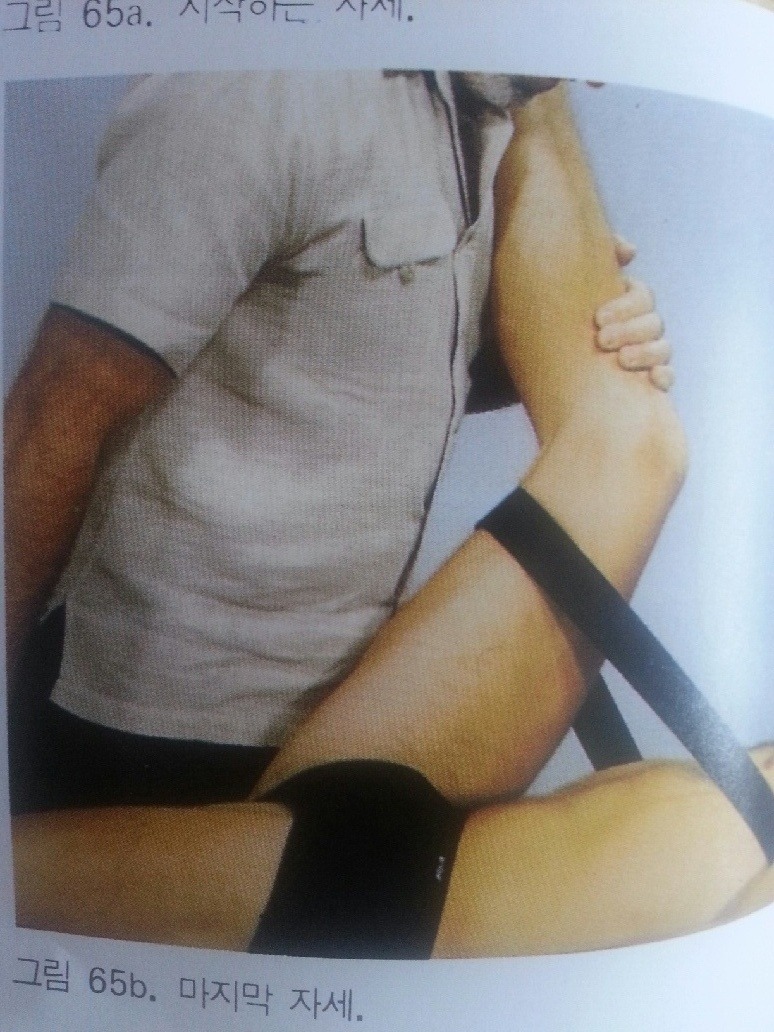
2) 햄스트링
- 목표는 (허리를 숙여서) 얼굴이 무릎에 닿을 정도로(운동선수의 경우^^)
- 주의) 발은 족배굴을 유지할 것
-능동적
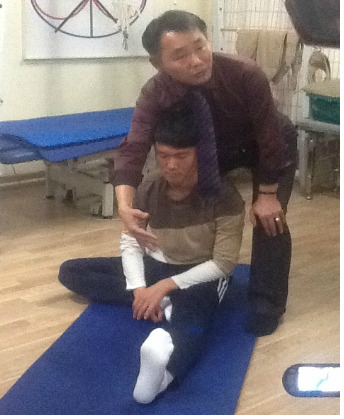
- 수동적
3) 대퇴사두근
- 능동적
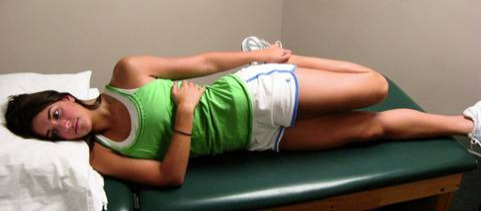
- 수동적
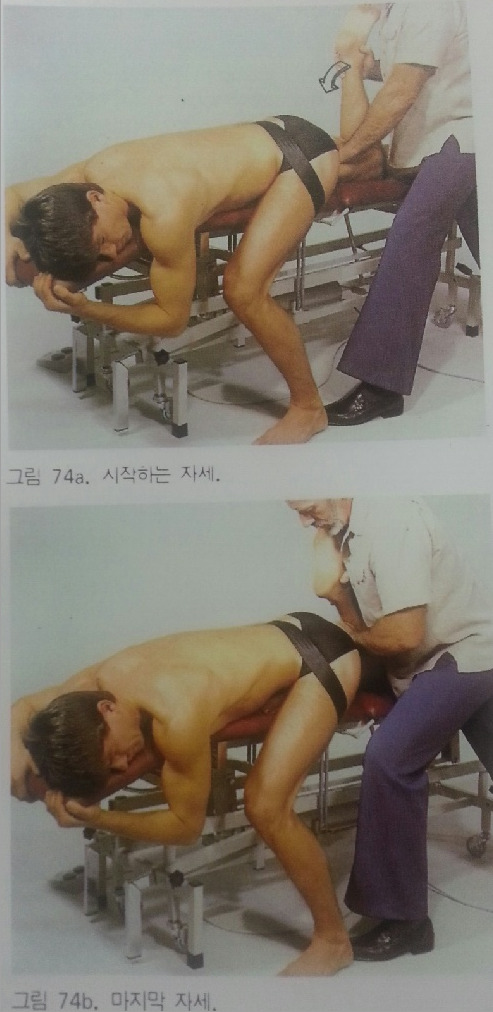
대퇴직근 내측, 중간, 외측광근
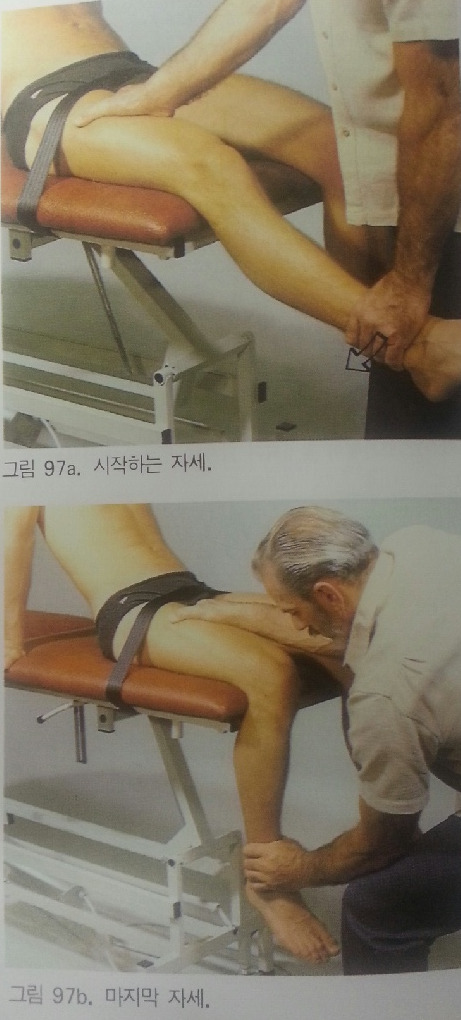
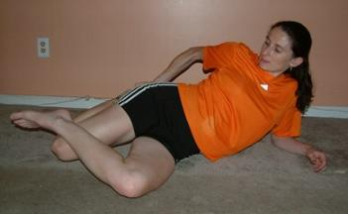
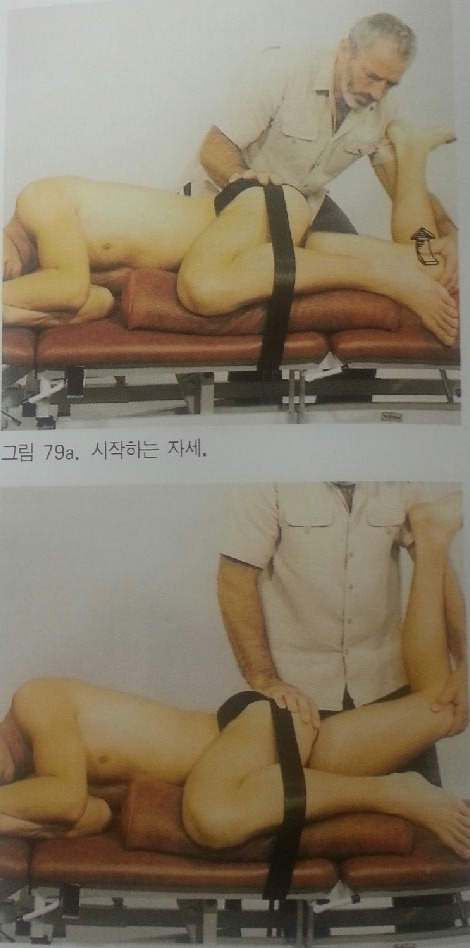
4) tensor fascia lata and ilotibial band
- 능동적
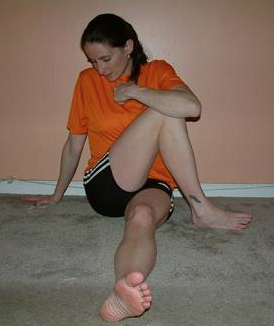
- 수동적
5) sartorius
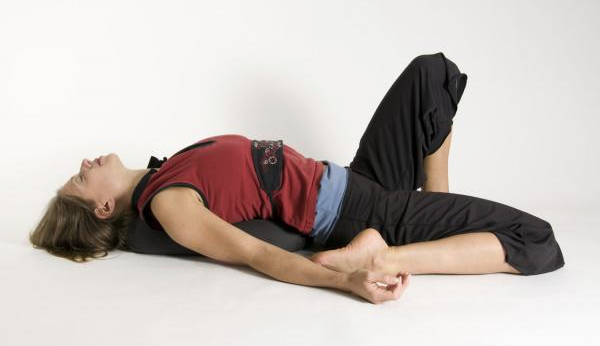
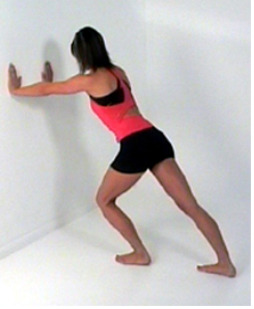
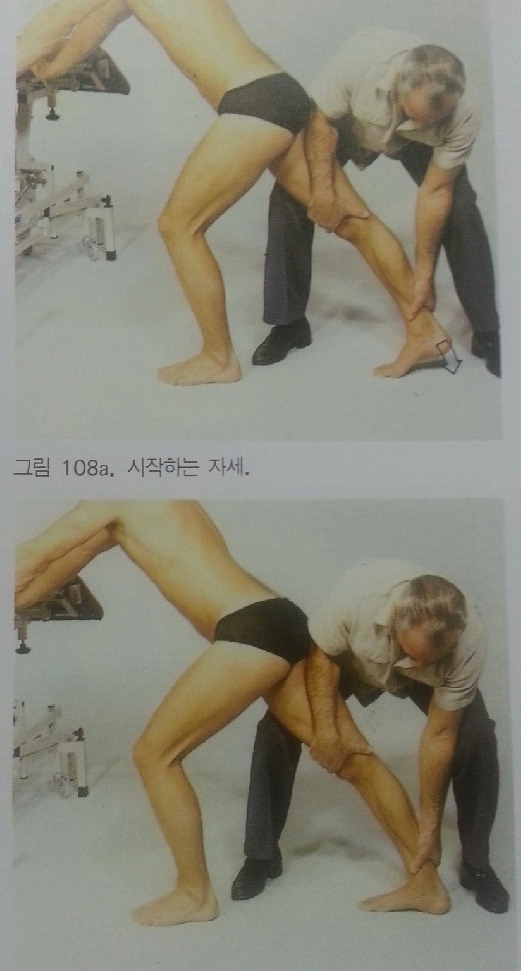
6) gastronecmius
- 능동적 - 수동적
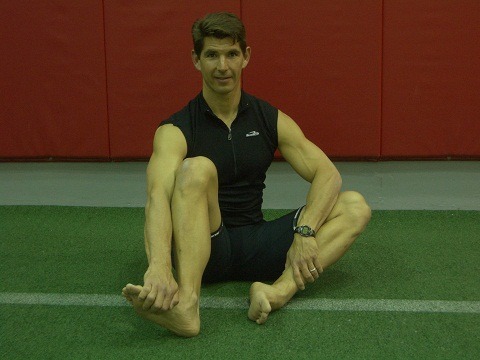
7) 슬와근(popliteus)
- 능동적 - 수동적
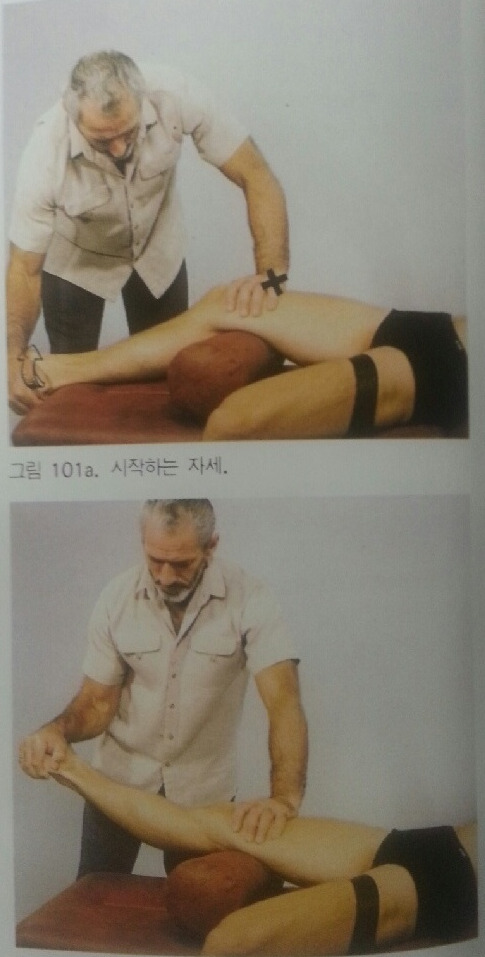
7. 관절가동
1) 슬관절/대퇴슬개관절(Patellar/Patello-Femoral joint) 모빌리제이션
http://cafe.daum.net/panicbird/ORJ1/104
2) 근위 경비관절(Proximal tibiofibular joint)의 모빌리제이션
http://cafe.daum.net/panicbird/ORJ1/103
8. 인대 약침, 가열식 화침
http://cafe.daum.net/panicbird/RNu8/21
9. stabilizing ex.
http://cafe.daum.net/panicbird/ORJ1/99
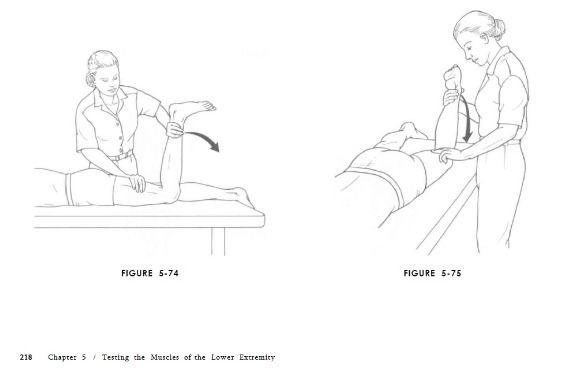
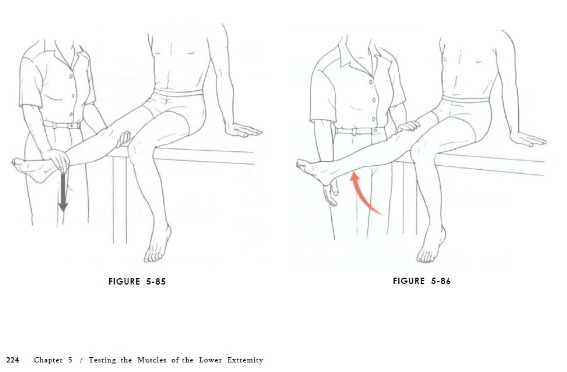
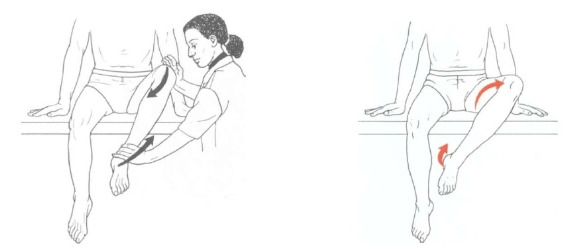
10. 근력 불균형 검사
1)근력 검사의 고려사항
http://cafe.daum.net/panicbird/QzZ4/15
2) hamstring m.
3) Quadriceps femoris
4) sartorius
11. isolation ex.
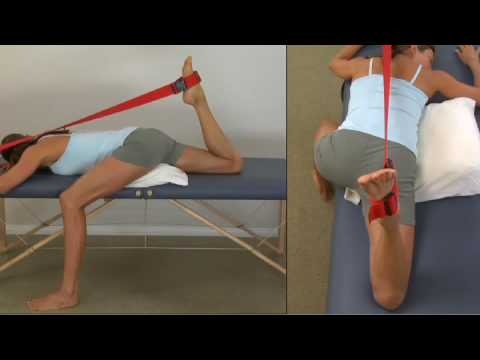
1) hamstring m.
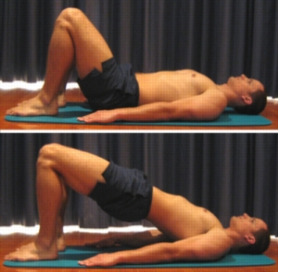
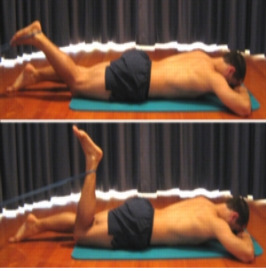
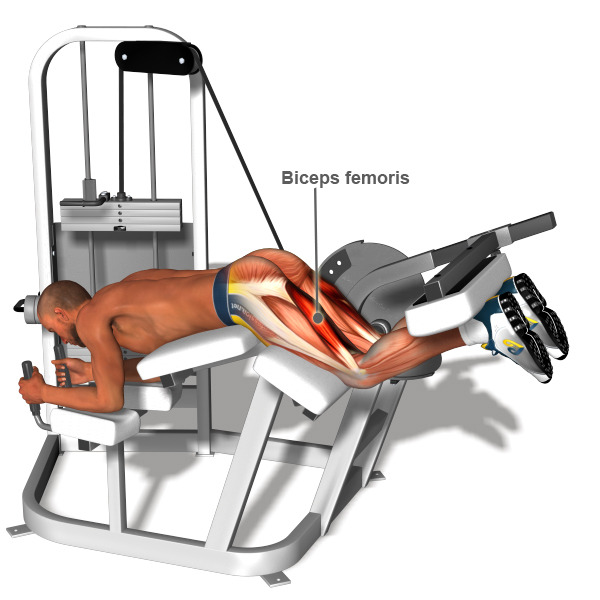
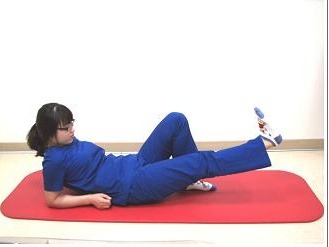
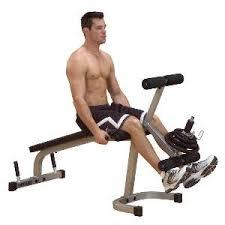
2) Quadriceps femoris
3) gatrocnemius
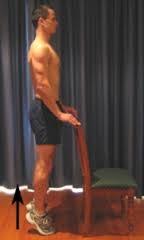
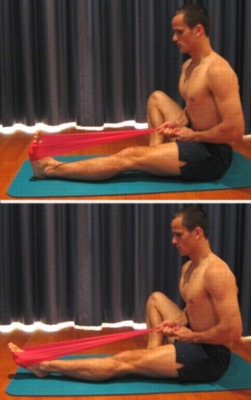
12. functional ex.
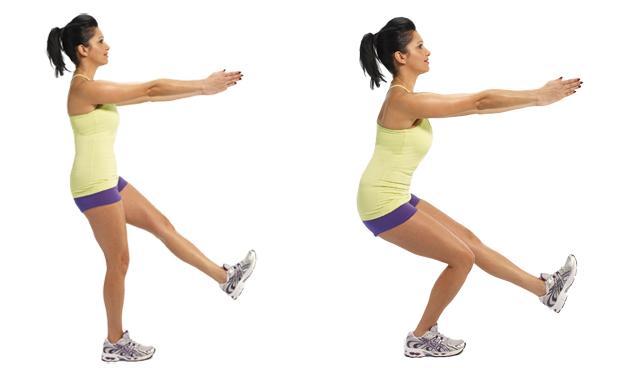
1) squat
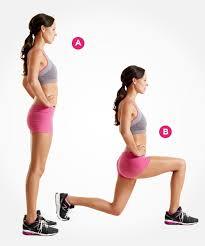
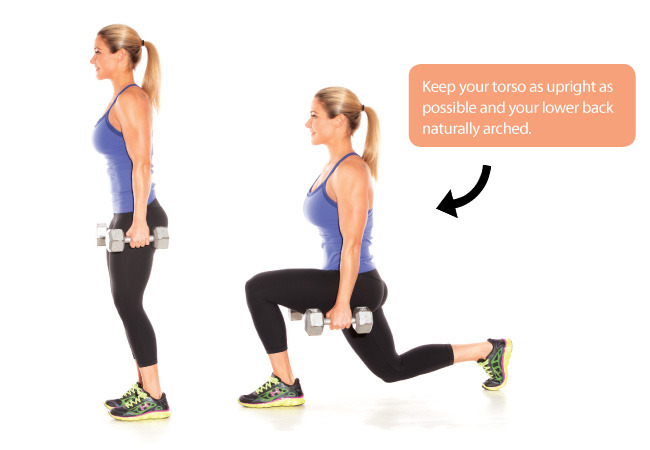
2) lunge
13. 정렬운동
요추, 고관절, 발목 과 연계된 정렬운동 필요
특히 고관절과 족궁은 무릎의 정렬에 깊히 관여....
14. 행동수정
