꿀벌 화분을 추가로 더
발효한다면?
REVIEW article
Front. Nutr., 27 April 2022
Sec. Food Chemistry
Volume 9 - 2022 | https://doi.org/10.3389/fnut.2022.871896
This article is part of the Research TopicInsights on the Functional Potential of Fermented Foods and BeveragesView all 4 articles
Biotechnological Processes Simulating the Natural Fermentation Process of Bee Bread and Therapeutic Properties—An Overview


- 1Institute of Life Sciences, University of Agricultural Sciences and Veterinary Medicine Cluj-Napoca, Cluj-Napoca, Romania
- 2Faculty of Food Science and Technology, University of Agricultural Sciences and Veterinary Medicine Cluj-Napoca, Cluj-Napoca, Romania
- 3Advanced Horticultural Research Institute of Transylvania, University of Agricultural Sciences and Veterinary Medicine Cluj-Napoca, Cluj-Napoca, Romania
Recent signs of progress in functional foods and nutraceuticals highlighted the favorable impact of bioactive molecules on human health and longevity. As an outcome of the fermentation process, an increasing interest is developed in bee products. Bee bread (BB) is a different product intended for humans and bees, resulting from bee pollen's lactic fermentation in the honeycombs, abundant in polyphenols, nutrients (vitamins and proteins), fatty acids, and minerals. BB conservation is correlated to bacteria metabolites, mainly created by Pseudomonas spp., Lactobacillus spp., and Saccharomyces spp., which give lactic acid bacteria the ability to outperform other microbial groups. Because of enzymatic transformations, the fermentation process increases the content of new compounds. After the fermentation process is finalized, the meaningful content of lactic acid and several metabolites prevent the damage caused by various pathogens that could influence the quality of BB. Over the last few years, there has been an increase in bee pollen fermentation processes to unconventional dietary and functional supplements. The use of the chosen starters improves the bioavailability and digestibility of bioactive substances naturally found in bee pollen. As a consequence of enzymatic changes, the fermentation process enhances BB components and preserves them against loss of characteristics. In this aspect, the present review describes the current biotechnological advancements in the development of BB rich in beneficial components derived from bee pollen fermentation and its use as a food supplement and probiotic product with increased shelf life and multiple health benefits.
배경 및 목적
기능성 식품과 영양 보조제 분야의 최근 진전은 생리활성 분자가 인간의 건강과 장수에 긍정적인 영향을 미친다는 점을 강조했습니다. 발효 과정의 결과로, 꿀벌 제품에 대한 관심이 점점 커지고 있습니다.
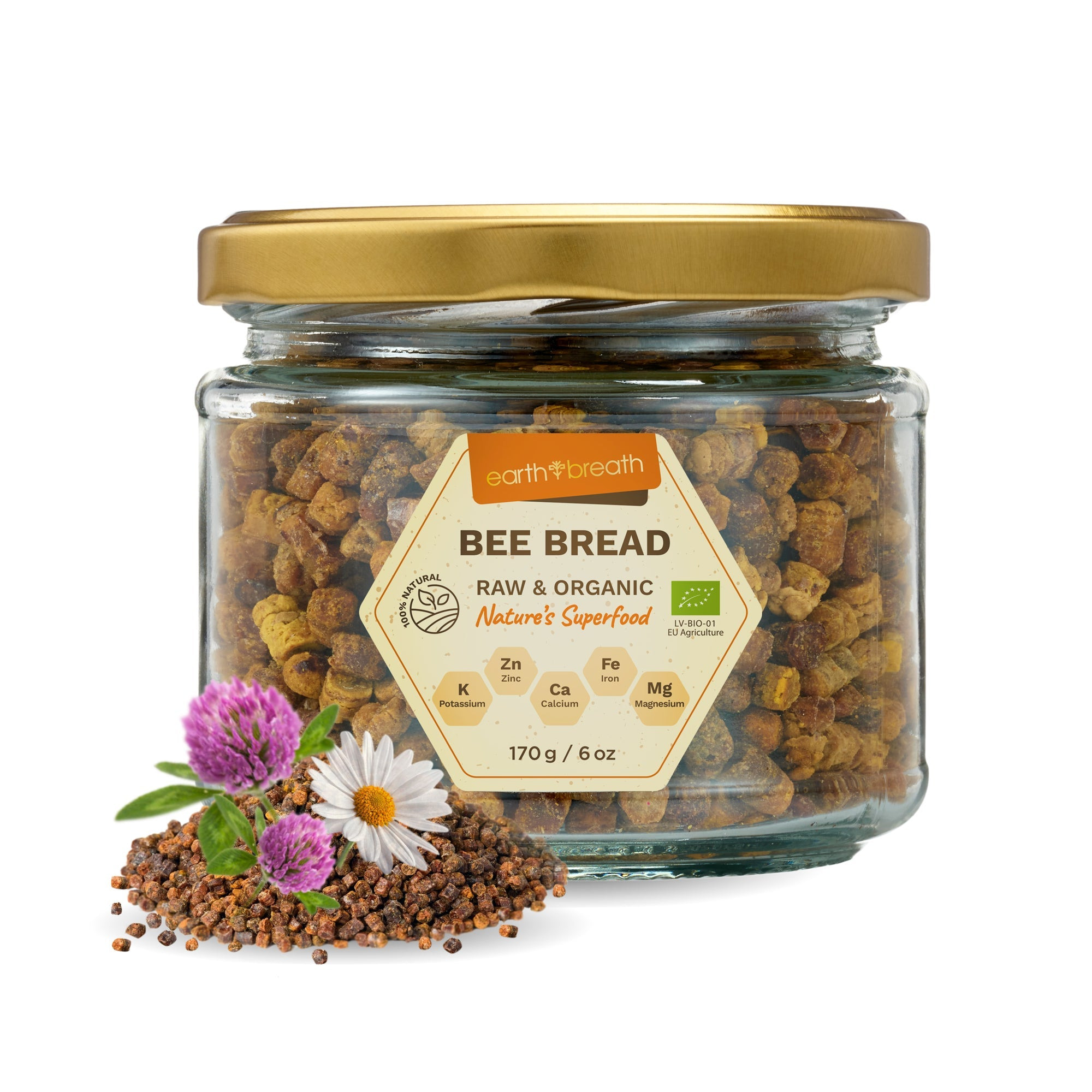
꿀빵(Bee Bread, BB)은
꿀벌과 인간 모두를 위한 독특한 제품으로,
벌집에서 벌화분의 젖산 발효를 통해 만들어지며,
폴리페놀, 영양소(비타민과 단백질), 지방산, 미네랄이 풍부합니다.
BB의 보존은 주로
Pseudomonas spp., Lactobacillus spp., Saccharomyces spp.와 같은 박테리아 대사 산물과 연관되며,
이는 젖산균이 다른 미생물군을 능가하도록 만듭니다.
효소적 변환으로 인해 발효 과정은
새로운 화합물의 함량을 증가시킵니다.
발효 과정이 완료된 후,
젖산과 여러 대사 산물의 유의미한 함량은 BB 품질에 영향을 미칠 수 있는
다양한 병원체로 인한 손상을 방지합니다.
최근 몇 년간 벌화분 발효 과정을 통해
비전통적인 식이 및 기능성 보조제로의 활용이 증가했습니다.
선별된 스타터의 사용은
벌화분에 자연적으로 존재하는 생리활성 물질의 생체 이용률과 소화성을 개선합니다.
효소적 변화의 결과로 발효 과정은
BB 성분을 강화하고 특성 손실을 방지합니다.
이러한 맥락에서, 본 리뷰는
벌화분 발효에서 유래한 유익한 성분이 풍부한 BB 개발을 위한 현재의 생명공학적 진전을 설명하며,
이를 식품 보조제 및 유산균 제품으로 활용하여 저장 수명을 연장하고
다양한 건강 혜택을 제공하는 데 초점을 맞췄습니다.
Introduction
Nowadays, the concept of “food as medicine and medicine as food” assimilated to Hippocrates is increasingly common in the food sector, where the production of functional foods is a significant part of human lifestyle (1). All over the world, consumers have extensive knowledge regarding the effect of food on wellbeing and having positive food expectations (2).
Bee products have been used to treat and prevent disorders such as burns, wounds, diabetic foot ulcers, allergic rhinitis, hyperlipidemia, and rheumatoid arthritis through the history of the traditional medicine (3–6). Recently, bee products developed due to the fermentation process have gained colossal interest and became a severe topic for future research due to the positive impact on the food market.
서론
요즘 히포크라테스의 "음식이 약이고, 약이 음식이다"라는 개념은
식품 산업에서 점점 더 일반화되고 있으며,
기능성 식품 생산은 인간 생활 방식의 중요한 부분을 차지합니다 (1).
전 세계 소비자들은
음식이 웰빙에 미치는 영향과 긍정적인 식품 기대치에 대해 광범위한 지식을 갖고 있습니다 (2).
꿀벌 제품은
전통 의학 역사에서 화상, 상처, 당뇨병성 족부 궤양, 알레르기성 비염, 고지혈증, 류마티스 관절염과 같은 질환을
치료하고 예방하는 데 사용되어 왔습니다 (3-6).
최근 발효 과정을 통해 개발된 꿀벌 제품은
식품 시장에 긍정적인 영향을 미치며 미래 연구의 중요한 주제로 떠오르고 있습니다.
Bee bread (BB) is a fermented assortment of bee pollen (BP), nectar, and bee saliva, having a caramel-like color and a sharp taste given by flowers, citrus, or other fruit flavors (7). The outcome of lactic acid fermentation of BP collected from flowers by bees and combined with their digestive enzymes is the primary food for larvae and young bees in the hive (8). In the cells of the honeycombs, bees pack the components and then secure the mixture with honey and wax, protecting the pollen mass from oxygen, starting an anaerobic lactic fermentation process, which after approximately seven days generates BB (9).
According to Habryka et al. BB incorporates a well-balanced nutritional content and more prosperous chemical composition than BP, having a significant assimilation rate and a better absorption at the level of the human body (10). Since the BB components are fermented in part, the high BP content is more straightforward incorporated and utilized as the walls have partly deteriorated through the lactic fermentation (9). The studies on its chemical composition demonstrated that BB is a trustworthy source of proteins, vitamins (B, C, E, K, and P), and polyphenols, like quercetin, kaempferol, apigenin, naringenin, chrysin, caffeic, gallic and ferulic acids (11). Besides, free amino acids, carbohydrates, and fatty acids are essential elements of BB composition, which depend on environmental conditions, seasonal discrepancy and differ from region to region, based on the melliferous plant's (12).
벌꿀화분(Bee Bread)은
꽃가루(BP), 꽃에 았는 꿀(nectar), 꿀벌 타액이 발효된 혼합물로,
캐러멜 같은 색상과 꽃, 감귤류, 또는 기타 과일 풍미가 가미된 강렬한 맛을 가집니다 (7).
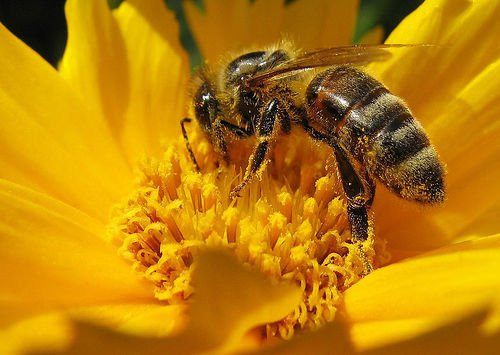
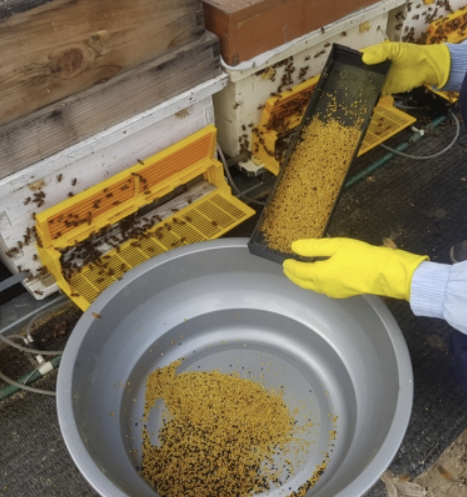

꽃에서 채집한 BP가 꿀벌의 소화 효소와 결합하여 젖산 발효를 통해 생성된 결과물로,
이는 벌집 내 유충과 젊은 꿀벌의 주요 식량입니다 (8).
벌집 셀에서 꿀벌은 성분을 포장하고 꿀과 왁스로 혼합물을 봉인하여 산소로부터 보호하며,
이는 약 7일 후에 무산소 젖산 발효를 시작하여 BB를 생성합니다 (9).
Habryka 등에 따르면,
BB는 균형 잡힌 영양 함량과 BP보다 풍부한 화학적 조성을 갖추고 있으며,
인간 신체에서 높은 동화율과 흡수율을 보입니다 (10).
BB 성분은 부분적으로 발효되므로,
젖산 발효를 통해 벽이 부분적으로 분해되어
높은 BP 함량이 더 쉽게 흡수되고 활용됩니다 (9).
화학적 조성 연구에 따르면,
BB는 단백질, 비타민(B, C, E, K, P),
폴리페놀(퀘르세틴, 캠페롤, 아피제닌, 나린제닌, 크리신, 카페인산, 갈릭산, 페룰산 등)과 같은
신뢰할 수 있는 공급원입니다 (11).
또한, 자유 아미노산, 탄수화물, 지방산은
환경 조건, 계절적 차이, 지역에 따라 달라지는 BB 조성의 필수 요소로,
이는 꿀벌 식물에 따라 다릅니다 (12).
The recent studies on BB chemical composition established that it has a higher nutritional value than BP; nevertheless, research on BB is scarce and focused only on its chemical composition (13, 14). Because collecting BB from the hive is too costly and time-consuming, BB purchases for human consumption are limited; moreover, beekeepers feel more comfortable extracting BP using traps. Unfortunately, due to this method, there is a danger of harmful mold growth due to the high humidity. Furthermore, storage treatments are required to avoid spoiling (15–17). The traditional methods used have several disadvantages; the nutritional value is affected, and the operating cost is high; therefore, alternative opportunities should be considered to overcome these impediments. A unique opportunity is the biotechnological fermentation of BP, simulating the natural process in the hive leading to a high nutritional product, as in BB (18).
Fermentation is one of the most widely used methods in the production and economic preservation of food, being perceived as an essential constituent of the nutritional culture of every world's society supporting the cultural history of ethnic communities (19). Globally, a multifariousness of fermented products is widely consumed as daily human food, from yogurt, kefir, sausages to pickles and fermented cereals, thanks to their biological functions and enrichment of nutritional value. In the beehive, the natural fermentation improves the bioavailability of fresh BP and the possibility of long-time storage, avoiding losing its nutritional value as it is converted to BB (20). Because of its beneficial components, BP represents a valuable raw material that allows the microorganisms' development during the fermentation process (21). In the past years, researchers attempted to induce the natural fermentation of BP at a lab scale by inoculating diverse microorganisms under specific process conditions.
The purpose of the review was to present an overview of the biotechnological processes used to obtain BB from harvested BP in laboratory conditions by an assortment of chosen starters reproducing the microbial consortium implicated in the fermentation of BB. Changes in the bioactive compounds and antioxidant activity are also pointed out along with the final's probiotic product shelf life and health benefits. Furthermore, the effectiveness of BB and strains isolated or found in BB are investigated in the prevention and treatment of several anti-cancer agent-induced toxicities in animal models and patients with cancer.
최근 BB의 화학적 조성에 대한 연구는 BP보다 높은 영양 가치를 가지고 있음을 입증했으나,
BB에 대한 연구는 드물고 주로 화학적 조성에만 초점이 맞춰져 있습니다 (13, 14).
벌집에서 BB를 채취하는 것은 비용이 많이 들고 시간이 소요되므로
인간 소비를 위한 BB 구매가 제한적이며,
양봉업자들은 덫을 사용하여 BP를 추출하는 데 더 편안함을 느낍니다.
그러나 이 방법은
높은 습도로 인해 유해 곰팡이 성장이 위험하며,
부패를 방지하기 위한 저장 처리가 필요합니다 (15-17).
전통적인 방법은 영양 가치에 영향을 미치고 운영 비용이 높다는 단점이 있어,
이러한 장애를 극복하기 위한 대안이 고려되어야 합니다.
독특한 기회는 BP의 생명공학적 발효로,
벌집 내 자연 과정을 모방하여 BB와 같은 높은 영양 가치를 가진 제품을 생산할 수 있습니다 (18).
발효는 식품 생산 및 경제적 보존에서 가장 널리 사용되는 방법 중 하나로,
전 세계 사회의 영양 문화와 민족 공동체의 문화사를 뒷받침하는 필수 요소로 인식됩니다 (19).
전 세계적으로
요구르트, 케피르, 소시지, 피클, 발효 곡물과 같은 다양한 발효 제품이
생물학적 기능과 영양 가치 향상 덕분에 일상 식품으로 널리 소비됩니다.
벌집에서 자연 발효는
신선한 BP의 생체 이용률을 개선하고 장기 보관 가능성을 높여 영양 가치를 손실 없이
BB로 변환합니다 (20).
유익한 성분으로 인해 BP는
발효 과정에서 미생물 성장을 허용하는 귀중한 원료로 간주됩니다 (21).
과거 몇 년간 연구자들은 실험실 규모에서 특정 공정 조건 하에서
다양한 미생물을 접종하여 BP의 자연 발효를 유도하려고 시도했습니다.
본 리뷰의 목적은 실험실 조건에서 채취한 BP를 발효하여
BB를 얻기 위해 사용되는 생명공학적 공정과,
BB 발효에 관여하는 미생물 군집을 재현하는 선별된 스타터의 개요를 제시하는 것입니다.
생리활성 화합물과 항산화 활성의 변화는 물론,
최종 유산균 제품의 저장 수명과 건강 혜택도 언급됩니다.
또한, BB와 BB에서 분리되거나 발견된 균주의 효과가
동물 모델 및 암 환자에서 항암제 유도 독성의 예방 및 치료에 미치는 영향을 조사합니다.
Similarities and Differences Between Bee Pollen and Bee Bread
Because of their nutritional and medicinal properties, natural products such as unique bee brands have piqued the curiosity of academics in recent years. Even though these have been well-known products for millennia, they have only lately become the subject of recorded scientific investigation (2).
BP is recognized as the oldest nutritive supplement in history and includes roughly all of the dietary nutrition compounds, the main ingredient of BB (14). BP is the male gametophyte of flowering plants. After gathering pollen grains from flowers, bees combine their saliva and secretions. This procedure enables BP to be hydrated and pelleted, which subsequently sticks to the pollen basket on the bees' rear leg and carries to hive. BP is a source of nutrients that honeybees need to grow and develop appropriately throughout their larval stage until maturity (22, 23). BP is deposited into honeycomb cells by bees, which seal them with honey and wax. Collected and stored, BP is exposed to lactic fermentation under the beehive conditions, resulting in BB, which is fermented BP (2).
BP and BB are used for apitherapeutic benefits as they are rich in vitamins, valuable bio-elements, and nutrients. Still nevertheless, the two components differ from a biochemical point of view (Table 1) (25).
벌화분과 꿀빵의 유사점 및 차이점
영양 및 약리학적 특성으로 인해 독특한 꿀벌 제품과 같은 천연 제품이 최근 학자들의 호기심을 불러일으켰습니다. 비록 수천 년 동안 잘 알려진 제품이었지만, 최근에야 과학적 조사가 기록되기 시작했습니다 (2).
BP는
역사상 가장 오래된 영양 보조제로,
BB의 주요 성분으로 약 모든 식이 영양소를 포함합니다 (14).
BP는
꽃 식물의 수술 가루로,
꿀벌이 꽃에서 꽃가루 입자를 채집한 후 타액과 분비물을 결합합니다.
이 과정은
BP를 수화하고 펠릿화하여
꿀벌 뒷다리 꽃가루 바구니에 달라붙게 하고 벌집으로 운반합니다.
BP는
꿀벌이 유충 단계에서 성숙할 때까지 적절히 성장하고 발달하는 데
필요한 영양소의 원천입니다 (22, 23).
꿀벌은
BP를 벌집 셀에 넣고 꿀과 왁스로 봉인합니다.
채집되고 저장된 BP는
벌집 조건 하에서 젖산 발효에 노출되어 발효된 BP인 BB로 변환됩니다 (2).
BP와 BB는
비타민, 귀중한 생물 요소, 영양소가 풍부하여 아피테라피(꿀벌 요법) 혜택에 사용됩니다.
그러나 생화학적 관점에서 두 성분은 차이가 있습니다 (표 1) (25).
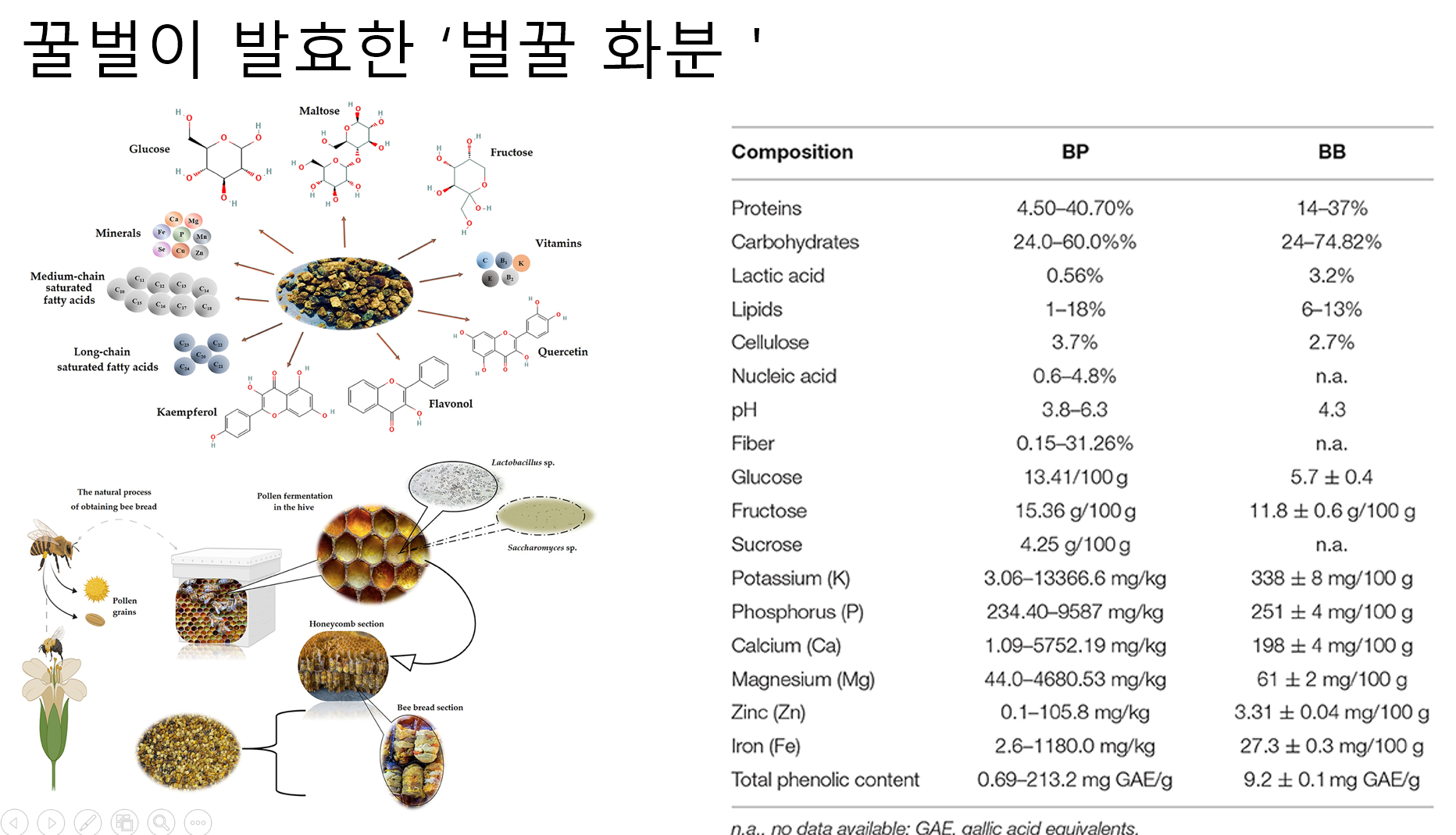
TABLE 1
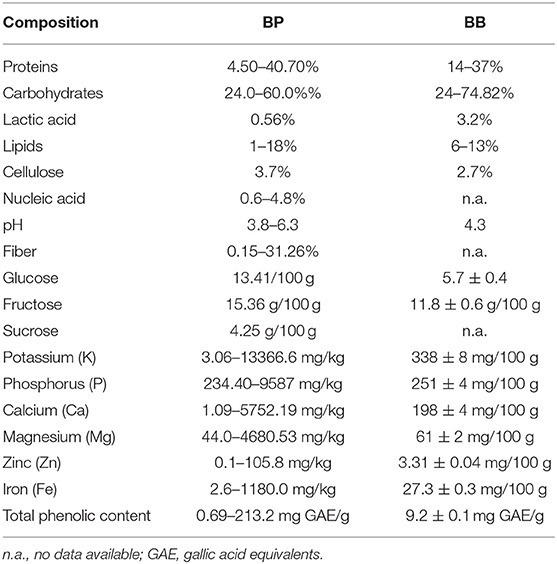
Table 1. Chemical and nutritious compounds of BP and BB adapted after Kieliszek et al. and Bakour et al. (2, 14, 24).
The nutritional composition of BB varies based on the pollen's local and seasonal value and availability to different plant species. Compared to BP, BB is high in reducing sugars and has significant amounts of tocopherols (26, 27). BB has low protein and fat content but increased carbohydrate and lactic acid content. Due to its structure, it possesses increased bioavailability, which can be partly assimilated by fermentation and demonstrates high resistance against the degradation action of digestive media. Furthermore, the functional and actively rich components of BP are easily absorbed and utilized (Figure 1) (2, 28).
표 1. Kieliszek 등과 Bakour 등에 따른 BP와 BB의 화학적 및 영양성분 (2, 14, 24).
BB의 영양 성분은
지역적, 계절적 가치와 다양한 식물 종의 가용성에 따라 달라집니다.
BP에 비해 BB는
환원당 함량이 높고
토코페롤 함량이 유의미하게 많습니다 (26, 27).
BB는
단백질과 지방 함량은 낮지만
탄수화물과 젖산 함량이 증가합니다.
구조상 발효를 통해 부분적으로 동화되어
소화 매체의 분해 작용에 높은 저항성을 보이며
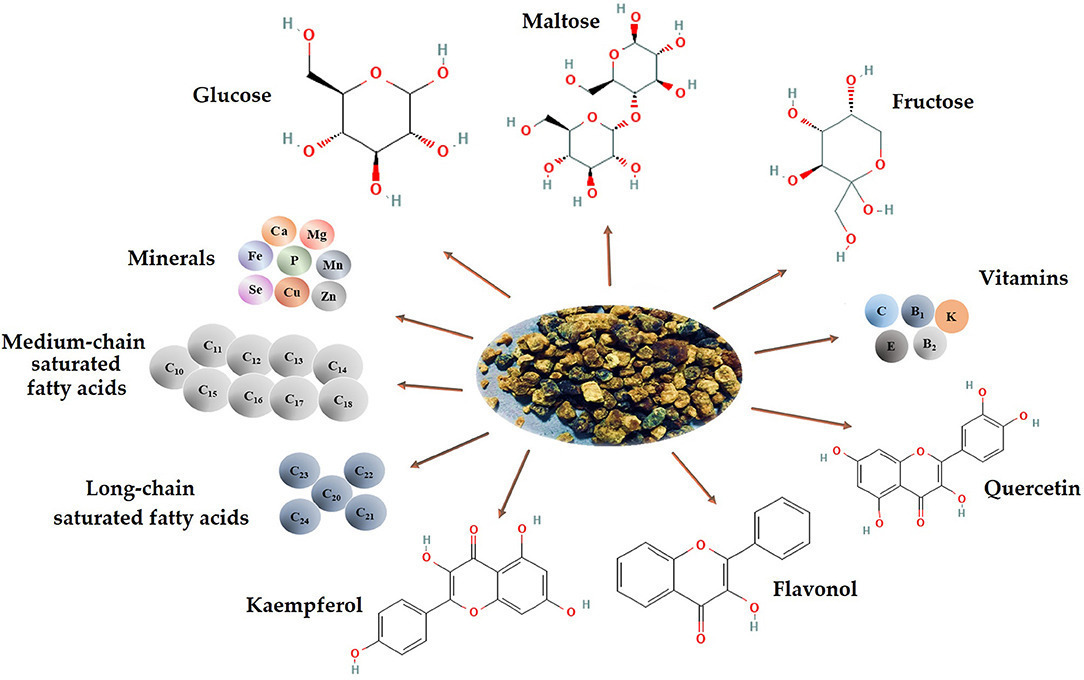
, BP의 기능적이고 활성 풍부한 성분이 쉽게 흡수되고 활용됩니다 (그림 1) (2, 28).
FIGURE 1
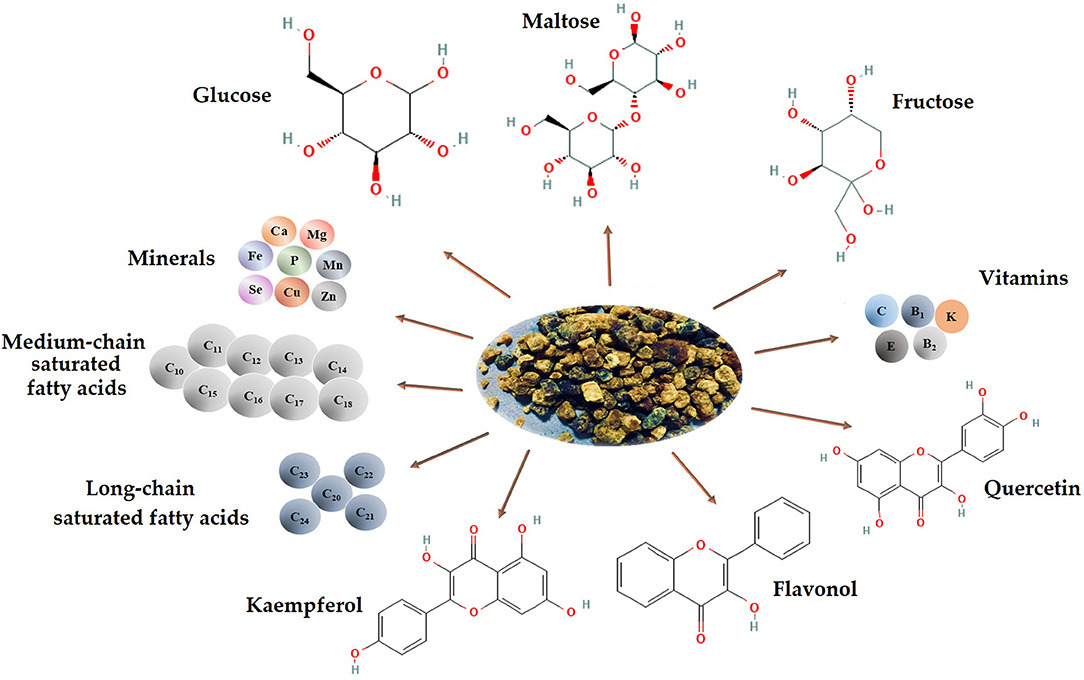
Figure 1. Chemical composition and bioactive compounds of BB (image created using BioRender and King Draw applications).
BB is more digestible than BP due to the breakdown of the multilayer wall during fermentation. Moreover, this process enhances BB bioavailability, resulting in higher absorption by human intestinal epithelial cells (3, 18). Also, during fermentation, bacteria break down cellulose, which constitutes the internal coating (also known as intine) of BP, lowering BB's cellulose ratio in contrast to BP (22). Furthermore, throughout the fermentation process, certain innovative products are deliberated. For instance, several proteins in BP are converted to amino acids by digestive enzymes, increasing the protein level, whereas, in BB, an increasing content in amino acids is noticed (2). According to DeGrandi-Hoffman et al., the content of threonine and leucine in BB is approximately 60% higher than BP (29). As a primary food source for bees, BP includes amino acids such as leucine, isoleucine, histidine, lysine, valine, arginine, phenylalanine, methionine threonine, and tryptophan (30). According to Bayram et al., in comparison to BP, BB samples had considerably less L-asparagine (5891.1–2475.4 μg/g), but L-proline (22212.8–4939.2 μg/g), L-aspartic acid (5207.37–2833.3 μg/g), and GABA (4588.4–2703.2 μg/g) were detected as significant amino acids. Furthermore, considerable amounts of L-phenylalanine were found in BP and BB samples, with values ranging from 3353.8–1298.9 μg/g to 3345.6–1308.4 μg/g, respectively (30). The lower content in L-asparagine in BB may be due to the fermentation development and acidic environment that cause this amino acid field's deamination (29).
BB는
발효 중 다층 벽이 분해되어
BP보다 더 소화가 잘됩니다.
또한
이 과정은 BB의 생체 이용률을 높여
인간 장 상피 세포에 의한 흡수를 증가시킵니다 (3, 18).
발효 중 박테리아는
BP의 내부 코팅(인타인이라고도 함)인 셀룰로오스를 분해하여
BB의 셀룰로오스 비율을 BP에 비해 낮춥니다 (22).
또한 발효 과정에서
새로운 혁신적인 제품이 생성됩니다.
예를 들어,
BP의 여러 단백질이
소화 효소에 의해 아미노산으로 전환되어 단백질 수준이 증가하며,
BB에서는 아미노산 함량이 증가합니다 (2).
DeGrandi-Hoffman 등에 따르면,
BB의 트레오닌과 류신 함량은 BP보다 약 60% 더 높습니다 (29).
꿀벌의 주요 식량원인 BP에는
류신, 이소류신, 히스티딘, 라이신, 발린, 아르기닌, 페닐알라닌, 메티오닌, 트레오닌, 트립토판과 같은
아미노산이 포함됩니다 (30).
Bayram 등에 따르면,
BB 샘플은 BP에 비해 L-아스파라긴(5891.1-2475.4 μg/g)이 상당히 적었으나,
L-프롤린(22212.8-4939.2 μg/g), L-아스파르트산(5207.37-2833.3 μg/g), GABA(4588.4-2703.2 μg/g)가
주요 아미노산으로 검출되었습니다.
또한 BP와 BB 샘플에서 L-페닐알라닌 함량은
각각 3353.8-1298.9 μg/g에서 3345.6-1308.4 μg/g 범위로 상당한 양이 발견되었습니다 (30).
BB의 L-아스파라긴 함량이 낮은 것은
발효 진행과 산성 환경으로 인해
이 아미노산 분야의 탈아미노화 때문일 수 있습니다 (29).
In 2008, Venskutonis et al. investigated the fatty acid content of BB in summer and spring and discovered 22 fatty acids, as well as five ω-3, four ω-6, and three ω-9 polyunsaturated fatty acids (PUFAs). The primary fatty acids found in BB were arachidonic and oleic acids, with α-linolenic concentrations varying the most between the botanical origins of samples. There was also a substantial difference in the α-linolenic and eicosapentaenoic acids (31).
BP has a high concentration of polyphenolic chemicals, primarily flavonoids and phenolic acids (32). Flavonoids in BP vary from 3.7 to 10.1 mg/g, according to Pascoal et al. (33). At the same time, the total flavonoid content of five BB samples showed values ranging between 13.56 and 18.24 g QE/g DW (quercetin equivalents/g dry weight) (34). Also, in 2015 Zuluaga et al. established that BB originated from Colombia has a total flavonoid content between 1.9 and 4.5 mg QE/g (18).
Vitamins are a diverse group of active ingredients required for the optimal health and growth of all organisms. BB is characterized by higher levels of phenolics with 4.87 mg GAE/g, flavonoids with 59.06 mg QE/g, vitamin C (0.36 ng/g), and E (32.55 ng/g) (35). In addition, K, P, Ca, Mg, Zn, Fe, and Mn (Manganese) levels in spring BB collected from honey bee colonies were also tested at the Institute for Forage Crops, the results demonstrating a strong relationship between the mineral content and the sources of floral pollen (25). Adequate amounts of macro-and microelements in the human organism are critical for the effective operation of many distinct metabolic processes. Minerals are required for appropriate physiological functions and metabolic pathways regulation (36).
BB includes a variety of enzymes, as well as acid leucine aminopeptidase, phosphatase, and glucosidase, which hydrolyze carbohydrates such as amygdalin, salicin, cellobiose, and centipoise (3). The BB fermentation technique results in higher amounts of lactic acid due to microbial metabolism, which provides long-term defense against pathogens while also increasing the nutritious qualities of BB (3).
In summary, BB includes a wide range of nutritional phytochemicals with valuable characteristics, including vitamins, carotenoids, phenolic acids, and, most notably, flavonoids. BB was found to possess antioxidant, antibacterial, antiviral, anti-inflammatory, and anti-cancer benefits because of their complex chemical composition. In recent years, there has been a surge in interest in the chemicals responsible for these effects; hence, taking into account food productions and the beneficial impacts on human wellbeing, these bee products, with enormous production perspectives and usage as natural and valuable components, provide a broad topic of study (37–41).
The growing global interest in functional products and rising health consciousness adds burden to the upcoming production of bee products. BB has the advantage, apart from a distinct chemical profile, the further production of microbial fermentation, which contributes to its nutritional and health properties. BB is quickly absorbed and digested and contains a variety of macro-and micronutrients that are beneficial to the human body, including flavonoids and polyphenols (3). In addition to the well-known bee products, such as BP, honey, and royal jelly, BB might be the potentially exploited gold mine in the culinary sector and medicine development.
2008년 Venskutonis 등은
여름과 봄에 BB의 지방산 함량을 조사하여
22개의 지방산과 5개의 ω-3, 4개의 ω-6, 3개의 ω-9 다중불포화 지방산(PUFAs)을 발견했습니다.
BB에서 주요 지방산은
아라키돈산과 올레산이었으며,
α-리놀렌산 농도는 샘플의 식물 기원에 따라 가장 많이 달라졌습니다.
α-리놀렌산과 에이코사펜타엔산 사이에도
상당한 차이가 있었습니다 (31).
BP는
주로 플라보노이드와 페놀산과 같은 폴리페놀 화합물의 농도가 높습니다 (32).
Pascoal 등에 따르면
BP의 플라보노이드 함량은 3.7-10.1 mg/g로 다양합니다 (33).
한편, 5개 BB 샘플의 총 플라보노이드 함량은
13.56-18.24 g QE/g DW(퀘르세틴 등가/g 건조 중량) 범위의 값을 보였습니다 (34).
2015년 Zuluaga 등은
콜롬비아 출신 BB의 총 플라보노이드 함량이 1.9-4.5 mg QE/g임을 확인했습니다 (18).
비타민은
모든 생물의 최적 건강과 성장에 필요한 다양한 활성 성분 그룹입니다.
BB는
페놀 함량이 4.87 mg GAE/g, 플라보노이드가 59.06 mg QE/g,
비타민 C(0.36 ng/g), E(32.55 ng/g)로 높은 수준을 특징으로 합니다 (35).
또한,
봄철 벌집에서 채취한 BB의 K, P, Ca, Mg, Zn, Fe, Mn(망간) 함량도 조사되었으며,
이는 꽃가루 공급원과 광물 함량 사이에 강한 관계를 보여주었습니다 (25).
인간 체 내의 적절한 양의 대·미량 원소는 다양한 대사 과정의 효과적인 작용에 중요합니다.
광물은 적절한 생리 기능과 대사 경로 조절에 필요합니다 (36).
BB에는
다양한 효소(산성 류신 아미노펩티다제, 포스파타제, 글루코시다제 등)가 포함되어 있으며,
이는 아미그달린, 살리신, 셀로비오스, 센티포이즈와 같은 탄수화물을 가수분해합니다 (3).
BB 발효 기술은
미생물 대사로 인해 젖산 함량이 증가하여
병원체에 대한 장기 방어와 BB의 영양 특성을 강화합니다 (3).
요약하자면,
BB는
비타민, 카로티노이드, 페놀산, 특히 플라보노이드와 같은
귀중한 특성을 가진 다양한 영양성 화합물을 포함합니다.
BB는 복잡한 화학적 조성으로 인해
항산화, 항박테리아, 항바이러스, 항염증, 항암 효과를 갖는 것으로 밝혀졌습니다.
최근 몇 년간 이러한 효과를 유발하는 화합물에 대한 관심이 급증하며,
식품 생산과 인간 웰빙에 미치는 유익한 영향을 고려할 때,
방대한 생산 전망과 자연적, 귀중한 성분으로서의 활용 가능성을 제공하는 이 꿀벌 제품은
광범위한 연구 주제를 제시합니다 (37-41).
세계적으로 기능성 제품에 대한 관심과 건강 의식이 증가함에 따라
꿀벌 제품 생산에 대한 부담이 커지고 있습니다.
BB는
독특한 화학적 프로필 외에도
미생물 발효를 통해 영양 및 건강 특성을 추가로 향상시키는 이점이 있습니다.
BB는 빠르게 흡수되고 소화되며,
플라보노이드와 폴리페놀을 포함한 다양한 대·미량 영양소를 포함하여
인간 신체에 유익합니다 (3).
BP, 꿀, 로열 젤리와 같은 잘 알려진 꿀벌 제품 외에도,
BB는 요리 산업과 의약품 개발에서 잠재적으로 활용될 수 있는 금광이 될 수 있습니다.
BB Natural Fermentation Process
After fermentation of BP, the resulting product (BB) has an amber-like color and a rich aroma of flowers and citrus flavor (7). The digestive enzymes of bees naturally contain lactic acid bacteria (LAB), due to which a lactic fermentation begins, leading to BB (15, 22, 29).
According to the indoor beehive conditions, the process of obtaining BB is based on the progression of the appearance/disappearance of colonizing microorganisms, particularly LAB, under anaerobic conditions (18). Also, through the saliva of bees, enzymes are segregated, causing fermentation and enzymatic processes, biochemical transformations necessary to break the outer layer known as exine, that covers the pollen, consisting of sporopollenin that provides resistance to chemicals and preservation of bioactive substances inside the pollen grain (42). As a result of microbial metabolism and biochemical changes, BP is transformed to BB via lactic acid fermentation generated mainly by bacteria, like Pseudomonas spp., Lactobacilli spp., and yeasts as Saccharomyces spp. (Figure 2).
BB 자연 발효 과정
BP 발효 후 생성된 제품(BB)은
호박색과 꽃과 감귤류 풍미가 풍부한 향을 가집니다 (7).
꿀벌의 소화 효소는
자연적으로 젖산균(LAB)을 함유하고 있어
젖산 발효가 시작되어 BB로 이어집니다 (15, 22, 29).
실내 벌집 조건에 따라 BB를 얻는 과정은
주로 무산소 조건에서 젖산균(LAB)을 포함한 식민 미생물의 출현/소멸 진행에 기반합니다 (18).
또한 꿀벌의 타액을 통해 효소가 분비되어
발효와 효소적 과정, 화학적 변형이 일어나며,
이는 꽃가루를 덮고 있는 스포로폴레닌으로 이루어진 외층(엑신)을 분해하여
화학적 저항성과 꽃가루 입자 내부의 생리활성 물질 보존을 제공합니다 (42).
미생물 대사와 생화학적 변화의 결과로,
BP는 주로 Pseudomonas spp., Lactobacilli spp., Saccharomyces spp.와 같은 박테리아에 의해 생성되는
젖산 발효를 통해 BB로 변환됩니다 (그림 2).
FIGURE 2
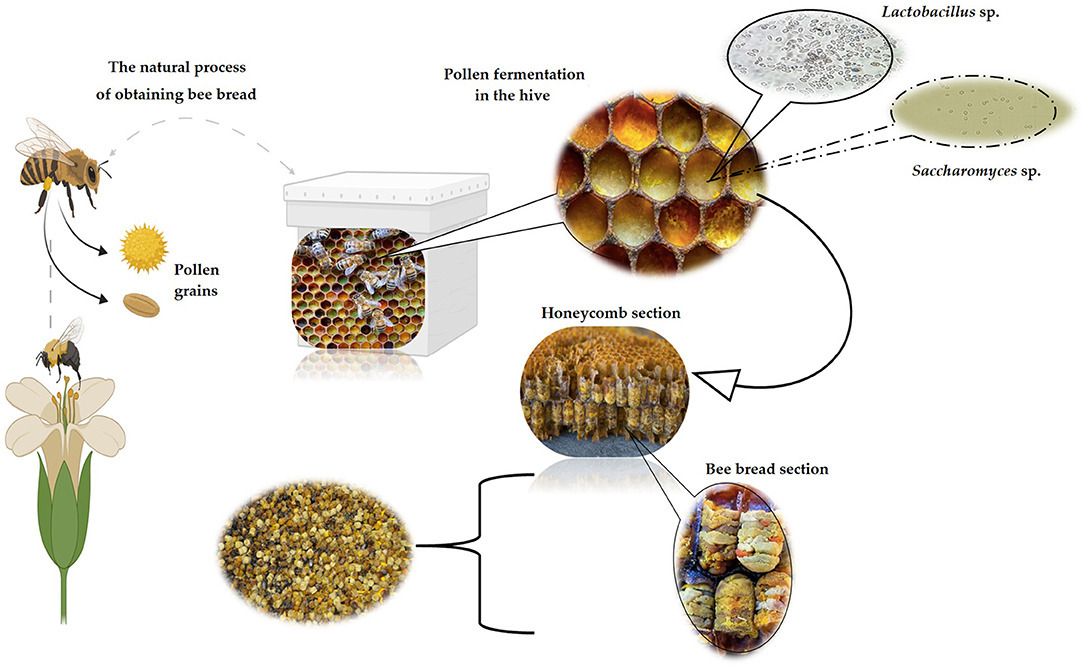
Figure 2. The natural process of producing BB by bees (image created using BioRender and King Draw applications).
In addition, Bacillus species in Melipona panamica nests were shown to secrete enzymes that catalyze the breakdown of lipids, carbohydrates, and proteins. This bacterial genus was found predominant in BP, and some species are known to ferment glucose. Therefore, this suggests that Bacillus species is a significant genus that could be involved in the BB formation (43, 44).
Inside the hive, BP turns into BB in about 7 days, fulfilling several biochemical stages, starting after the development of LAB, indole-producing bacteria (Escherichia spp.), aerobic bacteria, and yeast. In the next step, the anaerobic LAB (Streptococcus spp.) use the nutrients created by bacteria and yeast, causing the pH of BP to decrease. Then, when the concentration of Streptococcus bacteria decreases, Lactobacilli bacteria begin to increase at the end of the 7 days when the LAB and yeasts die. Moreover, due to lactic acid fermentation, the BB reaches a pH of 4.0, becoming microbiologically sterile, all in the last stage (3). Certainly, BB is pollen stored in the hive, which undergoes a fermentation process, most likely due to the glandular secretions of bees and its microbial group, involving mold, yeast, and bacteria, and LAB with a critical role in this process (45). The resulted product is more stable and more nutritious than fresh BP and has higher vitamin content, especially vitamin K because of the pollen degradation (3, 46). Due to the metabolism of microorganisms involved in the fermentation process, the content of LAB increases, resulting in long-term protection against microorganisms and strengthening the nutritional properties of BB (47).
또한, Melipona panamica 둥지의 Bacillus 종은
지질, 탄수화물, 단백질의 분해를 촉매하는 효소를 분비하는 것으로 나타났습니다.
이 박테리아 속은 BP에서 우세하며,
일부 종은 포도당을 발효할 수 있는 것으로 알려져 있어
Bacillus 종이 BB 형성에 중요한 속일 수 있음을 시사합니다 (43, 44).
벌집 내에서 BP는
약 7일 만에 BB로 변환되며,
여러 생화학적 단계를 거칩니다.
이는 LAB,
인돌 생성 박테리아(Escherichia spp.),
호기성 박테리아, 효모의 발달 후 시작됩니다.
다음 단계에서 무산소 LAB(Streptococcus spp.)는
박테리아와 효모가 생성한 영양소를 사용하며 BP의 pH를 낮춥니다.
이후 Streptococcus 박테리아 농도가 감소하면
Lactobacilli 박테리아가 7일 말기에 증가하며,
LAB와 효모가 사멸합니다.
또한 젖산 발효로 인해 BB는
pH 4.0에 도달하여
미생물학적으로 멸균 상태가 됩니다 (3).
확실히, BB는 벌집에 저장된 꽃가루로,
꿀벌의 분비선 분비와 곰팡이, 효모, 박테리아,
특히 이 과정에서 중요한 역할을 하는 LAB의 미생물군에 의해 발효 과정을 겪습니다 (45).
결과물은 신선한 BP보다 더 안정적이고 영양가가 높으며,
특히 꽃가루 분해로 인해 비타민 K 함량이 증가합니다 (3, 46).
발효 과정에 관여하는 미생물 대사로 인해 LAB 함량이 증가하여
병원체에 대한 장기 보호와 BB의 영양 특성이 강화됩니다 (47).
The chemical composition of BB, such as flavor, color, and texture, changes considerably after being stored, and these characteristics vary among bee species. For example, the BB of stingless bee Frieseomelitta and Tetragonisca are dry and sweet, while the ones produced by Melipona and Scaptotrigona are moist and sour (48).
The process of collecting BB from the hive is more laborious than BP, where the traps placed at the hive entrance are sufficient to manage it. Complex techniques like machinery separation or freezing followed by a manual crushing of the combs are required to obtain BB as it is fixed with beeswax and tightly stuffed in the combs by bees (22). Therefore, BB is more costly than other bee products (49).
The current tendency relating to the consumer's behavior and food inclination determined the production of novel products. Therefore, new technologies for their development, challenging companies from several food enterprises to commence the action of organic products. As a result of fermentation, the obtained bee products have become an increasingly studied niche. Solid-state fermentation is a bioprocess naturally produced in the hive when BP is used as the primary nutrient source for microorganisms (21). The advantage of using BP in future processes, like solid-state fermentation, will be discussed in the following section to demonstrate the necessity of obtaining BB via the biotechnological route.
BB의 화학적 조성(향, 색상, 질감 등)은 저장 후 상당히 변하며,
이는 꿀벌 종에 따라 다릅니다.
예를 들어,
Frieseomelitta와 Tetragonisca의 BB는
건조하고 달콤한 반면,
Melipona와 Scaptotrigona의 BB는 습하고 신맛이 있습니다 (48).
벌집에서 BB를 채취하는 과정은
BP 채취보다 더 노동 집약적이며,
벌집 입구에 설치된 덫만 있으면 충분합니다.
BB를 얻기 위해서는
꿀벌 왁스로 고정되고 벌집에 단단히 채워진 상태에서 기계 분리나 동결 후 수동 분쇄와 같은
복잡한 기술이 필요합니다 (22).
따라서
BB는 다른 꿀벌 제품보다 비용이 더 많이 듭니다 (49).
소비자의 행동과 식품 선호도에 대한 현재 경향은
새로운 제품 생산을 결정지었습니다.
이에 따라 유기 제품에 대한 여러 식품 기업의 도전이 시작되었으며,
발효를 통해 얻은 꿀벌 제품은 점점 더 연구되는 틈새 시장이 되었습니다.
고체 상태 발효는
BP가 미생물의 주요 영양원으로 사용될 때 벌집에서 자연적으로 발생하는 생물 공정입니다 (21).
향후 공정에서 BP를 사용하기 위한 장점은
다음 섹션에서 논의되어 생명공학적 경로를 통해 BB를 획득할 필요성을 입증할 것입니다.
Biotechnological Processes Simulating the Natural Fermentation Process of BB
Nowadays, more and more scientific research proposes using LAB as a noteworthy part of future production chains. The food industries focused on producing value-added products with significant bio-elements, macro and micro-nutrients, vitamins, and health benefits (50). LAB are gram-positive bacteria, non-spore-forming, fermentative, facultative anaerobic, with a significant impact on the food industry (51). Furthermore, LAB has important significance since they fulfill the safety conditions for people and animals (GRAS—-Generally Recognized as Safe). Each has a distinct fermentation metabolism and energy gained due to the saccharides conversion (52).
In consequence, throughout fermentation, in addition to lactic acid, the specific LAB strains produce multiple metabolites like exopolysaccharides, enzymes, diacetyl, hydrogen peroxide, and bactericidal proteins or bacteriocins. These compounds confer the functional properties of LAB, for instance, probiotic and fibrinolytic effects antioxidant activity, in addition to providing fermented products with their remarkable consistency, color, flavor, and aroma (53). LAB has a long history of application in various industrial sectors used as starter cultures. Thus, microbial preparations of many microorganisms are introduced in raw material to develop a fermented product by an accelerated and guided process (54, 55). In recent years, numerous researchers attempted to simulate the natural fermentation of BP via microorganisms' inoculation under various process conditions at the lab scale to obtain nutritional and functional BB (Figure 3).
BB 자연 발효 과정을 모방한 생명공학적 공정
요즘 점점 더 많은 과학적 연구가
LAB를 미래 생산 체인의 중요한 부분으로 제안하고 있습니다.
식품 산업은
유의미한 생물 요소, 대·미량 영양소, 비타민, 건강 혜택이 있는 부가가치 제품을 생산하는 데
초점을 맞추고 있습니다 (50).
LAB는
그람 양성 박테리아로, 포자를 형성하지 않으며
발효성, 통성 혐기성으로 식품 산업에 중요한 영향을 미칩니다 (51).
또한 LAB는 사람과 동물에 대한 안전 조건(GRAS—일반적으로 안전으로 인정)을 충족하므로
중요한 의미를 가집니다.
각 LAB는
당의 변환으로 인해
독특한 발효 대사와 에너지 획득을 보입니다 (52).
결과적으로
발효 과정에서 젖산 외에도 특정 LAB 균주는
엑소폴리사카라이드, 효소, 디아세틸, 과산화수소, 살균 단백질 또는
바이터신과 같은 여러 대사 산물을 생성합니다.
이러한 화합물은
LAB의 기능적 특성(예: 프로바이오틱 및 섬유소 용해 효과, 항산화 활성)을 부여하며,
발효 제품에 놀라운 일관성, 색상, 향, 향미를 제공합니다 (53).
LAB는
다양한 산업 분야에서 스타터 배양으로 오랜 역사를 가지고 있으며,
원료에 많은 미생물의 미생물 제제를 도입하여 가속화되고 안내된 공정을 통해 발효 제품을 개발합니다 (54, 55).
최근 몇 년간 많은 연구자들이
실험실 규모에서 다양한 공정 조건 하에서 미생물을 접종하여
BP의 자연 발효를 모방하여 영양가 있고 기능적인 BB를 얻으려 했습니다 (그림 3).
FIGURE 3
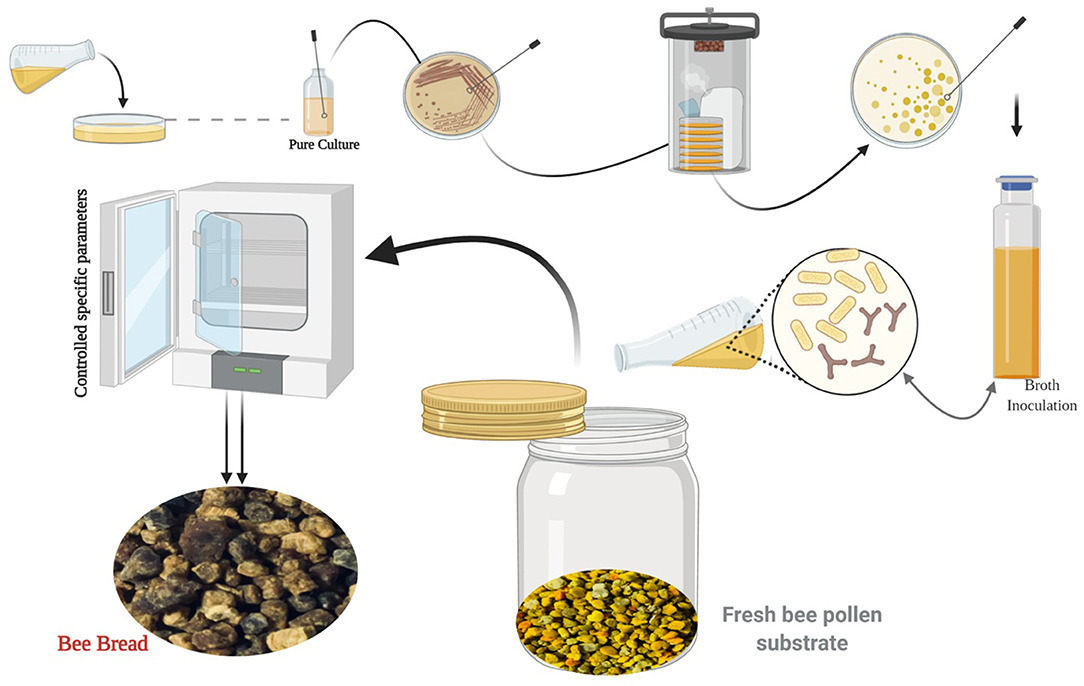
Figure 3. The biotechnological process of simulating the natural fermentation process of BB (image created using BioRender and King Draw applications).
Moreover, other studies have carried out enzymatic hydrolysis and sonication as alternative methods to improve BP nutrient bioavailability (56). Concerning LAB, 45 bacteria species were identified and isolated from honeybees, flowers, and bee products, as shown in Table 2 (87). Studies have shown that bees possess specific microbiota, different from other beings, but closely related to the thread Firmicutes, Actinobacteria, and Proteobacteria, the essential intestinal bacteria (88). A unique LAB group, different from the classic consortium that prefers glucose, has been identified in the stomach of bees, fructophilic lactic acid bacteria (FLAB), which can use fructose from richer sources, for instance, flowers (57). Recently, FLAB was regarded as unconventional LAB, as they have a unique growth characteristic due to a partially bi-functional alcohol/acetaldehyde dehydrogenase encoded gene, generating a disequilibrium in NAD/NADH (nicotinamide adenine dinucleotide/reduced nicotinamide adenine dinucleotide) and the necessity of supplementary acceptors for metabolizing glucose (58). According to recent studies, fructose-feeding insects, like bees, possess in their guts high amounts of FLAB cells belonging to the Fructobacillus and Lactobacilli spp. (59).
그림 3. BB의 자연 발효 과정을 모방하는 생명공학적 공정 (BioRender 및 King Draw 애플리케이션으로 생성된 이미지).
또한 다른 연구에서는
효소 가수분해와 초음파 처리를 대안 방법으로 사용하여
BP 영양소의 생체 이용률을 개선했습니다 (56).
LAB와 관련하여,
꿀벌, 꽃, 꿀벌 제품에서 45종의 박테리아가 식별 및 분리되었으며,
이는 표 2에 나와 있습니다 (87).
연구에 따르면 꿀벌은
다른 생물과 다른 특정 미생물군을 보유하며,
이는 Firmicutes, Actinobacteria, Proteobacteria와 같은
주요 장 박테리아와 밀접한 관련이 있습니다 (88).
꿀벌의 위에서 포도당을 선호하는 고전적인 군집과
다른 독특한 LAB 그룹인 과당 선호 젖산균(FLAB)이 식별되었으며,
이는 꽃과 같은 풍부한 공급원에서 과당을 사용할 수 있습니다 (57).
최근 FLAB는 비정통적인 LAB로 간주되었으며,
이는 부분적으로 이중 기능 알코올/아세트알데히드 탈수소효소 유전자가 암호화되어
NAD/NADH(니코틴아미드 아데닌 다이뉴클레오타이드/환원된 니코틴아미드 아데닌 다이뉴클레오타이드) 불균형을 생성하고
포도당 대사를 위해 추가적인 수용체가 필요하기 때문입니다 (58).
최근 연구에 따르면
과당을 먹는 곤충(예: 꿀벌)은 장에 Fructobacillus와 Lactobacilli spp.에 속하는
높은 양의 FLAB 세포를 보유합니다 (59).
TABLE 2
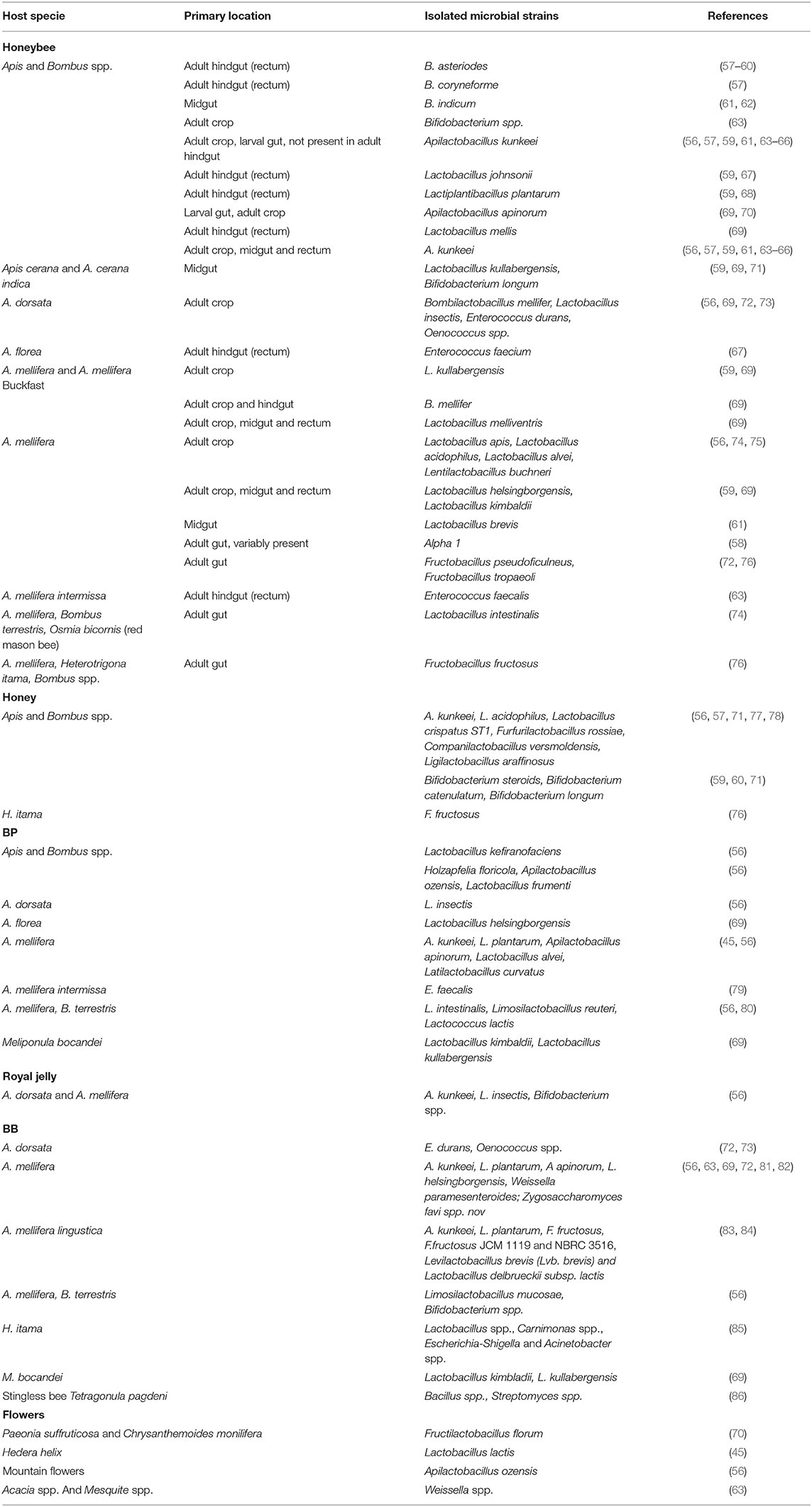
Table 2. LAB from the colony environment of honeybees.
Foods fermented with selected Bifidobacterium strains are known to present a variety of probiotics, prophylactic and therapeutic properties (89). Members of the Bifidobacterium genus are found as gut microbiota components. They are thought to play a significant function in sustaining and improving human health by evoking various positive qualities. Bifidobacteria may use a wide variety of dietary carbohydrates, most of them being oligo- and polysaccharides derived from plants, that avoid decomposing in the intestine's upper section (90). Bifidobacteria spp. are Gram-positive, hetero-fermentative microorganisms that do not generate spores (90). The Bifidobacteria pathway consists of a carbohydrate metabolism mechanism found in all Bifidobacterium spp., due to their ability to metabolize different polysaccharides leading to the degradation of those undigested sugars (91). Vamanu et al. (92) used a substrate of prebiotics such as lactulose, inulin, and raffinose with Bifidobacterium bifidum 1 and 2 to evaluate their impact on lactic acid production, cell viability, and antioxidant activity. The BP and honey-based medium supplemented with prebiotics, ground pollen, and inulin provided the best results in viability and total antioxidant activity (92). These findings demonstrate the feasibility of BB functional foods that can be used in both medicine and food sectors (93).
표 2. 꿀벌 집단 환경에서 나온 LAB.
선택된 Bifidobacterium 균주로 발효된 식품은
다양한 프로바이오틱, 예방적, 치료적 특성을 보입니다 (89).
Bifidobacterium 속의 구성원은
장 미생물군의 구성 요소로 간주되며,
다양한 긍정적 특성을 유도하여 인간 건강을 유지하고 개선하는 중요한 역할을 합니다.
Bifidobacteria는
식이 탄수화물의 광범위한 종류(주로 식물에서 유래한 올리고- 및 다당류)를 사용할 수 있으며,
이는 장 상부에서 분해되지 않습니다 (90).
Bifidobacteria spp.는
그람 양성, 이소발효 미생물로 포자를 생성하지 않습니다 (90).
Bifidobacteria 경로는
모든 Bifidobacterium spp.에서 발견되는 탄수화물 대사 메커니즘으로,
다양한 다당류를 대사할 수 있는 능력으로 인해 소화되지 않은 당의 분해로 이어집니다 (91).
Vamanu 등 (92)은
락툴로스, 이눌린, 라피노스와 같은 전단비료 기질을 Bifidobacterium bifidum 1 및 2와 함께 사용하여
젖산 생산, 세포 생존성, 항산화 활성에 미치는 영향을 평가했습니다.
전단비료, 분쇄된 꽃가루, 이눌린으로 보충된 BP 및 꿀 기반 배지는 생존성과 총 항산화 활성에서 가장 좋은 결과를 제공했습니다 (92).
이러한 결과는 의약 및 식품 분야에서 사용될 수 있는 BB 기능성 식품의 타당성을 보여줍니다 (93).
Lactobacilli spp. on the Biotechnological Process and the Use of Probiotics
Lactobacilli are gram-positive, non-spore-forming bacteria that at the end of fermentation release lactic acid as the primary end product of fermentation, which also contributes to the texture and sensory profile of a food (94). Lactobacillus was the most numerous genera within the LAB group belonging to the phylum Firmicutes, class Bacilli, order II Lactobacillales and family Lactobacillaceae. According to the recent reclassification, the Lactobacillus genus has been split into 23 new genera (95). Some of them (for example, Lacticaseibacillus casei and Ligilactobacillus salivarius) provide particularly L (+) lactic acid, while other microorganisms like Lactobacillus bulgaricus and Lactobacillus jensenii generate only D – lactic acid, and microorganisms like Lactobacillus acidophilus and Lactobacillus helveticus can create a combination of D (+) and L– lactic acid. (63). The live microorganism belonging to these genera has recently gained further attention. They are immune to gastrointestinal acidity, improve the intestinal microbiota, and reduce the growth of undesirable bacteria (65). Further, the available studies in the literature describe a biotechnological way to obtain BB by using collected BP as substrate and specific Lactobacilli spp. as starter culture according to their particular growing conditions (Table 3).
Lactobacilli spp.의 생명공학적 공정 및 프로바이오틱 사용
Lactobacilli는
그람 양성, 포자를 형성하지 않는 박테리아로, 발효 말기에 젖산을 주요 최종 생성물로 방출하며,
이는 식품의 질감과 감각적 프로필에 기여합니다 (94).
Lactobacillus는
Firmicutes 문, Bacilli 강, II Lactobacillales 목, Lactobacillaceae 과에 속하는
LAB 그룹 내에서 가장 많은 속으로
최근 재분류에 따라 23개의 새로운 속으로 나뉘었습니다 (95).
그중 일부(예: Lacticaseibacillus casei 및 Ligilactobacillus salivarius)는 특히 L(+) 젖산을 제공하며,
다른 미생물(예: Lactobacillus bulgaricus 및 Lactobacillus jensenii)은
D-젖산만 생성하고,
Lactobacillus acidophilus 및 Lactobacillus helveticus는 D(+) 및 L-젖산의 조합을 생성할 수 있습니다 (63).
이러한 속에 속한 살아있는 미생물은 최근 더욱 주목받고 있으며, 위장관 산도에 저항하고 장 미생물군을 개선하며 원치 않는 박테리아 성장을 줄이는 효과가 있습니다 (65). 문헌에 있는 이용 가능한 연구는 생명공학적 방법으로 BP를 기질로 사용하고 특정 Lactobacilli spp.를 스타터 배양으로 사용하여 특정 성장 조건에 따라 BB를 얻는 방법을 설명합니다 (표 3).
TABLE 3
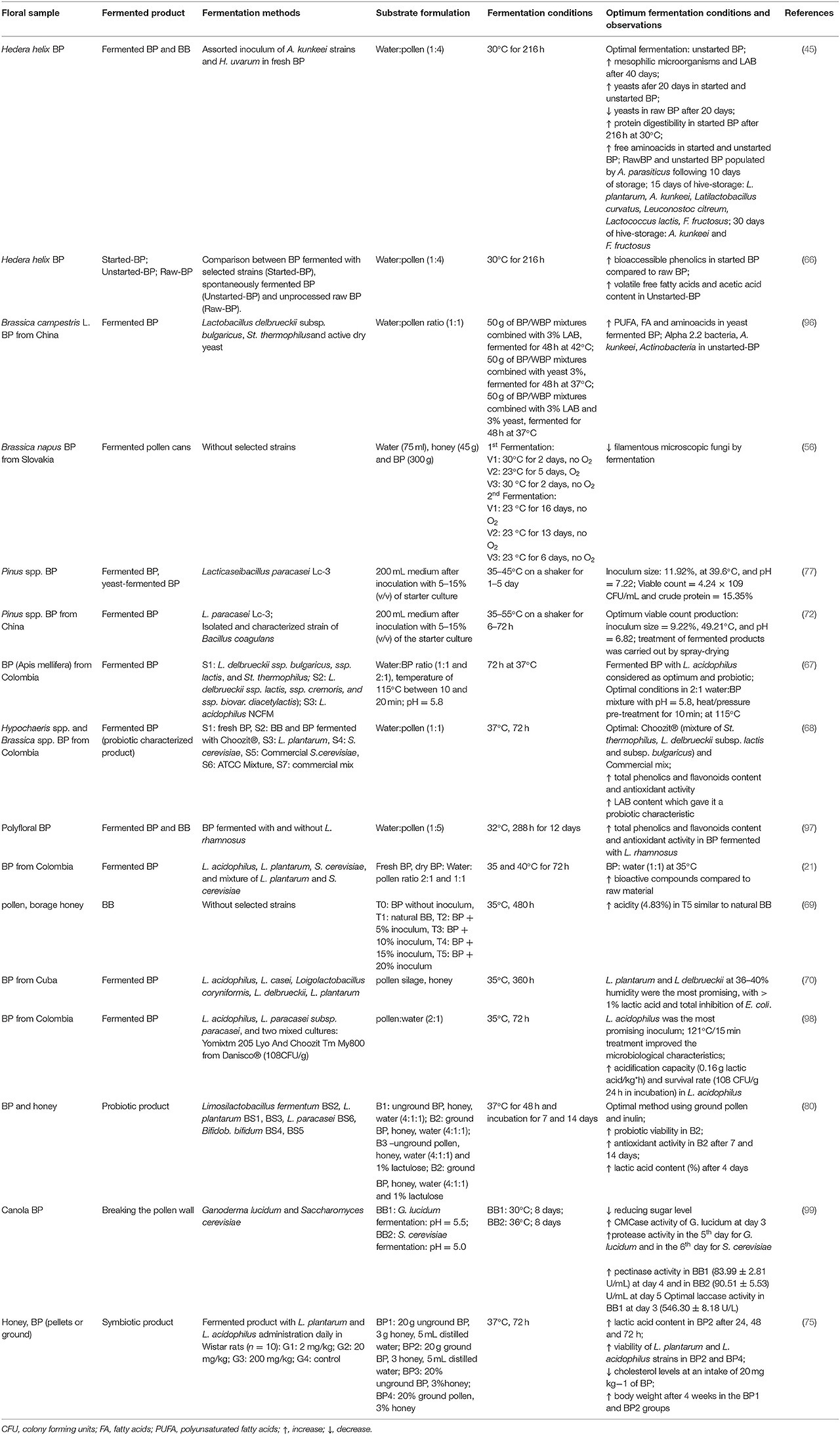
Table 3. Recent advances in the biotechnological processes to obtain fermented products using BP.
The most important mechanism for the fermenting of microorganisms is carbon metabolism, in which carbohydrates are converted into essential compounds such as alcohols, acids, and carbon dioxide as the main end–products (100). To produce lactic acid, L. bulgaricus, and Streptococcus thermophilus consume sugar up to 3.2%, but in an acidic environment, those species become inactive (101). In this aspect, following fermentation, the levels of maltose and turanose decreased. The contents of free and total phenolic compounds increased by 18.3 and 17.8% after fermentation, whereas the content of bound phenolic compounds decreased. Fermentation with various microbial strains was demonstrated to enhance the quality of phenolic compounds in BB attributed to BP's structure (23, 102). Most bioactive compounds can be changed during fermentation due to the microbes' metabolic actions; thus phenolic acids are released under acidic conditions—field (103). Furthermore, peptides play critical roles in enhancing food taste and flavor. Most people cannot eat BP due to its distinctive aroma; however, active–taste peptides may solve this limitation (104).
표 3. BP를 사용한 발효 제품을 얻기 위한 최근 생명공학적 공정 진전.
미생물 발효의 가장 중요한 메커니즘은 탄소 대사로, 탄수화물이 알코올, 산, 이산화탄소와 같은 필수 화합물로 전환됩니다 (100). 젖산을 생성하기 위해 L. bulgaricus와 Streptococcus thermophilus는 최대 3.2%의 당을 소비하지만 산성 환경에서 이 종은 비활성화됩니다 (101). 이 측면에서 발효 후 말토스와 투라노스 수준이 감소했습니다. 유리 및 총 페놀 화합물 함량은 발효 후 각각 18.3%와 17.8% 증가했으며, 결합된 페놀 화합물 함량은 감소했습니다. 다양한 미생물 균주로의 발효는 BP 구조에 기인한 페놀 화합물의 품질을 향상시켰습니다 (23, 102). 대부분의 생리활성 화합물은 미생물의 대사 작용으로 발효 중 변경될 수 있으며, 산성 조건 하에서 페놀산이 방출됩니다 (103). 또한 펩타이드는 식품 맛과 향을 향상시키는 데 중요한 역할을 합니다. 대부분의 사람들은 BP의 독특한 향 때문에 먹기 어렵지만, 활성 맛 펩타이드는 이 한계를 해결할 수 있습니다 (104).
BP는 니코틴산, 판토텐산, 리보플라빈이 풍부하며, BP의 리보플라빈 함량은 모든 식물 기반 재료 중 가장 높습니다. 리보플라빈, 니코틴아미드, 니코틴산, 아미노산 함량은 두 꽃가루 배지에서 발효 후 증가하여 L. bulgaricus 및 S. thermophilus 발효가 비타민 함량을 향상시킬 수 있음을 강조합니다 (105). 또한 단백질은 발효 과정에서 더 작은 분자로 분해되어 소화와 섭취가 훨씬 쉬워집니다. 그 외에도 벽 파괴 꽃가루는 발효 과정에서 영양소 변환에서 더 큰 이점을 보여줍니다 (96). 2019년 Di Cagno 등 (45)은 BP를 주요 기질로 사용하여 실제 고체 상태 발효 과정을 수행하여 BB의 자연적 과정을 재현하려 했습니다. 또한 LAB의 역할이 정확히 강조된 생명공학 프로토콜을 수립했으며, 온도, pH, 선택된 스타터, 시간과 같은 특정 파라미터가 발효 종료 시 제품 품질에 영향을 미칩니다 (표 3).
발효는 인간 체에 고품질 영양소를 제공하는 가장 비용 효율적인 방법이므로, Knazovická 등 (73)은 BP를 사용하여 꿀벌의 기능을 모방한 자연 발효 모델을 시뮬레이션하고 최종 제품(꽃가루 캔)을 분석했습니다. 꽃가루 캔(BB)의 물리화학적 분석은 생 BP 분석 결과에 비해 수분 함량이 60% 증가, 유리 산도가 40% 증가, pH가 17% 감소했으며, 지방이 2% 감소했습니다. pH 감소는 젖산 및 초산 발효와 알코올 발효로 인해 발생하며, 이는 BB의 방어 역할과 부패 방지를 보장합니다.
2019년 다른 연구에서는 LAB로 BP를 고체 발효하여 결과 제품의 영양 함량을 잠재적으로 개선할 수 있음을 발견했습니다 (96). 이 연구는 영양이 개선된 새로운 천연 식품을 BP에서 얻어 영양 보조제 또는 다른 식품의 귀중한 성분으로 사용할 수 있는 것을 목표로 했습니다. LAB는 BP에 있는 탄수화물을 사용하여 젖산을 생성했습니다. 발효 중 젖산 함량은 168시간 후 약간 증가하여 최종 수준이 6.10%였으며, 대조군에서는 변하지 않았고 총 당 함량은 31.60% 감소했습니다. 발효 전 BP의 단백질 수준은 26.80 mg/g이었으며, 발효 후 12.53 mg/g 증가했습니다. 추가 세부 사항은 표 3에서 확인할 수 있습니다.
BP is well-known to be rich in nicotinic, pantothenic acids, and riboflavin, while the riboflavin content of BP is the highest among all plant-based materials. The contents of riboflavin, nicotinamide, nicotinic acid, and amino acids were increased after fermentation in both pollen mediums, emphasizing the fermentation with L. bulgaricus and S. thermophilus can enhance vitamin content (105). In addition, the proteins degrade into smaller molecules through the fermentation process, making digestion and consumption much more accessible. Aside from that, wall-breaking pollen demonstrated more significant advantages in nutrient transformation during the fermentation process (96). In 2019, Di Cagno et al. (45) attempted to reproduce the natural process of BB fermentation by performing an actual solid-state fermentation process with BP as the primary substrate. Furthermore, they established a biotechnological protocol in which the role of LAB is precisely emphasized, and specific parameters, like temperature, pH, use of selected starters, time, influence the quality of the product developed at the fermentation end (Table 3).
Since fermentation is the most cost-effective method to improve the availability of high-quality nutrients for the human body, Knazovická et al. (73) simulated the function of bees with BP using a natural fermentation model analyzed the final product, which they dubbed pollen can. Physico-chemical analyzes of pollen can (BB) showed a 60% increase in water content, a 40% increase in free acidity, and a 17% decrease in pH, along with a reduction of 2% of fat compared to the results of analyzes performed on raw BP. The drop in pH is caused by lactic and acetic acid fermentation and alcoholic fermentation, thus ensuring a defensive role and spoilage avoidance of BB.
In 2019, another study found a potential improvement in the nutrient content of the resulting product through the solid fermentation of BP with LAB (96). The study aimed to obtain a nutritionally improved novel natural food product from BP that can be used as a nutritional supplement or a valuable ingredient in other foods. The LAB produced lactic acid by using the carbohydrates found in BP. During fermentation, the lactic acid content increased slightly after 168 h, with the final level of 6.10%, while in control, it remained unchanged, and the total sugar content decreased by 31.60%. The protein level in BP before fermentation was 26.80 mg/g, which increased by 12.53 mg/g after fermentation. Further details can be seen in Table 3.
Yeast on the Biotechnological Process and Probiotic Usage
Foods have been fermented to enhance their organoleptic and nutritional characteristics from ancient times. In the 20th century, industrial microbiology grew even further when new opportunities for producing a wide range of goods by fermentative processes emerged (90). Recent developments in yeast taxonomy, ecology, biochemistry, genetics, and molecular biology have piqued the interest in their role and importance in beverages and foods. This has led to a better understanding of the fermentation functions of well-known products and their role in the fermentation processes of other substrates (93). During their development in beverages and foods, they absorb nitrogen and carbon substrates and produce a wide range of volatile and non-volatile metabolites that influence the product's chemosensory properties. At the same time, other yeasts create extracellular amylases, proteases, lipases, and pectinases which also affect the aroma and texture of products (106). Yeast enzymatic activity is now critical in the processing of wide varieties of fermented food products; thus through a fermentation process under anaerobic or oxygen rich-conditions, it is likely to obtain ethanol and carbon dioxide (107). Compared to LAB, yeasts are not especially nutritionally demanding, but even so, the presence of simple compounds such as fermentable sugars, vitamins, minerals, amino acids, and oxygen stimulate their growth (108).
During a study, Yan et al. (96) fermented BP with various yeast or yeast mixtures the following fermentation. The overall phenolic compound contents of BP or wall-breaking pollen increased in the next order: fermentation with a microbial combination> fermentation with yeasts > LAB fermentation. The findings indicate that peptides with lower molecular weight significantly increased throughout fermentation. Peptides are either released during protein hydrolysis or formed by microorganisms involved in fermentation (97). A surprising aspect is that the following fermentation with yeasts, peptides with lower molecular weight (<1,000 Da), also known as oligopeptides, carry out a variety of active functions such as blood pressure regulators, anticoagulants, and antioxidants (109).
Yeast fermented BP may contain more carbohydrates, generate oligopeptides, free essential amino acids, PUFAs, and polyphenols than BP fermented by LAB; thus, yeast fermentation is a viable option for improving BP's nutritional properties (29). In this aspect, Zhang et al. (99) investigated the fermentation mechanisms of Canola BP by S. cerevisiae and Ganoderma lucidum to facilitate the breaking of the pollen wall. The pollen wall cannot fully decompose in the human digestive system, and its contents are only released through the germinal aperture, resulting in a nutrient consumption reduction. As a result, deterioration of the pollen wall is needed to maximize the use of nutrients present inside BP (58). On day 1, the Canola BP coating disappeared, the germinal apertures continued to expand with fermentation until the 8th day when the contents were released, and the wall's structure was damaged. G. lucidum broth comprises higher amounts of nutrients compared to S. cerevisiae. The results showed a suitable fermentation method for breaking the pollen wall and releasing nutritional compounds (e.g., polysaccharides, ganoderic acid) (110).
Hanseniaspora uvarum, a unique yeast species that can grow at 1.5 pH (most yeasts grow better at pH 4.5–7.0), along with A. kunkeei, was used by Di Cagno et al. to reproduce the natural process of BB by performing an initial solid-state fermentation process with BP as the main substrate (45). Yeasts were detected at the uppermost cell densities in raw BP throughout their first 20 days of storage and unstarted BP throughout their last 20 days. H. uvarum pectin-degrading enzymes were required to break down the pollen walls, resulting in nutrient release; this hypothesis emphasizes the close interaction between LAB and other microbial groups during BB fermentation (111). This study linked the growth process of BB to the active role of native LAB in collaboration with yeasts. Furthermore, it highlighted the critical role of A. kunkeei and the development of a fermentation protocol for BP that nearly reproduces the natural process of BB fermentation, resulting in a well-constructed and consistent fermented product with a high nutritional value, ideal for human consumption (45). Further details can be seen in Table 3.
The present studies indicate the favorable influence of BP solid-state fermentation on the nutritional content of the resulting product, BB, by boosting the bioavailability and digestibility of nutrients and bioactive substances. Furthermore, since all of the studies listed above have achieved positive features in their field of research, biotechnological BB can be considered a different food with a great source of natural nutrients and a product that is beneficial to human nutrition and health (14, 112).
Potential Therapeutic Properties of LABs Found in BB and/or Used in the Fermentation Process of BP
Probiotics from bee products possess several health benefits, including controlling gastrointestinal infections, improvement in lactose metabolism, anticarcinogenic and antimutagenic properties, cholesterol reduction, immune system stimulation, and improvement in inflammatory bowel disease (Table 4). Probiotics from BB produce bacteriocins and short-chain fatty acids, which help lower gut pH, enhance the available nutrients, colonize the colon with available microorganisms, stimulate mucosal barrier function, and increase immunity (Table 5). Moreover, several studies demonstrated the stimulatory effect of probiotics of the natural and gained immune response by inducing secretory and systemic IgA secretion (135–137).
TABLE 4
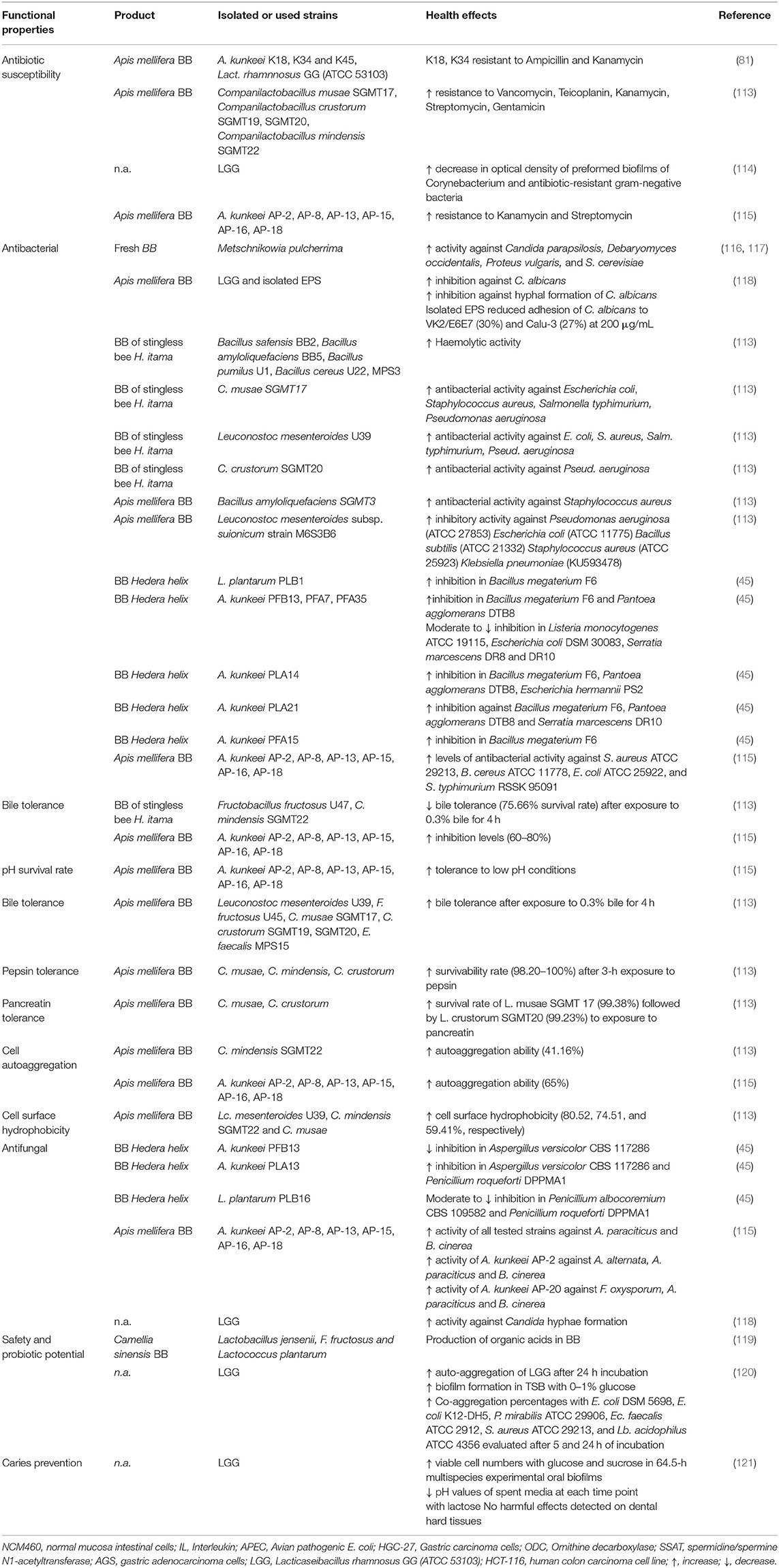
Table 4. Therapeutic properties of probiotic bacterial isolates found in BB and/or used in the fermentation process of BP.
TABLE 5
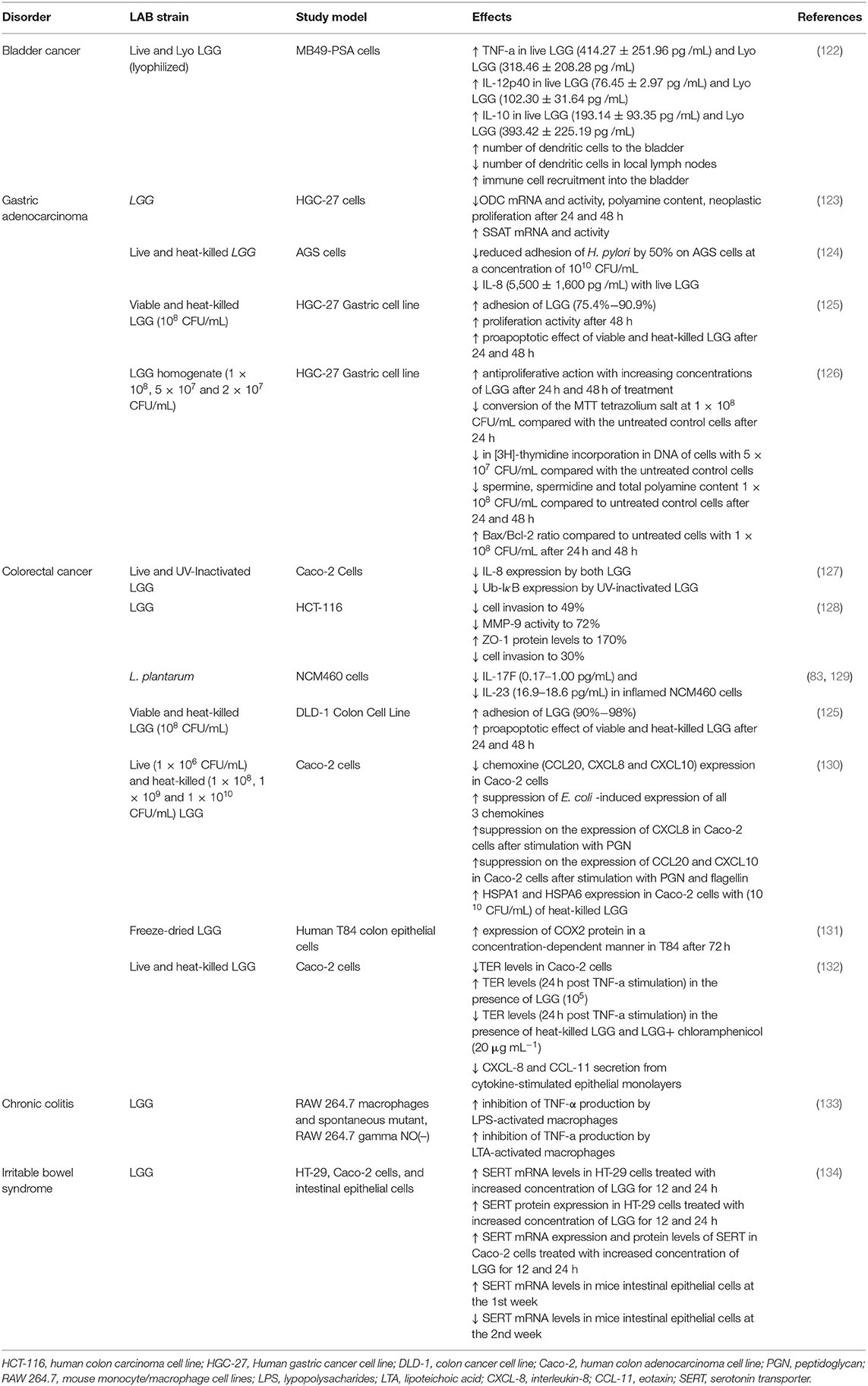
Table 5. In vitro studies regarding the potential therapeutic properties of LABs found in BB and/or used in the fermentation process of BP.
Multiple human and animal studies have been conducted and suggest that probiotics are GRAS and practical for clinical application on human diseases, such as acute pediatric diarrhea (138), rotavirus-related diarrhea (139), infantile colic (140), necrotizing enterocolitis in shallow birth weight infants (141), type 1 diabetes (142), allergic asthma (143) inflammatory bowel disease (144), bone loss (145), and bacterial vaginosis (146), and virus infection (147). Further details can be seen in Table 6.
TABLE 6
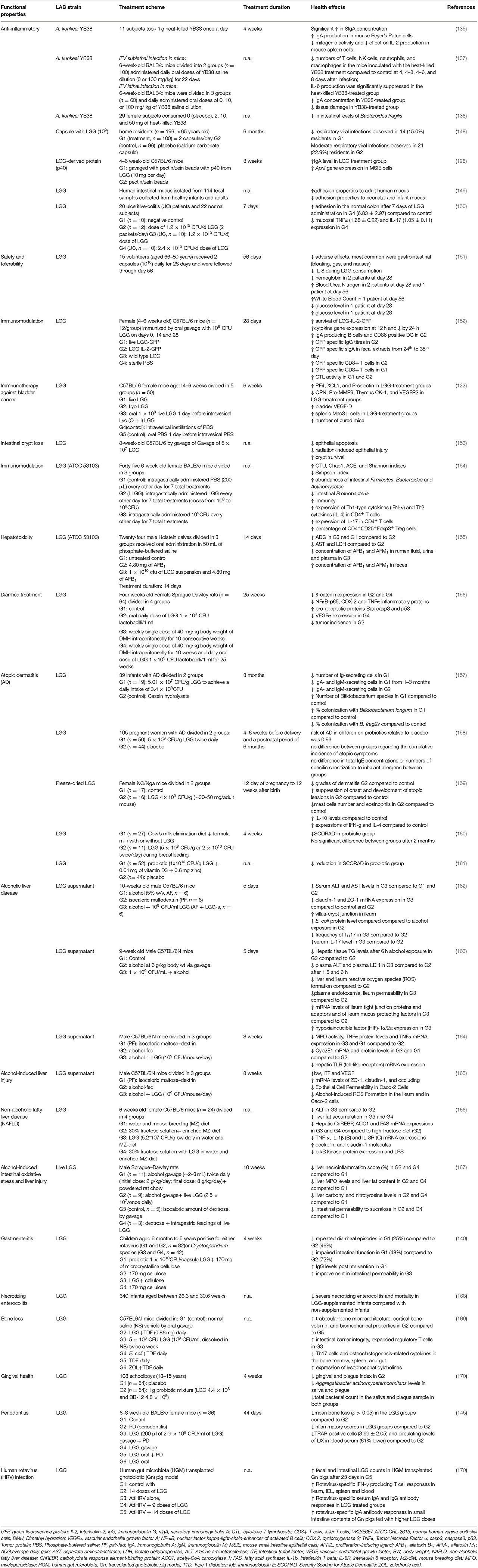
Table 6. In vivo studies regarding the potential therapeutic properties of LABs found in BB and/or used in the fermentation process of BP.
So far, Lacticaseibacillus rhamnosus ATCC 53103 (formerly Lactobacillus rhamnosus LGG) is the most characterized, and studied probiotics, extensively used in the fermentation process of BP with promising results (171). It has multiple health benefits; for instance, it produces a biofilm that acts as a mucosa-protecting agent, enhances the intestinal pit survival through diverse soluble factors beneficial to the gut, diminishes apoptosis of the intestinal epithelium, preserves cytoskeletal strength along with pathogen inhibition, promotes immune awareness by reducing expression of inflammation markers and increasing production of IL-10 (interleukin-10), IL-12 and TNF- α (α-tumor necrosis factor) (172). Thus, the combination of BP fermented with different lactobacilli strains is significant for developing a novel product used both as food and medicine.
Antibiotic Susceptibility
Several reports demonstrated that Lactobacilli strains have antibiotic resistance genes which can be transferred to the host gut of other bacteria. Therefore, it is significant to evaluate the antibiotic resistance properties of probiotics. Furthermore, characteristics linked to safety, survival in the host gut, and colonizing abilities are substantial to assess the proposed probiotic bacteria.
The prevalence of antibiotic-associated diarrhea varies based on diagnosis, with values between 5 and 30% in children and up to 70% in adults. In this aspect, treatment with LGG reduced the risk of antibiotic-associated diarrhea from 22 to 12% in adults and from 23 to 9.6% in children. In the LGG-groups, there was no need for antibiotic treatment discontinuation or intravenous rehydration (173). Korpela et al. evaluated whether long-term consumption of probiotics influences the antibiotic-associated changes in children's microbiota. Their results showed that long-term LGG-supplementation increased the levels of Lactococcus, Prevotella, and Ruminococcus and decreased the levels of Escherichia, as well as reduced the frequency of gastrointestinal complaints after the use of macrolides (174).
Salmonellosis is usually treated with antibiotics, which can cause side effects, including antibiotic resistance and enteric dysbacteriosis. Also, antibiotic therapy can worsen Salmonella-induced diarrhea. In this aspect, Lactobacilli strains are a promising alternative for Salmonella infection as they help prevent it, have fewer side effects, and have higher safety. Several Lactobacilli strains were found to attenuate the intestinal epithelial barrier dysfunction induced by Salmonella lipopolysaccharide (175). De Keersmaecker et al. demonstrated the potential antibacterial activity of LGG-spent culture supernatant (SCS) against S. typhimurium (176). Their results showed that several compounds, such as acetic, pyroglutamic, formic, and lactic acids, might be responsible for the antibacterial efficiency against Salmonella spp. Furthermore, infection with Salmonella spp. causes gut inflammation, which changes in the cytokine profile can detect. LGG reduced the levels of TNF-α in the colon while maintaining IL-10 and significantly reducing MPO (myeloperoxidase) levels (177).
Antibacterial Activity
Several reports showed the antibacterial activity of BB due to its high content of polyphenols and LAB. Also, the antimicrobial potential of BB for the prevention and treatment of bacterial and fungal infections in animals and humans has been demonstrated in (1, 178). In a recent study, several polish BB samples exerted higher inhibitory potential against Staphylococcus aureus ATCC 25923 and ATCC 29213. Furthermore, several pieces effectively inhibited the growth of S. aureus and MRSA (methicillin-resistant S. aureus), strains at concentrations between 2.5 and 5.0% (179). In the following study, the bacterial isolates of mature BB exhibited moderate antagonistic effects against S. aureus ATCC 25923, ATCC 29213, S. epidermidis ATCC 12228, P. aeruginosa ATCC 27853, and lower results against Escherichia coli ATCC 25922 (180).
Despite the progress in antimicrobial therapy, sepsis and meningitis caused by E. coli K1 remain the primary cause of mortality and severe neurological morbidity, particularly in preterm and very-low-birth-weight infants (181). In this aspect, He et al. in 2017 evaluated whether LGG supernatant has a preventive effect against gut-derived systemic neonatal E. coli K1 infection in human colonic carcinoma cell line Caco-2 and neonatal rat models. The in vitro results showed that LGG up-regulated mucin and maintained intestinal integrity by blocking the adhesion of E. coli K1 to Caco-2 monolayer. In contrast, the in vivo results showed a decrease of E. coli K1 infection susceptibility in neonatal rats who received oral administration of LGG and reduced bacterial intestinal colonization (182). Furthermore, the LGG-treated rats had increased intestinal expression of MUC2 (intestinal mucin), Ki67 (intestinal epithelial cell proliferation marker), IgA (immunoglobulin A), ZO-1 (zonula occludens-1), and mucin layer, and decreased barrier permeability compared to untreated rats.
Antiviral Activity
Influenza is an infectious disease that affects both animals and humans. The most common symptoms in humans are fever, coughing, muscle pain, chills, headaches, and weakness. In severe cases, it can cause pneumonia which can be fatal in children and the elderly. To investigate whether probiotics protect the host against influenza virus (IFV), BALB/c mice were infected with IFV A/PR/8/34 (H1N1) and administered intranasal LGG. It was shown that mice treated with LGG had lower symptoms frequency and higher survival rates than control. Also, increased mRNA expression of IL-8, TNF, and MCP-1 (monocyte chemotactic protein) were noticed in Ispirli and Dertli (183).
It was reported to reduce IL-2, IL-6, and IL-8, either by oral feeding or intraperitoneal injection with Apilactobacillus spp. The administration of heat-killed A. kunkeei YB38 reduced the symptoms of murine influenza pneumonia by enhancing SIgA production in mice infected with the influenza virus. The intake of A. kunkeei YB38 by healthy adults significantly improved secretory immunoglobulin A (SIgA) levels in saliva compared with baseline concentrations. Also, it decreased levels of the Bacteroides fragilis group.
Gastrointestinal Disorders
Based on their viability, probiotics can survive in simulated gastrointestinal conditions. LAB and their bioactive specific cellular components exert many pivotal effects on the ecosystem of the human GI tract, including maintenance of the gut microbiota and control of the enteric mucosal pathogens, and modulation of the cell-mediated immune response. Auto-aggregation and cell surface hydrophobicity properties of the bacterial cells are essential characteristics to reveal their potential as probiotics which can be associated with the cells adhesion to the gastrointestinal, demonstrating their health-promoting functions. The EPS (exopolysaccharide) production levels in A. kunkeei strains from BB had values between 0.17 (A. kunkeei AP-13) and 2.79 (A. kunkeei AP-15) g/L (115). Also, supplementation with LGG in colicky breastfed infants resulted in reduced daily crying and fecal calprotectin and increased total bacteria and Lactobacilli compared to the placebo group (140).
LGG has beneficial effects on the organism as to be considered probiotic. In particular, LGG can withstand gastric acidity and bile salts, effectively adhering to the gastrointestinal mucosa. The ability to resist gastric acidity and bile salts is a consequence of the power of the bacterium to produce anti-stress proteins that give it greater survival capacity in intestinal transit after oral intake (Table 4).
As neonatal necrotizing enterocolitis (NEC) is one of the significant causes of mortality in premature infants, oral administration of Bifidobacterium bifidum has been suggested as a promising preventive treatment. Thus, B. bifidum (5 × 10⁶ CFU/day) administered to premature rat models of NEC decreased the ailment incidence from 57 to 17% and increased the levels of IL-6, mucin-3, and Tff3 (trefoil factor 3). The protective effect of B. bififdum is related to a decreased inflammatory reaction in the ileum, regulation of main components of the mucus layer, and intestinal integrity improvement (184).
Bone Loss Prevention
Osteoporosis is a chronic syndrome of excessive skeletal fragility characterized by bone mass loss and bone micro-architecture deterioration. Patients with human immunodeficiency virus (HIV) (185) or subjected to antiretroviral therapy with tenofovir disoproxil fumarate (TDF) (186) are strongly correlated to bone loss. Recently, it has been suggested that the gut microbiota is linked to bone homeostasis (187). Thus, Liu et al. evaluated the effectiveness of LGG in attenuation of TDF-induced bone loss in 6-week old C57BL6/J mice. LGG treatment reconstructed the gut microbiota structure and increased the intestinal barrier integrity, proving an effective treatment against TDF-induced osteoporosis (169).
Periodontitis, a chronic inflammatory condition, affects the soft and hard tissues that support teeth. It is influenced by specific pathogenic bacteria (i.e., Porphyromonas gingivalis and Fusobacterium nucleatum), which have been shown to aggravate inflammation and alveolar bone loss in mice (188). In a recent study, LGG administration to P. gingivalis and F. nucleatum-inoculated mice reduced tissue inflammation in the duodenum and IL-6 levels in ileum compared to control. Oral gavage with LGG induced a protective effect against intestinal inflammation and reduced the changes in the gut microbiome (189). LGG also attenuated bone loss in ovariectomy-induced postmenopausal mice models. Inhibition of bone loss was due to increased anti-osteoclastogenic CD4+Foxp3+Tregs and CD8+Foxp3+Tregs and reduced bone marrow, peyer's patch, spleen, and lymph nodes levels (190).
Liver Disease
Alcoholic liver disease is one of the major liver diseases and has increased morbidity and mortality rates. Continued alcohol consumption might cause intestinal microbiota homeostasis, intestinal tight junction barrier dysfunction, endotoxemia, and ultimately steatohepatitis. LGG and bacteria-free LGG culture supernatant have shown promising results in terms of liver protection, such as promoting intestinal epithelial integrity and protecting the intestinal barrier in both animal and human subjects. In this aspect, Zhao et al. demonstrated that supplementation with LGG (109 CFU/day/mouse) decreased ethanol-elevated miR122a expression levels and attenuated ethanol-induced liver injury in mice (191).
Cholestatic liver disease is characterized by gut dysbiosis and increased toxic hepatic bile acids.
The mechanism of action by LGG on hepatic bile acids, liver injury, fibrosis, were evaluated in bile duct ligation (BDL) and multidrug resistance protein two knockout (Mdr2−/−) mice. LGG-treated mice had reduced hepatic concentration of taurine-β-muricholic acid and normalized levels of chenodeoxycholic acid compared to BDL mice. Also, the LGG-group mice had increased serum and ileum fibroblast growth factor 15 expression levels and reduced hepatic cholesterol 7α-hydroxylase (192). Further details can be seen in Table 6.
Immunomodulatory Effects
In recent years, immunotherapy has become an increasing anti-cancer treatment due to its fewer side effects compared to conventional ones. LABs in the gut microbiome of patients under immunotherapy had favorable, responsive rates compared to patients lacking them. Viable and heat-killed LGG were administered to colonic cancer mice models to assess the gut immune background changes. LGG-supplemented rats had increased colonic CD8 T-cell (cytotoxic T lymphocytes) responses and decreased tumor burden in the murine gut cancer models by a CD8 Tcell–dependent manner (193).
Mast cells are multifunctional regulator cells responsible for defense against pathogenic microbes. Thus, the effect of LGG on human mast cell gene expression using microarray analysis was investigated. LGG suppressed genes encoded allergy-related high-affinity IgE receptor subunits α and γ (FCER1A and FCER1G) and histamine H4 receptor. Also, LGG up-regulated the expression levels of genes involved in mast cell immune system regulation and genes that encode proteins with a pro-inflammatory impact (IL-8) and with anti-inflammatory functions (IL-10) (194).
Giardiasis causes intestinal malabsorption and diarrhea in malnourished and immunodeficient individuals, but frequently in children <3 years old. Thus, the immunomodulatory effect of orally administered LGG in Giardia-infected mice was investigated. Pre-and post-probiotic oral administration for 25 days modulated the mucosal immune system response, as the levels of IgA antibody, IgA+ cells, and CD4+ T lymphocytes increased, as well as increased levels of anti-inflammatory cytokines (i.e., IL-6 and Il-10) and decreased levels of pro-inflammatory cytokine INF-γ (195).
Using several BP fermentation variants, Knazovická et al. noticed a decrease in Enterobacteriaceae, making the fermented products appropriate for consumption by people with lower immunity. Apart from the types of fermentation involved in the process, natural products with antibiotic attributes developed by the existing microbiota in stored BP, interactions among living microorganisms can control and enhance the microbiota (73). Furthermore, the resulting BB is more suitable for the organism due to its increased digestibility (196).
Allergic Asthma
Asthma is an airway inflammatory disorder, and its prevalence is increasing by each year. Recent epidemiological studies demonstrated the relationship between asthma, allergic disorder development, and altered intestinal microbiota in both animal models (197–200) and human clinical trials (201–203). Intestinal colonization with freeze-dried LGG in pregnant and during lactation of BALB/c female mice for 48 days resulted in reduced allergic airway, peribronchial inflammation, goblet cell hyperplasia, and increased TNF-α levels (198). Also, pre-and post-treatment with LGG suppressed the airway hyper-responsiveness to methacholine and metalloproteinase nine expressions in lung tissue. Also, it significantly decreased the number of infiltrating inflammatory cells and Th2 cytokines in bronchoalveolar lavage fluid and serum compared with the OVA-sensitized mice (204). Recently, it was demonstrated that pre-and post-supplementation with LGG suppressed Th2 cytokine (T helper type II cells), TNF-α, IL-17, and HMGB (high mobility group box 1) in the BALF (Bronchoalveolar Lavage Fluid) levels and increased the levels of proteins involved in immune system responses, namely T-bet and Foxp3 in ARN (205).
The efficacy of LGG administration was studied on at-risk infants, as children of allergic mothers have an increased risk of developing allergies. Thus, LGG administration for 6 months diminished by almost 50% the incidence of allergy to expecting mothers and their infant's (197). No significant differences in asthma and allergic rhinitis were shown between early probiotic and placebo supplementation in infants (206).
Atopic Dermatitis
Atopic dermatitis (AD) is an increasing chronic skin disease in children with a prevalence reaching 10% in many industrialized countries (207). The rising incidence of atopic dermatitis might be associated with shifts in gastrointestinal microbiota, namely from a rich flora in non-pathogenic bacteria (i.e., Lactobacilli or Bifidobacterium) to one with increased pathogenic bacteria (i.e., Clostridium) (208). The preventive effect of Lactobacillus on the incidence of atopic dermatitis was demonstrated in pre-and postnatal infants who were less likely to develop this disease compared to placebo group infants. In a randomized, double-blind trial, pregnant women with atopic eczema, allergic rhinitis, or asthma received LGG (1 × 10¹⁰ CFU/day) between 2 and 4 weeks before the estimated delivery date. After delivery, infants received LGG for 6 months. In the 4th year, at the end of the trial, 46% of the children in the placebo group developed AD, compared to 26% in the probiotic group (201, 209). In a subsequent randomized, placebo-controlled trial, the children completing the previous studies were invited to complete a 7-year treatment. The LGG group had a lower risk of developing eczema (42%) compared to the placebo group (66%) (210). Rautava, Kalliomäki, and Isolauri in 2002 found that the levels of transforming growth factor (TGF)-β was significantly higher in the breast milk of LGG-administered mothers (2 × 10¹⁰ CFU/day) before labor and 3 months after birth (211). Furthermore, AD development was significantly lower in infants receiving LGG in the first 2 years compared to the placebo group. In multiple studies, no significant differences were observed between the probiotic and placebo-treated patients (212–214) or in IL-4, IL-5, and interferon γ (IFN γ) (215). Also, no significant differences between the probiotic and placebo groups regarding the eczema frequencies and atopic eczema were noticed (206, 216). Recently, Filipovic et al., in 2020, demonstrated that LGG formulation with Zn and vitamin D3 supplementation in infancy and early childhood proves to be an effective treatment against AD (161).
Lowering Cholesterol Levels
Excess cholesterol is associated with coronary artery disease, the most common cardiovascular disease with increased worldwide mortality by each year. Thus, there is a need for natural therapeutic products that lower cholesterol levels besides the existing treatment schemes. In this aspect, Kim et al. orally administered LGG to high-fat diet (HFD) mice for 13 weeks. A significant reduction of weight and adipose tissues were noticed in LGG-treated HFD-fed mice compared to control. The triglyceride serum levels and cholesterol were also significantly reduced (217).
In 2008, Vamanu et al. performed a study analyzing the evolution of L. acidophilus 1a, and L. plantarum 2s strains on a media with BP and honey. The study aimed to demonstrate the outcome of fermented products on cholesterol levels in Wistar rats (n = 40) and possible bio-productive effects. An increase in sugar consumption after 72 h of fermentation was noticed in the milled pollen grains groups and an aroma specific to BP and lactic acid. The results showed that increased weight was seen in all treated groups with the symbiotic product compared to control. Other monitored parameters were taste and aroma, highlighting that once lactic acid is produced, the sweet flavor converts to a mix between sweet and sour (218).
Safety and Digestibility
Understanding intestinal health and disease is strongly linked to identifying the functional elements behind the gut epithelia's effective growth and homeostasis. Recently, it was demonstrated that the intake of LGG elevated the leptin levels in the gut epithelia important in normal metabolism function and intestinal development and triggered cell proliferation (219).
According to the results presented in previous studies, in 2011, Fuenmayor et al. assessed the conditions required for a better BP fermentation from Columbia. Their results showed the possibility to use L. acidophilus inoculum in a matrix of BP to induce lactic fermentation and generate a probiotic product with additional functional characteristics, which might be used as a protein food supplement suitable for human consumption or as an ingredient in the development of other functional foods (98).
The massive role of A. kunkeei in preserving BB has been demonstrated in previous studies that have recognized BB's stability to the influences caused by nectar, honey, bee secretions, and BP natural properties (7). The fermentation protocol developed during this study emulates the natural BB fermentation process, generating a stable and safe fermented product with increased digestibility and bioavailability of nutrients due to the use of specific strains of lactobacilli as A. kunkeei (45).
Confectionary foods contain large numbers of titanium dioxide nanoparticles (TiO2 NPs), proving to be at a high risk of developing diet-induced metabolism syndrome (MetS). In this aspect, LGG-oral supplementation to MetS mice ameliorates TiO2 NPs-induced inflammation and metabolic abnormality caused by fructose. In LGG-supplemented mice, the gut dysbiosis was improved, and the inflammation-related bacteria (Clostridia, Desulfovibrionaceae, and Proteobacteria) were decreased; thus LGG acted as a defensive system against TiO2 NPs-induced severe inflammation damage (220).
Urinary symptoms are common in people suffering from neurogenic lower urinary tract dysfunction (NLUTD). As there are no non-prescription treatment methods (221), assessed the safety and tolerability of LGG in adults and children with NLUTD due to spinal cord injury or disease. At the end of the 18-month study, two doses of self-installed intravesical LGG were safe and well-tolerated among the tested individuals. This aspect was further confirmed by LGG installation in asymptomatic patients with neuropathic bladder. No adverse effects were reported after installation (222).
Impact Assessment of Current BB Production
Because collecting BB from the hive is time-consuming and harmful, it's marketing for human use is hampered. On the other hand, pollen removal through traps is handy for beekeepers and harmless to the hive (17). Harvesting BB can be a profitable option, but it is rarely applied in apiaries due to high costs and time-consuming. However, it is an auspicious opportunity, thanks to the rising consumer awareness of functional foods (i.e., food with positive and pro-health effects on human individuals, primarily due to the naturally present bioactive substances) (223).
The process of acquiring the final product can technically be entirely automated. However, in conventional apiaries, which are the most common in EU nations and have an average of 21 hives per beekeeper, it is not economically justified (224). A 3-year study began in the spring of 2015 to establish the volume of BB production in honeybee colonies and analyze the economic effects of such output. Each year, 28 honeybee colonies participated in the experiment, separated into four groups. Each group tried alternative brood nest configurations or frame positioning against the hive entrance for collected BB. All costs, including labor, were associated with the BB production process. Depending on the group, it gathered between 0.51 and 1.23 kg of BB from a single colony. The average yield was 0.7 kg, while the apiary as a whole produced 20 kg of BB each year.
Moreover, the annual expenditures associated with BB manufacturing were 679.5 EUR, whereas the projected sales gain was 1110 EUR. As a result, the income was 430.5 EUR or 21.5 EUR per kilogram of collected BB. The most significant expenses were associated with labor, which might be a factor restricting the growth of BB manufacturing in apiaries (49).
Challenges and Opportunities for Developing Improved Fermented Functional Foods
Fermented foods and beverages are global edible products of significant scientific, social, and economic importance. A fermented nutritive matrix represents one-third of all foods produced for human consumption (225). Furthermore, the attention of prestigious international institutions, such as the World Health Organization (WHO) and the Food and Agriculture Organization (FAO) of the United Nations (UN), to the importance of microbiological risks assessment and of traditional fermented food and beverages contribute to testify to the relevance of the discussed topic (226). The intake of fermented foods and drinks is typically connected with beneficial properties (227). This increased nutritional and functional quality would serve as an additional reason to establish a risk management plan to minimize contamination (225). The establishment of a multi-strain starter culture based on genotypic and technical characterization of microbial diversity connected with natural food fermentation to increase the “unique characteristics” defined as fermented attributes (228). It is critical to differentiate between the risk associated with microbial genera/species that are not generally present in fermented matrices and the risks associated with spontaneous fermentation. Pathogens are classified as the first class, whereas mycotoxins, ethyl carbamate, and biogenic amines are second. Because the same species includes both technologically beneficial and harmful strains, the second category is more subtle (229). Controlling the microbiology of fermented foods may be an essential step toward harnessing the biotechnological potential of strains developed via spontaneous fermentation (230). Recent economic, productive, and social trends have rediscovered the possibility of spontaneous fermentation in increasing the uniqueness of fermented goods.
Future Perspectives and Conclusions
Over the last decade, aspects of artificial food additives and consumer demands for balanced and healthy diets may have accelerated research on natural products, such as BB. As a result, researchers are working to uncover its nutritional importance and health-promoting effects. A comparison of expenses and earnings generated by the production of BB, obtained in nature in the hive, showed that the financial impact could sometimes be less satisfactory. Labor costs can be a problem that restricts the development of this beekeeping product, so a biotechnological approach may be a better way to improve the market's presence. In the case of fermented BP consumed by humans, the chosen starters improved the bioavailability and digestibility of nutrients and bioactive compounds naturally found in BP.
Moreover, from an economic standpoint, the biotechnological development of BB may be an alternative and efficient way to diversify the beekeeping activity, which is gradually susceptible to frequent problems and increasing beekeepers' incomes. Further research into the classification of aromatic compounds, the flavor impact of organic acid-aroma interactions, chosen LAB starters and fermentation protocols, as well as consumer demands, will lead to noteworthy advancements in the flavor of fermented bee products for a promising market. Additionally, the need for value-added products with numerous health properties, macro-, and micronutrients, important bio-elements, probiotics, and vitamins is gaining popularity.
Author Contributions
DGB and MC-C: conceptualization, methodology, and writing—original draft preparation. RM: validation, supervision, and writing—review & editing. DCV: funding acquisition, supervision, and writing—review and editing. All authors read and approved the manuscript.
Funding
This work was supported by the National Research, Development, and Innovations Programme for 2015-2020-PNII, developed with the support of UEFISCDI PN-III-P1-1.1-TE-2019-1748 (TE 184/2020), and the publication was supported by funds from the National Research Development Projects to finance excellence (PFE)-14/2022-2024 granted by the Romanian Ministry of Research and Innovation.
Conflict of Interest
The authors declare that the research was conducted in the absence of any commercial or financial relationships that could be construed as a potential conflict of interest.
Publisher's Note
All claims expressed in this article are solely those of the authors and do not necessarily represent those of their affiliated organizations, or those of the publisher, the editors and the reviewers. Any product that may be evaluated in this article, or claim that may be made by its manufacturer, is not guaranteed or endorsed by the publisher.
References
1. Mărgăoan R, Stran? M, Varadi A, Topal E, Yücel B, Cornea-Cipcigan M, et al. Bee collected pollen and bee bread: bioactive constituents and health benefits. Antioxidants. (2019) 8:568. doi: 10.3390/antiox8120568
PubMed Abstract | CrossRef Full Text | Google Scholar
2. Kieliszek M, Piwowarek K, Kot AM, Błazejak S, Chlebowska-Smigiel A, Wolska I. Pollen and bee bread as new health-oriented products: A review. Trends Food Sci Technol. (2018) 71:170–80. doi: 10.1016/j.tifs.2017.10.021
CrossRef Full Text | Google Scholar
3. Khalifa SAM, Elashal M, Kieliszek M, Ghazala NE, Farag MA, Saeed A, et al. Recent insights into chemical and pharmacological studies of bee bread. Trends Food Sci Technol. (2020) 97:300–16. doi: 10.1016/j.tifs.2019.08.021
CrossRef Full Text | Google Scholar
4. Mărgăoan R, Topal E, Balkanska R, Yücel B, Oravecz T, Cornea-Cipcigan M, et al. Monofloral honeys as a potential source of natural antioxidants, minerals and medicine. Antioxidants. (2021) 10:1023. doi: 10.3390/antiox10071023
PubMed Abstract | CrossRef Full Text | Google Scholar
5. Mărgăoan R, Özkök A, Keskin S, Mayda N, Urcan AC, Cornea-Cipcigan M. Bee collected pollen as a value-added product rich in bioactive compounds and unsaturated fatty acids: A comparative study from Turkey and Romania. LWT. (2021) 149:111925. doi: 10.1016/j.lwt.2021.111925
CrossRef Full Text | Google Scholar
6. Mărgăoan R, Zăhan M, Mărghitaş LA, Dezmirean DS, Erler S, Bobiş O. Antiproliferative activity and apoptotic effects of Filipendula ulmaria pollen against C26 mice colon tumour cells. J Apicult Sci. (2016) 60:135–44. doi: 10.1515/jas-2016-0014
CrossRef Full Text | Google Scholar
7. Anderson KE, Carroll MJ, Sheehan T, Mott BM, Maes P, Corby-Harris V. Hive-stored pollen of honey bees: many lines of evidence are consistent with pollen preservation, not nutrient conversion. Mol Ecol. (2014) 23:5904–17. doi: 10.1111/mec.12966
PubMed Abstract | CrossRef Full Text | Google Scholar
8. Degrandi-Hoffman G, Chen Y, Simonds R. The effects of pesticides on queen rearing and virus titers in honey bees (Apis mellifera L.). Insects. (2013) 4:71–89. doi: 10.3390/insects4010071
PubMed Abstract | CrossRef Full Text | Google Scholar
9. Siksna S, Daberte I, Barene I. Investigation of bee bread and development of its dosage forms. Medicinos teorija ir praktika. (2014) 21:16–22. doi: 10.15591/mtp.2015.003
CrossRef Full Text | Google Scholar
10. Celina Habryka, Marek Kruczek, Drygaś B. Bee Products Used in Apitherapy. Darwin, Poland: Scientific Publishing House. (2016).
11. Dranca F, Ursachi F, Oroian M. Bee bread: physicochemical characterization and phenolic content extraction optimization. Foods. (2020) 9:1358. doi: 10.3390/foods9101358