코끼리가 좋아하는 콩과식물 모파네 나무
"모파네"는 현지어로 나비란 뜻이다
잎 모양이 나비 날개처럼 두 갈래로 갈라져 있다
키 2~3미터에서 20~30미터에 이르기도 한다
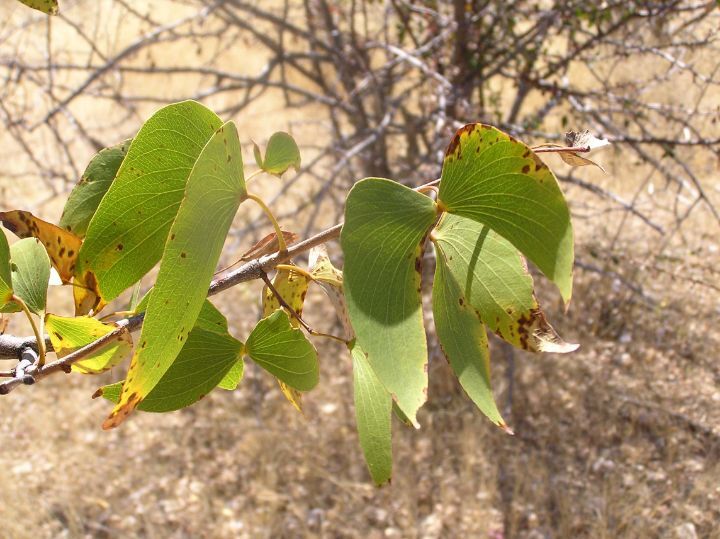
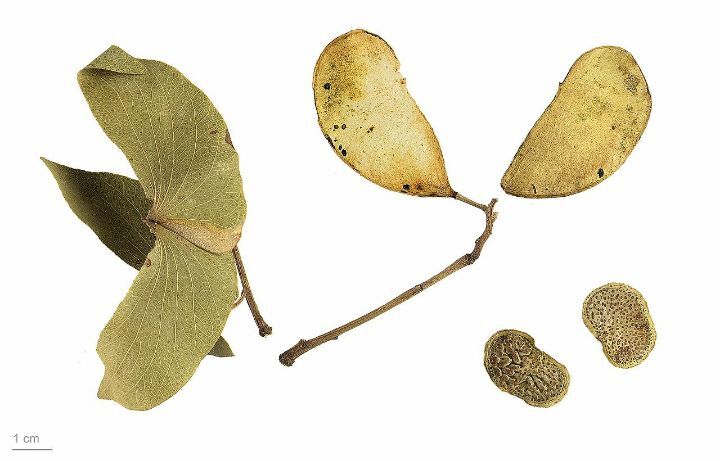
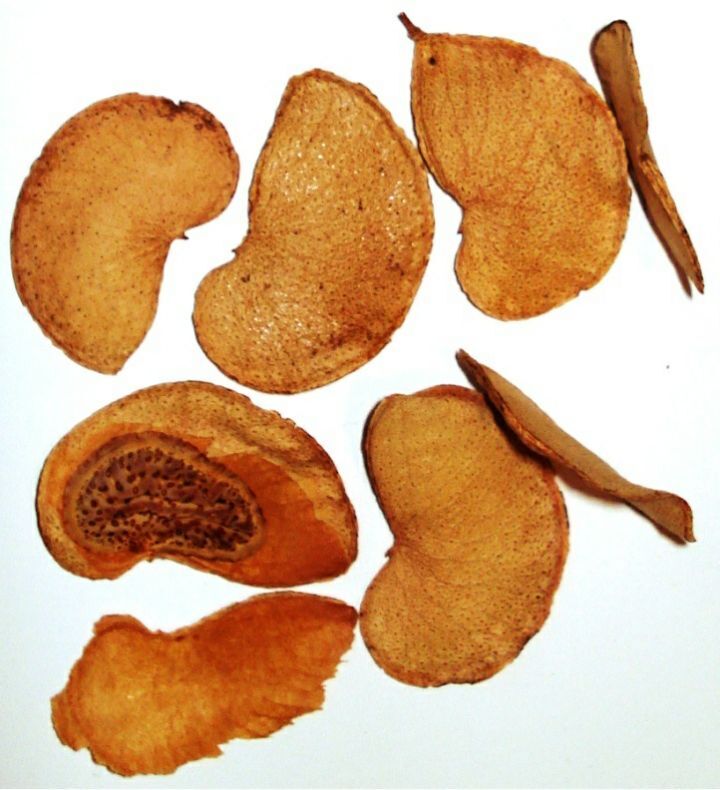
Colophospermum mopane, commonly called mopane, mopani, balsam tree, butterfly tree, or turpentine tree, is a tree in the legume family (Fabaceae), that grows in hot, dry, low-lying areas, 200 to 1,150 metres (660 to 3,770 ft) in elevation, in the far northern parts of southern Africa.
The tree only occurs in Africa and is the only species in genus Colophospermum. Its distinctive butterfly-shaped (bifoliate) leaf and thin seed pod make it easy to identify. In terms of human use it is, together with camel thorn and leadwood, one of the three regionally important firewood trees.
Uses
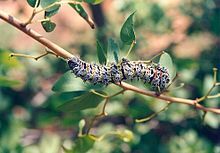
Mopane worm on a mopane branch. Immediately below the caterpillar, a pair of distinctive, butterfly-shaped leaves have survived.
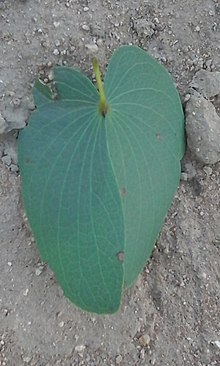
Butterfly-shaped leaf of the Mopane tree
Mopane wood is one of southern Africa's heaviest and is difficult to work because of its hardness.
However, this also makes it termite resistant. For this reason it has long been used for building houses and fences, as railway sleepers and as pit props. The termite-resistance and rich, reddish colouring also make it popular for flooring. Outside Africa, mopane is gaining popularity as a heavy, decorative wood, its uses including aquarium ornaments, bases for lamps or sculptures, and garden accents.
Mopane in Namibia
It is also increasingly being used in the construction of musical instruments, particularly woodwind. Suitable quality African blackwood (Dalbergia melanoxylon), traditionally used for clarinets, is becoming harder to find. Mopane is fairly oily, seasons very well with few splits or shakes, and produces instruments of a warm, rich tone.
Mopane twigs have been traditionally used as tooth brushes, bark to make twine and for tanning, and leaves for healing wounds. The wood is also used to make charcoal and for braai wood.
The tree is a major food source for the mopane worm, the caterpillar of the moth Gonimbrasia belina. The caterpillars are rich in protein and are eaten by people. The mopane worm is also rich in crude fats and contains vitamins and minerals such as iron, calcuim and phosphorus.
The tree also acts as a foodplant for a wild silk moth, Gonometa rufobrunnea. Cocoons of the moth are harvested as wild silk, to make cloth.
Mopane worm creates employment and serve as a source of income for the majority of rural women. Harvesters sell it in villages, towns or to the trader
The mopane tree also serves as a host plant for the mopane psyllid Retroacizzia mopani.