https://m.blog.naver.com/PostView.nhn?blogId=mehee0723&logNo=130116834879&proxyReferer=https%3A%2F%2Fwww.google.com%2F
아무런 근거 없는 추측을 굳게 믿는 심리적 효과
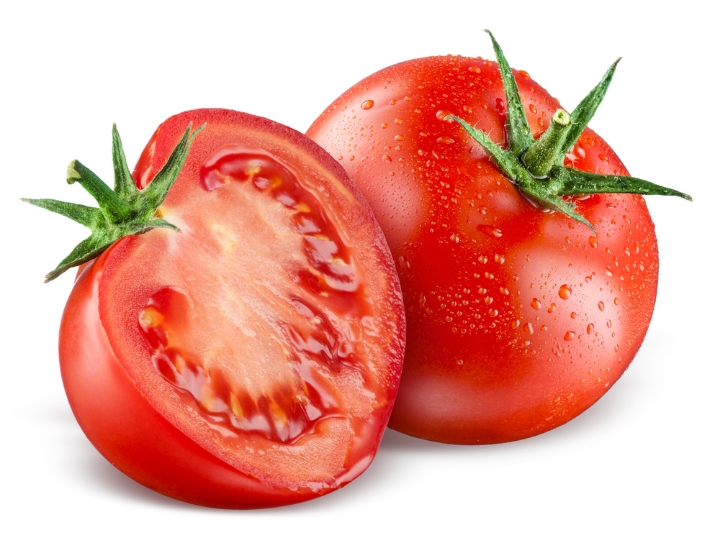
가지과의 독초식물 Mandrake(맨드레이크)와 닮았다는 이유로 실험도 해보지 않고 오랫 동안 먹지 못할 악마의 열매로 오해받았던 토마토
1820년 9월 26일 뉴저지주의 존슨 대령이 자신의 텃밭에서 재배한 토마토를 최초로 먹어 대중화 시켰다고 전해짐
■ 토마토 효과(tomato effect)
심리학 용어 중에 ‘토마토 효과(tomato effect)’라는 게 있습니다. 16세기 사람들은 아무런 근거 없이 토마토를 먹으면 급사한다고 생각했습니다. 그래서 오랜 세월 토마토를 관상용으로만 재배했습니다.
‘토마토 효과’는 사람이 갖는 고정관념이나 편견이 얼마나 무서운지를 말해줍니다. 동시에 인간이 얼마나 어리석은지도 보여주지요.
■ The Tomato Effect
Reluctance to embrace nutritional approaches for medical conditions.
Posted Sep 14, 2012
Nutritional medicine has long been considered “alternative medicine,” and despite increasing scientific research supporting the link between nutrition and health, the mental health profession continues to regard the link between nutrition and brain function as alternative or “complementary.”
Despite the research that supports use of nutritional approaches in augmenting treatment for depression and mood disorders , these approaches are considered experimental and alternative. The side effect profiles of psychiatric medications are extensive and often irreversible.
The side effect profiles of nutritional supplementation is essentially nonexistent. It is mind boggling that there is not more research in this crucial area of mental health treatment.
It was nice to find an impartial study that utilizes nutritional testing to demonstrate measures of mental health. A study published in the Journal of Neurology January 24, 2012, Eating Right Improves your Odds of Avoiding Mental Decline.
This study examined 104 non-demented adults, average at 87, participating in the Oregon Brain Aging Study. All patients underwent nutrient blood testing for 30 nutritional biomarkers and a battery of cognitive tests. All study participants aged 85 and older also had MRI scans within one month of the blood test.
Results demonstrated that optimal mental function was found in individuals with high blood levels of specific nutrients evaluated: Vitamins B1, B2, B6, folate, B12, as well as vitamins C, D, and E.
Higher levels of these nutrients positively correlated with improved cognitive function, increased attention, and increased executive function.
Equally important was that elevated blood levels of trans fats were strongly associated with repressed cognitive function and decreased performance: impaired memory, cognition, language, mental processing speed, and attention.
Omega-3 fatty acid levels were significantly associated with enhanced cognitive function.
Notably, MRI results of individuals with higher levels of blood Vitamins B, C, D, and E showed increased brain area compared to their peers with lower vitamin levels. Additionally, individuals with the highest blood levels of omega-3 fatty acids had significantly less small vessel disease in the brain
One of the most important clinical lessons of integrative psychiatry is that there is a very poor correlation between dietary recall and blood levels of nutrients in the body. There are many reasons for this variation:
First, reliance on subjective reporting, especially around food, is not consistently accurate. And even if reporting is accurate, what a person eats does not necessarily correlate with nutrient levels present in their body.
Reliance on a diet history does not consider the genetic biochemical variability of digestion and absorption
A phenomenon labeled “the tomato effect” helps explain the reluctance of the medical community to embrace nutritional approaches for medical conditions.
The tomato effect was first described by Dr. James Goodwin in the Journal of the American Medical Association in 1984.
He wrote, “The tomato effect in medicine occurs when an efficacious treatment for a certain disease is ignored or rejected because it does not ‘make sense’ in light of the accepted theories of disease mechanism and drug interaction.”
The rejection of potentially effective treatments because “everyone knows it won’t work” is named for Americans’ persistent belief – from the sixteenth to the nineteenth centuries – that tomatoes were poisonous.
Although tomatoes were available in America, throughout the 1600’s and 1700’s they were considered inedible decorative plants.
The belief that tomatoes were poisonous stemmed from the suspicion that the tomatoes were a part of the poisonous nightshade family.
Americans, however, were aware that Europeans were serving and eating tomatoes at the dinner table.
The fate of the tomato in American changed in 1820, when a New Jersey man publicly consumed a basketful to prove they were safe to eat.
When he neither dropped dead nor even suffered any apparent ill effects, witnesses of the experiment slowly began to open their minds.
By the end of the decade, American gardeners were growing tomatoes for food.
Dr. Goodwin coined the term “tomato effect” to explain the rejection by American medicine of therapies that did not fit with currently accepted theories of disease and treatment. He believed the tomato effect delayed the acceptance of vitamin and mineral supplementation.
This type of intervention is outside the familiar medical paradigm, particularly for mental illness.
Understanding the human tendency to reject a treatment outside one’s frame of reference – even in the presence of contradictory evidence – should help us identify the medical profession’s persistent resistance to recognizing the importance of nutritional deficiencies in brain function.
I frequently speak with patients who, despite being on medication for years, continue to live with the symptoms that the medications were intended to treat. Based on continued reluctance of the medical community to evaluate nutritional status as a factor for health and wellbeing, many patients are unnecessarily and inappropriately treated because the CAUSE of their condition is never addressed.
The only way to determine if what you are eating is being properly digested and absorbed is to look more closely. This study, published in The Medical Journal of Neurology, clearly demonstrated the importance of looking for objective laboratory data – and the significance of a few specific nutrients and their roles in long term mental health.
Another article describes the role of vitamin D and mental health. This study published correlated low levels of vitamin D to psychosisin adolescents. The results demonstrated a significant connection between vitamin d deficiency and mood disorders and psychosis. These were based on testing levels of Vitamin D.
Vitamin D is one example of the importance of laboratory testing to evaluate nutritional status. How do you know if you’re deficient without testing? YOU CAN’T! Ultimately, the only way to fully understand your health is to test, test, and retest.
The history of nutrition and medicine is long. Even before we understood the mechanisms in which dietary components provided health benefits, we understood the inexorable link between nutrition and health. Current options for nutritional testing are extensive and need to be better utilized by mental health professionals.
About the Author
James M. Greenblatt, M.D., a professor of psychiatry at Tufts University School of Medicine, is the author of many books including The Breakthrough Depression Solution.

Mandrake(맨드레이크)
남부 유럽과 지중해 인근 연안에서 자생하는 가지과 맨드레이크속의 식물로 만드라고라, 맨드라케, 만다라케 등으로 불린다.
독일어로는 알라우네(Alraune)로 불린다. 한국이나 일본의 서구형 판타지 창작물에서는 '만드라고라'라는 이름이 일반적이다. 구약성경의 창세기 30장 14-16절에서도 언급하는데, 우리말 성경에서는 합환채(合歡菜), 자귀나무라고 번역하였다.
이윤기는 소설 장미의 이름을 먼역하면서 만달라화(花)라는 번역어를 사용하였다. 서양에서는 중세에 마취제나 미약(환각작용이 있다고 한다)으로 쓰였다.
만드레이크의 뿌리 등에는 강력한 알칼로이드 성분이 있어서, 복용하면 강력한 환각이나 최면 등 효과가 있고 과용하면 호흡이 정지되어 질식사하여 매우 위험하다. 벨라도나와 함께 서양에서는 독약으로 널리 쓰였다.
만드라고라의 뿌리 모양새가 사람의 하체를 연상케 하는 모습이라 꽤 오래 전부터 종교나 마법적인 용도로 사용하였다. 또한 만드라고라에는 마약성으로 분류될 수 있는 환각성분이 함유되어 있는데 이를 이용하여 최음제로 사용하기도 했다.
덩이 뿌리가 사람 다리나 여러가지 동물 모양으로 나오기도 해서 신비한 약효가 있다고 여겨겨서 마법적인 약의 성분으로 널리 쓰여졌다.