What's the Difference Between Self-Drilling and Self-Tapping?
Drilling Bit and Tapping Screw
Do I need to drill a hole for a self tapping screw?

What is the difference between a wood screw and a metal screw?

How can you tell if a screw is self tapping?


What does it mean to tap a screw?
threads of the screw
What’s the Difference Between Self-Drilling and Self-Tapping?
Self-tapping and self-drilling screws are two types of screws used in metal building and general construction, as well as many other applications and industries. Contrary to popular belief, the two terms are not interchangeable. Often, our customers ask for self-tapping screws when they actually want self-drilling screws, or vice versa. Let’s go over the similarities, differences, and how to know when to use which type of screw.
■ Self-Tapping Screws
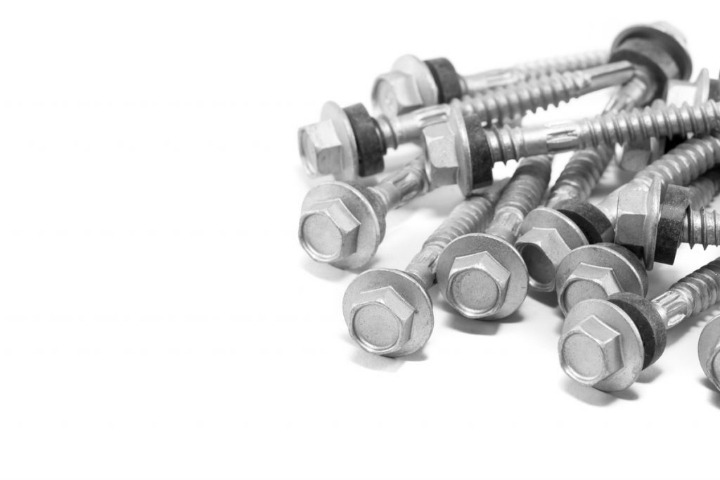
As the name suggests, self-tapping screws are screws that have the ability to tap threads into the material. Self-tapping screws are used for all sorts of material including wood, metal, and brick.
These screws cannot drill through metal and require a pilot hole to be pre-drilled before installation. A pilot hole is created by using a drill bit which is slightly smaller than the screw and the threads of the screw tap the metal or wood while the screw is being installed. This tapping action keeps the material fastened together. There are many different types of points that a self-tapping screw can have that assist in the tapping of threads into various substrates.
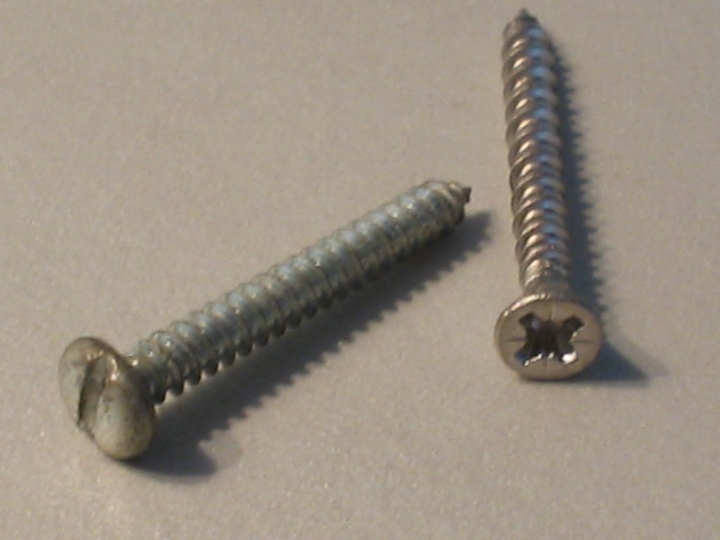
A self-tapping screw is a screw which can tap its own hole as it is driven into the material.
■ Self-Drilling Screws
Self-drilling screws are sometimes known by the brand name, Tek® Screws. These screws can be identified by the drill bit shaped point of the screw and are designed for a variety of applications such as fastening metal to metal and metal to wood. Self-drilling screws do not require a pilot hole, which accelerates installation time and lowers the cost and need of additional drill bits. This extra functionality and cost saving feature makes self-drilling screws the clear choice for metal building construction. The drill points are numbers #1 through #5 and the amount of steel they can drill through increases as the numbered point increases. Typically, self-drilling screws are used in light gauge applications but a #5 drill point can drill through and fasten up 1/2" of steel. During installation, self-drilling screws will also tap threads to a degree.
Bottom Line
In short, and this is where the confusion lies, all self-drilling screws are also self-tapping screws, but all self-tappers are not self-drillers. Self-drilling screws eliminate the need for a pilot hole, but can tap as well. Self-tapping screws tap their own threads, but cannot drill through metal and require a pilot hole. These screws are not interchangeable, and mixing up the two can cause many headaches or possible failures in the field.
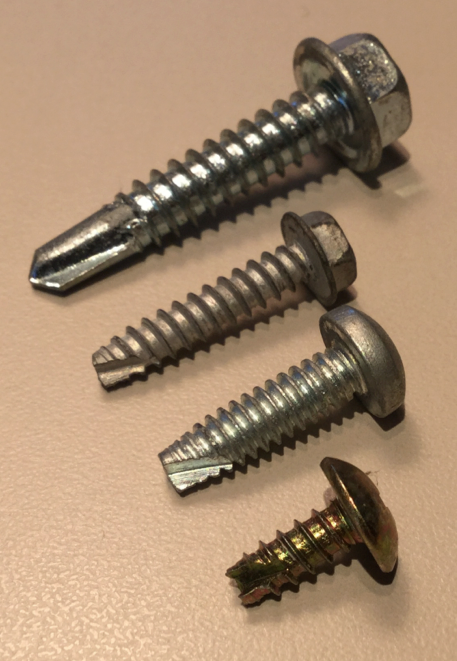
Self-drilling screw
Self-drilling screws showing flute
Some self-tapping screws are also self-drilling, which means that, in addition to the tap-like flute in the leading threads, there is also a preliminary drill-like fluted tip that looks much like the tip of a center drill. These screws combine a thrilling-like action and the fastener installation itself into only one driving motion (instead of separate drilling, tapping, and installing motions); they are thus very efficient in a variety of hard-substrate applications, from assembly lines to roofing.
Sheet metal screw
Sheet metal screws (sometimes called "sheet-metal self-tappers", or P-K screws from the brand name Parker Kalon - who pioneered the manufacture of, but did not invent, these screws) are a type of self-tapping screw despite the thread created in the sheet of metal being small. Pan-head PK Self-tapping screws are common in electrical equipment, while flatter-headed truss or flat countersunk headed self-tapping screws are more common in aviation applications.