https://youtu.be/iicoC2rwT0c
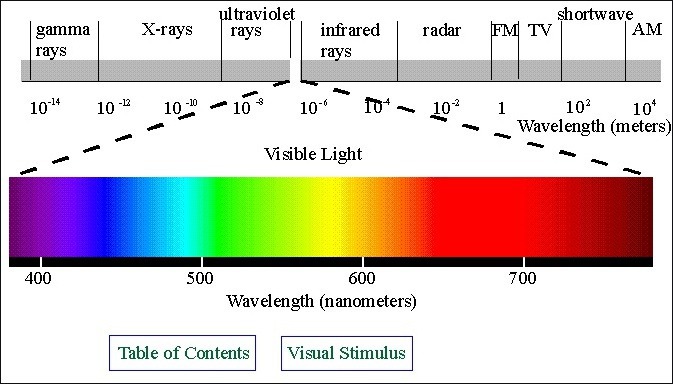
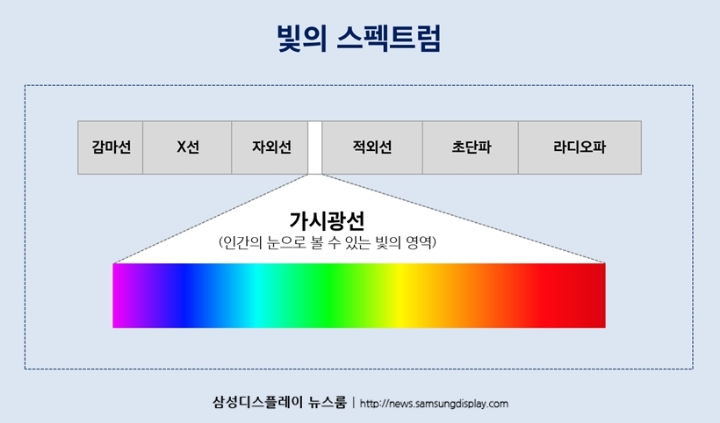
보라(Purple, violet)는 빨강과 파랑의 중간색이다. 이 색상은 가시광선 영역 안에서 볼 수 있는 색상 중에 가장 파장이 짧으며 이보다 파장이 짧은 광선은 자외선(UV:Ultra Violet "보라색 위에 있다"하여)으로 분류된다. 보래색 위에 있는 자외선이 UV(ULTRA VIOLET)이기 때문이다
한편 빨강 아래는 적외선(IR : InfraRed ; 인프라레드; 빨강 아래에 있다 하여)으로 분류된다
UV Radiation & Your Skin
The Facts. The Risks. How They Affect You.
When it comes to skin cancer, a major risk factor is prolonged exposure to ultraviolet (UV) radiation.
Understanding the basics about UV radiation and how it damages your skin is an important first step in learning how to safeguard yourself against skin cancer.
The good news is that the danger posed by UV radiation can be greatly reduced by you! Yes, you can still enjoy outdoor activities while limiting your skin cancer risk by taking simple, smart protective measures.
What is UV radiation?
What is at stake?
What you need to know
UVB facts and risks
UVA facts and risks
Protect yourself
What is UV radiation?
UV radiation is part of the natural energy produced by the sun. On the electromagnetic spectrum, UV light has shorter wavelengths than visible light, so your eyes can’t see UV, but your skin can feel it. Tanning beds also emit UV radiation.
Two types of UV light are proven to contribute to the risk for skin cancer:
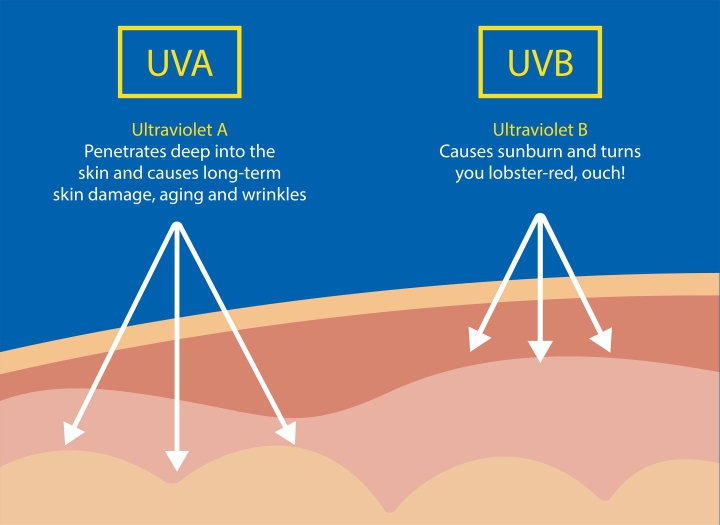
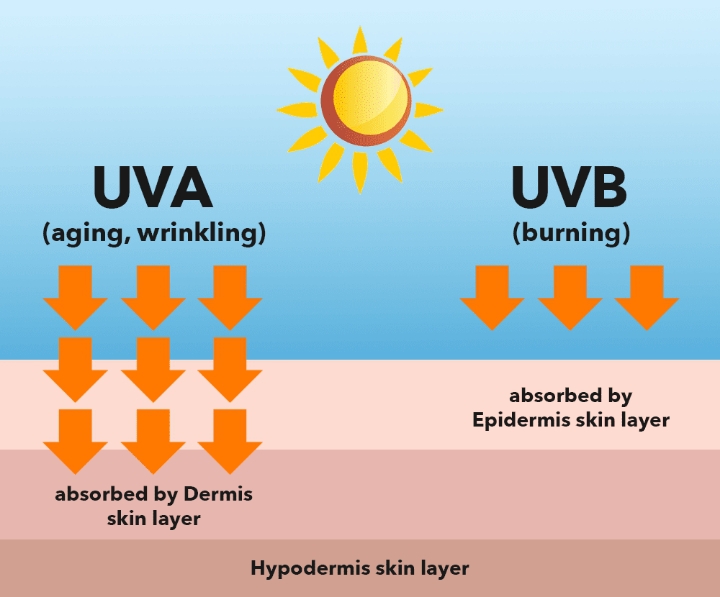
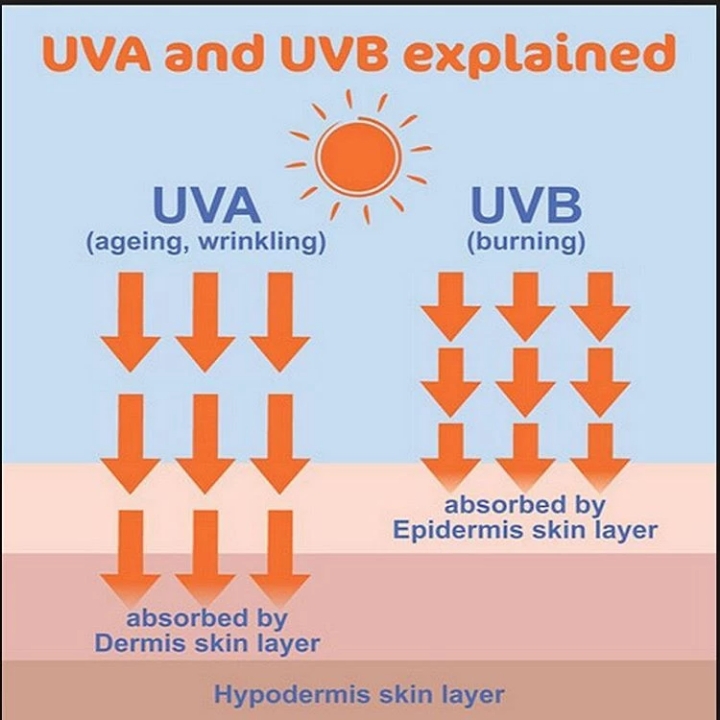
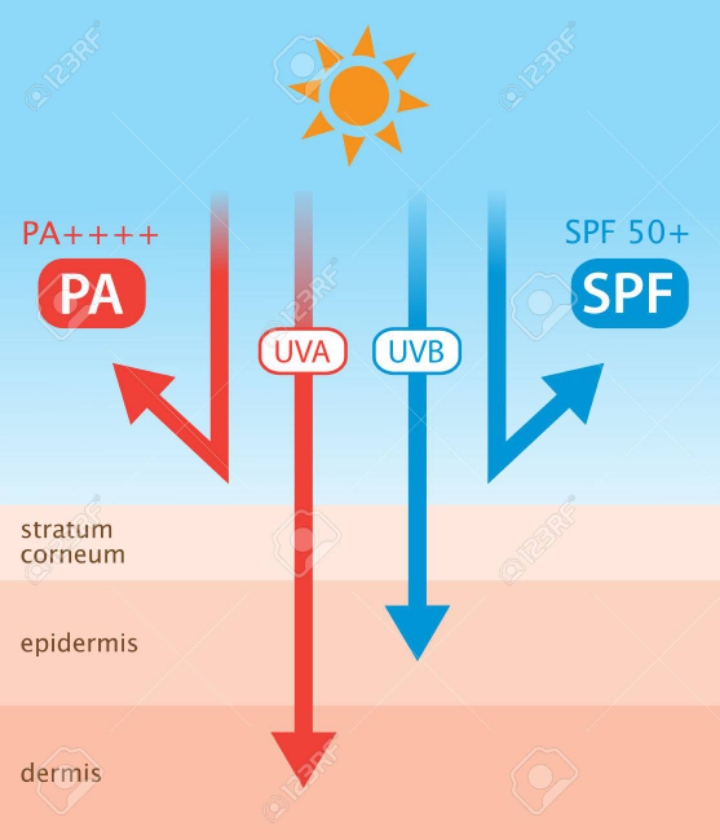
Ultraviolet A (UVA) has a longer wavelength, and is associated with skin aging.
Ultraviolet B (UVB) has a shorter wavelength and is associated with skin burning.
While UVA and UVB rays differ in how they affect the skin, they both do harm. Unprotected exposure to UVA and UVB damages the DNA in skin cells, producing genetic defects, or mutations, that can lead to skin cancer (as well as premature aging.) These rays can also cause eye damage, including cataracts and eyelid cancers.
What is at stake?
UV radiation is a proven cause of basal cell carcinoma (BCC) and squamous cell carcinoma (SCC), which often appear on sun-exposed areas of skin. Fortunately, when discovered early enough, these common forms of skin cancer are almost always curable.
UV exposure that leads to sunburn has proven to play a strong role in developing melanoma, the most dangerous of the three most common types of skin cancer. Recent research shows that the UV rays that damage skin can also alter a gene that suppresses tumors, raising the risk of sun-damaged skin cells developing into skin cancer.
What you need to know
A majority of nonmelanoma skin cancers (NMSC) and a large percentage of melanomas are associated with exposure to UV radiation from the sun.
UV exposure is a powerful attack on the skin, creating damage that can range from premature wrinkles to dangerous skin cancer.
Damage from UV exposure is cumulative and increases your skin cancer risk over time. While your body can repair some of the DNA damage in skin cells, it can’t repair all of it. The unrepaired damage builds up over time and triggers mutations that cause skin cells to multiply rapidly. That can lead to malignant tumors.
The degree of damage depends on the intensity of UV rays and the length of time your skin has been exposed without protection. Location is also a factor. If you live where the sun is strong year-round, your exposure level and risk increases.
You can easily reduce your likelihood of developing skin cancer by taking care to protect yourself against UV radiation.
UVB facts and risks
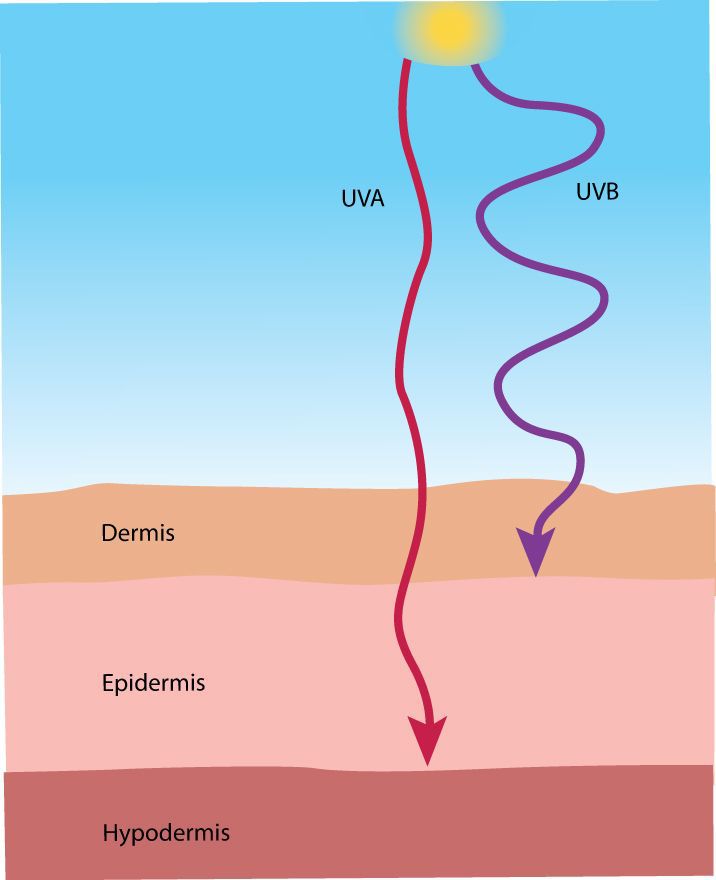
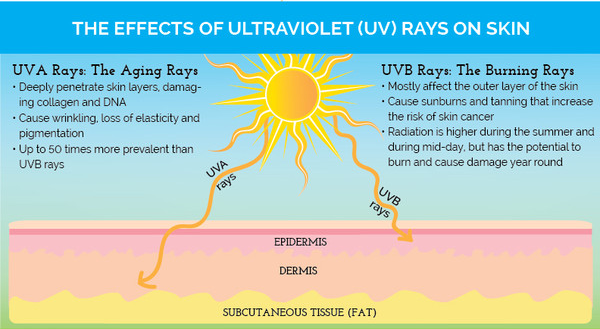
UVB penetrates and damages the outermost layers of your skin. Overexposure causes suntan, sunburn and, in severe cases, blistering.
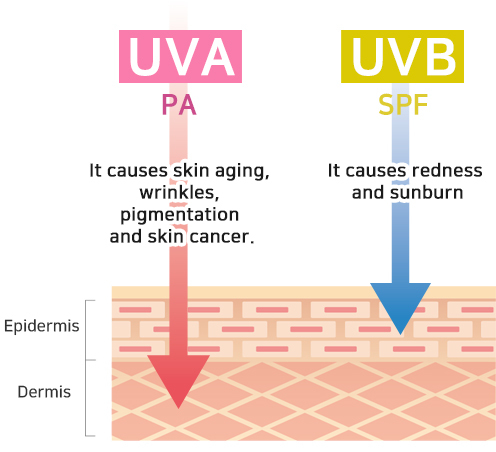
UVB is connected to the Sun Protection Factor (SPF) on labels of sunscreen products. The SPF number tells you how long the sun’s radiation (including some of the UVA) would take to redden your skin when using that product compared to the time without sunscreen.
UVB intensity fluctuates. While the sun’s rays are strongest and pose the highest risk late-morning to mid-afternoon from spring to fall in temperate climates and even greater timespans in tropical climates, UVB rays can damage your skin year-round, especially at high altitudes or on reflective surfaces like snow or ice.
UVB rays can be filtered and do not penetrate glass.
UVA facts and risks
UVA rays cause tanning, and the shorter wavelengths of UVA also cause sunburn. There is no such thing as a safe or healthy tan. UVA radiation is proven to contribute to the development of skin cancer.
UVA is connected to the “broad-spectrum protection” you see on the labels of sunscreen products. Early sunscreens only protected your skin from UVB rays, but once it was understood how dangerous UVA rays were, sunscreen manufacturers began adding ingredients to protect you from both UVB and UVA across this broader spectrum.
UVA rays, while slightly less intense than UVB, penetrate your skin more deeply. Exposure causes genetic damage to cells on the innermost part of your top layer of skin, where most skin cancers occur. The skin tries to prevent further damage by darkening, resulting in a tan. Over time, UVA also leads to premature aging and skin cancer.
UVA radiation is the main type of light used in most tanning beds. Once thought to be safe, we now know it is just the opposite.
UVA is everywhere. UVA accounts for up to 95 percent of the UV radiation reaching the earth. These rays maintain the same level of strength during daylight hours throughout the year. This means that during a lifetime, we are all exposed to a high level of UVA rays.
UVA can penetrate windows and cloud cover.
Protect yourself!
Despite the risk factors, you can safely, happily enjoy the great outdoors by protecting your skin against UV exposure with broad-spectrum sunscreen and sun-safe clothing, hats and eyewear. You can also consider UV window film for your home and car.
Make it a way of life. Protect yourself every day, even when it’s cloudy. Avoid indoor tanning entirely. Get more details here: Your Daily Sun Protection Guide.
Reviewed by:
Anna Chien, MD
Heidi Jacobe, MD
Last reviewed: June 2019
Sun & Skin News
Not All UV Rays Stay Outside: How Window Film Can Help Protect You
Growing Pains: Coming of Age with Skin Cancer
Ask the Expert: Which Is Better, a Combination Insect Repellent and Sunscreen or Separate Products?
UVA 와 UVB 의 차이점
1) 자외선이란?
태양에서 나오는 광선의 일종으로 파장에 따라 가시광선, 적외선, 자외선으로 나뉘는데 그 중 피부에 가장 큰 영향을 미치는 것이 바로 자외선이다. 자외선은 다시 A, B, C로 나뉘며 그 중 피부에 영향을 미치는 것은 A와 B다. 그럼 잠깐, 태양광선을 파장의 길고 짧음에 따라 자세히 살펴보자. (참고로 1nm는 7~10cm의 파장을 가지고 있다.)
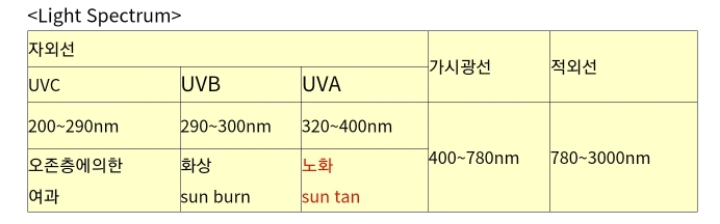
<Light Spectrum>
자외선/가시광선/적외선
UVC,UVB,UVA
200~290nm,290~300nm,320~400nm/400~780nm/780~3000nm
오존층에의한 여과/화상 sun burn/노화sun tan
2)자외선의 종류
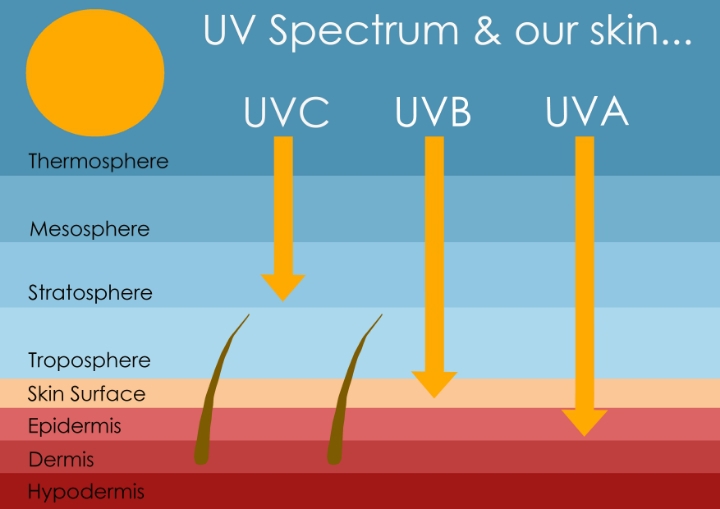
□ UVC : 200~290 nm의 단파장으로, 대기중 오존층에 의해 이미 흡수되어 피부에 영향을 미치지 않는다.
□ UVB : 290~320 nm의 중파장으로, 파장은 짧으나 강하기 때문에 피부의 표피조직까지 침투해 화상(SUN BURN)을 초래한다. 피부가 검어지며 일주일 정도 경과 후 표피에 두께가 증가해 피부가 칙칙해지고, 심할 경우 표피세포를 죽이고 껍질이 벗겨지기도 한다. 여름철 운동이나 해수욕 등으로 장시간 햇볕에 노출되었을 때 피부가 빨개지는 홍반, 염증 등이 이에 속한다. 이 때, 피부가 건조해져 주름이 생기고 각직층도 더욱 두꺼워지며 기미 주근깨도 더 악화된다. 그러므로 피부가 검은 사람은 자외선 B에 주의 해야 한다.
□ UVA : 320~400nm의 장파장으로, 피부 깊숙이 진피층까지 침투하여 색소침착을 일으키고 콜라겐과 엘라스틴 등을 손상시킨다. 탄력저하 주름생성등 피부노화의 주범이며, 멜라닌 색소 발생으로 인한 색소세포(갈색) 과다생성으로 기미 주근깨가 피부를 검어지게 한다. 그러므로 피부가 하얀 사람은 UVA에 주의 해야 한다. 또하나 기억해야 할 것은 UVA는 비오는 날에도 있으며, 창문을 통해서 실내로 들어오는 등 우리 주위에 항상 존재한다는 것이다. 그러므로 우리가 정말 차단해야 할 생활자외선은 피부나이와 관계있는 UVA이며, UVA까지 차단하는 자외선 차단제를 선택하는 것이 중요하다.
(UVA로 인한 선탠 (SUN TAN) 현상은 멜라닌과 깊은 관계가 있는데 멜라닌이란 강한 자외선이 피부 깊숙이 침투하여 해를 끼치는 것을 자체 방어하기 위해 증가되는 일종의 색소이다.
피부는 자외선으로부터 피부를 보호하기 위해 기저층의 색소세포를 자극하여 멜라닌 색소를 증가시킨다. 선탠을 하면 햇빛을 받은 지 48-72시간 이후 시작하며 새로운 멜라닌이 생성되는 검어지는 것을 의미한다.
제대로 선탠을 한다면 피부 두께나 피부상태가 그대로 유지돼 별문제 될 것이 없다. 하지만 잘못될 경우 피부가 노화돼 탄력이 떨어지고 주름이 생긴다.)
3) 자외선과 멜라닌 색소 형성
멜라닌 입자가 표피까지 올라가 떨어져 나가기 까지는 정상적인 상태에서 28일이 걸린다. 자외선에 의해 형성된 많은 멜라닌 색소는 피부신진대사에 밀려 올라가 떨어져 나가야 하는데 피부의 기능이 원활치 못하게 되면 일시적인 색소침착이 일어나게 된다. 짙어진 멜라닌 색소가 표피 내에 어느 기간 동안 머무르게 되는 경우가 있는데 이것이 기미와 주근깨이다.