1. Genesis[dʒénəsis 제너시스] : 창세기(創世記)
* sources : “Good News Translation English Bible Overview” (GNT영어성경 개요)
(Korean Translation : Lee Chang-bok)
1) Genesis Introduction (GNT Bible) : 창세기 소개
The name Genesis means “origin.” The book tells about the creation of the universe, the origin of the human race, the beginning of sin and suffering in the world, and about God's way of dealing with humanity. Genesis can be divided into two main parts: (1) The creation of the world and the early history of the human race. Here are the accounts of Adam and Eve, Cain and Abel, Noah and the flood, and the Tower of Babylon (chapters 1—11). (2) The history of the early ancestors of the Israelites. The first is Abraham, who was notable for his faith and his obedience to God. Then follow the stories of his son Isaac, and grandson Jacob (also called Israel), and of Jacob's twelve sons, who were the founders of the twelve tribes of Israel. Special attention is given to one of the sons, Joseph, and the events that brought Jacob and his other sons with their families to live in Egypt (chapters 12—50).
창세기라는 이름은 "기원"을 의미한다. 이 책은 우주의 창조, 인류의 기원, 세상의 죄와 고통의 시작, 그리고 인류를 대하는 하나님의 방식에 대해 이야기한다. 창세기는 크게 두 부분으로 나눌 수 있다. (1) 세계의 창조와 인류의 초기 역사. 아담과 이브, 가인과 아벨, 노아와 홍수, 바벨론 탑(1장~11절)의 기록이 여기에 있다. (2) 이스라엘 자손의 초기 조상의 역사. 첫째는 신앙과 하나님에 대한 순종으로 주목받은 아브라함이다. 그 다음에 그의 아들인 이삭과 손자 야곱(이스라엘이라고도 함)과 야곱의 열두 아들들의 이야기가 소개 되고 있다. 이들은 이스라엘의 열두 지파의 창시자였다. 그 열두 아들 중 요셉에 대하여 특별히 주목하여 언급하고 있다. 야곱과 그의 다른 아들들을 그들의 가족과 함께 이집트에 살게 한 사건들(12장 50절)에 대해 언급하고 있다.
While this book tells stories about people, it is first and foremost an account of what God has done. It begins with the affirmation that God created the universe, and it ends with a promise that God will continue to show his concern for his people. Throughout the book the main character is God, who judges and punishes those who do wrong, leads and helps his people, and shapes their history. This ancient book was written to record the story of a people's faith and to help keep that faith alive.
이 책은 사람에 대한 이야기도 들려주지만, 무엇보다도 하나님이 하신 일에 대한 이야기이다. 하나님이 우주를 창조하셨다는 확언(확인)에서 시작되며, 하나님께서 자기 백성에 대한 관심을 계속 보여주실 것이라는 약속으로 끝난다. 책 전반에 걸쳐 잘못한 자를 심판하고 처벌하며, 백성을 이끌고 돕고, 그들의 역사를 형상화하는 하나님이 주인공이다. 이 고서(古書)는 한 민족의 신앙 이야기를 기록하고 그 신앙이 살아남도록 돕기 위해 쓰여 진 것이다.
2) Outline of Contents : 내용 개요
| reation of the universe and of the human race 1.1—2.25 The beginning of sin and suffering 3.1–24 From Adam to Noah 4.1—5.32 Noah and the flood 6.1—10.32 The tower of Babylon 11.1–9 From Shem to Abram 11.10–32 The patriarchs: Abraham, Isaac, Jacob 12.1—35.29 The descendants of Esau 36.1–43 Joseph and his brothers 37.1—45.28 The Israelites in Egypt 46.1—50.26 | 우주와 인류의 창조 1.1-2.25 죄와 고통의 시작 3.1–24 아담에서 노아까지 4.1—5.32 노아와 홍수 6.1-10.32 바벨론의 탑 11.1–9 셈에서 아브람까지 11.10–32 족장: 아브라함, 이삭, 야곱 12.1—35.29 에서의 자손은 36.1–43. 요셉과 그의 형제들은 37.1—45.28 이집트의 이스라엘 자손 46.1—50.26 |
2. Exodus[éksədəs 엑서더스] : 출애굽기(出埃及記)
* sources : “Good News Translation English Bible Overview” (GNT영어성경 개요)
(Korean Translation : Lee Chang-bok)
1) Exodus Introduction (GNT Bible) : 출애굽기 소개
The name Exodus means “departure,” and refers to the most important event in Israel's history, which is described in this book—the departure of the people of Israel from Egypt, where they had been slaves. The book has four main parts: 1) the freeing of the Hebrews from slavery; 2) their journey to Mount Sinai; 3) God's covenant with his people at Sinai, which gave them moral, civil, and religious laws to live by; and 4) the building and furnishing of a place of worship for Israel, and laws regarding the priests and the worship of God.
출애굽(Exodus 出埃及)이라는 서명(書名)은 '이집트 탈출/이집트 밖으로 나감'을 의미하며 이 책에 설명 된 이스라엘 역사상 가장 중요한 사건을 의미합니다. 이스라엘 백성이 노예였던 이집트에서 떠나는 사건입니다. 이 책은 네 가지 주요 부분으로 구성되어 있습니다: 1) 히브리인을 노예에서 해방시키는 것; 2) 시내산으로의 여정; 3) 시내산 언약 ; 시내산에서 행한 그의 백성들과 하나님과의 언약은 그들이 지키며 살아갈 도덕적, 시민적, 종교적 율법 기준을 제공하였다. 또한 4) 예배 처소와 율법 ; 이스라엘백성을 위한 예배 장소의 시설 및 설비, 그리고 제사장과 하나님의 예배에 관한 율법 기준도 제공하였다.
Above all, this book describes what God did, as he liberated his enslaved people and formed them into a nation with hope for the future.
무엇보다 이 책은 하나님이 노예 상태에 놓여 있는 자신의 백성들을 해방시켜 미래에 대한 희망을 가진 민족으로 바꾸신 일을 설명하고 있습니다.
The central human figure in the book is Moses, the man whom God chose to lead his people from Egypt. The most widely known part of the book is the list of the Ten Commandments in chapter 20.
이 책의 중심인물은 이집트로부터 그의 백성을 인도할 자로 하나님께서 택하신 모세입니다. 이 책에서 가장 널리 알려진 부분은 20장에 있는 십계명입니다.
2) Outline of Contents : 내용 개요
The Israelites set free from Egypt (1.1—15.21) : 이스라엘 백성이 이집트에서 해방됨 (1.1 ~ 15.21)
a. Slaves in Egypt (1.1-22) : 이집트의 노예들 (1.1-22)
b. Moses' birth and early life (2.1—4.31) : 모세의 출생과 초기 생애 (2.1-4.31)
c. Moses and Aaron confront the king of Egypt (5.1—11.10) : 모세와 아론이 애굽 왕에게 맞섬 (5.1-11.10)
d. The Passover and the departure from Egypt (12.1—15.21) : 유월절과 출애굽 (12.1 ~ 15.21)
From the Red Sea to Mount Sinai (15.22—18.27) : 홍해에서 시내산까지 (15.22 ~ 18.27)
The Law and the covenant (19.1—24.18) : 율법과 언약 (19.1 ~ 24.18)
The Sacred Tent and instructions for worship (25.1—40.38) : 성막과 예배 지침 (25.1 ~ 40.38)
3. Leviticus [livítəkəs 리비터커스] : 레위기
* sources : “Good News Translation English Bible Overview” (GNT영어성경 개요)
(Korean Translation : Lee Chang-bok)
1) Leviticus Introduction (GNT Bible) : 레위기 소개
Leviticus contains regulations for worship and religious ceremonies in ancient Israel, and for the priests who were responsible for carrying out these instructions.
The main theme of the book is the holiness of God and the ways in which his people were to worship and live so as to maintain their relationship with “the holy God of Israel.”
The best known words from the book, found in 19.18, are those which Jesus called the second great commandment: “Love your neighbor as you love yourself.”
레위기에는 고대 이스라엘의 예배 및 종교의식 규정과 이러한 지시를 수행한 제사장들에 대한 규정이 포함되어 있습니다.
이 책의 주요 주제는 하나님의 거룩함과 그의 백성이 “이스라엘의 거룩하신 하나님”과의 관계를 유지하기 위해 예배하고 생활하는 방식입니다.
레위기에 나오는 가장 유명한 성경 구절은 예수께서 두 번째 큰 계명이라고 부르신 레위기 19장 18절 말씀으로 “네가 너 자신을 사랑하는 것처럼 네 이웃을 사랑하라.”는 것입니다.
2) Outline of Contents : 내용 개요
Laws about offerings and sacrifices (1.1—7.38) : 제물과 제사에 관한 법칙 (1.1-7.38)
The ordination of Aaron and his sons as priests (8.1—10.20) : 아론과 그의 아들들이 제사장으로 서품됨 (8.1-10.20)
Laws about ritual cleanness and uncleanness (11.1—15.33) : 正․不正의 규례 (11.1-15.33)
The Day of Atonement (16.1-34) : 속죄일 (16.1-34)
Laws about holiness in life and worship (17.1—27.34) : 삶과 예배의 거룩함에 관한 법 (17.1-27.34)
4. Numbers [nʌ́mbəːrz 넘버-즈] : 민수기(民數記)
* sources : “Good News Translation English Bible Overview” (GNT영어성경 개요)
(Korean Translation : Lee Chang-bok)
1) Numbers Introduction (GNT Bible) : 민수기 소개
The book of Numbers tells the story of the Israelites during the nearly forty years from the time they left Mount Sinai until they reached the eastern border of the land that God had promised to give them. The name of the book refers to a prominent feature of the story, that is, the census which Moses took of the Israelites at Mount Sinai before their departure, and again in Moab, east of the Jordan, about a generation later. In the period between the two censuses the Israelites went to Kadesh Barnea on the southern border of Canaan, but failed to enter the promised land from there. After spending many years in that area, they went to the region east of the Jordan River, where part of the people settled and where the rest prepared to cross the river into Canaan.
민수기는 이스라엘 사람들이 시내산을 떠난 후 하나님께서 그들에게 주겠다고 약속하신 땅의 동쪽 경계에 도달 할 때까지 거의 40 년 동안의 이야기를 담고 있습니다. 민수기라는 이름은 이 이야기의 두드러진 장면, 즉 모세가 이스라엘 사람들이 출발하기 전에 시내산에서, 그리고 약 한 세대 후에 요르단 동쪽의 모압 땅에서 행한 인구조사를 지칭합니다. 두 인구 조사 기간 사이에 이스라엘 사람들은 가나안 남쪽 경계에 있는 가데스 바네아로 갔지만 그곳에서 약속의 땅으로 들어가지 못했습니다. 그 지역에서 수년을 보낸 후 그들은 요르단 강 동쪽 지역으로 갔는데, 사람들의 일부는 그 곳에 정착했고 나머지 사람들은 강을 건너 가나안으로 들어갈 준비를 했습니다.
The book of Numbers is an account of a people who were often discouraged and afraid in the face of hardship, and who rebelled against God and against Moses, the man God appointed to lead them. It is the story of God's faithful, persistent care for his people in spite of their weakness and disobedience, and of Moses' steadfast, if sometimes impatient, devotion both to God and to his people.
민수기는 고난에 직면했을 때 종종 낙담하고 두려워하며 하나님께 반역하기도 하고 하나님의 백성을 이끌도록 하님께서 세우신 모세에게 대들기도 한 백성들의 이야기입니다. 민수기는 백성들의 연약함과 불순종에도 불구하고 신실하게 그리고 끈질기게 돌보신 하나님의 이야기이며, 때로는 조급함을 보인 가운데에서도 하나님과 하나님 백성 모두에 대한 모세의 확고한 헌신에 관한 이야기입니다.
2) Outline of Contents : 내용 개요
The Israelites prepare to leave Mount Sinai (1.1—9.23) : 이스라엘 백성 시내산 떠날 준비하다 (1.1 ~ 9.23)
a. The first census (1.1—4.49) : 첫 번째 인구 조사 (1.1 ~ 4.49)
b. Various laws and rules (5.1—8.26) : 다양한 법률 및 규칙 (5.1 ~ 8.26)
c. The second Passover (9.1-23) : 두 번째 유월절 (9.1-23)
From Mount Sinai to Moab (10.1—21.35) : 시내산에서 모압까지 (10.1 ~ 21.35)
Events in Moab (22.1—32.42) : 모압 사건 (22.1-32.42)
Summary of the journey from Egypt to Moab (33.1-49) : 이집트에서 모압까지의 여정 요약 (33.1-49)
Instructions before crossing the Jordan (33.50—36.13) : 요르단 강을 건너기 전 지침 (33.50 ~ 36.13)
5. Deuteronomy [djùːtərɑ́nəmi / -rɔ́ 듀-터라너미] : 신명기(申命記)
* sources : “Good News Translation English Bible Overview” (GNT영어성경 개요)
(Korean Translation : Lee Chang-bok)
1) Deuteronomy Introduction (GNT Bible) : 신명기(계명을 자세하게 안내한 책) 소개
The book of Deuteronomy is organized as a series of addresses given by Moses to the people of Israel in the land of Moab, where they had stopped at the end of the long wilderness journey and were about to enter and occupy Canaan.
신명기는 모세가 모압 땅에 있는 이스라엘 백성에게 전한 일련의 연설로 구성되어 있습니다. 이스라엘 백성은 긴 광야 여행이 끝날 무렵 모압 평지에 발걸음을 멈춘 다음 가나안에 들어가 가나안을 점령하려고 했습니다.
Some of the most important matters recorded in the book are as follows: 1) Moses recalls the great events of the past forty years. He appeals to the people to remember how God has led them through the wilderness and to be obedient and loyal to God. 2) Moses reviews the Ten Commandments and emphasizes the meaning of the First Commandment, calling the people to devotion to the Lord alone. Then he reviews the various laws that are to govern Israel's life in the promised land. 3) Moses reminds the people of the meaning of God's covenant with them, and calls for them to renew their commitment to its obligations. 4) Joshua is commissioned as the next leader of God's people. After singing a song celebrating God's faithfulness, and pronouncing a blessing on the tribes of Israel, Moses dies in Moab, east of the Jordan River.
신명기에 기록 된 가장 중요한 몇 가지 사항은 다음과 같습니다. 1) 모세는 지난 40년 동안의 크고 놀라운 사건들을 회상합니다. 그는 백성들에게 하나님께서 광야를 통해 그들을 어떻게 인도 하셨는지 기억하고 하나님께 순종하고 충성 할 것을 호소합니다. 2) 모세가 십계명을 회고하는 가운데 제1계명의 의미를 강조하며 백성들로 하여금 오직 주님께만 헌신하도록 요구합니다. 그런 다음 그는 약속의 땅에서 이스라엘 백성들이 지켜야할 다양한 법들을 재음미합니다. 3) 모세는 백성들에게 그들과 맺은 하나님의 언약의 의미를 상기시켜주고 그 의무에 대한 헌신을 새롭게 다짐하도록 촉구합니다. 4) 여호수아가 하나님의 백성의 다음 지도자로 임명되었습니다. 하나님의 신실하심을 기리는 노래를 부른 다음 이스라엘 지파들에게 축복을 선포한 후 모세는 요르단 강 동쪽의 모압 땅에서 생을 마감합니다.
The great theme of the book is that God has saved and blessed his chosen people, whom he loves; so his people are to remember this, and love and obey him, so that they may have life and continued blessing.
신명기의 큰 주제는 하나님께서 사랑하심으로 택하신 백성을 구원하시고 복을 주셨다는 것입니다. 그래서 그의 백성은 이것을 기억하고 그를 사랑하고 순종하여 그들이 생명을 얻고 계속적인 축복을 받을 수 있도록 해야 한다는 것입니다.
The key verses of the book are 6.4-6, and contain the words that Jesus called the greatest of all commandments: “Love the Lord your God with all your heart, with all your soul, and with all your strength.”
이 책의 핵심 구절은 6.4-6이며, 예수께서 모든 계명 중 가장 큰 계명이라고 부르신 “마음을 다하고 목숨을 다하고 힘을 다하여 주를 사랑하라”는 말씀이 이 구절 안에 있습니다.
2) Outline of Contents : 내용 개요
Moses' first discourse (1.1—4.49) : 모세의 첫 번째 설교 (1.1 ~ 4.49)
Moses' second discourse (5.1—26.19) : 모세의 두 번째 설교 (5.1 ~ 26.19)
a. The Ten Commandments (5.1—10.22) : 십계명 (5.1 ~ 10.22)
b. Laws, rules, and warnings (11.1—26.19) : 율법, 규칙 및 경고 (11.1 ~ 26.19)
Instructions for entering Canaan (27.1—28.68) : 가나안 입성 지침 (27.1 ~ 28.68)
The covenant renewed (29.1—30.20) : 새로워진 언약 (29.1 ~ 30.20)
Moses' last words (31.1—33.29) : 모세의 마지막 말 (31.1 ~ 33.29)
The death of Moses (34.1-12) : 모세의 죽음 (34.1-12)
6. Joshua [dʒɑ́ʃuə / dʒɔ́ʃuə 자슈어] : 여호수아
* sources : “Good News Translation English Bible Overview” (GNT영어성경 개요)
(Korean Translation : Lee Chang-bok)
1) Joshua Introduction (GNT Bible) : 여호수아 소개
The Book of Joshua is the story of the Israelite invasion of Canaan under the leadership of Joshua, the successor of Moses. Notable events recorded in this book include the crossing of the Jordan, the fall of Jericho, the battle at Ai, and the renewal of the covenant between God and his people. One of the best-known passages in the book is, “Decide today whom you will serve…. As for my family and me, we will serve the Lord” (24.15).
여호수아서는 모세의 후계자인 여호수아의 지도 아래 가나안을 침략한 이스라엘의 이야기입니다. 이 책에 기록 된 주목할 만한 사건으로는 요르단 강 건너기, 여리고 함락, 아이 전투, 하나님과 그의 백성들 사이의 언약의 갱신 등이 있습니다. 이 책에서 가장 잘 알려진 구절 중 하나는“오늘 여러분이 섬길 사람을 결정하십시오… 나와 내 집은 여호와를 섬기겠습니다”(24.15) 구절입니다.
2) Outline of Contents : 내용 개요
The conquest of Canaan (1.1—12.24) : 가나안(팔레스타인 전역) 정복 (1.1 ~ 12.24)
The division of the land (13.1—21.45) : 땅의 분할 (13.1-21.45)
a. The land east of the Jordan (13.1-33) : 요단 동쪽 분할 (13.1-33)
b. The land west of the Jordan (14.1—19.51) : 요단 서쪽 분할 (14.1 ~ 19.51)
c. The cities of refuge (20.1-9) : 도피성 (20.1-9)
d. The cities of the Levites (21.1-45) : 레위인의 성읍들 (21.1-45)
The eastern tribes return to their territory (22.1-34) : 동부 지파가 그들의 영토로 돌아가다 (22.1-34)
Joshua's farewell address (23.1-16) : 여호수아의 작별연설 (23.1-16)
The covenant renewed at Shechem (24.1-33) : 세겜에서 갱신된 언약 (24.1-33)
7. Judges [dʒʌdʒiz 저지즈] : 사사기(士師記)
* sources : “Good News Translation English Bible Overview” (GNT영어성경 개요)
(Korean Translation : Lee Chang-bok)
1) Judges Introduction (GNT Bible) : 사사기 소개
The book of Judges is composed of stories from the lawless period of Israel's history between the invasion of Canaan and the establishment of the monarchy. These stories are about the exploits of national heroes called “judges,” most of whom were military leaders rather than judges in the legal sense of the word. One of the better known of them is Samson, whose deeds are recorded in chapters 13–16.
사사기는 가나안 정착과 왕국 성립까지의 기간, 즉 이스라엘 역사상 혼란한 시대의 이야기들로 구성되어 있습니다. 이 이야기들은 '사사(판관)'라고 불리는 국민적 영웅들의 공훈(공적)에 관한 것인데, 당시 사사(판관)들은 대부분은 법률적 의미에서의 "심판하는 사람"이라는 의미를 가진 사사(판관)라기보다는 대부분 사사(판관)의 역할을 겸했던 군부의 지도자들이었습니다. 사사 중 더 잘 알려진 사사는 삼손으로, 그의 행적은 13-16장에 기록되어 있습니다.
The great lesson of the book is that Israel's survival depended on loyalty to God, while disloyalty always led to disaster. But there was more than this: even when the nation was disloyal to God and disaster came, God was always ready to save his people when they repented and turned to him again.
이 책이 우리에게 주고자 하는 큰 교훈은 이스라엘의 생존은 하나님에 대한 충성에 달려 있고, 불충성은 항상 재앙을 낳았다는 것입니다. 그러나 그 이상의 의미를 내포하고 있었습니다. 백성들이 하나님께 신실하지 못하여 재난이 닥쳤을 때에라도 하나님은 백성들이 회개하고 다시 그 분께로 돌아섰을 때 항상 그의 백성을 구할 준비가 되어있었다는 사실입니다.
2) Outline of Contents : 내용 개요
Events up to the death of Joshua (1.1—2.10) : 여호수아가 죽을 때까지의 사건들 (1.1-2.10)
The judges of Israel (2.11—16.31) : 이스라엘의 사사들 (2.11 ~ 16.31)
Various incidents (17.1—21.25) : 다양한 사건들
8. Ruth [ruːɵ 루-스] : 룻기
* sources : “Good News Translation English Bible Overview” (GNT영어성경 개요)
(Korean Translation : Lee Chang-bok)
1) Ruth Introduction (GNT Bible) : 룻기 소개
The peaceful story of Ruth is set in the violent times of The book of Judges. Ruth, a Moabite woman, is married to an Israelite. When he dies, Ruth shows uncommon loyalty to her Israelite mother-in-law and deep devotion to the God of Israel. In the end she finds a new husband among her former husband's relatives, and through this marriage becomes the great-grandmother of David, Israel's greatest king.
목가적인 이야기로 이어지는 룻기는 사사기의 억압적인 시대를 배경으로 합니다. 모압 여자인 룻은 이스라엘 사람과 결혼했습니다. 그가 죽었을 때 룻은 이스라엘인인 시어머니에 대한 각별한 애정과 이스라엘의 하나님께 대한 깊은 헌신을 보여줍니다. 결국 그녀는 전 남편의 친척들 사이에서 새 남편을 맞이하여 이 결혼을 통해 이스라엘의 가장 위대한 왕인 다윗의 증조모가 됩니다.
The stories of Judges show the disaster that came when God's people turned away from him. Ruth shows the blessing that came to a foreigner who turned to Israel's God and so became part of his faithful people.
사사기의 이야기는 하나님의 백성이 그분에게서 등을 돌렸을 때 닥친 재앙을 보여줍니다. 룻기는 이스라엘의 하나님께로 돌아와 하나님의 신실한 백성이 된 이방인에게 주어지는 축복의 사례를 보여주고 있습니다.
2) Outline of Contents : 내용 개요
Naomi returns to Bethlehem with Ruth (1.1-22) : 나오미가 룻과 함께 베들레헴으로 돌아오다 (1.1-22)
Ruth meets Boaz (2.1—3.18) : 룻이 보아스를 만나다 (2.1 ~ 3.18)
Boaz marries Ruth (4.1-22) : 보아스가 룻과 결혼하다 (4.1-22)
9. I Samuel [sǽmju-əl 새뮤-얼] : 사무엘상
* sources : “Good News Translation English Bible Overview” (GNT영어성경 개요)
(Korean Translation : Lee Chang-bok)
1) I Samuel Introduction (GNT Bible) : 사무엘상 소개
The First Book of Samuel records the transition in Israel from the period of the judges to the monarchy. This change in Israel's national life revolved mainly around three men: Samuel, the last of the great judges; Saul, Israel's first king; and David, whose early adventures before coming to power are interwoven with the accounts of Samuel and Saul.
사무엘상은 사사시대로부터 군주제로의 이스라엘 정치체제 전환기과정이 기록되어 있습니다. 이스라엘 국민 생활의 이러한 변화는 주로 세 사람을 중심으로 이루어졌습니다. 위대한 마지막 사사 사무엘; 이스라엘 최초의 왕 사울; 그리고 권력을 잡기 전 온갖 위험으로 점철된 초기 모험적인 삶이 사무엘과 사울의 삶의 이야기와 얽혀있는 다윗입니다.
The theme of this book, like that of other historical writings in the Old Testament, is that faithfulness to God brings success, while disobedience brings disaster. This is stated clearly in the Lord's message to the priest Eli in 2.30: “I will honor those who honor me, and I will treat with contempt those who despise me.”
이 책의 주제는 구약의 다른 역사적 저술과 마찬가지로 하나님에 대한 신실함은 성공을 가져오고 불순종은 재앙을 가져온다는 것입니다. 이것은 2.30에서 엘리 제사장에게 보낸 주님의 메시지에 분명히 명시되어 있습니다.“나는 나를 공경하는 사람들을 공경하고 나를 경멸하는 사람들을 경멸 할 것입니다.”
The book records mixed feelings about the establishment of the monarchy. The Lord himself was regarded as the real king of Israel, but in response to the people's request the Lord chose a king for them. The important fact was that both the king and the people of Israel lived under the sovereignty and judgment of God (2.7-10). Under God's laws the rights of all people, rich and poor alike, were to be maintained.
이 책은 군주제 수립에 대한 贊反(찬반)의 생각을 기록하고 있습니다. 주님은 이스라엘의 진정한 왕으로 여겨졌지만 백성의 요청에 따라 주님은 그들을 위해 왕을 택하셨습니다. 중요한 사실은 왕과 이스라엘 백성 모두 하나님의 주권과 심판 아래 살았다는 것입니다 (2.7-10). 하나님의 법에 따라 부자나 가난한 사람을 막론하고 모든 사람의 권리가 유지되어야했습니다.
2) Outline of Contents : 내용 개요
Samuel as judge of Israel (1.1—7.17) : 이스라엘의 사사 사무엘 (1.1-7.17)
Saul becomes king (8.1—10.27) : 사울이 왕이 됨 (8.1 ~ 10.27)
The first years of Saul's reign (11.1—15.35) : 사울 통치 초기 (11.1-15.35)
David and Saul (16.1—30.31) : 다윗과 사울 (16.1 ~ 30.31)
The death of Saul and his sons (31.1-13) : 사울과 그의 아들들의 죽음 (31.1-13)
10. II Samuel [sǽmju-əl 새뮤-얼] : 사무엘하
* sources : “Good News Translation English Bible Overview” (GNT영어성경 개요)
(Korean Translation : Lee Chang-bok)
1) II Samuel Introduction (GNT Bible) : 사무엘하 소개
The Second Book of Samuel the sequel to First Samuel is the history of David's reign as king, first over Judah in the south (chapters 1–4) and then over the whole nation, including Israel in the north (chapters 5–24). It is a vivid account of how David, in order to extend his kingdom and consolidate his position, had to struggle with enemies within the nation as well as with foreign powers. David is shown to be a man of deep faith and devotion to God, and one who was able to win the loyalty of his people. Yet he is also shown as being sometimes ruthless and willing to commit terrible sins to serve his own desires and ambitions. But when he is confronted with his sins by the Lord's prophet Nathan, he confesses them and accepts the punishment that God sends.
사무엘상의 속편인 사무엘하는 다윗이 왕으로서 통치한 역사로, 다윗왕은 먼저 남쪽의 유다 (1 ~ 4 장)를 다스렸고 다음에 북쪽의 이스라엘을 통치함으로 전국 (5 ~ 24 장)을 다스리게 되었습니다. 다윗이 자신의 왕국을 확장하고 자신의 지위를 공고히 하기위해 국내의 적들 그리고 외국 세력들과 어떻게 싸워야했는지에 대한 생생한 이야기입니다. 다윗은 하나님에 대한 온전한 믿음과 헌신적인 사랑을 가진 사람, 그리고 그의 백성의 충성심을 이끌어 낼 수 있는 사람으로 소개되고 있습니다. 그러나 그는 또한 때때로 무자비할 뿐만 아니라 자신의 욕망과 야망에 부응하기 위해 기꺼이 끔찍한 죄를 지을 용의가 있는 사람으로 소개되기도 합니다. 그러나 주님의 선지자 나단을 통해 자신의 죄와 마주했을 때 그는 자신의 죄를 고백하고 하나님이 내리신 벌을 받아들입니다.
The life and achievements of David impressed the people of Israel so much that in later times of national distress, when they longed for another king, it was for one who would be “a son of David,” that is, a descendant of David who would be like him.
다윗의 생애와 업적은 이스라엘 백성에게 너무나 깊은 감명을 주었기 때문에 나중에 국난의 시기가 와서 이스라엘 백성이 후계자가 될 왕을 갈망했을 때 백성이 고대했던 그 후계자는 다름 아닌 “다윗의 아들”, 즉 다윗을 빼어 닮은 다윗의 후손이었습니다.
2) Outline of Contents : 내용 개요
David's reign over Judah (1.1—4.12) : 다윗의 유다 통치 (1.1 ~ 4.12)
David's reign over all Israel (5.1—24.25) : 통일 왕국에 대한 다윗의 통치 (5.1 ~ 24.25)
a. The early years (5.1—10.19) : 초기 (5.1 ~ 10.19)
b. David and Bathsheba (11.1—12.25) : 다윗과 밧세바 (11.1 ~ 12.25)
c. Troubles and difficulties (12.26—20.26) : 고난과 역경 (12.26 ~ 20.26)
d. The later years (21.1—24.25) : 말년 (21.1 ~ 24.25)
11. I Kings [kiŋz 킹즈] : 열왕기상(列王記上)
* sources : “Good News Translation English Bible Overview” (GNT영어성경 개요)
(Korean Translation : Lee Chang-bok)
1) I Kings Introduction (GNT Bible) : 열왕기상 소개
The First Book of Kings continues the history of the Israelite monarchy begun in the books of Samuel. It may be divided into three parts: (1) The succession of Solomon as king of Israel and Judah, and the death of his father David. (2) The reign and achievements of Solomon. Especially noteworthy is the building of the Temple in Jerusalem. (3) The division of the nation into the northern and southern kingdoms, and the stories of the kings who ruled them down to the middle of the ninth century b.c.
열왕기상은 사무엘상․하에서 시작된 이스라엘 군주제의 역사를 이어갑니다. 열왕기상은 세 부분으로 나눌 수 있습니다. (1) 다윗이 사망함으로 솔로몬이 이스라엘과 유다의 왕이 되었습니다. (2) 솔로몬의 통치와 업적. 특히 주목할 만한 것은 예루살렘 성전 건축입니다. (3) 국가는 북부와 남부 왕국으로 분열되고 기원전 9 세기 중반까지 통치했던 왕들의 이야기가 이어지고 있습니다.
In the two books of Kings each ruler is judged according to his loyalty to God, and national success is seen as depending on this loyalty, while idolatry and disobedience lead to disaster. The kings of the northern kingdom all fail the test, while the record of Judah's kings is mixed.
열왕기상․하에서 각 통치자는 하나님에 대한 충성심에 따라 평가 받고 있으며, 국가적 성공은 이 충성심에 따라 평가되는 반면 우상 숭배와 불순종은 재앙으로 이어집니다. 북쪽 왕국, 즉 이스라엘의 왕들은 모두 기준에 미달된 반면 유다 왕들의 평가에 대해서는 엇갈린 입장을 취하고 있습니다.
Prominent in First Kings are the prophets of the Lord, those courageous spokesmen for God who warned the people not to worship idols and not to disobey God. Especially notable is Elijah and the story of his contest with the priests of Baal (chapter 18).
열왕기상에서 두드러진 역할을 하는 쪽은 주님의 선지자들입니다. 그들은 사람들에게 우상을 숭배하지 말고 하나님께 불순종하지 말라고 경고 한 용기 있는 하나님의 대변인들입니다. 특히 주목할 만한 선지자는 엘리야이며 엘리야와 그의 바알 제사장들과의 싸움 이야기는 특별합니다(18장).
2) Outline of Contents
The end of David's reign (1.1—2.12) : 다윗왕의 통치의 끝 (1.1-2.12)
Solomon becomes king (2.13-46) : 솔로몬이 왕이 됨 (2.13-46)
Solomon's reign (3.1—11.43) : 솔로몬의 통치 (3.1-11.43)
a. The early years (3.1—4.34) : 초기 (3.1-4.34)
b. The Temple is built (5.1—8.66) : 성전 건축 (5.1-8.66)
c. The later years (9.1—11.43) : 말년 (9.1 ~ 11.43)
The divided kingdom (12.1—22.53) : 분열 된 왕국 (12.1-22.53)
a. The revolt of the northern tribes (12.1—14.20) : 북쪽 지파 반란 (12.1 ~ 14.20)
b. The kings of Judah and of Israel (14.21—16.34) : 유다와 이스라엘의 왕 (14.21 ~ 16.34)
c. The prophet Elijah (17.1—19.21) : 선지자 엘리야 (17.1 ~ 19.21)
d. King Ahab of Israel (20.1—22.40) : 이스라엘의 왕 아합 (20.1 ~ 22.40)
e. Jehoshaphat of Judah and Ahaziah of Israel (22.41-53) : 유다의 여호사밧과 이스라엘의 아하시야 (22.41-53)
12. II Kings [kiŋz 킹즈] : 열왕기하 (列王記下)
* sources : “Good News Translation English Bible Overview” (GNT영어성경 개요)
(Korean Translation : Lee Chang-bok)
1) II Kings Introduction (GNT Bible) : 열왕기하 소개
Second Kings continues the history of the two Israelite kingdoms where First Kings leaves off. The book may be divided into two parts: (1) The story of the two kingdoms from the middle of the ninth century b.c. down to the fall of Samaria and the end of the northern kingdom in 722 b.c. (2) The story of the kingdom of Judah from the fall of the kingdom of Israel down to the capture and destruction of Jerusalem by King Nebuchadnezzar of Babylonia in 586 b.c. The book ends with an account of Gedaliah as governor of Judah under the Babylonians and a report of the release of King Jehoiachin of Judah from prison in Babylon.
열왕기하는 열왕기상에 이어 두 이스라엘 왕국의 역사를 이어갑니다. 이 책은 두 부분으로 나눌 수 있습니다. (1) 기원전 9 세기 중반부터 기원전 722 년에 사마리아가 멸망하고 북쪽 왕국이 끝날 때까지의 두 왕국 이야기. (2) 이스라엘 왕국의 몰락에서부터 기원전 586 년에 바빌로니아의 느부갓네살 왕이 예루살렘을 점령하고 멸망시킬 때까지의 유다 왕국 이야기. 이 책은 바빌로니아 시대의 유다 총독 그달리야에 대한 이야기와 바벨론 감옥에서 유다 왕 여호야긴이 석방되었다는 이야기로 끝납니다.
These national disasters took place because of the unfaithfulness of the kings and people of Israel and Judah. The destruction of Jerusalem and the exile of many of the people of Judah was one of the great turning points of Israelite history.
이러한 국가적 재난은 이스라엘과 유다의 왕들과 백성들의 신실하지 못 함 때문에 발생했습니다. 예루살렘의 멸망과 많은 유다 사람들의 유배는 이스라엘 역사의 큰 전환점 중 하나였습니다.
The prophet who stands out in Second Kings is Elijah's successor Elisha.
열왕기하에서 눈에 띄는 선지자는 엘리야의 후계자 엘리사입니다.
2) Outline of Contents : 내용 개요
The divided kingdom (1.1—17.41) : 분열 된 왕국 (1.1-17.41)
a. The prophet Elisha (1.1—8.15) : 예언자 엘리사 (1.1-8.15)
b. The kings of Judah and of Israel (8.16—17.4) : 유다와 이스라엘의 왕 (8.16 ~ 17.4)
c. The fall of Samaria (17.5-41) : 사마리아의 멸망 (17.5-41)
The kingdom of Judah (18.1—25.30) : 유다 왕국 (18.1 ~ 25.30)
a. From Hezekiah to Josiah (18.1—21.26) : 히스기야에서 요시야로 (18.1 ~ 21.26)
b. Josiah's reign (22.1—23.30) : 요시야의 통치 (22.1-23.30)
c. The last kings of Judah (23.31—24.20) : 유다의 마지막 왕 (23.31 ~ 24.20)
d. The fall of Jerusalem (25.1-30) : 예루살렘의 함락 (25.1-30)
13. I Chronicles [krɑ́niklz / krɔ́n 크라니클즈] : 역대상(歷代上)
* sources : “Good News Translation English Bible Overview” (GNT영어성경 개요)
(Korean Translation : Lee Chang-bok)
1) I Chronicles Introduction (GNT Bible) : 역대상 소개
First and Second Chronicles are largely a retelling of events recorded in the books of Samuel and Kings but from a different point of view. Two main purposes govern the account of the history of the Israelite monarchy in the books of Chronicles:
역대상․역대하는 주로 사무엘서와 열왕기서에 기록 된 사건을 다른 관점에서 다른 형식으로 기록하고 있습니다. 역대기에서 다루고 있는 이스라엘 군주제 역사에 대한 설명의 주목적은 크게 다음 두 가지입니다.
1) To show that in spite of the disaster that had fallen upon the kingdoms of Israel and Judah, God was still keeping his promises to the nation and was working out his plan for his people through those who were living in Judah. As a basis for this assurance, the writer looked to the great achievements of David and Solomon, to the reforms of Jehoshaphat, Hezekiah, and Josiah, and to the people who remained faithful to God.
1) 이스라엘과 유다 왕국에 재난이 닥쳤음에도 불구하고 하나님께서 백성에 대한 약속을 지키시며 유다에 사는 사람들을 통해 자신의 백성을 위한 하나님의 계획을 세우고 계심을 보여주기 위해서입니다. 필자는 이러한 확신을 주는 근거로 다윗과 솔로몬의 위대한 업적, 여호사밧과 히스기야와 요시야의 개혁, 그리고 하나님께 신실한 백성을 주목하였습니다.
2) To describe the origin of the worship of God in the Temple at Jerusalem and especially the organization of the priests and Levites, by which the worship was carried out. David is presented as the real founder of the Temple and its ritual, even though it is Solomon who builds the Temple.
2) 예루살렘 성전에서 하나님을 예배하는 기원, 특히 예배를 드리는 제사장과 레위 인의 조직을 설명하기 위함입니다. 성전을 지은 사람이 솔로몬임에도 불구하고 성전과 그 의식의 진정한 창시자로 다윗이 소개되고 있습니다.
2) Outline of Contents : 내용 개요
Genealogies and lists (1.1—9.44) : 족보 및 목록 (1.1 ~ 9.44)
The death of Saul (10.1-14) : 사울의 죽음 (10.1-14)
The reign of David (11.1—29.30) : 다윗의 통치 (11.1 ~ 29.30)
a. Troubles and achievements (11.1—22.1) : 고난과 업적 (11.1-22.1)
b. Preparations for building the Temple (22.2—29.30) : 성전 건축을 위한 준비 (22.2 ~ 29.30)
14. II Chronicles [krɑ́niklz / krɔ́n 크라니클즈] : 역대하 (歷代下)
* sources : “Good News Translation English Bible Overview” (GNT영어성경 개요)
(Korean Translation : Lee Chang-bok)
1) II Chronicles Introduction (GNT Bible) : 역대하 소개
Second Chronicles begins where First Chronicles ends. It describes the rule of King Solomon, records the revolt of the northern tribes led by Jeroboam against Rehoboam, King Solomon's son and successor, and continues an account of the history of the kingdom of Judah until the fall of Jerusalem in 586 b.c.
역대기하는 역대기상이 끝나는 곳에서 시작됩니다. 역대기하는 솔로몬왕의 통치를 기술하고, 솔로몬왕의 아들이자 후계자인 르호보암에 맞서 여로보암이 일으킨 북부 지파의 반란을 기록하고, 기원전 586년에 예루살렘이 함락 될 때까지 유다 왕국의 역사를 계속 기술하고 있습니다.
2) Outline of Contents : 내용 개요
The reign of Solomon (1.1—9.31) : 솔로몬의 통치 (1.1 ~ 9.31)
a. The early years (1.1-17) : 초기 (1.1-17)
b. The Temple is built (2.1—7.10) : 성전 건축 (2.1 ~ 7.10)
c. The later years (7.11—9.31) : 말년 (7.11 ~ 9.31)
The revolt of the northern tribes (10.1-19) : 북부 지파의 반란 (10.1-19)
The kings of Judah (11.1—36.12) : 유다의 왕 (11.1 ~ 36.12)
The fall of Jerusalem (36.13-23) : 예루살렘의 함락 (36.13-23)
15. Ezra [ézrə 에즈러] : 에스라
* sources : “Good News Translation English Bible Overview” (GNT영어성경 개요)
(Korean Translation : Lee Chang-bok)
1) Ezra Introduction (GNT Bible) : 에스라 소개
The Book of Ezra, as a sequel to Chronicles, describes the return of some of the Jewish exiles from Babylon and the restoration of life and worship in Jerusalem. These events are presented in the following stages: 1) The first group of Jewish exiles returns from Babylonia at the order of Cyrus, the Persian emperor. 2) The Temple is rebuilt and dedicated, and the worship of God restored in Jerusalem. 3) Years later another group of Jews returns to Jerusalem under the leadership of Ezra, an expert in the Law of God, who helps the people reorganize their religious and social life in order to safeguard the spiritual heritage of Israel.
역대기 속편인 에스라서는 바벨론에서 유배된 일부 유대인들의 귀환과 예루살렘에서의 삶과 예배의 회복에 대해 설명합니다. 이러한 사건은 다음 단계로 제시됩니다. 1) 유대인 유배 자들의 첫 번째 그룹 즉 1차 귀환자들이 페르시아 황제인 고레스의 명령으로 바빌로니아에서 돌아옵니다. 2) 성전이 재건되어 봉헌되었고, 예루살렘에서 하나님에 대한 예배가 회복되었습니다. 3) 몇 년 후 2차 귀환자들이, 이스라엘의 영적 유산을 보호하기 위해 백성들이 종교적, 사회적 생활을 재구성하도록 돕는 율법학자 에스라의 지도 아래. 예루살렘으로 돌아옵니다.
2) Outline of Contents : 내용 개요
The first return from exile (1.1—2.70) : 유배로부터의 첫 귀환 (1.1-2.70)
The Temple is rebuilt and dedicated (3.1—6.22) : 성전이 재건되고 봉헌됨 (3.1–6.22)
Ezra returns with other exiles (7.1—10.44) : 에스라는 다른 유배 자들과 함께 돌아옴 (7.1 ~ 10.44)
16. Nehemiah [nìːəmáiə 니-어마이어] : 느헤미야
* sources : “Good News Translation English Bible Overview” (GNT영어성경 개요)
(Korean Translation : Lee Chang-bok)
1) Nehemiah Introduction (GNT Bible) : 느헤미야 소개
The book of Nehemiah may be divided into four parts: (1) The return of Nehemiah to Jerusalem, where he has been sent by the Persian emperor to govern Judah. (2) The rebuilding of the walls of Jerusalem. (3) The solemn reading of the Law of God by Ezra and the people's confession of sin. (4) Further activities of Nehemiah as governor of Judah.
A notable feature of the book is the record of Nehemiah's deep dependence on God and his frequent prayers to him.
느헤미야서는 네 부분으로 나눌 수 있습니다. (1) 느헤미야가 예루살렘으로 돌아 왔는데, 이는 페르시아 황제가 예루살렘에서 유다를 통치하도록 느헤미야를 파견하였기 때문입니다. (2) 예루살렘 성벽 재건. (3) 에스라의 엄숙한 율법 낭독과 이에 따른 사람들의 회개. (4) 유다의 총독으로서 느헤미야의 추가 활동.
이 책의 주목할 만 한 점은 느헤미야가 하나님을 온전히 의지했고 하나님께 자주 기도했다는 기록입니다.
2) Outline of Contents : 내용 개요
Nehemiah returns to Jerusalem (1.1—2.20) : 느헤미야가 예루살렘으로 돌아옴 (1.1-2.20)
The walls of Jerusalem are rebuilt (3.1—7.73) : 예루살렘 성벽이 재건 됨 (3.1-7.73)
The Law is read, and the covenant is renewed (8.1—10.39) : 율법을 읽고 언약이 새롭게 됨 (8.1-10.39)
Further activities of Nehemiah (11.1—13.31) : 느헤미야의 추가 활동 (11.1 ~ 13.31)
17. Esther [éstər 에스터] : 에스더
* sources : “Good News Translation English Bible Overview” (GNT영어성경 개요)
(Korean Translation : Lee Chang-bok)
1) Esther Introduction (GNT Bible) : 에스더 소개
The events of The book of Esther which take place at the winter residence of the Persian emperor, center around a Jewish heroine named Esther, who by her great courage and devotion to her people saved them from being exterminated by their enemies. The book explains the background and meaning of the Jewish festival of Purim.
페르시아 황제의 겨울 저택을 배경으로 하는 에스더서의 사건은 에스더라는 유대인 여주인공을 중심으로 펼쳐집니다. 에스더는 큰 용기와 백성에 대한 헌신적인 사랑으로 백성들이 적들로부터 멸절되지 않도록 막아냈습니다. 이 책은 유대인 부림절 축제의 배경과 의미를 설명합니다.
2) Outline of Contents : 내용 개요
Esther becomes queen (1.1—2.23) : 에스더가 왕비가 됨 (1.1-2.23)
Haman's plots (3.1—5.14) : 하만의 음모 (3.1 ~ 5.14)
Haman is put to death (6.1—7.10) : 하만이 죽임을 당함 (6.1-7.10)
The Jews defeat their enemies (8.1—10.3) : 유대인들이 적을 물리침 (8.1-10.3)
18. Job [dʒab/dʒoub 잡/조웁] : 욥기
* sources : “Good News Translation English Bible Overview” (GNT영어성경 개요)
(Korean Translation : Lee Chang-bok)
1) Job Introduction (GNT Bible) : 욥기 소개
The book of Job is the story of a good man who suffers total disaster—he loses all his children and property and is afflicted with a repulsive disease. Then in three series of poetic dialogues the author shows how Job's friends and Job himself react to these calamities. In the end, God himself, whose dealings with the human race have been a prominent part of the discussion, appears to Job.
욥기는 총체적 난국을 겪고 있는 선한 사람의 이야기입니다. 그는 모든 자녀와 재산을 잃고 혐오감을 주는 병에 시달리고 있습니다. 그런 다음 세 차례의 시적 정취가 물씬 풍기는 대화에서 저자는 욥의 친구들과 욥 자신이 이러한 재난에 어떻게 반응하는지 보여줍니다. 결국 사람이 처한 상황에 따라 하나님은 인간을 어떻게 대할까 하는 것이 욥기의 중심 주제였는데 이 하나님이 욥에게 나타나신 것입니다.
The friends of Job explain his suffering in traditional religious terms. Since God, so they assume, always rewards good and punishes evil, the sufferings of Job can only mean that he has sinned. But for Job this is too simple; he does not deserve such cruel punishment, because he has been an unusually good and righteous man. He cannot understand how God can let so much evil happen to one like himself, and he boldly challenges God. Job does not lose his faith, but he does long to be justified before God and to regain his honor as a good man.
욥의 친구들은 욥이 당하고 있는 고통을 종교 관행적, 인과응보적인 관점에서 풀이합니다. 욥의 친구들의 생각으로는 하나님이 항상 선을 보상하시고 악을 벌하시므로 욥의 고통은 그가 죄를 지었다는 것을 의미 할 수 있다는 것입니다. 그러나 이에 대한 욥의 생각은 아주 간단합니다. 그는 매우 선하고 의로운 사람이었기 때문에 그러한 잔인한 형벌 받을 까닭이 없다는 것입니다. 그는 하나님이 자신과 같은 사람에게 어떻게 그렇게 많은 악이 일어나도록 내버려 두실 수 있는지 이해하지 못함으로 인하여 담대하게 하나님께 맞섭니다. 욥은 믿음을 잃지 않고 오로지 하나님 앞에서 의롭다 함을 받고 선한 사람으로서의 명예를 되찾기를 갈망합니다.
God does not give an answer to Job's questions, but he does respond to Job's faith by overwhelming him with a poetic picture of his divine power and wisdom. Job then humbly acknowledges God as wise and great, and repents of the wild and angry words he had used.
하나님은 욥의 질문에 대한 답을 주지 않으시지만, 하나님의 능력과 지혜를 시적으로 생생하게 설명하여 욥을 제압함으로 욥의 신념에 반응하십니다. 그러자 욥은 하나님을 지혜롭고 위대하신 분으로 겸손히 인정하고 그가 사용했던 거칠고 격했던 말을 회개합니다.
The prose conclusion records how Job is restored to his former condition, with even greater prosperity than before. God reprimands Job's friends for failing to understand the meaning of Job's suffering. Only Job had really sensed that God is greater than traditional religion had depicted him.
욥이 어떻게 이전보다 훨씬 더 번성한 상태에까지 이르도록 회복되었는지를 이 글의 결론으로 기록하고 있습니다. 하나님은 욥이 겪는 고통의 의미를 이해하지 못한 것에 대해 욥의 친구들을 꾸짖으십니다. 오직 욥만이 기존 종교계가 하나님을 드러냈던 것보다 하나님이 더 위대하다는 사실을 진정으로 깨달아 알게 되었습니다.
2) Outline of Contents : 내용 개요
Prologue (1.1—2.13) : 프롤로그(서문) (1.1 ~ 2.13)
Job and his friends (3.1—31.40) : 욥과 그의 친구들 (3.1-31.40)
a. Job's complaint (3.1-26) : 욥의 불만 (3.1-26)
b. The first dialogue (4.1—14.22) : 첫 번째 대화 (4.1 ~ 14.22)
c. The second dialogue (15.1—21.34) : 두 번째 대화 (15.1 ~ 21.34)
d. The third dialogue (22.1—27.23) : 세 번째 대화 (22.1 ~ 27.23)
e. In praise of wisdom (28.1-28) : 지혜를 찬양함으로 (28.1-28)
f. Job's final statement (29.1—31.40) : 욥의 마지막 언급 (29.1 ~ 31.40)
The speeches of Elihu (32.1—37.24) : 엘리후의 연설 (32.1 ~ 37.24)
The Lord answers Job (38.1—42.6) : 주님은 욥에 응답하셨습니다. (38.1 ~ 42.6)
Epilogue (42.7-17) : 에필로그(결어/끝맺는 말/결론) (42.7-17)
19. Psalms [sɑːmz 삼-즈 ] : 시편(詩篇)
* sources : “Good News Translation English Bible Overview” (GNT영어성경 개요)
(Korean Translation : Lee Chang-bok)
1) Psalms Introduction (GNT Bible) : 시편 소개
The book of Psalms is the hymnbook and prayer book of the Bible. Composed by different authors over a long period of time, these hymns and prayers were collected and used by the people of Israel in their worship, and eventually this collection was included in their Scriptures.
시편은 성경의 찬송가이자 기도서입니다. 오랜 기간에 걸쳐 여러 작가가 작곡하고 여러 시인이 지은 이 찬송가와 기도문이 모아져서 이를 이스라엘 백성들이 예배에 사용하여, 결국 모음 시(詩)에 속하는 이 시편은 성경에 수록되게 되었습니다.
These religious poems are of many kinds: there are hymns of praise and worship of God; prayers for help, protection, and salvation; pleas for forgiveness; songs of thanksgiving for God's blessings; and petitions for the punishment of enemies. These prayers are both personal and national; some portray the most intimate feelings of one person, while others represent the needs and feelings of all the people of God.
이 종교시는 여러 종류가 있습니다. 하나님을 찬양하고 예배하는 찬송가가 있습니다. 도움, 보호 및 구원을 위한 기도가 있습니다, 즉 용서의 간구. 하나님의 강복에 대한 감사의 노래. 그리고 적을 처벌해 달라는 탄원이 있습니다. 이 기도는 개인적인 기도도 있고 국가적인 기도도 있습니다. 어떤 시는 한 사람의 마음속 깊이 간직한 감정을 표현하기도 하고 또 어떤 시는 모든 하나님의 백성의 필요와 생각을 나타내기도 합니다.
The psalms were used by Jesus, quoted by the writers of the New Testament, and became the treasured book of worship of the Christian Church from its beginning.
신약의 저자들이 인용한 이 시편을 예수께서 사용하기도 하셨으며, 초창기 기독교 교회의 소중한 예배서가 되었습니다.
2) Outline of Contents : 내용 개요
The 150 psalms are grouped into five collections, or books, as follows: 150 편의 시편은 다음과 같이 다섯 가지 시편(詩篇), 즉 다섯 가지 시서(詩書)로 분류됩니다.
Psalms (1–41) : 시편 (1 ~ 41)
Psalms (42–72) : 시편 (42 ~ 72)
Psalms (73–89) : 시편 (73 ~ 89)
Psalms (90–106) : 시편 (90 ~ 106)
Psalms (107–150) : 시편 (107 ~ 150)
20. Proverbs [prάvəːrbz 프라버-브즈 ] : 잠언(箴言)
* sources : “Good News Translation English Bible Overview” (GNT영어성경 개요)
(Korean Translation : Lee Chang-bok)
1) Proverbs Introduction (GNT Bible) : 잠언 소개
The book of Proverbs is a collection of moral and religious teachings in the form of sayings and proverbs. Much of it has to do with practical, everyday concerns. It begins with the reminder that “To have knowledge, you must first have reverence for the Lord,” and then goes on to deal with matters not only of religious morality, but also of common sense and good manners. Its many short sayings reveal the insights of ancient Israelite teachers about what a wise person will do in certain situations. Some of these concern family relations, others, business dealings. Some deal with matters of etiquette in social relationships, and others with the need of self-control. Much is said about such qualities as humility, patience, respect for the poor, and loyalty to friends.
잠언은 격언과 속담의 형태로 도덕적이고 종교적인 가르침을 모아 놓은 책이다. 그 중 많은 부분이 실제적이고 일상적인 관심사와 관련이 있다. 먼저 '지식을 가지려면 먼저 주님을 경외해야 한다.'고 일깨워주면서 종교도덕뿐 아니라 상식과 예의범절의 문제까지 잠언은 다루고 있다. 여기에 나오는 많은 짤막한 격언(잠언)들은 당면한 상황에 따라 현명한 사람이라면 무엇을 어떻게 대처해야 할 것인가에 대한 고대 이스라엘 교사들의 통찰력을 보여주고 있다. 잠언의 내용 중 일부는 가족 관계와 관련된, 또 어떤 것들은 사업상의 거래와 관련된 지혜를 다루고 있다. 사회적 관계에서 에티켓과 관련된 지혜에 관한 부분도 있고, 극기와 자제의 필요성과 관련된 내용도 있다. 겸손, 인내, 어려운 사람에 대한 존중, 친구 사귐에 대한 지혜와 관련된 품성과 자질에 관해서 많은 이야기가 언급되어 있다.
2) Outline of Contents : 내용 개요
| In praise of wisdom (1.1—9.18) The proverbs of Solomon (10.1—29.27) The words of Agur (30.1-33) Various sayings (31.1-31) | 지혜의 찬미 (1.1—9.18) 솔로몬의 속담(10.1-29.27) 아굴의 교훈 (30.1-33) 각종 격언(31.1~31) |
21. Ecclesiastes[iklìːziǽstiːz 이크리-지애스티-즈] : 전도서(傳道書)
* sources : “Good News Translation English Bible Overview” (GNT영어성경 개요)
(Korean Translation : Lee Chang-bok)
1) Ecclesiastes Introduction (GNT Bible) : 전도서 소개
The book of Ecclesiastes contains the thoughts of “the Philosopher,” a man who reflected deeply on how short and contradictory human life is, with its mysterious injustices and frustrations, and concluded that “life is useless.” He could not understand the ways of God, who controls human destiny. Yet, in spite of this, he advised people to work hard, and to enjoy the gifts of God as much and as long as they could.
전도서에는 불가사의할 만큼 불편부당하고 모순과 좌절로 점철된 인간의 삶이 너무 덧없음을 깊이 성찰한 나머지 '인생은 쓸모없다'라는 결론을 내린 어느 '전도자' (솔로몬)의 생각이 담겨 있다. 그는 인간의 운명을 좌우하는 하나님의 방식을 이해할 수 없었다. 그러나 그럼에도 불구하고, 그는 사람들에게 열심히 일하라고 충고했고, 가능한 한 오랫동안 하나님의 은사를 많이 즐기라고 권고했다.
Many of the Philosopher's thoughts appear negative and even depressing. But the fact that this book is in the Bible shows that biblical faith is broad enough to take into account such pessimism and doubt. Many have taken comfort in seeing themselves in the mirror of Ecclesiastes and have discovered that the same Bible which reflects these thoughts also offers the hope in God that gives life its greater meaning.
이 전도서 저자인 전도자(솔로몬)의 많은 생각들은 언뜻 보기에는 부정적이고 심지어 비관적이기도 하다. 그러나 전도서가 성경에 들어있다는 사실은 성경적 신앙 영역이 그런 비관적 견해와 의구심을 충분히 포용할 만큼 넓다는 사실을 보여준다. 많은 사람들은 전도서라는 거울 속에 그들 자신을 투영해 봄으로 위안을 얻었고, 이러한 생각을 반영하는 이 전도서가 인생에서 더 큰 의미를 부여하는 하나님에 대한 소망 신앙을 제공하고 있다는 사실도 알게 되었다.
2) Outline of Contents : 내용 개요
| Does life have a purpose? (1.1—2.26) Sayings about life (3.1—11.8) Concluding advice (11.9—12.8) Summary (12.9-14) | 삶에는 목적이 있는가?(1.1-2.26) 삶에 대한 속담(3.1—11.8) 결론(11.9—12.8) 요약(12.9-14) |
22. Song of Songs/The song of Solomon : 아가(雅歌)
* sources : “Good News Translation English Bible Overview” (GNT영어성경 개요)
(Korean Translation : Lee Chang-bok)
1) Song of Songs Introduction (GNT Bible) : 아가 소개
The Song of Songs is a series of love poems, for the most part in the form of songs addressed by a man to a woman, and by the woman to the man. In some translations, the book is called The Song of Solomon because it is attributed to Solomon in the Hebrew title.
아가는 연작 연애 시로, 남자가 여자에게, 여자가 남자에게 말하는 노래의 형식이 대부분이다. 히브리어 제목이 붙어 있는 번역본에서는 이 책을 '솔로몬의 노래'라고 부른다.
These songs have often been interpreted by Jews as a picture of the relationship between God and his people, and by Christians as a picture of the relationship between Christ and the Church.
유대인들은 아가서를 보통 하나님과 유대 민족 간의 관계를 노래한 것으로 해석해왔고 기독교인들은 그리스도와 교회의 관계를 노래한 것으로 해석해왔다.
2) Outline of Contents : 내용 개요
| First Song (1.1—2.7) Second Song (2.8—3.5) Third Song (3.6—5.1) Fourth Song (5.2—6.3) Fifth Song (6.4—8.4) Sixth Song (8.5-14) | 제1곡(1.1~2.7) 제2곡(2.8-3.5) 제2곡(3.6-5.1) 제4곡(5.2~6.3) 제5곡(6.4 - 8.4) 제6곡 (8.5-14) |
23. Isaiah [aizéiə / -záiə 아이제이어/아이자이어] : 이사야
* sources : “Good News Translation English Bible Overview” (GNT영어성경 개요)
(Korean Translation : Lee Chang-bok)
1) Isaiah Introduction (GNT Bible) : 이사야 소개
The Book of Isaiah is named for a great prophet who lived in Jerusalem in the latter half of the eighth century B.C. This book may be divided into three principal parts:
이사야서는 기원전 8세기 후반 예루살렘에 살았던 대선지자 이사야의 이름을 따서 지은 책이다. 이 책은 크게 세 부분으로 나눌 수 있다 :
1) Chapters 1–39 come from a time when Judah, the southern kingdom, was threatened by a powerful neighbor, Assyria. Isaiah saw that the real threat to the life of Judah was not simply the might of Assyria, but the nation's own sin and disobedience toward God, and their lack of trust in him. In vivid words and actions the prophet called the people and their leaders to a life of righteousness and justice, and warned that failure to listen to God would bring doom and destruction. Isaiah also foretold a time of world-wide peace and the coming of a descendant of David who would be the ideal king.
1) 1~39장은 남쪽 왕국인 유다가 강력한 이웃인 아시리아로부터 위협을 받았던 때에 관하여 언급하고 있다. 이사야는 유다의 삶에 대한 진정한 위협은 단순히 아시리아의 힘이 아니라 나라 자체의 죄악과 하나님에 대한 불복종, 그리고 그에 대한 신뢰 부족에서 비롯되었다고 보았다. 이사야 선지자는 생명감 넘치는 말씀과 행동을 통해 백성들과 지도자들을 의와 정의의 삶으로 되돌아오도록 이끌었고, 하나님의 말씀을 듣지 않으면 심판과 파멸을 면치 못할 것이라고 경고했다. 이사야는 또 세계평화와 이상적인 왕이 될 다윗의 자손이 도래하는 시기를 예언하였다.
2) Chapters 40–55 speak to a time when many of the people of Judah were in exile in Baby해on, crushed and without hope. The prophet proclaimed that God would set his people free and take them home to Jerusalem to begin a new life. A notable theme of these chapters is that God is the Lord of history, and his plan for his people includes their mission to all nations, who will be blessed through Israel. The passages about “the Servant of the Lord” are among the best known of the Old Testament.
2) 40~55장은 유다의 많은 백성들이 바벨론으로 유배되어 무참히 짓밟힘을 받고 있던 때에 관하여 언급하고 있다. 이사야 선지자는 하나님께서 자기 백성을 해방하여 예루살렘으로 데려가 새로운 삶을 시작하게 할 것이라고 선포하였다. 40~55장의 주제는 하나님은 역사의 주인이시고, 그의 백성을 향한 계획에는 이스라엘을 통해 복을 받을 모든 열방에 대한 이스라엘의 사명이 포함되어 있다는 것이다. "여호와의 종"에 관한 구절은 구약성서에서 가장 잘 알려진 구절 중 하나이다.
3) Chapters 56–66 for the most part speak to a time when people were back in Jerusalem and needed reassurance that God was going to fulfill his promises to the nation. Concern is expressed for righteousness and justice, and also for Sabbath observance, sacrifice, and prayer. A notable passage is 61:1-2, words used by Jesus at the beginning of his ministry to express his calling.
3) 56~66장은 사람들이 예루살렘에 돌아와 하나님께서 이스라엘에 대한 약속을 이행하실 것이라는 확신을 필요로 하던 때에 관하여 주로 언급하고 있다. 의와 정의, 안식일 준수와 제사와 기도에 대한 내용이 비중 있게 기술되어 있다. 주목할 만한 구절은 61장 1-2절로 예수가 목회 초기 자신의 소명에 관하여 언급할 때 사용한 구절이다.
2) Outline of Contents : 내용 개요
| Warnings and promises (1.1—12.6) Punishment of the nations (13.1—23.18) God's judgment of the world (24.1—27.13) Further warnings and promises (28.1—35.10) King Hezekiah of Judah and the Assyrian(36.1—39.8) Messages of promise and hope (40.1—55.13) Warnings and promises (56.1—66.24) | 경고와 약속(1.1~12.6) 열방의 처벌 (13.1—23.18) 하나님의 세상 심판(24.1—27.13) 추가 경고 및 약속(28.1—35.10) 유다 왕 히스기야와 아시리아인 (36.1-39.8) 약속과 희망의 메시지 (40.1—55.13) 경고와 약속(56.1—66.24) |
24. Jeremiah[dʒèrəmáiə 제러마이어] : 예레미야
* sources : “Good News Translation English Bible Overview” (GNT영어성경 개요)
(Korean Translation : Lee Chang-bok)
1) Jeremiah Introduction (GNT Bible) : 예레미야 소개
The prophet Jeremiah lived during the latter part of the seventh century and the first part of the sixth century B.C. During his long ministry he warned God's people of the catastrophe that was to fall upon the nation because of their idolatry and sin. He lived to see this prediction come true with the fall of Jerusalem to the Babylonian king, Nebuchadnezzar, the destruction of the city and the Temple, and the exile to Babylonia of Judah's king and many of the people. He also foretold the eventual return of the people from exile and the restoration of the nation.
예언자 예레미야는 7 세기 후반과 기원전 6 세기 초에 살았다. 그는 오랜 사역기간 동안 우상숭배와 죄악 때문에 민족에게 닥칠 재앙에 대해 하나님의 백성들에게 경고하였다. 그는 예루살렘이 바빌로니아 왕 느부갓네살에게 함락되고, 도시와 사원이 파괴되고, 유다 왕과 많은 백성들이 바빌로니아에 유배될 것이라는 이 예언이 실현되는 것을 살아생전에 목격하였다. 그는 또한 종국에 가서는 백성들이 유배로부터 귀환하고 국가가 회복될 것이라고 예언했다.
The Book of Jeremiah may be divided into the following parts: (1) The call of Jeremiah. (2) Messages from God to the nation of Judah and its rulers during the reigns of Josiah, Jehoiakim, Jehoiachin, and Zedekiah. (3) Material from the memoirs of Baruch, Jeremiah's secretary, including various prophecies and important events from the life of Jeremiah. (4) Messages from the Lord about various foreign nations. (5) A historical appendix, giving an account of the fall of Jerusalem, and the exile to Babylonia.
예레미야서는 (1) 예레미야의 부름. (2) 요시야, 여호야김, 여호야긴, 시드기야 재위 기간 동안 하나님께서 유다와 그 통치자에게 보내신 메시지. (3) 예언자 예레미야의 서기(대필자)인 바룩의 회고록 자료와 예레미야 생전의 여러 가지 예언과 중요한 사건 자료. (4) 여러 다른 나라에 대한 주님의 메시지. (5) 예루살렘의 함락과 바빌로니아 유배담과 같은 역사적으로 중요한 의미를 지닌 보충 해석 자료로 구분하여 볼 수 있다.
Jeremiah was a sensitive man who deeply loved his people, and who hated to have to pronounce judgment upon them. In many passages he spoke with deep emotion about the things he suffered because God had called him to be a prophet. The word of the Lord was like fire in his heart—he could not keep it back.
예레미야는 자기 백성을 깊이 사랑한 나머지 자기 백성을 판단하고 판결하는 것을 꺼려할 만큼 섬세한 사람이었다. 그는 하나님께서 그를 예언자로 부르셨기 때문에 자신이 겪은 고통에 대해 예레미야서 이곳저곳에서 격정적으로 토로했다. 여호와의 말씀은 그의 마음속의 불 같았다. 그는 그것을 억제할 수 없었다.
Some of the greatest words in the book point beyond Jeremiah's own troubled time to the day when there would be a new covenant, one that God's people would keep without a teacher to remind them, because it would be written on their hearts (31:31-34).
이 책의 핵심 내용은 예레미야 자신의 괴로운 시기(바로 이스라엘이 하나님과 맺었던 언약을 깨뜨린 시기)를 넘어 새 언약을 맺을 시기, 즉 하나님이 이스라엘 가문과 새 언약을 맺을 날이 도래한다는 사실이다. 하나님이 백성들 가슴에 새 언약을 새겨주셔서 백성들이 더 이상 (하나님의 언약을) 깨우쳐 줄 다른 사람의 도움 없이 지켜나가게 될 새 언약이 핵심내용이다(31:31~34).
2) Outline of Contents : 내용 개요
| The call of Jeremiah (1.1-19) Prophecies during the reigns of Josiah, Jehoiakim, Jehoiachin, and Zedekiah (2.1—25.38) Events in Jeremiah's life (26.1—45.5) Prophecies against the nations (46.1—51.64) The fall of Jerusalem (52.1-34) | 예레미야의 부름 (1.1-19) 요시야, 여호야김, 여호야긴, 시드기야(2.1~25.38)의 통치 기간 동안의 예언 예레미야의 생애에서의 사건(26.1—45.5) 열방에 대한 예언(46.1—51.64) 예루살렘 함락(52.1-34) |
25. Lamentations[læməntéiʃ-ənz 래먼테이션즈] : 예레미야 애가(哀歌)
* sources : “Good News Translation English Bible Overview” (GNT영어성경 개요)
(Korean Translation : Lee Chang-bok)
1) Lamentations Introduction (GNT Bible) : 예레미야 애가 소개
The book of Lamentations is a collection of five poems lamenting the destruction of Jerusalem in 586 b.c., and its aftermath of ruin and exile. In spite of the mournful nature of most of the book, there is also the note of trust in God and hope for the future. These poems are used by the Jews in worship on the annual days of fasting and mourning which commemorate the national disaster of 586 b.c.
애가서는 기원전 586년 예루살렘의 멸망과 이에 따른 폐허와 유배 후폭풍을 한탄하는 내용을 담은 시 5편을 엮은 것이다. 애가서의 전반적인 테마가 슬픈 노래, 애가 임에도 불구하고 하나님에 대한 신뢰와 미래에 대한 희망의 조짐도 내포되어 있다. 이 시들은 유대인들이 기원전 586년의 국가적 재난을 매년 기념하는 단식일과 애도일 예배 시에 사용되었다.
2) Outline of Contents : 내용 개요
The sorrows of Jerusalem (1.1-22) : 예루살렘의 슬픔(1.1~22)
The punishment of Jerusalem (2.1-22) : 예루살렘의 형벌(2.1~22)
Punishment and hope (3.1-66) : 벌과 희망(3.1~66)
Jerusalem in ruins (4.1-22) : 폐허가 된 예루살렘 (4.1-22)
A prayer for mercy (5.1-22) : 자비를 비는 기도 (5.1-22)
26. Ezekiel [izíːkiəl 이지-키얼] : 에스겔
* sources : “Good News Translation English Bible Overview” (GNT영어성경 개요)
(Korean Translation : Lee Chang-bok)
1) Ezekiel Introduction (GNT Bible) : 에스겔 소개
The prophet Ezekiel lived in exile in Babylon during the period before and after the fall of Jerusalem in 586 b.c. His message was addressed both to the exiles in Babylonia and to the people of Jerusalem. The Book of Ezekiel has six principal parts: (1) God's call to Ezekiel to be a prophet. (2) Warnings to the people about God's judgment on them and about the coming fall and destruction of Jerusalem. (3) Messages from the Lord regarding his judgment upon the various nations that oppressed and misled his people. (4) Comfort for Israel after the fall of Jerusalem and the promise of a brighter future. (5) The prophecy against Gog. (6) Ezekiel's picture of a restored Temple and nation.
예언자 에스겔은 기원전 586년 예루살렘이 함락되기 전후의 기간 동안 바벨론에서 망명 생활을 했다. 그의 메시지는 바빌로니아에 있는 유배자들 뿐만 아니라 예루살렘에 있는 사람 모두를 대상으로 하였다. 에스겔서는 여섯 가지 주요 부분으로 구성되어 있다. (1) 하나님이 에스겔을 예언자로 부름. (2) 하나님의 심판에 관하여 그리고 다가오는 예루살렘 함락과 파괴에 대한 경고. (3) 자기 백성을 억압하고 오도한 열방에 대한 심판과 관련한 주님의 메시지. (4) 예루살렘 함락 후의 이스라엘을 위로하고 더 밝은 미래를 약속함. (5) 곡(Gog)에 대한 예언. (6) 복원된 새 성전과 새 땅에 대한 에스겔의 환상.
Ezkiel was a man of deep faith and great imagination. Many of his insights came in the form of visions, and many of his messages were expressed in vivid symbolic actions. Ezekiel emphasized the need for inner renewal of the heart and spirit, and the responsibility of each individual for his own sins. He also proclaimed his hope for the renewal of the life of the nation. As a priest, as well as prophet, he had special interest in the Temple and in the need for holiness.
에스겔은 신앙심이 깊고 상상력이 뛰어난 사람이었다. 그의 많은 통찰은 환상의 형태로 나타났고, 그의 많은 메시지들은 생생한 상징적인 행위로 표현되었다. 에스겔은 심령의 내적 부흥과 자신의 죄에 대한 각 개인의 책임의식의 필요성을 강조했다. 그는 또한 거룩한 새 땅의 재건에 대한 자신의 소망을 피력했다. 예언자뿐만 아니라 제사장으로서 그는 성전과 거룩함의 필요성에 특별한 관심을 가지고 있었다.
2) Outline of Contents : 내용 개요
Ezekiel's call (1.1—3.27) : 에스겔의 소명 ; 에스겔을 예언자로 부름(1.1-3.27)
Messages of doom on Jerusalem (4.1—24.27) : 예루살렘의 종말 메시지 (4.1-24.27)
God's judgment of the nations (25.1—32.32) : 열방에 대한 하나님의 심판(25.1—32.32)
God's promise to his people (33.1—37.28) : 하나님의 백성과의 약속(33.1—37.28)
Prophecy against Gog (38.1—39.29) : Gog(곡)에 대한 예언(38.1—39.29)
A vision of the future Temple and land (40.1—48.35) : 새 성전과 거룩한 새 땅의 환상 (40.1-48.35)
27. Daniel [dǽnjəl 대니열] : 다니엘
* sources : “Good News Translation English Bible Overview” (GNT영어성경 개요)
(Korean Translation : Lee Chang-bok)
1) Daniel Introduction (GNT Bible) : 다니엘 소개
The Book of Daniel was written during a time when the Jews were suffering greatly under the persecution and oppression of a pagan king. Using stories and accounts of visions, the writer encourages the people of his time with the hope that God will bring the tyrant down and restore sovereignty to God's people.
다니엘서는 유대인들이 이교도 왕의 박해와 억압 속에서 크게 고통 받고 있던 시기에 쓰이어졌다. 다니엘은 환상에 대한 내용과 그 풀이를 통하여 마침내 하나님께서 폭군을 끌어내리고 하나님 백성에게 주권을 회복시켜 주실 것이라는 소망을 피력하여 당대의 백성들을 격려하고 있다.
The book has two main parts: (1) Stories about Daniel and some of his fellow exiles, who through their faith in God and obedience to him triumph over their enemies. These stories are set in the time of the Babylonian and Persian Empires. (2) A series of visions seen by Daniel, which in the form of symbols present the successive rise and fall of several empires, beginning with Babylonia, and predict the downfall of the pagan oppressor and the victory of God's people.
이 책은 크게 두 부분으로 나뉘는데, (1) 다니엘과 그의 동료 망명자들에 대한 이야기인데, 다니엘과 그의 동료 망명자들은 하나님에 대한 믿음과 순종을 통해 그들의 적에 대한 승리를 거둔다는 내용이다. 이 이야기들은 바빌로니아와 페르시아 제국의 시대를 배경으로 하고 있다. (2) 바빌로니아를 시작으로 여러 제국의 연속적인 흥망성쇠를 제시하고 이교도 압제자의 몰락과 하나님 백성의 승리를 예견하는 다니엘이 본 일련의 환상의 내용이다.
2) Outline of Contents : 내용 개요
Daniel and his friends (1.1—6:28) : 다니엘과 그의 친구들(1.1-6.28)
Daniel's visions (7.1—12.13) : 다니엘의 환상(7.1-12.13)
a. The four beasts (7.1-28) : 네 마리의 짐승(7.1-28)
b. The ram and the goat (8.1—9.27) : 숫양과 염소(8.1~9.27)
c. The heavenly messenger (10.1—11.45) : 천사(10.1—11.45)
d. The time of the end (12.1-13) : 끝날(12.1-13)
28. Hosea [houzíːə, -zéi 호우지-어/호우제이어] : 호세아
* sources : “Good News Translation English Bible Overview” (GNT영어성경 개요)
(Korean Translation : Lee Chang-bok)
1) Hosea Introduction (GNT Bible) : 호세아 소개
The prophet Hosea preached in the northern kingdom of Israel, after the prophet Amos, during the troubled times before the fall of Samaria in 721 b.c. He was especially concerned about the idolatry of the people and their faithlessness toward God. Hosea boldly pictured this faithlessness in terms of his own disastrous marriage to an unfaithful woman. Just as his wife Gomer turned out to be unfaithful to him, so God's people had deserted the Lord. For this, judgment would fall on Israel. Yet in the end God's constant love for his people would prevail, and he would win the nation back to himself and restore the relationship. This love is expressed in the moving words: “How can I give you up, Israel? How can I abandon you? … My heart will not let me do it! My love for you is too strong” (11.8).
선지자 호세아는 기원전 721 년에 사마리아가 멸망하기 전 어려운 시기에 선지자 아모스의 뒤를 이어 북 왕국 이스라엘에서 말씀을 전했습니다. 호세아는 특별히 백성들의 우상 숭배와 하나님을 향한 그들의 불신앙에 대해 염려했습니다. 호세아는 자신이 겪은 부정한 아내와의 비참한 결혼 생활에 빗대어 이스라엘 백성들의 이 불신앙을 담대하게 묘사했습니다. 그의 아내 고멜이 그에게 부정한 여인으로 판명 된 것처럼 하나님의 백성도 주님을 버렸습니다. 이로 인해 이스라엘에게 심판이 내려 질 것입니다. 그러나 결국에는 백성에 대한 하나님의 끊임없는 사랑이 승리함으로 이스라엘을 자신에게로 되돌리고 관계를 회복시킬 것입니다. 이 사랑은 다음처럼 감동적인 말로 표현되고 있습니다. : “이스라엘, 내가 어떻게 너를 포기할 수 있나? 어떻게 너를 버릴 수 있나? … 나는 그렇게 하지 않을 거야! 너를 향한 나의 사랑은 너무 강하니까”(11.8).
2) Outline of Contents : 내용 개요
Hosea's marriage and family (1.1—3.5) : 호세아의 결혼과 가족 (1.1 ~ 3.5)
Messages against Israel (4.1—13.16) : 이스라엘에 대한 메시지 (4.1 ~ 13.16)
A message of repentance and promise (14.1-9) : 회개와 약속의 메시지 (14.1-9)
29. Joel [dʒóuəl 조우얼] : 요엘
* sources : “Good News Translation English Bible Overview” (GNT영어성경 개요)
(Korean Translation : Lee Chang-bok)
1) Joel Introduction (GNT Bible) : 요엘 소개
Little is known about the prophet Joel, and it is not clear just when he lived. But it seems likely that the book comes from the fifth or fourth century b.c., during the time of the Persian Empire. Joel describes a terrible invasion of locusts and a devastating drought in Palestine. In these events he sees a sign of the coming day of the Lord, a time when the Lord will punish those who oppose his righteous will. The prophet conveys the Lord's call to the people to repent, and his promise of restoration and blessing for his people. Noteworthy is the promise that God will send his Spirit upon all the people, men and women, young and old alike.
요엘 선지자에 대해서는 알려진 바가 거의 없으며, 그가 언제 살았는지는 분명하지 않습니다. 하지만 이 책은 페르시아 제국 시대 인 기원전 5 ~ 4 세기에 나온 것으로 보입니다. 요엘은 팔레스타인에서 메뚜기의 끔찍한 재앙과 엄청난 가뭄에 대해 설명합니다. 이 사건을 통해 그는 주님께서 자신의 의로운 뜻에 반대하는 사람들을 벌하게 될 날 즉 장차 임할 여호와의 날의 두려운 심판의 표징을 보게 됩니다. 선지자 요엘은 사람들에게 회개하라는 주님의 부르심과 그의 백성을 향한 회복과 축복에 대한 약속을 전달합니다. 주목 할 만 한 것은 하나님께서 남녀노소를 막론하고 모든 사람에게 하나님의 영을 보내실 것이라는 약속입니다.
2) Outline of Contents : 내용 개요
The plague of locusts (1.1—2.17) : 메뚜기의 재앙 (1.1-2.17)
Promise of restoration (2.18-27) : 회복의 약속 (2.18-27)
The day of the Lord (2.28—3.21) : 주님의 날 (2.28-3.21)
30. Amos [éiməs / -mɔs 에이머스/에이모스] : 아모스
* sources : “Good News Translation English Bible Overview” (GNT영어성경 개요)
(Korean Translation : Lee Chang-bok)
1) Amos Introduction (GNT Bible) : 아모스 소개
Amos was the first prophet in the Bible whose message was recorded at length. Although he came from a town in Judah, he preached to the people of the northern kingdom of Israel, about the middle of the eighth century b.c. It was a time of great prosperity, notable religious piety, and apparent security. But Amos saw that prosperity was limited to the wealthy, and that it fed on injustice and on oppression of the poor. Religious observance was insincere, and security more apparent than real. With passion and courage he preached that God would punish the nation. He called for justice to “flow like a stream,” and said, “Perhaps the Lord will be merciful to the people of this nation who are still left alive” (5.15).
아모스는 그의 메시지가 상세하게 기록된 성경의 첫 번째 선지자였습니다. 아모스는 유다 출신이었지만, 그는 기원전 8 세기 중반쯤에 북이스라엘 왕국의 사람들에게 말씀을 전파했습니다. 그 당시 시대상황은 큰 번영의 시기였으며, 괄목할 만큼 신앙적으로 경건한 시대였으며, 외관상 안전한 시대였습니다. 그러나 아모스는 번영이란 것이 부자에게 국한되어 있으며 또한 그 번영이 불의를 바탕으로 할 뿐만 아니라 가난한 사람들에 대한 억압을 통해 얻어지는 것임을 간파했습니다. 종교의식도 제대로 지켜지지 않았으며 안전한 사회적 모습도 실제라기보다는 겉보기에 지나지 않았습니다. 그는 열정적으로 용기 있게 하나님이 나라를 벌하실 것이라고 설파했습니다. 그는 정의가 "시냇물처럼 흘러넘쳐야한다"고 설파했으며, "아직 살아남은 이 민족에게 주님이 자비를 베푸실 것입니다”(5.15)라고 말했습니다.
2) Outline of Contents : 내용 개요
Judgment on Israel's neighbors (1.1—2.5) : 이스라엘 이웃에 대한 심판 (1.1 ~ 2.5)
Judgment on Israel (2.6—6.14) : 이스라엘에 대한 심판 (2.6 ~ 6.14)
Five visions (7.1—9.15) : 다섯 가지 환상 (7.1-9.15)
31. Obadiah [òubədáiə 오우버다이어] : 오바댜
* sources : “Good News Translation English Bible Overview” (GNT영어성경 개요)
(Korean Translation : Lee Chang-bok)
1) Obadiah Introduction (GNT Bible) : 오바댜 소개
This short book comes from some undetermined time after the fall of Jerusalem in 586 b.c., when Edom, Judah's age-old enemy to the southeast, not only rejoiced over the fall of Jerusalem but took advantage of Judah's plight to loot the city and help the invader. Obadiah prophesied that Edom would be punished and defeated, along with other nations that were the enemies of Israel.
단편에 속하는 이 오바댜서는 기원전 586년 예루살렘이 멸망한 후 미확인 시기에 나온 것으로, 당시 남동쪽에 위치하고 있었던 유다의 오랜 적이었던 에돔은 예루살렘이 함락된 것을 기뻐했을 뿐만 아니라 유다의 곤경을 이용하여 예루살렘을 약탈하고 침략자를 도왔다. 오바댜는 에돔이 이스라엘의 원수였던 다른 나라들과 함께 벌을 받고 패망할 것이라고 예언하였다.
2) Outline of Contents : 내용 개요
The punishment of Edom (1-14) : 에돔의 형벌 (1-14)
The day of the Lord (15-21) : 주님의 날 (15-21)
32. Jonah [dʒóunə 조우너] : 요나
* sources : “Good News Translation English Bible Overview” (GNT영어성경 개요)
(Korean Translation : Lee Chang-bok)
1) Jonah Introduction (GNT Bible) : 요나 소개
The Book of Jonah is unlike other prophetic books of the Bible in that it is a narrative, describing the adventures of a prophet who tried to disobey God's command. God told him to go to Nineveh, the capital of the great empire of Assyria, Israel's deadly enemy. But Jonah did not want to go there with God's message, because he was convinced that God would not carry out his threat to destroy the city. After a series of dramatic events, he reluctantly obeyed, and finally sulked when his message of doom did not come true.
요나서는 하나님의 명령에 불순종하려는 요나 선지자의 모험담을 기술하는 경험에 입각한 이야기체의 책이라는 점에서 성경의 다른 예언서와는 다릅니다. 하나님은 그에게 이스라엘의 불구대천의 원수인 아시리아 대제국의 수도인 니느웨로 가라고 말씀하셨습니다. 그러나 요나는 하나님께서 그 도시를 멸망시키려는 위협을 가하지 않으실 것이라고 확신했기 때문에 하나님의 메시지를 가지고 그곳에 가고 싶지 않았습니다. 일련의 극적인 사건이 있은 후 그는 마지못해 순종했고, 마침내 그의 운명의 메시지가 실현되지 않았을 때 짜증을 냈습니다.
The book portrays God's absolute sovereignty over his creation. But above all it portrays God as a God of love and mercy, who would rather forgive and save even the enemies of his people, than punish and destroy them.
이 책은 그의 피조물에 대한 하나님의 절대적 주권을 그리고 있습니다. 그러나 무엇보다도 이 책은 하나님을 사랑과 자비의 하나님으로 묘사하며, 그의 백성의 원수를 처벌하고 멸하기보다는 오히려 용서하고 구원하시기를 원하고 계심을 그리고 있습니다.
2) Outline of Contents : 내용 개요
Jonah's call and disobedience(1.1-17) : 요나의 부름과 불순종 (1.1-17)
Jonah's repentance and deliverance (2.1-10) : 요나의 회개와 구원 (2.1-10)
Jonah's message against Nineveh (3.1-10) : 니느웨에 대한 요나의 메시지 (3.1-10)
God's mercy on Nineveh (4.1-11) : 니느웨에 대한 하나님의 자비 (4.1-11)
33. Micah [máikə 마이커] : 미가
* sources : “Good News Translation English Bible Overview” (GNT영어성경 개요)
(Korean Translation : Lee Chang-bok)
1) Micah Introduction (GNT Bible) : 미가 소개
The prophet Micah, a contemporary of Isaiah, was from a country town in Judah, the southern kingdom. He was convinced that Judah was about to face the same kind of national catastrophe that Amos had predicted for the northern kingdom, and for the same reason God would punish the hateful injustice of the people. Micah's message, however, contains more clear and notable signs of hope for the future.
이사야와 동시대 사람인 예언자 미가는 남 왕국 유다의 시골 마을 출신이었습니다. 그는 유다가 아모스가 북 왕국 이스라엘에 대해 예언 한 것과 같은 종류의 국가적 재앙에 직면 할 것이며, 같은 이유로 하나님께서 백성의 가증한 불의를 벌하실 것이라고 확신했습니다. 그러나 미가의 메시지에는 미래에 대한 더 명확하고 주목할 만한 희망의 징후가 내포되어 있습니다.
Passages especially worth noting are the picture of universal peace under God (4.1-4); the prediction of a great king who would come from the family line of David and bring peace to the nation (5.2-5a); and, in a single verse (6.8), the summary of much that the prophets of Israel had to say: “What he requires of us is this: to do what is just, to show constant love, and to live in humble fellowship with our God.”
특히 주목할 가치가 있는 구절은 하나님의 통치로 이룰 우주적 평화의 모습입니다 (4.1-4). 나라와 민족에 평화를 가져다 줄 위대한 다윗 가문 출신의 왕에 대한 예언 (5.2-5a); 그리고 이스라엘의 선지자들은 자신들이 말해야 할 많은 것을 성경 한 구절 (6.8)에 다음과 같이 요약했습니다. “그가 우리에게 요구하는 것은 : 정의로운 일을 하고, 인자를 향하여 끊임없는 사랑을 나타내고, 우리 하나님과 함께 겸손하게 사는 것입니다."
2) Outline of Contents : 내용 개요
Judgment on Israel and Judah (1.1—3.12) : 이스라엘과 유다에 대한 심판 (1.1-3.12)
Restoration and peace (4.1—5.15) : 회복과 평화 (4.1-5.15)
Message of warning and hope (6.1—7.20) : 경고와 희망의 메시지 (6.1–7.20)
34. Nahum [néihəm 네이험] : 나훔
* sources : “Good News Translation English Bible Overview” (GNT영어성경 개요)
(Korean Translation : Lee Chang-bok)
1) Nahum Introduction (GNT Bible) : 나훔 소개
The Book of Nahum is a poem celebrating the fall of Nineveh, the capital city of Israel's ancient and oppressive enemy, the Assyrians. The fall of Nineveh, near the end of the seventh century b.c., is seen as the judgment of God upon a cruel and arrogant nation.
나훔서는 이스라엘의 고대 적국인 아시리아인의 수도인 니느웨의 몰락을 기념하는 시입니다. 기원전 7 세기 말 무렵 니느웨의 몰락은 잔인하고 오만한 국가에 대한 하나님의 심판으로 간주됩니다.
2) Outline of Contents : 내용 개요
Judgment on Nineveh (1.1-15) : 니느웨에 대한 심판 (1.1-15)
The fall of Nineveh (2.1—3.19) : 니느웨의 몰락 (2.1 ~ 3.19)
35. Habakkuk [həbǽkə̀k, hǽbəkʌ̀k 허배컥] : 하박국
* sources : “Good News Translation English Bible Overview” (GNT영어성경 개요)
(Korean Translation : Lee Chang-bok)
1) Habakkuk Introduction (GNT Bible) : 하박국 소개
The words of the prophet Habakkuk come from near the end of the seventh century b.c., at a time when the Babylonians were in power. He was deeply disturbed by the violence of these cruel people, and asked the Lord, “So why are you silent while they destroy people who are more righteous than they are?” (1.13). The Lord's answer was that he would take action in his own good time, and meanwhile “those who are righteous will live because they are faithful to God” (2.4).
하박국서는 기원전 7 세기 말, 바빌로니아 사람들이 권력을 잡았을 무렵에, 예언자 하박국이 한 말을 바탕으로 하였습니다. 하박국은 이 잔인한 사람들의 폭력에 몹시 괴로워하며 주님께 물었습니다. “그들보다 의로운 사람들을 멸망시키는데 왜 주님은 침묵합니까?” (1.13). 주님의 대답은 주님이 보시기에 알맞은 때에 조치를 취하겠다고 말씀하시면서 “의로운 자는 하나님께 신실하기 때문에 살 것이다”(2.4)라고 대답하셨습니다.
The rest of the book is a prophecy of doom on the unrighteous, with a concluding psalm celebrating the greatness of God and expressing the undying faith of the poet.
이 책의 나머지 부분은 하나님의 위대하심을 기리고 시인의 불멸의 믿음을 담고 있는 마무리 기도와 함께 불의한 사람들에 대한 심판에 관한 내용입니다.
2) Outline of Contents : 내용 개요
Habakkuk's complaints and the Lord's replies (1.1—2.4) : 하박국의 불평과 주님의 응답 (1.1-2.4)
Doom on the unrighteous (2.5-20) : 불의한 자에게 심판 (2.5-20)
Habakkuk's prayer (3.1-19) : 하박국의기도 (3.1-19)
36. Zephaniah [zèfənáiə 제퍼나이어] : 스바냐
* sources : “Good News Translation English Bible Overview” (GNT영어성경 개요)
(Korean Translation : Lee Chang-bok)
1) Zephaniah Introduction (GNT Bible) : 스바냐 소개
The prophet Zephaniah preached in the latter part of the seventh century b.c., probably in the decade before King Josiah's religious reforms of 621 b.c. The book contains the familiar prophetic themes : A day of doom and destruction is threatened, when Judah will be punished for her worship of other gods. The Lord will punish other nations also. Although Jerusalem is doomed, in time the city will be restored, with a humble and righteous people living there.
예언자 스바냐가 설교한 시점은 7세기 후반, 즉 기원전 621년에 있었던 요시야 왕의 종교개혁 10년 전 쯤 이었습니다. 이 책에는 유다가 다른 신들을 숭배한 죄로 벌을 받게 되는 날, 바로 파멸과 파괴의 날이 다가오고 있다는 위협에 가까운 친숙한 예언적 주제가 담겨 있습니다. 주님은 다른 나라도 벌하실 것입니다. 예루살렘은 멸망되었지만, 시간이 지나면 예루살렘은 겸손하고 의로운 사람들이 그곳에 살면서 회복 될 것입니다.
2) Outline of Contents : 내용 개요
The day of the Lord's judgment (1.1—2.3) : 주님의 심판의 날 (1.1-2.3)
The doom of Israel's neighbors (2.4-15) : 이스라엘 이웃의 파멸 (2.4-15)
Jerusalem's doom and redemption (3.1-20) : 예루살렘의 심판과 구속(救贖) (3.1-20)
37. Haggai [hǽɡiài,hǽɡai 미국:해기아이/해가이 - hǽɡeiài 영국:해게이아이] : 학개
* sources : “Good News Translation English Bible Overview” (GNT영어성경 개요)
(Korean Translation : Lee Chang-bok)
1) Haggai Introduction (GNT Bible) : 학개 소개
The Book of Haggai is a collection of brief messages that came from the Lord through the prophet Haggai in 520 b.c. The people had returned from exile and had lived in Jerusalem for some years, but the Temple still lay in ruins. The messages urge the leaders of the people to rebuild the Temple, and the Lord promises prosperity and peace in the future for a renewed and purified people.
학개서는 기원전 520 년에 학개 선지자를 통해 주님께서 주신 간략한 메시지를 모아놓은 책입니다. 사람들은 유배 생활에서 돌아와 예루살렘에서 몇 년 동안 살았지만 성전은 여전히 폐허 상태였습니다. 그 메시지를 통해서 백성의 지도자들에게 성전을 재건 할 것을 촉구하며, 주님은 새롭게 정화된 백성들에게 미래의 번영과 평화를 약속하십니다.
2) Outline of Contents : 내용 개요
The command to rebuild the Temple (1.1-15) : 성전 재건 명령 (1.1-15)
Messages of comfort and hope (2.1-23) : 위로와 희망의 메시지 (2.1-23)
38. Zechariah [zèkəráiə 제커라이어] : 스가랴
* sources : “Good News Translation English Bible Overview” (GNT영어성경 개요)
(Korean Translation : Lee Chang-bok)
1) Zechariah Introduction (GNT Bible) : 스가랴 소개
The Book of Zechariah has two distinct parts: (1) Chapters 1–8 Prophecies from the prophet Zechariah, dated at various times in the years from 520 to 518 b.c. These are largely in the form of visions, and deal with the restoration of Jerusalem, the rebuilding of the Temple, the purification of God's people, and the messianic age to come. (2) Chapters 9–14 A collection of messages about the expected Messiah and the final judgment.
스가랴서는 두 부분으로 뚜렷이 구분 됩니다 : (1) 1 ~ 8장 ; 선지자 스가랴의 예언, 기원전 520 년부터 518 년까지 다양한시기에 기록된 것입니다. 이 예언은 대체로 환상의 형태이며, 예루살렘의 회복, 성전 재건, 하나님의 백성의 정화, 다가올 메시아 시대를 다루고 있습니다. (2) 9 ~ 14장 ; 오실 메시아와 최종 심판에 대한 메시지 모음 입니다.
2) Outline of Contents : 내용 개요
Messages of warning and hope (1.1—8.23) : 경고와 희망의 메시지 (1.1-8.23)
Judgment on Israel's neighbors (9.1-8) : 이스라엘 이웃에 대한 심판 (9.1-8)
Future prosperity and peace (9.9—14.21) : 미래의 번영과 평화 (9.9 ~ 14.21)
39. Malachi [mǽləkài 맬러카이] : 말라기
* sources : “Good News Translation English Bible Overview” (GNT영어성경 개요)
(Korean Translation : Lee Chang-bok)
1) Malachi Introduction (GNT Bible) : 말라기 소개
The Book of Malachi comes from some time in the fifth century b.c. after the Temple in Jerusalem was rebuilt. The prophet's main concern is to call priests and people to renew their faithfulness to their covenant with God. It is clear that there is laxity and corruption in the life and worship of God's people. Priests and people are cheating God by not giving him the offerings that are rightly due him, and by not living according to his teaching. But the Lord will come to judge and purify his people, sending ahead of him his messenger to prepare the way and to proclaim his covenant.
말라기서는 예루살렘 성전이 재건 된 후 기원전 5 세기 무렵에 발간되었습니다. 말라기 선지자의 주요 관심사는 제사장들과 백성들을 불러 하나님과의 언약을 새롭게 하는 것입니다. 당시 하나님의 백성들의 삶과 예배드림의 모습에 영적 나태와 도덕적 타락이 있었음이 분명해 보입니다. 제사장들과 사람들은 하나님께 합당한 제물을 드리지 않고 그분의 가르침에 따라 생활하지 않음으로써 하나님을 속이고 있습니다. 그러나 주님은 자신의 백성을 심판하시고 정결하게 하시고, 길을 준비하고 그의 언약을 선포하기 위해 그보다 앞서 그의 사자를 보내실 것입니다.
2) Outline of Contents : 내용 개요
Israel's sins (1.1—2.16) : 이스라엘의 죄 (1.1-2.16)
God's judgment and his mercy (2.17—4.6) : 하나님의 심판과 자비 (2.17-4.6)
1. Matthew [mǽɵjuː매슈-] : 마태복음
* sources : “Good News Translation English Bible Overview” (GNT영어성경 개요)
(Korean Translation : Lee Chang-bok)
1) Matthew Introduction (GNT Bible) : 마태복음 소개
The Gospel according to Matthew tells the good news that Jesus is the promised Savior, the one through whom God fulfilled the promises he made to his people in the Old Testament. This good news is not only for the Jewish people, among whom Jesus was born and lived, but for the whole world.
마태복음은 예수가 약속 된 구주라는 기쁜 소식을 전합니다. 하나님은 구약에서 자신의 백성에게 하신 약속을 예수를 통해서 이루셨습니다. 이 기쁜 소식은 예수님이 태어나고 살았던 유대 민족뿐만 아니라 전 세계 만민에게 전하기 위한 것입니다.
Matthew is carefully arranged. It begins with the birth of Jesus, describes his baptism and temptation, and then takes up his ministry of preaching, teaching, and healing in Galilee. After this the Gospel records Jesus' journey from Galilee to Jerusalem and the events of Jesus' last week, culminating in his crucifixion and resurrection.
마태복음은 잘 구성되어져 있습니다. 마태복음은 예수님의 탄생으로 시작, 그의 세례와 유혹에 관하여 기술한 다음 갈릴리에서 설교하고 가르치고 치유하는 내용으로 이어지고 있습니다. 그 후 마태복음은 예수님의 갈릴리에서 예루살렘으로의 여정과 예수님의 마지막 주 사건 기록이 이어지고 십자가에 못 박히심과 부활로 절정에 이릅니다.
This Gospel presents Jesus as the great Teacher, who has the authority to interpret the Law of God, and who teaches about the Kingdom of God. Much of his teaching is gathered by subject matter into five collections: (1) the Sermon on the Mount, which concerns the character, duties, privileges, and destiny of the citizens of the Kingdom of heaven (chapters 5–7); (2) instructions to the twelve disciples for their mission (chapter 10); (3) parables about the Kingdom of heaven (chapter 13); (4) teaching on the meaning of discipleship (chapter 18); and (5) teaching about the end of the present age and the coming of the Kingdom of God (chapters 24–25).
마태복음은 예수님을 하나님의 율법을 해석 할 권세를 갖고 하나님의 나라에 대해 가르치는 위대한 스승으로 소개하고 있습니다. 그의 가르침의 대부분은 주제에 따라 5개의 그룹으로 요약됩니다. (1) 천국시민의 성품, 의무, 특권 및 운명에 관한 산상 수훈 (5-7 장); (2) 열두 제자들에게 일러주시는 사명에 관한 가르침 (10 장) (3) 천국에 관한 비유 (13 장) (4) 제자도의 참뜻에 대한 가르침 (18 장) 그리고 (5) 종말과 하나님 나라의 도래에 대한 가르침(24-25 장)으로 요약됩니다.
2) Outline of Contents : 내용 개요
Genealogy and birth of Jesus Christ (1.1—2.23) : 예수 그리스도의 족보와 탄생 (1.1–2.23)
The ministry of John the Baptist (3.1-12) : 세례 요한의 사역 (3.1-12)
The baptism and temptation of Jesus (3.13—4.11) : 예수님의 세례와 유혹 (3.13-4.11)
Jesus' public ministry in Galilee (4.12—18.35) : 갈릴리에서 예수님의 공적 사역 (4.12 ~ 18.35)
From Galilee to Jerusalem (19.1—20.34) : 갈릴리에서 예루살렘으로 (19.1 ~ 20.34)
The last week in and near Jerusalem (21.1—27.66) : 예루살렘과 그 인근에서의 마지막 주 (21.1-27.66)
The resurrection and appearances of the Lord (28.1-20) : 부활과 주님의 등장 (28.1-20)
2. Mark [mɑːrk 마-크] : 마가복음
* sources : “Good News Translation English Bible Overview” (GNT영어성경 개요)
(Korean Translation : Lee Chang-bok)
1) Mark Introduction (GNT Bible) : 마가복음 소개
The Gospel according to Mark begins with the statement that it is “the Good News about Je신us Christ, the Son of God.” Jesus is pictured as a man of action and authority. His authority is seen in his teaching, in his power over demons, and in forgiving people's sins. Jesus speaks of himself as the Son of Man, who came to give his life to set people free from sin.
마가복음은 '하나님의 아들 예수 그리스도에 관한 복음'이라는 말로 시작합니다. 예수는 실천가이자 권위를 지닌 사람으로 묘사됩니다. 그의 권위는 그의 가르침, 귀신을 물리치는 그의 능력, 그리고 사람들의 죄를 용서하는 데서 나타납니다. 예수님은 자신을 사람들을 죄에서 해방시키기 위해 생명을 바친 인자(人子)라고 말씀하셨습니다.
Mark presents the story of Jesus in a straightforward, vigorous way, with emphasis on what Jesus did, rather than on his words and teachings. After a brief prologue about John the Baptist and the baptism and temptation of Jesus, the writer immediately takes up Jesus' ministry of healing and teaching. As time goes on, the followers of Jesus come to understand him better, but Jesus' opponents become more hostile. The closing chapters report the events of Jesus' last week of earthly life, especially his crucifixion and resurrection.
마가는 예수님의 말과 가르침을 강조하지 않고 예수님께서 행하신 일을 강조하면서 솔직하고 열정적인 문체로 예수님의 이야기를 전합니다. 세례 요한과 예수님의 세례와 유혹에 대한 간략한 서문을 기술한 후, 작가는 즉시 예수님의 치유와 가르침의 사역에 관하여 언급하기 시작합니다. 시간이 지남에 따라 예수님을 따르는 사람들은 그를 더 잘 이해하게 되지만 예수님의 반대자들은 더욱 적대적이 됩니다. 마지막 장에서는 예수님의 지상 생애의 마지막 주, 특히 십자가에 못 박히심과 부활에 대한 사건을 전합니다.
The two endings to the Gospel, which are enclosed in brackets, are generally regarded as written by someone other than the author of Mark.
괄호로 묶인 마가복음의 두 결말은 일반적으로 마가가 아닌 다른 사람이 쓴 것으로 간주됩니다.
2) Outline of Contents : 내용 개요
The beginning of the gospel (1.1-13) : 복음의 시작 (1.1-13)
Jesus' public ministry in Galilee (1.14—9.50) : 갈릴리에서 예수의 공적 사역 (1.14 ~ 9.50)
From Galilee to Jerusalem (10.1-52) : 갈릴리에서 예루살렘으로 (10.1-52)
The last week in and near Jerusalem (11.1—15.47) : 예루살렘 안팎의 마지막 주 (11.1 ~ 15.47)
The resurrection of Jesus (16.1-8) : 예수님의 부활 (16.1-8)
The appearances and ascension of the risen Lord (16.9-20) : 부활하신 주님의 출현과 승천 (16.9-20)
3. Luke [luːk 루-크] : 누가복음
* sources : “Good News Translation English Bible Overview” (GNT영어성경 개요)
(Korean Translation : Lee Chang-bok)
1) Luke Introduction (GNT Bible) : 누가복음 소개
The Gospel according to Luke presents Jesus as both the promised Savior of Israel and as the Savior of all people. Luke records that Jesus was called by the Spirit of the Lord to “bring good news to the poor,” and this Gospel is filled with a concern for people with all kinds of need. The note of joy is also prominent in Luke, especially in the opening chapters that announce the coming of Jesus, and again at the conclusion, when Jesus ascends to heaven. The story of the growth and spread of the Christian faith after the ascension of Jesus is told by the same writer in the book of Acts.
누가복음은 예수를 이스라엘의 약속 된 구세주이자 모든 사람의 구세주로 제시합니다. 누가는 예수님이 주님의 영에 의해 “가난한 사람들에게 좋은 소식을 전하라”고 부르심을 받았다고 기록하고 있으며, 이 복음은 온갖 도움이 필요한 사람들에 대한 관심으로 가득 차 있습니다. 기쁨의 요소는 누가복음에서도 두드러집니다. 특히 예수님이 이 땅에 오심을 알리는 첫 장과 예수께서 하늘로 올라가실 때의 마지막 장에서도 두드러집니다. 예수 승천 후 기독교 신앙의 성장과 확산에 대한 이야기는 누가복음의 저자인 누가가 사도행전에서 전하고 있습니다.
Parts 2 and 6 (see the 'outline of contents' below) contain much material that is found only in this Gospel, such as the stories about the song of the angels and the shepherds' visit at the birth of Jesus, Jesus in the Temple as a boy, and the parables of the Good Samaritan and the Lost Son. Throughout the Gospel great emphasis is placed on prayer, the Holy Spirit, the role of women in the ministry of Jesus, and God's forgiveness of sins.
2부와 6부 (아래 ‘내용개요’ 참조)에는 천사들의 노래이야기와 예수님이 태어나실 때 목자들이 방문한 이야기와 소년 시절에 성전에 계신 예수님 이야기 그리고 착한 사마리아인과 잃어버린 아들의 비유와 같은 누가복음에서만 찾을 수 있는 많은 자료가 포함되어 있습니다. 복음 전반에 걸쳐 기도, 성령, 예수님의 사역에서 여성의 역할, 그리고 하나님의 죄 사함이 강조됩니다.
2) Outline of Contents : 내용 개요
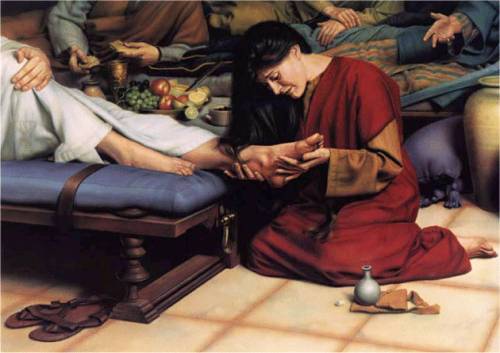
Introduction (1.1-4) : 소개 (1.1-4)
Birth and childhood of John the Baptist and of Jesus (1.5—2.52) : 세례 요한과 예수의 탄생과 어린 시절 (1.5 ~ 2.52)
The ministry of John the Baptist (3.1-20) : 세례 요한의 사역 (3.1-20)
The baptism and temptation of Jesus (3.21—4.13) : 예수님의 세례와 유혹 (3.21 ~ 4.13)
Jesus' public ministry in Galilee (4.14—9.50) : 갈릴리에서 예수의 공적 사역 (4.14 ~ 9.50)
From Galilee to Jerusalem (9.51—19.27) : 갈릴리에서 예루살렘으로 (9.51 ~ 19.27)
The last week in and near Jerusalem (19.28—23.56) : 예루살렘과 그 인근의 마지막 주 (19.28-23.56)
The resurrection, appearances, and ascension of the Lord (24.1-53) : 주님의 부활, 출현, 승천 (24.1-53)
4. John [dʒɑn / dʒɔn 잔/존] : 요한복음
* sources : “Good News Translation English Bible Overview” (GNT영어성경 개요)
(Korean Translation : Lee Chang-bok)
1) John Introduction (GNT Bible) : 요한복음 소개
The Gospel according to John presents Jesus as the eternal Word of God, who “became a human being and lived among us.” As the book itself says, this Gospel was written so that its readers might believe that Jesus is the promised Savior, the Son of God, and that through their faith in him they may have life (20.31).
요한복음은 예수를 “인간이 되어 우리와 함께 살” 하나님의 영원한 말씀으로 제시합니다. 책 자체에서 말하듯이 요한복음서는 독자들이 예수님이 약속 된 구주, 하나님의 아들이심을 믿고 그분을 믿는 신앙을 통해 생명을 얻을 수 있도록 기록 되었습니다 (20.31).
After an introduction that identifies the eternal Word of God with Jesus, the first part of the Gospel presents various miracles which show that Jesus is the promised Savior, the Son of God. These are followed by discourses that explain what is revealed by the miracles. This part of the book tells how some people believed in Jesus and became his followers, while others opposed him and refused to believe. Chapters 13–17 record at length the close fellowship of Jesus with his disciples on the night of his arrest, and his words of preparation and encouragement to them on the eve of his crucifixion. The closing chapters tell of Jesus' arrest and trial, his crucifixion and resurrection, and his appearances to his disciples after the resurrection.
하나님의 영원한 말씀을 예수님과 동일시하는 도입부분에 이어, 복음의 첫 부분은 예수님이 약속 된 구주, 즉 하나님의 아들임을 보여주는 여러 가지 기적을 제시합니다. 기적에 의해 밝혀진 내용을 설명하는 설교가 이어집니다. 요한복음은 이 부분에서 어떤 사람들은 어떻게 예수님을 믿고 그의 추종자가 되었고, 다른 사람들은 그를 반대하고 믿기를 거부했는지를 알려줍니다. 13 ~ 17 장은 예수가 체포 된 날 밤 제자들과 친밀한 교제를 나눈 내용과 십자가에 못 박히기 전날 제자들에게 들려주었던 준비와 격려의 당부 말씀을 상세하게 기록하고 있습니다. 마지막 장에서는 예수의 체포와 재판, 십자가에 못 박히심과 부활, 부활 후 제자들에게 나타나심에 대해 이야기하고 있습니다.
The story of the woman caught in adultery (8.1-11) is placed in brackets because many manuscripts and early translations omit it, while others include it in other places.
간음죄로 잡힌 여성의 이야기 (8.1-11)는 많은 필사본과 초기 번역본에서 생략 된 반면 다른 곳에서는 이를 포함하기 때문에 괄호로 묶고 있습니다.
John emphasizes the gift of eternal life through Christ, a gift which begins now and which comes to those who respond to Jesus as the way, the truth, and the life. A striking feature of John is the symbolic use of common things from everyday life to point to spiritual realities, such as water, bread, light, the shepherd and his sheep, and the grapevine and its fruit.
요한은 그리스도를 통한 영생의 은사를 강조합니다. 그리스도를 통한 영생의 은사는 지금 시작되며 예수님은 길이요, 진리요, 생명이라고 고백하는 사람들에게 주어집니다. 요한복음의 눈에 띄는 특징은 일상생활에서 물, 빵, 빛, 목자와 양, 포도나무와 그 열매와 같은 영적실재(영적존재)를 가리키는 일반적인 사물을 상징적으로 사용한다는 것입니다.
2) Outline of Contents : 내용 개요
Prologue (1.1-18) : 프롤로그 (1.1-18), 서문, 서언, 서두
John the Baptist and the first disciples of Jesus (1.19-51) : 세례 요한과 예수님의 첫 제자들 (1.19-51)
Jesus' public ministry (2.1—12.50) : 예수님의 공적 사역 (2.1-12.50)
The last days in and near Jerusalem (13.1—19.42) : 예루살렘 안팎의 마지막 날 (13.1 ~ 19.42)
The resurrection and appearances of the Lord (20.1-31) : 주님의 부활과 출현 (20.1-31)
Epilogue: another appearance in Galilee (21.1-25) : 에필로그 ; 갈릴리에서 또 다른 모습 (21.1-25)
5. The Acts [ ðiːækts 디 액스] : 사도행전
* sources : “Good News Translation English Bible Overview” (GNT영어성경 개요)
(Korean Translation : Lee Chang-bok)
1) The Acts Introduction (GNT Bible) : 시도행전 소개
The Acts of the Apostles is a continuation of The Gospel according to Luke. Its chief purpose is to tell how Jesus' early followers, led by the Holy Spirit, spread the Good News about him “in Jerusalem, in all of Judea and Samaria, and to the ends of the earth” (1.8). It is the story of the Christian movement as it began among the Jewish people and went on to become a faith for the whole world. The writer was also concerned to reassure his readers that the Christians were not a subversive political threat to the Roman Empire, and that the Christian faith was the fulfillment of the Jewish religion.
사도행전은 누가복음의 후속편입니다. 그 주된 목적은 성령의 인도를 받아 예수의 초기 제자들이“예루살렘과 온 유대와 사마리아와 땅 끝까지”(1.8) 그에 대한 복음을 전파하는 방법을 알리는 것입니다. 유대 민족 사이에서 시작되어 전 세계의 신앙이 된 기독교 운동의 이야기입니다. 작가(누가)는 또한 기독교인들은 로마 제국 전복을 꾀하는 정치적 위협이 되는 존재가 아니며 기독교 신앙이 유대 종교의 성취(완성)임을 독자들에게 확신시키기 위해 관심을 가졌습니다.
Acts may be divided into three principal parts, reflecting the ever widening area in which the Good News about Jesus was proclaimed and the church established: (1) the beginning of the Christian movement in Jerusalem following the ascension of Jesus; (2) expansion into other parts of Palestine; and (3) further expansion, into the Mediterranean world as far as Rome.
예수에 관한 기쁜 소식이 선포되고 교회가 설립된 영역이 점차 확대되는 모습을 내용으로 하고 있는 사도행전은 다음 세 가지 주요 부분으로 나눌 수 있습니다. (1) 예수 승천 후 예루살렘에서 기독교 운동의 시작; (2) 팔레스타인의 다른 지역으로의 확장; 그리고 (3) 로마까지 지중해 세계로의 추가 확장.
An important feature of Acts is the activity of the Holy Spirit, who comes with power upon the believers in Jerusalem on the day of Pentecost and continues to guide and strengthen the church and its leaders throughout the events reported in the book. The early Christian message is summarized in a number of sermons, and the events recorded in Acts show the power of this message in the lives of the believers and in the fellowship of the church.
사도행전의 중요한 특징은 성령의 역사입니다. 오순절 날 예루살렘 성도들에게 성령이 권능으로 임하여 책에 기록 된 여러 사건을 통해 교회와 지도자들을 계속 인도하고 격려합니다. 초기 기독교 메시지는 여러 설교로 요약되며, 사도행전에 기록 된 여러 사건들은 신자들의 삶과 교회 공동체 가운데 이 메시지의 힘이 어떠했는가를 보여줍니다.
2) Outline of Contents : 내용 개요
Preparation for the witness (1.1-26) : 증인을 위한 준비 (1.1-26)
a. Jesus' last command and promise (1.1-14) : 예수님의 마지막 명령과 약속 (1.1-14)
b. The successor of Judas (1.15-26) : 유다의 후계자 (1.15-26)
The witness in Jerusalem (2.1—8.3) : 예루살렘에서의 증인 (2.1-8.3)
The witness in Judea and Samaria (8.4—12.25) : 유대와 사마리아의 증인 (8.4-12.25)
The ministry of Paul (13.1—28.31) : 바울의 사역 (13.1-28.31)
a. The first missionary journey (13.1—14.28) : 첫 번째 선교 여행 (13.1 ~ 14.28)
b. The conference in Jerusalem (15.1-35) : 예루살렘 회의 (15.1-35)
c. The second missionary journey (15.36—18.22) : 두 번째 선교 여행 (15.36 ~ 18.22)
d. The third missionary journey (18.23—21.16) : 세 번째 선교 여행 (18.23-21.16)
e. Paul a prisoner in Jerusalem, Caesarea, and Rome (21.17—28.31) : 예루살렘, 가이사랴, 로마의 죄수 바울 (21.17-28.31)
6. Romans [róumənz 로우먼즈] : 로마서
* sources : “Good News Translation English Bible Overview” (GNT영어성경 개요)
(Korean Translation : Lee Chang-bok)
1) Romans Introduction (GNT Bible) : 로마서 소개
Paul's Letter to the Romans was written to prepare the way for a visit Paul planned to make to the church at Rome. His plan was to work among the Christians there for a while and then, with their support, to go on to Spain. He wrote to explain his understanding of the Christian faith and its practical implications for the lives of Christians. The book contains Paul's most complete statement of his message.
로마서는 바울이 로마 교회 방문을 준비하기 위해 작성되었습니다. 그의 계획은 한동안 그곳의 기독교인들과 함께 일한 다음 그들의 지원을 받아 스페인으로 가는 것이었습니다. 그는 기독교 신앙에 대한 자신의 이해와 그것이 기독교인들의 삶에 미치는 실질적인 영향을 설명하기 위해 로마서를 썼습니다. 이 책에는 바울의 메시지에 대한 가장 완전한 진술이 포함되어 있습니다. 로마서에는 바울의 가장 완벽한 메시지가 기록되어 있습니다.
After greeting the people of the church at Rome and telling them of his prayers for them, Paul states the theme of the letter: “The gospel reveals how God puts people right with himself: it is through faith from beginning to end” (1.17).
바울은 로마에 있는 교회 사람들에게 안부를 묻고 그들을 위한 바울의 기도를 전한 후 로마서의 요지를 다음과 같이 전합니다. “로마서는 하나님께서 어떻게 사람들을 하나님과 함께 의롭게 되도록 하시는지 그 방법을 보여줍니다. 그것은 처음부터 끝까지 믿음을 통해서 입니다”(1.17).
Paul then develops this theme. All people, both Jews and Gentiles, need to be put right with God, for all alike are under the power of sin. People are put right with God through faith in Jesus Christ. Next Paul describes the new life in union with Christ that results from this new relation with God. The believer has peace with God and is set free by God's Spirit from the power of sin and death. In chapters 5–8 Paul also discusses the purpose of the Law of God and the power of God's Spirit in the believer's life. Then the apostle wrestles with the question of how Jews and Gentiles fit into the plan of God for all people. He concludes that the Jewish rejection of Jesus is part of God's plan for bringing all people within the reach of God's grace in Jesus Christ, and he believes that the Jews will not always reject Jesus. Finally Paul writes about how the Christian life should be lived, especially about the way of love in relations with others. He takes up such themes as service to God, the duty of Christians to the state and to one another, and questions of conscience. He ends the letter with personal messages and with words of praise to God.
그런 다음 바울은 다음 주제를 전개합니다. 유대인이든 이방인이든 모든 사람은 모두가 죄의 권세 아래 있기 때문에 하나님과 함께 의롭게 되어야합니다. 사람들은 예수 그리스도에 대한 믿음을 통해 하나님과 함께 의롭게 됩니다. 다음으로 바울은 하나님과의 이 새로운 관계에서 비롯된 그리스도와 연합된 새 생명에 대해 설명합니다. 믿는 자는 하나님과 화평을 누리며 죄와 죽음의 권세에서 하나님의 영에 의해 해방되었습니다. 5-8 장에서 바울은 또한 신자의 삶에서 하나님의 율법의 목적과 하나님의 영의 능력에 대해 논의합니다. 그런 다음 바울은 어떻게 하면 유대인과 이방인들이 만민을 위한 하나님의 계획에 맞도록 변화되어져야 할까라는 문제를 놓고 씨름합니다. 그는 유대인이 예수를 거부하는 것이 모든 사람을 예수 그리스도 안에 있는 하나님의 은혜의 손길이 닿도록 하는 하나님의 계획의 일부라고 결론을 내리며 유대인들이 항상 예수를 거부하지는 않을 것이라고 믿습니다. 마지막으로 바울은 그리스도인들이 어떻게 살아야하는지, 특히 다른 사람들과의 관계에서 사랑의 방식에 대해 씁니다. 이어서 그는 하나님에 대한 봉사, 국가와 서로에 대한 기독교인의 의무, 양심의 문제와 같은 주제를 다루고 있습니다. 그는 개인적인 메시지와 하나님을 찬양하는 말로 편지를 끝냅니다.
2) Outline of Contents : 내용 개요
Introduction and theme (1.1-17) : 소개 및 주제 (1.1-17)
The universal human need of salvation (1.18—3.20) : 보편적인 인간의 구원 필요 (1.18-3.20)
God's way of salvation (3.21—4.25) : 하나님의 구원 방법 (3.21 ~ 4.25)
The new life in Christ (5.1—8.39) : 그리스도와 함께하는 새 생명 (5.1 ~ 8.39)
Israel in the plan of God (9.1—11.36) : 하나님의 계획 가운데에 있는 이스라엘 (9.1-11.36)
Christian conduct (12.1—15.13) : 기독교인 행위 (12.1 ~ 15.13)
Conclusion and personal greetings (15.14—16.27) : 결론 및 개별 인사 (15.14 ~ 16.27)
7. I Corinthians [kərínɵiənz 커린시언즈] : 고린도전서
* sources : “Good News Translation English Bible Overview” (GNT영어성경 개요)
(Korean Translation : Lee Chang-bok)
1) I Corinthians Introduction (GNT Bible) : 고린도전서 소개
Paul's First Letter to the Corinthians was written to deal with problems of Christian life and faith that had arisen in the church which Paul had established at Corinth. At that time Corinth was a great cosmopolitan Greek city, the capital of the Roman province of Achaia. It was noted for its thriving commerce, proud culture, widespread immorality, and variety of religions.
고린도전서는 바울이 고린도에 세운 교회에서 야기된 기독교인의 생활과 신앙의 문제를 다루기 위해 작성되었습니다. 그 당시 고린도는 로마의 아가야 지방의 중심지이자 큰 규모의 국제적인 그리스 도시였습니다. 번성하는 상업, 자랑스러운 문화, 광범위한 부도덕 및 다양한 종교 종파로 유명했습니다.
The apostle's chief concerns are with problems such as divisions and immorality in the church, and with questions about sex and marriage, matters of conscience, church order, gifts of the Holy Spirit, and the resurrection. With deep insight he shows how the Good News speaks to these questions.
바울의 가장 큰 관심사는 교회의 분열과 부도덕과 같은 문제와 성, 결혼, 양심 문제, 교회 질서, 성령의 은사, 부활에 관한 문제들입니다. 깊은 통찰력으로 그는 복음이 이러한 문제들에 대해 어떻게 답을 제시하는지 밝히 보여주고 있습니다.
Chapter 13, which presents love as the best of God's gifts to his people, is probably the most widely known passage in the book.
하나님께서 그의 백성에게 주신 최고의 선물로서 사랑을 제시하는 13장은 아마도 이 책에서 가장 널리 알려진 구절일 것입니다.
2) Outline of Contents : 내용 개요
Introduction (1.1-9) : 소개 (1.1-9)
Factions in the church (1.10—4.21) : 교회의 파벌 (1.10-4.21)
Sexual morality and family life (5.1—7.40) : 성도덕과 가정생활 (5.1–7.40)
Christians and pagans (8.1—11.1) : 기독교인과 이교도 (8.1-11.1)
Church life and worship (11.2—14.40) : 교회 생활과 예배 (11.2 ~ 14.40)
The resurrection of Christ and of believers (15.1-58) : 그리스도와 신자들의 부활 (15.1-58)
The offering for the Christians in Judea (16.1-4) : 유대 그리스도인을 위한 헌금 (16.1-4)
Personal matters and conclusion (16.5-24) : 개인적인 문제와 결론 (16.5-24)
8. II Corinthians [kərínɵiənz 커린시언즈] : 고린도후서
* sources : “Good News Translation English Bible Overview” (GNT영어성경 개요)
(Korean Translation : Lee Chang-bok)
1) Ⅱ Corinthians Introduction (GNT Bible) : 고린도후서 소개
Paul's Second Letter to the Corinthians was written during a difficult period in his relations with the church at Corinth. Some members of the church had evidently made strong attacks against Paul, but he shows his deep longing for reconciliation and expresses his great joy when this is brought about.
고린도후서는 고린도교회와 바울과의 관계가 어려운 시기에 기록되었습니다. 분명히 교회 성도들 중 일부는 바울에게 강력한 공격을 가한 것으로 보이지만 바울은 화해에 대한 깊은 열망을 보이며 화해가 이루어지자 큰 기쁨을 나타냅니다.
In the first part of the letter Paul discusses his relationship with the church at Corinth, explaining why he had responded with severity to insult and opposition in the church and expressing his joy that this severity had resulted in repentance and reconciliation. Then he appeals to the church for a generous offering to help the needy Christians in Judea. In the final chapters Paul defends his apostleship against a few people at Corinth who had set themselves up as true apostles, while accusing Paul of being a false one.
편지의 첫 부분에서 바울은 고린도 교회와의 관계에 대해 설명하면서 왜 그가 교회로부터 받은 모욕과 반대에 격하게 반응을 보였는지 설명하고 이러한 격함이 결국 회개와 화해를 가져 왔다는 데 대하여 기쁨을 나타냈습니다. 그런 다음 그는 궁핍한 유대 기독교인들을 돕기 위한 후한 헌금을 교회에 요청합니다. 마지막 장에서 바울은 자신의 사도권을 부인하고 자신들이 참된 사도라고 자처하는 소수의 고린도교회 사람들에 맞서 자신의 사도권을 변호합니다.
2) Outline of Contents : 내용 개요
Introduction (1.1-11) : 소개 (1.1-11)
Paul and the church at Corinth (1.12—7.16) : 바울과 고린도 교회 (1.12-7.16)
The offering for the Christians in Judea (8.1—9.15) : 유대 기독교인을 위한 헌금 (8.1-9.15)
Paul's defense of his authority as an apostle (10.1—13.10) : 바울이 자신의 사도권을 변호함 (10.1-13.10)
Conclusion (13.11-13) : 결론 (13.11-13)
9. Galatians [gəléiʃənz, -ʃiənz 걸레이션즈/걸레이쉬언즈] : 갈라디아서
* sources : “Good News Translation English Bible Overview” (GNT영어성경 개요)
(Korean Translation : Lee Chang-bok)
1) Galatians Introduction (GNT Bible) : 갈라디아서 소개
As the good news about Jesus began to be preached and welcomed among people who were not Jews, the question arose as to whether a person must obey the Law of Moses in order to be a true Christian. Paul had argued that this was not necessary—that in fact, the only sound basis for life in Christ was faith, by which all are put right with God. But among the churches of Galatia, a Roman province in Asia Minor, there had come people who opposed Paul and claimed that one must also observe the Law of Moses in order to be right with God.
예수에 관한 복음이 비유대인들 사이에서 전파되고 환영받기 시작하면서 참 그리스도인이 되기 위해서는 모세의 율법에 순종해야하는지에 대한 의문이 생겼습니다. 바울은 이것이 필요하지 않다고 주장했습니다. 사실, 바울은 그리스도 안에서의 삶의 유일한 근거는 믿음이며, 믿음에 의해 모든 사람이 하나님과 함께 의롭게 된다고 주장했습니다. 그러나 소아시아의 로마 갈라디아 지방에 있는 교회들 사이에서는 바울에 맞서 하나님과 함께 의롭게 되기 위해서는 모세의 율법도 지켜야한다고 주장하는 사람들이 있었습니다.
Paul's Letter to the Galatians was written in order to bring back to true faith and practice those people who were being misled by this false teaching. Paul begins by defending his right to be called an apostle of Jesus Christ. He insists that his call to be an apostle came from God, not from any human authority, and that his mission was especially to the non-Jews. Then he develops the argument that it is by faith alone that people are put right with God. In the concluding chapters Paul shows that Christian conduct flows naturally from the love that results from faith in Christ.
갈라디아서는 이 거짓 가르침에 속아 넘어가는 사람들을 참된 믿음으로 되돌아가도록 훈련시키기 위해 작성되었습니다. 바울은 자신이 예수 그리스도의 사도라고 불릴 권리가 있다는 말로 편지를 시작합니다. 그는 자신이 사도가 되라는 소명을 인간으로 부터가 아니라 하나님에게서 받았으며, 그의 사명은 특히 비 유대인을 대상으로 하고 있다고 주장합니다. 그런 다음 그는 사람들이 하나님과 함께 의롭게 되는 것은 오로지 믿음으로만 가능하다는 주장을 전개합니다. 마지막 장에서 바울은 그리스도인의 행실이 그리스도를 믿는 신앙에서 비롯된 사랑에서 자연스럽게 흘러나옴을 밝히 보여주고 있습니다.
2) Outline of Contents : 내용 개요
Introduction (1.1-10) : 소개 (1.1-10)
Paul's authority as an apostle (1.11—2.21) : 사도로서의 바울의 권위 (1.11—2.21)
The gospel of God's grace (3.1—4.31) : 하나님의 은혜의 복음 (3.1-4.31)
Christian freedom and responsibility (5.1—6.10) : 기독교인의 자유와 책임 (5.1 ~ 6.10)
Conclusion (6.11-18) : 결론 (6.11-18)
10. Ephesians [ifíːʒənz 이피-전즈] : 에베소서
* sources : “Good News Translation English Bible Overview” (GNT영어성경 개요)
(Korean Translation : Lee Chang-bok)
1) Ephesians Introduction (GNT Bible) : 에베소서 소개
Paul's Letter to the Ephesians is concerned first of all with “God's plan … to bring all creation together, everything in heaven and on earth, with Christ as head” (1.10). It is also an appeal to God's people to live out the meaning of this great plan for the unity of the whole human race through oneness with Jesus Christ.
에베소서는 무엇보다도 "하나님의 계획, 바로 그리스도를 머리로 하여 모든 피조물, 즉 천국과 지상의 모든 것을 하나로 모으는 하나님의 계획"(1.10)과 관련이 있습니다. 또한 예수 그리스도와 하나 됨을 통해 온 인류의 연합을 위한 이 위대한 계획의 의미를 실천하도록 하나님의 백성에게 호소합니다.
In the first part of Ephesians the writer develops the theme of unity by speaking of the way in which God the Father has chosen his people, how they are forgiven and set free from their sins through Jesus Christ the Son, and how God's great promise is guaranteed by the Holy Spirit. In the second part he appeals to the readers to live in such a way that their oneness in Christ may become real in their life together.
에베소서 첫 단락에서 바울은 아버지 하나님께서 자신의 백성을 택하신 방식, 아들 예수 그리스도를 통해 어떻게 용서 받고 죄에서 해방되었는지, 그리고 하나님의 위대한 약속이 어떻게 성령에 의해 보증되어 졌는지에 대해 이야기함으로써 일치의 주제를 발전시킵니다. 두 번째 단락에서 그는 독자들에게 그리스도 안에서 하나 됨이 공동체 삶 가운데 실현되도록 호소합니다.
Several figures of speech are used to show the oneness of God's people in union with Christ: the church is like a body, with Christ as the head; or like a building, with Christ as the cornerstone; or like a wife, with Christ as the husband. This letter rises to great heights of expression as the writer is moved by the thought of God's grace in Christ. Everything is seen in the light of Christ's love, sacrifice, forgiveness, grace, and purity.
그리스도와 연합 된 하나님의 백성의 하나 됨을 나타내기 위해 몇 가지 비유적 표현이 사용되고 있습니다. 교회는 그리스도를 머리로 하는 몸과 같습니다. 또 교회는 그리스도를 초석으로 하는 건물과 같습니다. 또 교회는 그리스도를 남편으로 하는 아내와 같습니다. 이 서신은 바울이 그리스도 안에 있는 하나님의 은혜에 대한 생각에 감동을 받으면서 표현의 정점에 다다릅니다. 모든 것은 그리스도의 사랑, 희생, 용서, 은혜, 순결의 관점에서 다루어지고 있습니다.
2) Outline of Contents : 내용 개요
Introduction (1.1-2) : 소개 (1.1-2)
Christ and the church (1.3—3.21) : 그리스도와 교회 (1.3-3.21)
The new life in Christ (4.1—6.20) : 그리스도 안의 새 생명 (4.1-6.20)
Conclusion (6.21-24) : 결론 (6.21-24)
11. Philippians [filípiənz 필리피언즈] : 빌립보서
* sources : “Good News Translation English Bible Overview” (GNT영어성경 개요)
(Korean Translation : Lee Chang-bok)
1) Philippians Introduction (GNT Bible) : 빌립보서 소개
Paul's Letter to the Philippians was written to the first church that Paul established on European soil, in the Roman province of Macedonia. It was written while the apostle was in prison, and at a time when he was troubled by the opposition of other Christian workers toward himself and was distressed by false teaching in the church at Philippi. Yet this letter breathes a joy and confidence that can be explained only by Paul's deep faith in Jesus Christ.
빌립보서는 바울이 유럽 땅에 세운 최초의 교회인 로마의 마케도니아 지방에 있던 빌립보 교회에 보낸 편지입니다. 바울이 감옥에 갇혀있을 때, 다른 기독교 사역자들이 바울 자신을 반대하는 것에 괴로워하고 있을 때, 바울이 빌립보교회에서 거짓 교사들로 인해 괴로워하고 있을 때 기록되었습니다. 그러나 이 편지는 예수 그리스도에 대한 바울의 신실한 믿음으로만 설명 할 수 있는 기쁨과 확신을 드러내고 있습니다.
The immediate reason for writing the letter was to thank the Philippian Christians for the gift which they had sent to help him in his time of need. He uses this opportunity to reassure them, so that they may have courage and confidence in spite of all his troubles and their own as well. He pleads with them to have the humble attitude of Jesus, rather than to be controlled by selfish ambition and pride. He reminds them that their life in union with Christ is a gift of God's grace which they have received through faith, not through obedience to the ceremonies of the Jewish Law. He writes of the joy and peace that God gives to those who live in union with Christ.
편지를 쓴 직접적인 이유는 도움이 필요한시기에 바울을 돕기 위해 보낸 헌금에 대해 빌립보 기독교인들에게 감사하기 위해서였습니다. 바울 자신의 문제와 그들 자신들의 문제에도 불구하고 그들이 용기와 자신감을 가질 수 있도록 그들을 안심시키고자 바울은 이 기회를 이용합니다. 바울은 이기적인 야망과 교만에 의해 좌우되기보다는 예수님의 겸손한 태도를 갖추기를 그들에게 간청합니다. 그는 그리스도와 연합한 그들의 삶이 유대인 율법 의식에 대한 순종을 통해서가 아니라 믿음을 통해 받은 하나님의 은혜의 선물임을 상기시킵니다. 그는 하나님께서 그리스도와 연합하여 사는 사람들에게 주시는 기쁨과 평안에 대해 기록하고 있습니다.
This letter is marked by its emphasis on joy, confidence, unity, and perseverance in the Christian faith and life. It also reveals the deep affection Paul had for the church at Philippi.
빌립보서는 기독교 신앙과 삶에 대한 기쁨, 자신감, 하나 됨, 인내에 대해 강조하고 있습니다. 또한 바울이 빌립보 교회에 대한 깊은 애정을 드러내고 있습니다.
2) Outline of Contents : 내용 개요
Introduction (1.1-11) : 소개 (1.1-11)
Paul's personal circumstances (1.12-26) : 바울의 개인적인 상황 (1.12-26)
The life in Christ (1.27—2.18) : 그리스도 안의 삶 (1.27-2.18)
Plans for Timothy and Epaphroditus (2.19-30) : 디모데와 에바브로디도를 위한 계획 (2.19-30)
Warnings against enemies and dangers (3.1—4.9) : 적과 위험에 대한 경고 (3.1 ~ 4.9)
Paul and his Philippian friends (4.10-20) : 바울과 그의 빌립보 친구들 (4.10-20)
Conclusion (4.21-23) : 결론 (4.21-23)
12. Colossians [kəlɑ́ʃənz 컬라션즈] : 골로새서
* sources : “Good News Translation English Bible Overview” (GNT영어성경 개요)
(Korean Translation : Lee Chang-bok)
1) Colossians Introduction (GNT Bible) : 골로새서 소개
Paul's Letter to the Colossians was written to the church at Colossae, a town in Asia Minor east of Ephesus. This church had not been established by Paul, but was in an area for which Paul felt responsible, as he sent out workers from Ephesus, the capital of the Roman province of Asia. Paul had learned that there were false teachers in the church at Colossae who insisted that in order to know God and have full salvation one must worship certain “spiritual rulers and authorities.” In addition, these teachers said, one must submit to special rites such as circumcision and must observe strict rules about foods and other matters.
골로새 사람들에게 보낸 바울의 편지는 에베소 동쪽 소아시아 소재 마을인 골로새에 있는 교회에 보낸 편지입니다. 이 교회는 바울에 의해 설립 된 것이 아니라 바울이 아시아의 로마 지방의 중심지인 에베소에서 일꾼을 파견하였기 때문에 책임감을 느꼈던 지역에 있었습니다. 바울은 골로새 교회 안에 하나님을 알아 완전한 구원을 얻으려면 특정한 “영적 통치자와 권위자”를 숭배해야한다고 주장하는 거짓 선생들이 있다는 사실을 알게 되었습니다. 또한 이 교사들은 할례와 같은 특별한 관습에 복종해야하며 음식 및 기타 문제에 대한 엄격한 규칙을 준수해야한다고 말했습니다.
Paul writes to oppose these teachings with the true Christian message. The heart of his reply is that Jesus Christ is able to give full salvation and that these other beliefs and practices actually lead away from him. Through Christ, God created the world and through him he is bringing it back to himself. Only in union with Christ is there hope of salvation for the world. Paul then spells out the implications of this great teaching for the lives of believers.
바울은 참된 하나님 말씀을 통해 이러한 가르침에 반대하는 글을 씁니다. 그의 대답의 핵심은 예수 그리스도께서 완전한 구원을 주실 수 있으며 이와 다른 믿음과 관습은 실제로 그리스도에게서 멀어지게 한다는 것입니다. 그리스도를 통해 하나님은 세상을 창조 하셨고 그리스도를 통해 세상을 자신에게로 되돌리셨습니다. 오직 그리스도와 연합 할 때에만 세상 구원의 소망이 있습니다. 그런 다음 바울은 신자들의 삶에 대한 이 위대한 가르침의 의미를 분명하게 설명합니다.
It is noteworthy that Tychicus, who took this letter to Colossae for Paul, was accompanied by Onesimus, the slave on whose behalf Paul wrote Philemon.
바울을 대신해 이 편지를 골로새로 가져간 두기고가 바울이 빌레몬서에서 그 입장을 대변한 노예인 오네시모와 동행한 것은 주목할 만합니다.
2) Outline of Contents : 내용 개요
Introduction (1.1-8) : 소개 (1.1-8)
The nature and work of Christ (1.9—2.19) : 그리스도의 성품과 사역 (1.9-2.19)
The new life in Christ (2.20—4.6) : 그리스도의 새 생명 (2.20-4.6)
Conclusion (4.7-18) : 결론 (4.7-18)
13. I Thessalonians [θèsəlóuniənz 세서로우니언즈] : 데살로니가전서
* sources : “Good News Translation English Bible Overview” (GNT영어성경 개요)
(Korean Translation : Lee Chang-bok)
1) I Thessalonians Introduction (GNT Bible) : 데살로니가전서 소개
Thessalonica was the capital city of the Roman province of Macedonia. Paul established a church there after he left Philippi. Soon, however, there was opposition from Jews who were jealous of Paul's success in preaching the Christian message among the non-Jews who had become interested in Judaism. Paul was forced to leave Thessalonica and go on to Berea. Later on, after he reached Corinth, Paul received a personal report from his companion and fellow worker Timothy about the situation in the church at Thessalonica.
데살로니가는 로마의 마케도니아 지방의 중심지였습니다. 바울은 빌립보를 떠난 후 그곳에 교회를 세웠습니다. 그러나 얼마 지나지 않아 유대교에 관심을 갖게 된 비유대인들 사이에서 바울의 기독교 메시지 전파 성공을 질투하는 유대인들의 반대가 있었습니다. 바울은 데살로니가를 떠나 베레아로 가야했습니다. 나중에 고린도에 도착한 후 바울은 그의 동반자이자 동역자인 디모데로부터 데살로니가 교회의 상황에 대한 개인적인 보고를 받았습니다.
Paul's First Letter to the Thessalonians was then written to encourage and reassure the Christians there. He gives thanks for the news about their faith and love; he reminds them of the kind of life he had lived while he was with them, and then answers questions that had arisen in the church about the return of Christ: Could a believer who died before Christ's return still share in the eternal life that his return will bring? And when will Christ come again? Paul takes this occasion to tell them to go on working quietly while waiting in hope for Christ's return.
그리고 데살로니가전서는 그곳의 기독교인들을 격려하고 안심시키기 위해 쓰이어졌습니다. 그는 그들의 믿음과 사랑에 대한 소식에 감사합니다. 그는 그들과 함께 있을 때 살았던 삶을 상기시키고, 그리스도의 재림에 대해 교회에서 제기된 질문 즉 "그리스도가 재림하기 전에 죽은 성도도 그의 재림이 가져다 줄 영생을 여전히 공유할 수 있을까요? 그리고 그리스도는 언제 재림하실까요?"라는 질문에 대답합니다. 바울은 이 기회를 이용하여 그들에게 그리스도의 재림을 바라며 조용히 쉬지 말고 일하라고 이릅니다.
2) Outline of Contents : 내용 개요
Introduction (1.1) : 소개 (1.1)
Gratitude and praise (1.2—3.13) : 감사와 찬양 (1.2-3.13)
Exhortation to Christian conduct (4.1-12) : 그리스도인 행위에 대한 권면 (4.1-12)
Instructions about the coming of Christ (4.13—5.11) : 그리스도의 재림에 대한 지침 (4.13 ~ 5.11)
Final exhortations (5.12-22) : 최종 권면 (5.12-22)
Conclusion (5.23-28) : 결론 (5.23-28)림
14. II Thessalonians [θèsəlóuniənz 세서로우니언즈] : 데살로니가후서
* sources : “Good News Translation English Bible Overview” (GNT영어성경 개요)
(Korean Translation : Lee Chang-bok)
1) II Thessalonians Introduction (GNT Bible) : 데살로니가후서 소개
Confusion over the expected return of Christ continued to cause disturbances in the church at Thessalonica. Paul's Second Letter to the Thessalonians deals with the belief that the day of the Lord's coming had already arrived. Paul corrects this idea, pointing out that before Christ returns, evil and wickedness will reach a climax under the leadership of a mysterious figure called “the Wicked One,” who would be opposed to Christ.
기대되는 그리스도의 재림에 대한 혼란은 데살로니가 교회에 계속해서 소란을 일으켰습니다. 데살로니가후서는 주님의 재림의 날이 이미 이르렀다는 믿음을 다루고 있습니다. 바울은 이러한 믿음이 잘못된 것임을 가르치며 그리스도께서 오시기 전에 그리스도를 대적 할 “사탄(적그리스도)”의 주도 아래 악과 사악함이 절정에 이르게 될 것이라고 지적하고 있습니다.
The apostle emphasizes the need for his readers to remain steady in their faith in spite of trouble and suffering, to work for a living as did Paul and his fellow workers, and to persevere in doing good.
바울 사도는 자신의 편지를 읽는 사람들이 어려움과 고통에도 불구하고 믿음을 확고하게 유지하고, 바울과 그의 동역자들이 했던 것처럼 생계를 위해 일하고, 끈질기게 선을 행할 것을 강조합니다.
2) Outline of Contents : 내용 개요것
Introduction (1.1-2) : 소개 (1.1-2)
Praise and commendation (1.3-12) : 찬양과 칭찬 (1.3-12)
Instructions about the coming of Christ (2.1-17) : 그리스도의 오심에 대한 지침 (2.1-17)
Exhortation to Christian conduct (3.1-15) : 그리스도인 행위에 대한 권면 (3.1-15)
Conclusion (3.16-18) : 결론 (3.16-18)
15. I Timothy [tíməɵi 티머시] : 디모데전서
* sources : “Good News Translation English Bible Overview” (GNT영어성경 개요)
(Korean Translation : Lee Chang-bok)
1) I Timothy Introduction (GNT Bible) : 디모데전서 소개
Timothy, a young Christian from Asia Minor, was the son of a Jewish mother and a Greek father. He became a companion and assistant to Paul in his missionary work. Paul's First Letter to Timothy deals with three main concerns.
소아시아 출신의 젊은 그리스도인 디모데는 유대인 어머니와 그리스인 아버지 사이에서 태어난 아들이었습니다. 그는 선교 사업에서 바울의 동반자이자 조수가 되었습니다. 바울이 디모데에게 보낸 디모데전서는 세 가지 주요 관심사를 다루고 있습니다.
The letter is first of all a warning against false teaching in the church. This teaching, a mixture of Jewish and non-Jewish ideas, was based on the belief that the physical world is evil and that one can attain salvation only by special secret knowledge and by practices such as avoiding certain foods and not marrying. The letter also contains instructions about church administration and worship, with a description of the kind of character that church leaders and helpers should have. Finally, Timothy is advised how to be a good servant of Jesus Christ and about the responsibilities that he has toward various groups of believers.
이 편지는 무엇보다도 교회의 거짓 가르침에 대한 경고입니다. 유대교와 비유대교 사상이 혼합된 이 가르침은 물질세계는 악하고 특별한 비밀 지식과 특정 음식을 피하고 결혼하지 않는 것과 같은 관행에 의해서만 구원을 얻을 수 있다는 믿음에 기초했습니다. 이 편지에는 교회 지도자와 조력자가 가져야 할 품성에 대한 설명과 함께 교회 행정 및 예배에 대한 지침도 포함되어 있습니다. 마지막으로, 디모데는 예수 그리스도의 훌륭한 종이 되는 방법과 다양한 신자들에 대하여 디모데가 져야할 책임에 대해 조언을 받습니다.
2) Outline of Contents : 내용 개요
Introduction (1.1-2) : 소개 (1.1-2)
Instructions concerning the church and its officers (1.3—3.16) : 교회와 그 직원에 관한 지침 (1.3–3.16)
Instructions to Timothy about his work (4.1—6.21) : 디모데 사역에 대한 지침 (4.1—6.21)
16. II Timothy [tíməɵi 티머시] : 디모데후서
* sources : “Good News Translation English Bible Overview” (GNT영어성경 개요)
(Korean Translation : Lee Chang-bok)
1) II Timothy Introduction (GNT Bible) : 디모데후서 소개
Paul's Second Letter to Timothy consists largely of personal advice to Timothy, as a younger colleague and assistant. The main theme is endurance. Timothy is advised and encouraged to keep on witnessing faithfully to Jesus Christ, to hold to the true teaching of the Good News and the Old Testament, and to do his duty as teacher and evangelist, all in the face of suffering and opposition.
디모데에게 보낸 바울의 두 번째 편지는 주로 젊은 동료이자 비서인 디모데에게 해준 개인적인 조언으로 구성되어 있습니다. 주요 주제는 인내입니다. 디모데는 온갖 고통과 반대에도 불구하고 예수 그리스도를 계속 충실하게 증거하고, 복음과 구약의 참된 가르침을 고수하며, 교사이자 전도자로서의 의무를 다하도록 권고 받고 격려 받습니다.
Timothy is especially warned about the dangers of becoming involved in “foolish and ignorant arguments” that do no good, but only ruin the people who listen to them.
특히 디모데는 백해무익일 뿐 아니라 듣는 사람들로 하여금 파멸로만 이끄는 “어리석고 무지한 논쟁”에 연루되는 위험에 대해 경고를 받습니다.
In all this, Timothy is reminded of the example of the writer's own life and purpose—his faith, patience, love, endurance, and suffering in persecution.
이 모든 면에서 디모데는 바울이 몸소 보여준 삶과 목적 - 즉 바울의 믿음, 인내, 사랑, 오래 참음, 박해의 고통 등에서 바울이 보여준 모범을 되새기게 됩니다.
2) Outline of Contents : 내용 개요
Introduction (1.1-2) : 소개 (1.1-2)
Praise and exhortation (1.3—2.13) : 찬양과 권면 (1.3-2.13)
Counsel and warning (2.14—4.5) : 조언과 경고 (2.14-4.5)
Paul's own situation (4.6-18) : 바울 자신의 상황 (4.6-18)
Conclusion (4.19-22) : 결론 (4.19-22)
17. Titus [táitəs 타이터스] : 디도서
* sources : “Good News Translation English Bible Overview” (GNT영어성경 개요)
(Korean Translation : Lee Chang-bok)
1) Titus Introduction (GNT Bible) : 디도서 소개
Titus was a Gentile convert to Christianity who became a fellow worker and assistant to Paul in his missionary work. Paul's Letter to Titus is addressed to his young helper in Crete, who had been left there to supervise the work of the church. The letter expresses three main concerns.
디도는 기독교로 개종한 이방인으로 바울의 선교 사업에서 동료 일꾼이자 보조자가 되었습니다. 바울이 디도에게 보낸 편지는 그레데에 있는 그의 젊은 조력자에게 전달되었습니다. 그는 그곳에서 교회 사업을 감독하기 위해 그곳에 남아있었습니다. 이 편지는 세 가지 주요 관심사를 나타내고 있습니다.
First, Titus is reminded of the kind of character that church leaders should have, especially in view of the bad character of many Cretans. Next, Titus is advised how to teach the various groups in the church, the older men, the older women (who are, in turn, to teach the younger women), the young men, and the slaves. Finally, the writer gives Titus advice regarding Christian conduct, especially the need to be peaceful and friendly, and to avoid hatred, argument, and division in the church.
첫째, 디도는 특히 많은 그레데 인들의 나쁜 습성을 고려할 때 교회 지도자들이 갖추어야 할 품성에 대해 조언을 받습니다. 다음으로, 디도는 교회의 다양한 그룹, 연로 한 남자들, 연로 한 여자들 (젊은 여자들을 가르치는), 청년들, 노예들을 가르치는 방법에 대해 조언을 받습니다. 마지막으로 바울은 그리스도인의 행동, 특히 온화하며 친근해야하며 교회에서 증오, 논쟁, 분열을 피해야하는 필요성에 대해 디도에게 조언을 합니다.
2) Outline of Contents : 내용 개요
Introduction (1.1-4) : 소개 (1.1-4)
Church officers (1.5-16) : 교회 직원 (1.5-16)
Duties of various groups in the church (2.1-15) : 교회의 다양한 집단의 의무 (2.1-15)
Exhortations and warning (3.1-11) : 권면과 경고 (3.1-11)
Conclusion (3.12-15) : 결론 (3.12-15)
18. Philemon [filíːmən 필리먼] : 빌레몬서
* sources : “Good News Translation English Bible Overview” (GNT영어성경 개요)
(Korean Translation : Lee Chang-bok)
1) Philemon Introduction (GNT Bible) : 빌레몬서 소개
Philemon was a prominent Christian, probably a member of the church at Colossae and the owner of a slave named Onesimus. This slave had run away from his master, and then somehow he had come in contact with Paul, who was then in prison. Through Paul, Onesimus became a Christian. Paul's Letter to Philemon is an appeal to Philemon to be reconciled to his slave, whom Paul is sending back to him, and to welcome him not only as a forgiven slave but as a Christian brother.
빌레몬은 저명한 기독교인이었으며 아마도 골로새 교회의 일원이자 오네시모라는 노예의 주인이었을 것입니다. 이 노예는 주인에게서 도망 쳤고, 그때 감옥에 있던 바울과 어떻게든 접촉했던 것 같습니다. 바울을 통해 오네시모는 기독교인이 되었습니다. 바울이 빌레몬에게 보낸 편지는 빌레몬에게 바울이 다시 보낸 종과 화해하고 그를 용서받은 종으로서 뿐만 아니라 그리스도를 믿는 형제로 환영 해 달라는 호소입니다.
2) Outline of Contents : 내용 개요
Introduction (1-3) : 소개 (1-3)
Praise for Philemon (4-7) : 빌레몬 찬양 (4-7)
Appeal for Onesimus (8-22) : 오네시모를 위한 간구 (8-22)
Conclusion (23-25) : 결론 (23-25)
19. Hebrews [híːbruːz 히-브루-즈] : 히브리서
* sources : “Good News Translation English Bible Overview” (GNT영어성경 개요)
(Korean Translation : Lee Chang-bok)
1) Hebrews Introduction (GNT Bible) : 히브리서 소개
The Letter to the Hebrews was written to a group of Christians who, faced with increasing opposition, were in danger of abandoning the Christian faith. The writer encourages them in their faith primarily by showing that Jesus Christ is the true and final revelation of God. In doing this he emphasizes three truths: (1) Jesus is the eternal Son of God, who learned true obedience to the Father through the suffering that he endured. As the Son of God, Jesus is superior to the prophets of the Old Testament, to the angels, and to Moses himself. (2) Jesus has been declared by God to be an eternal priest, superior to the priests of the Old Testament. (3) Through Jesus the believer is saved from sin, fear, and death; and Jesus, as High Priest, provides the true salvation, which was only foreshadowed by the rituals and animal sacrifices of the Hebrew religion.
히브리서는 점점 더 많은 반대에 직면하여 기독교 신앙을 포기할 위험에 처한 기독교인들을 대상으로 하였습니다. 바울은 예수 그리스도가 하나님의 참되고 궁극적인 계시라는 것을 특별히 보여줌으로써 그들의 신앙을 격려합니다. 이렇게 하면서 그는 세 가지 진리를 강조합니다. (1) 예수님은 자신이 감내한 고통을 통해 아버지께 참된 순종을 배운 영원한 하나님의 아들입니다. 하나님의 아들로서 예수님은 구약의 선지자, 천사들, 모세 자신보다 우월합니다. (2) 예수님은 구약의 제사장보다 우월한 영원한 제사장이라고 하나님께서 선포하셨습니다. (3) 예수님을 통해 믿는 자는 죄와 두려움과 죽음에서 구원을 받았습니다. 대제사장이신 예수님은 히브리 종교의 의식과 동물 희생으로만 예표 된 진정한 구원을 제공합니다.
By citing the example of the faith of some famous persons in Israel's history (chapter 11), the writer appeals to his readers to remain faithful, and in chapter 12 he urges his readers to continue faithful to the end, with eyes fixed on Jesus, and to endure whatever suffering and persecution may come to them. The book closes with words of advice and warning.
바울은 이스라엘 역사(11 장)에서 몇몇 유명인들의 믿음의 본보기를 인용하면서 독자들에게 신실함을 계속 유지하라고 호소하고, 또한 12장에서 바울은 독자들에게 시선의 초점을 예수께 고정하고 끝까지 신실하도록 권면하고 있습니다. 어떠한 고난과 박해가 가해지더라도 끝까지 참아낼 것을 촉구하고 있습니다. 이 책은 조언과 경고의 말로 끝납니다.
2) Outline of Contents : 내용 개요
Introduction : Christ the complete revelation of God (1.1-3) : 서론 ; 그리스도는 하나님의 완전한 계시 (1.1-3)
Christ's superiority over the angels (1.4—2.18) : 천사들에 대한 그리스도의 우월성 (1.4-2.18)
Christ's superiority over Moses and Joshua (3.1—4.13) : 모세와 여호수아에 대한 그리스도의 우월성 (3.1-4.13)
The superiority of Christ's priesthood (4.14—7.28) : 그리스도 사제직의 우월성 (4.14-7.28)
The superiority of Christ's covenant (8.1—9.22) : 그리스도 언약의 우월성 (8.1-9.22)
The superiority of Christ's sacrifice (9.23—10.39) : 그리스도의 희생의 우월성 (9.23-10.39)
The primacy of faith (11.1—12.29) : 믿음의 우위 (11.1-12.29)
Pleasing God (13.1-19) : 하나님을 기쁘시게 (13.1-19)
Closing prayer (13.20-21) : 폐회기도 (13.20-21)
Final words (13.22-25) : 마지막 말씀 (13.22-25)
20. James [dʒeimz 제임즈] : 야고보서
* sources : “Good News Translation English Bible Overview” (GNT영어성경 개요)
(Korean Translation : Lee Chang-bok)
1) James Introduction (GNT Bible) : 야고보서 소개
The Letter from James is a collection of practical instructions, written to “all God's people scattered over the whole world.” The writer uses many vivid figures of speech to present instructions regarding practical wisdom and guidance for Christian attitudes and conduct. From the Christian perspective he deals with a variety of topics such as riches and poverty, temptation, good conduct, prejudice, faith and actions, the use of the tongue, wisdom, quarreling, pride and humility, judging others, boasting, patience, and prayer.
야고보서는 '온 세상에 흩어져있는 모든 하나님의 백성'을 수신자로 하는 실용적인 교훈집입니다. 저자는 그리스도인의 태도와 행동에 대한 실질적인 지혜와 지도에 관한 지침을 제시하기 위해 생생한 비유를 많이 사용합니다. 기독교적 관점에서 그는 부와 가난, 유혹, 선한 행실, 편견, 믿음과 행위, 언어의 사용, 지혜, 다툼, 교만과 겸손, 타인 판단, 자랑, 인내, 그리고 기도와 같은 다양한 주제를 다루고 있습니다.
The letter emphasizes the importance of actions along with faith, in the practice of the Christian religion.
이 서신은 기독교 종교교리를 실천함에 있어서 행함이 있는 믿음의 중요성을 강조합니다.
2) Outline of Contents : 내용 개요
Introduction (1.1) : 소개 (1.1)
Faith and wisdom (1.2-8) : 믿음과 지혜 (1.2-8)
Poverty and wealth (1.9-11) : 빈곤과 부 (1.9-11)
Testing and tempting (1.12-18) : 시험과 유혹 (1.12-18)
Hearing and doing (1.19-27) : 듣고 하기 (1.19-27)
Warning against discrimination (2.1-13) : 차별에 대한 경고 (2.1-13)
Faith and works (2.14-26) : 신앙과 행위 (2.14-26)
The Christian and his tongue (3.1-18) : 그리스도인과 언어 (3.1-18)
The Christian and the world (4.1—5.6) : 기독교인과 세상 (4.1-5.6)
Various instructions (5.7-20) : 다양한 지침 (5.7-20)
21. I Peter [píːtər 피-터] : 베드로전서
* sources : “Good News Translation English Bible Overview” (GNT영어성경 개요)
(Korean Translation : Lee Chang-bok)
1) I Peter Introduction (GNT Bible) : 베드로전서 소개
The First Letter from Peter was addressed to Christians, here called “God's chosen people,” who were scattered throughout the northern part of Asia Minor. The main purpose of the letter is to encourage the readers, who were facing persecution and suffering for their faith. The writer does this by reminding his readers of the Good News about Jesus Christ, whose death, resurrection, and promised coming gave them hope. In the light of this they are to accept and endure their suffering, confident that it is a test of the genuineness of their faith and that they will be rewarded on “the Day when Jesus Christ is revealed.”
베드로전서는 소아시아 북부 전역에 흩어져있는 “하나님의 택하신 백성”들이라고 칭함을 받는 기독교인들을 대상으로 하고 있습니다. 편지의 주된 목적은 신앙으로 인해 박해와 고통을 겪고 있는 독자들을 격려하는 것입니다. 작가는 자신의 독자들에게 예수 그리스도에 관한 기쁜 소식을 상기시켜줌으로써 그렇게 합니다. 예수 그리스도의 죽음, 부활, 재림 약속은 그들에게 희망을 주었습니다. 이것에 비추어 그들은 그들의 고통을 받아들이고 견뎌야하며, 그것이 그들의 믿음의 진실성에 대한 시험이며 “예수 그리스도가 나타나시는 날”에 보상을 받을 것이라고 확신해야합니다.
Along with his encouragement in time of trouble, the writer also urges his readers to live as people who belong to Christ.
작가는 어려움을 겪을 때 격려와 함께 독자들에게 그리스도에게 속한 사람으로 살도록 권면합니다.
2) Outline of Contents : 내용 개요면
Introduction (1.1-2) : 소개 (1.1-2)
Reminder of God's salvation (1.3-12) : 하나님 구원의 신호
Exhortation to holy living (1.13—2.10) : 거룩한 삶에 대한 권면 (1.13-2.10)
The Christian's responsibilities in time of suffering (2.11—4.19) : 고난의시기에 그리스도인의 책임 (2.11-4.19)
Christian humility and service (5.1-11) : 기독교인의 겸손과 봉사 (5.1-11)
Conclusion (5.12-14) : 결론 (5.12-14)
22. II Peter [píːtər 피-터] : 베드로후서
* sources : “Good News Translation English Bible Overview” (GNT영어성경 개요)
(Korean Translation : Lee Chang-bok)
1) II Peter Introduction (GNT Bible) : 베드로후서 소개
The Second Letter from Peter is addressed to a wide circle of early Christians. Its main concern is to combat the work of false teachers and the immorality which results from such teaching. The answer to these problems is found in holding to the true knowledge of God and of the Lord Jesus Christ, knowledge which has been conveyed by persons who themselves have seen Jesus and have heard him teach. The writer is especially concerned with the teaching of those who claim that Christ will not return again. He says that the apparent delay in Christ's return is due to the fact that God “does not want anyone to be destroyed, but wants all to turn away from their sins.”
베드로후서는 많은 초기기독교인들을 대상으로 하였습니다. 그 주요 관심사는 거짓 교사의 사역과 그러한 가르침으로 인한 부도덕에 맞서 싸우는 것입니다. 이러한 문제에 대한 해결은 하나님과 주 예수 그리스도에 대한 참된 지식, 즉 예수를 보고 그분이 가르치는 것을 들었던 사람들이 전한 지식을 붙잡는 데서 발견됩니다. 작가는 특히 그리스도께서 다시는 돌아오지 않으실 것이라고 주장하는 사람들의 가르침에 관심이 있습니다. 그는 그리스도의 재림의 명백한 지연은 하나님이 “누구도 멸망되는 것을 원하지 않으시고 모든 사람이 그들의 죄에서 돌이키기를 원하신다.”는 사실에 기인한다고 말합니다.
2) Outline of Contents : 내용 개요
Introduction (1.1-2) : 소개 (1.1-2)
The Christian calling (1.3-21) : 기독교적 소명 (1.3-21)
False teachers (2.1-22) : 거짓 교사 (2.1-22)
The final coming of Christ (3.1-18) : 그리스도의 마지막 오심 (3.1-18)
23. I John [dʒɑn / dʒɔn 잔/존] : 요한1서
* sources : “Good News Translation English Bible Overview” (GNT영어성경 개요)
(Korean Translation : Lee Chang-bok)
1) I John Introduction (GNT Bible) : 요한1서 소개
The First Letter of John has two main purposes: to encourage its readers to live in fellowship with God and with his Son, Jesus Christ, and to warn them against following false teaching that would destroy this fellowship. This teaching was based on the belief that evil results from contact with the physical world, and so Jesus, the Son of God, could not really have been a human being. Those teachers claimed that to be saved was to be set free from concern with life in this world; and they also taught that salvation had nothing to do with matters of morality or of love for others.
요한1서는 두 가지 주요 목적이 있습니다. 독자들이 하나님과 그분의 아들 예수 그리스도와 연합하여 살도록 격려하고, 이 연합을 파괴 할 거짓 가르침을 따르지 않도록 경고하는 것입니다. 이 가르침은 물질계와의 접촉이 악의 결과를 낳는다는 믿음에 근거한 것이기 때문에 하나님의 아들이신 예수님은 실제로 인간일 수 없다는 것이었습니다. 그 교사들은 구원받는 것이 이 세상의 삶에 대한 관심에서 해방되는 것이어야 한다고 주장했습니다. 그리고 그들은 또한 구원은 도덕성 문제나 다른 사람에 대한 사랑의 문제와 관련이 없다고 가르쳤습니다.
In opposition to this teaching the writer clearly states that Jesus Christ was a real human being, and he emphasizes that all who believe in Jesus and love God must also love one another.
이 가르침에 반대하는 저자는 예수 그리스도가 진정한 인간이라고 분명히 말하고 예수를 믿고 하나님을 사랑하는 사람은 모두 서로를 사랑해야한다고 강조합니다.
* 譯者(역자) 註釋(주석)
․영지주의(靈智主義, Gnosticism) : 예수 그리스도의 인성, 곧 그분의 완전한 성육신을 강력히 부인하는 이단 사상
2) Outline of Contents : 내용 개요
Introduction (1.1-4) : 소개 (1.1-4)상
Light and darkness (1.5—2.29) : 빛과 어둠 (1.5—2.29)
Children of God and children of the Devil (3.1-24) : 하나님의 자녀와 마귀의 자녀 (3.1-24)
Truth and error (4.1-6) : 진실과 오류 (4.1-6)
The duty of love (4.7-21) : 사랑의 의무 (4.7-21)
Victorious faith (5.1-21) : 승리의 믿음 (5.1-21)
24. II John [dʒɑn / dʒɔn 잔/존] : 요한2서
* sources : “Good News Translation English Bible Overview” (GNT영어성경 개요)
(Korean Translation : Lee Chang-bok)
1) II John Introduction (GNT Bible) : 요한2서 소개
The Second Letter of John was written by “the Elder” to “the dear Lady and to her children,” probably meaning a local church and its members. The brief message is an appeal to love one another and a warning against false teachers and their teachings.
요한2서는 '장로'가 '사랑하는 부인과 자녀'를 대상으로 했으며 아마도 지역 교회와 그 구성원들을 수신자로 하는 듯합니다. 간략한 메시지의 골자는 서로 사랑하라는 호소와 거짓 교사와 그들의 가르침에 대한 경고입니다.
* 譯者(역자) 註釋(주석)
․장로(the Elder) : 사도 요한 자신을 지칭하는 것으로 보임
․사랑하는 부인과 자녀(the dear Lady and to her children)
: 택하심을 받은 부녀와 그의 자녀들 : 교회와 교회의 신자들
2) Outline of Contents : 내용 개요
Introduction (1-3) : 소개 (1-3)
The primacy of love (4-6) : 사랑의 우위 (4-6)
Warning against false doctrine (7-11) : 거짓 교리에 대한 경고 (7-11)
Conclusion (12-13) : 결론 (12-13)
25. III John [dʒɑn / dʒɔn 잔/존] : 요한3서
* sources : “Good News Translation English Bible Overview” (GNT영어성경 개요)
(Korean Translation : Lee Chang-bok)
1) Ⅲ John Introduction (GNT Bible) : 요한3서 소개
The Third Letter of John was written by “the Elder” to a church leader named Gaius. The writer praises Gaius because of his help to other Christians, and warns against a man named Diotrephes.
요한의 세 번째 편지는 '장로'가 ‘가이오’라는 교회 지도자에게 썼습니다. 저자는 다른 기독교인들에게 도움을 준 ‘가이오’를 칭찬하고 ‘디오드레베’라는 사람에 대해 경고합니다.
* 譯者(역자) 註釋(주석)
장로(the Elder) : 사도 요한 자신을 지칭하는 것으로 보임
2) Outline of Contents : 내용 개
Introduction (1-4) : 소개 (1-4)
Gaius is praised (5-8) : 가이오가 칭찬 받다 (5-8)
Diotrephes is condemned (9-10) : 디오드레베가 정죄 받다 (9-10)
Demetrius is commended (11-12) : 데메트리오가 칭찬 받다 (11-12)
Conclusion (13-15) : 결론 (13-15)
26. Jude [dʒuːd 쥬-드] : 유다서
* sources : “Good News Translation English Bible Overview” (GNT영어성경 개요)
(Korean Translation : Lee Chang-bok)
1) Jude Introduction (GNT Bible) : 유다서 소개
The Letter from Jude was written to warn against false teachers who claimed to be believers. In this brief letter, which is similar in content to 2 Peter, the writer encourages his readers “to fight on for the faith which once and for all God has given to his people.”
유다서는 신자라고 주장하는 거짓 선생들에게 경고하기 위해 작성되었습니다. 베드로후서의 내용과 유사한 이 짧은 편지에서 저자는 독자들에게 “하나님께서 자신의 백성에게 최종적으로 주신 믿음을 위해 싸우도록” 권면합니다.
2) Outline of Contents : 내용 개요
Introduction (1-2) : 소개 (1-2)
Character, teaching, and doom of the false teachers (3-16) : 거짓 선생들의 품성과 가르침과 종말 (3-16)
Admonition to keep the faith (17-23) : 믿음을 지키라는 훈계 (17-23)
Benediction (24-25) : 축도 (24-25)
27. Revelation [rèvəléiʃ-ən 레버레이션] : 요한계시록
* sources : “Good News Translation English Bible Overview” (GNT영어성경 개요)
(Korean Translation : Lee Chang-bok)
1) Revelation Introduction (GNT Bible) : 요한계시록 소개
The Revelation to John was written at a time when Christians were being persecuted because of their faith in Jesus Christ as Lord. The writer's main concern is to give his readers hope and encouragement, and to urge them to remain faithful during times of suffering and persecution.
요한계시록은 그리스도인들이 예수 그리스도를 주님으로 믿는 신앙 때문에 박해를 받았을 때 작성되었습니다. 저자의 주된 관심은 독자들에게 희망과 격려를 주고 고통과 박해의 시기에도 신실함을 유지하도록 권면하는 것입니다.
For the most part the book consists of several series of revelations and visions presented in symbolic language that would have been understood by Christians of that day, but would have remained a mystery to all others. As with the themes of a symphony, the themes of this book are repeated again and again in different ways through the various series of visions. Although there are differences of opinion regarding the details of interpretation of the book, the central theme is clear: through Christ the Lord, God will finally and totally defeat all of his enemies, including Satan, and will reward his faithful people with the blessings of a new heaven and a new earth when this victory is complete.
대부분의 경우 이 책은 그 당시 기독교인들은 이해할 수 있었겠지만 나머지 모든 사람들에게는 이해할 수 없었을 상징적인 언어로 제시된 여러 계시와 환상으로 구성되어 있습니다. 교향곡의 주제와 마찬가지로 이 책의 주제는 다양한 일련의 환상을 통해 여러 가지 방식으로 반복됩니다. 이 책의 세부 사항 해석에 대해서는 의견 차이가 있지만 중심 주제는 분명합니다. 주 그리스도를 통해 하나님은 마침내 사탄을 포함한 모든 원수를 무찌르실 것이며 이 승리가 완료되면 그의 신실한 백성에게 새 하늘과 새 땅이라는 복을 내려주심으로 보답하실 것이란 주제입니다.
2) Outline of Contents : 내용 개요
Introduction (1.1-8) : 소개 (1.1-8)
Opening vision and the letters to the seven churches (1.9—3.22) : 첫 환상과 일곱 교회에 보내는 편지 (1.9-3.22)
The scroll with seven seals (4.1—8.1) : 일곱 봉인된 두루마리 (4.1-8.1)
The seven trumpets (8.2—11.19) : 일곱 나팔 (8.2-11.19)
The dragon and the two beasts (12.1—13.18) : 용과 두 짐승 (12.1 ~ 13.18)
Various visions (14.1—15.8) : 다양한 환상 (14.1-15.8)
The seven bowls of God's anger (16.1-21) : 하나님의 분노의 일곱 대접 (16.1-21)
The destruction of Babylon, and the defeat of the beast, the false prophet, and the Devil (17.1—20.10) : 바벨론의 멸망 그리고 짐승과, 거짓 선지자와, 마귀의 패배 (17.1-20.10)
The final judgment (20.11-15) : 최종 심판 (20.11-15)
The new heaven, the new earth, the new Jerusalem (21.1—22.5) : 새 하늘, 새 땅, 새 예루살렘 (21.1-22.5)
Conclusion (22.6-21) : 결론 (22.6-21)