(출처) What does the Bible say about Christian tithing? Should a Christian tithe? | GotQuestions.org

What does the Bible say about Christian tithing?
Many Christians struggle with the issue of tithing. In some churches giving is over-emphasized; in others it is rarely mentioned, and believers may be unaware of the biblical exhortations about the joy of giving. The actual “tithe” is an Old Testament command to Israel, but giving to support the work of ministry, as well as giving to those in need, is generally part of the good stewardship that God expects of each of us.
성경은 그리스도인의 십일조에 대해 무엇이라고 말하는가?
많은 그리스도인이 십일조 문제로 고민하곤 합니다. 어떤 교회에서는 헌금을 지나치게 강조하는 반면, 또 어떤 교회에서는 거의 언급조차 하지 않아 성도들이 '베푸는 기쁨'에 대한 성경적 권면을 잘 모르는 경우도 있습니다. 엄밀히 말해 10분의 1을 바치는 ‘십일조’ 자체는 구약 시대 이스라엘에게 주신 명령입니다. 하지만 사역을 후원하기 위해 물질을 드리고 도움이 필요한 이웃에게 베푸는 것은, 하나님께서 우리 각자에게 기대하시는 선한 청지기 직분의 핵심적인 부분입니다.
| 한 걸음 더 나아가는 성경적 깊이 읽기 본문이 말하듯 신약 성경은 신앙인들에게 율법적인 '10%'라는 액수보다 '마음의 중심과 동기'를 훨씬 중요하게 봅니다. 신약 시대의 청지기 직분을 가장 잘 요약해 주는 사도 바울의 핵심 원칙을 소개해 드립니다. "각각 그 마음에 정한 대로 할 것이요 인색함으로나 억지로 하지 말지니 하나님은 즐겨 내는 자를 사랑하시느니라" — 고린도후서 9:7
|
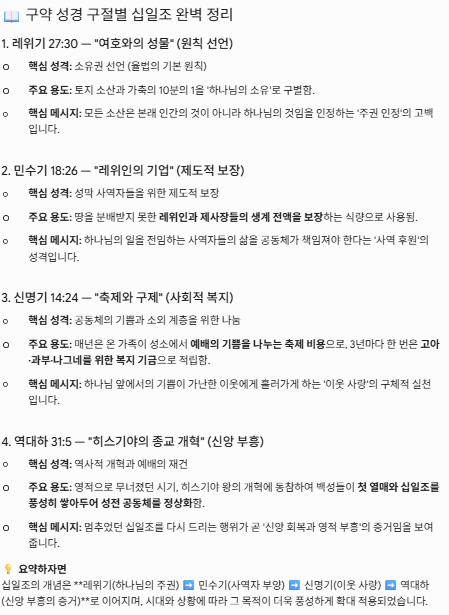
Tithing is an Old Testament concept. The tithe (or tenth) was a requirement of the law in which the Israelites were to give 10 percent of the crops they grew and the livestock they raised to the tabernacle/temple (Leviticus 27:30; Numbers 18:26; Deuteronomy 14:24; 2 Chronicles 31:5). The Old Testament law required Israelites to tithe at different times and for various purposes—to support the Levites (Numbers 18:21, 24), to celebrate the feasts (Deuteronomy 14:22–27), and to care for the poor of the land (Deuteronomy 14:28–29). Some understand the Old Testament tithe as a method of taxation to provide for the needs of the priests and Levites.
십일조는 구약 성경의 개념입니다. 십일조(또는 10분의 1)는 이스라엘 백성이 수확한 농작물과 기른 가축의 10퍼센트를 성막이나 성전에 바치도록 한 율법의 요구 사항이었습니다(레위기 27:30; 민수기 18:26; 신명기 14:24; 역대하 31:5).
구약의 율법은 이스라엘 백성에게 각기 다른 시기에 다양한 목적을 위해 십일조를 드릴 것을 명했습니다. 즉, 레위인을 부양하고(민수기 18:21, 24), 절기를 기념하며(신명기 14:22–27), 그 땅의 가난한 자들을 돌보기 위함이었습니다(신명기 14:28–29). 어떤 이들은 구약의 십일조를 제사장과 레위인의 필요를 채워주기 위한 일종의 조세(세금) 제도로 이해하기도 합니다.
💡 번역 포인트
|
Jesus Christ fulfilled the Mosaic Law. The shadow of the ceremonial system was completed in Him. The temple was no longer needed for worship. Instead, “the true worshipers will worship the Father in the Spirit and in truth” (John 4:23). Collectively, all who put their faith in Christ make up the church, which was instituted after Jesus’ ascension. The church is both global and uniquely expressed in local gatherings of believers.
예수 그리스도께서는 모세의 율법을 성취하셨습니다. 구약의 의식적(儀式的)인 체계가 가졌던 그림자는 그분 안에서 온전히 완성되었습니다. 따라서 더 이상 예배를 위해 물리적인 성전이 필요하지 않게 되었습니다. 대신, “참되게 예배하는 자들은 영과 진리로 아버지를 예배할” 시대가 왔습니다(요한복음 4:23). 그리스도를 믿는 모든 이들은 총체적으로, 예수님의 승천 이후 세워진 '교회'를 구성합니다. 교회는 온 세계에 편재하는 우주적 교회인 동시에, 믿는 자들이 모이는 각 지역의 모임을 통해 독특하게 구현됩니다.
💡 주요 신학 용어 번역 노트
|
| The Law as a Shadow Topical Encyclopedia The concept of "The Law as a Shadow" is rooted in the New Testament, particularly in the writings of the Apostle Paul and the author of Hebrews. This theological perspective views the Mosaic Law as a precursor or foreshadowing of the realities fulfilled in Jesus Christ. The Law, given to Israel through Moses, is seen as a temporary and symbolic system pointing to the ultimate redemption and revelation found in Christ. 율법은 그림자 (The Law as a Shadow) 주제별 백과사전 '율법은 그림자'라는 개념은 신약성경, 특히 사도 바울의 글과 히브리서 기자에게서 비롯되었습니다. 이러한 신학적 관점은 모세의 율법을 예수 그리스도를 통해 성취될 실체의 전조(징조) 또는 예표로 여깁니다. 모세를 통해 이스라엘에게 주어진 율법은 그리스도 안에서 발견되는 궁극적인 구원과 계시를 가리키는 일시적이고 상징적인 체계로 이해됩니다. *** a precursor or foreshadowing of the realities fulfilled in Jesus Christ : 이 구절은 보통 신학에서 구약의 인물, 제도, 사건이 장차 오실 예수 그리스도를 미리 보여주는 '예표(Typology)'를 설명할 때 자주 쓰이는 표현입니다. 문맥에 맞추어 자연스럽게 번역해 드립니다. "예수 그리스도 안에서 성취된 실체(실재)들의 전조이자 예표" 주요 어휘 팁Precursor: 전조, 선구자 (장차 올 일을 미리 보여주거나 이끄는 존재)
The primary scriptural basis for understanding the Law as a shadow is found in the Book of Hebrews. Hebrews 10:1 states, "The law is only a shadow of the good things to come, not the realities themselves. It can never, by the same sacrifices offered year after year, make perfect those who draw near to worship." This passage highlights the insufficiency of the Law to bring about complete spiritual perfection and its role as a precursor to the "good things" realized in Christ. 성경적 근거 (Biblical Foundation) 율법을 그림자로 이해하는 핵심적인 성경적 근거는 히브리서에서 찾을 수 있습니다. 히브리서 10장 1절은 다음과 같이 말씀합니다. "율법은 장차 올 좋은 일의 그림자일 뿐이요 참 형상이 아니므로 해마다 늘 드리는 같은 제사로는 나아오는 자들을 언제나 온전하게 할 수 없느니라." 이 구절은 영적인 완전함을 이루기에 율법이 지닌 불완전함을 짚어내며, 동시에 율법이 그리스도 안에서 실현될 '좋은 일들'의 전조 역할을 하고 있음을 강조합니다. Similarly, Colossians 2:16-17 emphasizes this concept: "Therefore let no one judge you by what you eat or drink, or with regard to a festival, a New Moon, or a Sabbath. These are a shadow of the things to come, but the body that casts it belongs to Christ." Here, Paul underscores that the ceremonial aspects of the Law were mere shadows, with Christ being the substance or reality. 이와 유사하게 골로새서 2장 16-17절도 이 개념을 강조합니다. "그러므로 먹고 마시는 것과 절기나 초하루나 안식일을 이유로 누구든지 너희를 비판하지 못하게 하라 이것들은 장래 일의 그림자이나 몸은 그리스도의 것이니라." 여기서 바울은 율법의 의식적인 측면들은 단지 그림자일 뿐이며, 그리스도께서 바로 그 실체이심을 명확히 하고 있습니다. (구문 분석) These are a shadow of the things to come, but the body that casts it belongs to Christ 골로새서 2장 17절의 영어 성경(주로 ESV, NIV 등) 표현으로, 비유적 표현과 대조 구조가 아주 아름다운 문장입니다. 자연스러운 이해를 위해 핵심 구조부터 차근차근 쪼개어 분석해 드릴게요. 1. 문장 전체 구조 개요 이 문장은 but(그러나)을 중심으로 크게 두 개의 절이 대조를 이루는 형태입니다.
① [앞 부분] These are a shadow of the things to come 해석: 이것들은 장차 올 것들의 그림자이나,
해석: 그러나
해석: 그것(그림자)을 드리우는 몸(실체)은 그리스도의 것입니다.
이 문장의 핵심은 그림자(Shadow)와 몸(Body = 실체)의 대조입니다.
The Role of the Law The Law served multiple purposes in the history of Israel and in God's redemptive plan. It was a covenantal framework that defined the relationship between God and His chosen people, Israel. It provided moral, ceremonial, and civil guidelines that set Israel apart from other nations. The Law also revealed the holiness of God and the sinfulness of humanity, acting as a tutor to lead people to Christ (Galatians 3:24). 율법의 역할 (The Role of the Law) 율법은 이스라엘의 역사와 하나님의 구원 계획 속에서 여러 가지 목적을 수행했습니다. 우선, 율법은 하나님과 그분이 택하신 백성인 이스라엘 사이의 관계를 규정하는 언약의 틀이었습니다. 또한 이스라엘을 다른 민족들과 구별 짓는 도덕적, 의식적, 시민법적 지침을 제공했습니다. 아울러 율법은 하나님의 거룩함과 인간의 죄성을 드러내어, 사람들이 그리스도께로 나아오도록 인도하는 초등교사(몽학선생) 역할을 했습니다(갈라디아서 3:24). Christ as the Fulfillment In the New Testament, Jesus is presented as the fulfillment of the Law. Matthew 5:17 records Jesus saying, "Do not think that I have come to abolish the Law or the Prophets; I have not come to abolish them but to fulfill them." Christ's life, death, and resurrection are seen as the culmination of the Law's purpose, bringing to fruition what the Law foreshadowed. The sacrificial system, central to the Mosaic Law, is particularly highlighted as a shadow of Christ's ultimate sacrifice. Hebrews 9:11-12 explains, "But when Christ came as high priest of the good things that have come, He went through the greater and more perfect tabernacle that is not made by hands, that is, not of this creation. He did not enter by the blood of goats and calves, but He entered the Most Holy Place once for all by His own blood, thus securing eternal redemption." 그리스도를 통한 성취 (Christ as the Fulfillment) 신약성경에서 예수님은 율법의 완성자로 제시됩니다. 마태복음 5장 17절은 예수님의 말씀을 다음과 같이 기록하고 있습니다. "내가 율법이나 선지자를 폐하러 온 줄로 생각하지 말라 폐하러 온 것이 아니요 완전하게 하려 함이라." 그리스도의 삶과 죽음, 그리고 부활은 율법이 지닌 목적의 정점으로 여겨지며, 율법이 예표했던 바를 온전히 결실 맺게 했습니다. 특히 모세 율법의 핵심인 제사 제도는 그리스도의 궁극적인 희생을 보여주는 그림자로 강조됩니다. 히브리서 9장 11-12절은 이렇게 설명합니다. "그리스도께서는 장래 좋은 일의 대제사장으로 오사 손으로 짓지 아니한 것 곧 이 창조에 속하지 아니한 더 크고 온전한 장막으로 말미암아 염소와 송아지의 피로 하지 아니하고 오직 자기의 피로 영원한 속죄를 이루사 단번에 성소에 들어가셨느니라." Once for all(또는 once and for all)은 영어에서 매우 자주 쓰이는 핵심 숙어로, "이번 한 번만으로 영원히", "최종적으로(단번에)"라는 강력한 의미를 가지고 있습니다. 앞서 질문해주신 성경 구절(골로새서)과도 일맥상통하는, 특히 신학적이거나 법적인 선언에서 자주 등장하는 표현입니다. 구조와 뉘앙스를 쉽게 정리해 드릴게요. 1. 단어의 결합과 의미 이 표현은 두 가지 개념이 합쳐진 것입니다.
[핵심 뜻] 단순히 "한 번 하고 끝"이 아니라, **"이번 단 한 번의 행동이 너무나 완벽하고 충분해서, 앞으로 다시는 반복할 필요가 없다"**는 뜻입니다.2. 일상 대화에서의 쓰임 (Once and for all) 일상생활이나 비즈니스에서는 보통 중간에 and를 넣어 once and for all 형태로 많이 쓰입니다. 주로 "이번 기회에 확실히 끝내자", "최종적으로 결판을 내자"라고 할 때 사용합니다.
종교적, 특히 기독교적 문맥에서는 and 없이 once for all로 자주 쓰입니다. 예수 그리스도의 십자가 사건이 인류의 죄를 해결하기에 "단번에, 그리고 영원히 유효하다"는 완전성을 강조할 때 쓰이는 핵심 교리적 표현입니다. (히브리어/헬라어 원어인 '에파팍스, ἐφαˊπαξ'의 번역어입니다.)
For believers, understanding the Law as a shadow has significant theological implications. It affirms the continuity and discontinuity between the Old and New Covenants. While the moral principles of the Law reflect God's unchanging character, the ceremonial and civil aspects are fulfilled and transformed in Christ. Believers are called to live in the freedom of the New Covenant, guided by the Spirit rather than the letter of the Law (Romans 7:6). The concept of the Law as a shadow also encourages believers to appreciate the depth and richness of God's redemptive plan, recognizing the unity of Scripture and the centrality of Christ in all things. 성도들에게 주는 의미 (Implications for Believers) 성도들에게 율법을 그림자로 이해하는 것은 매우 중요한 신학적 의미를 지닙니다. 이는 구약과 신약 사이의 연속성과 불연속성을 동시에 확인시켜 줍니다. 율법의 도덕적 원칙들은 변치 않는 하나님의 성품을 반영하지만, 의식적이고 시민법적인 측면들은 그리스도 안에서 성취되고 변화되었습니다. 이에 따라 성도들은 율법의 조문이 아니라 성령의 인도하심을 따르며, 새 언약이 주는 자유 안에서 살아가도록 부르심을 받았습니다(로마서 7:6). 또한, 율법을 그림자로 바라보는 관점은 성도들로 하여금 하나님의 구원 계획이 지닌 깊이와 풍성함을 깨닫게 하며, 성경의 통일성과 만물의 중심이 되시는 그리스도의 주권을 인정하도록 격려합니다. |
As part of the Mosaic Law, the tithe ended with the fulfilling of the law. New Testament believers are not mandated to give 10 percent, but we are still called to financially participate in the work of the church and to care for those who spiritually care for us. First Corinthians 9:13–14 explains, “Don’t you know that those who serve in the temple get their food from the temple, and that those who serve at the altar share in what is offered on the altar? In the same way, the Lord has commanded that those who preach the gospel should receive their living from the gospel.” First Timothy 5:17–18 says, “The elders who direct the affairs of the church well are worthy of double honor, especially those whose work is preaching and teaching. For Scripture says, ‘Do not muzzle an ox while it is treading out the grain,’ and ‘The worker deserves his wages.’” Our giving is also intended to support the work of missions (Philippians 4:10–19) and help those in need (2 Corinthians 8; 1 Timothy 5:3).
모세 율법의 한 부분이었던 십일조는 율법이 성취됨과 함께 마감되었습니다. 신약 시대의 성도들은 수입의 10퍼센트를 바치도록 강제되지는 않지만, 여전히 교회의 사역에 재정적으로 동참하고 우리를 영적으로 돌보는 이들을 부양하라는 부르심을 받고 있습니다.
고린도전서 9장 13~14절은 다음과 같이 설명합니다. “성전의 일을 하는 이들은 성전에서 나는 것을 먹으며 제단에서 섬기는 이들은 제단과 함께 나누는 것을 너희가 알지 못하느냐 이와 같이 주께서도 복음 전하는 자들이 복음으로 말미암아 살리라 명하셨느니라.”
또한 디모데전서 5장 17~18절은 이렇게 말합니다. “잘 다스리는 장로들은 배나 존경할 자로 알되 말씀과 가르침에 수고하는 이들에게는 더욱 그리할 것이니라 성경에 일렀으되 곡식을 밟아 떠는 소의 입에 망을 씌우지 말라 하였고 또 일꾼이 그 삯을 받는 것은 마땅하다 하였느니라.” 아울러 우리가 드리는 예물은 선교 사역을 후원하고(빌립보서 4:10–19), 궁핍한 이웃을 돕기 위한 목적(고린도후서 8장; 디모데전서 5:3)을 지니고 있습니다.
주요 표현 및 성경 구절 매칭 노트
|
The New Testament nowhere designates a percentage of income a person should give. Christians are not obligated to give a 10-percent tithe. But Scripture does encourage believers to regularly set aside money to give “in keeping with income” (1 Corinthians 16:2; cf. 2 Corinthians 8:12). God promises His blessing on the giver: “Whoever sows sparingly will also reap sparingly, and whoever sows generously will also reap generously. Each of you should give what you have decided in your heart to give, not reluctantly or under compulsion, for God loves a cheerful giver” (2 Corinthians 9:6–7). Some Christians consider the 10 percent figure from the Old Testament tithe as a “recommended minimum” for their giving.
신약 성경은 사람이 수입의 몇 퍼센트를 바쳐야 하는지 그 비율을 그 어디에서도 지정하지 않습니다. 그리스도인들은 10퍼센트의 십일조를 드려야 할 법적 의무가 없습니다. 다만 성경은 성도들이 "수입에 따라"(고린도전서 16:2; 고린도후서 8:12 참조) 정기적으로 물질을 구별하여 드릴 것을 권면합니다. 하나님께서는 바치는 자에게 다음과 같은 복을 약속하십니다. “이것이 곧 적게 심는 자는 적게 거두고 많이 심는 자는 많이 거두신다 하는 말이로다 각각 그 마음에 정한 대로 할 것이요 인색함으로나 억지로 하지 말지니 하나님은 즐겨 내는 자를 사랑하시느니라”(고린도후서 9:6–7). 그렇기에 어떤 그리스도인들은 구약 성경의 십일조 기준인 10퍼센트라는 수치를, 자신들이 드리는 예물의 '권장되는 최소한의 기준'으로 여기기도 합니다.
💡 깊이 있는 묵상을 위한 핵심 요약지금까지 나누신 여러 구절을 종합해 보면, 신약 시대 그리스도인의 드림(Giving)은 다음 4가지 법칙으로 요약됩니다.
|
Although the tithe is not obligatory for the Christian, the New Testament emphasizes the importance and benefits of freewill giving. We are to give as we are able. Sometimes that means giving more than 10 percent; sometimes that may mean giving less. It depends on the ability of the Christian and the needs of the body of Christ. Every Christian should diligently pray and seek God’s wisdom in the matter of giving (see James 1:5). However much we give, we should offer it with pure motives, a cheerful heart, and an attitude of worship.
그리스도인에게 십일조가 의무는 아닐지라도, 신약 성경은 자원하여 드리는 예물의 중요성과 유익을 거듭 강조합니다. 우리는 각자의 능력에 따라 드려야 합니다. 때로는 그것이 수입의 10퍼센트 이상을 드리는 것을 의미할 수도 있고, 때로는 그보다 적게 드리는 것을 의미할 수도 있습니다. 이는 그리스도인 개인의 형편과 그리스도의 몸 된 교회의 필요에 따라 달라집니다. 그러므로 모든 그리스도인은 예물을 드리는 문제에 있어 부지런히 기도하며 하나님의 지혜를 구해야 합니다(야고보서 1:5 참조). 우리가 얼마를 드리든 간에, 우리는 순전한 동기와 기쁜 마음, 그리고 예배하는 태도로 그것을 봉헌해야 합니다.
💡 주요 표현 및 성서학적 포인트
|
| Should we tithe off our gross or net income? Answer The tithe is an Old Testament concept. The tithe was a requirement of the law in which all Israelites were to give 10 percent of everything they earned—or the crops and animals they grew—to the tabernacle or temple (Leviticus 27:30; Numbers 18:26; Deuteronomy 14:24; 2 Chronicles 31:5). Believers in Christ are not commanded to give 10 percent of their income. Christians should diligently pray and seek God’s wisdom as to how much they should give (James 1:5). Many people believe that the Old Testament tithe is a good principle for believers to follow. Giving 10 percent of your income back to God demonstrates your thankfulness to Him for what He has provided and helps you to remember to rely on God instead of on riches. The Bible does not specifically say whether we should give 10 percent of our gross or net income. The Old Testament teaches the principle of firstfruits (Exodus 23:16; 34:22; Leviticus 2:12-14; 2 Chronicles 31:5). Old Testament believers gave from the best of their crops, not the leftovers. The same principle could apply to our giving today. Again, a believer should give what he believes God would have him give. It all goes back to the attitude of the heart. Are we giving out of reverence for God or out of selfishness for our own wealth? “Each man should give what he has decided in his heart to give, not reluctantly or under compulsion, for God loves a cheerful giver” (2 Corinthians 9:7). 십일조는 세전 수입으로 해야 할까요, 세후 수입으로 해야 할까요? 답변 십일조는 구약 성경의 개념입니다. 십일조는 모든 이스라엘 백성이 자신이 번 모든 것, 즉 수확한 농작물과 기른 가축의 10퍼센트를 성막이나 성전에 바치도록 한 율법의 요구 사항이었습니다(레위기 27:30; 민수기 18:26; 신명기 14:24; 역대하 31:5). 그리스도를 믿는 성도들은 자기 수입의 10퍼센트를 바치라는 명령을 받지 않았습니다. 그리스도인들은 얼마를 드려야 할지에 대해 부지런히 기도하며 하나님의 지혜를 구해야 합니다(야고보서 1:5). 그러나 많은 이들은 구약의 십일조가 오늘날 성도들이 따르기에 좋은 신앙적 원리라고 믿습니다. 수입의 10퍼센트를 하나님께 돌려드리는 것은 하나님이 주신 공급하심에 대한 감사의 표시이며, 재물이 아닌 하나님을 의지하도록 스스로를 일깨우는 데 도움이 되기 때문입니다. 성경은 우리가 세전(Gross) 수입의 10퍼센트를 드려야 하는지, 혹은 세후(Net) 수입의 10퍼센트를 드려야 하는지 명시적으로 말하지 않습니다. 다만 구약 성경은 **'첫 열매(Firstfruits)'**의 원리를 가르칩니다(출애굽기 23:16; 34:22; 레위기 2:12-14; 역대하 31:5). 구약의 성도들은 먹고 남은 찌꺼기가 아니라, 수확물 중 '가장 좋은 최고의 것'을 구별하여 드렸습니다. 이와 동일한 원리가 오늘날 우리의 드림에도 적용될 수 있을 것입니다. 결국 성도라면 하나님께서 자신에게 주고자 하시는 마음을 따라 드려야 합니다. 모든 것은 마음의 중심(태도)으로 귀결됩니다. 우리는 하나님을 경외함으로 드리고 있습니까, 아니면 내 재물에 대한 사심(인색함)으로 드리고 있습니까? “각각 그 마음에 정한 대로 할 것이요 인색함으로나 억지로 하지 말지니 하나님은 즐겨 내는 자를 사랑하시느니라”(고린도후서 9:7). 💡 주요 핵심 용어 및 묵상 가이드
|