1951년 미국 캘리포니아주 산타모니카에서 태어났다. 아트 스튜던츠 리그(Art Students League)에서 수학하였으며 록펠러재단, 구겐하임재단, 국가미술기금(The National Endowment for The Art)으로부터 장학금을 받은 바 있다. 조각가였던 게리 힐은 1970년대 초에 비디오아트로 전향하여, 단채널 비디오 작품과 혼합 미디어 설치작품을 구분하여 제작하였다. 전자기계에 대한 탁월한 지식을 가진 그는 기술보다는 정신적 과정에 기초한 작품들을 만들었다.
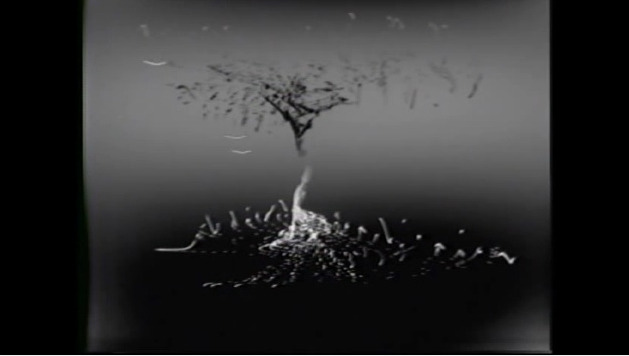
(happenstance - 1983)
그의 작품이 현대미술 전면에 부상하게 된 것은 암스테르담의 슈테데릭미술관(Stedelijk Museum)에서 열린 '에너지 The Energieen'전에 출품한 《표지 Beacon》 이후이며, 그 후 힐은 거의 설치작품만을 제작하면서 많은 국제전에 참가하였다. 1992년 제 9회 카셀 도큐멘타에서 그의 야심작 중 하나인 《키 큰 배 Tall Ship》를 선보였고, 1993년 휘트니 비엔날레에서는 《1과 0사이 Between 1 & 0》를 출품하였다.
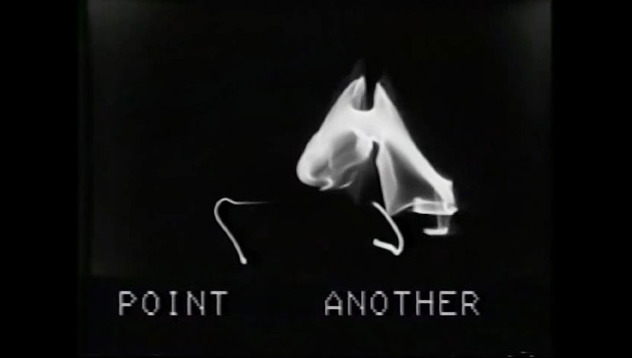
기호학과 비트겐슈타인(L. Wittgenstein)의 철학, 프랑스 포스트모던 이론 등을 공부한 그는 처음부터 언어와 이미지 사이의 관계를 주로 다루었다. 힐은 언어와 텍스트를 중심 매개로 하여, 언어를 이미지로 간주하고 이를 비디오 아트라는 매체를 통해 지속적으로 재창출하였다. 그러나 그의 작품에서 언어란 대화의 도구가 아니라, 언어를 초월한 어떤 것의 전달로써 사용된다. 그리고 언어를 초월하는 다른 어떤 것은 침묵에 의해 환기되며, 그 침묵은 신체의 언어를 수반하게 되었다.
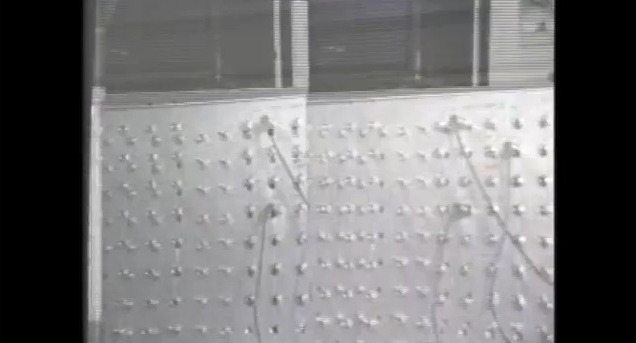
( Round and about )
힐의 작품에서 신체는 여러 부분으로 나뉘어지며, 콜라주된 이미지의 인위적 구성으로 몸의 실체감은 사라진다. 이러한 신체의 부재와 현존의 공존은 자아와 세계 사이의 관계를 말해주는 것으로 힐 작품의 특징적 양상이다. 그는 현대사회에서 소외된 인간의 의식과 인간 삶의 우연적인 형태를 고찰함으로써 언어와 신체를 주요 테마로 삼고 더불어 시간에 대한 끊임없는 질문을 던진다.
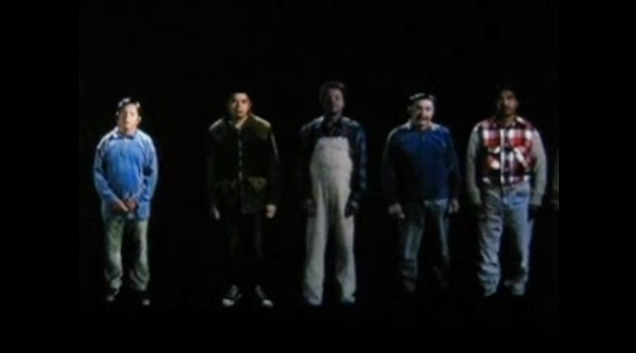
( Viewer,1996 )
주요 작품에는《첫 번째로 말하기 Primarily Speaking》(1981~83), 《현장에서 In Situ》(1986), 《미디어 의식 Media Rite》(1987), 《방해 Disturbance》(1988), 《1과 0 사이 Between 1 & 0》(1993), 《영화와 냉엄한 현실사이 Between Cinema and a Hard Place》(1996) 등이 있다.
Often viewed as one of the foundational artists in video art , based on the single-channel work and video- and sound-based installations of the 1970s and 1980s, he in fact began working in metal sculpture in the late 1960s.
Today he is best known for internationally exhibited installations and performance art, concerned as much with innovative language as with technology, and for continuing work in a broad range of media.
His longtime work with intermedia explores an array of issues ranging from the physicality of language, synesthesia and perceptual conundrums to ontological space and viewer interactivity.
The recipient of many awards, his influential work has been exhibited in most major contemporary art museums worldwide.
종종에 기초 아티스트 중 하나로 볼 비디오 아트 단일 채널 작업, 비디오 카메라와 1970 년대와 1980 년대의 사운드를 기반 설치에 따라, 사실 그는 1960 년대 후반에 금속 조각에서 일하기 시작했다.
오늘날 그는 최고의 기술과 같은 혁신적인 언어 많은, 미디어의 넓은 범위에서 작업을 계속하는대로 관련, 국제적으로 전시 설치 및 공연 예술 알려져있다.
인터와 그의 오랜 작업은 언어, 공감각과 존재 론적 공간 및 뷰어 상호 작용에 지각 수수께끼의 물성에 이르기까지 문제의 배열을 탐구한다.
많은 상을받는 사람은, 그의 영향력있는 작품은 전 세계 대부분의 주요 현대 미술 박물관에 전시되고있다.
The sheer richness and complexity of the artist’s work over four decades is open to continual further characterization. As an artist working from a core principle, often with strong conceptual aspects, his inner focus and dialogue within a given medium allows him high variability and unpredictability. Working with one or more principles at a time (e.g., the physicality of the medium and of languaging and imaging; liminality or the intense space between contraries and extremes of appearance), he can make it happen on multiple planes simultaneously—physical, personal, ontological, social, political—without reification of any one of them. Result: a singular event of reflexive speaking that marries mind and machine beyond any notion of reference as such—no stable signifier or signified, yet intense engagement at personal, emotional, and intellectual levels. Later works in computer animation—e.g., Liminal Objects (1995-), Frustrum (2006)—challenge one’s sense of “object” and mind-body boundaries and the very basis of our “reality.” Major projective installations—Tall Ships (1992), HanD HearD (1995–96), Viewer (1996), Wall Piece (2000), Up Against Down (2008)—raise these issues of physicality, objectivity, polyvalent signification, and language itself to a further human dimension—a principle of torsional engagement both within one’s own mind and body and up against the surface and face of the other.[4]
He was influenced by the intellectual orientation of conceptual art which dominated art of the 1970s, but he instinctively evolved beyond the conceptual as such, working into a refined domain of principle that put him in full processual and open dialog both with electronic media and the language of thinking. His reading of the fiction and philosophical literary essays of Maurice Blanchot, in particular, provided him with ideas relating to the way in which language impinges on phenomenological experience, and a notion of 'the other'. Such reading informs Hill's visual-poetic explorations of the interrelationships between language, image, identity, and the body. For example, in Cabin Fever he uses the binary opposition of light and darkness to convey the notion of an interaction between a self and an ‘other’.[5] He has also explored immersive environments, as seen in his 1992 piece Tall Ships. Hill's work thoroughly exploits the capacity of video to offer complex nonlinear narratives that encourage active engagement on the part of the viewer. In Roland Barthes' terms, Hill’s video narratives can be understood as ‘writerly’ texts