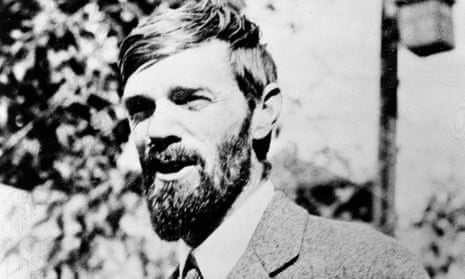
D.H. Lawrence (1885-1930) was a prolific English writer known for his groundbreaking prose, especially novels like Sons and Lovers, The Rainbow, Women in Love, and the controversial Lady Chatterley's Lover, exploring themes of class, industrialization, sexuality, and nature, alongside influential essays (Studies in Classic American Literature), travelogues (Sea and Sardinia), short stories (The Prussian Officer), and poetry, leaving a rich legacy of modernist literature.
Major Novels
Sons and Lovers (1913): A semi-autobiographical novel focusing on working-class life and complex family dynamics.
The Rainbow (1915): Explores the lives of three generations of women in the Brangwen family.
Women in Love (1920): A sequel to The Rainbow, delving into modern relationships and consciousness.
Lady Chatterley's Lover (1928): Famous for its explicit depiction of sexuality and class divide, leading to censorship issues.
Other Notable Prose Works
Short Stories: The Prussian Officer, The Woman Who Rode Away, The Rocking-Horse Winner, Love Among the Haystacks.
Essays & Criticism: Twilight in Italy,
Psychoanalysis and the Unconscious, Studies in Classic American Literature, Reflections on the Death of a Porcupine.
Travel Writing: Sea and Sardinia, Mornings in Mexico, Etruscan Places.
Plays: The Daughter-in-Law, The Widowing of Mrs. Holroyd.
Themes in Lawrence's Work
Industrialization vs. Nature: Critiques the dehumanizing effects of modern industry, celebrating natural vitality.
Sexuality & Relationships: Explores intimate connections, desire, and the complexities of male-female dynamics.
The Unconscious: Influenced by psychology, he delved into primal instincts and spiritual renewal.
Class: Portrayed the struggles and limitations of the English working and middle classes.
Lawrence's distinctive prose, characterized by its lyrical quality and psychological depth, cemented his place as a major figure in English modernism.