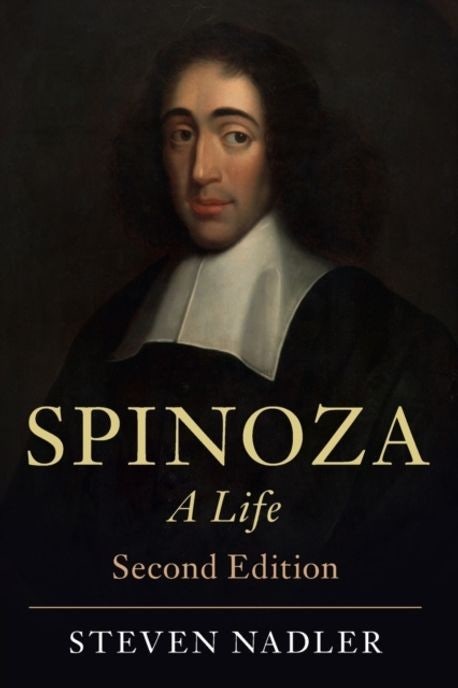
스피노자(1632-1677)는 1656년, 암스테르담 유대교회에서 파문을 당했다.
파문 (破門)
한자: 破 (깨뜨릴 파) + 門 (문 문)
종교 단체나 문중 등에서 구성원을 추방하는 처벌.
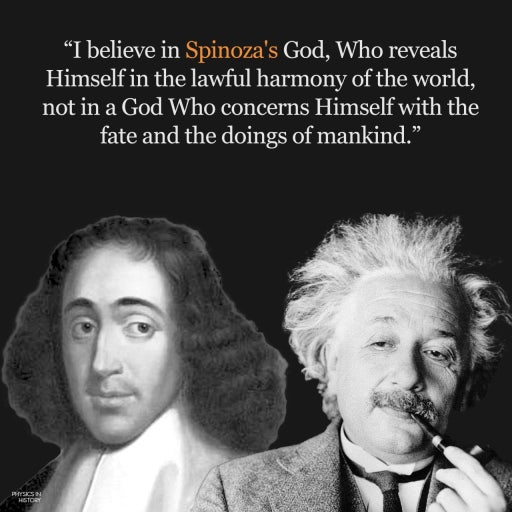
I believe in Spinoza's God, who reveals himself in the orderly harmony of all that exists, but not in a God who concerns himself with the fates and doings of mankind".
저는 스피노자의 신을 믿습니다. 그는 존재하는 모든 것의 질서 있는 조화 속에서 자신을 드러내지만, 인류의 운명과 행동에 관심을 가지는 신은 아닙니다.
이 문장은 "나는 존재하는 모든 것의 질서정연한 조화 속에서 자신을 드러내는 스피노자의 신을 믿지만, 인간의 운명이나 행위에 관여하는 신은 믿지 않는다"는 뜻으로, 신을 자연 법칙과 동일시하며(신즉자연), 개인의 운명에 개입하는 인격신을 부정하는 스피노자의 범신론적 관점을 나타내는 말입니다.
이는 아인슈타인이 스피노자의 신관을 지지하며 한 말로도 유명하며, 인간의 운명에 간섭하는 인격신(personal God)이 아닌, 우주 만물에 내재된 이성적 질서로서의 신을 의미합니다.
핵심 해석:
"스피노자의 신": 신은 창조주이자 인격적 존재가 아니라, 자연 그 자체(Deus sive Natura, 신 즉 자연)이며, 우주 만물에 내재된 질서와 법칙을 의미합니다.
"질서정연한 조화 속에서 자신을 드러내는": 신은 자연계의 모든 현상, 법칙, 그리고 그 조화로운 질서 자체를 통해 나타난다는 뜻입니다.
"인간의 운명과 행위에 관여하는 신": 인간의 삶에 개입하여 기도를 듣거나, 선악에 따라 보상하고 벌하는 전통적인 인격신(personal God)을 부정하는 것입니다.
요약: 이 말은 신을 초월적이고 인격적인 존재로 보는 것이 아니라, 우주 만물을 움직이는 이성적이고 필연적인 법칙 그 자체로 이해하는, 스피노자의 합리적이고 범신론적인 신관을 표현한 것입니다.
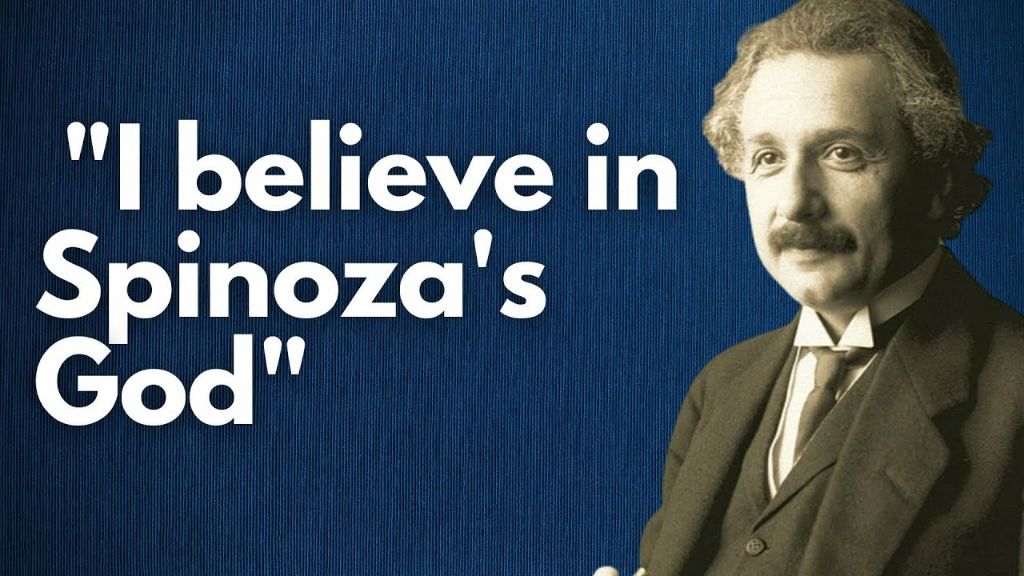
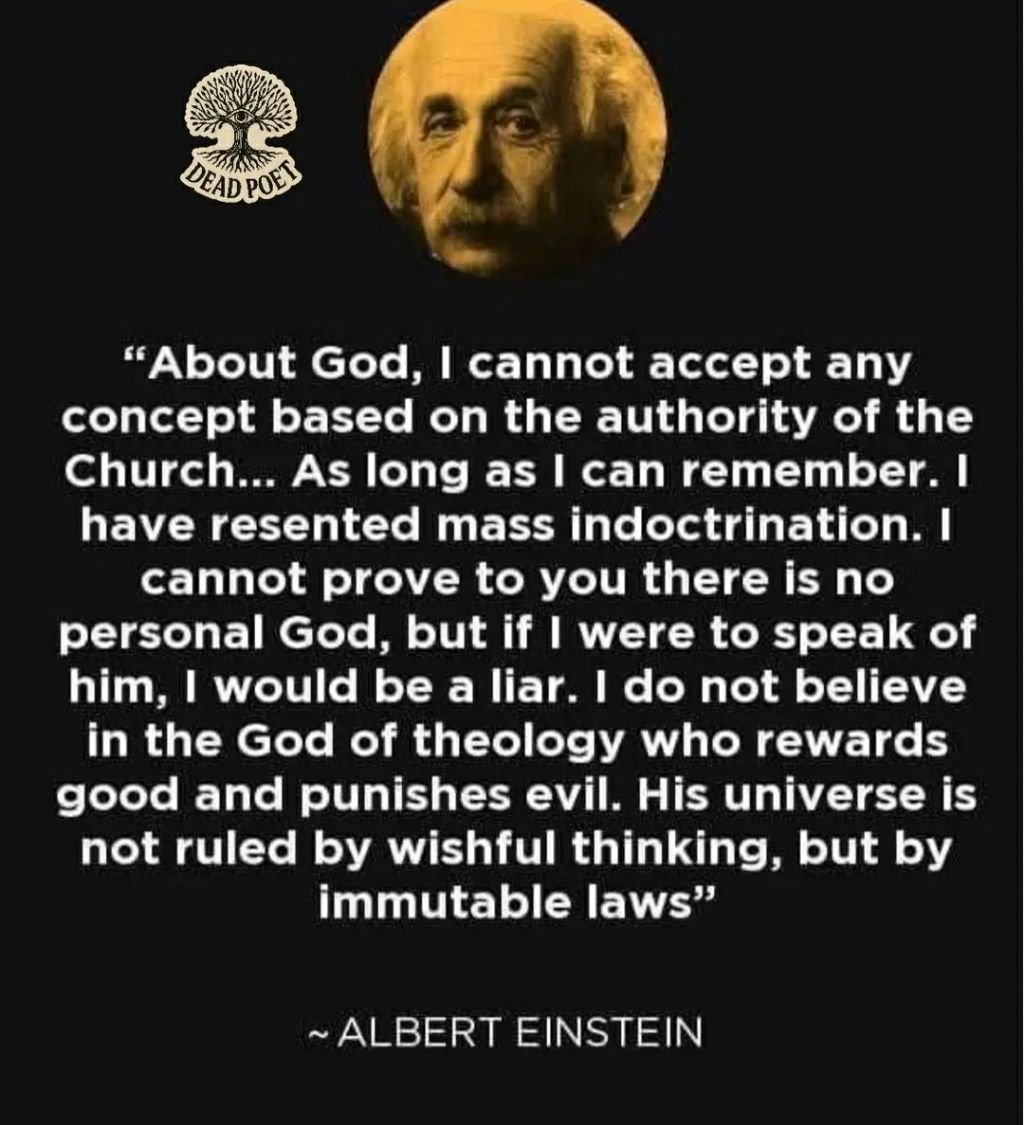
The famous quote, often attributed to Albert Einstein, is: "I believe in Spinoza's God, who reveals himself in the orderly harmony of all that exists, but not in a God who concerns himself with the fates and doings of mankind".
This reflects Spinoza's pantheistic view that God is Nature, an impersonal, lawful system, rather than a personal being intervening in human lives, a concept Einstein deeply resonated with, as noted in this snippet.
Key Elements of Spinoza's God (and Einstein's Belief)
Impersonal & Universal: God is the totality of reality, the natural laws, not a separate creator.
Harmony & Order: God reveals Himself through the consistent, rational structure of the universe (like physics).
No Personal Intervention: Rejects a God who answers prayers, punishes, or rewards individuals.
Cosmic Religion: Einstein saw this as a "cosmic religion" necessary for science, aligning with reason and awe at the universe's beauty.
Why it's important
It's a rejection of traditional, personal deities (theological God) in favor of a rational, naturalistic, yet spiritual view.
Einstein used this to distance himself from atheism while affirming a profound reverence for the universe's structure.
The Excommunication of Baruch Spinoza.
Spinoza’s cherem (excommunication) from the Amsterdam Jewish community on 27 July 1656 was effected by way of public denunciation;
the following document translates the official record of that denunciation:
The Lords of the ma’amad, having long known of the evil opinions and acts of Baruch
de Spinoza, have endeavord by various means and promises, to turn him from his evil
ways.
But having failed to make him mend his wicked ways, and, on the contrary,
daily receiving more and more serious information about the abominable heresies
which he practiced and taught and about his monstrous deeds, and having for this
numerous trustworthy witnesses who have deposed and born witness to this effect in
the presence of the said Espinoza, they became convinced of the truth of the matter;
and after all of this has been investigated in the presence of the honorable chachamin,
they have decided, with their consent, that the said Espinoza should be
excommunicated and expelled from the people of Israel. By the decree of the angels,
and by the command of the holy men, we excommunicate, expel, curse and damn
Baruch de Espinoza, with the consent of God, Blessed be He, and with the consent of
all the Holy Congregation, in front of these holy Scrolls with the six-hundred-and-
thirteen precepts which are written therein, with the excommunication with which
Joshua banned Jericho, with the curse with which Elisha cursed the boys, and with all
the curses which are written in the Book of the Law. Cursed be he by day and cursed
be he by night; cursed be he when he lies down, and cursed be he when he rises up;
cursed be he when he goes out, and cursed be he when he comes in. The Lord will not
spare him; the anger and wrath of the Lord will rage against this man, and bring upon
him all the curses which are written in this book, and the Lord will blot out his name
from under heaven, and the Lord will separate him to his injury from all the tribes of
Israel with all the curses of the covenant, which are written in the Book of the Law. But
you who cleave unto the Lord God are all alive this day. We order that no one should
communicate with him orally or in writing, or show him any favor, or stay with him
under the same roof, or within four ells of him, or read anything composed or written
by him.
Strong stuff, echoes of which can be heard in the concluding arguments of Spinoza’s 1670 Tractatus Theologico-
Politicus:
. . . it is impossible for the mind to be completely under another’s control; for no one is
able to transfer to another his natural right or faculty to reason freely and to form his
own judgment on any matters whatsoever, nor can he be compelled to do so.
Consequently, a government that attempts to control men’s minds is regarded as
tyrannical, and a sovereign is thought to wrong his subjects and infringe their right
when he seeks to prescribe for every man what he should accept as true and reject as
false, and what are the beliefs that will inspire him with devotion to God. . . . it follows
that utter failure will attend any attempt in a commonwealth to force men to speak only
as prescribed by the sovereign despite their different and opposing opinions. . . .
Therefore the most tyrannical government will be one where the individual is denied
the freedom to express and to communicate to others what he thinks, and a moderate
government is one where this freedom is granted to every man
[TTP, XX:1-4].
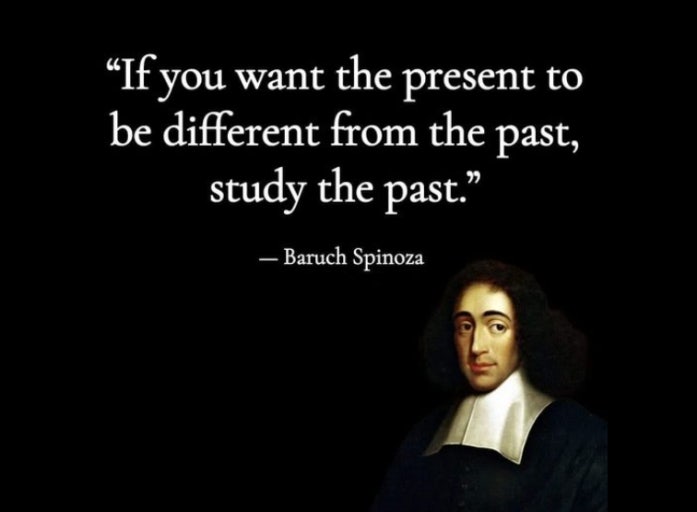
Philosopher and lens-grinder Baruch Spinoza was excommunicated by the Jewish community of Amsterdam on this date in 1656, at the age of 23. (All of his works were eventually banned by the Catholic Church as well.)
The nature of his “crimes” was not defined in the kherem (writ of excommunication), but eventually his heretical ideas would include that nature’s laws are inviolable (there are no miracles), that God and nature are two terms for the same reality, and that good and evil are concepts extrapolated from human pleasure and pain, and that the world’s seeming imperfections testify to our limited perceptions, not to the reality of imperfection. Spinoza’s philosophy, set forth in The Ethics (1677) and several other books, was a forerunner of modern atheism and a catalyst to the Enlightenment.
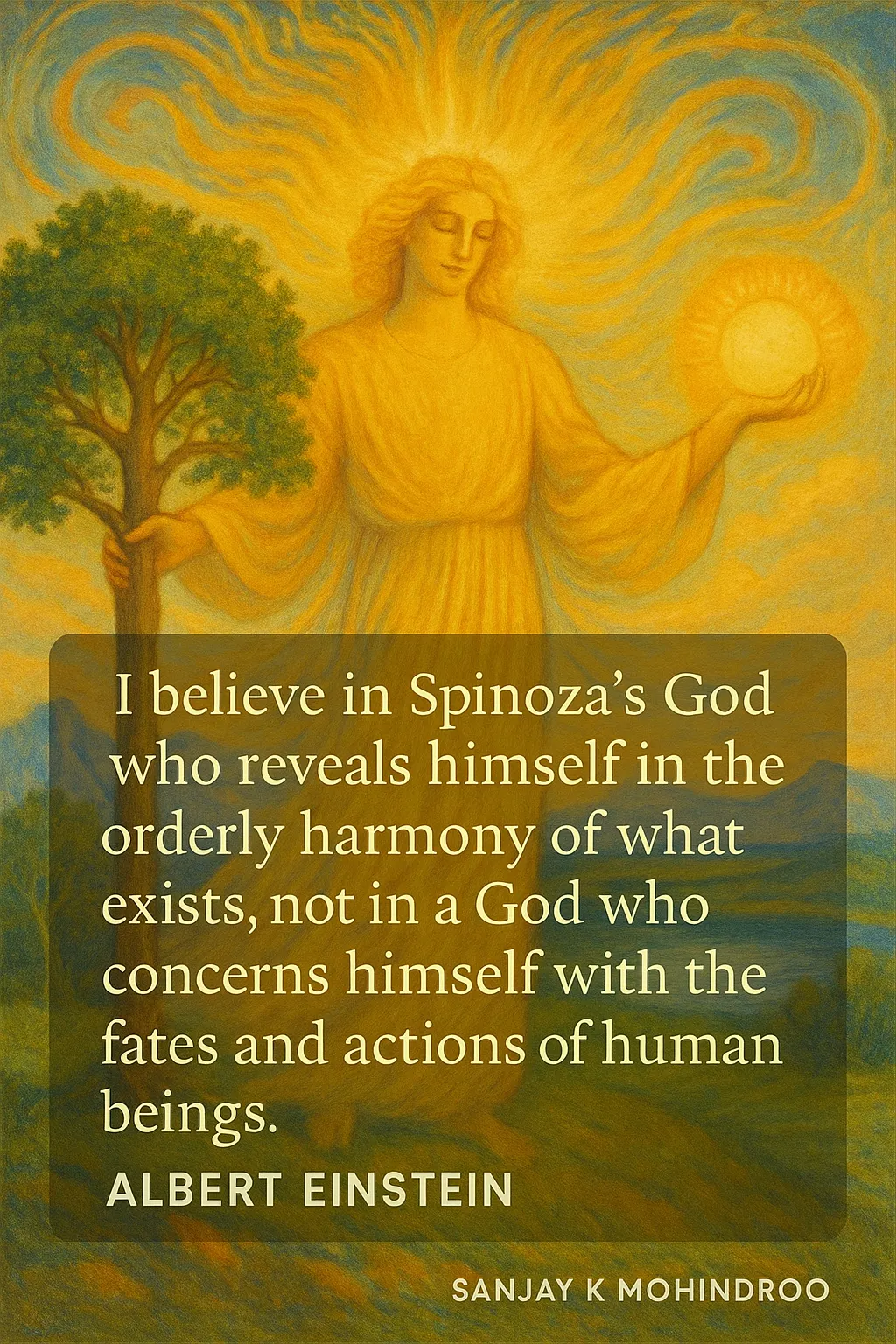
“I believe in Spinoza’s God who reveals himself in the orderly harmony of what exists, not in a God who concerns himself with the fates and actions of human beings.” —Albert Einstein
Baruch Spinoza was excommunicated (*herem-ed) by the Portuguese-Jewish community of Amsterdam in July 1656, at age 23, for his "abominable heresies" and "monstrous deeds," stemming from his radical questioning of traditional Jewish beliefs, like the divine origin of the Torah, and his emerging philosophical ideas about God, nature, and the soul, which clashed with the community's religious and mercantile authority, leading to a harsh ban forbidding all contact with him.
Key Reasons for Excommunication
Heresy & Blasphemy: Spinoza questioned core tenets, suggesting God wasn't a personal being, the soul wasn't immortal, the Torah wasn't divinely authored, and miracles weren't real, aligning God with Nature (Deus sive Natura).
Challenging Authority: His liberal, universalist ethics and anthropological view of Jewish history conflicted with the community's leaders, who held significant economic and political power.
Refusal to Recant: When summoned, Spinoza refused to change his views or accept a bribe (an annuity) to remain silent, leading to the severe ban.
The Herem (The Ban)
Issued by the Talmud Torah congregation, it was the harshest ban ever imposed by them.
It cursed Spinoza, forbidding anyone to communicate with him orally or in writing, show him favor, or even be within four cubits (about six feet) of him.
The ban was never rescinded and included profound social isolation.
Context & Aftermath
Spinoza was a product of this vibrant, wealthy Portuguese-Jewish community, known for its commerce and influence in Amsterdam, notes Brill.
His philosophical ideas, developed further in works like Tractatus Theologico-Politicus, became foundational to the Enlightenment, positioning him as a forerunner to modern secular thought, though he wasn't necessarily an atheist, but rather a pantheist, states Jewish Currents and Philippine Atheists Facebook Group.
The Excommunication of Baruch Spinoza.
Spinoza’s cherem (excommunication) from the Amsterdam Jewish community on 27 July 1656 was effected by way public denunciation;
the following document translates the official record of that denunciation:
The Lords of the ma’amad, having long known of the evil opinions and acts of Baruch
de Spinoza, have endeavord by various means and promises, to turn him from his evil
ways.
But having failed to make him mend his wicked ways, and, on the contrary,
daily receiving more and more serious information about the abominable heresies
which he practiced and taught and about his monstrous deeds, and having for this
numerous trustworthy witnesses who have deposed and born witness to this effect in
the presence of the said Espinoza, they became convinced of the truth of the matter;
and after all of this has been investigated in the presence of the honorable chachamin,
they have decided, with their consent, that the said Espinoza should be
excommunicated and expelled from the people of Israel. By the decree of the angels,
and by the command of the holy men, we excommunicate, expel, curse and damn
Baruch de Espinoza, with the consent of God, Blessed be He, and with the consent of
all the Holy Congregation, in front of these holy Scrolls with the six-hundred-and-
thirteen precepts which are written therein, with the excommunication with which
Joshua banned Jericho, with the curse with which Elisha cursed the boys, and with all
the curses which are written in the Book of the Law. Cursed be he by day and cursed
be he by night; cursed be he when he lies down, and cursed be he when he rises up;
cursed be he when he goes out, and cursed be he when he comes in. The Lord will not
spare him; the anger and wrath of the Lord will rage against this man, and bring upon
him all the curses which are written in this book, and the Lord will blot out his name
from under heaven, and the Lord will separate him to his injury from all the tribes of
Israel with all the curses of the covenant, which are written in the Book of the Law. But
you who cleave unto the Lord God are all alive this day. We order that no one should
communicate with him orally or in writing, or show him any favor, or stay with him
under the same roof, or within four ells of him, or read anything composed or written
by him.
Strong stuff, echoes of which can be heard in the concluding arguments of Spinoza’s 1670 Tractatus Theologico-
Politicus:
. . . it is impossible for the mind to be completely under another’s control; for no one is
able to transfer to another his natural right or faculty to reason freely and to form his
own judgment on any matters whatsoever, nor can he be compelled to do so.
Consequently, a government that attempts to control men’s minds is regarded as
tyrannical, and a sovereign is thought to wrong his subjects and infringe their right
when he seeks to prescribe for every man what he should accept as true and reject as
false, and what are the beliefs that will inspire him with devotion to God. . . . it follows
that utter failure will attend any attempt in a commonwealth to force men to speak only
as prescribed by the sovereign despite their different and opposing opinions. . . .
Therefore the most tyrannical government will be one where the individual is denied
the freedom to express and to communicate to others what he thinks, and a moderate
government is one where this freedom is granted to every man
[TTP, XX:1-4].
스피노자 파문 선고문 전문은 공개된 장소에서 완전한 형태로 찾기 어렵지만, 그 내용은 '신을 부정하고 모독한 무신론자'로 낙인찍어 천사의 이름으로 저주하며 공동체에서 추방, 모든 교류 금지, 저작물 열람 금지 등을 골자로 한 매우 가혹한 내용으로, 이는 1656년 7월 암스테르담 유대인 회중에서 내려졌으며, 스피노자는 이에 굴하지 않고 철학적 신념을 지켰습니다.
파문 선고의 핵심 내용 (요약)
선고 주체 및 근거: 천사들의 결정, 성인들의 판결, 신성한 두루마리(율법) 앞에서 이루어짐.
대상: 바뤼흐 드 에스피노자 (스피노자).
결정 사항: 파문(Excommunication), 추방, 저주, 비난.
저주 내용:
잠잘 때도, 일어날 때도, 나갈 때도, 들어올 때도 저주받을 것.
어떤 누구도 말이나 글로 그와 교제하지 말 것.
그가 쓴 책을 읽지 말 것.
선고 이유: 신을 부정하고 모독하는 무신론적 견해(신을 자연 그 자체로 보거나 인격신이 아닌 것으로 이해하는 등) 때문.
선고문 전문을 찾기 어려운 이유 및 관련 내용
스피노자는 파문 직후, 자신의 입장을 변호하는 글을 썼으나, 이후 『신학정치론』을 쓰면서 공식적으로 폐기했다고 알려져 있습니다.
선고문은 당대 유대교 공동체의 권위와 엄격함을 보여주는 역사적 기록이며, 스피노자가 겪은 박해와 그의 철학적 결단을 상징적으로 보여주는 문서입니다.
결론적으로, 스피노자 파문 선고문은 '신성 모독'을 이유로 한 강력한 종교적-사회적 추방 선언이었으며, 그의 삶과 철학의 전환점이 된 사건으로 기록되어 있습니다.